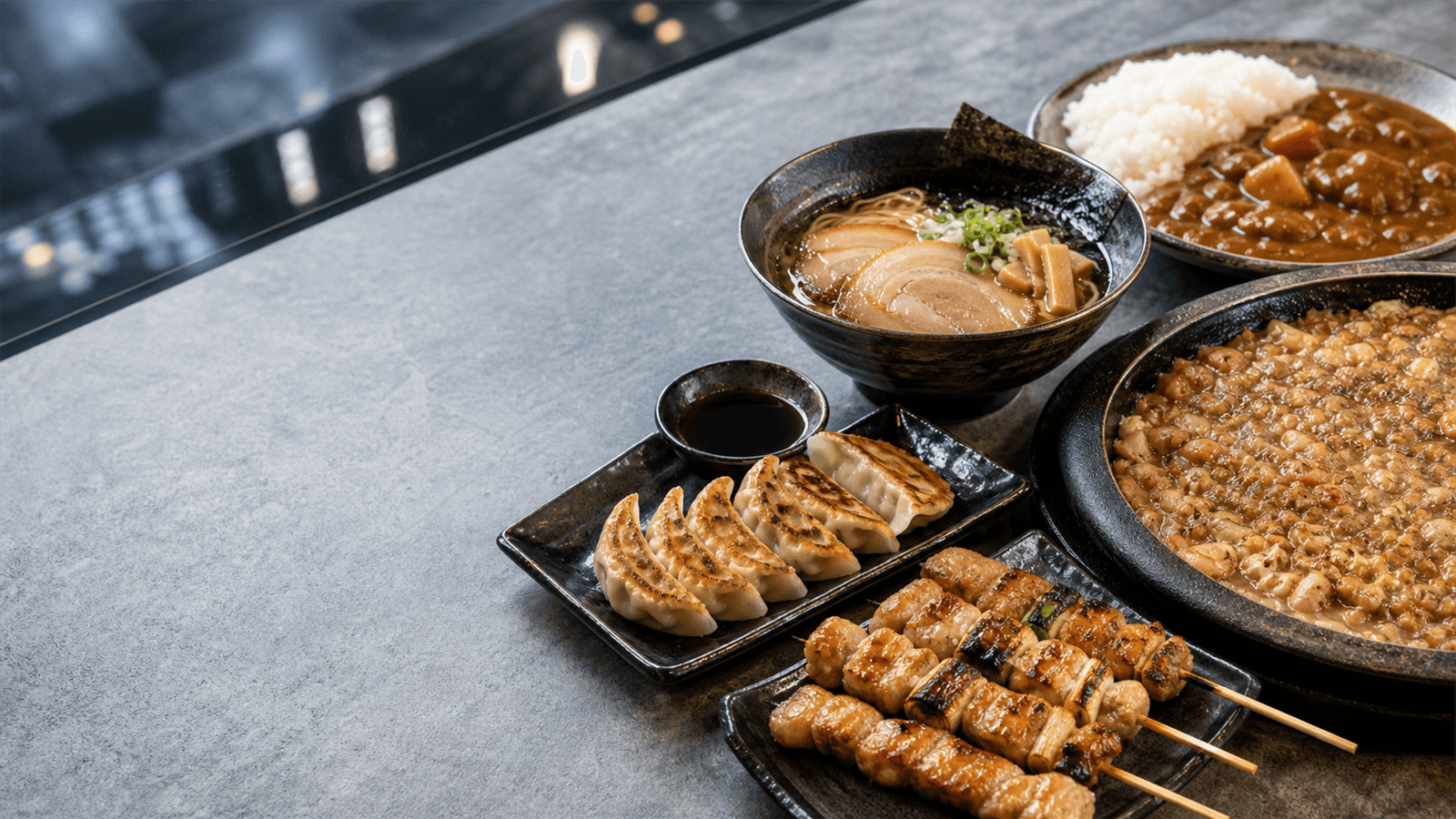
Tokyo can feel overwhelming on a first trip. There are too many stations, too many menus, and too many confident opinions about the one place you supposedly cannot miss.
You do not need to find the perfect restaurant to eat well here. Start with a few easy foods, choose an area that fits your day, and keep two or three ordering phrases ready. This page is an entry point, not a restaurant ranking: no live opening hours, reservation claims, or promises that one shop is “the best.”
Quick answer: where should I start?
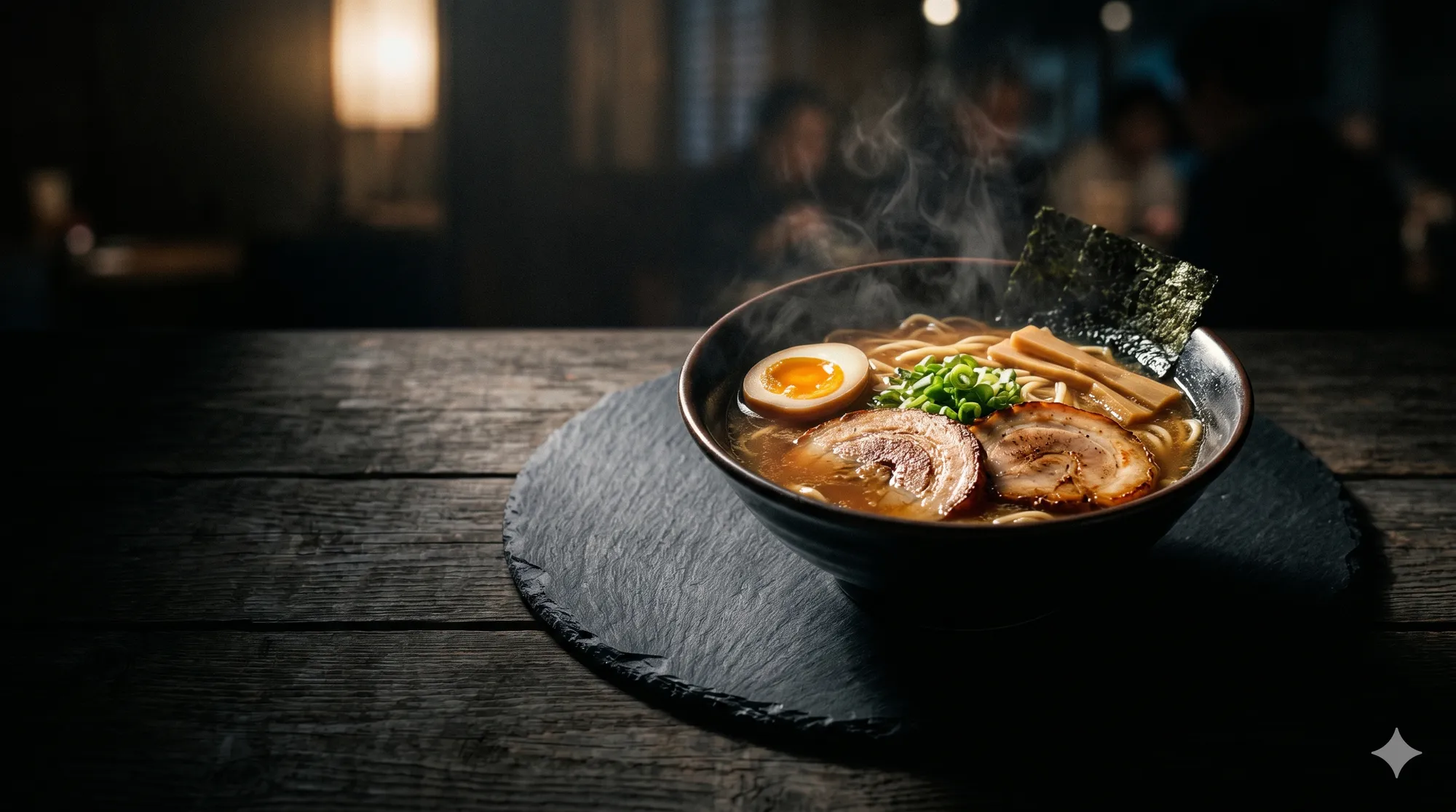
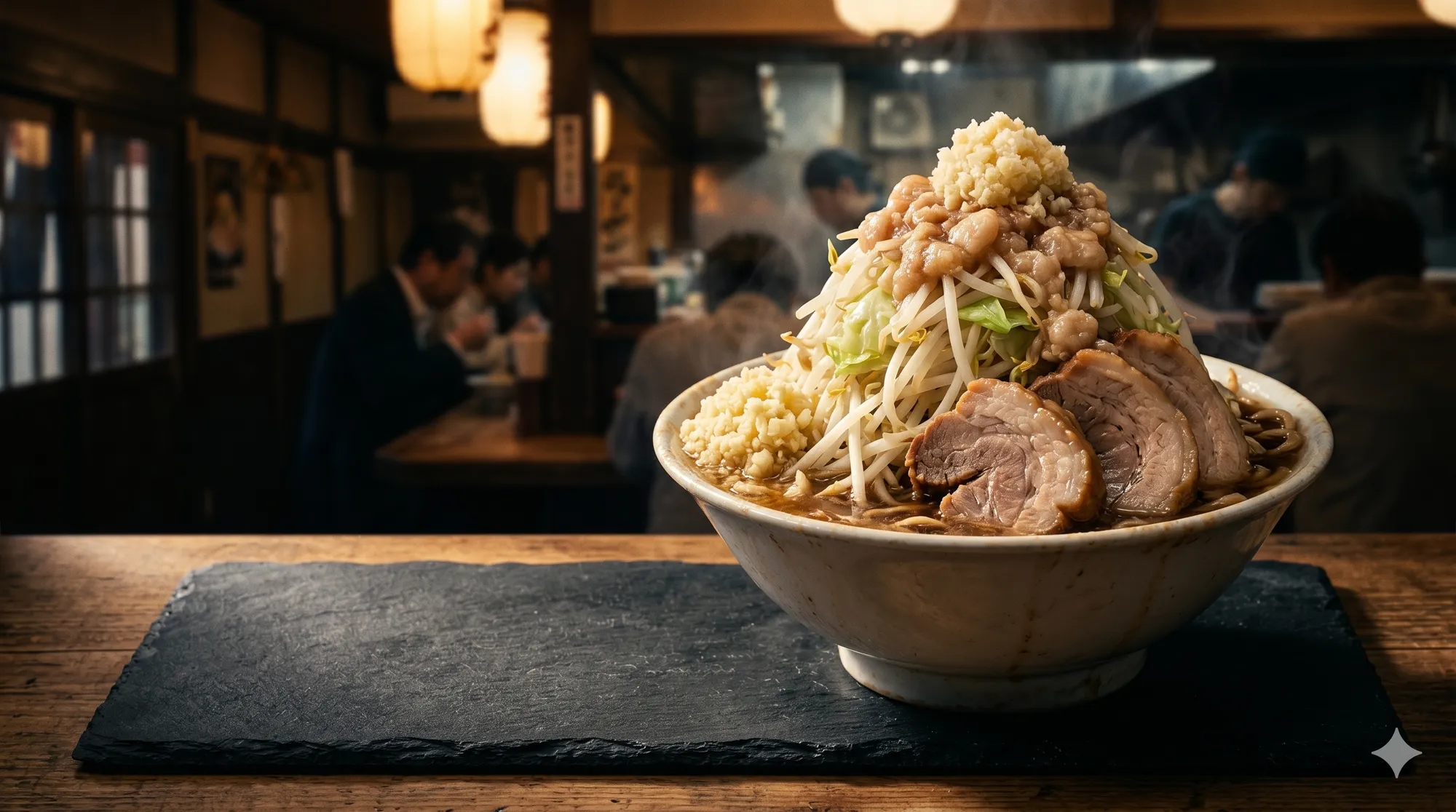
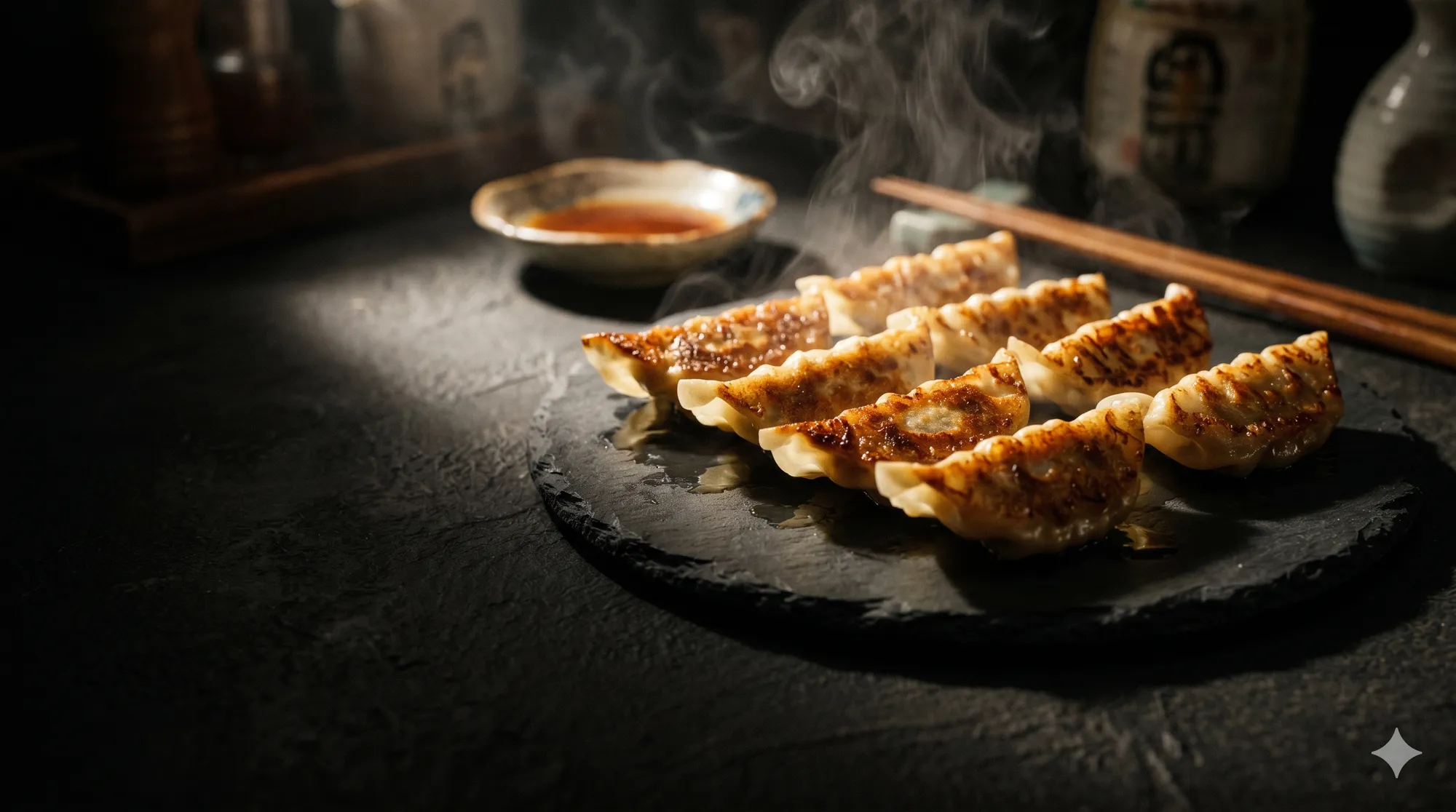
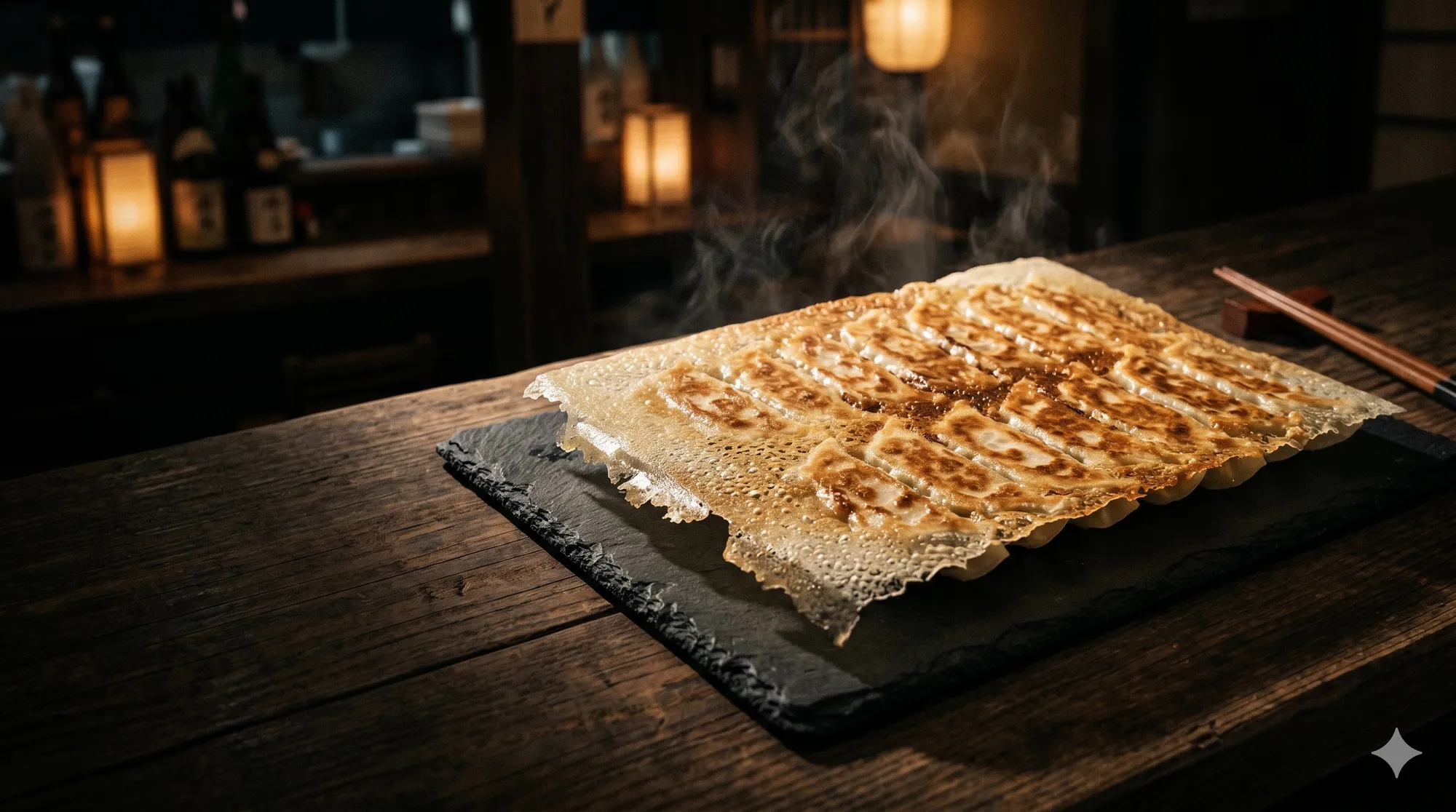
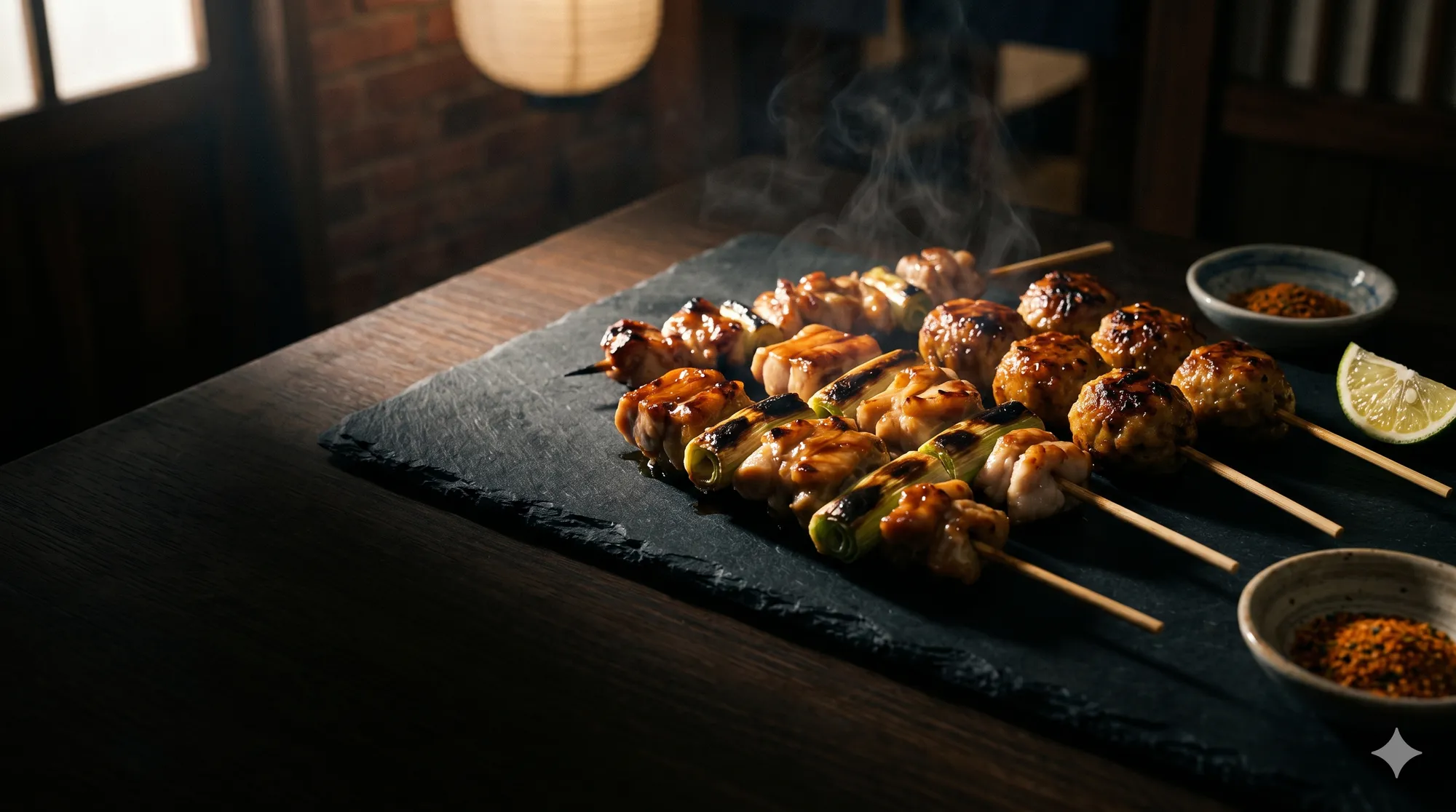
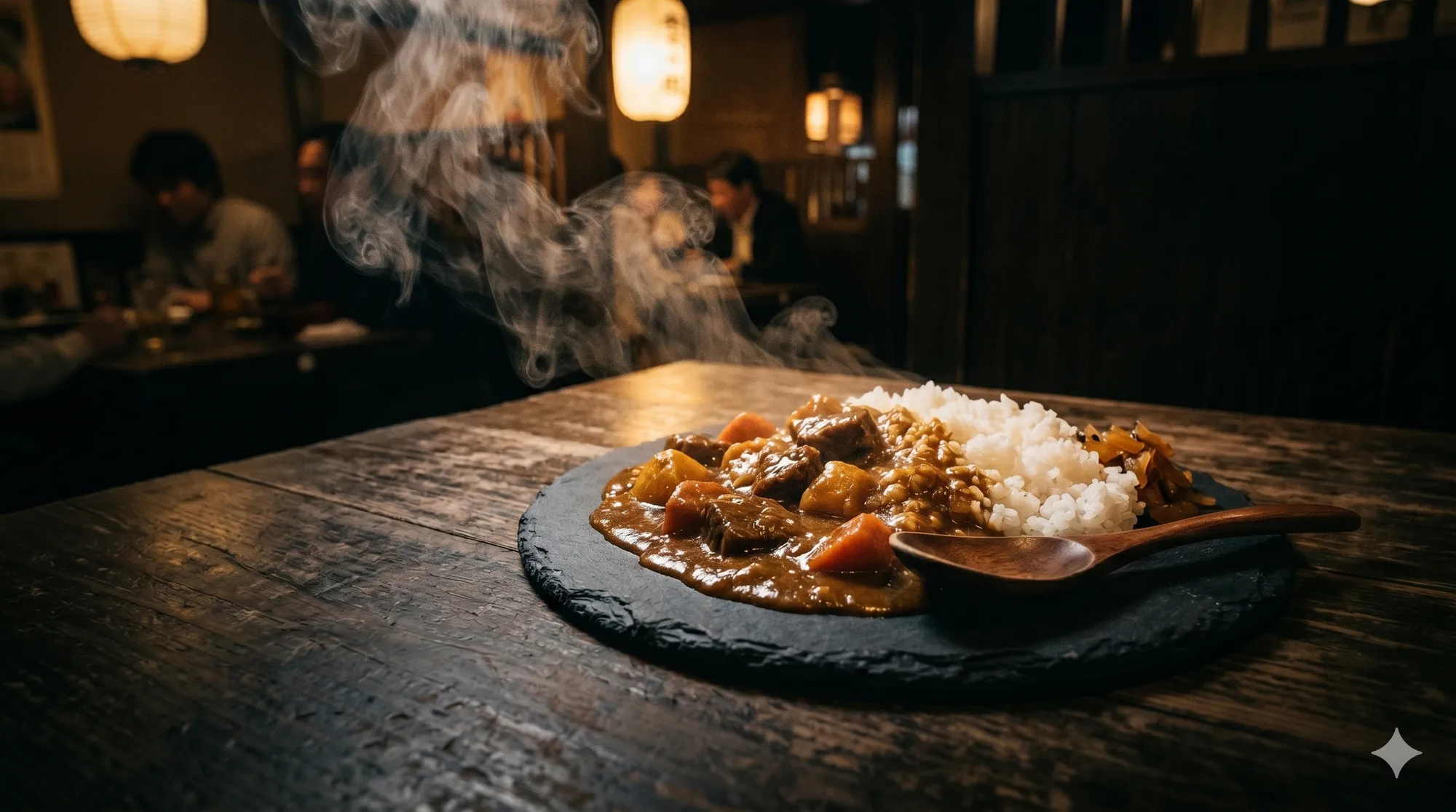
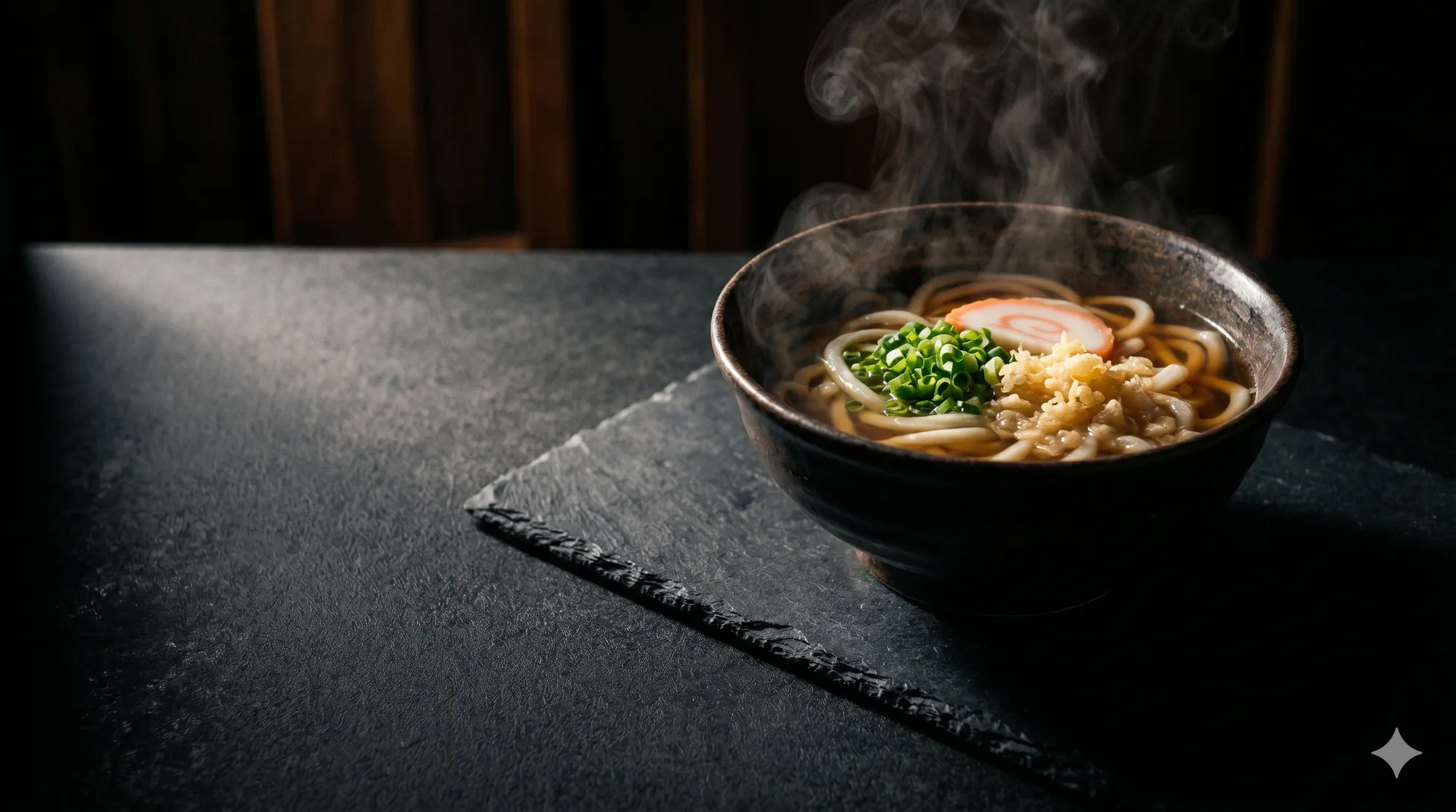
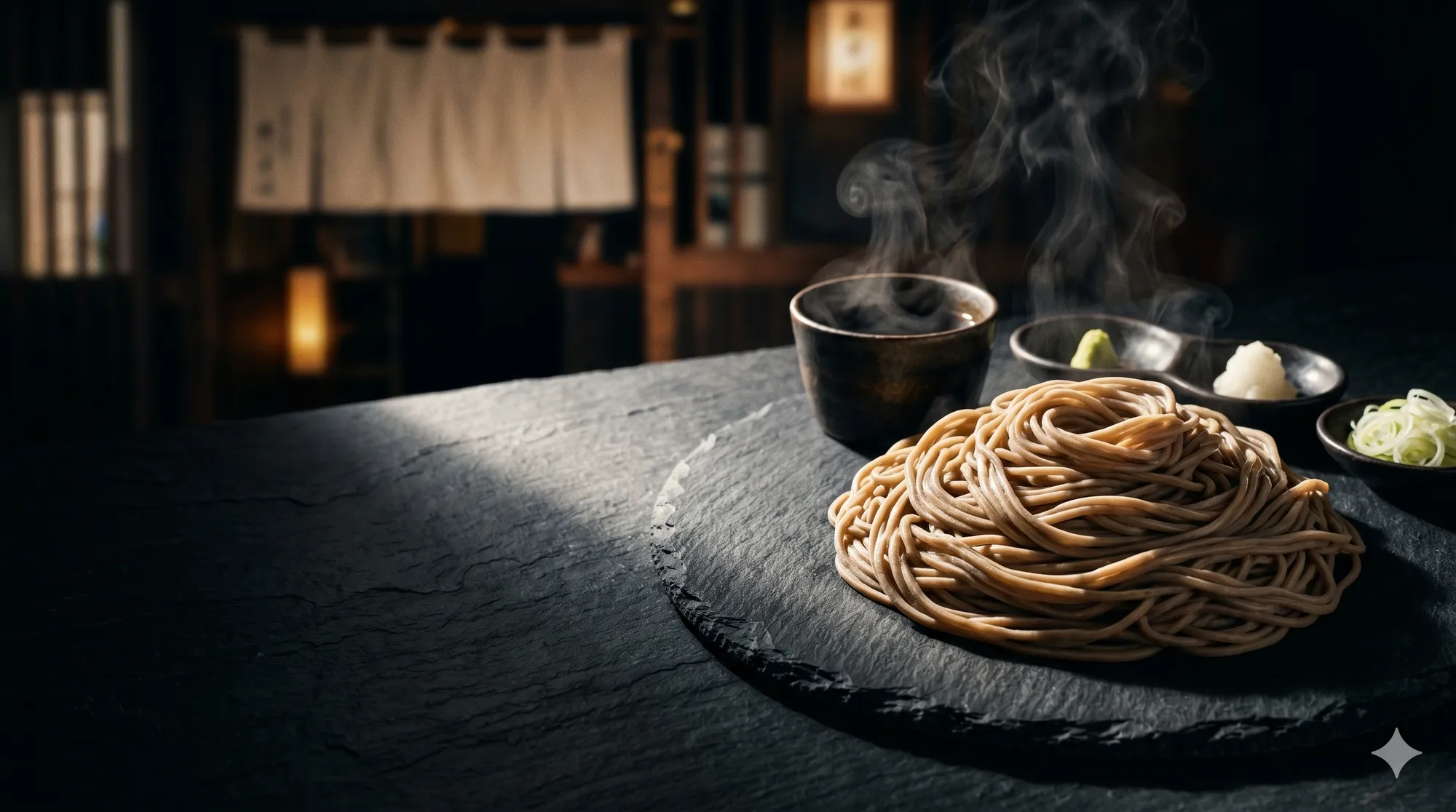
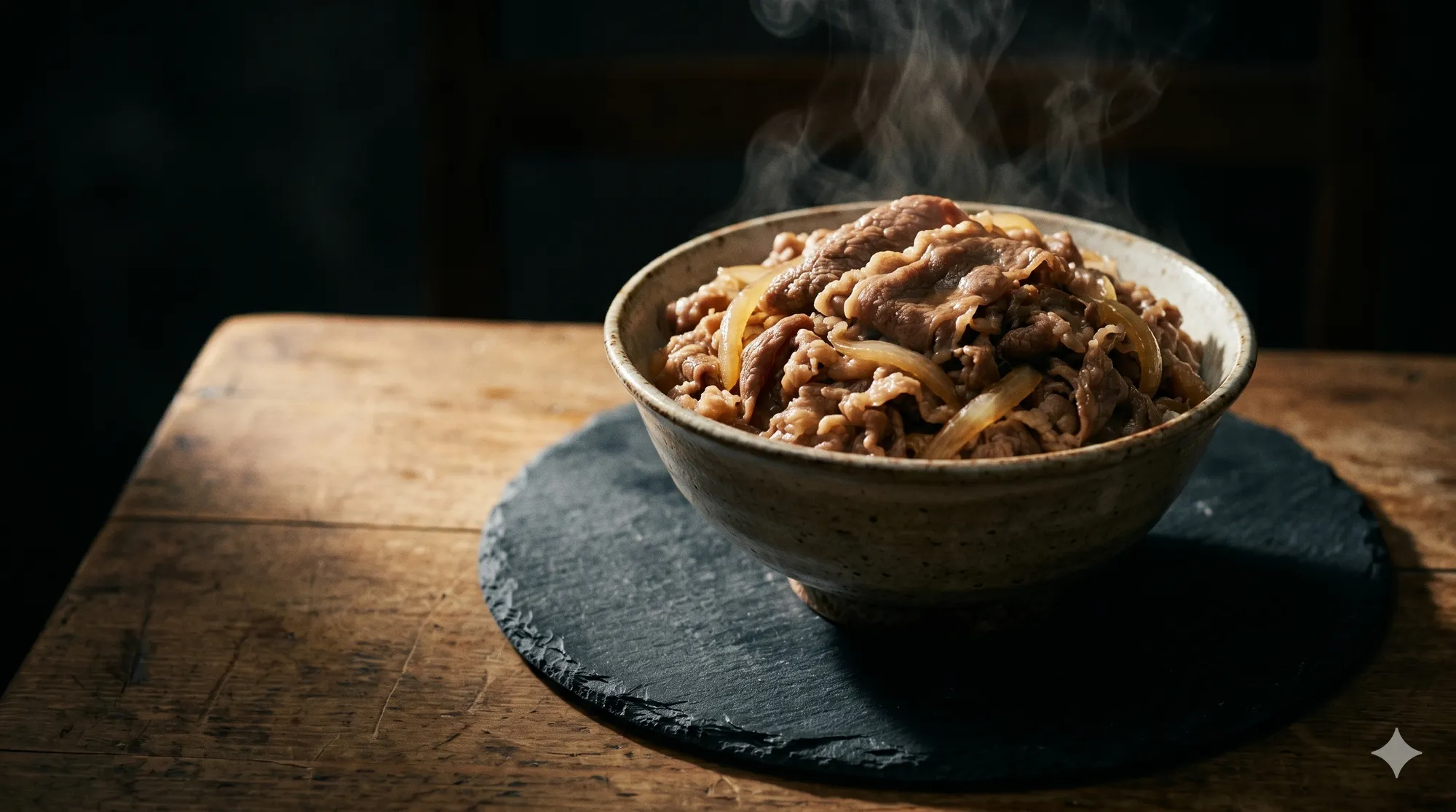
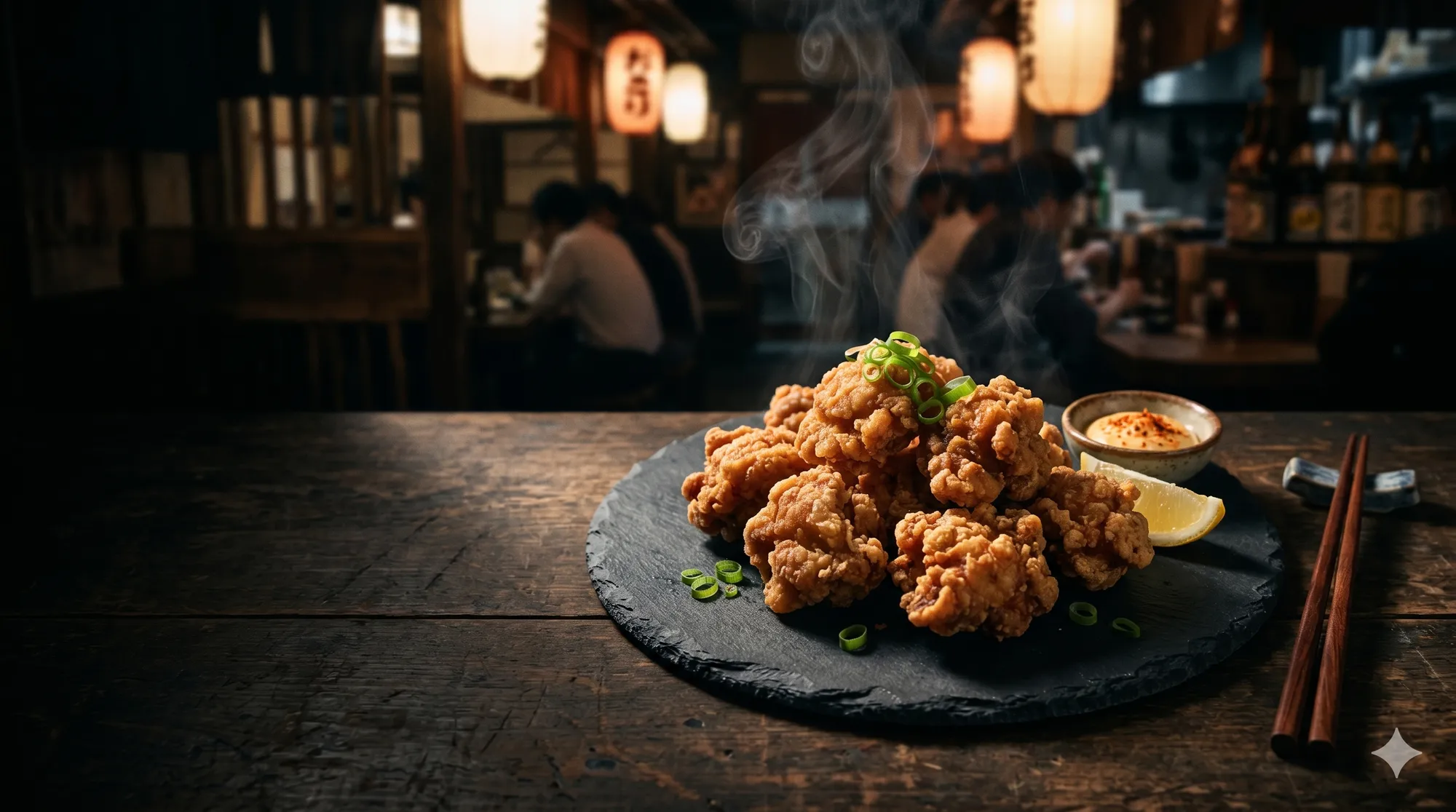
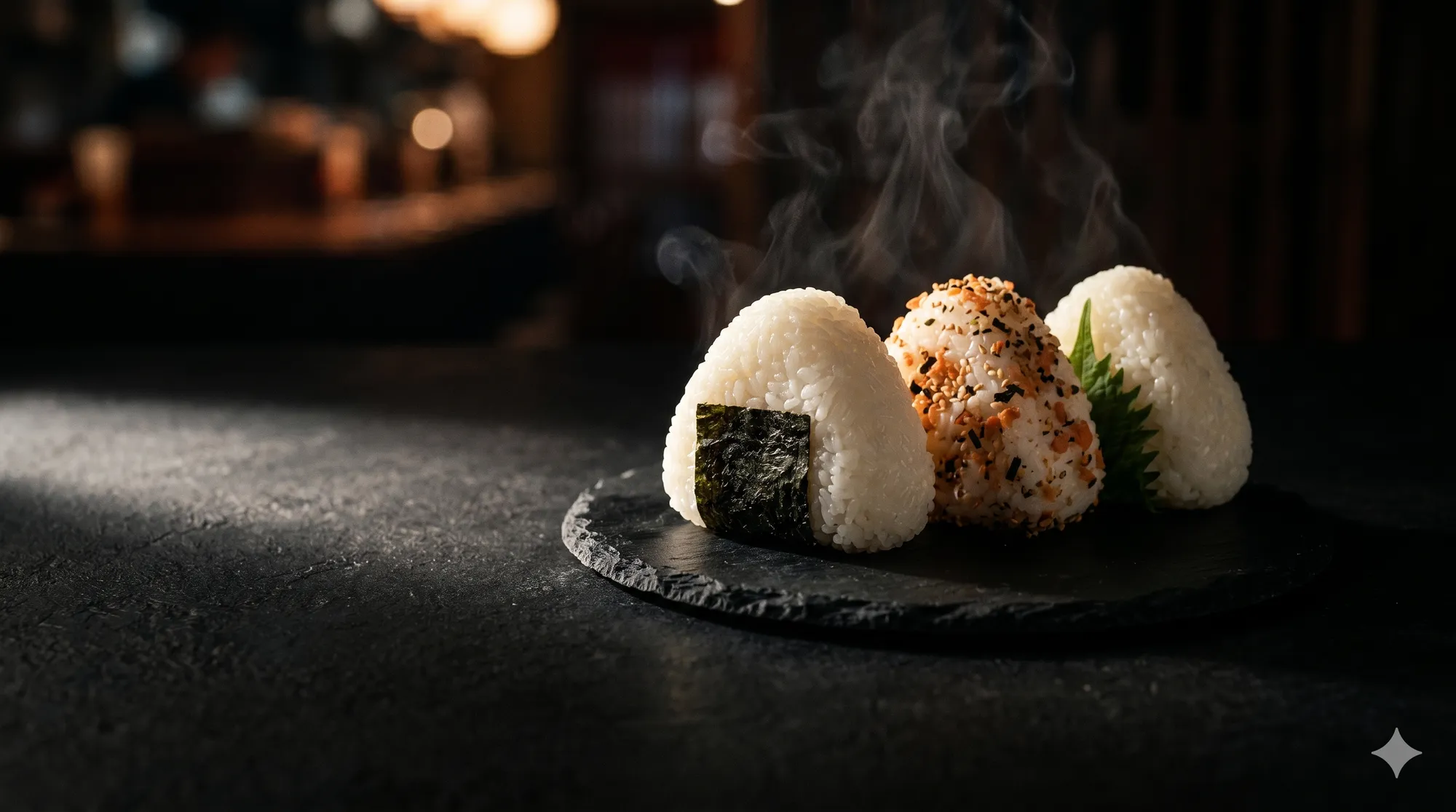
For a first Tokyo food day, begin with familiar, easy-to-order foods such as ramen, gyoza, yakitori, curry rice, udon, soba, gyudon, karaage, onigiri, and soft cream.
Good starting areas include:
- Shinjuku for first-night ramen, yakitori, izakaya-style food, and late meals
- Shibuya for casual meals, sweets, cafes, and an easy first-time base
- Ueno for cheaper food, old-school casual restaurants, and market-style walking
- Asakusa for traditional snacks, sweets, soba, tempura-style meals, and sightseeing breaks
- Tokyo Station / Marunouchi for train meals, ramen clusters, boxed meals, and simple transit connections
| Eating style | Rough budget |
|---|---|
| Quick snack | about ¥300–700 |
| Simple meal | about ¥700–1,500 |
| Casual food crawl | about ¥2,000–4,000 |
Prices are approximate and vary by area, portion, and restaurant.
Best areas to start
Shinjuku
Shinjuku is useful when you have just arrived and want many casual options close to major transport. It works especially well for ramen, yakitori, izakaya-style dishes, and later dinners. The station is enormous, so choose one side of it before you start walking.
Shibuya
Shibuya suits travelers who want casual meals mixed with cafes and sweets. It stays busy, but menu photos, larger commercial buildings, and familiar ordering systems can make a first meal less intimidating.
Ueno
Ueno is a strong base for cheaper meals, older casual dining streets, and a market-like walk. It is easy to combine a snack, a bowl of noodles, and another small dish without planning a formal restaurant itinerary.
Asakusa
Asakusa pairs sightseeing with traditional snacks, sweets, soba, and tempura-style meals. It is useful for daytime eating, though the busiest streets can become crowded.
Tokyo Station / Marunouchi
Tokyo Station is practical for travelers changing trains or staying nearby. Look for noodles, boxed meals, takeaway food, and grouped restaurant areas inside or around the station complex. Check station signs because paid and unpaid areas matter.
Your first night in Tokyo
If you are tired, jet-lagged, or unsure where to begin, start with the Tokyo First Night Food Route. It is an editorial route rather than a live timetable, so check current maps and opening information before you go.
Cheap eats in Tokyo
Tokyo can be expensive, but everyday food does not have to be. Gyudon, udon, soba, curry rice, onigiri, and convenience-store food are useful budget anchors. See the full Cheap Eats in Japan Guide for ordering and planning ideas.
If you do not eat raw fish
Tokyo is still easy to enjoy without raw fish. Start with cooked dishes such as ramen, curry, gyoza, yakitori, karaage, udon, and soba.
This does not make every dish seafood-free or suitable for a dietary restriction. Broth, dashi, bonito flakes, sauces, toppings, and shared equipment may involve fish or other ingredients. Read the Japanese Foods Without Raw Fish Guide and ask about the specific dish when ingredients matter.
Useful phrases
| Meaning | Japanese | Romaji |
|---|---|---|
| This one, please. | これをお願いします。 | Kore o onegaishimasu. |
| One, please. | ひとつお願いします。 | Hitotsu onegaishimasu. |
| What do you recommend? | おすすめは何ですか? | Osusume wa nan desu ka? |
| Thank you. | ありがとうございます。 | Arigatou gozaimasu. |
Open the full Eating Phrasebook before your meal, or use Show phrase on the dish cards below.
Related pages
- What to Eat on Your First Night in Japan
- How to Order Food in Japan
- Japanese Convenience Store Food Guide
- Japanese Foods Without Raw Fish
- Tokyo First Night Food Route
- Ramen Trail
- Your Bucket List
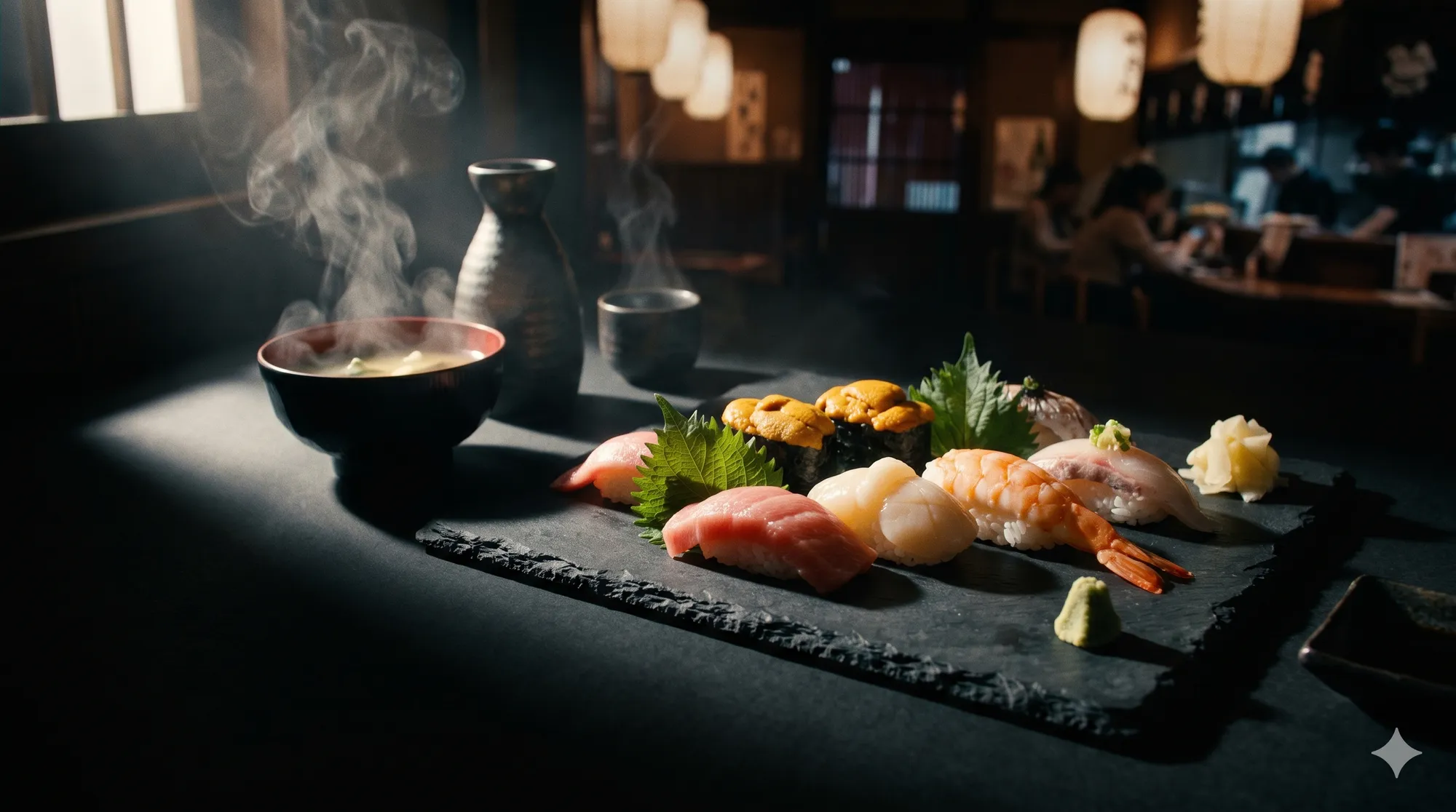
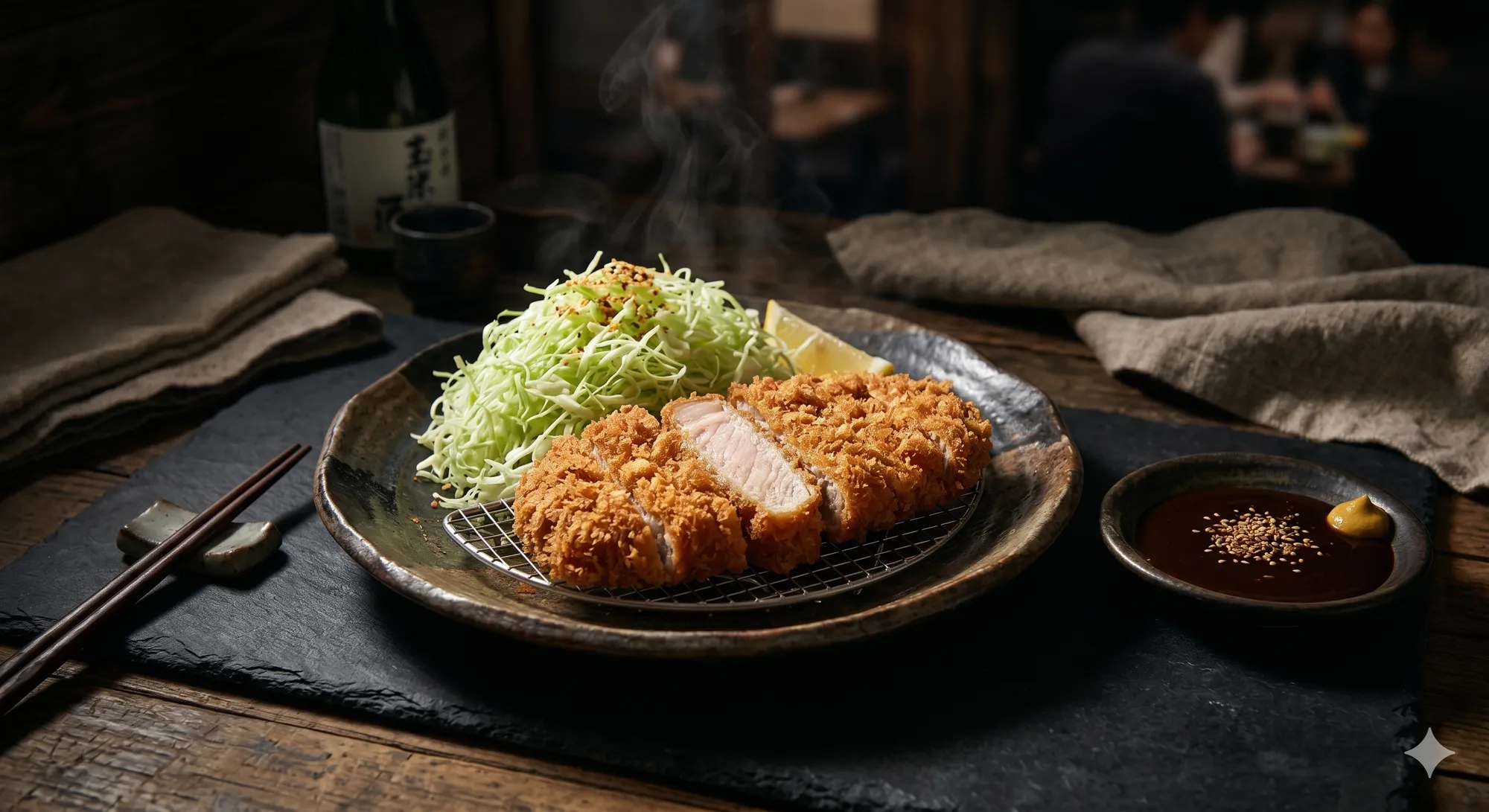
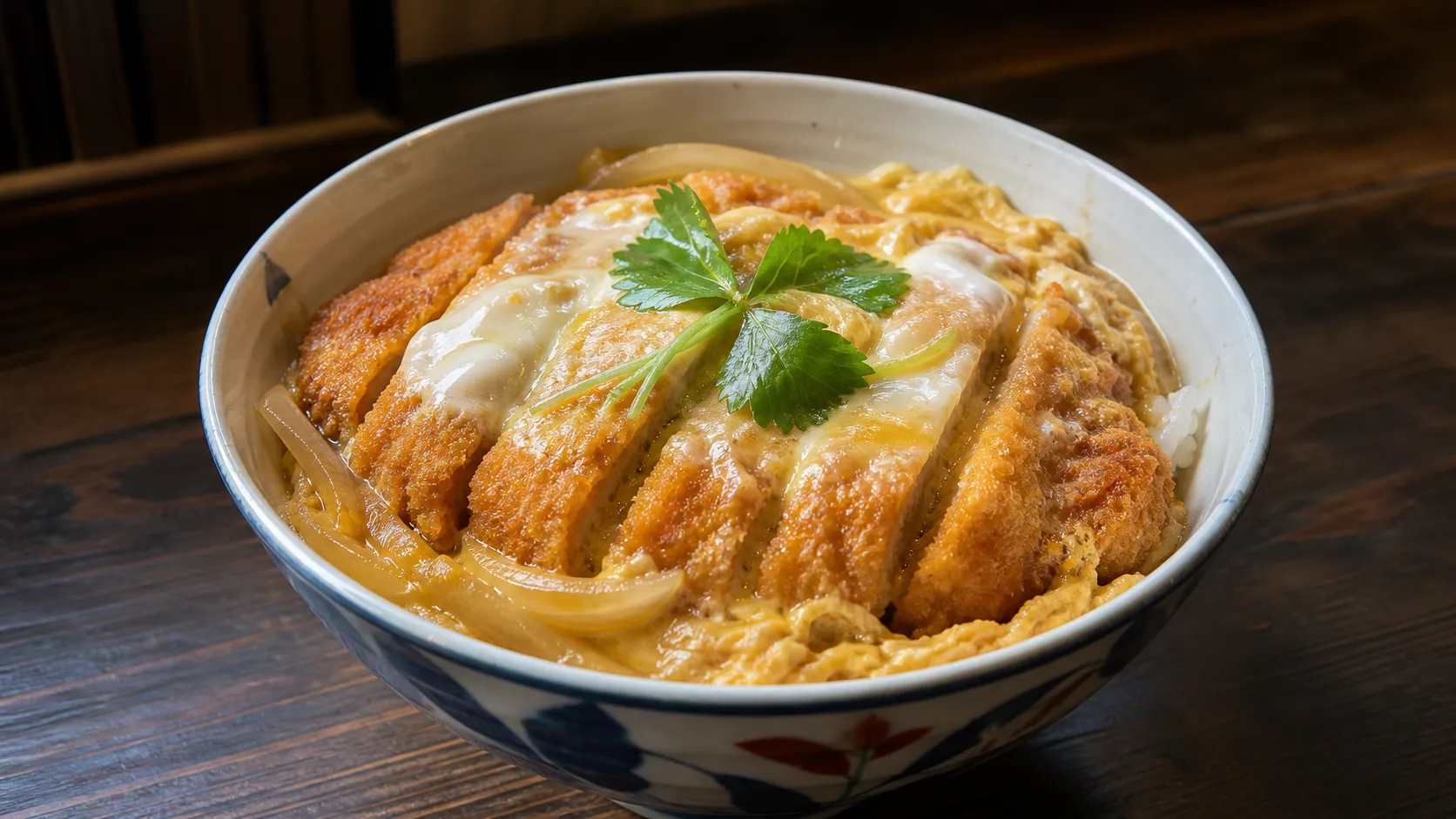
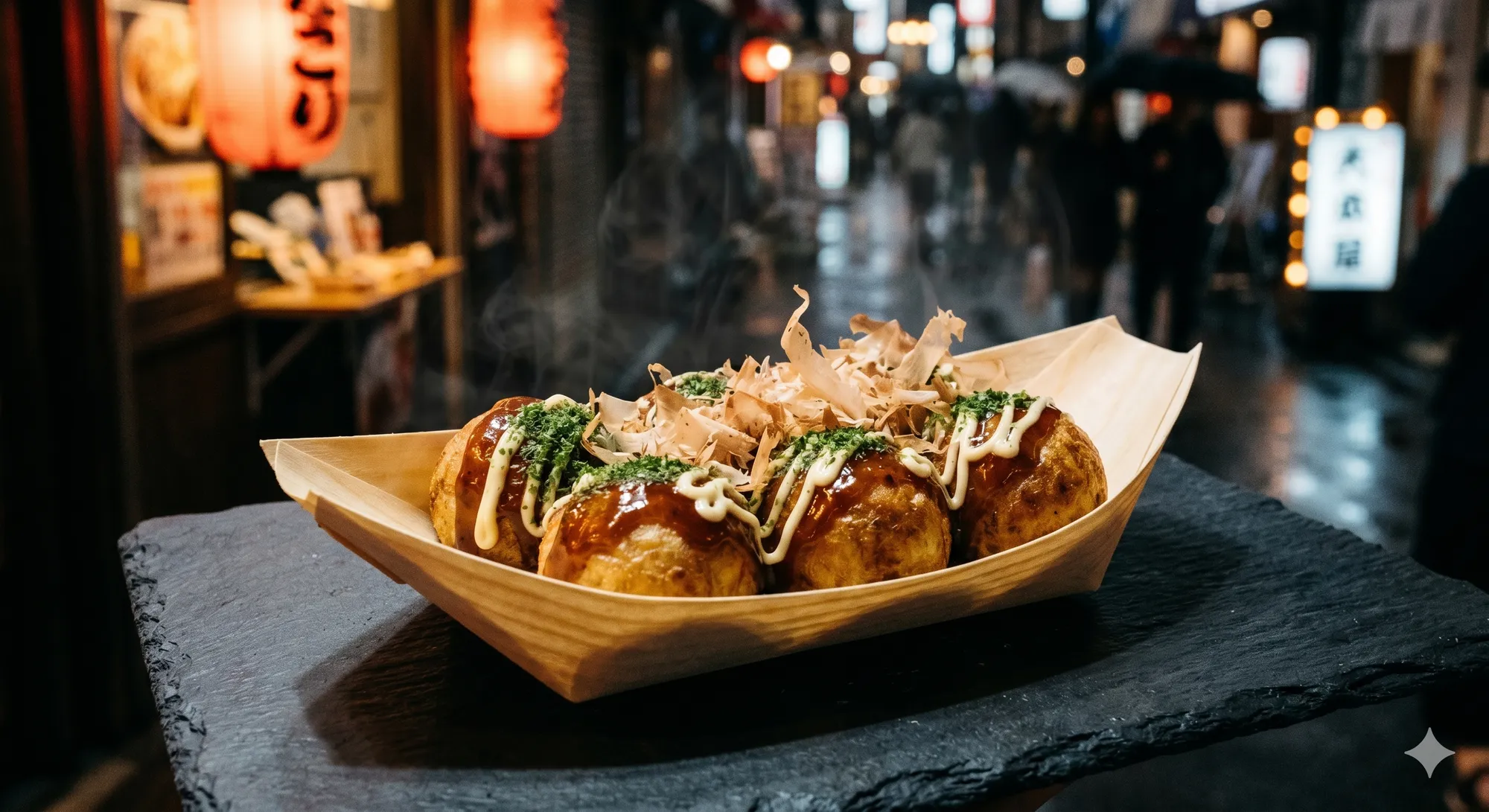
Best foods to try in Tokyo
Use these existing dish guides as starting points rather than a restaurant ranking. Show phrase appears only where a complete phrase already exists.
 Open the Food Planner