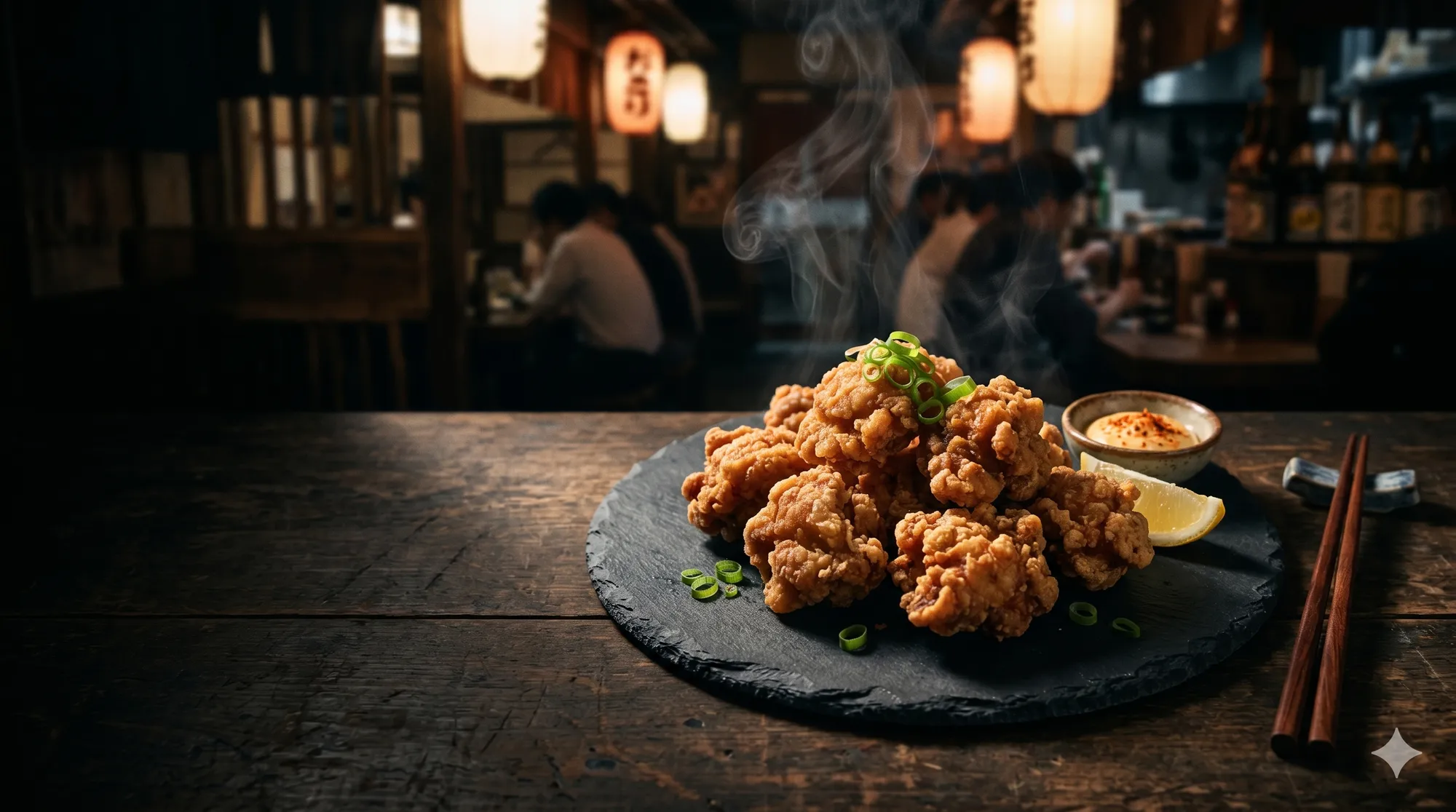
Say "karaage" to anyone in Japan and watch their eyes light up. Mine just did, typing it.
Share this dish


Japan's fried chicken: crackling-crisp outside, gushing-juicy inside, marinated in soy and ginger and garlic. The bento hero, the izakaya MVP, the snack worth fighting over.
🍜 Planning a food trip to Japan?Add this dish to my Food Trip →
 Add this dish to my Food Trip →
This is Japanese fried chicken, and I need you to understand it's not just "fried chicken that happens to be in Japan." It's bite-sized nuggets of thigh meat marinated deep in soy sauce, ginger, and garlic, dredged in potato starch, and fried until the outside crackles and the inside practically gushes. It's in every bento box, on every izakaya menu, at every party, in every childhood. There are festivals devoted to it. There are towns that argue over it. It is, no exaggeration, one of the most universally beloved foods in the entire country — and the moment you bite a fresh-fried one and the juices run down your wrist, you'll get it. Completely.
From a cooking method to a national treasure
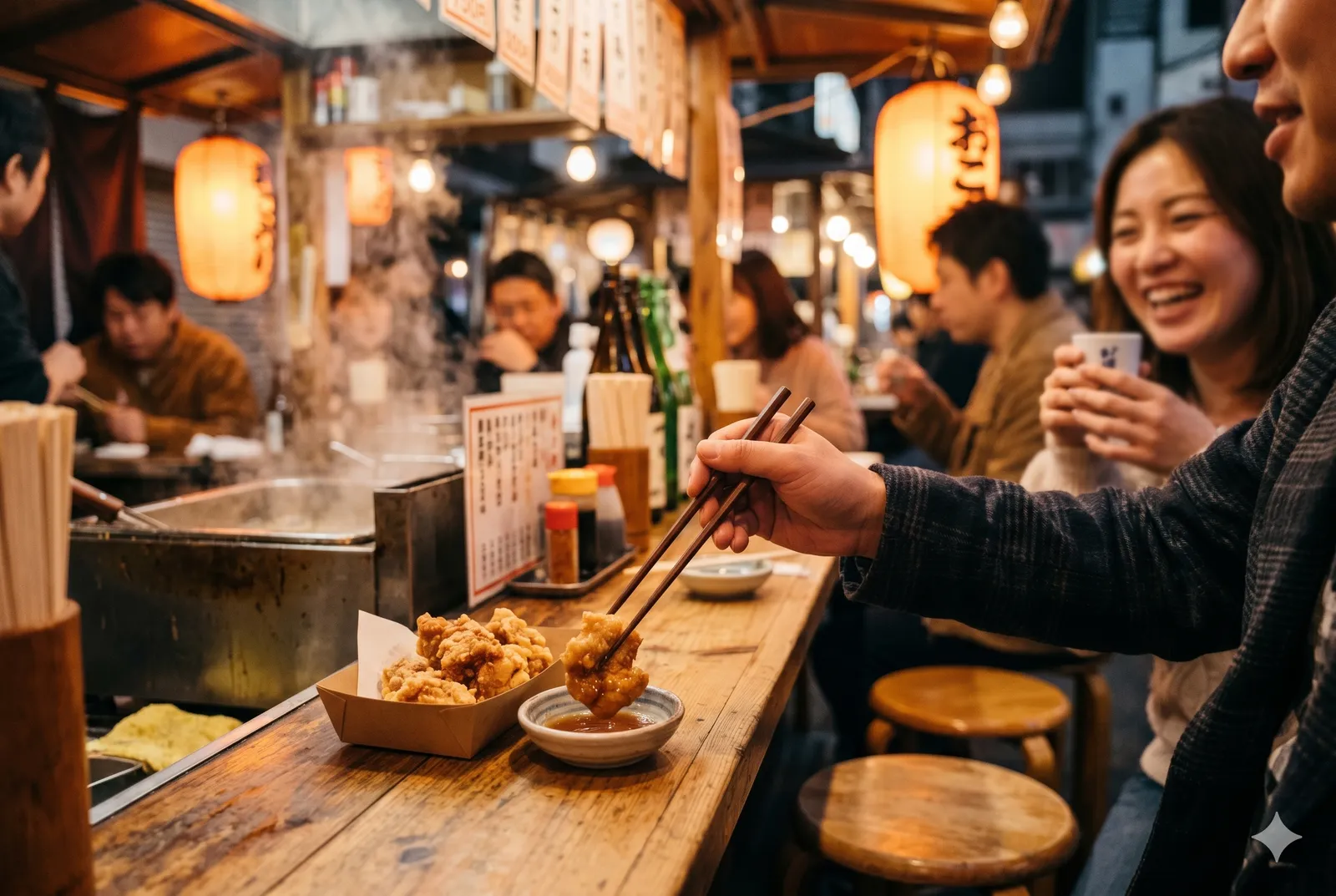
The word karaage originally just meant a frying technique borrowed from Chinese cooking — back in the Edo period it covered all kinds of deep-fried things, fish and vegetables included. But by the Showa era, fried marinated chicken had stolen the name outright, and Japan never looked back. Today "karaage" means one thing, and that thing is happiness.
Why it's the perfect food
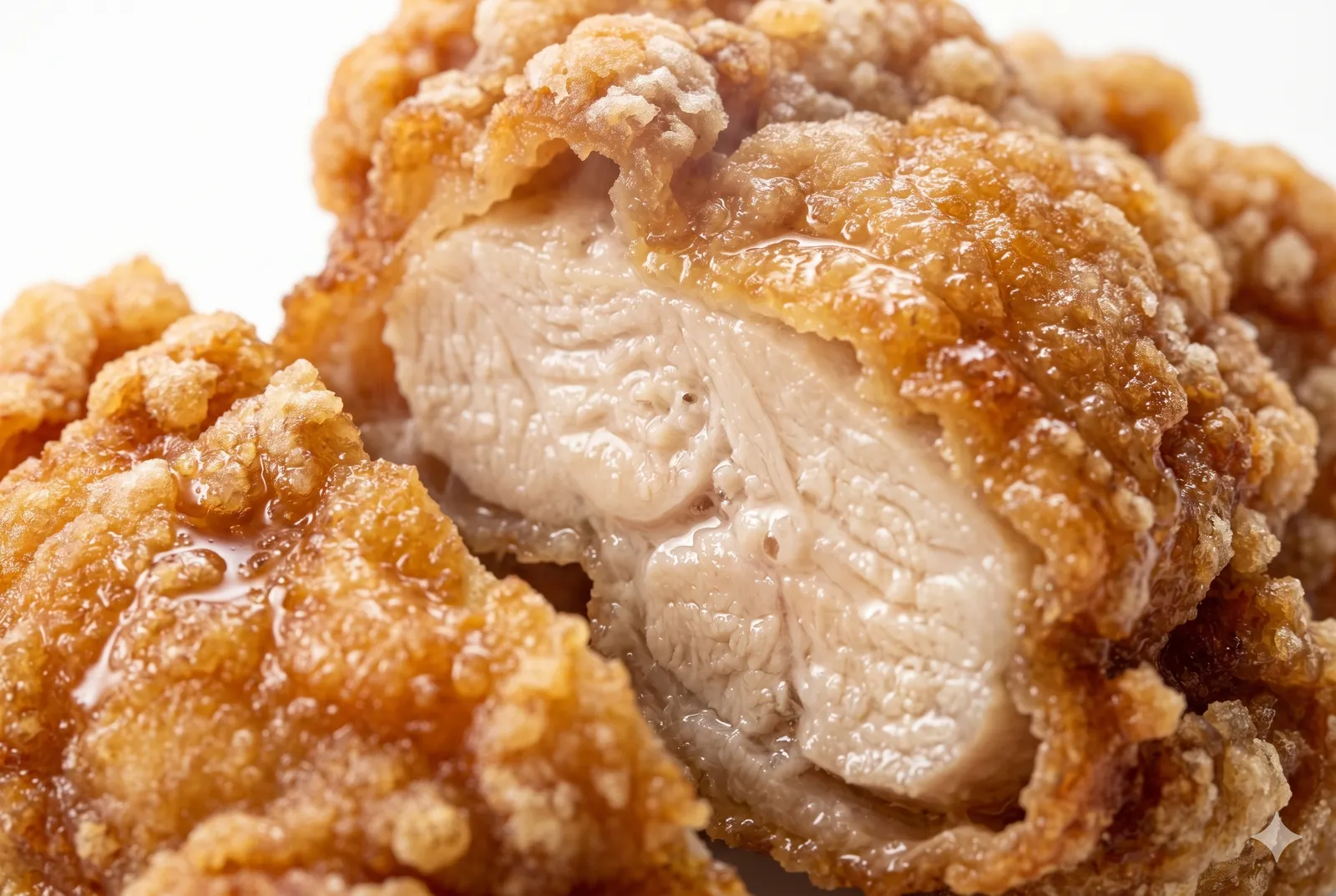
The whole genius is in that crispy-shattering outside and impossibly juicy inside. The marinade — soy, ginger, garlic, a little sake and mirin — soaks flavor all the way through, then a coat of potato starch (not flour, never just flour) fries up shatteringly light and lacy. Fresh out of the oil it's fragrant, golden, and dangerous to your willpower.
How it's made
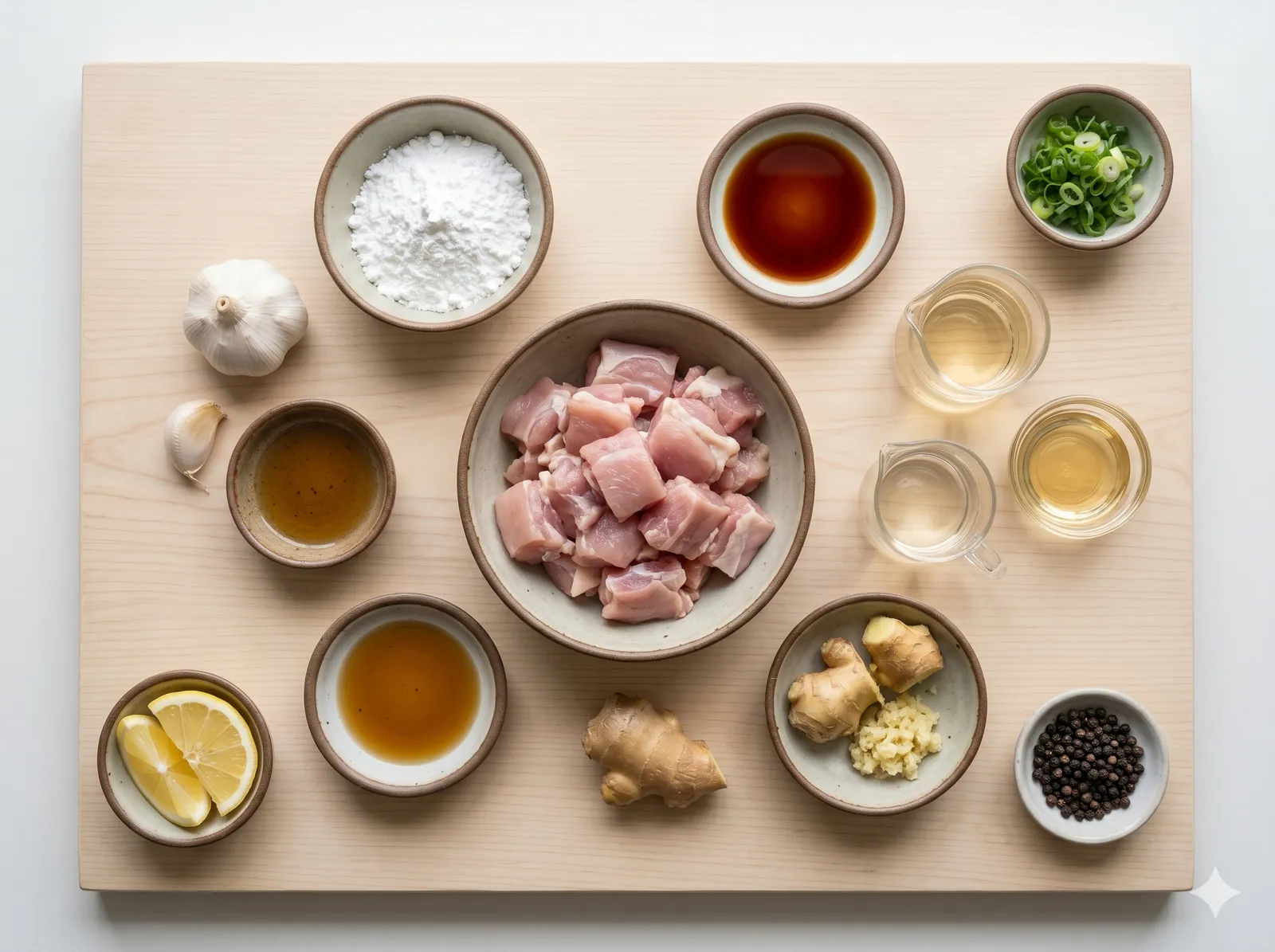
- Cut chicken thigh into big bite-sized pieces
- Marinate at least 30 minutes in soy sauce, mirin, sake, ginger, and garlic
- Coat thoroughly in potato starch (katakuriko) for maximum crunch
- Fry at 180°C until golden — many cooks double-fry for extra crispness
Variations are endless: shio karaage (salt instead of soy, letting the chicken's own flavor sing), garlic karaage, yuzu-kosho karaage, and Oita's famous toriten (more like a tempura-battered cousin).
Before you go — eat it like a regular
Your questions, answered honestly
"Do I squeeze the lemon on it?" — Careful here — this is a famous source of friendly Japanese table drama. If a wedge comes with it, ask the table first before squeezing, because once you do, everyone's karaage is now lemon karaage. Get consent. It's the polite move and a great icebreaker.
"Mayo, or no?" — Lots of people dunk it in Japanese mayo (or spicy mayo), and it's fantastic. Purists eat it bare with just the lemon. Try one each way.
"What do I drink with it?" — A frosty beer. Karaage and cold beer is one of the great pairings of izakaya life — the crispy, garlicky, juicy chicken practically demands it.
"Is it different from American fried chicken?" — Yes — smaller pieces, boneless thigh, a soy-ginger-garlic marinade, and a potato-starch crust that's lighter and crackly rather than thickly breaded. Different animal (well, same animal, different soul).
What the staff will ask you
| You'll hear | Romaji | Meaning | Just say |
|---|---|---|---|
| お飲み物は? | Onomimono wa? | "Anything to drink?" | Biiru kudasai (a beer, please) |
| レモン搾りますか? | Remon shiborimasu ka? | "Squeeze the lemon on?" | Hai (yes) / Betsu de (on the side) |
| 揚げたてです | Agetate desu | "Fresh from the fryer" | (eat it now, hot) |
To order at an izakaya, just say "Karaage hitotsu kudasai" (からあげ一つください) — "One order of karaage, please."
Where to eat it
You can get great karaage almost anywhere — but for the legendary stuff, head to Nakatsu and Usuki in Oita Prefecture, the spiritual home of karaage, where specialty shops (karaage-ten) fry it to order all day. Convenience-store karaage (FamilyMart's Famichiki and its rivals) is also genuinely beloved — never underestimate it.
Shops and menus change, so check before a special trip — and order more than you think you need.
Soul Score
Local Roots4/5
First-Timer Friendly5/5
Adventure Level3/5
Comfort Level5/5
Travel Worthy4/5
These scores are one obsessed eater's gut feeling — not a verdict. A low number isn't a bad mark, just a different kind of adventure.
Know someone planning Japan?
← All Articles
Japanese Food · Nationwide
Still hungry?
Start with the classics
Japanese FoodNationwide
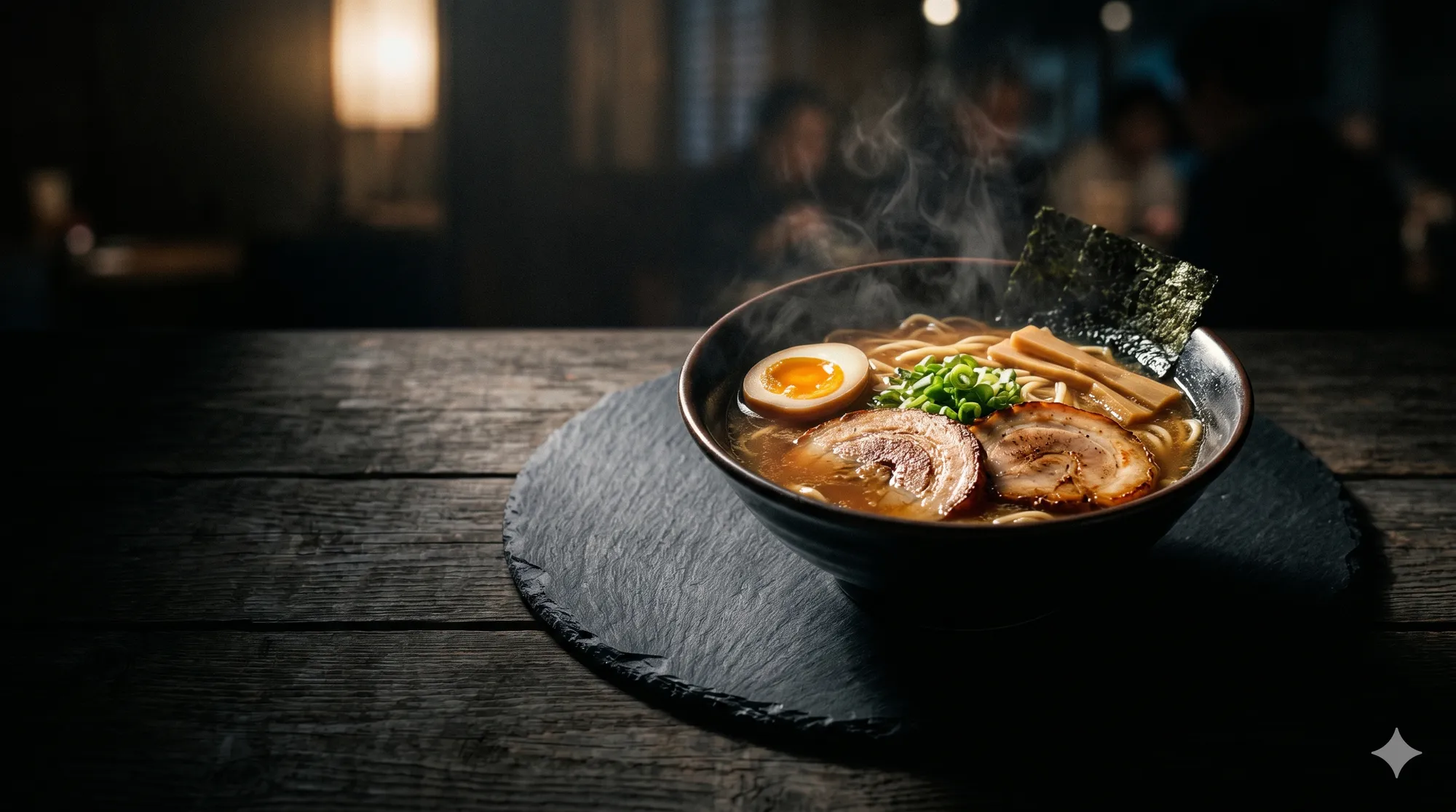
Ramen (ラーメン)
A bowl of noodles in soup — and somehow one of the most obsessed-over foods on the planet. Shoyu, miso, shio, tonkotsu: here's how to read a ramen menu and slurp like you mean it.
June 20, 2026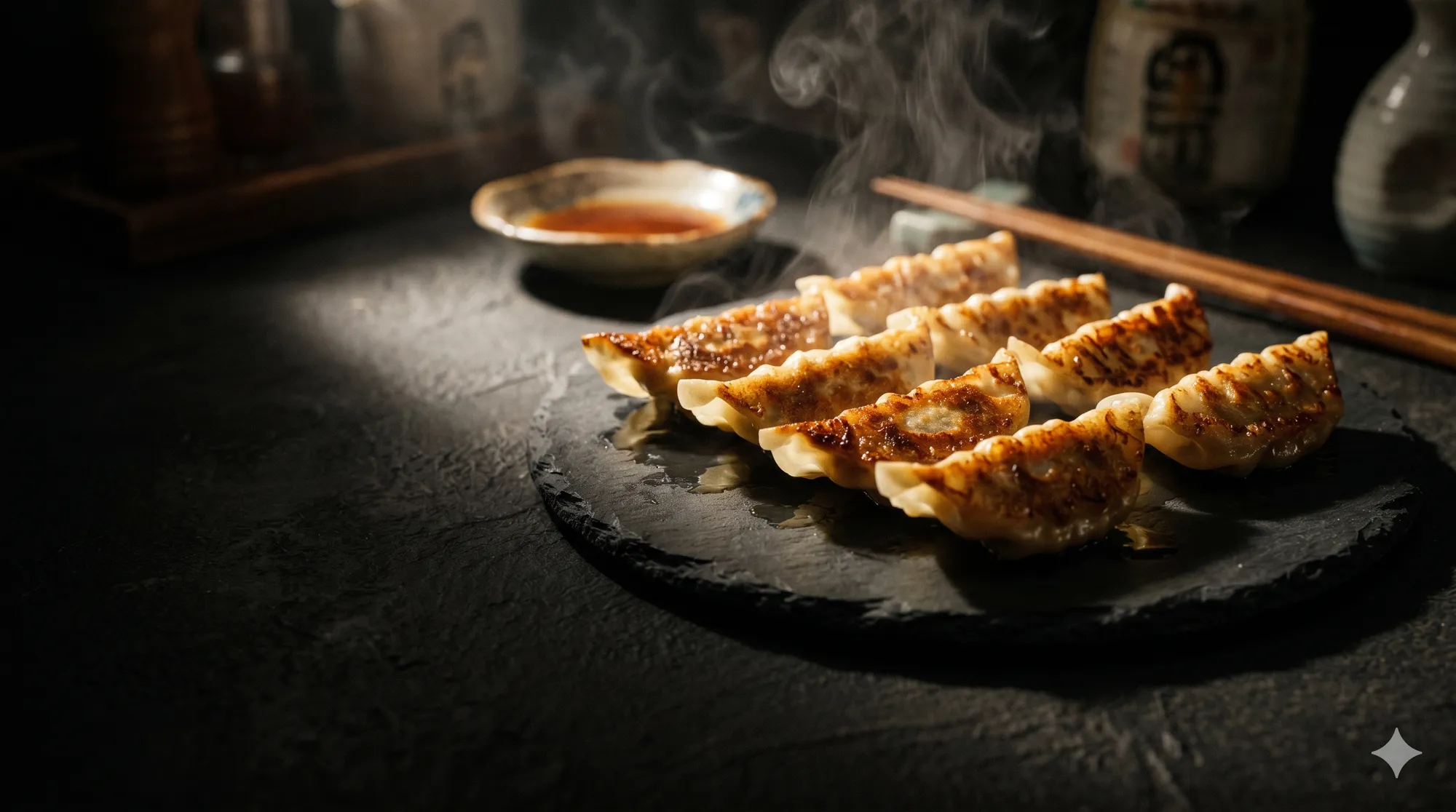
Japanese FoodNationwide
Gyoza (餃子)
Pan-fried dumplings with a crispy bottom and a juicy pork-and-cabbage filling, dunked in vinegar-soy-chili. The ultimate ramen sidekick, the izakaya staple, and the snack nobody can stop eating.
June 20, 2026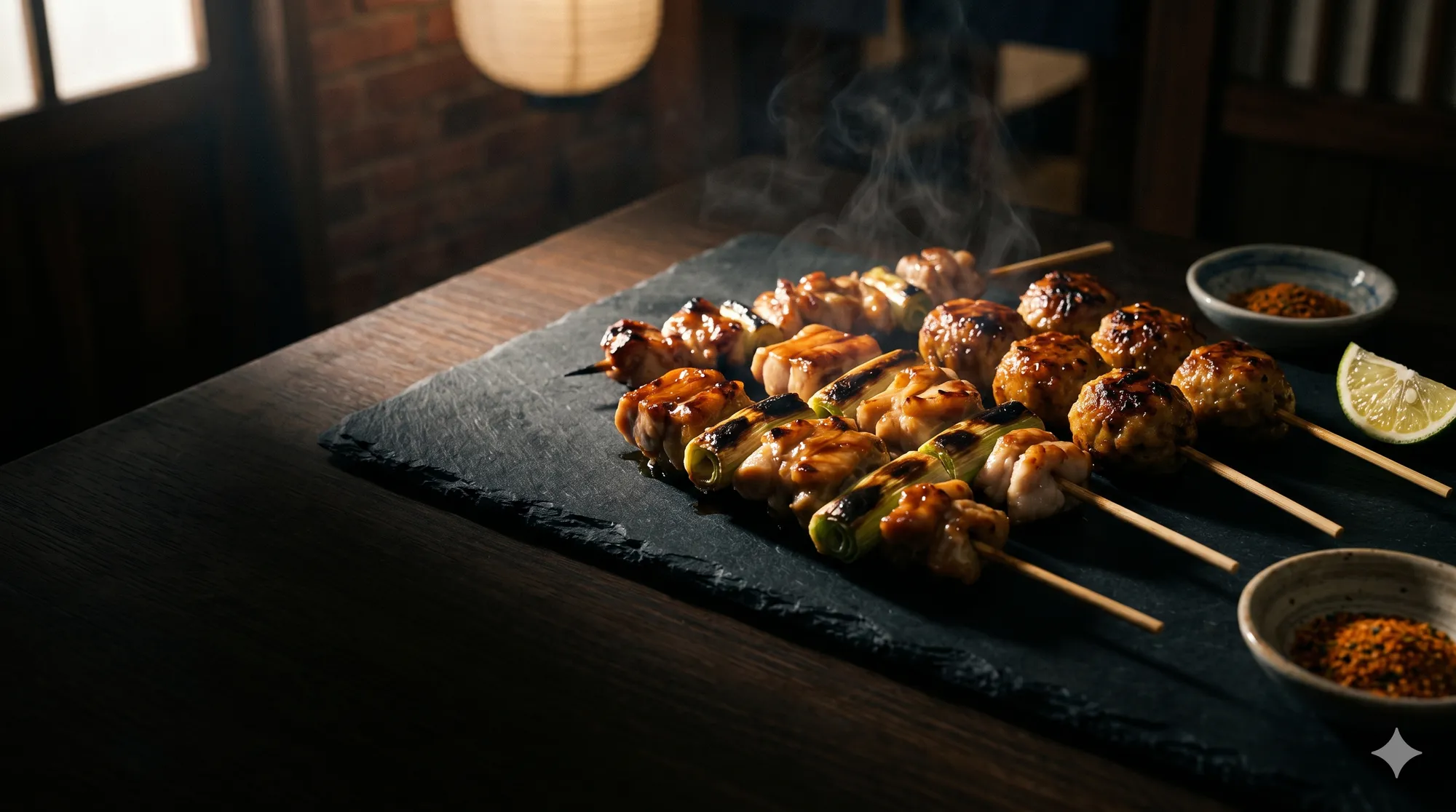
Japanese FoodNationwide
Yakitori (焼き鳥)
Bite-sized skewers of chicken grilled over blazing charcoal, seasoned with just salt or a sweet-savory tare. The beating heart of the izakaya, smoke and beer included. Nose-to-tail, and all of it good.
June 20, 2026