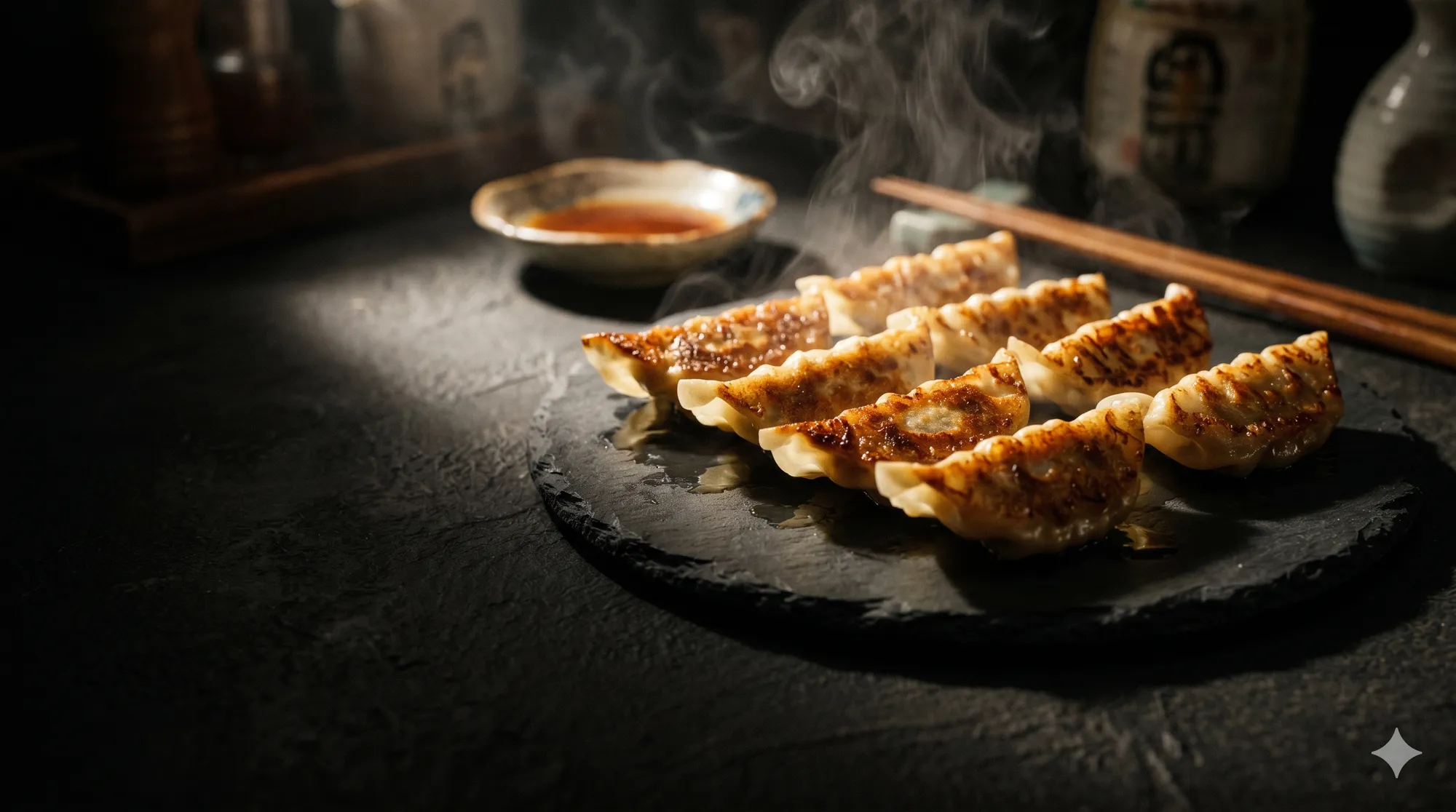
That bottom. That's the whole argument. You lift a gyoza off the plate and the underside comes up lacquered gold and crackling — a brittle little raft of fried crust — while the top half is still soft and pleated and steamed, a juicy pocket of minced pork, cabbage, garlic, and chives. Dunk it in vinegar-soy-chili oil, bite through the crisp into the hot middle, and try — try — to stop at one. Somewhere around dumpling number three you'll accept that "just one more" was a lie you were always going to tell.
Share this dish


Pan-fried dumplings with a crispy bottom and a juicy pork-and-cabbage filling, dunked in vinegar-soy-chili. The ultimate ramen sidekick, the izakaya staple, and the snack nobody can stop eating.
🍜 Planning a food trip to Japan?Add this dish to my Food Trip →
 Add this dish to my Food Trip →
Gyoza is everywhere: the classic partner to a bowl of ramen, a rapid-fire izakaya order with beer, a frozen-aisle hero for home cooks, and the specialty of whole cities. The standard is the pan-fried yaki-gyoza, but you'll also meet boiled (sui-gyoza) and the rarer deep-fried (age-gyoza).
A Chinese dumpling, reborn in post-war Japan
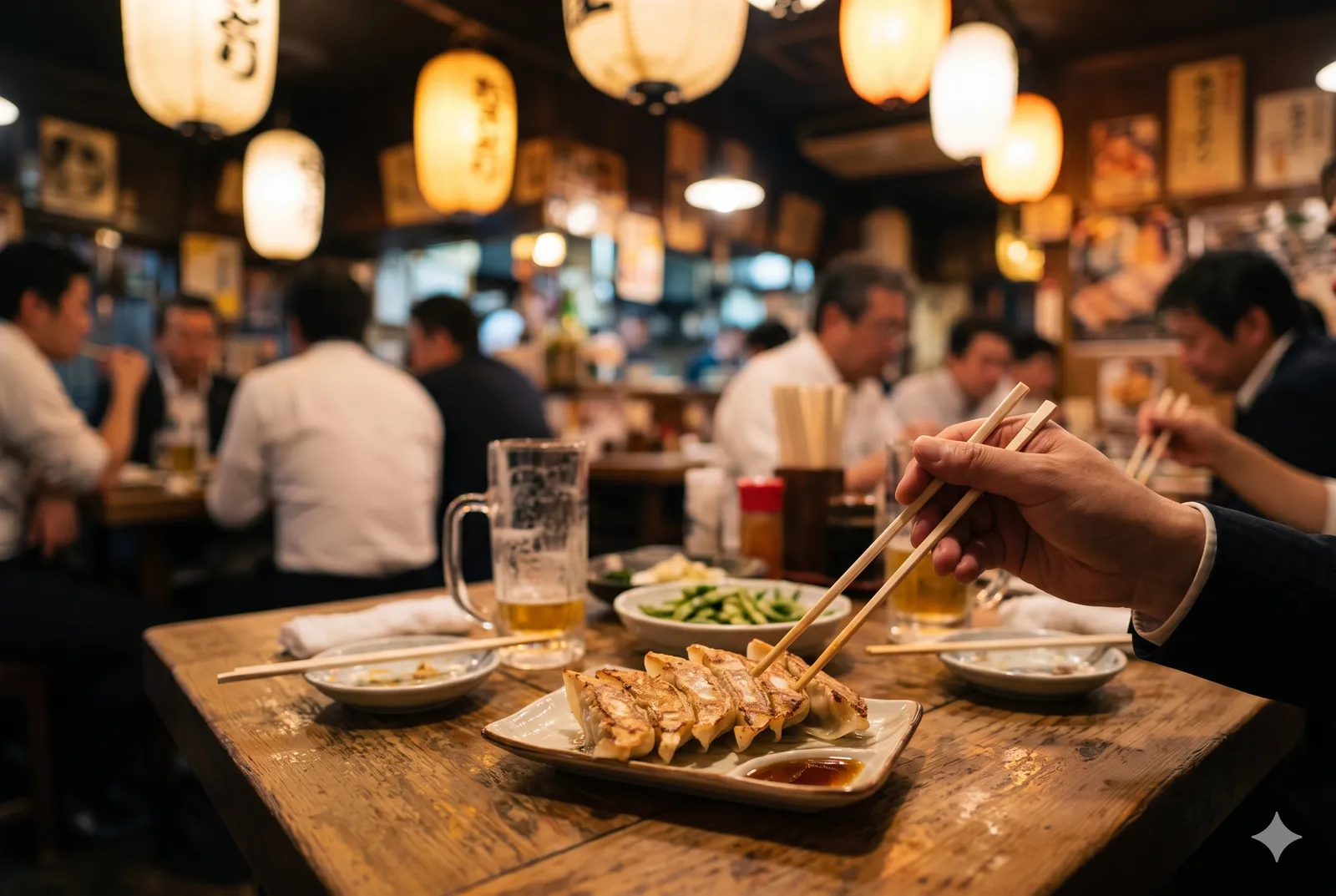
Gyoza came to Japan from China, and like ramen, it took off after WWII as soldiers and returnees brought back a taste for it. Japan tweaked it into its own thing: thinner wrappers, more garlic, and crucially, the pan-fried yaki-gyoza became the default (in China, boiled dumplings are more standard).
It became so beloved that cities now compete over it. Utsunomiya and Hamamatsu wage a friendly, decades-long war over which is Japan's true "gyoza capital," each with its own style and a fierce local fan base.
Why the crispy bottom is the whole point
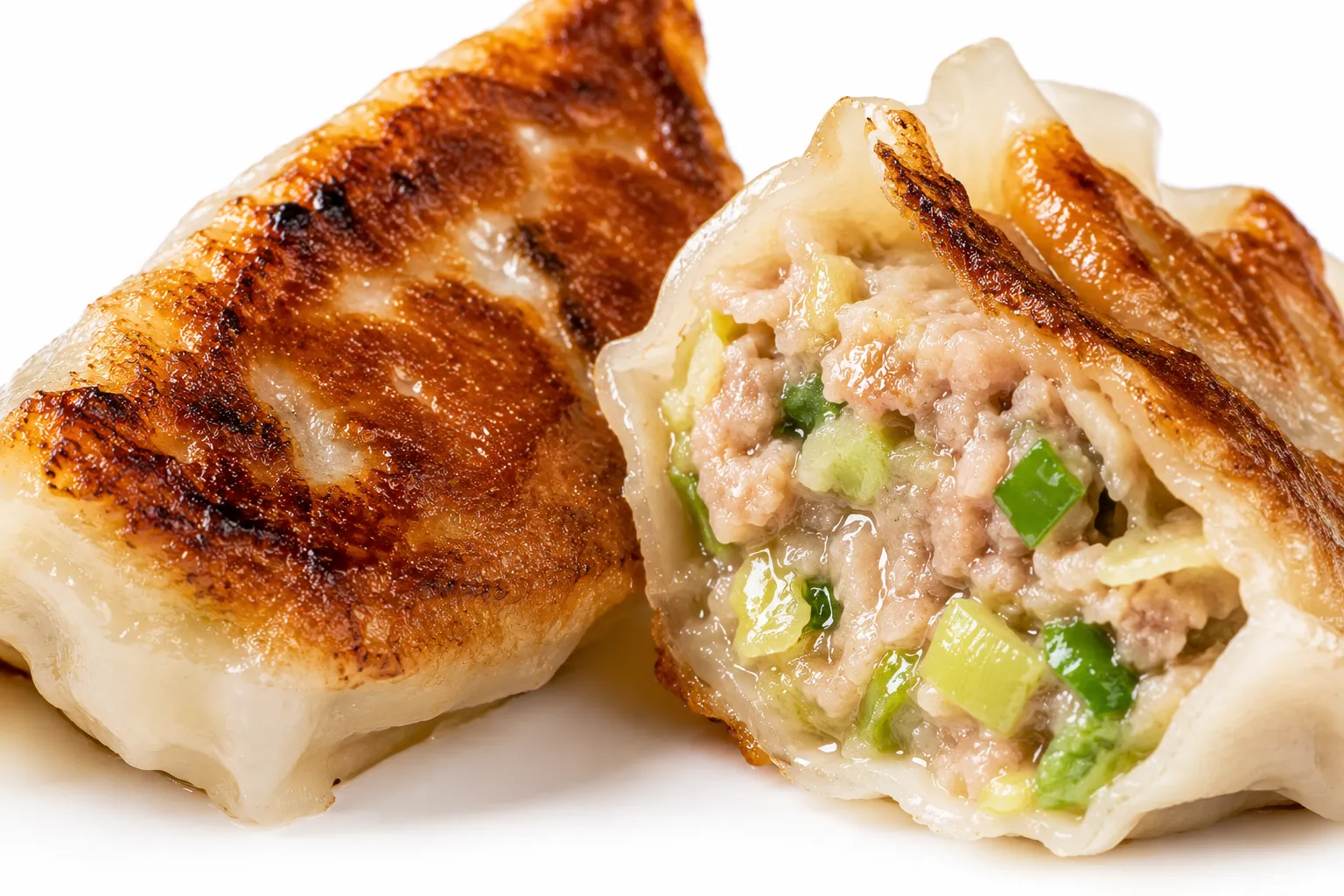
The signature of Japanese gyoza is the hane and the yaki — that lacy, golden, shatteringly crisp bottom. It's made by frying the dumplings, then adding a splash of water (sometimes a starch slurry) and covering the pan, so they steam-fry: soft and juicy on top, crackly-crisp underneath. When a whole batch fries together with a connected crispy "skirt," that's hanetsuki gyoza, and it's a thing of beauty.
The filling matters too — pork and finely chopped cabbage and garlic chives, seasoned with garlic, ginger, soy, and sesame oil, juicy enough to nearly burst. The dipping sauce (vinegar, soy, and rayu chili oil) cuts the richness.
How it's made
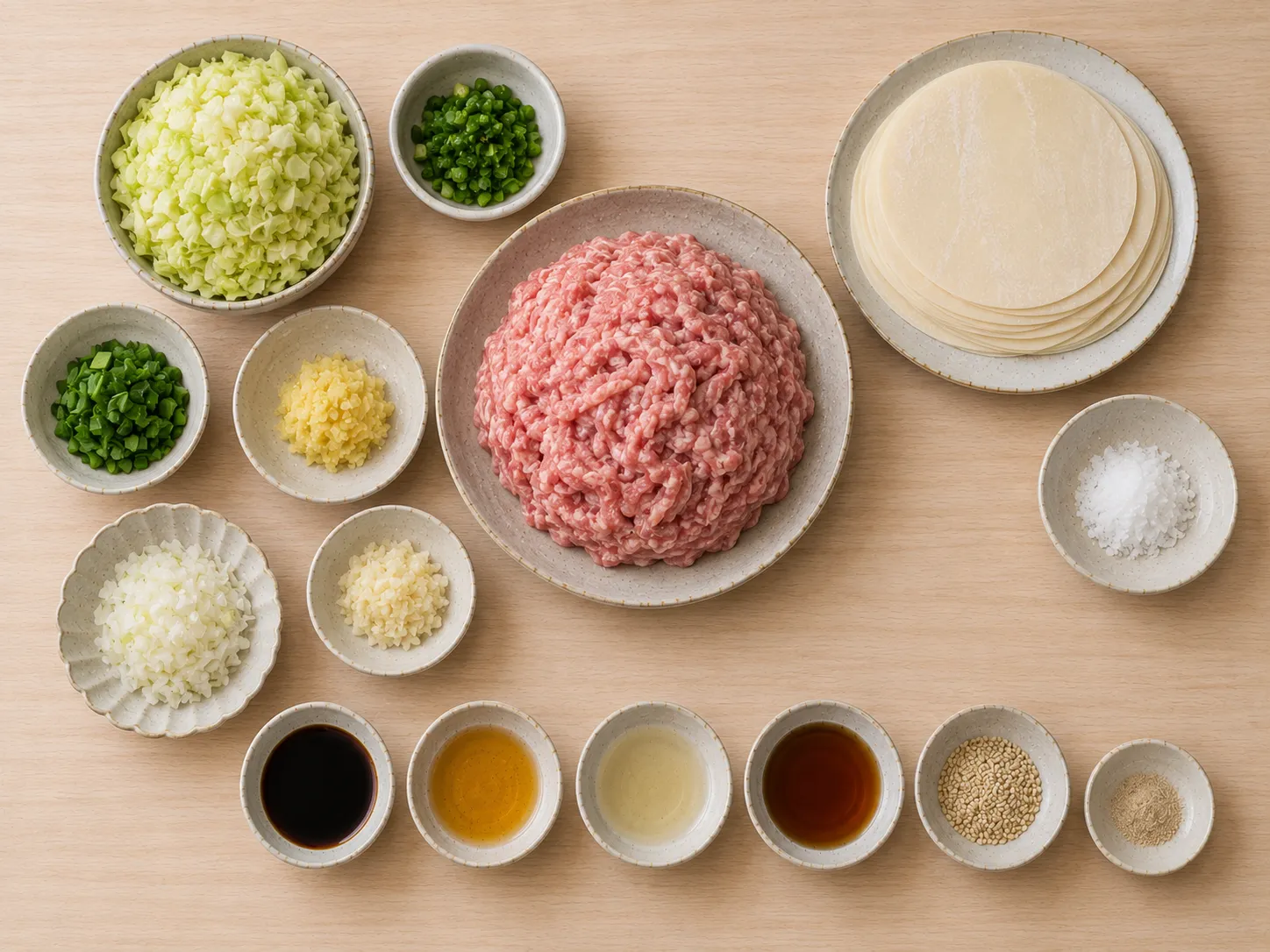
- Mix a filling of minced pork, finely chopped cabbage, garlic chives, garlic, ginger, soy, and sesame oil
- Spoon filling onto round wrappers and pleat them shut
- Fry flat-side down in a hot oiled pan until the bottoms are golden
- Add water (or a starch slurry for a crispy "wing"), cover, and steam until cooked through
- Serve crispy-side up with a dip of vinegar, soy sauce, and chili oil (rayu)
Before you go — mix the perfect dip
Your questions, answered honestly
"How do I make the dipping sauce?" — Mix soy sauce and rice vinegar (roughly equal, or vinegar-heavy), then add chili oil (rayu) to taste. Some locals go heavy on the vinegar and pepper. Build it on the little dish at your table.
"Gyoza with ramen — too much carbs?" — That's the classic combo and nobody cares. A bowl of ramen plus a plate of gyoza is a national pastime. Embrace it.
"What's the difference from Chinese dumplings?" — Japanese gyoza have thinner wrappers, more garlic, and are usually pan-fried (crispy bottom). Chinese jiaozi are often boiled with thicker skins.
"Utsunomiya or Hamamatsu?" — The two "gyoza capitals." Utsunomiya leans veggie-forward and garlicky; Hamamatsu often serves a ring of gyoza with bean sprouts in the middle. Pick a fight, then eat both.
"Vinegar-only?" — A trendy move is su-koshō — just vinegar and black pepper, no soy. Lighter, and it lets the gyoza flavor through. Try it.
What the staff will ask you
| You'll hear | Romaji | Meaning | Just say |
|---|---|---|---|
| 何人前にしますか? | Nan-ninmae ni shimasu ka? | "How many orders?" | Ni-ninmae (two orders) |
| 焼き、水、どちらに? | Yaki, sui, dochira ni? | "Pan-fried or boiled?" | Yaki de (pan-fried) |
| お飲み物は? | Onomimono wa? | "Anything to drink?" | Nama biiru (a draft beer) |
| ライスは付けますか? | Raisu wa tsukemasu ka? | "Add rice?" | Hai (yes) / Daijōbu desu (no thanks) |
To order, just say "Yaki-gyoza ichi-ninmae kudasai" (焼き餃子一人前ください) — "one order of pan-fried gyoza, please."
Where to eat it
- Utsunomiya (Tochigi) and Hamamatsu (Shizuoka) — the rival gyoza capitals, each with streets full of specialists.
- Any ramen shop — gyoza is the near-universal side order; get a plate with your bowl.
- Izakaya everywhere — a standard, cheap, beer-friendly order nationwide.
The famous specialist shops in Utsunomiya and Hamamatsu can have queues, so go off-peak — and order more than one portion, you'll want it.
Soul Score
Local Roots3/5
First-Timer Friendly5/5
Adventure Level3/5
Comfort Level5/5
Travel Worthy3/5
These scores are one obsessed eater's gut feeling — not a verdict. A low number isn't a bad mark, just a different kind of adventure.
Know someone planning Japan?
← All Articles
Japanese Food · Nationwide
Still hungry?
Start with the classics
Japanese FoodNationwide
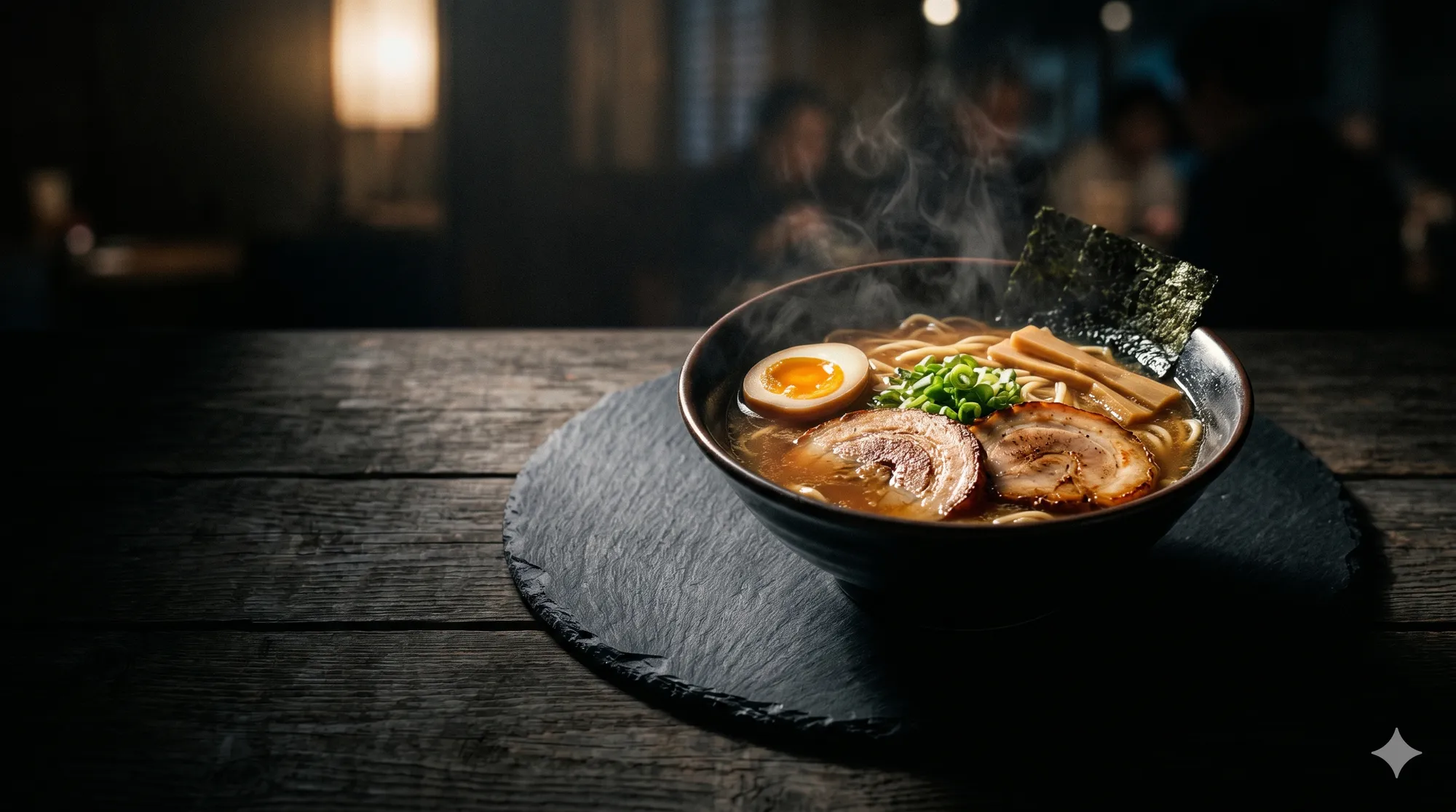
Ramen (ラーメン)
A bowl of noodles in soup — and somehow one of the most obsessed-over foods on the planet. Shoyu, miso, shio, tonkotsu: here's how to read a ramen menu and slurp like you mean it.
June 20, 2026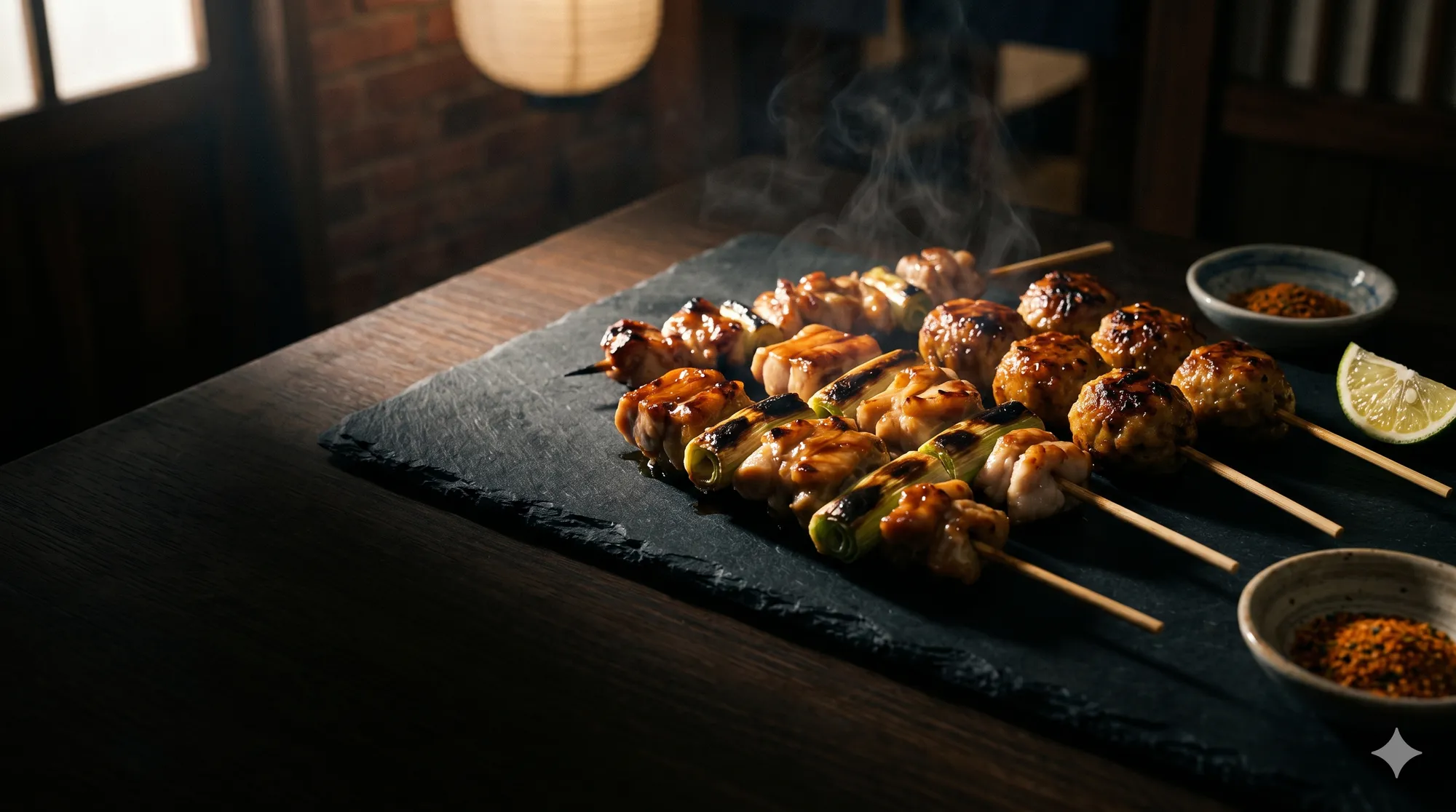
Japanese FoodNationwide
Yakitori (焼き鳥)
Bite-sized skewers of chicken grilled over blazing charcoal, seasoned with just salt or a sweet-savory tare. The beating heart of the izakaya, smoke and beer included. Nose-to-tail, and all of it good.
June 20, 2026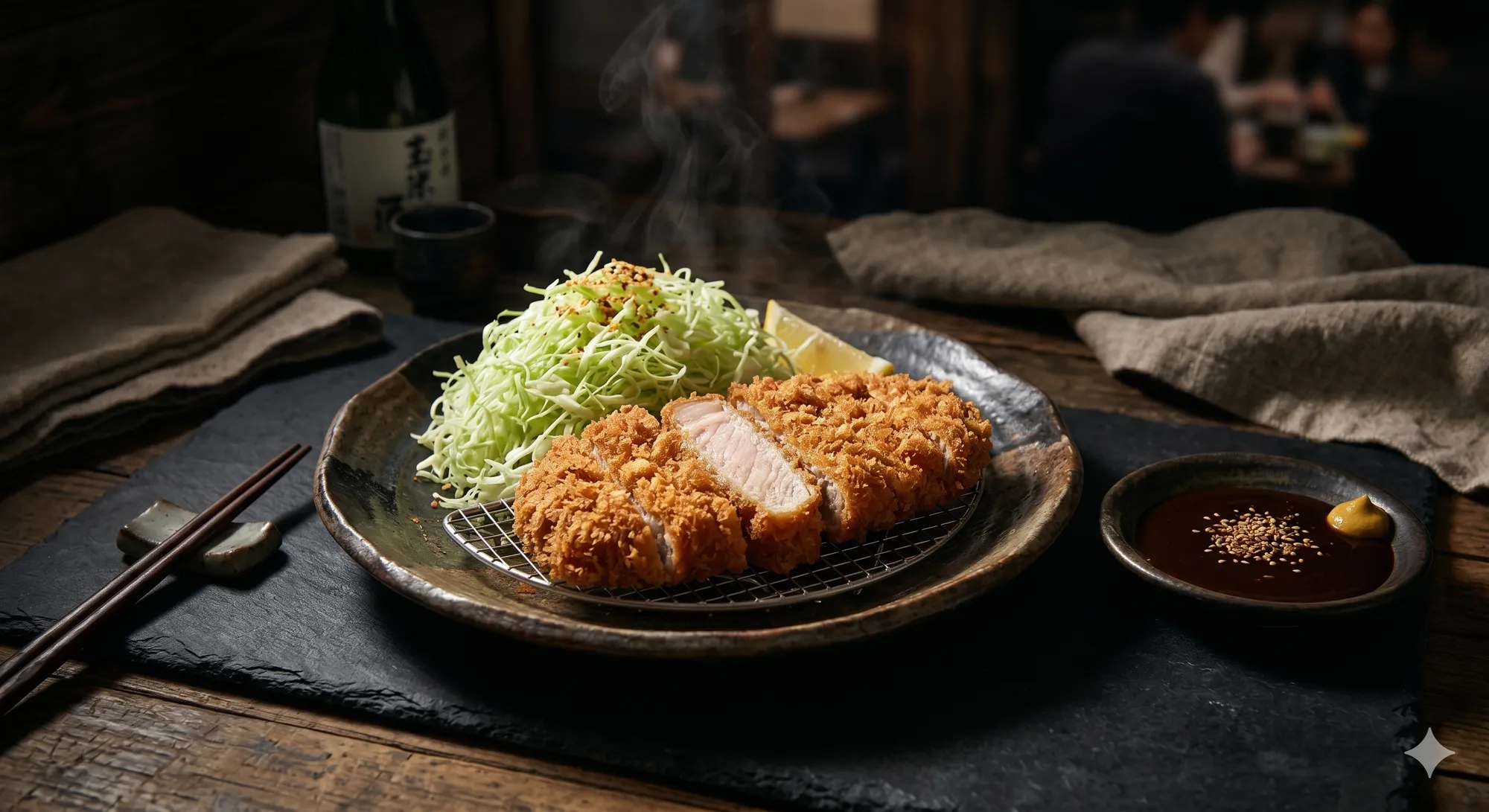
Japanese FoodNationwide
Tonkatsu (トンカツ)
The crunch you can hear across the room. Japan borrowed a French cutlet, deep-fried it into something better — and here's how to order it like you belong.
July 13, 2024