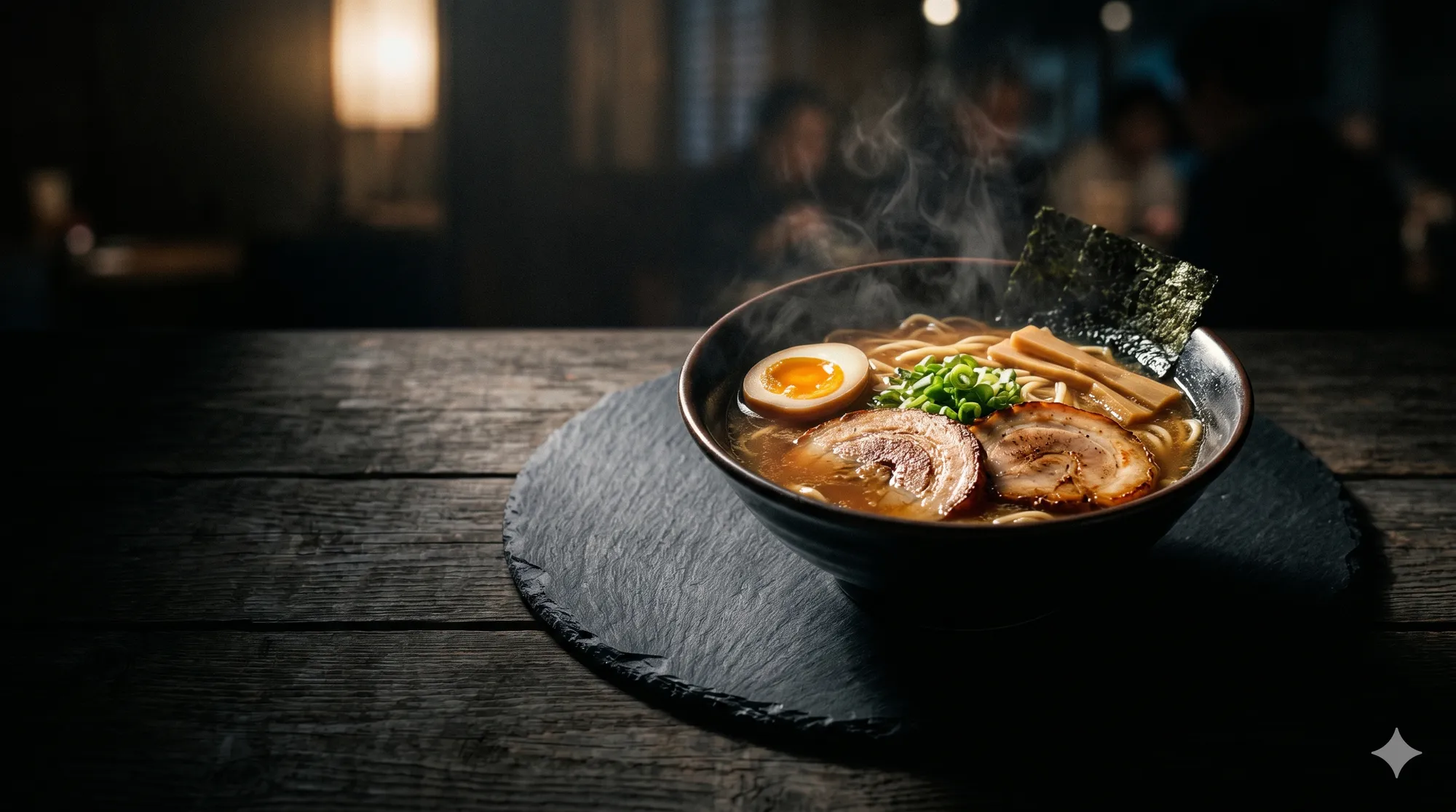
I could write a book about ramen. People have written books about ramen. Because it looks simple — noodles, broth, toppings — and it absolutely is not. A great bowl is the result of someone simmering bones for eighteen hours and arguing with themselves about noodle thickness. And when it lands in front of you, steaming, the chashu glistening, you understand why people queue in the snow for it.
Share this dish


A bowl of noodles in soup — and somehow one of the most obsessed-over foods on the planet. Shoyu, miso, shio, tonkotsu: here's how to read a ramen menu and slurp like you mean it.
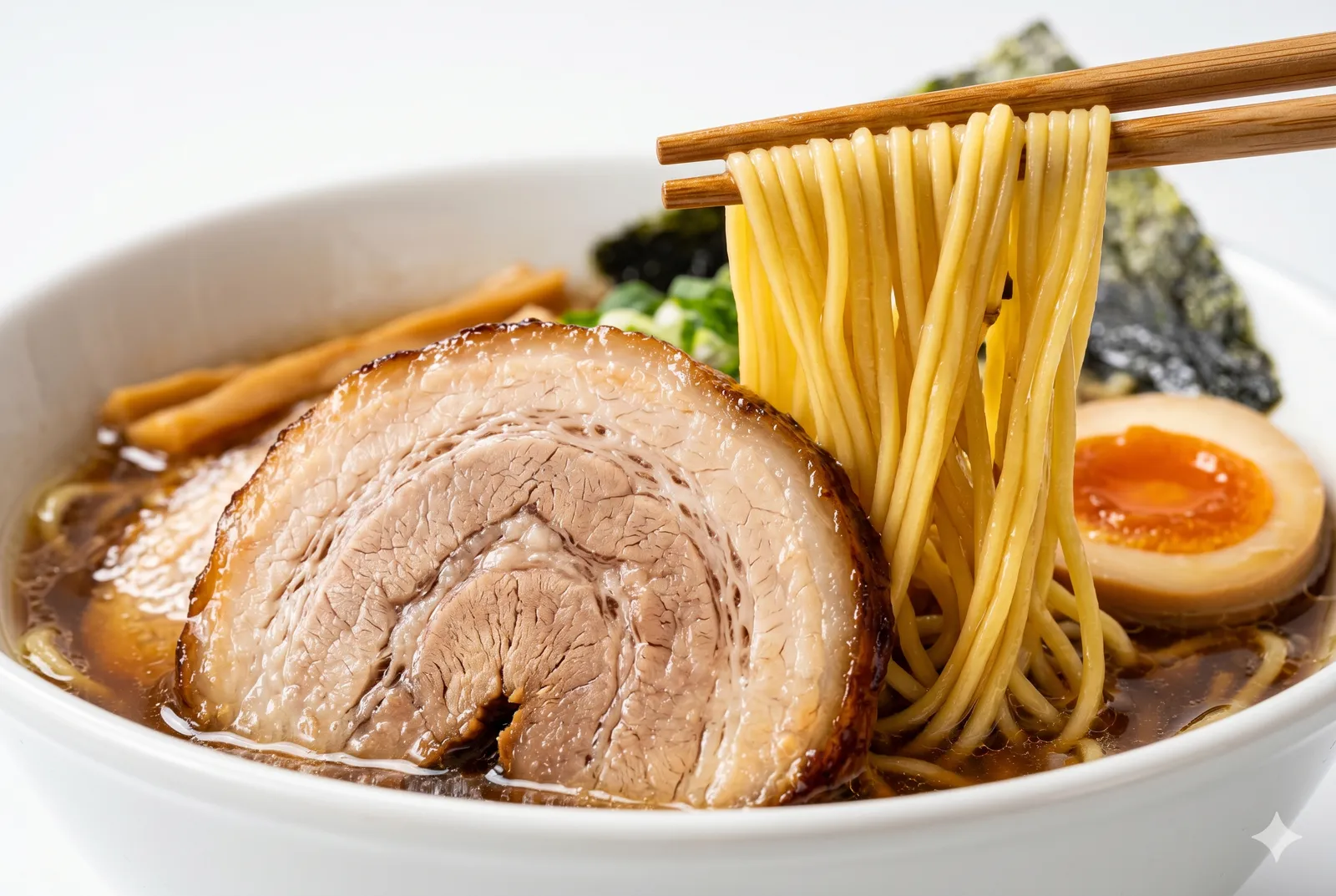
Ramen is wheat noodles in a seasoned broth, finished with toppings — sliced pork (chashu), a marinated soft egg (ajitama), green onion, bamboo shoots, nori. That's the skeleton. Everything else — the soup base, the tare seasoning, the noodle shape — is where regions and shops fight to the death. There is no "real" ramen. There are a thousand real ramens.
A Chinese import that Japan made its own
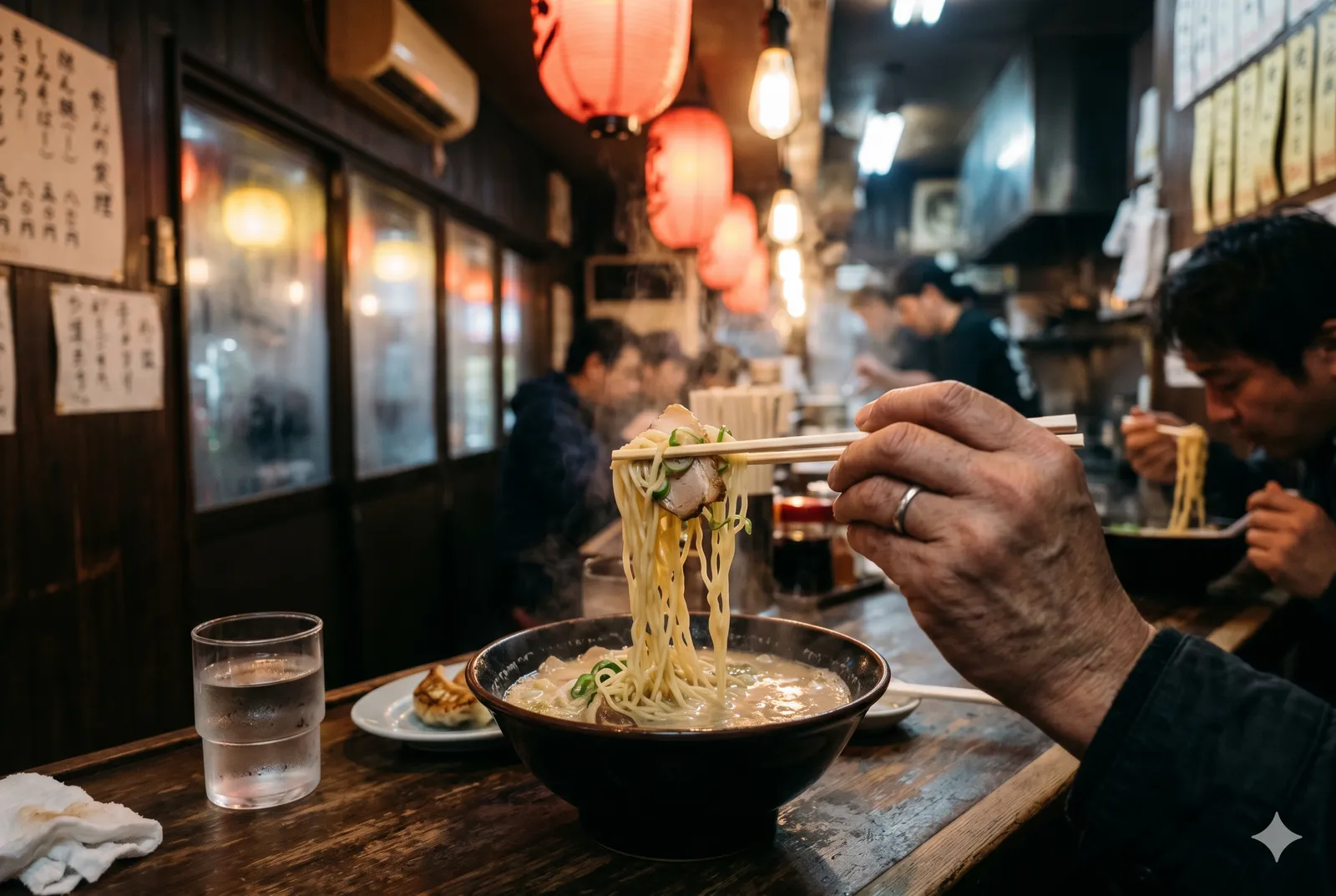
Ramen arrived from China around the early 1900s and was first known as Chūka soba ("Chinese noodles"). Japan then spent a century obsessively localizing it. After WWII, cheap American wheat flooded in, ramen stalls fed a hungry country, and the dish exploded into regional styles — each city building its own identity in a bowl.
Today ramen is a national sport. There are ramen museums, ramen rankings, ramen vending machines, and chefs treated like rock stars. It went from peasant fuel to cultural icon in a single century.
Why the four big styles matter
Learn these four and you can order anywhere:
- Shoyu (醤油) — soy-sauce based, clear brown broth, the classic Tokyo style. Savory and balanced.
- Shio (塩) — salt based, the lightest and most delicate, often pale gold.
- Miso (味噌) — fermented soybean paste, rich and hearty, born in Hokkaido. Great in winter.
- Tonkotsu (豚骨) — creamy white pork-bone broth, the deep and fatty Kyushu style (Hakata ramen is the famous one).
Then there's the noodle: thin and straight, thick and wavy, every shop matching it to its soup. And tsukemen — where thick noodles come separately and you dip them in a concentrated broth.
How it's made
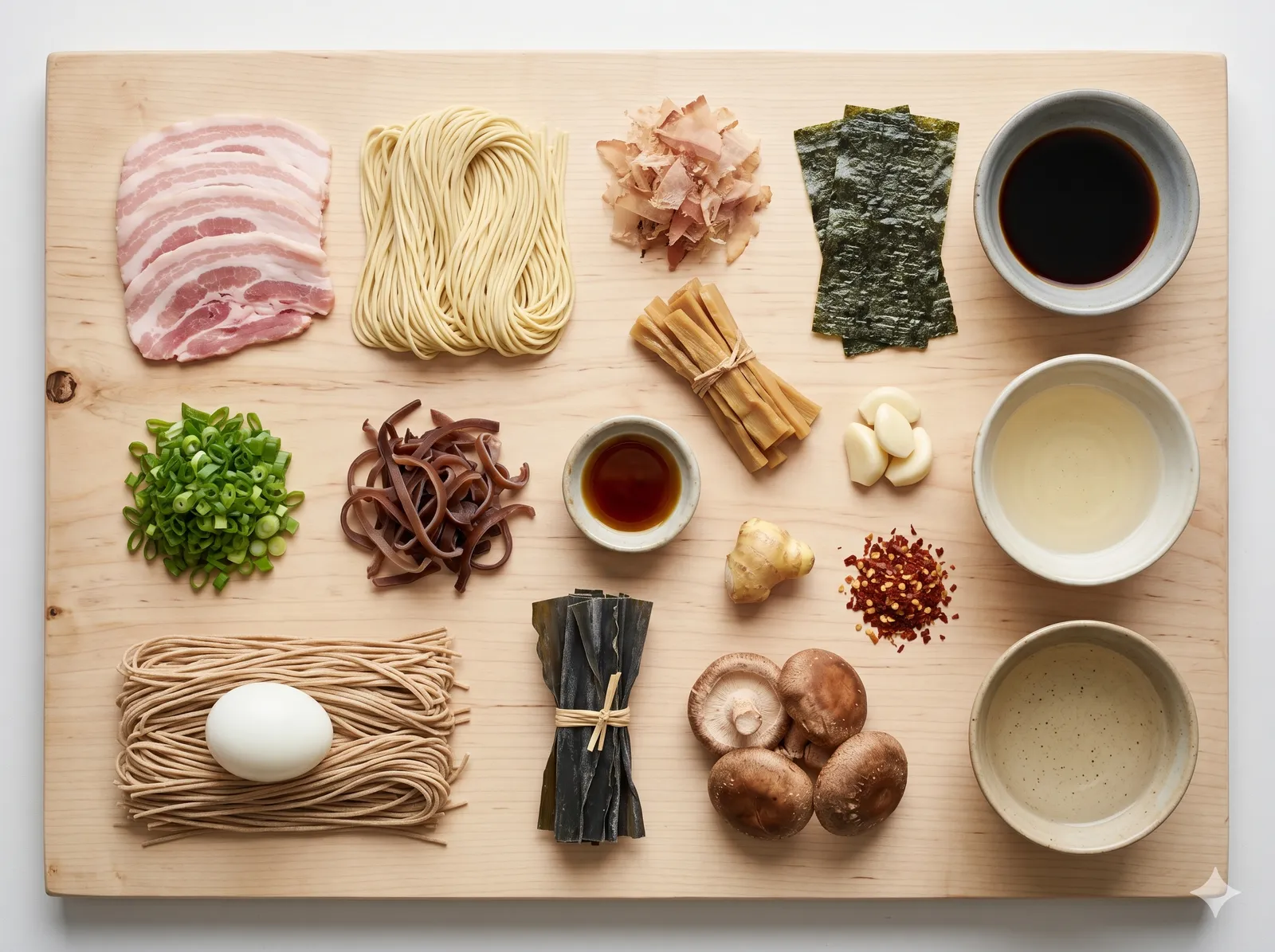
- Simmer a broth for hours — pork/chicken bones, or a lighter dashi base
- Mix a tare (concentrated seasoning: shoyu, shio, or miso) in the bottom of the bowl
- Combine tare with hot broth
- Boil the noodles to order — seconds matter
- Add noodles, then arrange toppings: chashu, egg, negi, menma, nori
Before you go — slurp without fear
Your questions, answered honestly
"Am I really supposed to slurp?" — Yes! Loud slurping cools the noodles and is considered the proper way to eat. It's polite, not rude. Let go of everything your parents taught you.
"How fast do I eat?" — Fast. The noodles keep cooking in the hot broth and go soft. A bowl of ramen is not a leisurely meal — get in, slurp, get out. Counter seats often have a queue waiting.
"Do I drink the soup?" — Sip it, absolutely — that's where the work is. Finishing all of it is a compliment but totally optional (it's salty and rich).
"What's the ticket machine?" — Many shops have a vending machine by the door: insert cash, press your bowl, hand the ticket to the staff. Don't panic — there's usually a picture for each button.
"Kaedama?" — At tonkotsu shops you can order kaedama (替え玉) — a refill of just noodles for your leftover broth. Say it when your noodles are running low but broth remains.
What the staff will ask you
| You'll hear | Romaji | Meaning | Just say |
|---|---|---|---|
| 麺の硬さは? | Men no katasa wa? | "Noodle firmness?" | Futsū (normal) / Katame (firm) |
| 味の濃さは? | Aji no kosa wa? | "How strong a flavor?" | Futsū de (normal, please) |
| 油の量は? | Abura no ryō wa? | "How much oil/fat?" | Futsū de (normal) / Sukuname (less) |
| トッピングは? | Toppingu wa? | "Any toppings?" | Ajitama kudasai (a seasoned egg, please) |
To order off a menu, just say "Shoyu ramen hitotsu kudasai" (醤油ラーメン一つください) — "one shoyu ramen, please."
Where to eat it
- Any city has its style — Sapporo (miso), Tokyo (shoyu), Hakata/Fukuoka (tonkotsu), Kitakata (clear shoyu). Eat the local one.
- Shin-Yokohama Ramen Museum — a retro food hall with famous regional shops under one roof; a great crash course.
- Follow the queue — a line of locals out the door is the most reliable ramen review there is.
Shops open and close constantly, so check before a special trip — and eat it the second it arrives.
Soul Score
Local Roots4/5
First-Timer Friendly4/5
Adventure Level3/5
Comfort Level5/5
Travel Worthy4/5
These scores are one obsessed eater's gut feeling — not a verdict. A low number isn't a bad mark, just a different kind of adventure.
Know someone planning Japan?
← All Articles
Japanese Food · Nationwide
Still hungry?
Start with the classics
Japanese FoodNationwide
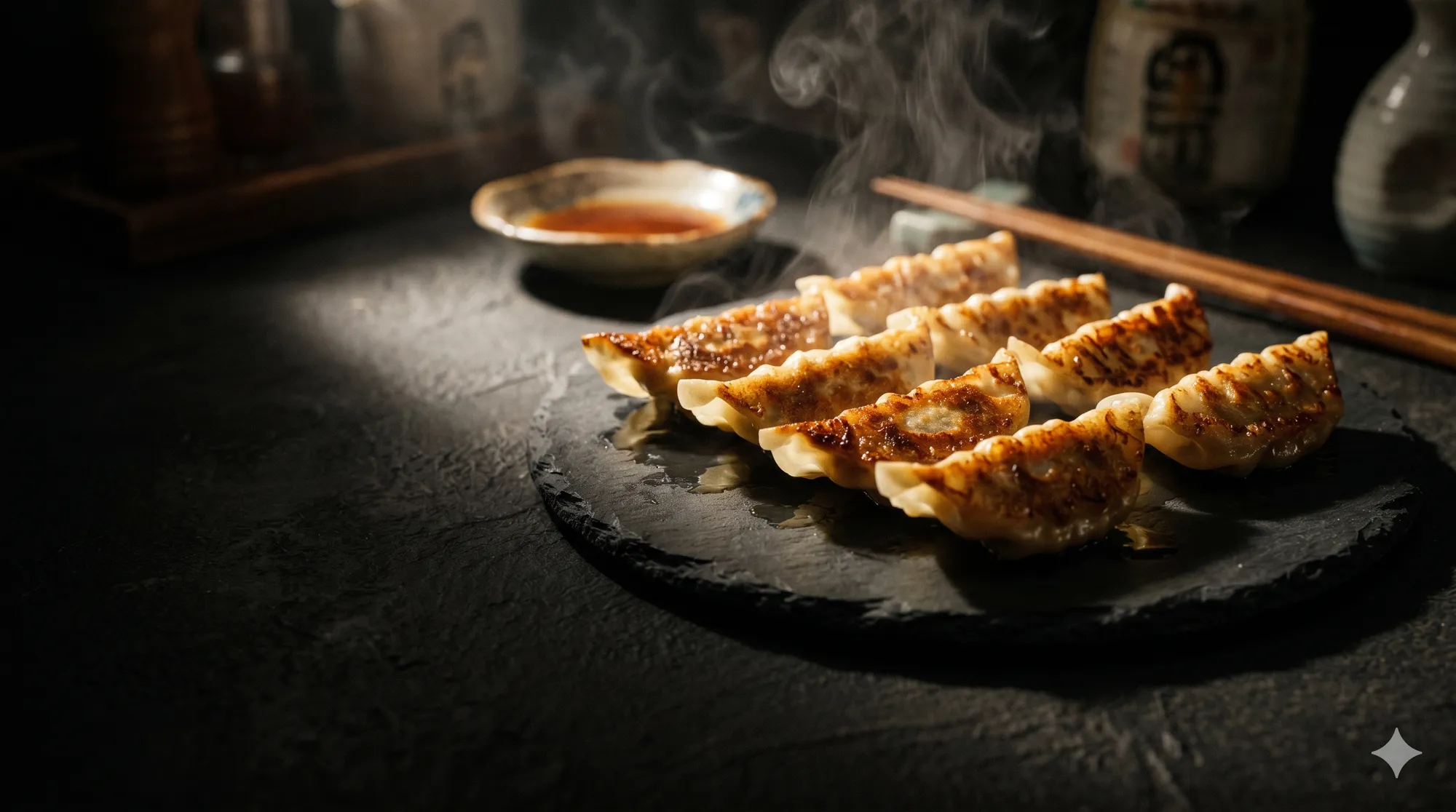
Gyoza (餃子)
Pan-fried dumplings with a crispy bottom and a juicy pork-and-cabbage filling, dunked in vinegar-soy-chili. The ultimate ramen sidekick, the izakaya staple, and the snack nobody can stop eating.
June 20, 2026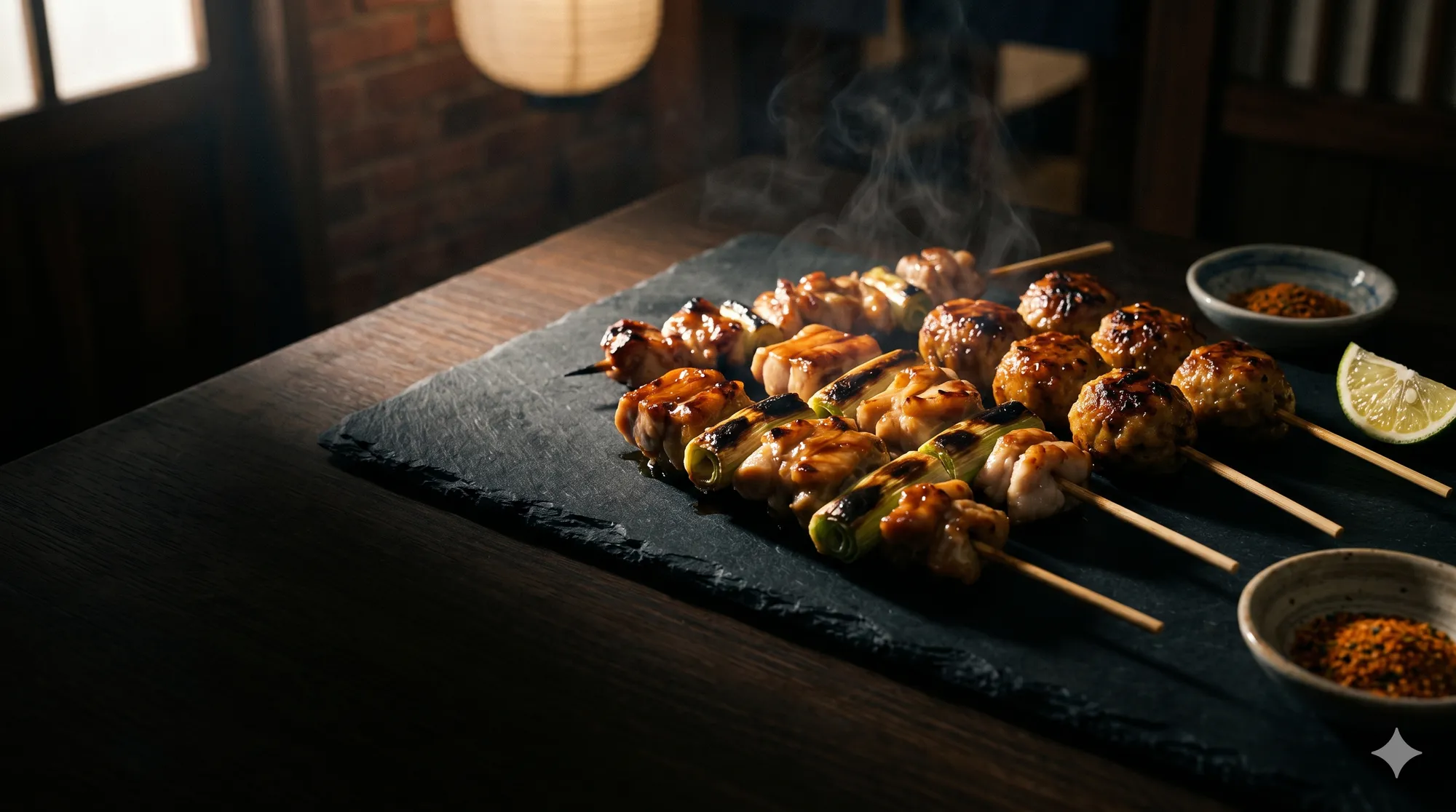
Japanese FoodNationwide
Yakitori (焼き鳥)
Bite-sized skewers of chicken grilled over blazing charcoal, seasoned with just salt or a sweet-savory tare. The beating heart of the izakaya, smoke and beer included. Nose-to-tail, and all of it good.
June 20, 2026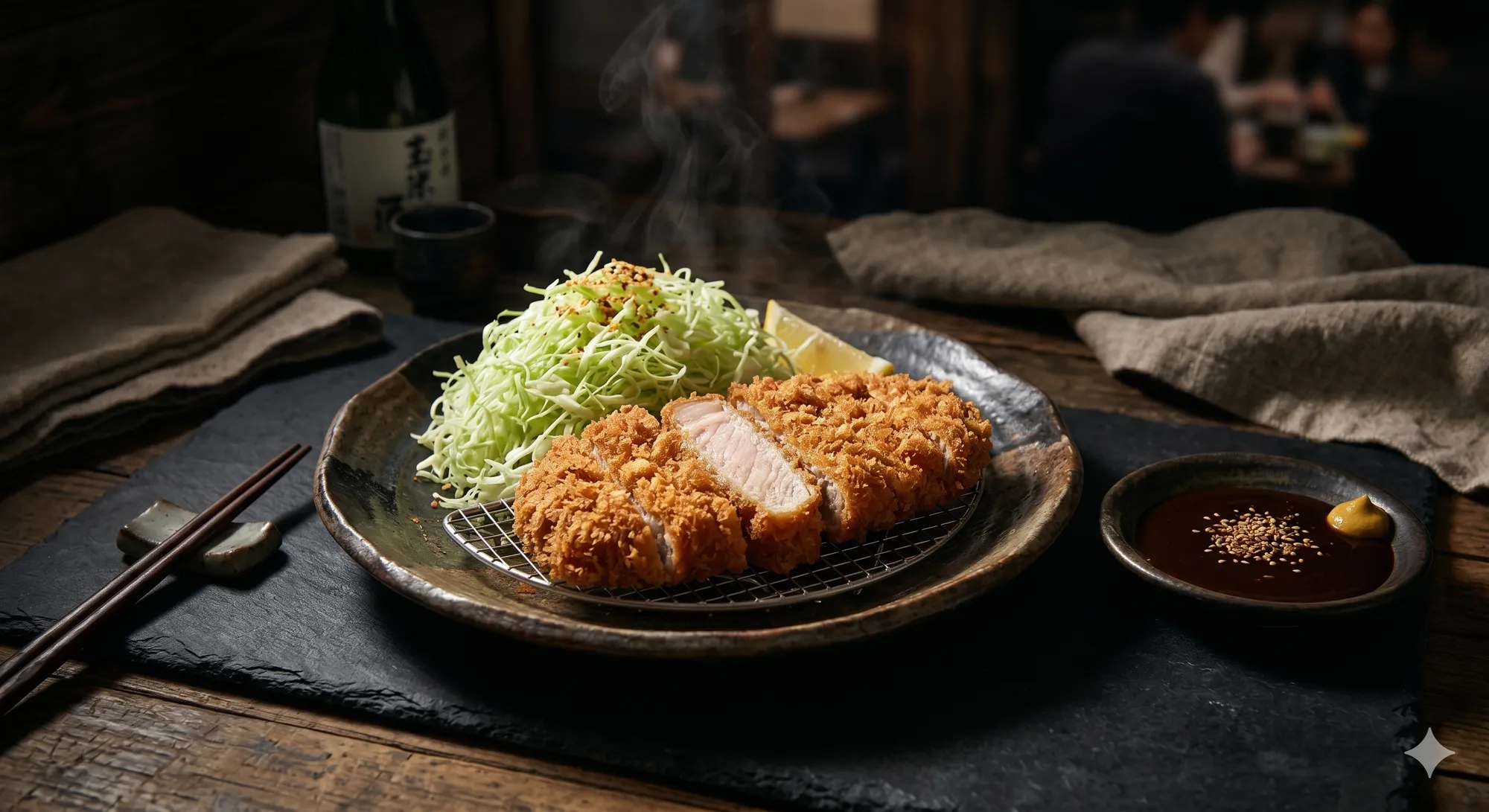
Japanese FoodNationwide
Tonkatsu (トンカツ)
The crunch you can hear across the room. Japan borrowed a French cutlet, deep-fried it into something better — and here's how to order it like you belong.
July 13, 2024