Quick answer
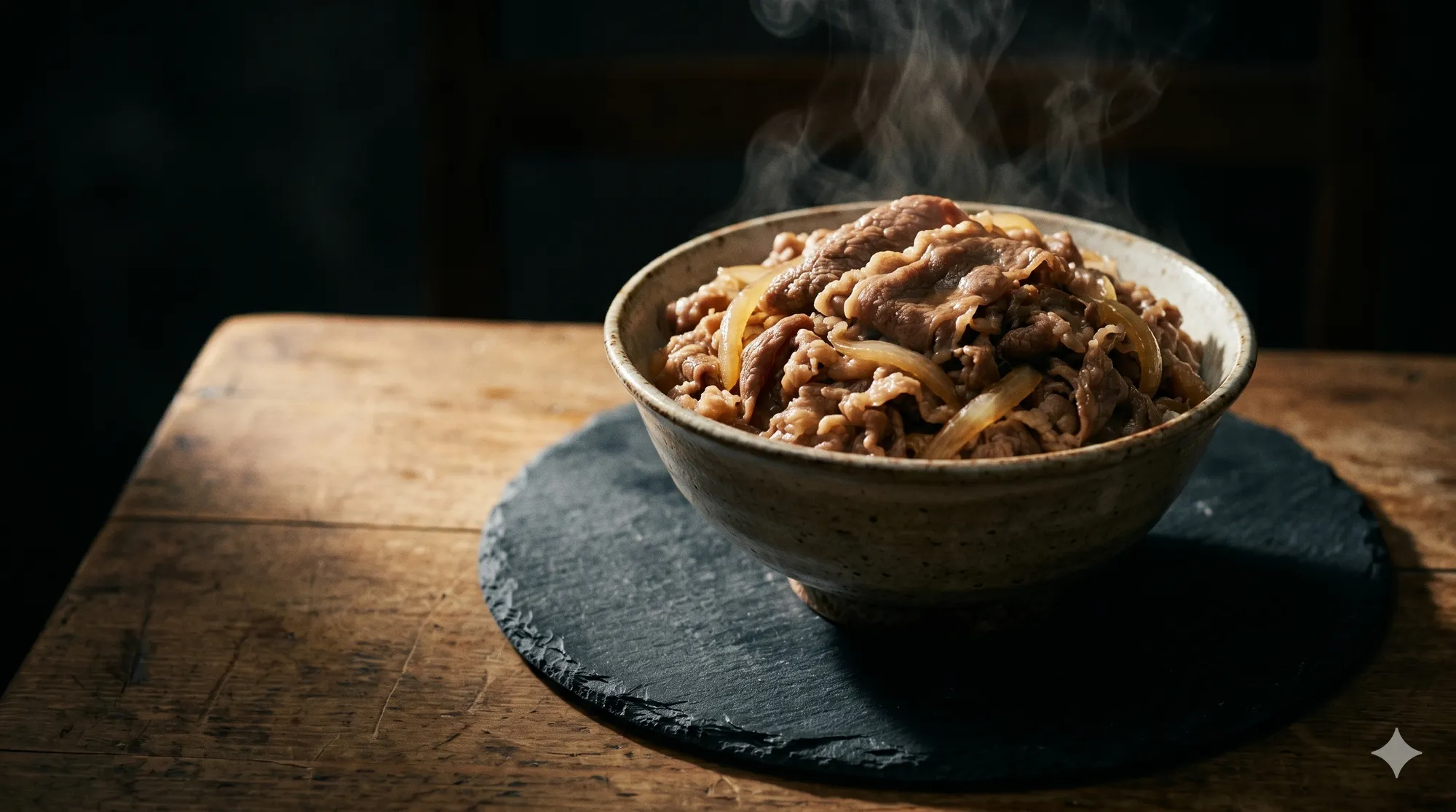
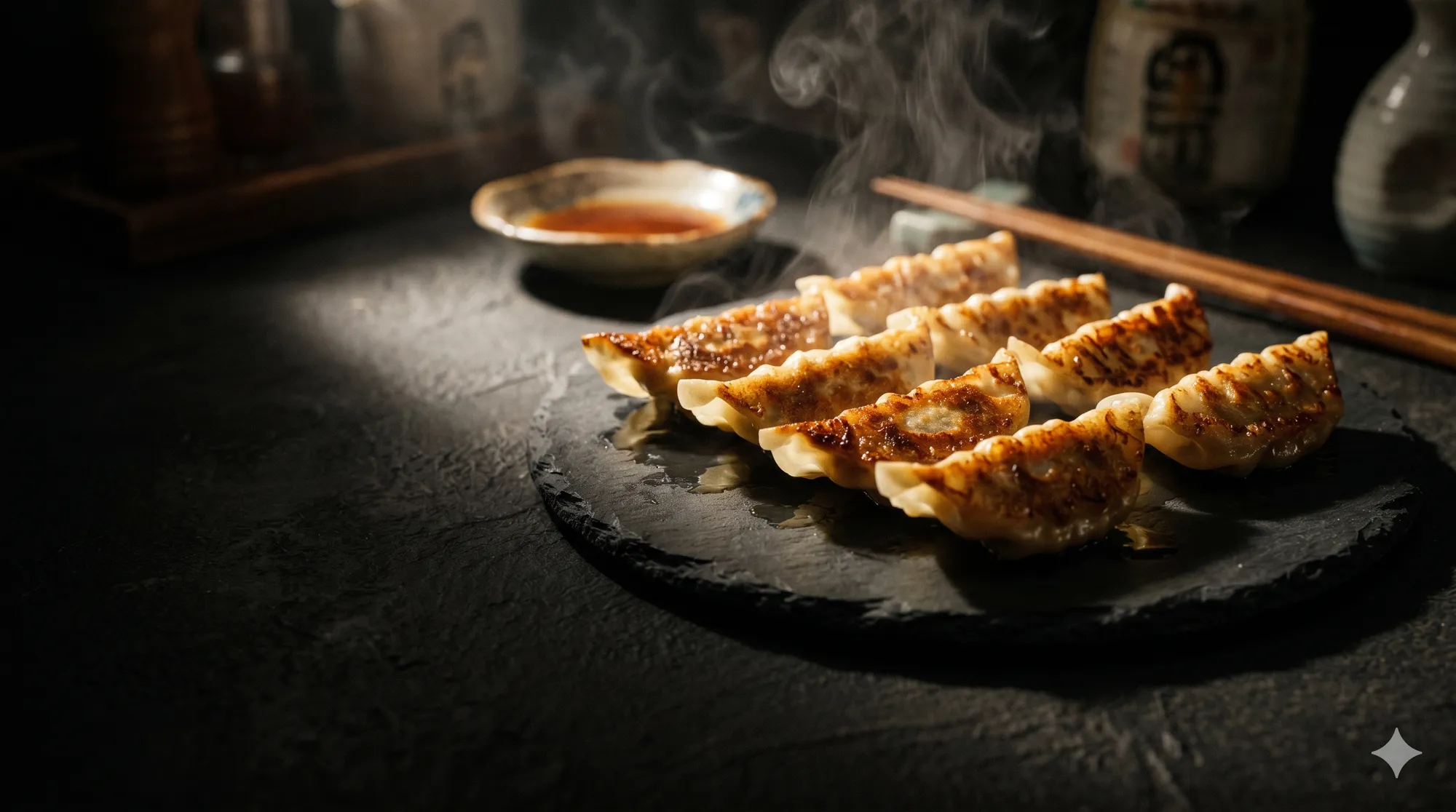
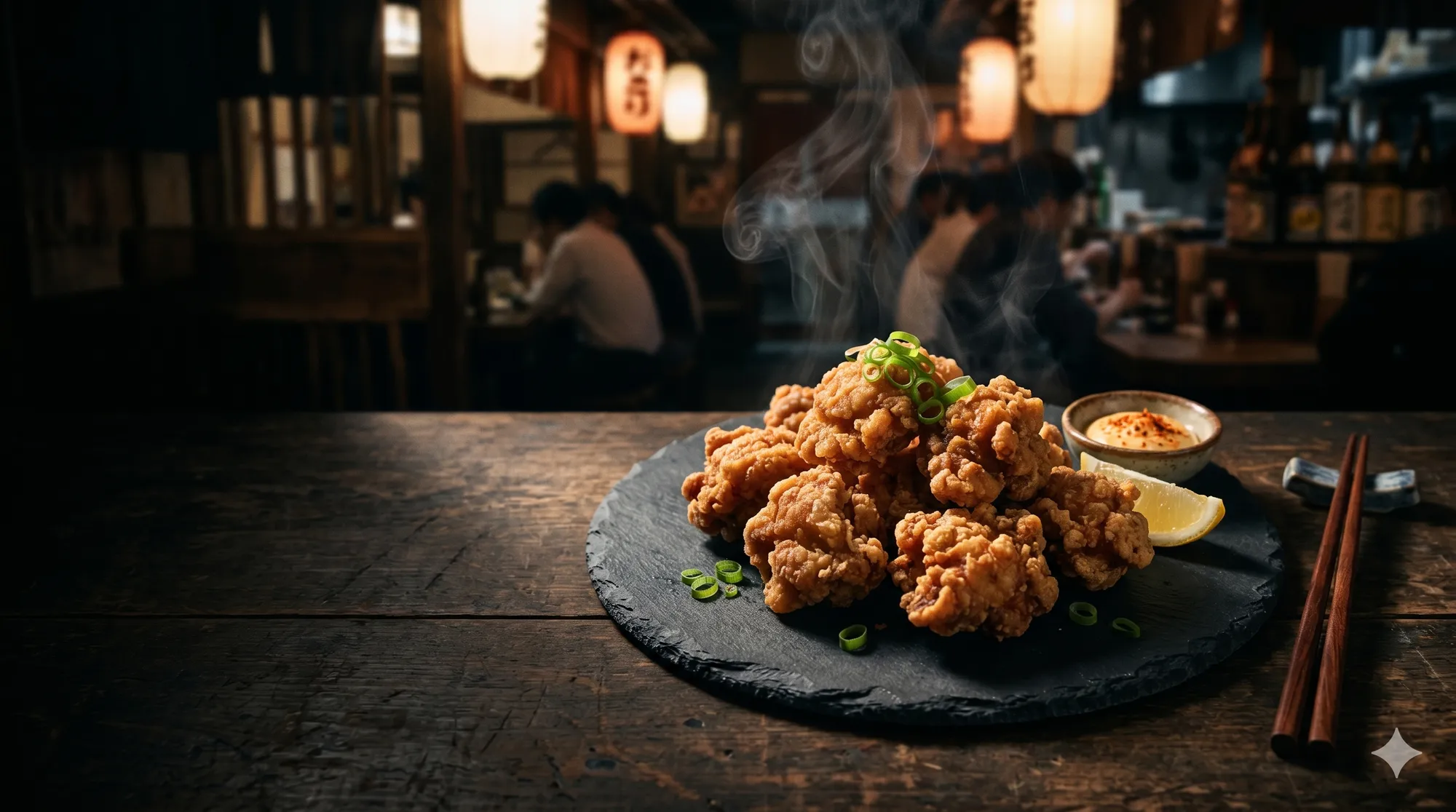
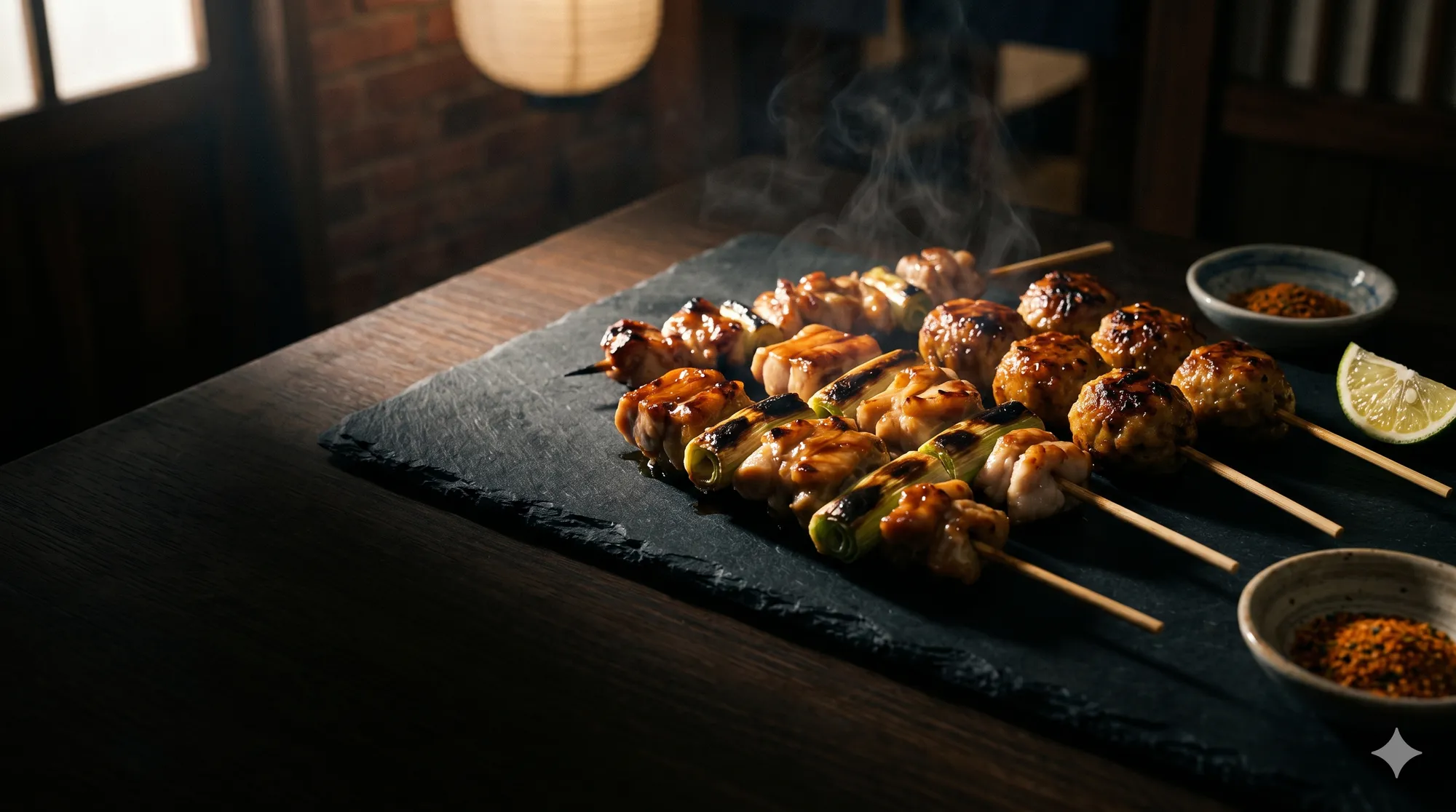
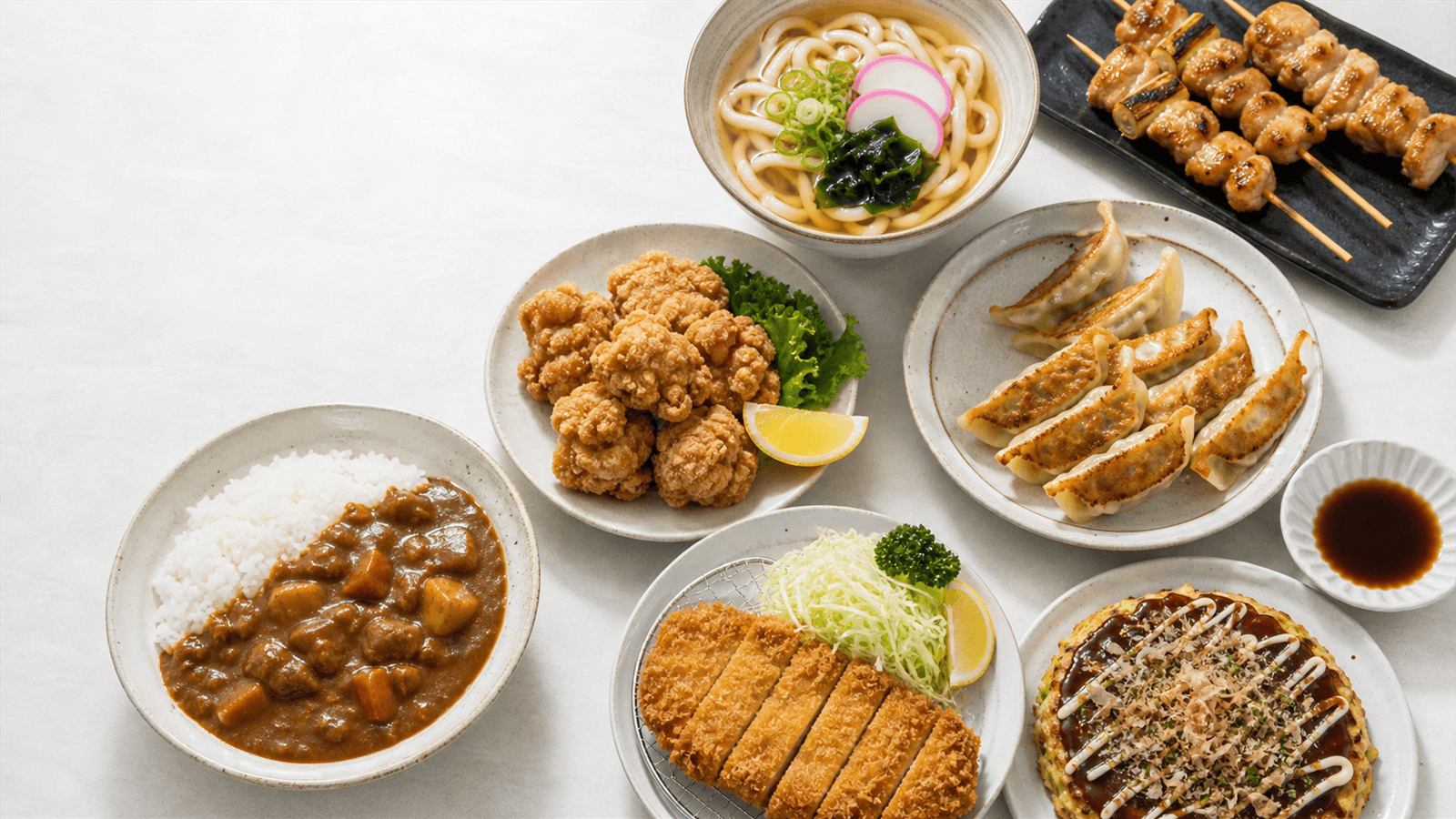
You can enjoy Japanese food without eating raw fish. Start with cooked dishes like udon, curry rice, gyoza, yakitori, karaage, okonomiyaki, tonkatsu, and many regional noodles, but always check ingredients because recipes vary by restaurant.
Many travelers arrive in Japan thinking Japanese food means sushi and sashimi. It does not. Raw fish is one famous corner of a much bigger food culture packed with steaming noodles, grilled skewers, fried cutlets, dumplings, curry, rice bowls, and sweet treats.
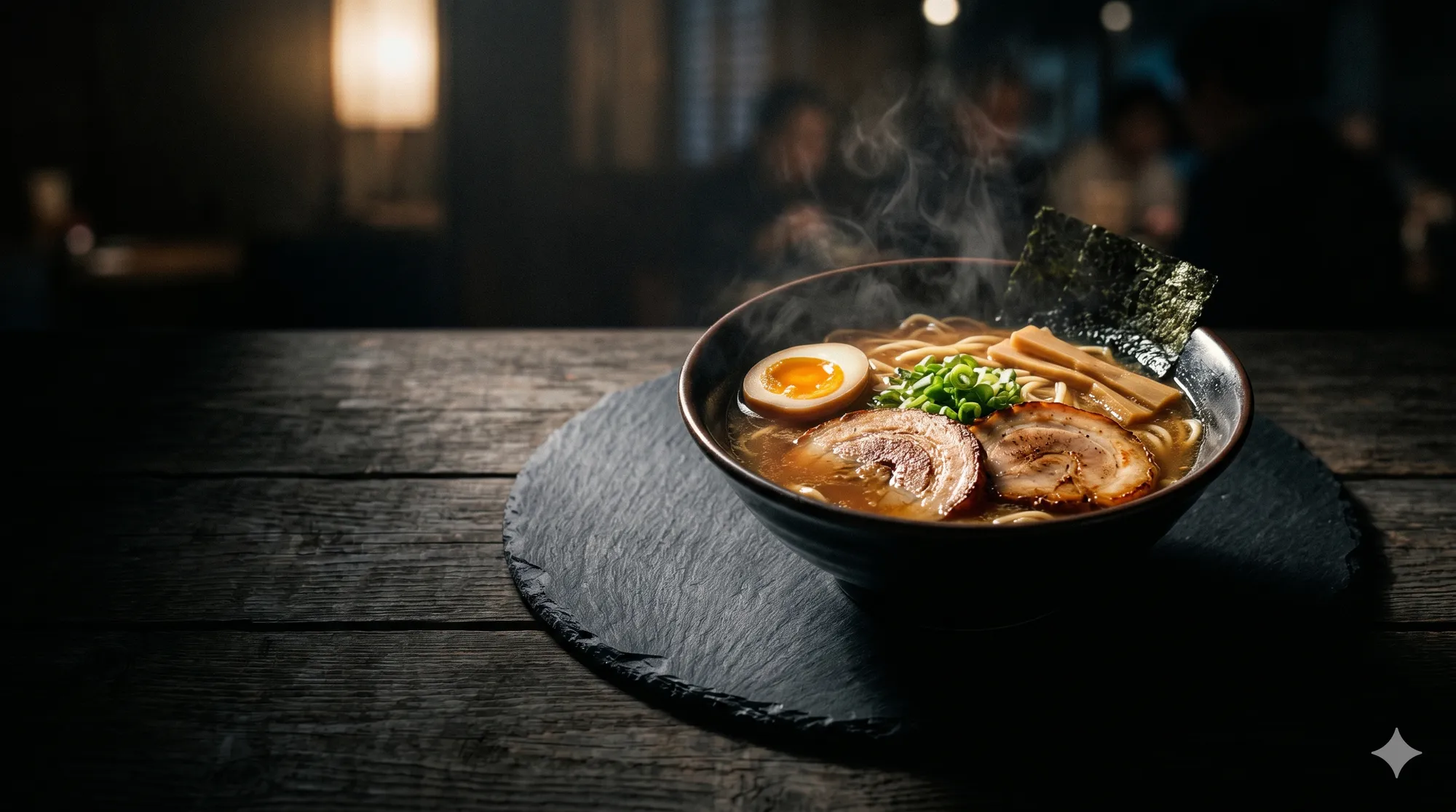
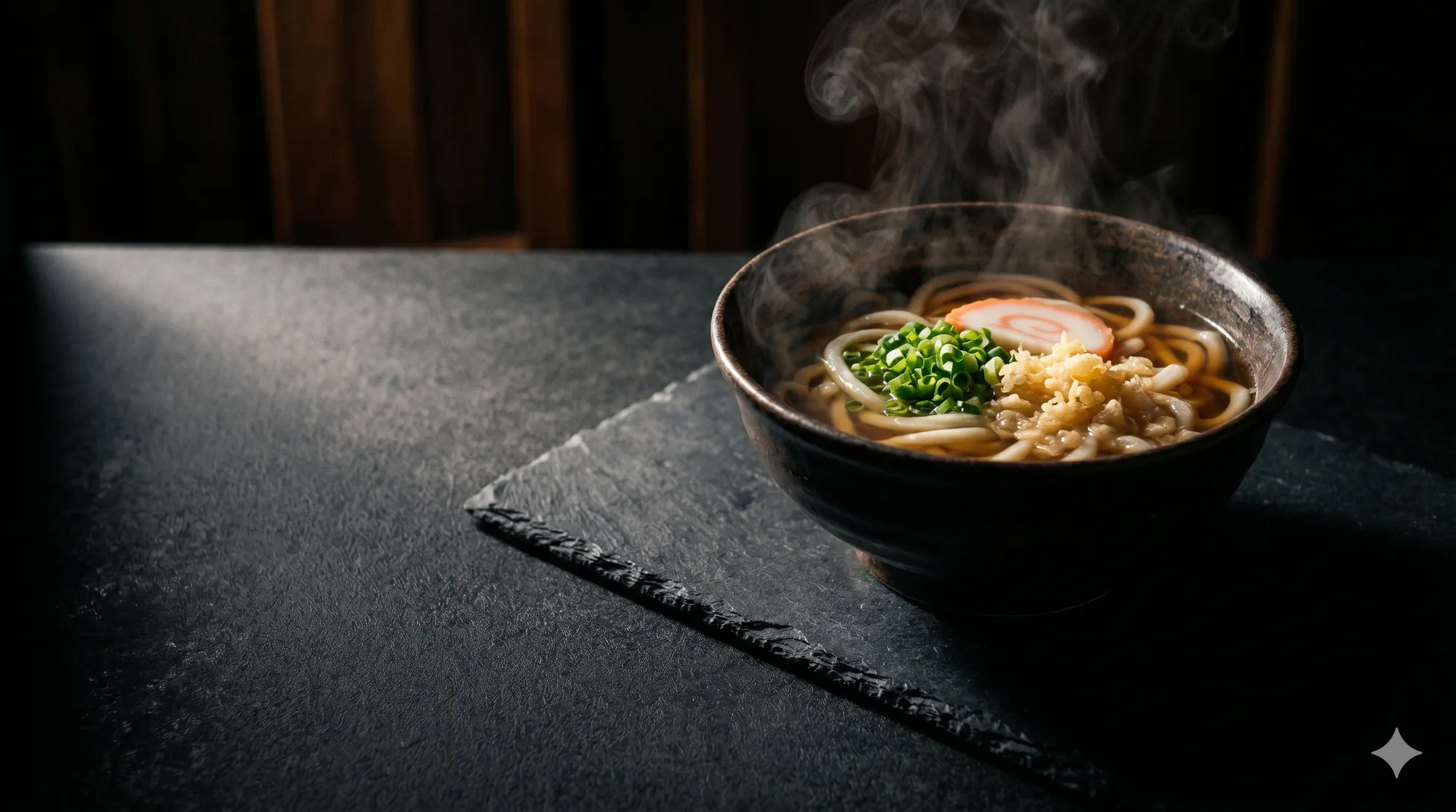
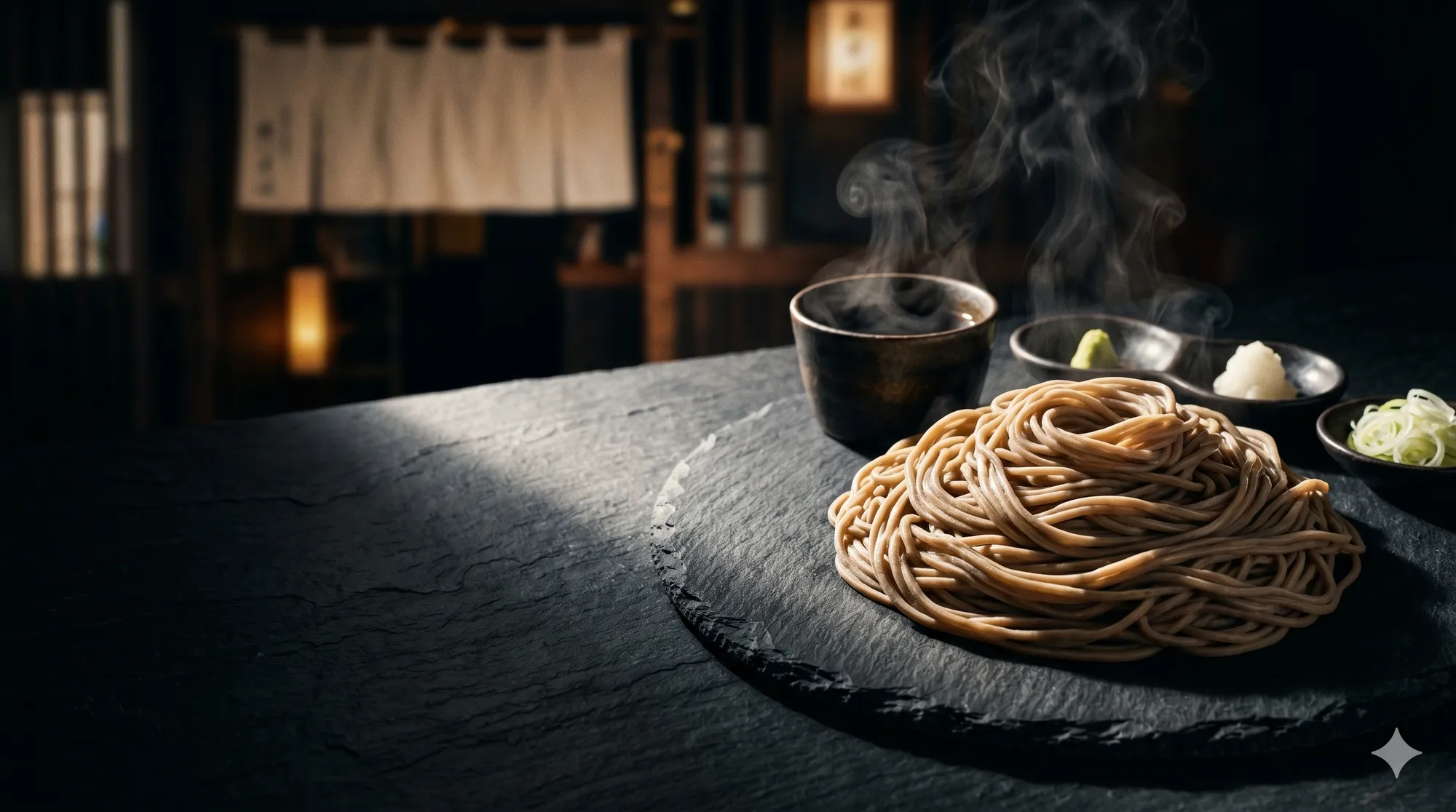
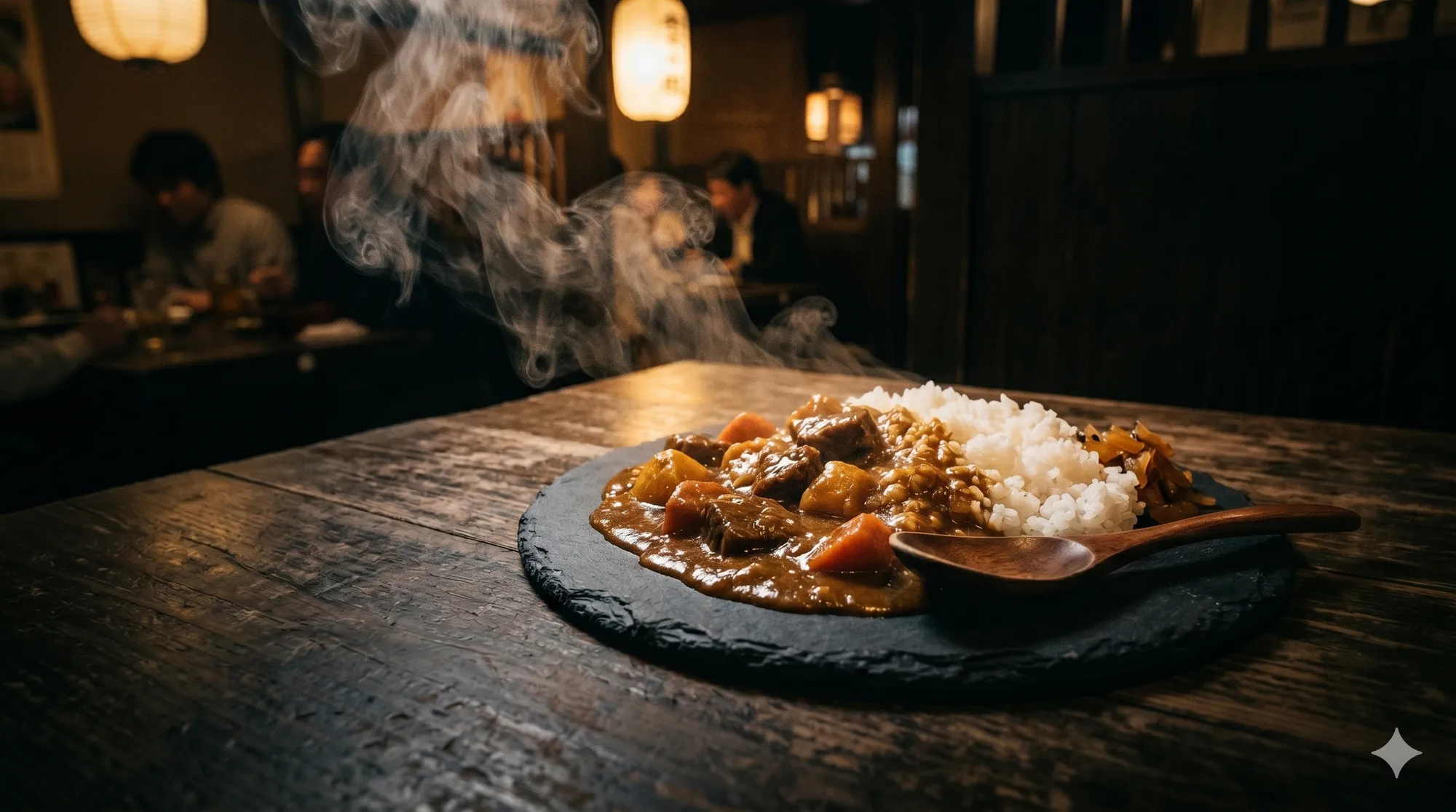
If you do not eat raw fish, you still have a huge number of good options. The dishes below are useful starting points for first-time visitors who want cooked, familiar, and relatively easy-to-order Japanese foods.
An important note before you order
This is a no-raw-fish guide, not a seafood-free, allergy-safe, vegetarian, halal, or gluten-free guide. A dish can contain no raw fish and still use:
- fish-based dashi or broth
- bonito flakes
- seafood sauces or cooked seafood
- meat, eggs, dairy, wheat, or other allergens
- shared grills, fryers, utensils, or kitchen equipment
Recipes vary between restaurants. If you have an allergy or another dietary restriction, ask the staff about the specific dish before ordering.
A useful phrase
| Japanese | Romaji | Meaning |
|---|---|---|
| 生の魚は入っていますか? | Nama no sakana wa haitte imasu ka? | Does this contain raw fish? |
For more ordering and dietary phrases, open the Eating Phrasebook.
Keep planning
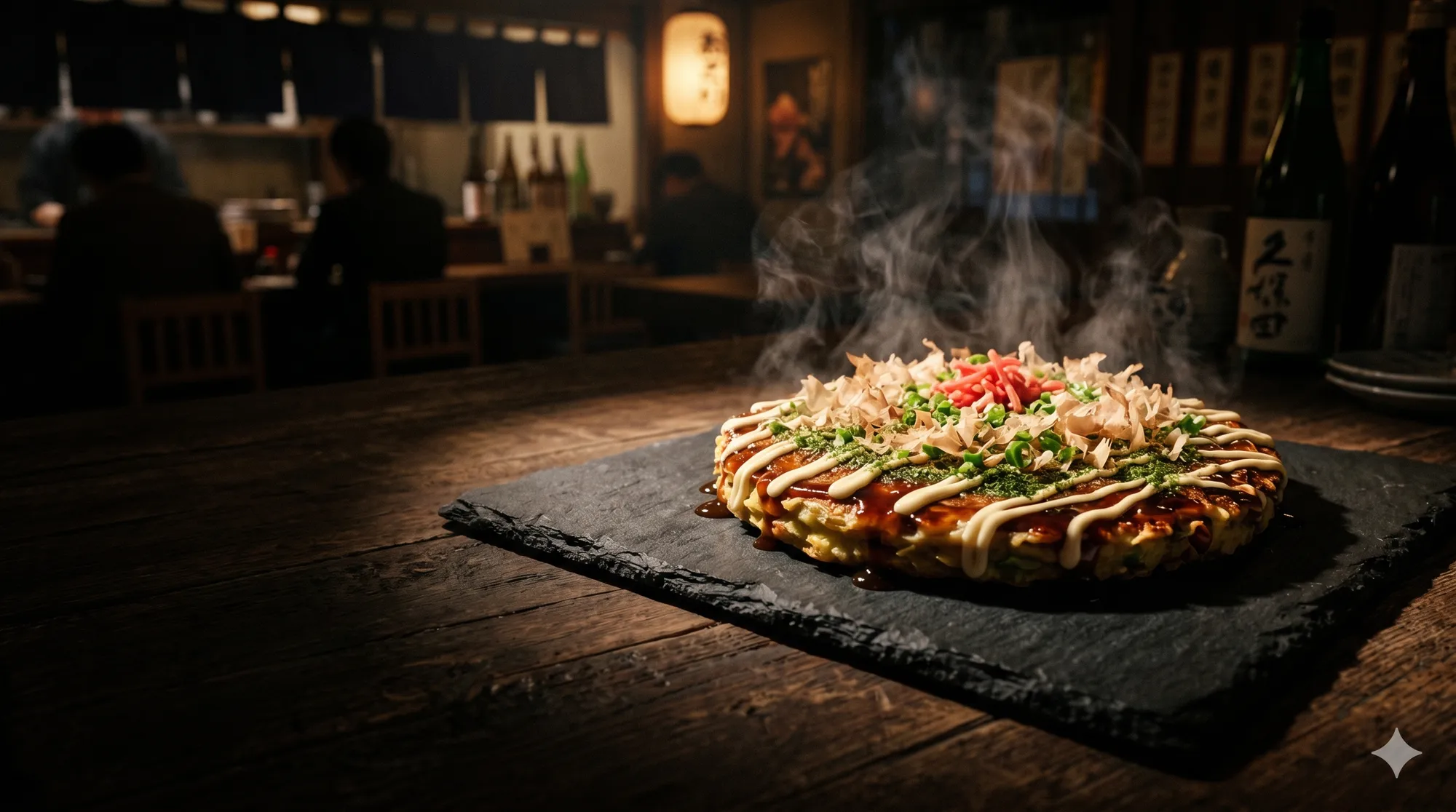
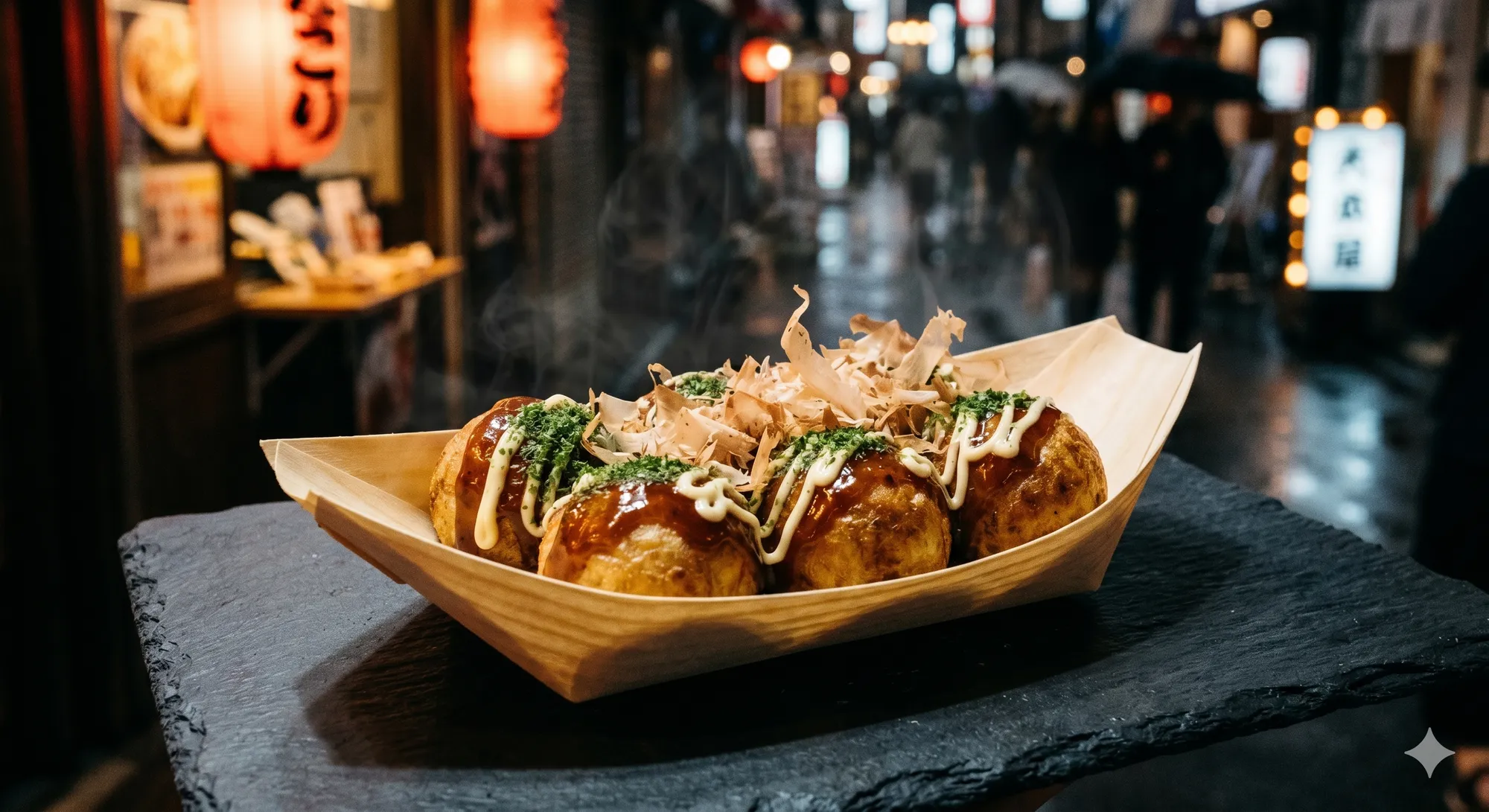
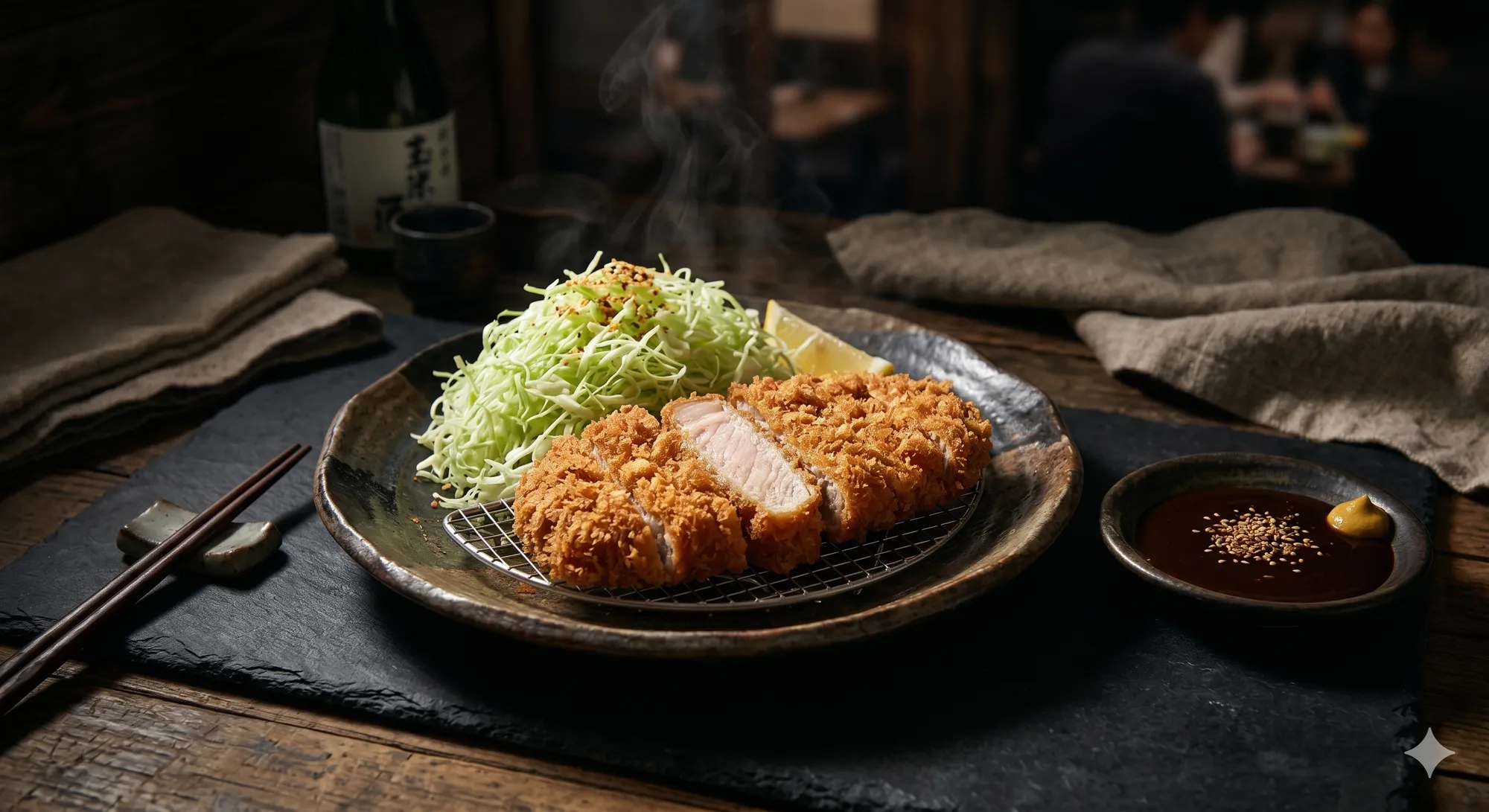
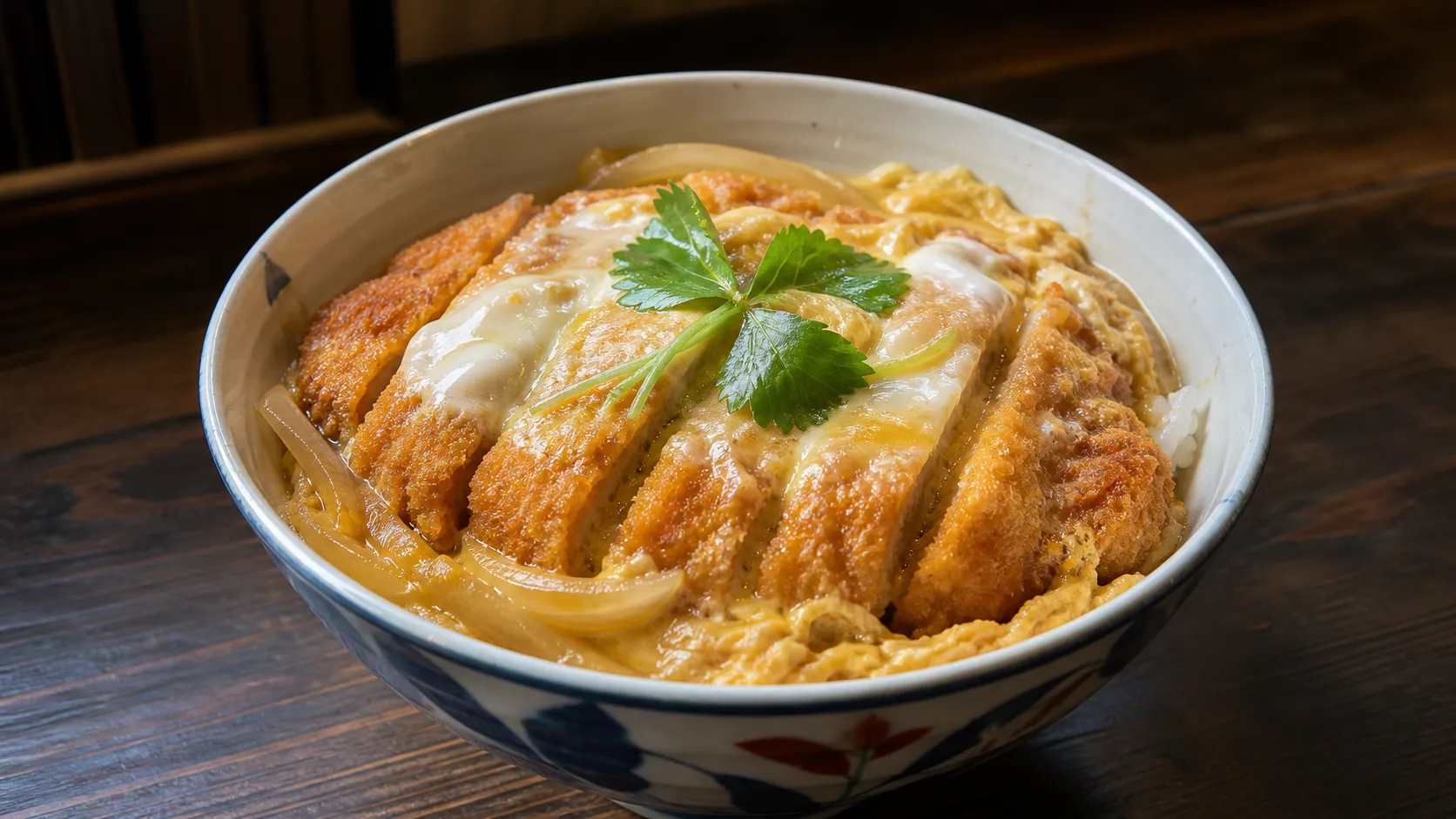
Best cooked foods to try
Use these as practical starting points, then check the broth, sauce, filling, and toppings when those details matter to you.