Quick answer
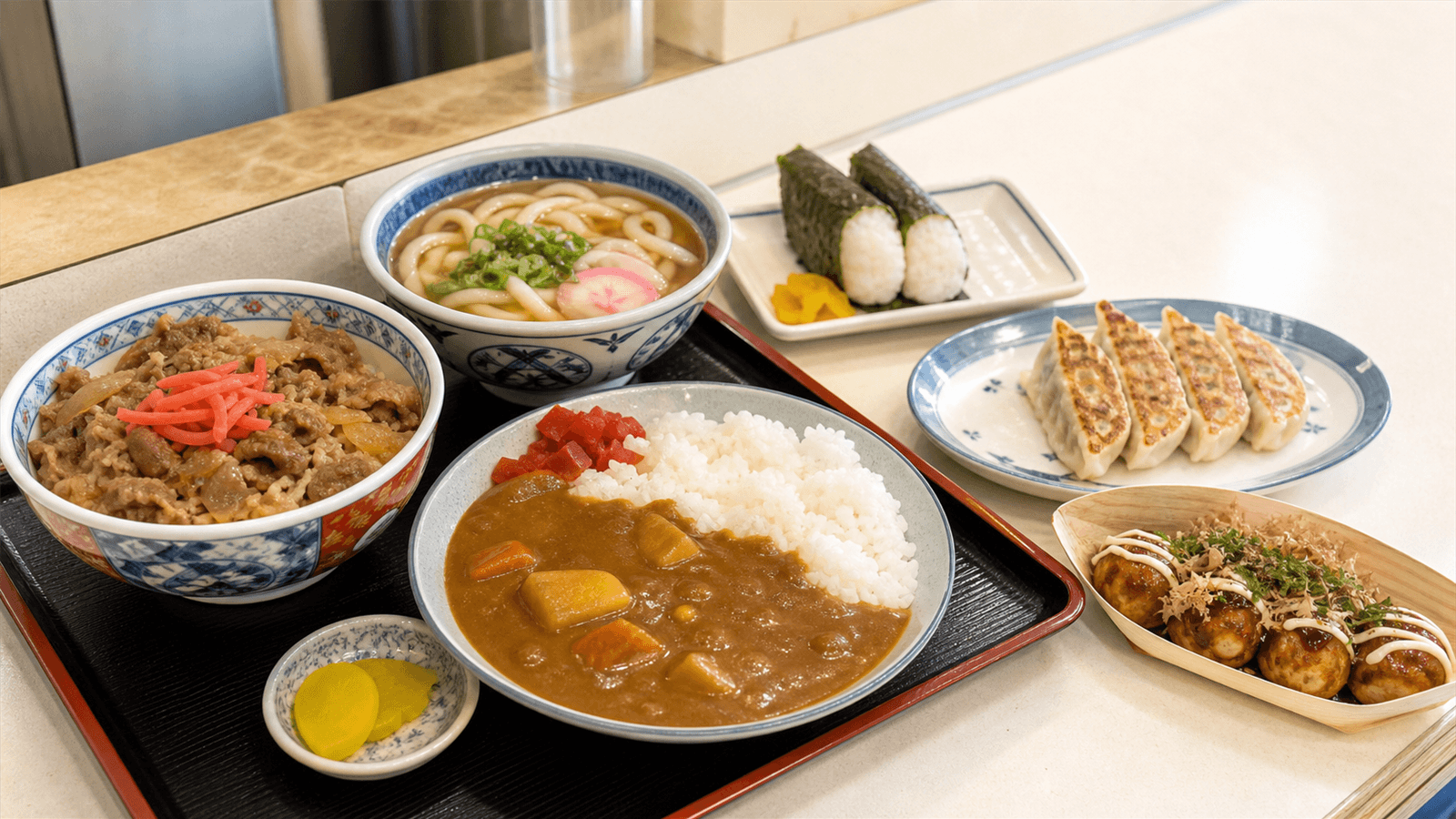
Japan has many cheap and satisfying meals for travelers, including gyudon, udon, curry rice, onigiri, gyoza, standing soba, and convenience store meals. A very light day can be close to ¥1000, but a more comfortable budget for three meals is usually around ¥1500–2500.
Here's a happy secret about Japan: it's one of the best places on earth to eat cheaply and still eat well. While a high-end sushi counter can cost a fortune, the everyday food culture is built around fast, delicious, ridiculously affordable meals. You can eat satisfying, genuinely good food for ¥300–1000 all day long — often better than a pricey tourist-trap meal. This guide shows you exactly how and where.
The budget all-stars (¥300–1000)
| Dish / spot | Rough price | Why it's great |
|---|---|---|
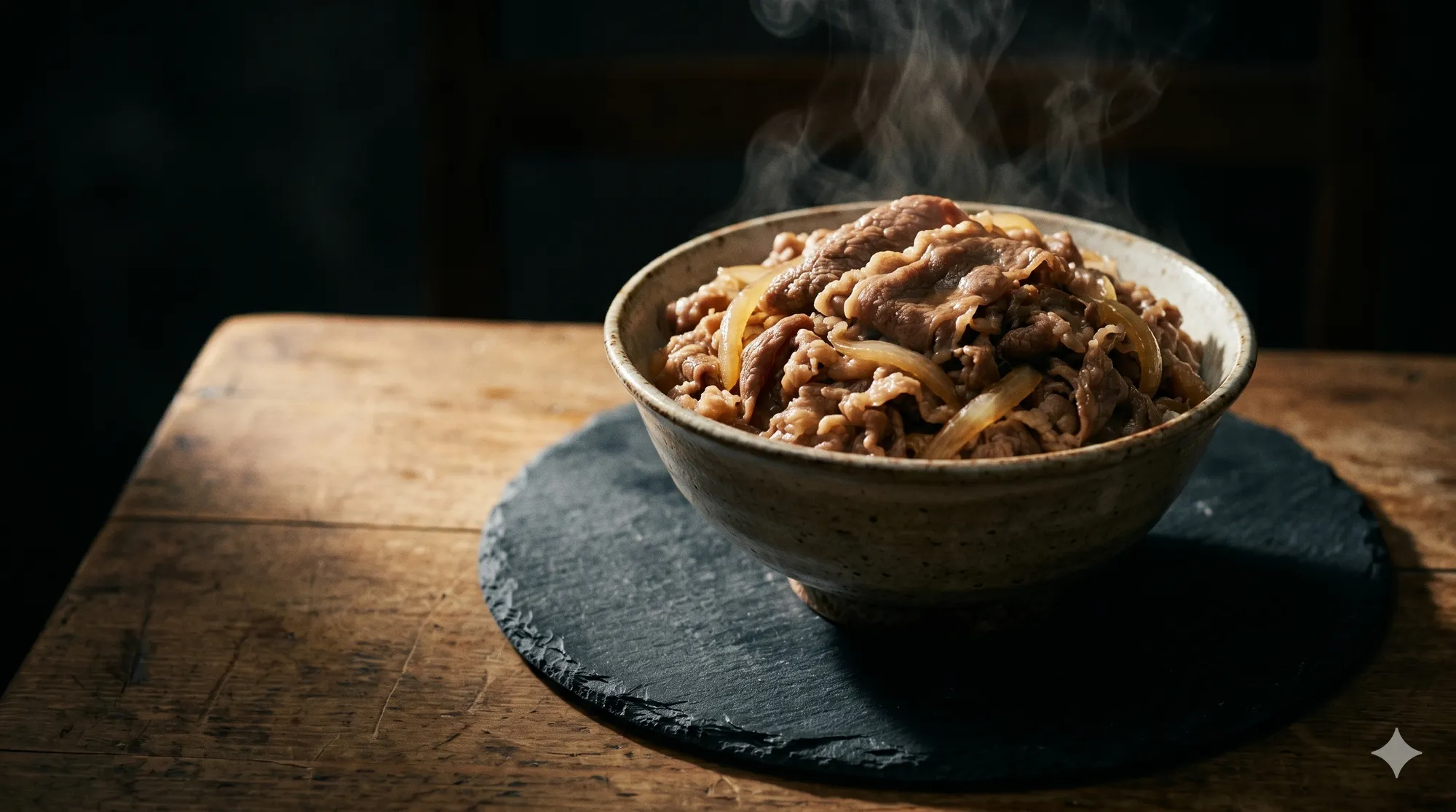
| Gyudon (beef bowl: Yoshinoya/Sukiya/Matsuya) | ¥400–700 | Fast, filling, open late/24h |
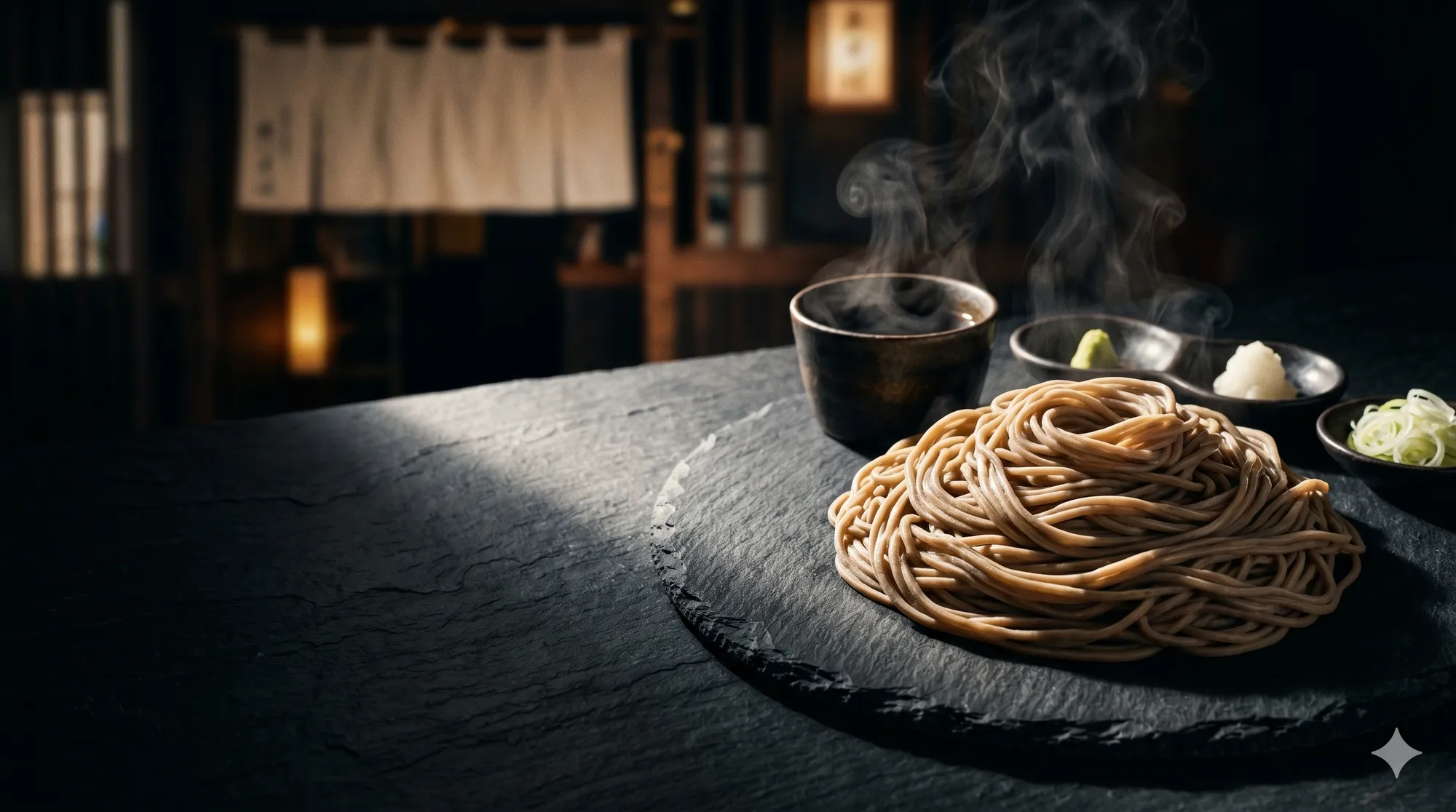
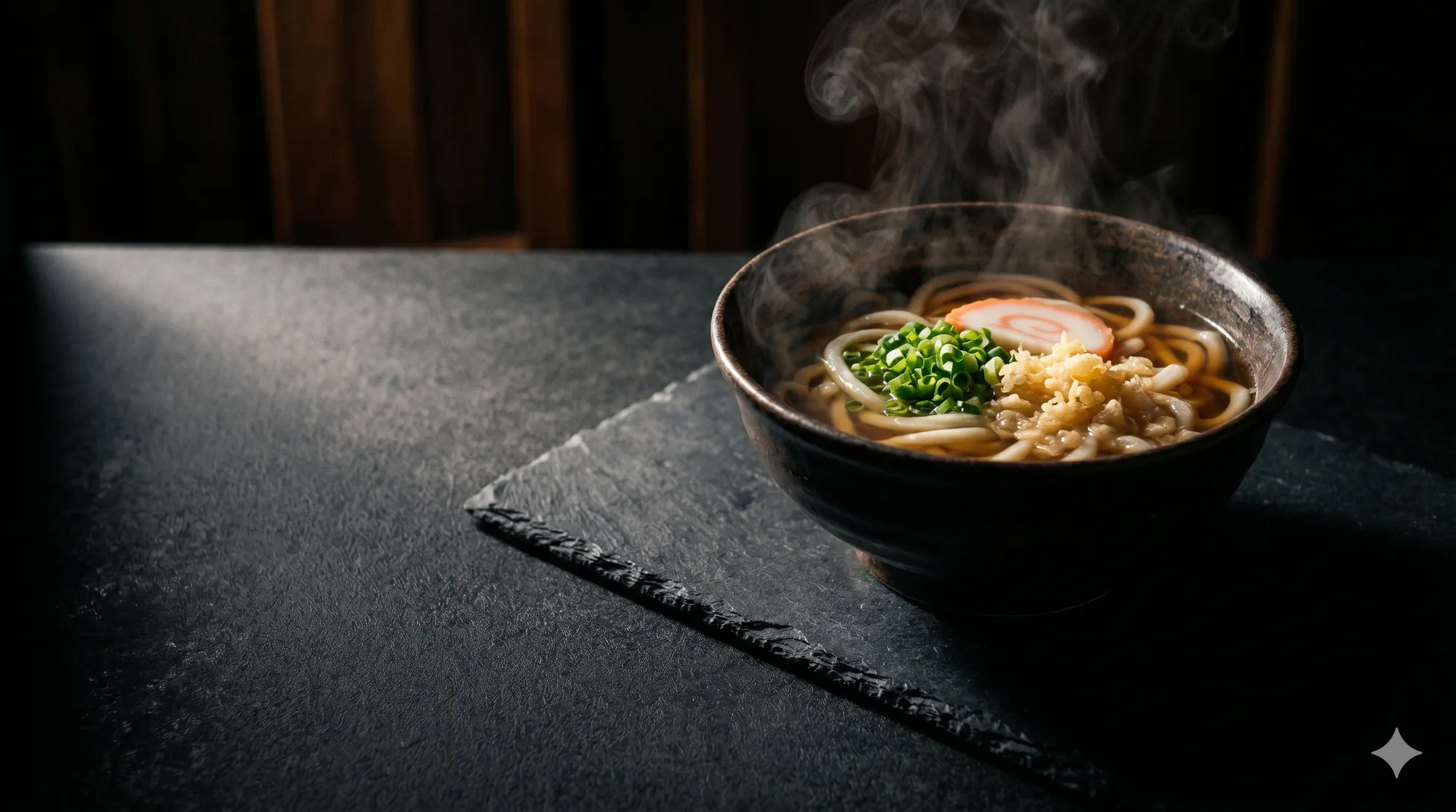
| Standing soba/udon (station counters) | ¥300–600 | Hot noodles in minutes, dirt cheap |
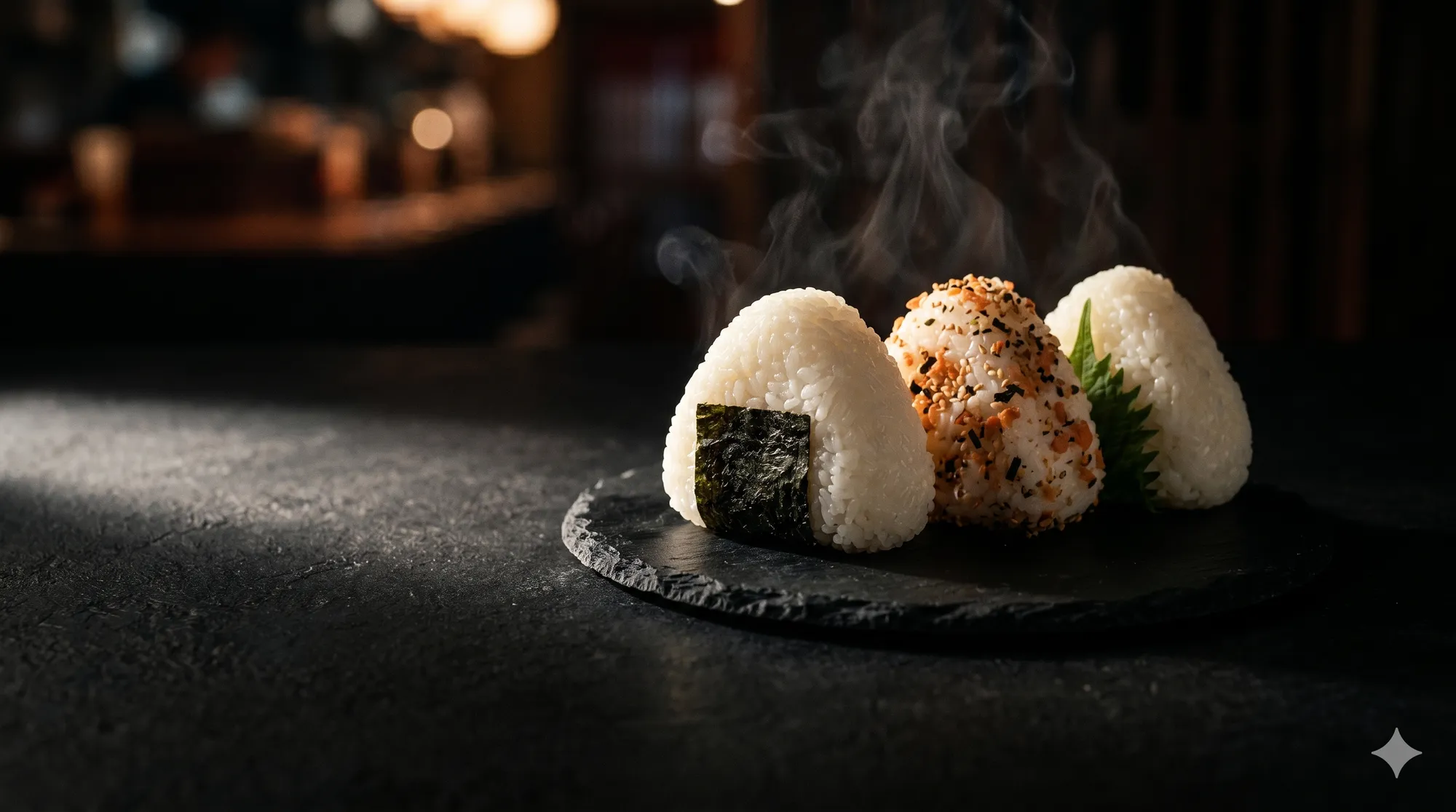
| Convenience store (onigiri, bento, oden) | ¥150–700 | Everywhere, surprisingly good |
| Ramen (small shops, ticket machine) | ¥700–1000 | A full, soul-warming meal |
| Teishoku set meals (defShokudo/Yayoiken/Ootoya) | ¥700–1000 | Rice + main + miso soup + sides |
| Conveyor-belt sushi (Sushiro/Kura) | ¥100+/plate | Eat to your budget |
| Food courts & depachika (dept-store basements) | ¥500–1000 | Huge variety; end-of-day discounts |
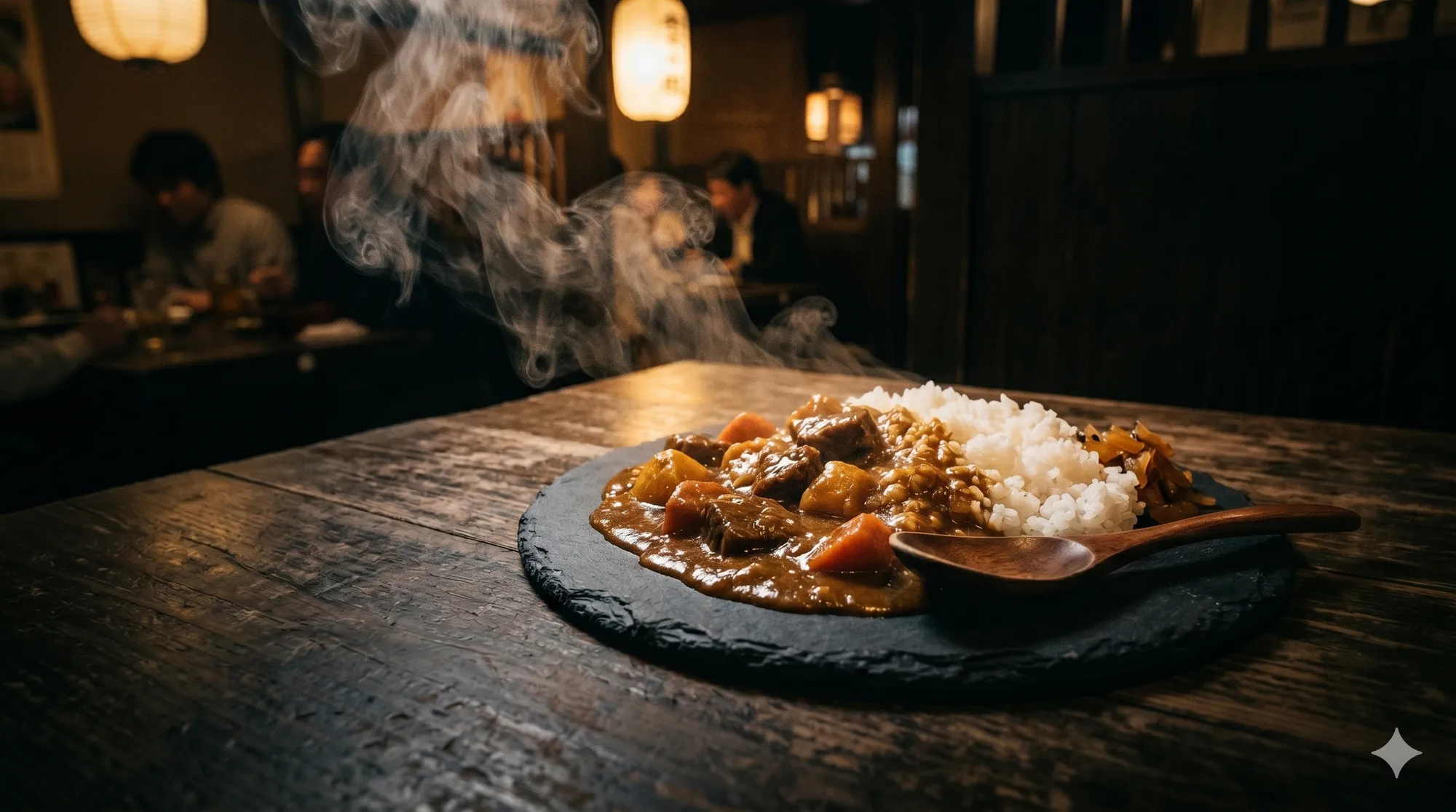
| Tachigui & chains (CoCo curry, tendon Tenya) | ¥500–900 | Reliable and quick |
How to eat well for less
- Lunch is the value window — many restaurants offer cheap lunch sets (ranchi setto) at a fraction of dinner prices. Eat your big meal at midday.
- Master the convenience store — konbini onigiri, bento, hot snacks, and winter oden are cheap and genuinely good. A full meal for ¥500.
- Ticket-machine shops are your friend — ramen, gyudon, and curry shops with a vending machine by the door are cheap, fast, and require zero Japanese (just press the picture).
- Hit the depachika at closing — department-store food halls slash prices on bento, sushi, and prepared food in the last 1–2 hours before closing. Half-price feasts.
- Stand and eat — tachigui (standing) soba/udon counters in and around train stations are some of the cheapest hot meals in Japan.
- Free water & tea — restaurants serve free water/tea (ohiya/ocha), so you don't need to buy drinks. Tap water is safe.
- Supermarket discounts — like depachika, supermarkets discount fresh bento and sushi in the evening (look for 半額 / 割引 stickers).
Can you eat for ¥1000 a day?
Almost — if you keep it light. ¥1000 can cover a very light food day, especially if you lean on convenience stores, simple noodles, rice balls, and end-of-day discounts. For three satisfying meals, a more realistic traveler budget is around ¥1500–2500 per day. Here's what a very cheap day can look like:
- Breakfast: konbini onigiri + coffee — ~¥300
- Lunch: standing soba or a gyudon — ~¥500
- Dinner: discounted supermarket bento or a ramen — ~¥700–900
That already adds up past ¥1000 — which is exactly the point: ¥1000 is a very light day, while ¥1500–2500 is the comfortable range for three proper meals. Prices vary by city and shop, so treat these as rough guides, not fixed costs.
Phrases that help
Also see the Phrasebook:
| Say / show | Romaji | Meaning |
|---|---|---|
| ランチセットはありますか? | Ranchi setto wa arimasu ka? | Do you have a lunch set? |
| 一番安いのはどれですか? | Ichiban yasui no wa dore desu ka? | Which is the cheapest? |
| お水をください | Omizu o kudasai | Water, please (it's free) |
| 持ち帰りできますか? | Mochikaeri dekimasu ka? | Can I take it to go? |
Where to look
- Around any train station — standing soba, gyudon, ramen, and chains cluster there.
- Convenience stores (7-Eleven, Lawson, FamilyMart) — 24/7 cheap meals.
- Department-store basements (depachika) & supermarkets — for end-of-day half-price deals.
- Set-meal chains (Yayoiken, Ootoya, Matsuya) — full, balanced meals under ¥1000.
Eating cheap in Japan isn't a compromise — some of the best food in the country costs the least. Go hungry, follow the locals, and chase the lunch sets.