Japanese convenience stores are one of the easiest places to eat well on a first trip to Japan. A konbini can rescue breakfast, a late-night arrival, a train ride, a rainy afternoon, or the awkward hour between sightseeing stops when every restaurant plan has fallen apart.
The shelves can look overwhelming, but you do not need to decode the entire store. Start with a few recognizable foods, keep the purchase simple, and you can build a cheap, quick meal in minutes.
An important note
This is a convenience-store food guide, not a dietary safety guide. Ingredients vary by product, brand, and recipe. If you have allergies, halal needs, gluten-free needs, vegetarian needs, or another dietary restriction, check the label and ask when possible.
Availability also changes by chain, branch, season, delivery time, and time of day. A product mentioned here may not be stocked when you visit, and prices are approximate.
What to buy first
Start with simple foods you can identify through clear packaging or display photos:
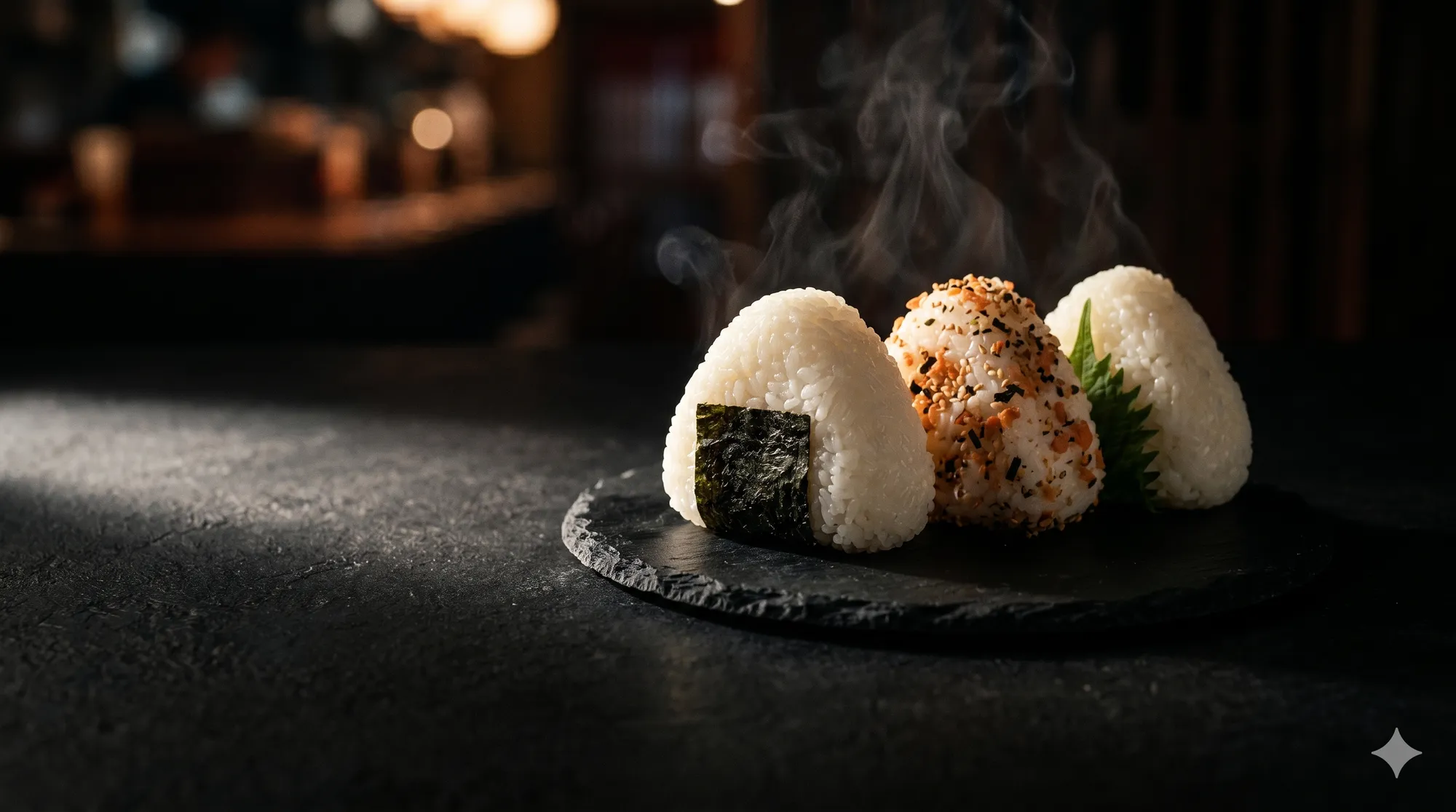
- Rice balls: compact, cheap, and useful for breakfast or a train snack
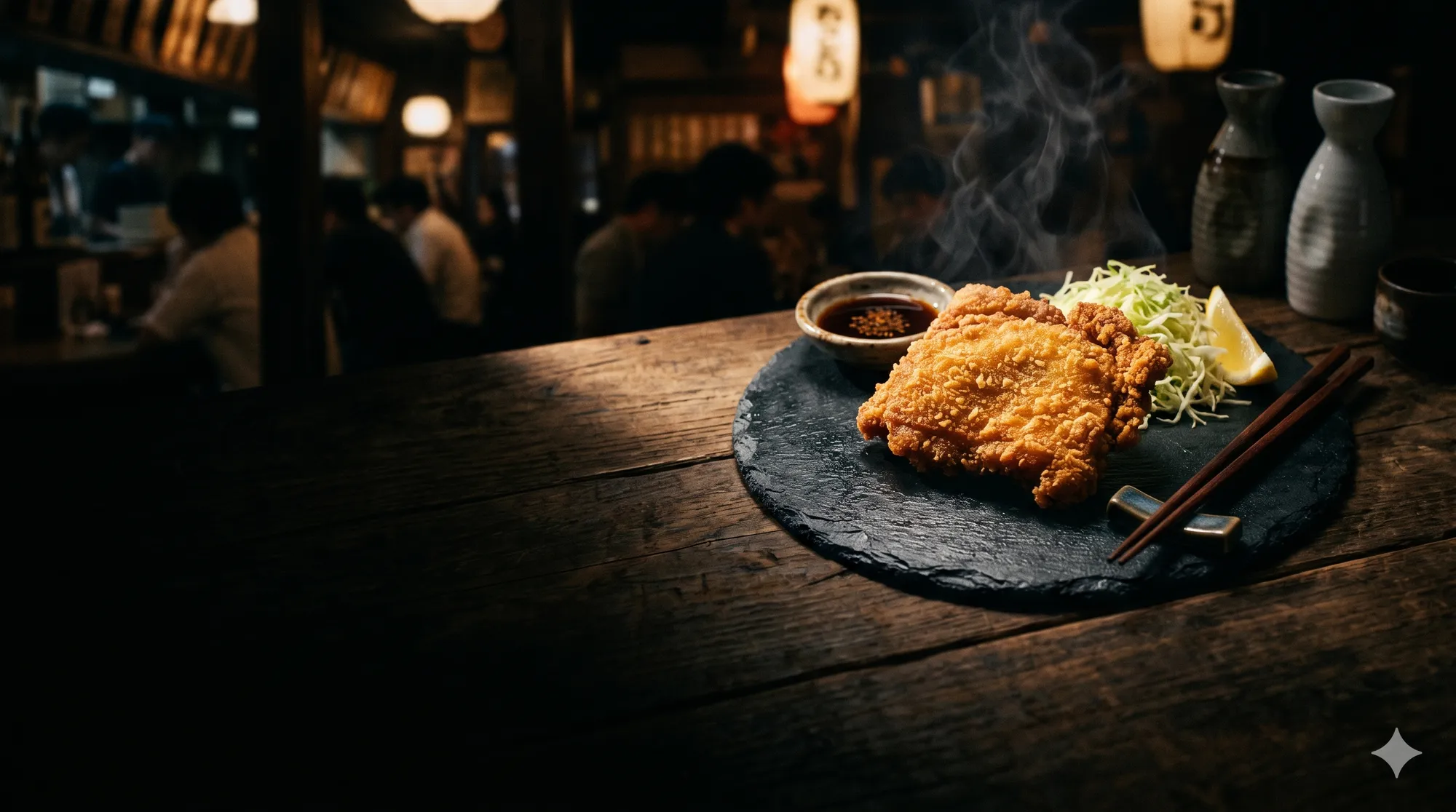
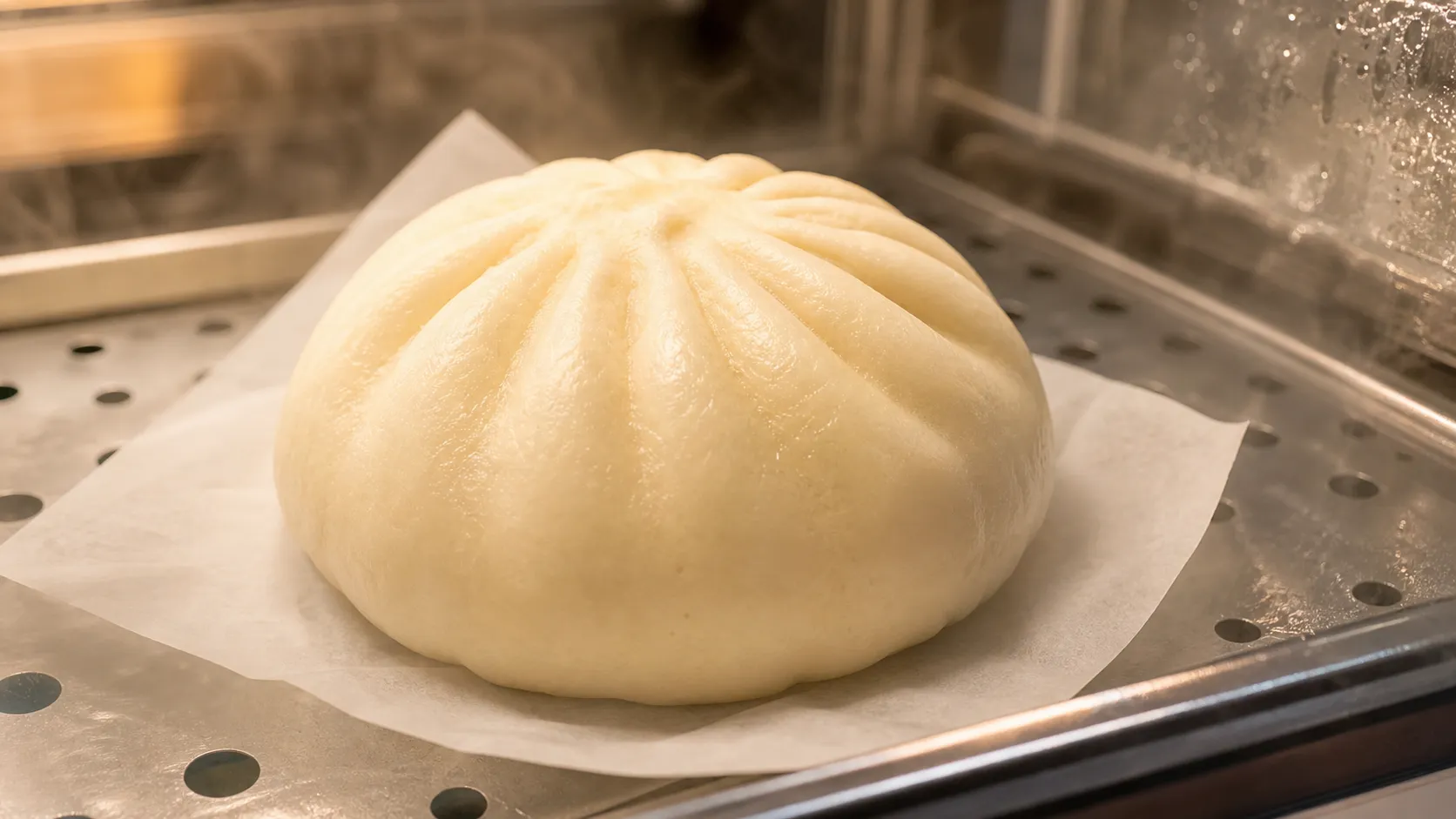
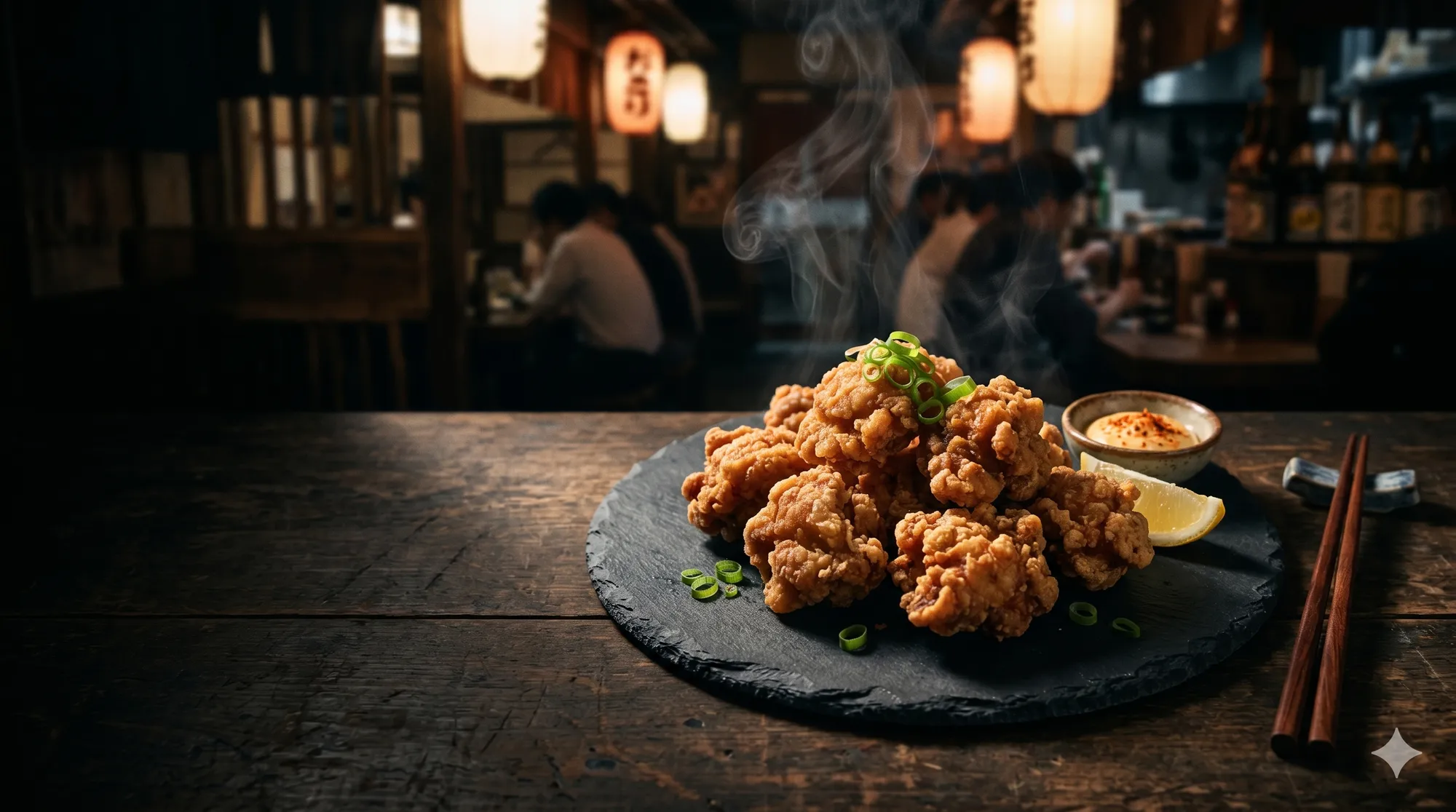
- Fried chicken and steamed buns: ordered from the hot case near the counter
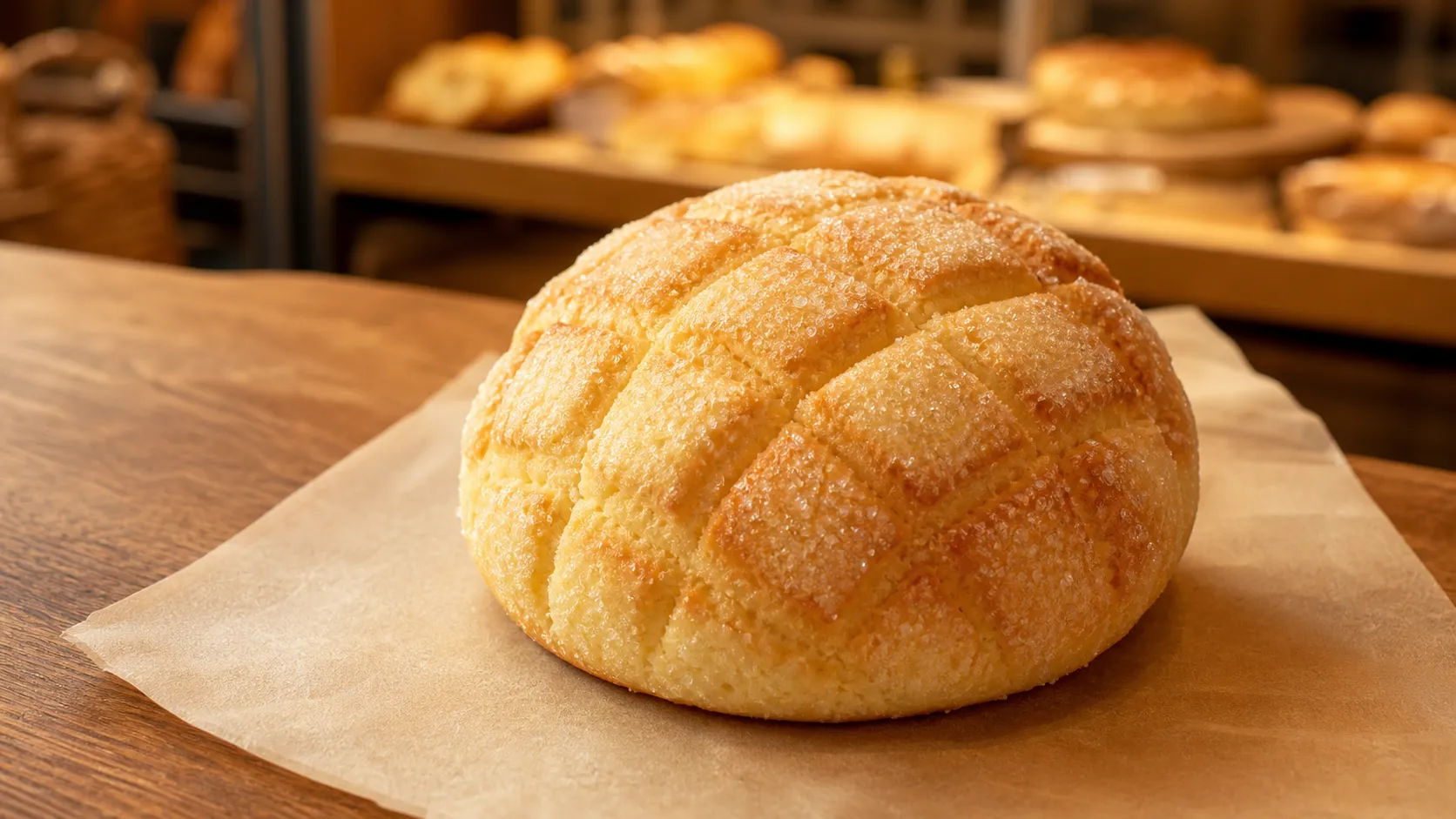
- Sandwiches and packaged bread: easy to recognize and carry
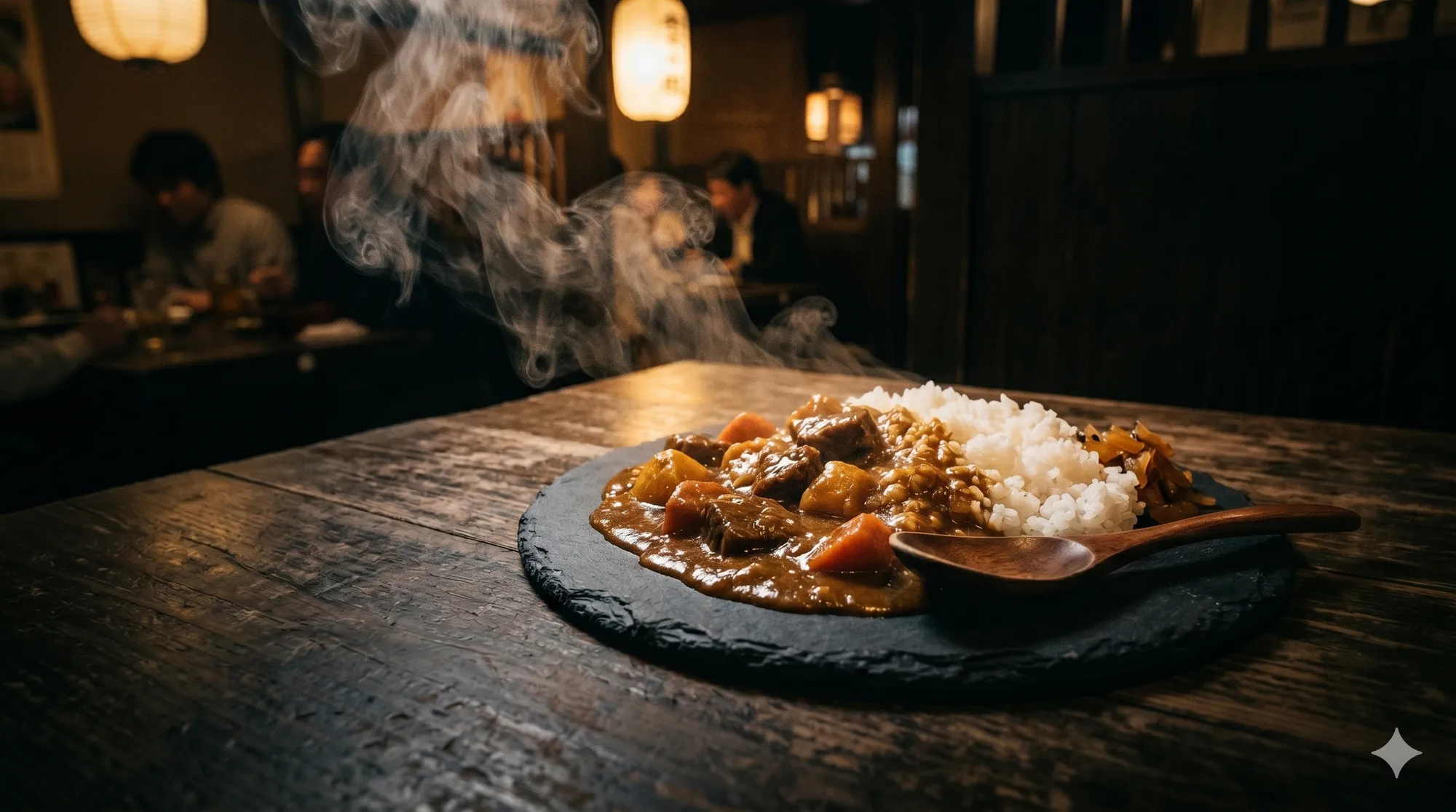
- Chilled noodles, curry, or boxed meals: useful when you want something more substantial
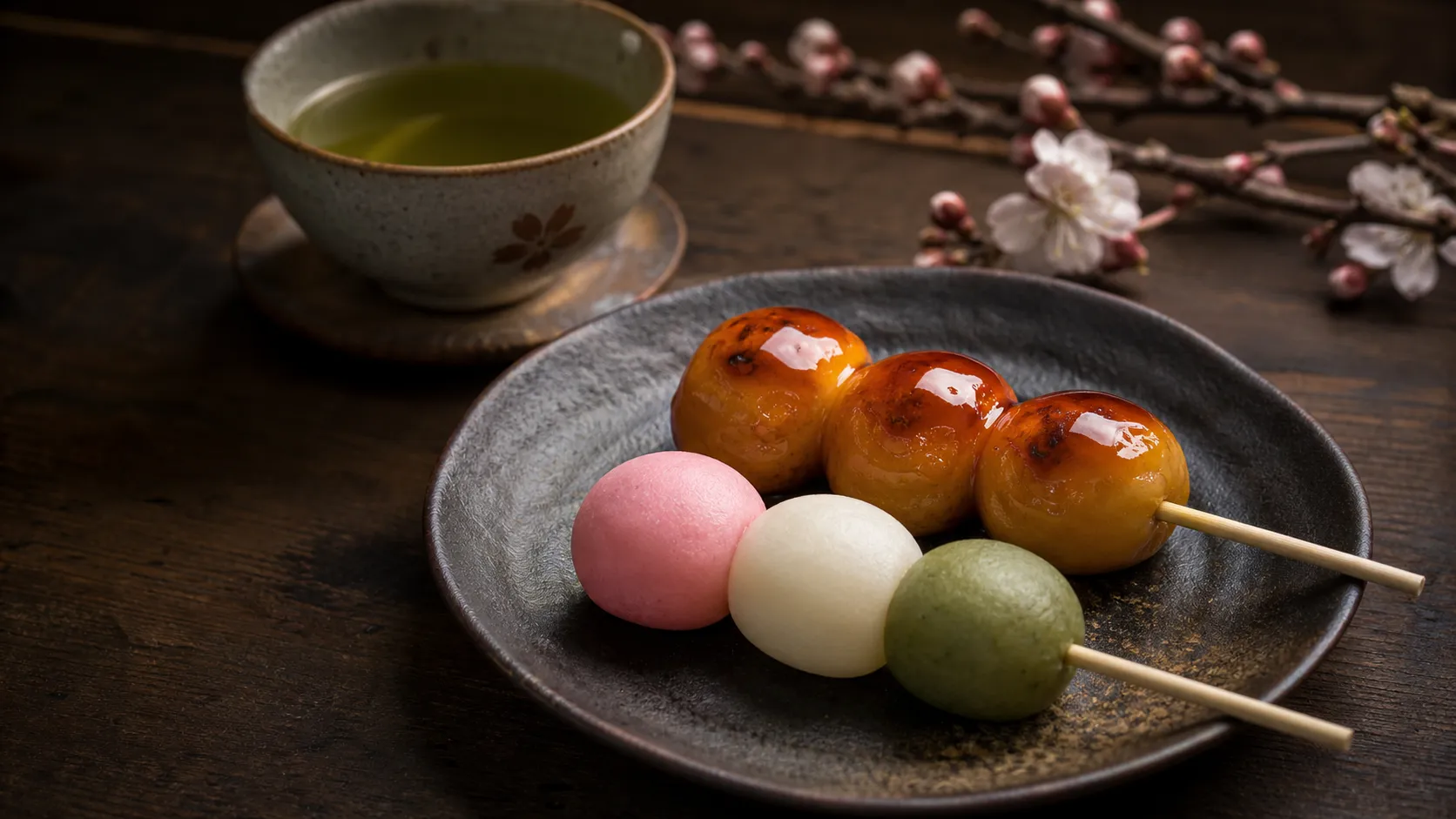
- Japanese sweets and desserts: a low-commitment way to try a new flavor
- Bottled tea or coffee: an easy addition to breakfast or a quick meal
When convenience stores are most useful
- Your first breakfast in Japan: no reservation, no menu, no pressure
- A late-night arrival: useful when restaurant kitchens have closed
- Before a train ride: buy a compact snack before boarding, where permitted
- A quick lunch between sights: faster than waiting for a restaurant table
- A cheap dessert: try a pudding, ice cream, or packaged Japanese sweet
- A rainy-day backup meal: food, drinks, and basic travel supplies under one roof
How to buy food at a convenience store
- Take packaged items to the counter.
- Point to hot food behind the counter and say how many you want.
- Staff may ask whether you want an eligible meal heated.
- Staff may ask whether you need a bag, chopsticks, or a spoon.
- Pay by an accepted method; payment options vary by store.
- Use a designated eating area when available. Eating spaces and local expectations differ, so avoid blocking crowded walkways or eating where signs discourage it.
| Meaning | Japanese | Romaji |
|---|---|---|
| Please heat this. | 温めてください。 | Atatamete kudasai. |
| No bag, please. | 袋はいりません。 | Fukuro wa irimasen. |
| One, please. | ひとつお願いします。 | Hitotsu onegaishimasu. |
| Thank you. | ありがとうございます。 | Arigatou gozaimasu. |
For more counter and ordering phrases, open the full Eating Phrasebook.
A rough budget
| What you are buying | Typical range |
|---|---|
| Snack | about ¥150–300 |
| Light meal | about ¥300–700 |
| Full quick meal | about ¥700–1,200 |
| Dessert or drink | about ¥150–500 |
Prices vary by product, store, and location. Use these ranges for rough planning rather than as fixed prices.
What to watch out for
- Popular hot foods and fresh items can sell out late at night.
- Seasonal products and limited flavors change often.
- Some labels may be Japanese-only.
- Seafood, meat, egg, dairy, wheat, soy, and alcohol-derived ingredients may appear where you do not expect them.
- If you have dietary restrictions, do not rely on appearance alone.
Related pages
- Cheap Eats in Japan
- What to Eat on Your First Night in Japan
- How to Order Food in Japan
- Eating Phrasebook
- Your Bucket List
- Konbini Trail
Best convenience-store foods for travelers
The cards below use existing dish guides. Show phrase appears only when that dish already has a complete phrase available.