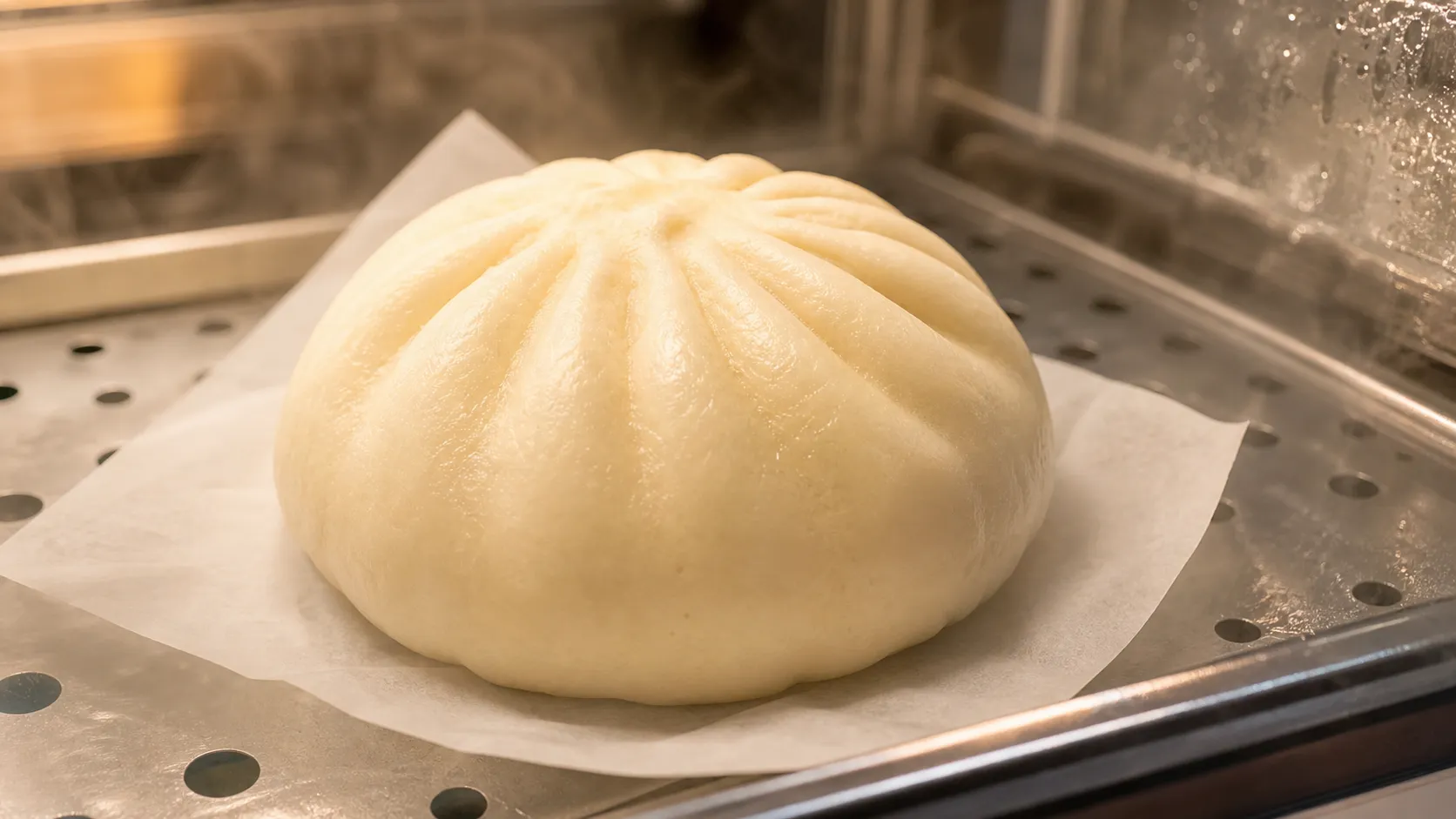
There is a specific Japanese winter ritual: you step into a convenience store out of the cold, and there by the register is a glass steamer case, fogged up and glowing, full of plump white buns. You point, they hand you a hot nikuman in a little paper sleeve, and you eat it walking down the freezing street, steam pouring out with the first bite. It's cheap, it's warming, and it's pure comfort — a fluffy steamed bun wrapped around a core of juicy, savory seasoned pork.
Share this dish


A fluffy steamed white bun stuffed with juicy seasoned pork — pulled hot from the convenience-store steamer on a cold day. Cheap, warming, and one of winter's small perfect pleasures.
The dough is soft, slightly sweet, and cloud-like; the filling is minced pork with onion, ginger, and seasonings, sometimes with a little broth that bursts as you bite. It's the snack that makes a Japanese winter bearable.
A Chinese bun, a Japanese winter staple
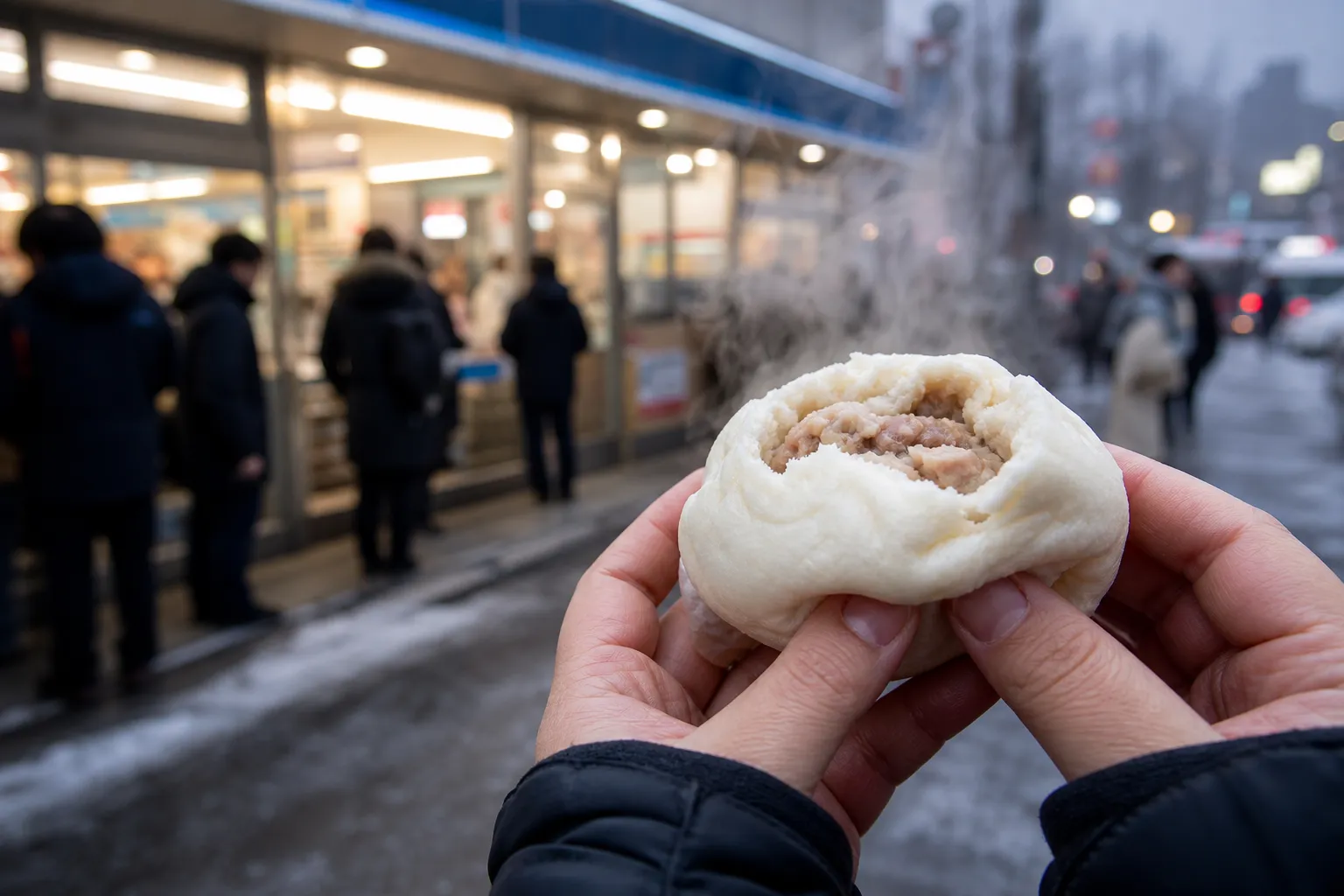
Nikuman (niku = meat, man from manjū) descends from the Chinese steamed bun baozi, brought over and adapted into a beloved Japanese snack — especially as a convenience-store and chukaman ("Chinese bun") winter staple. From roughly autumn onward, every konbini fires up its steamer case, and the lineup expands beyond pork.
There's even a regional quirk: in the Kansai region, people famously dip their nikuman in karashi (hot mustard), while elsewhere it's eaten plain — a small but fiercely held local difference.
Why the bun matters as much as the filling
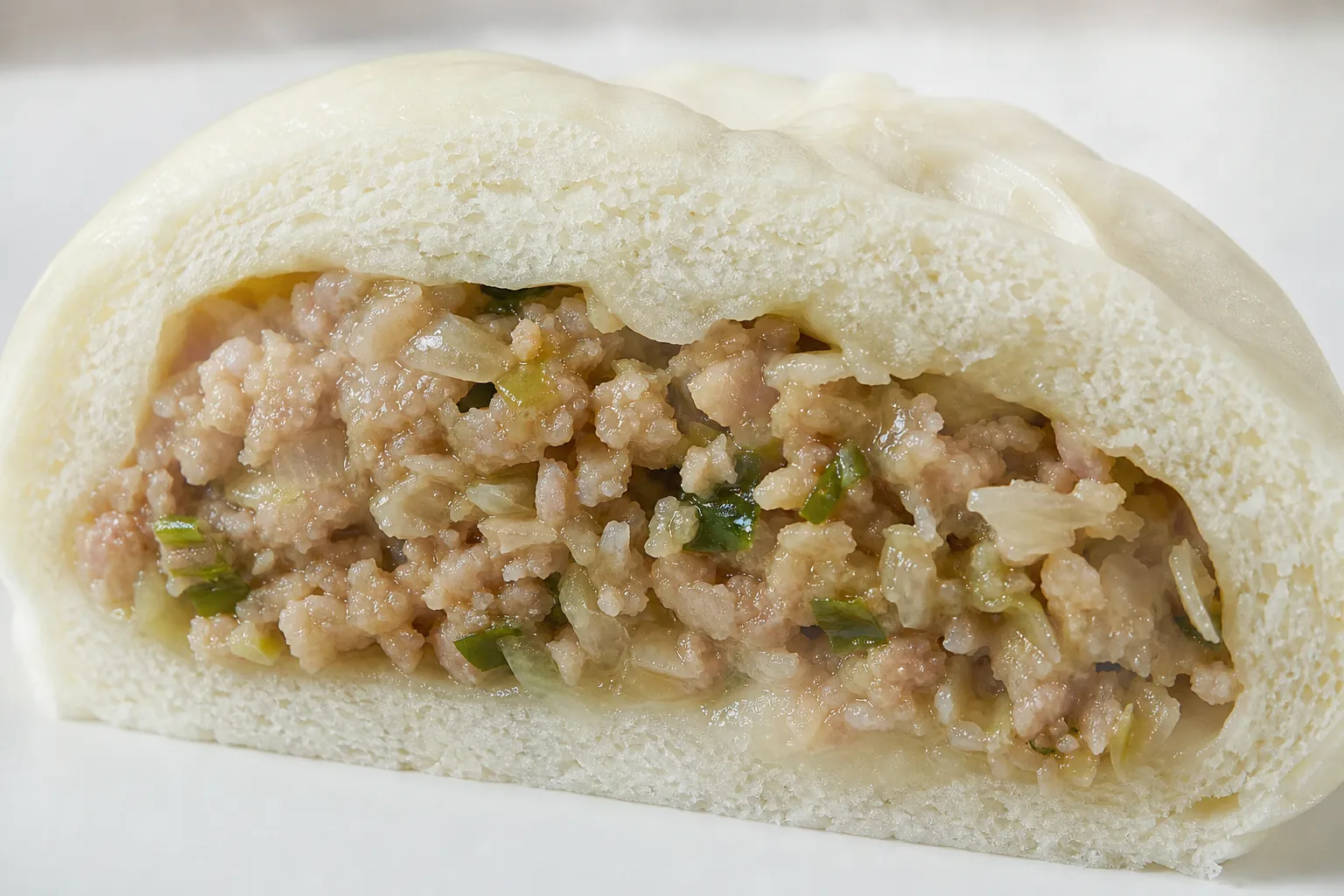
A great nikuman is about the contrast: a pillowy, faintly sweet steamed bun against a savory, juicy pork center. The dough should be soft and fluffy (steamed, never baked), and the filling moist and well-seasoned — the best ones have a little gelatinous broth inside that releases as you bite.
The konbini chukaman family is wide: nikuman (pork), anman (sweet red bean), pizaman (pizza-flavored), curry buns, and more. Pork is the king, but the sweet anman has its devotees.
How it's made
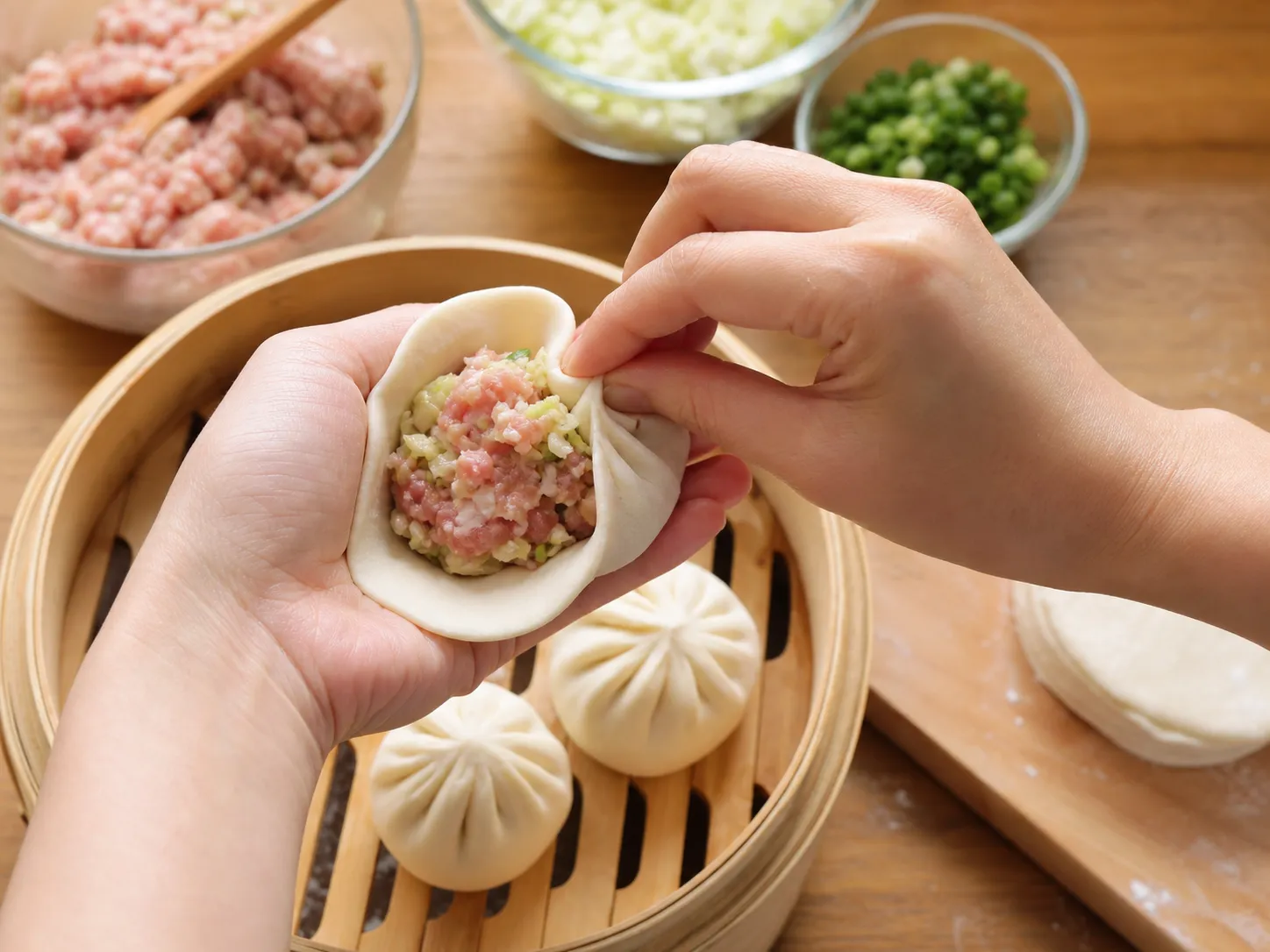
- Make a soft yeasted dough (flour, sugar, yeast) and let it rise
- Mix a filling of minced pork, chopped onion, ginger, soy, sesame oil, and seasonings
- Wrap a ball of filling in a circle of dough, pleating it shut at the top
- Let the buns proof, then steam until fluffy and cooked through
- Serve hot (konbini keep them warm in a steamer case)
Before you go — point at the steamer
Your questions, answered honestly
"How do I order one at a convenience store?" — They're behind the counter in a steamer case. Just point and say how many — the staff bag it for you. Easy, no menu needed.
"Mustard or not?" — In Kansai (Osaka/Kobe) it's traditional to dab on karashi (hot mustard) — konbini there often include a packet. Elsewhere it's usually plain. Try the mustard once.
"What's anman?" — The sweet sibling: a steamed bun filled with sweet red bean paste instead of pork. Great if you want dessert instead of a savory snack.
"When can I get it?" — Mostly autumn through winter, when konbini run their steamer cases. It's a seasonal cold-weather thing.
What the staff will ask you
| You'll hear | Romaji | Meaning | Just say |
|---|---|---|---|
| 肉まんでよろしいですか? | Nikuman de yoroshii desu ka? | "The pork bun, right?" | Hai (yes) |
| 何個にしますか? | Nan-ko ni shimasu ka? | "How many?" | Hitotsu (one) / Futatsu (two) |
| からしは付けますか? | Karashi wa tsukemasu ka? | "Want mustard?" | Hai (yes) / Daijōbu desu (no) |
To order, just point at the steamer and say "Nikuman hitotsu kudasai" (肉まん一つください) — "one pork bun, please."
Where to eat it
- Any convenience store (7-Eleven, Lawson, FamilyMart) in autumn/winter — the classic, cheap, everywhere option.
- Kobe Chinatown (Nankinmachi) and Yokohama Chinatown — for premium, freshly-made butaman/nikuman from specialist shops.
- 551 Horai (Osaka/Kansai) — a legendary butaman brand worth seeking out.
A hot konbini nikuman on a cold night is one of Japan's great cheap pleasures — eat it immediately.
Soul Score
Local Roots5/5
First-Timer Friendly5/5
Adventure Level3/5
Comfort Level5/5
Travel Worthy3/5
These scores are one obsessed eater's gut feeling — not a verdict. A low number isn't a bad mark, just a different kind of adventure.
Need a quick konbini meal?🏪 Japanese Convenience Store Food Guide →
Know someone planning Japan?
← All Articles
Convenience Store · Nationwide
Still hungry?
More konbini gold
Convenience StoreNationwide
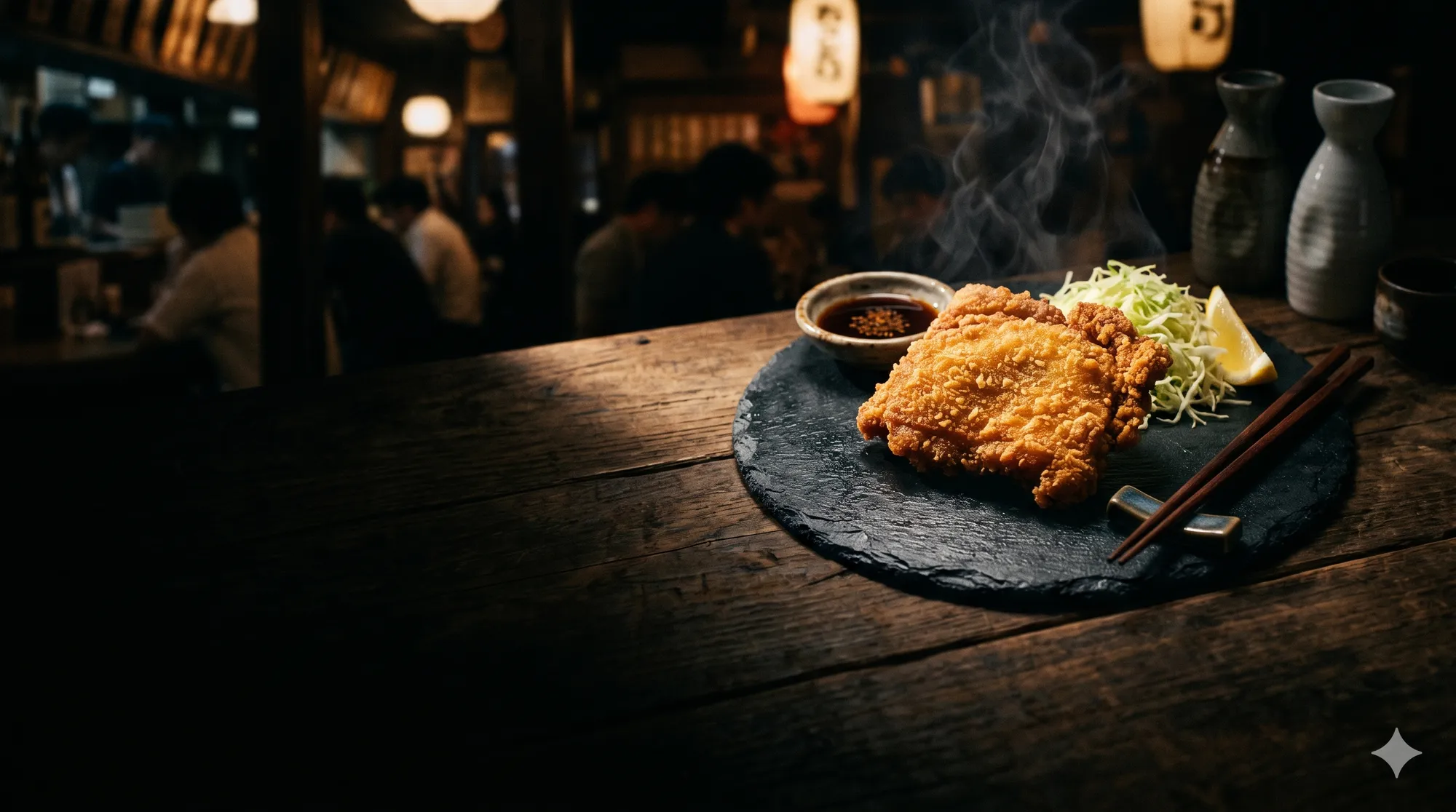
Famichiki (ファミチキ)
FamilyMart's hot-case fried chicken, and Japan's most democratic comfort food. Cheap, crispy, gushing-juicy, available 24/7 on every corner. Do not sleep on konbini chicken.
July 11, 2024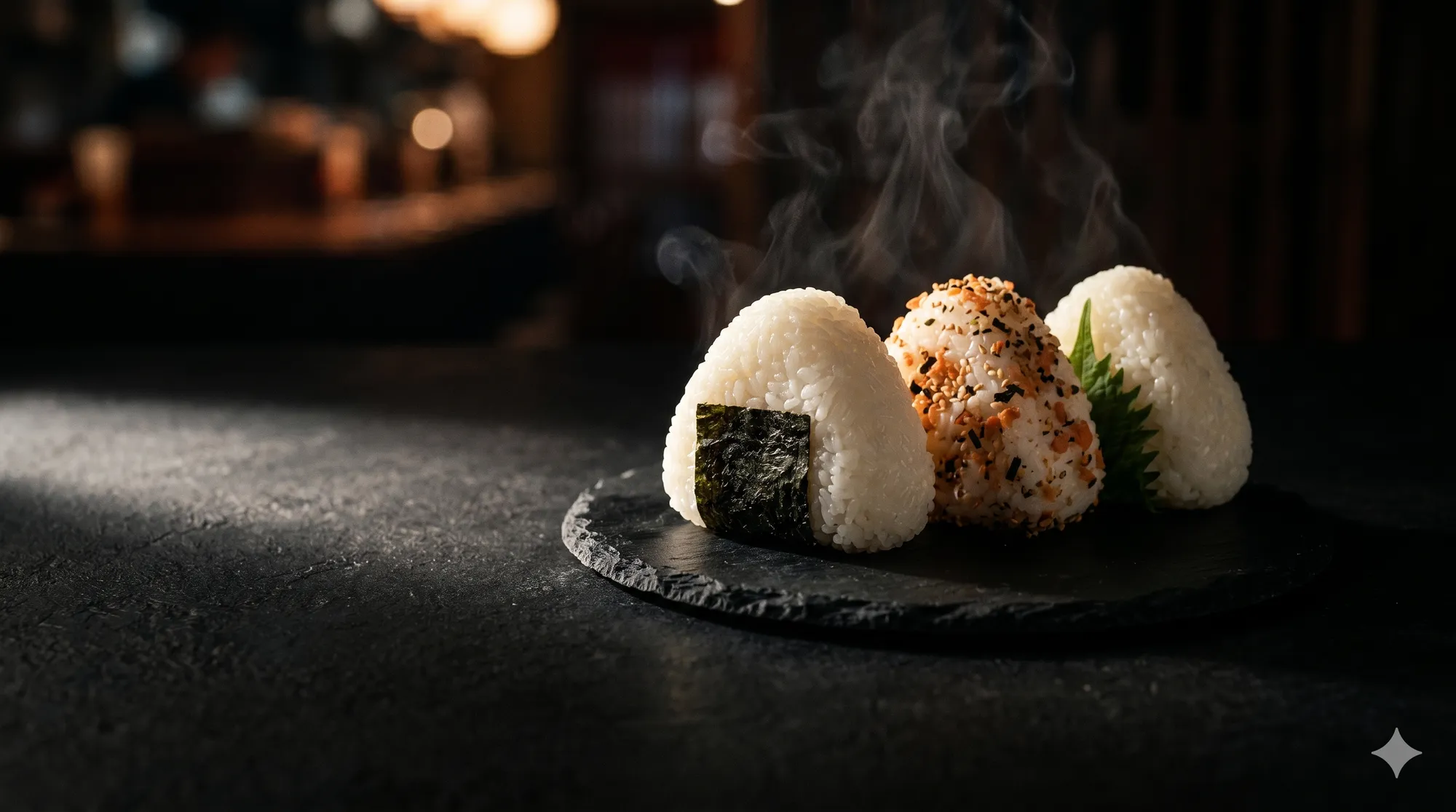
Japanese FoodNationwide
Onigiri (おにぎり)
A triangle of rice with a savory surprise in the middle, wrapped in crisp seaweed. The perfect portable snack, the soul of the bento, and the single best ¥150 you can spend in a convenience store.
June 20, 2026