Quick answer
You can order food in Japan without speaking Japanese by pointing at menu photos, using ticket machines, and saying short phrases like "kore o onegaishimasu" or "hitotsu kudasai." In many casual restaurants, that is enough.
You do not need perfect Japanese to eat well in Japan. You do not even need a complete sentence every time.
Many restaurants are used to customers pointing at menu photos, choosing from ticket machines, and using a few simple words. This guide gives you a calm, polite way to order clearly without turning dinner into a language exam.
An important note
This is a language and ordering guide, not a dietary safety guide. If you have allergies, halal needs, gluten-free needs, vegetarian needs, or another dietary restriction, tell the staff clearly and confirm the specific ingredients before ordering.
For more focused help, see the Vegetarian & Vegan Guide, Halal Guide, Gluten-Free Guide, and Japanese Foods Without Raw Fish.
1. The easiest way to order
- Point at the menu. Put your finger beside the photo or item, rather than pointing across the room.
- Say kore o onegaishimasu. It means “This one, please.”
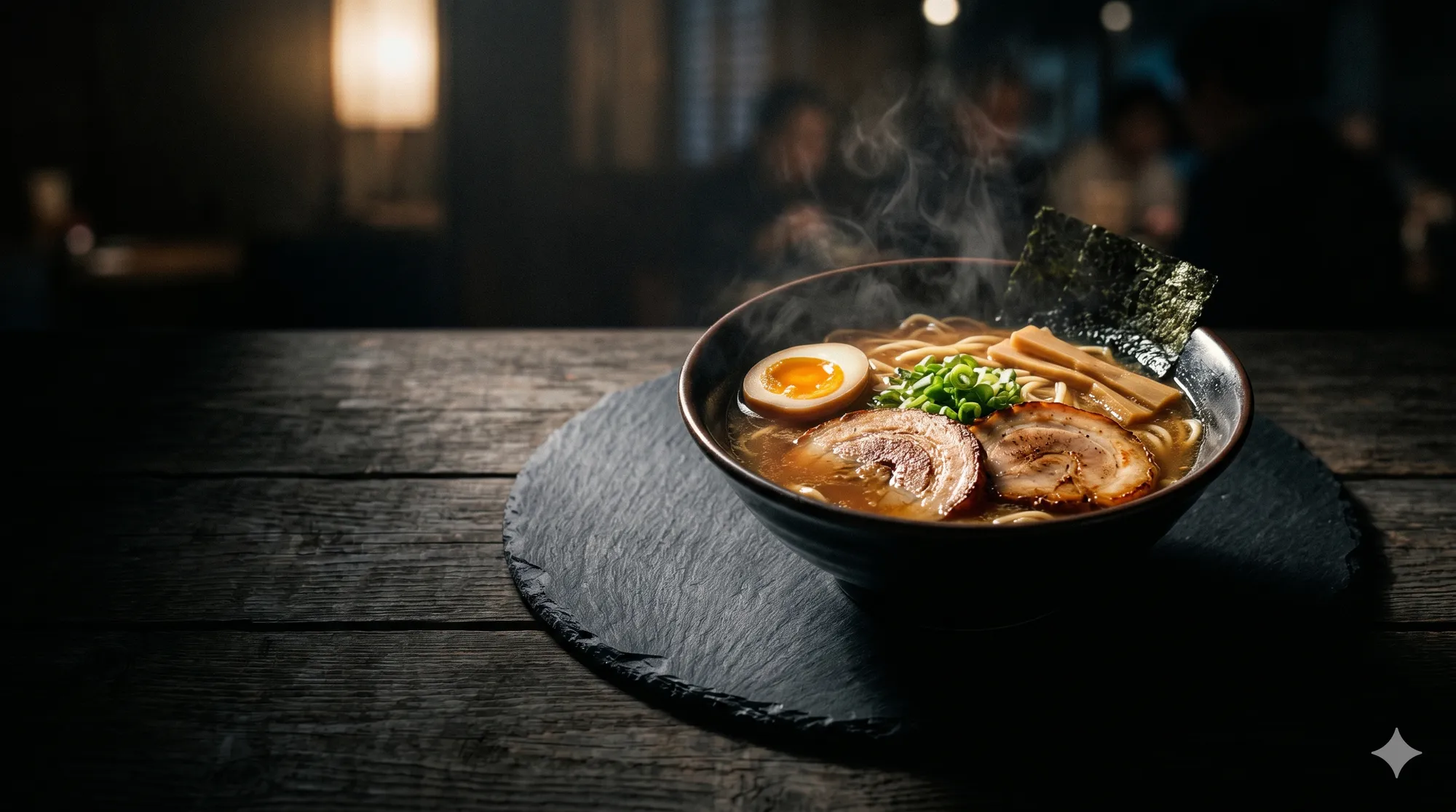
- Use the dish name if you know it. “Ramen hitotsu onegaishimasu” is enough.
- Open the dish page and tap Show phrase. The large Japanese text is designed to be shown to staff.
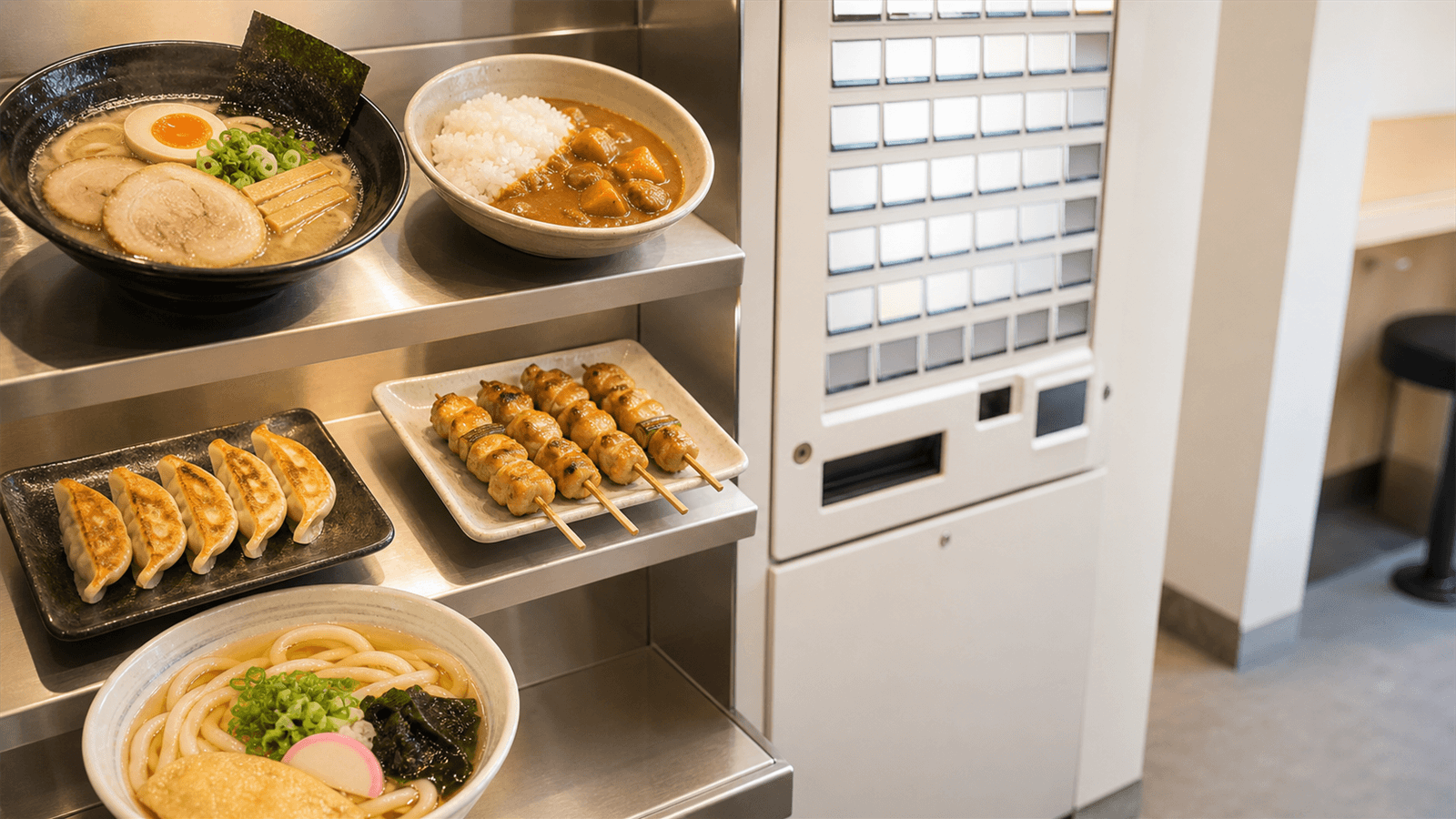
- Use the ticket machine when available. Buy the ticket, hand it to the staff, and answer any short follow-up question.
| Japanese | Romaji | Meaning |
|---|---|---|
| これをお願いします。 | Kore o onegaishimasu. | This one, please. |
2. Useful phrases for restaurants
| Meaning | Japanese | Romaji |
|---|---|---|
| One, please. | ひとつお願いします。 | Hitotsu onegaishimasu. |
| This one, please. | これをお願いします。 | Kore o onegaishimasu. |
| What do you recommend? | おすすめは何ですか? | Osusume wa nan desu ka? |
| Does this contain raw fish? | 生の魚は入っていますか? | Nama no sakana wa haitte imasu ka? |
| No spicy, please. | 辛くしないでください。 | Karaku shinaide kudasai. |
| Thank you. | ありがとうございます。 | Arigatou gozaimasu. |
For more phrases, open the full Eating Phrasebook before your meal.
3. What staff may ask you
- Eat here or take out? Answer tennai de (eat here) or mochikaeri de (take out).
- How many people? Hold up your fingers, or say hitori (one person) or futari (two people).
- What size? Futsuu means regular. Large is often oomori.
- Noodle, soup, or topping choices? Options such as noodle firmness vary by restaurant. Pointing to the standard option is fine if you are unsure.
- Cashless or cash? Payment methods vary, and some small shops are cash-only. Look for card or e-money logos near the register.
- At a ticket-machine restaurant, buying the ticket may complete most of the order before you speak to anyone.
4. When you are nervous
- Choose a restaurant with menu photos, food models, a tablet, or a ticket machine.
- Prepare two or three phrases before you walk in.
- Save likely dishes to your Bucket List.
- Open the Phrasebook before it is your turn to order.
- Smile, point, and keep the exchange simple. Short and clear is completely fine.
Related pages
- What to Eat on Your First Night in Japan
- Japanese Foods Without Raw Fish
- Cheap Eats in Japan
- Eating Phrasebook
- Your Bucket List
Easy foods to order first
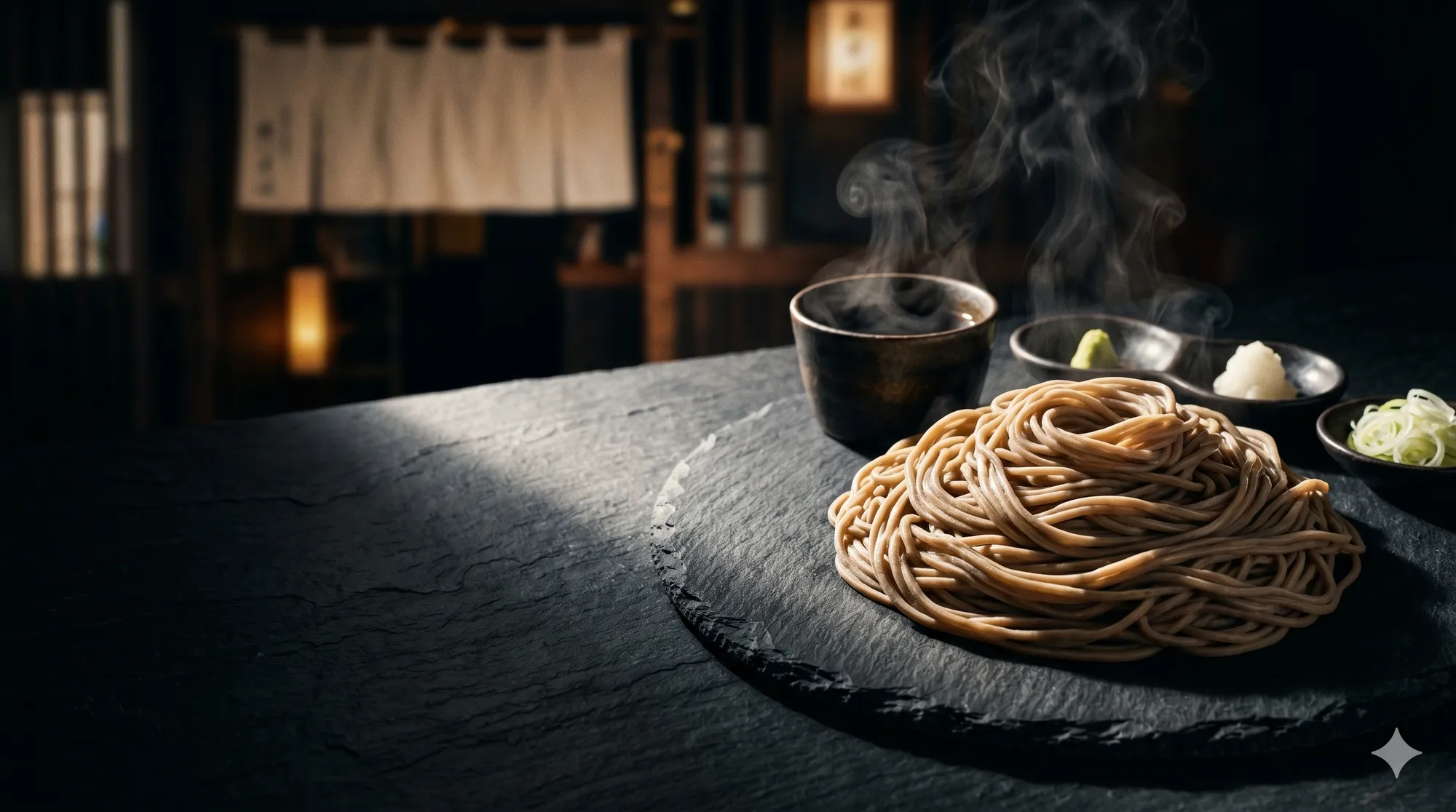
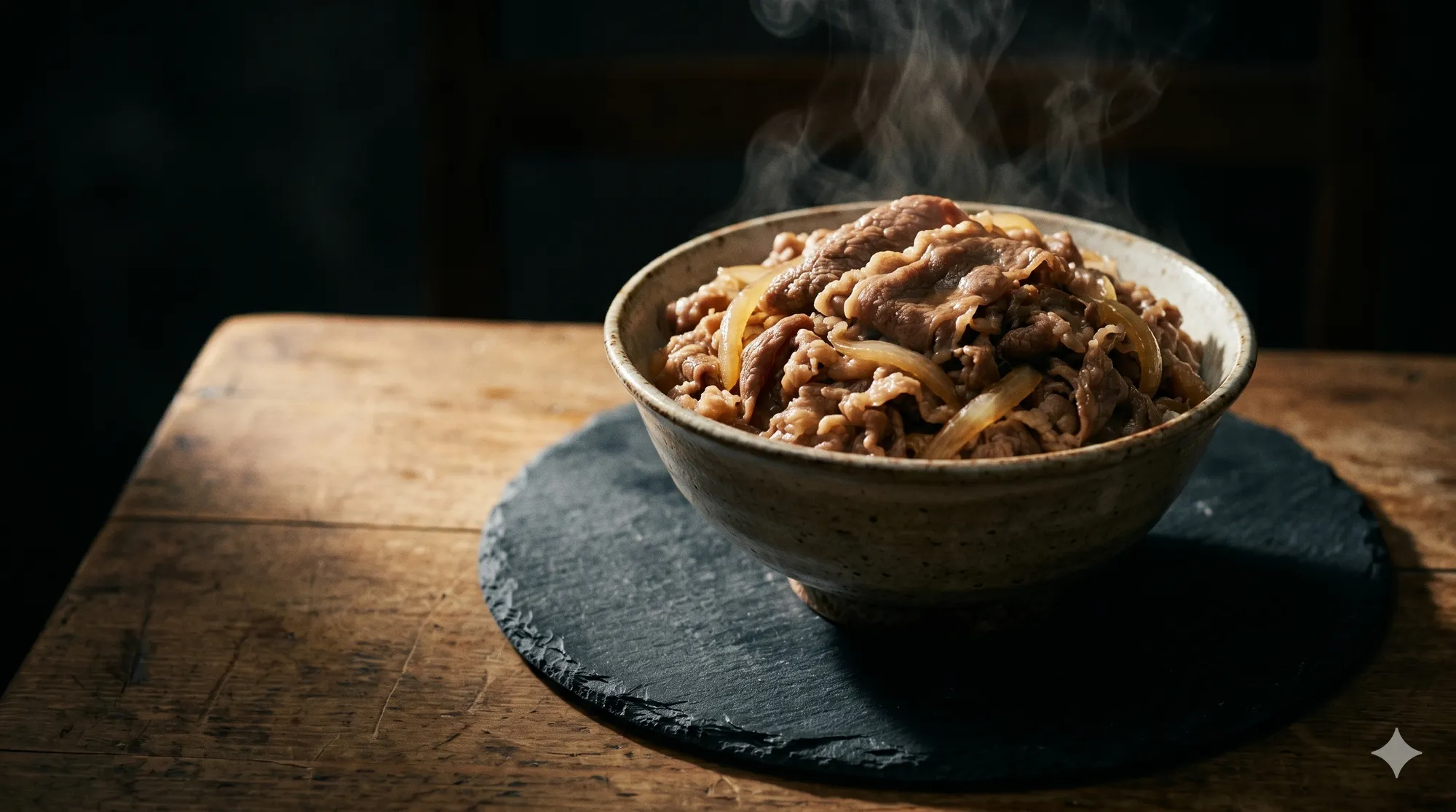
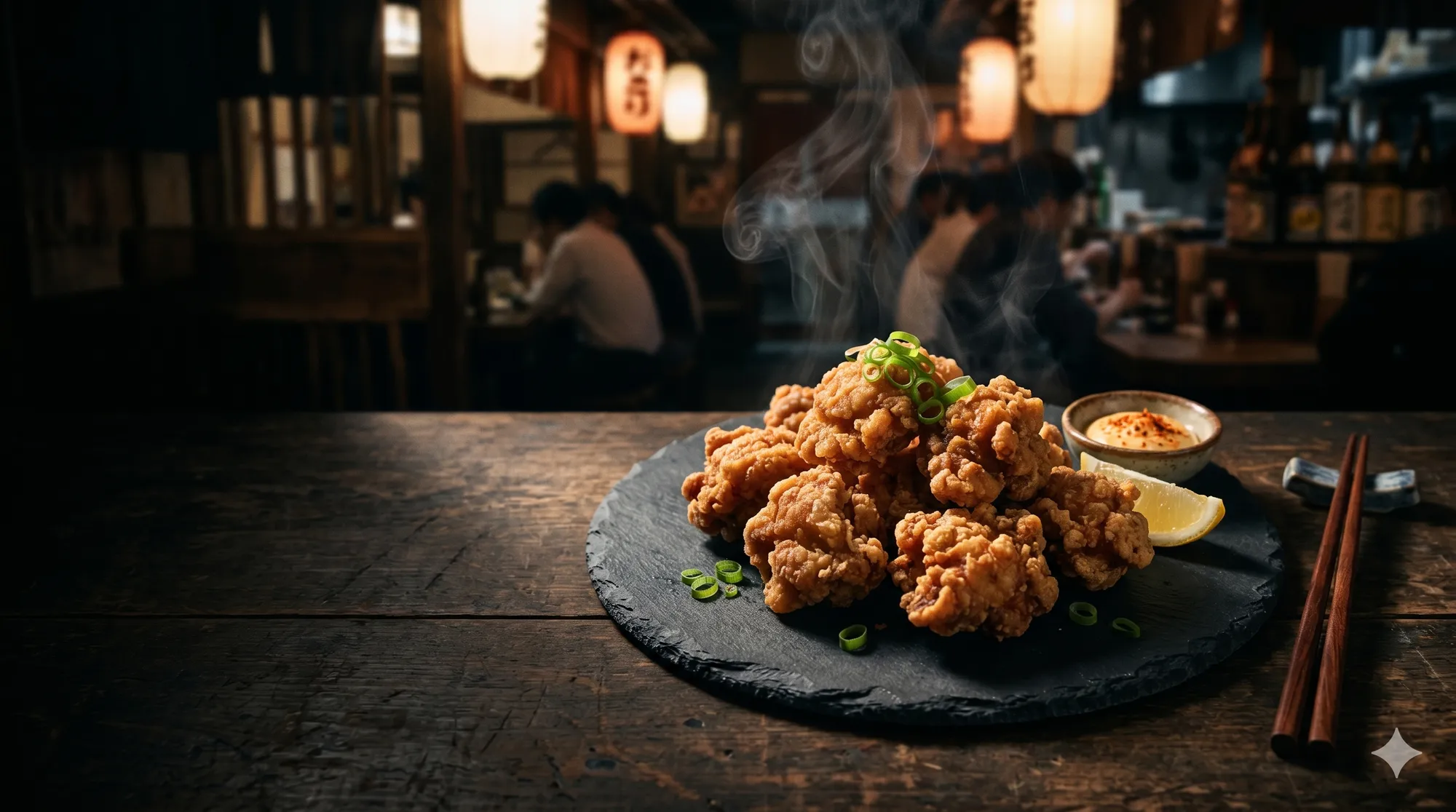
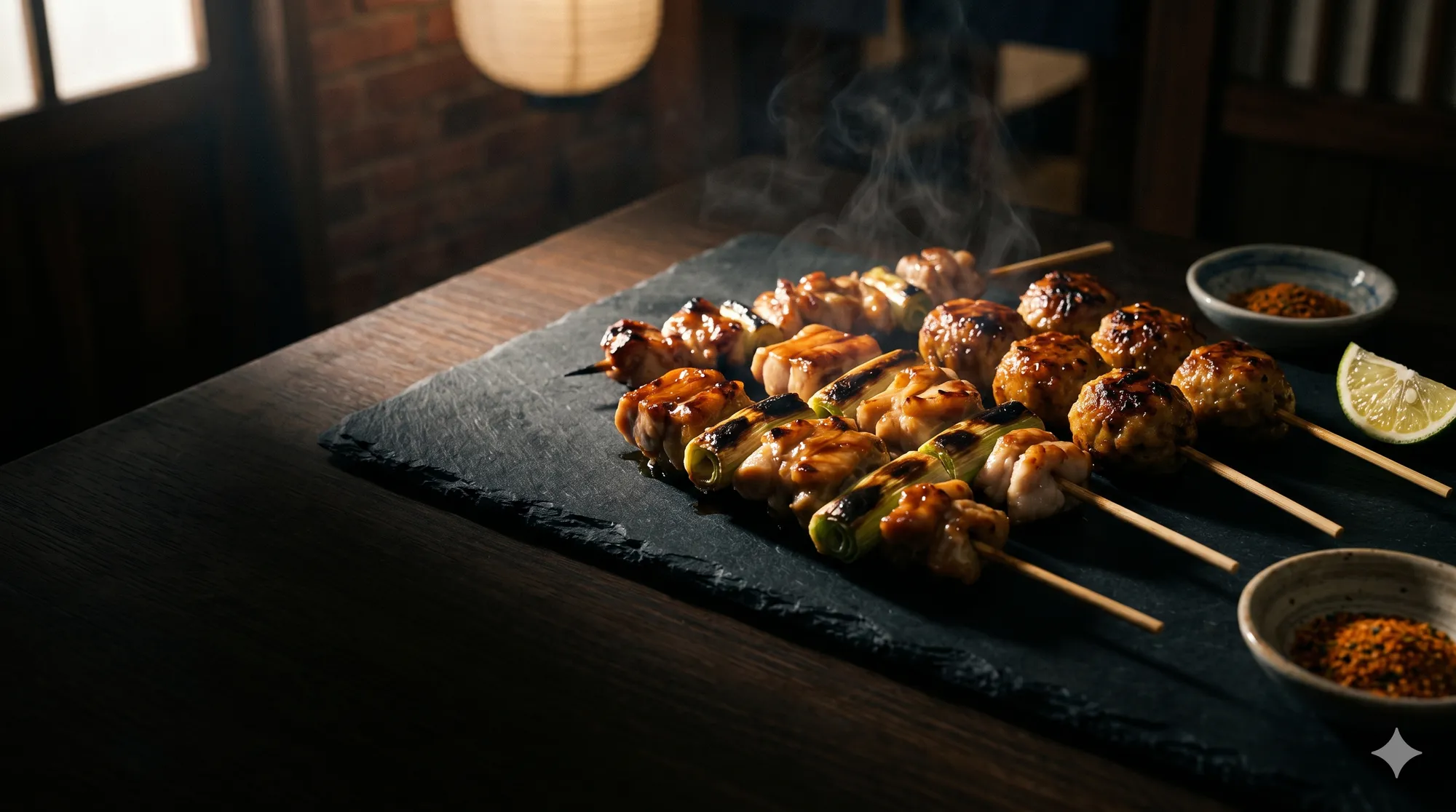
Each card below links to the full dish guide. Use Read for the details, Show phrase for large Japanese text, or Add to Bucket List to save it for later.