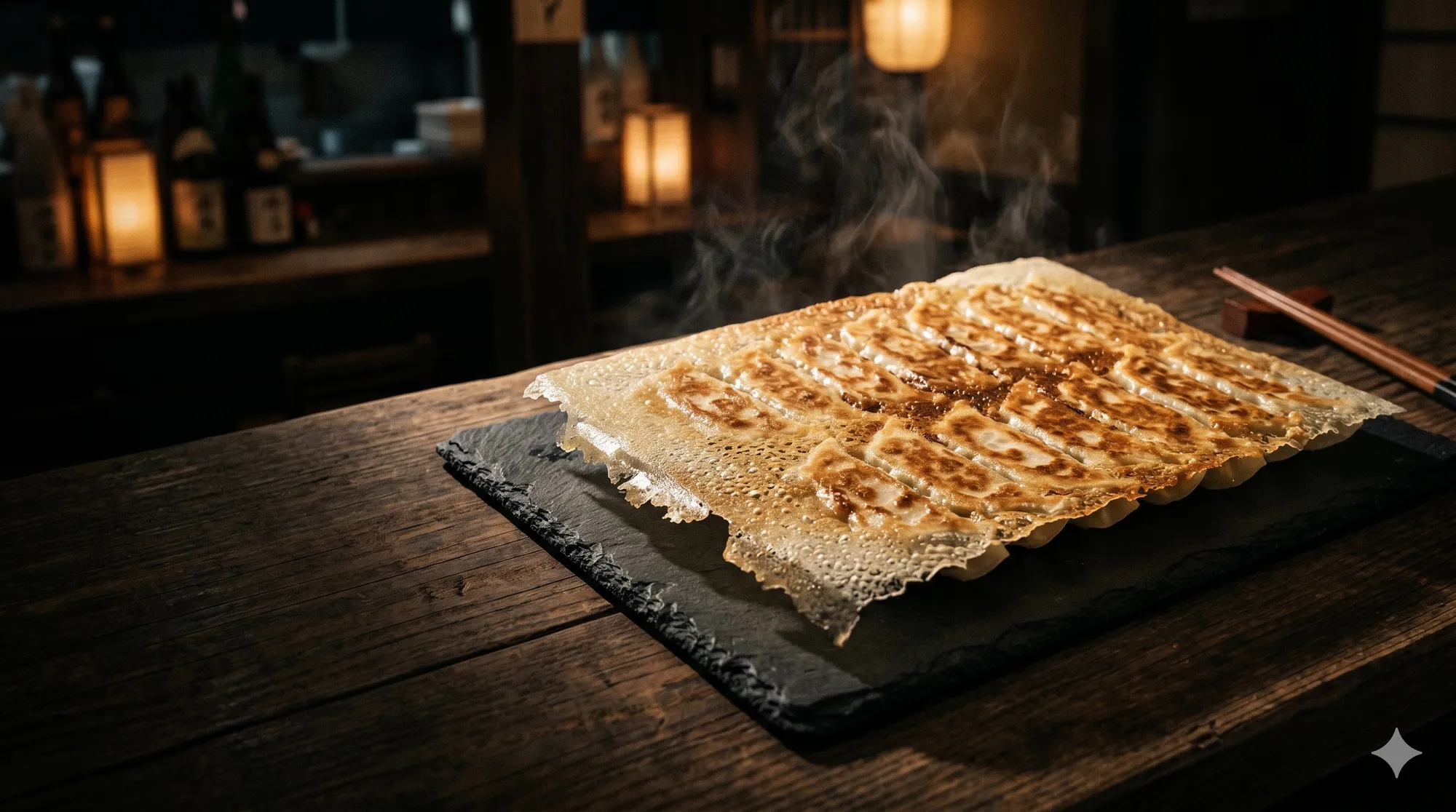
Regular gyoza is already one of the great foods. Crispy bottom, juicy pork-and-cabbage middle, that little dip of soy and vinegar and chili oil. Perfect, right? Tokyo looked at perfect and said: hold on, we can add a wing.
Share this dish


Gyoza with a crispy lace 'wing' connecting them all in one golden sheet. A tiny Tokyo upgrade that made an already-perfect dumpling impossible to stop eating.
🍜 Planning a food trip to Tokyo?Add this dish to my Food Trip →
 Add this dish to my Food Trip →
Hanetsuki gyoza are pan-fried dumplings joined together by a delicate, lacy, paper-thin sheet of crispy "wing" — hane — formed from a flour-and-water slurry that crackles as it cooks. You flip the whole connected disc onto a plate, wings up, and it shatters and crunches around the familiar juicy gyoza like the world's most savory snowflake. It looks like a magic trick and tastes like a reward. Once you've had gyoza with wings, plain ones feel a little naked.
Born in Kamata, the "Gyoza Sanctuary"
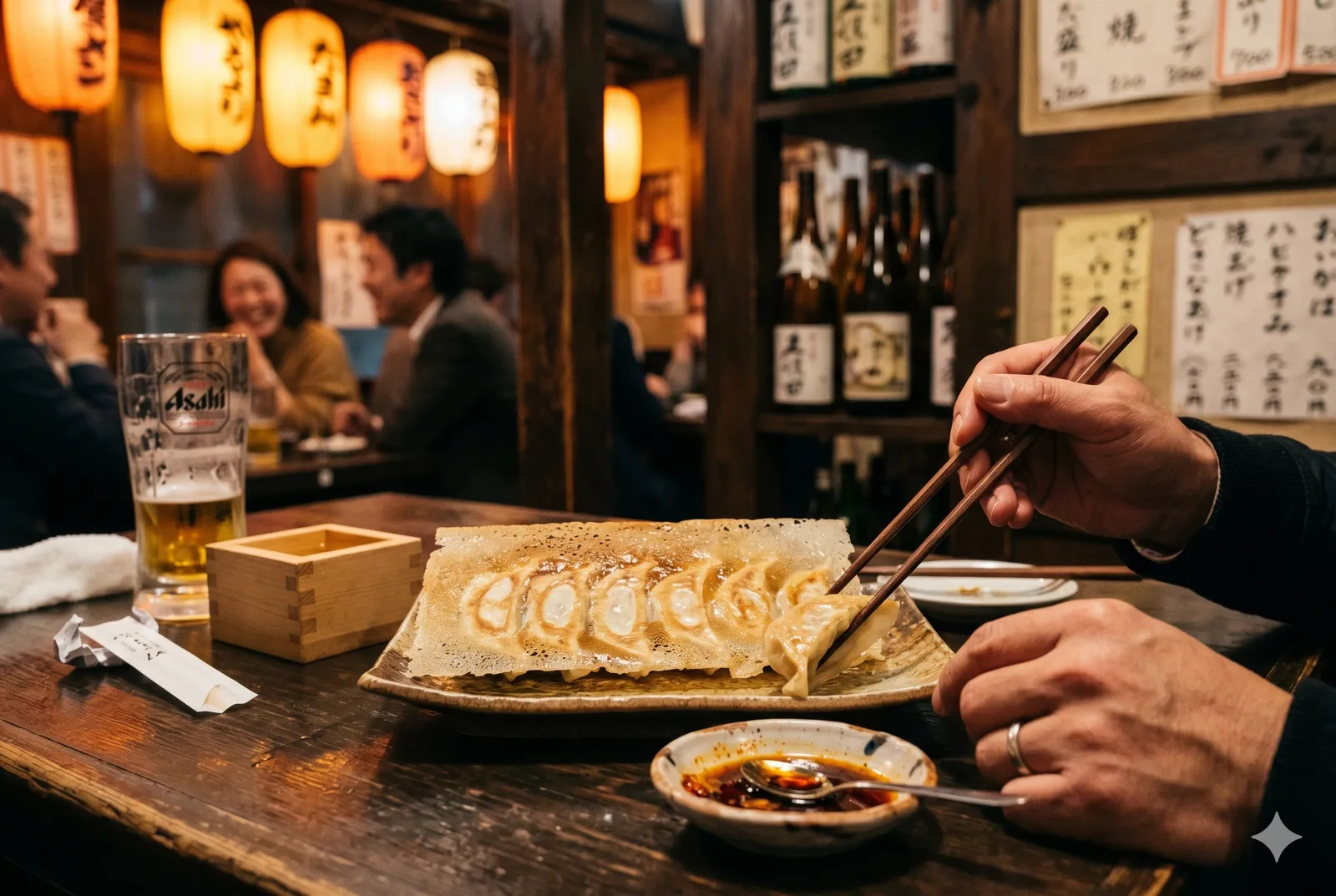
This crispy-winged style was born in the 1980s in Kamata, a neighborhood in southern Tokyo that's so proud of its gyoza it's nicknamed the "Gyoza Sanctuary." Japanese cooks took the traditional Chinese dumpling and added that signature lace crust, and a local legend was born. To this day, Kamata is the place to make the pilgrimage.
What makes the wing
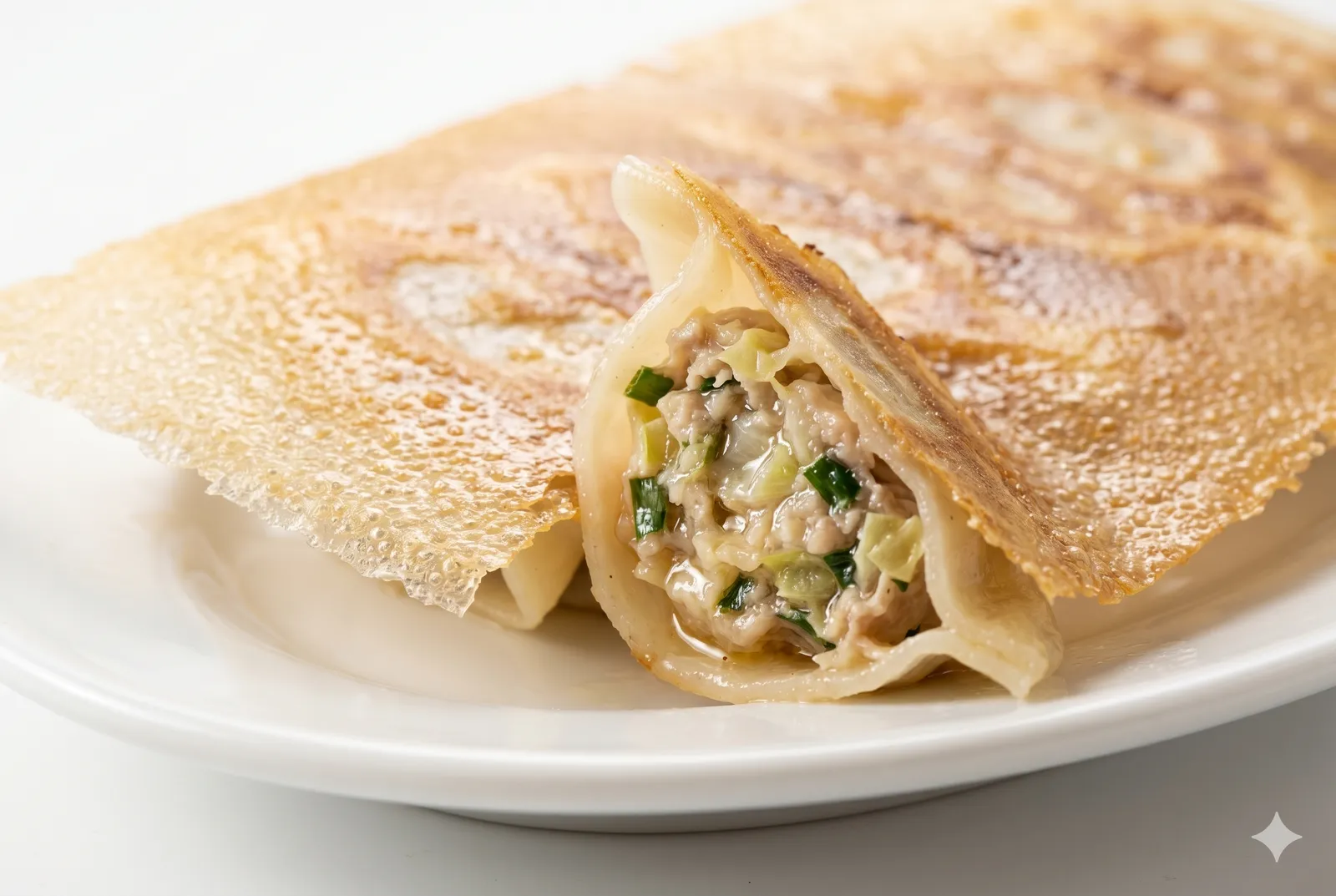
The whole identity is that crispy lace skirt. As the gyoza fry, you pour in a thin flour-water mixture; it spreads under and around the dumplings, the water steams them tender, and as it cooks off, the flour crisps into a connected golden web. One bite gives you two textures at once — the shattering wing and the soft, savory dumpling. It's genius, and it's easier to make at home than it looks.
How it's made
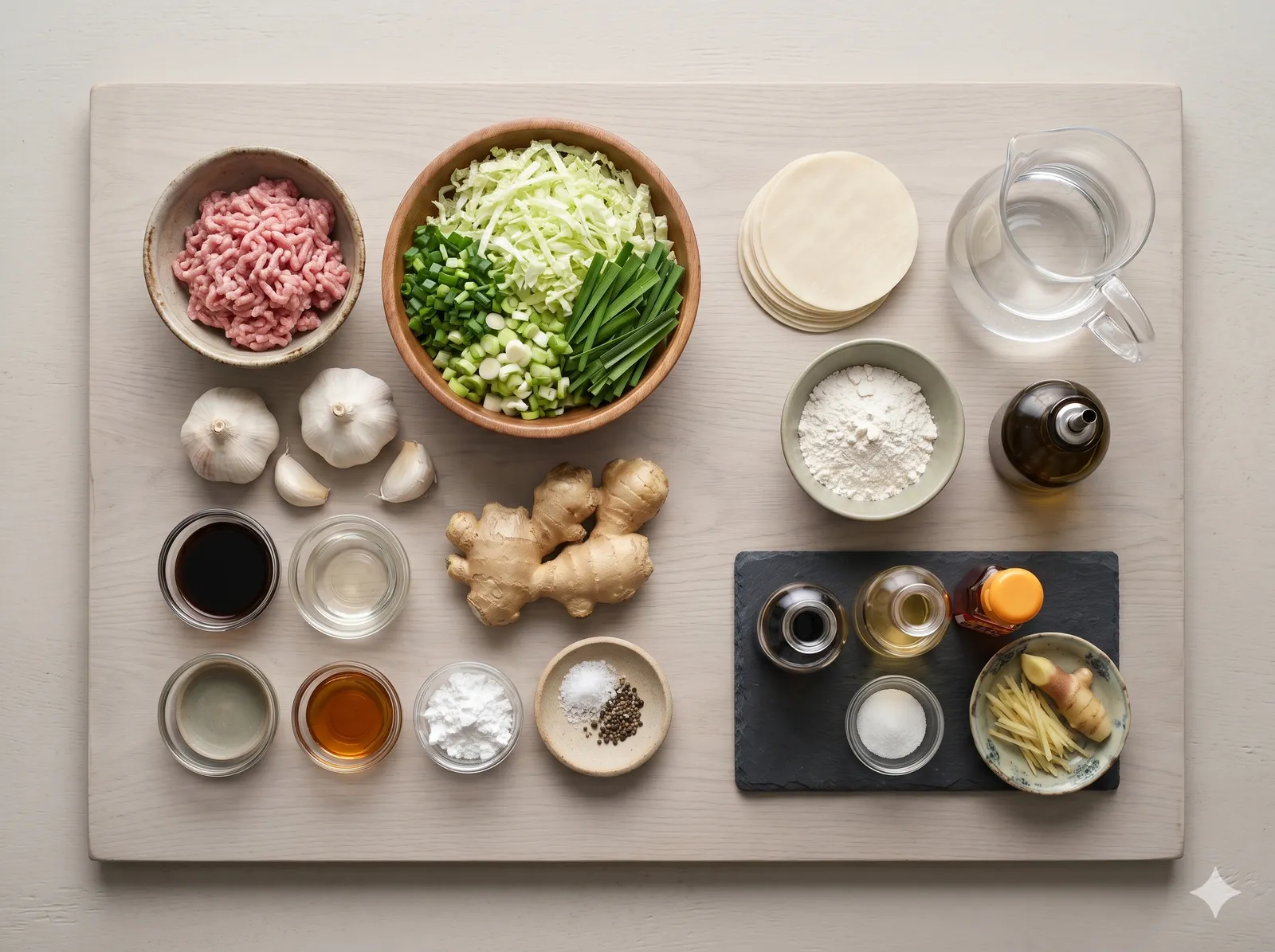
- Mix the filling: ground pork, cabbage, garlic chives (nira), ginger, garlic, sesame oil, soy
- Wrap and pleat the gyoza to seal them
- Fry the bottoms in an oiled pan until golden
- Pour in a flour-water slurry (about 1 tbsp flour per 100ml water)
- Cover and steam-fry until the water's nearly gone
- Uncover and let the rest cook off so the flour crisps into wings
- Flip the whole sheet onto a plate, wings up
Before you go — dip it right
Your questions, answered honestly
"How do I mix the dipping sauce?" — The classic is soy sauce + rice vinegar + a few drops of rāyu (chili oil), to taste. Lately a lot of people swear by vinegar + black pepper, no soy — lighter, lets the filling shine. Try both; pick your fighter.
"Do I eat the wing?" — That's the entire point. The crispy lace is the upgrade. Don't leave it on the plate like an amateur.
"Yaki (fried) or sui (boiled) gyoza?" — For hanetsuki, it has to be yaki — the wing only exists because it's pan-fried. Boiled gyoza is lovely but a different dish.
"What do I drink with it?" — A cold beer, no contest. Gyoza and beer is a sacred Tokyo pairing.
What the staff will ask you
| You'll hear | Romaji | Meaning | Just say |
|---|---|---|---|
| 焼き餃子でいいですか? | Yaki-gyoza de ii desu ka? | "Pan-fried gyoza okay?" | Hai, onegaishimasu (yes please) |
| 何人前にしますか? | Nan-ninmae ni shimasu ka? | "How many portions?" | Ichi-ninmae (one) / Ni-ninmae (two) |
| お飲み物は? | Onomimono wa? | "Anything to drink?" | Biiru kudasai (a beer) |
To order, just say "Yaki-gyoza ichi-ninmae kudasai" (焼き餃子一人前ください) — "One order of pan-fried gyoza, please."
Where to eat it
- Kamata, Tokyo — the home of the style, with famous shops like Nihao (你好) and Kāyū (歓迎) a short walk from Kamata Station
- Many izakaya and Chinese restaurants nationwide now serve a winged version — look for 羽根つき on the menu
Hours and locations change, so check before you go — and don't you dare leave the wings behind.
Soul Score
Local Roots4/5
First-Timer Friendly5/5
Adventure Level3/5
Comfort Level4/5
Travel Worthy4/5
These scores are one obsessed eater's gut feeling — not a verdict. A low number isn't a bad mark, just a different kind of adventure.
Planning what to eat in Tokyo?🗼 Tokyo Food Guide: What to Eat, Where to Start, and How to Order →
Know someone planning Japan?
← All Articles
Local Food · Tokyo
Still hungry?
Eat more from Tokyo
Sweets & SnacksTokyo
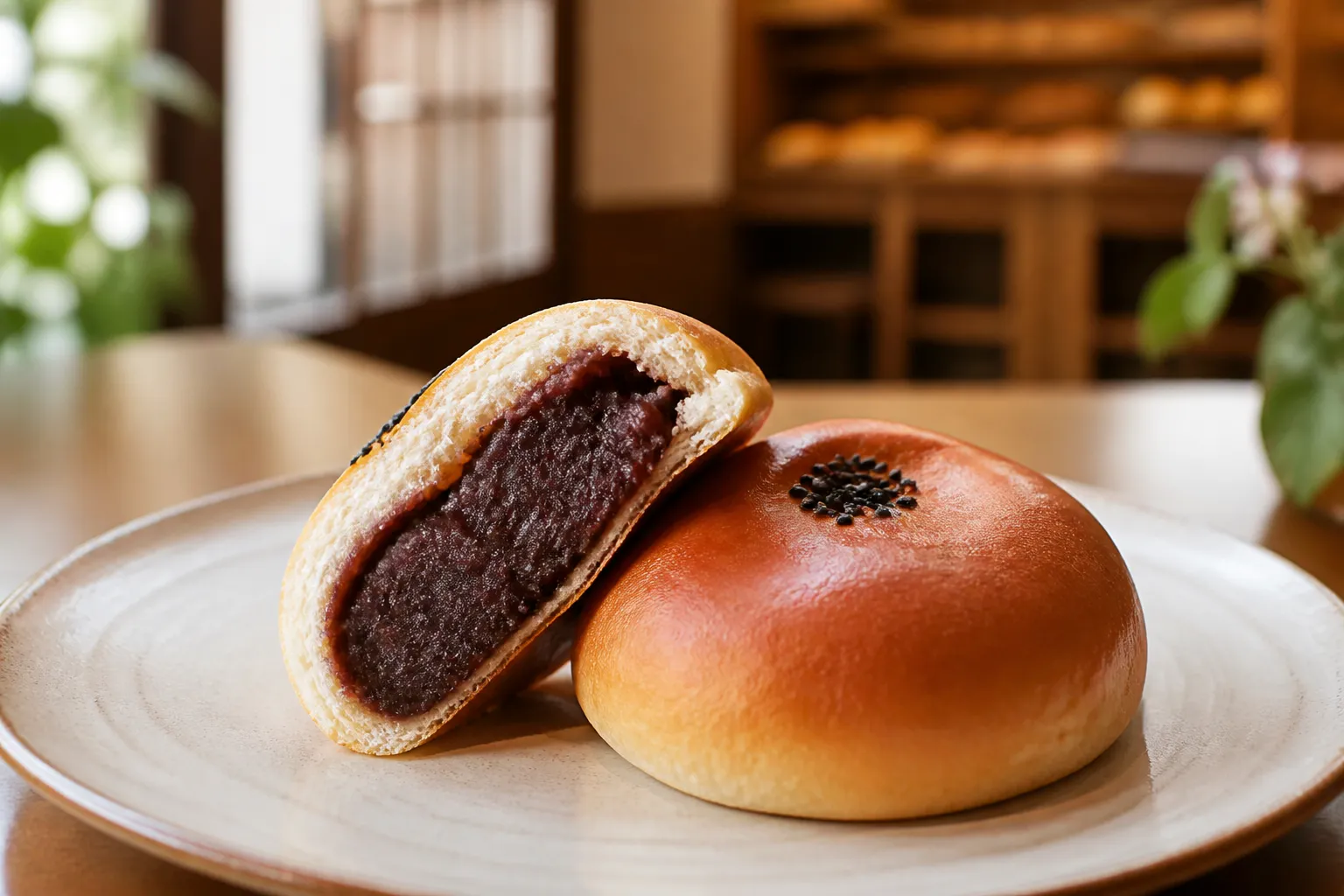
Anpan (あんパン)
A soft little bun, one bite in, and suddenly it's dense, dark, sweet red bean all the way through — the bread that talked 1870s Japan into eating Western-style bread at all.
July 27, 2026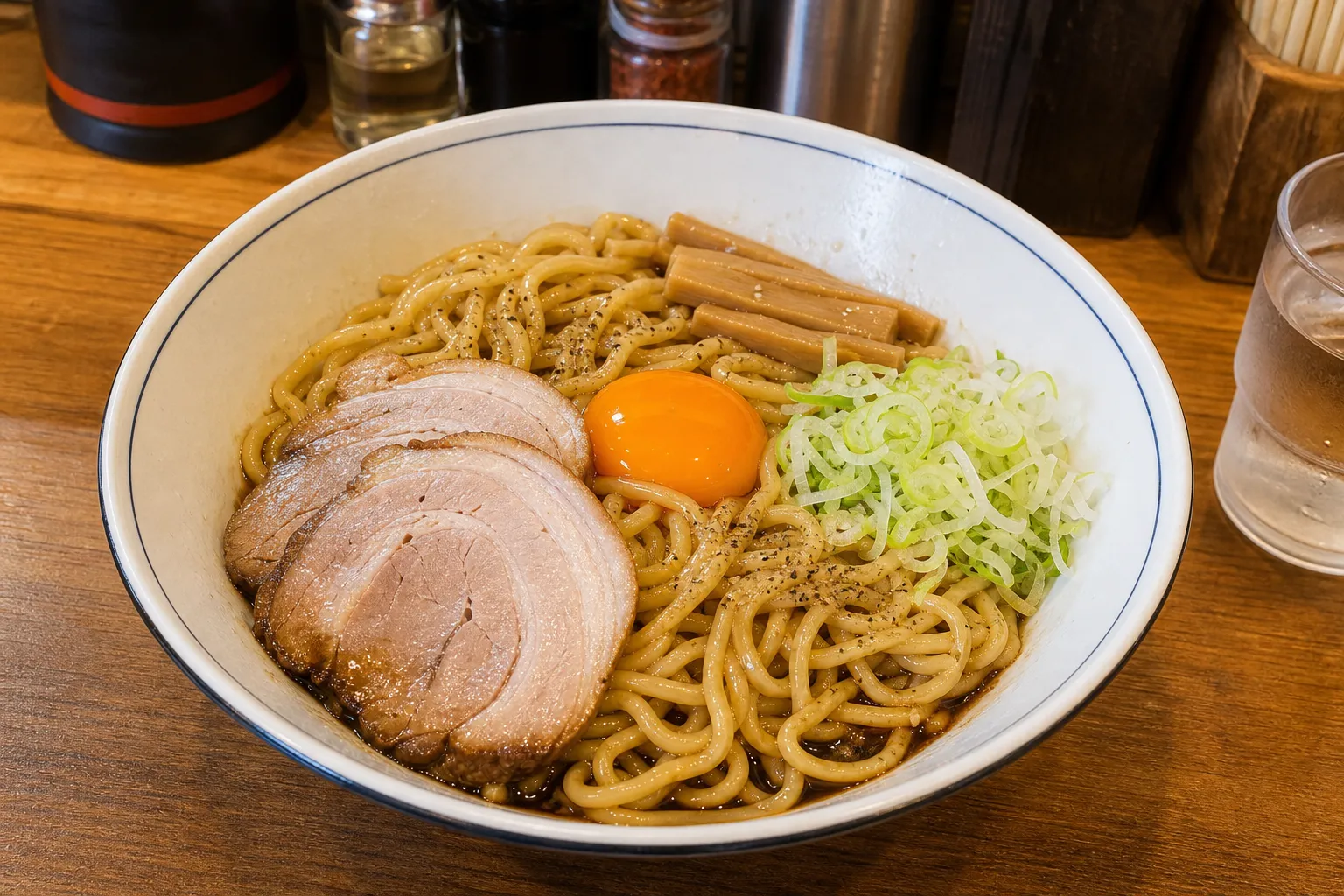
Local FoodTokyo
Abura Soba (油そば)
No soup. Just noodles, a hidden pool of tare and oil at the bottom of the bowl, and thirty seconds of frantic mixing that turns it into one of Tokyo's most addictive cheap thrills.
July 9, 2026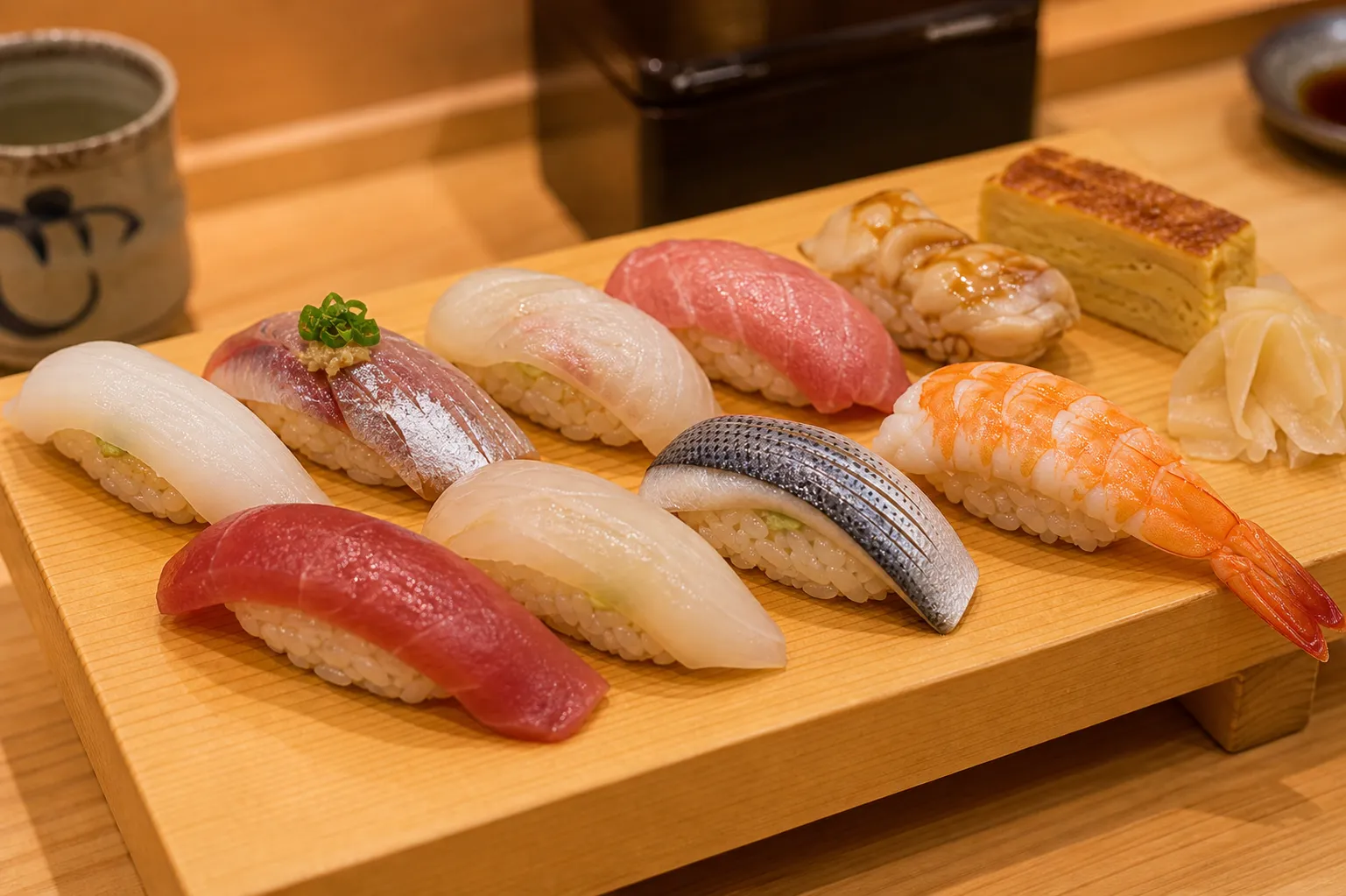
Japanese FoodTokyo
Edomae-zushi (江戸前寿司)
The original Tokyo nigiri, born before refrigerators existed — cured, marinated, simmered by hand, then pressed onto warm rice in a single confident motion. This is where sushi actually comes from, and it's a craft, not a slab of raw fish.
July 9, 2026