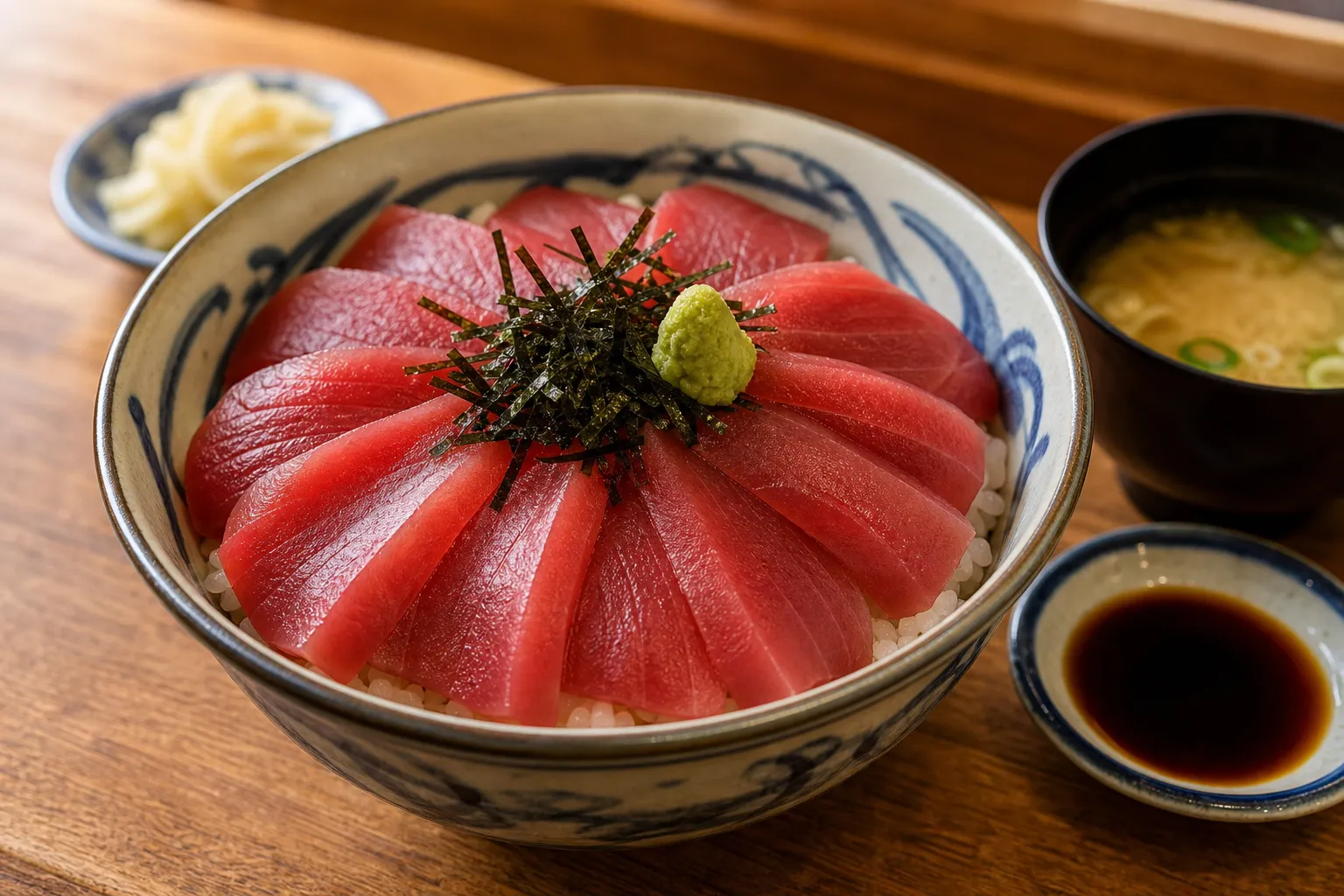
There's a particular kind of happiness in a bowl that does exactly one thing perfectly, and tekkadon is it: cold, ruby slices of lean tuna laid over warm vinegared rice, a swipe of wasabi, a little soy, done. Tekkadon is a donburi — a rice bowl — of maguro (tuna) sashimi over seasoned sushi rice, and it is gloriously, defiantly simple. No fifteen kinds of fish, no arranging, no fuss. Just tuna and rice, having a very good day together.
Share this dish


Cold slices of lean tuna over warm vinegared rice, a hit of wasabi, a splash of soy — nothing else, and it needs nothing else. Born in gambling dens for players who wanted one clean, one-handed bite of pure tuna joy.
🍜 Planning a food trip to Tokyo?Add this dish to my Food Trip →
 Add this dish to my Food Trip →
The name is where it gets fun. Tekka means "red-hot iron," and the story goes that the dish was born in Edo-era tekkaba — gambling houses. Players didn't want to stop the game or get their cards greasy, so they wanted something they could shovel down fast, one-handed, without making a mess. Tuna over rice in a bowl was the answer: quick, clean, satisfying, back to the table before your luck turned. Whether or not every detail is true, it's the perfect origin for a dish this direct.
Gambling-den fuel that never needed improving
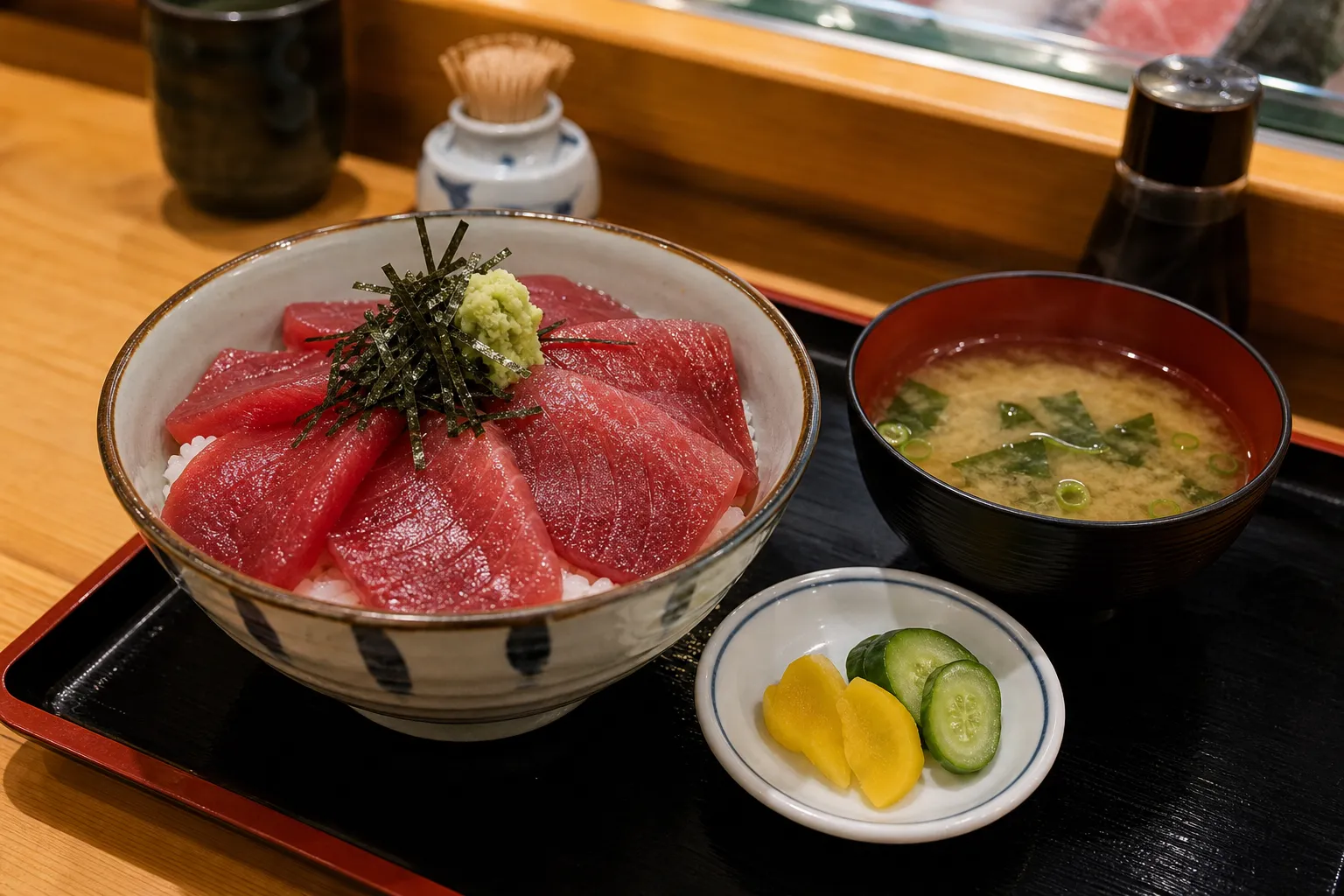
The same logic gave us tekkamaki — the slim tuna roll — as gambling-den finger food, and tekkadon is basically its big brother in a bowl. The whole point was speed and cleanliness: no counter theater, no waiting for the chef to press each piece, just the best cheap protein of old Tokyo Bay heaped over rice so a player could eat with one hand and keep the other on the game. I find that romantic in a very unromantic way — this is food invented by people who had somewhere better to be.
And here's the thing: nobody has managed to improve it since. You could pile on sea urchin and salmon roe and gold flakes, but then it's a different, fancier bowl. Tekkadon's confidence is in its restraint. Red tuna, white rice, green wasabi, black nori — it even looks like it was designed by someone who knew exactly what they wanted and refused to be talked into anything more.
Why less is the whole point
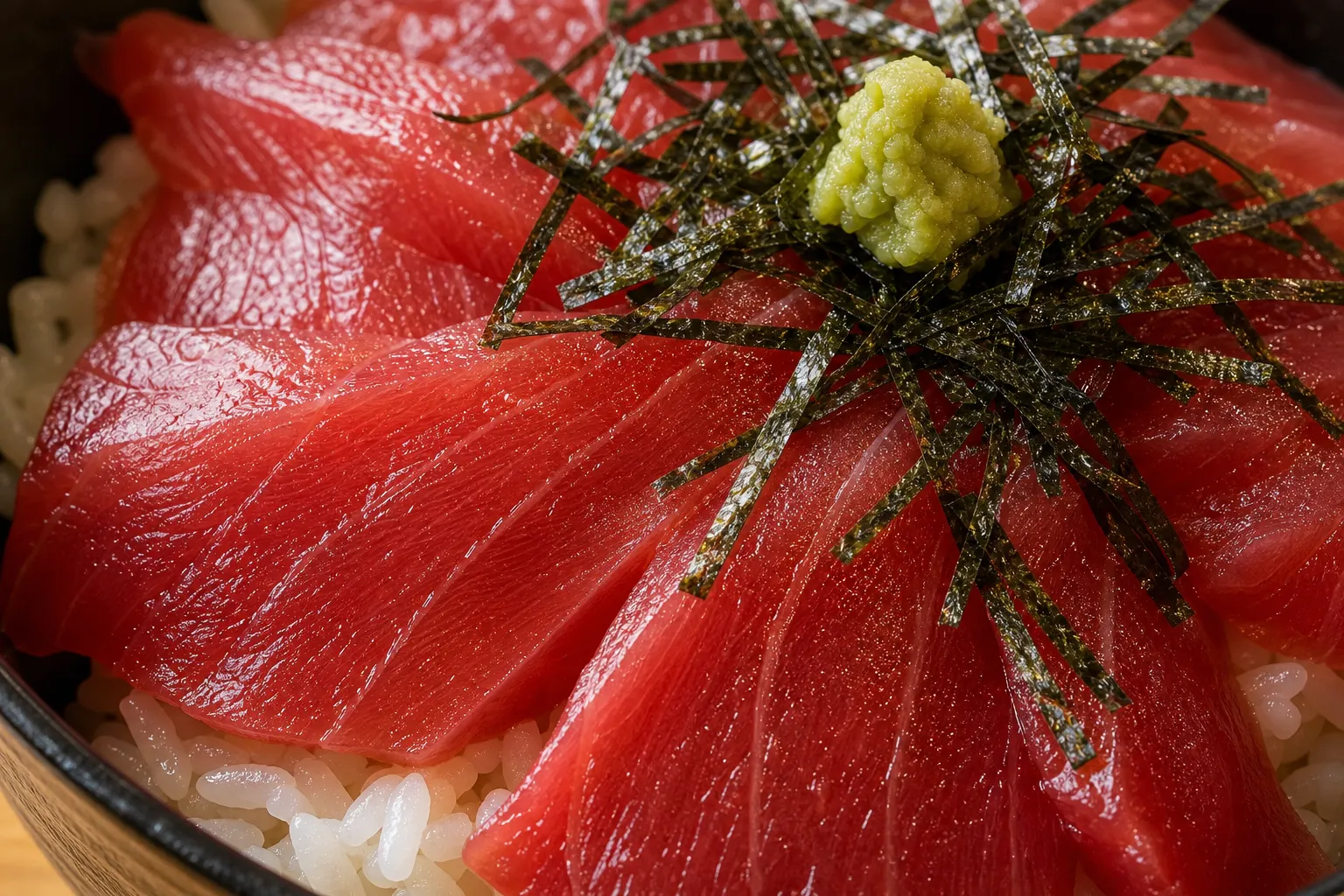
Tekkadon lives and dies on two things, so both had better be good: the tuna and the rice. The maguro is usually akami, the lean deep-red loin — firmer, cleaner, and more savory than the fatty toro, with that faint iron tang that makes tuna taste like tuna. Cold, dense, slightly yielding slices against warm, tangy rice is the entire experience, and when the fish is fresh it's electric.
Underneath, the sushi-meshi is seasoned with vinegar, sugar, and salt, warm enough to make the cold tuna bloom on top of it. A sheet of shredded nori adds a whisper of sea; the wasabi adds heat; the soy ties it together. My move: mix a little wasabi into a small dish of soy and drizzle it across the tuna rather than dunking each slice — you want to season it, not pickle it. Get the ratio right and every single bite is the same clean, red-hot pleasure. That's the magic of a one-idea bowl: it never gets boring, because the idea was great to begin with.
How it's made
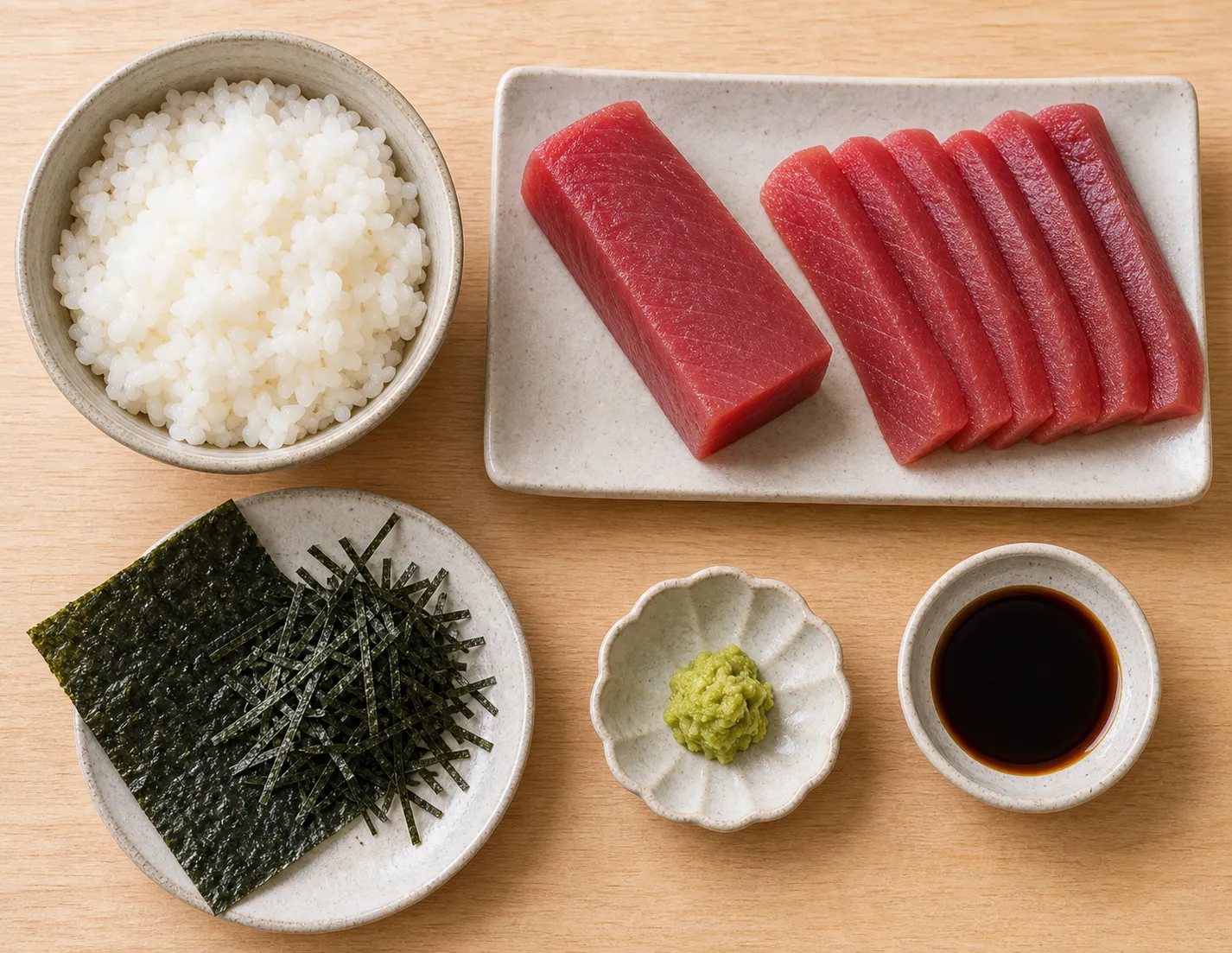
- Cook short-grain rice, then fold in seasoned vinegar (vinegar, sugar, salt), fanning it to a glossy sheen and keeping it warm
- Slice fresh lean tuna (akami) against the grain into clean, even sashimi pieces
- Fill a bowl with the warm vinegared rice and scatter shredded nori over the top
- Fan and layer the tuna slices over the rice so they cover it generously
- Add a mound of wasabi on the side, sometimes shiso, spring onion, or a raw quail egg, and serve soy sauce alongside to drizzle to taste
Before you go — keep it simple
Your questions, answered honestly
"How is this different from tekkamaki or a tuna hand roll?" — Same star ingredient, different format. Tekkamaki is tuna rolled in rice and nori and sliced into pieces; tekkadon is the tuna simply laid over a bowl of that same rice. The bowl is bigger, faster, and more of a proper meal.
"Do I pour the soy sauce right into the bowl?" — You can, but don't flood it. Better: put a little soy in the side dish, stir in a touch of wasabi, and drizzle it over the tuna so the rice underneath stays intact and tangy rather than turning to salty mush.
"Akami or toro — which should I want?" — Classic tekkadon is akami, the lean loin, and that's the honest, traditional bowl. Fatty toro versions exist and are delicious but richer and pricier. For the real deal and the cleaner tuna flavor, lean is right.
"Is this safe and beginner-friendly?" — Very. Tuna is one of the most approachable raw fish — mild, meaty, no strong smell when fresh. If you've eaten a tuna nigiri and liked it, you'll love a whole bowl of it.
What the staff will ask you
| You'll hear | Romaji | Meaning | Just say |
|---|---|---|---|
| わさびは抜きますか? | Wasabi wa nukimasu ka? | "Leave the wasabi out?" | Sonomama de (as is) / Nuki de (without) |
| ご飯大盛りにしますか? | Gohan ōmori ni shimasu ka? | "Large rice?" | Futsū de (normal) / Ōmori de (large) |
| お味噌汁はつけますか? | Omisoshiru wa tsukemasu ka? | "Add miso soup?" | Hai, onegaishimasu (yes please) |
| 醤油はおかけしますか? | Shōyu wa okake shimasu ka? | "Shall I add the soy sauce?" | Jibun de kakemasu (I'll do it myself) |
To order, just say "Tekkadon hitotsu kudasai" (鉄火丼一つください) — "one tekkadon, please."
Where to eat it
- Tsukiji Outer Market (Tokyo) — tuna is the market's obsession, and the seafood-bowl shops here do superb, well-priced tekkadon.
- Toyosu Market (Tokyo) — the modern fish market's counters serve tekkadon made from tuna that was in the auction hall hours earlier.
- Sushi restaurants and seafood-bowl chains nationwide — most sushi-ya and kaisen-don shops list tekkadon as a reliable, affordable set.
- Kaiten-zushi (conveyor-belt) chains — many offer a budget tekkadon that's a great low-stress first try.
Tuna quality and price swing with the daily catch, so eat it earlier in the day at markets and check what's fresh before you order.
Soul Score
Local Roots4/5
First-Timer Friendly5/5
Adventure Level3/5
Comfort Level4/5
Travel Worthy4/5
These scores are one obsessed eater's gut feeling — not a verdict. A low number isn't a bad mark, just a different kind of adventure.
Know someone planning Japan?
← All Articles
Japanese Food · Tokyo
Still hungry?
Eat more from Tokyo
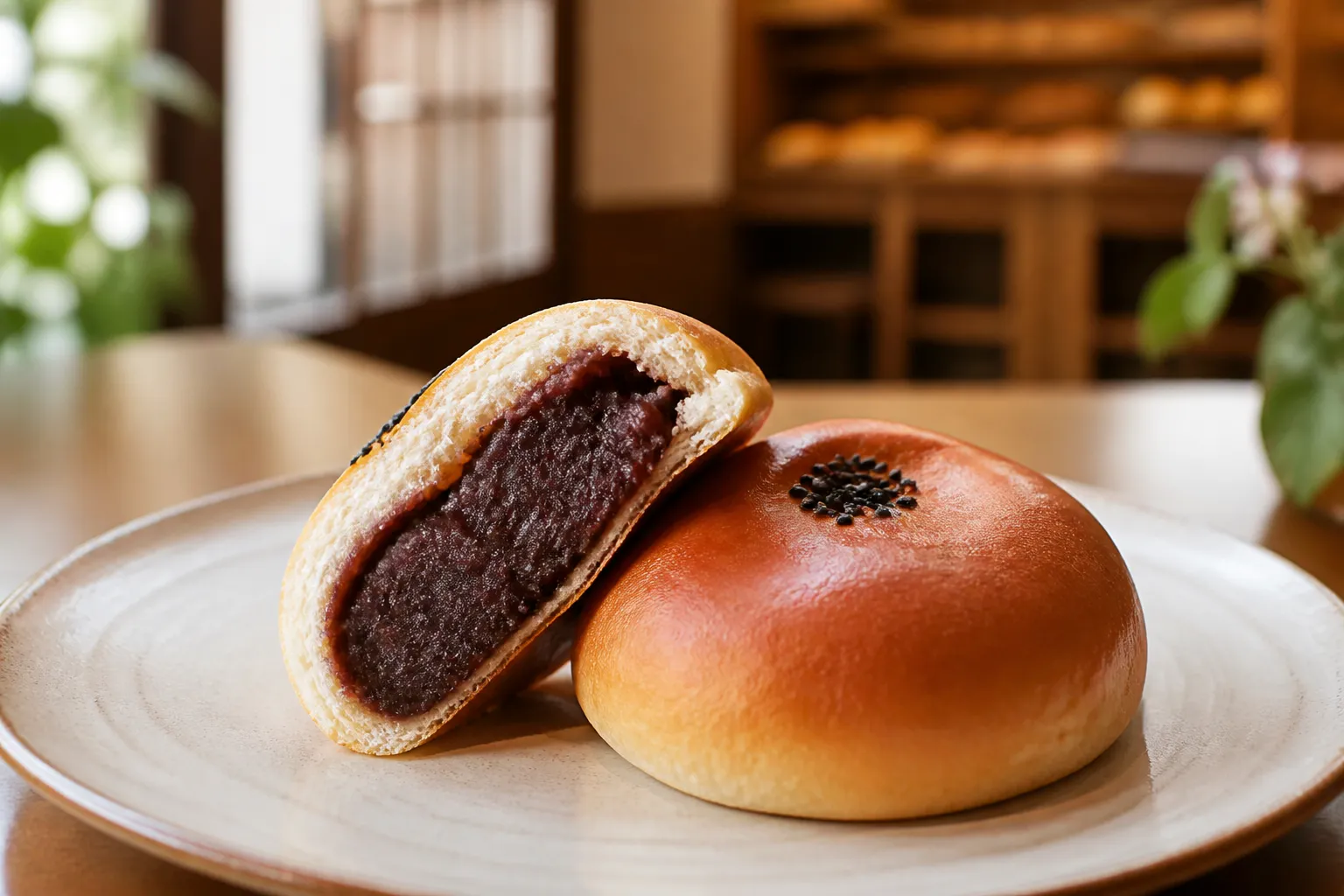
Sweets & SnacksTokyo
Anpan (あんパン)
A soft little bun, one bite in, and suddenly it's dense, dark, sweet red bean all the way through — the bread that talked 1870s Japan into eating Western-style bread at all.
July 27, 2026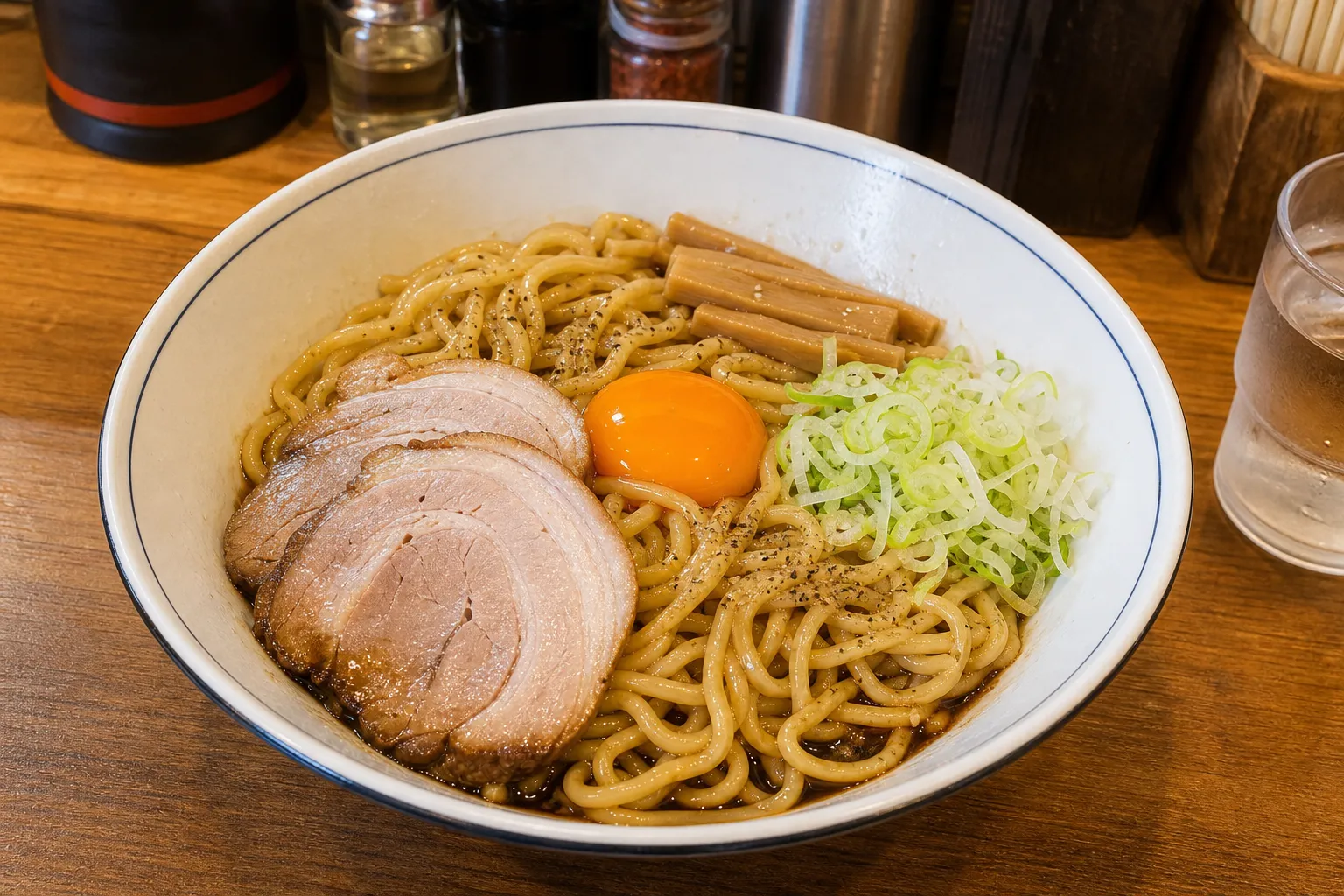
Local FoodTokyo
Abura Soba (油そば)
No soup. Just noodles, a hidden pool of tare and oil at the bottom of the bowl, and thirty seconds of frantic mixing that turns it into one of Tokyo's most addictive cheap thrills.
July 9, 2026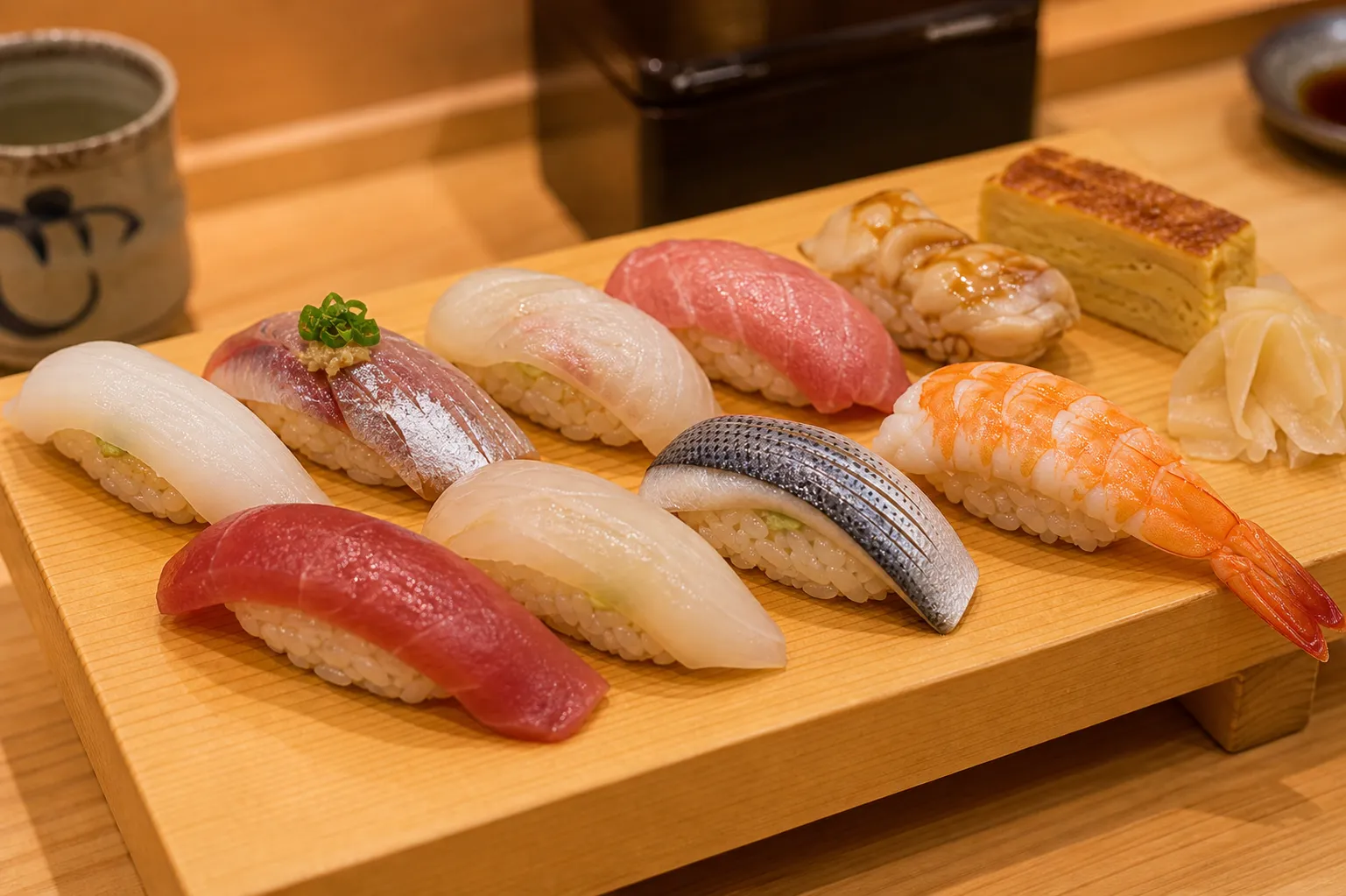
Japanese FoodTokyo
Edomae-zushi (江戸前寿司)
The original Tokyo nigiri, born before refrigerators existed — cured, marinated, simmered by hand, then pressed onto warm rice in a single confident motion. This is where sushi actually comes from, and it's a craft, not a slab of raw fish.
July 9, 2026