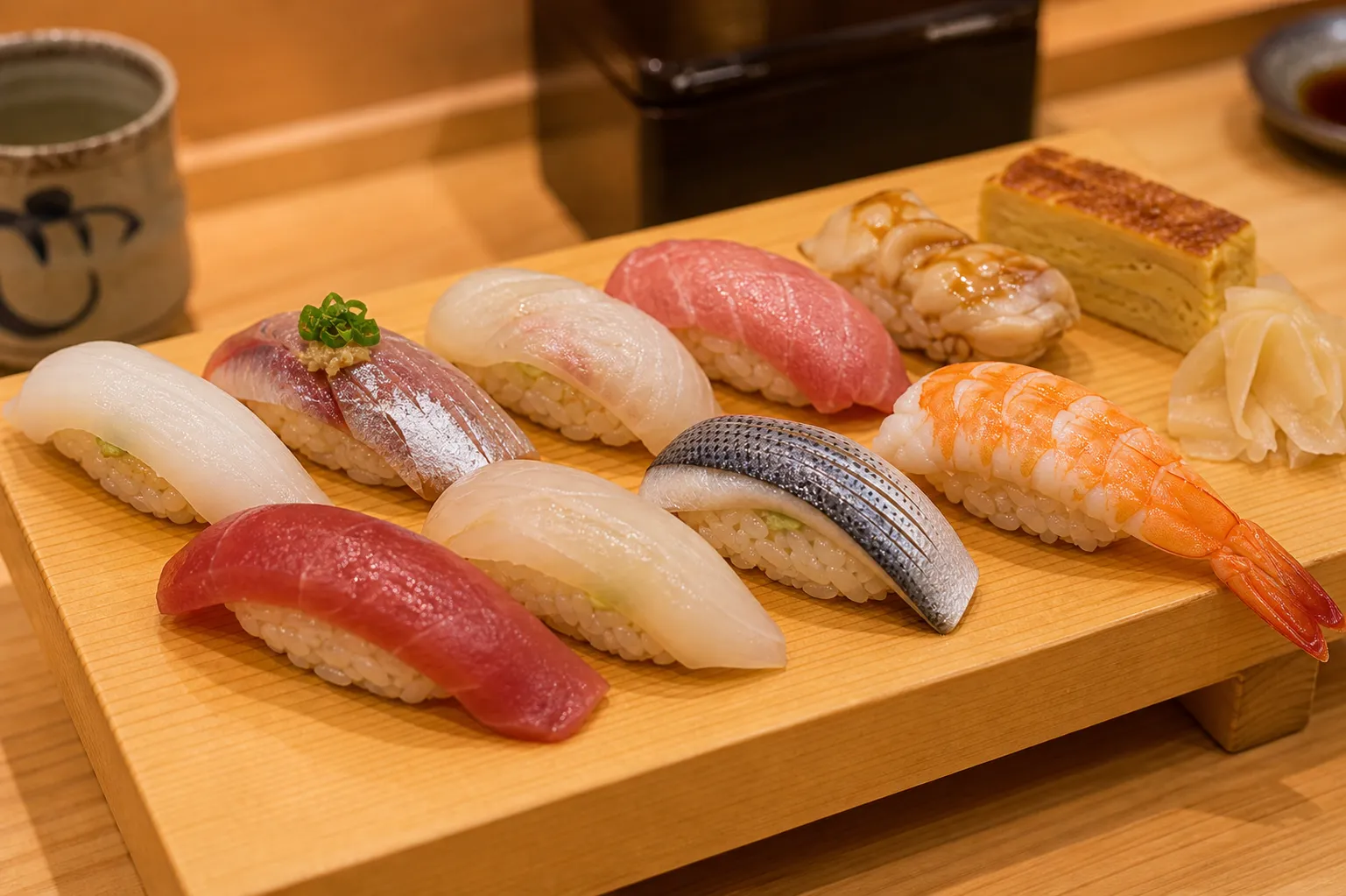
The first time a chef slid a piece of soy-marinated tuna across the counter and told me not to touch the soy sauce, I was almost offended — until I ate it and understood he'd already done every job for me. Edomae-zushi is the original Tokyo nigiri: a small pillow of warm vinegared rice, a dab of wasabi, and a topping that has usually been worked on — cured, marinated, or gently simmered — long before it reaches you.
Share this dish


The original Tokyo nigiri, born before refrigerators existed — cured, marinated, simmered by hand, then pressed onto warm rice in a single confident motion. This is where sushi actually comes from, and it's a craft, not a slab of raw fish.
🍜 Planning a food trip to Tokyo?Add this dish to my Food Trip →
 Add this dish to my Food Trip →
That last part is the whole secret. Back in old Edo (today's Tokyo) there were no refrigerators, so the fish caught in the bay in front of the city — edomae, "in front of Edo" — had to be preserved to survive the day. Chefs vinegar-cured gizzard shad (kohada), soaked lean tuna in soy to make zuke, simmered conger eel (anago) until it fell apart. What began as survival became one of the most refined crafts on earth. It's not raw fish on rice. It's preparation you can taste.
The bayside fast food that became an art
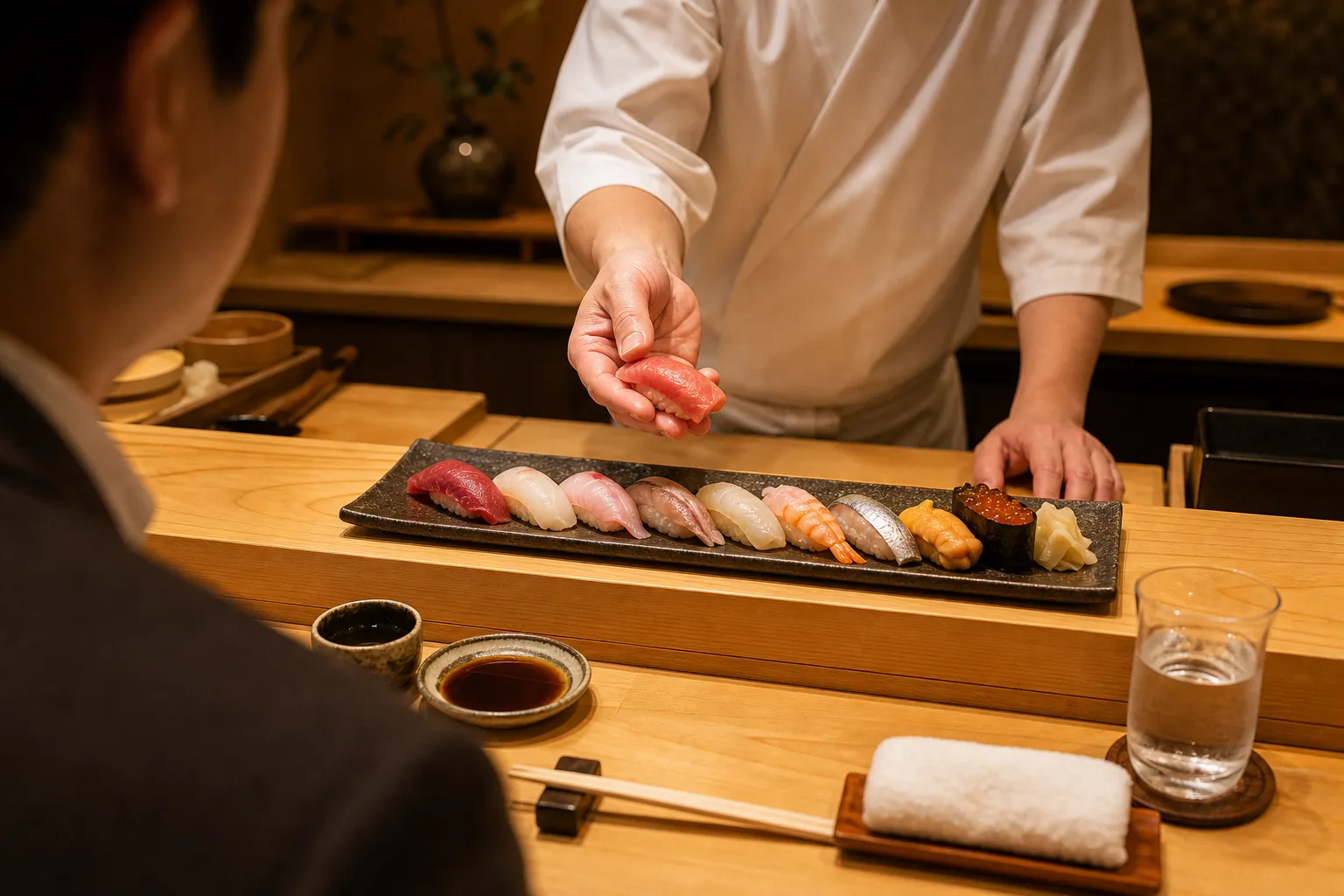
Edomae-zushi was invented in the early 1800s as street food — genuinely, the fast food of its day. A chef named Hanaya Yohei is usually credited with the idea of pressing a bite of seasoned fish onto vinegared rice so a busy Edo worker could grab it standing up at a stall and be gone in a minute. The pieces were bigger then, closer to two mouthfuls, meant to be eaten fast with your fingers.
Every technique came from necessity. No ice meant you cured, marinated, cooked, and salted — and each of those tricks turned out to make the fish more delicious, not less. I love this about it: the constraints created the flavor. When people ask me why old-school sushi tastes deeper than the glossy raw stuff on the conveyor belt, this is the answer. Those brown-glazed, quietly seasoned pieces carry two hundred years of "we had no fridge, so we got clever."
Why the boring-looking pieces are the best ones
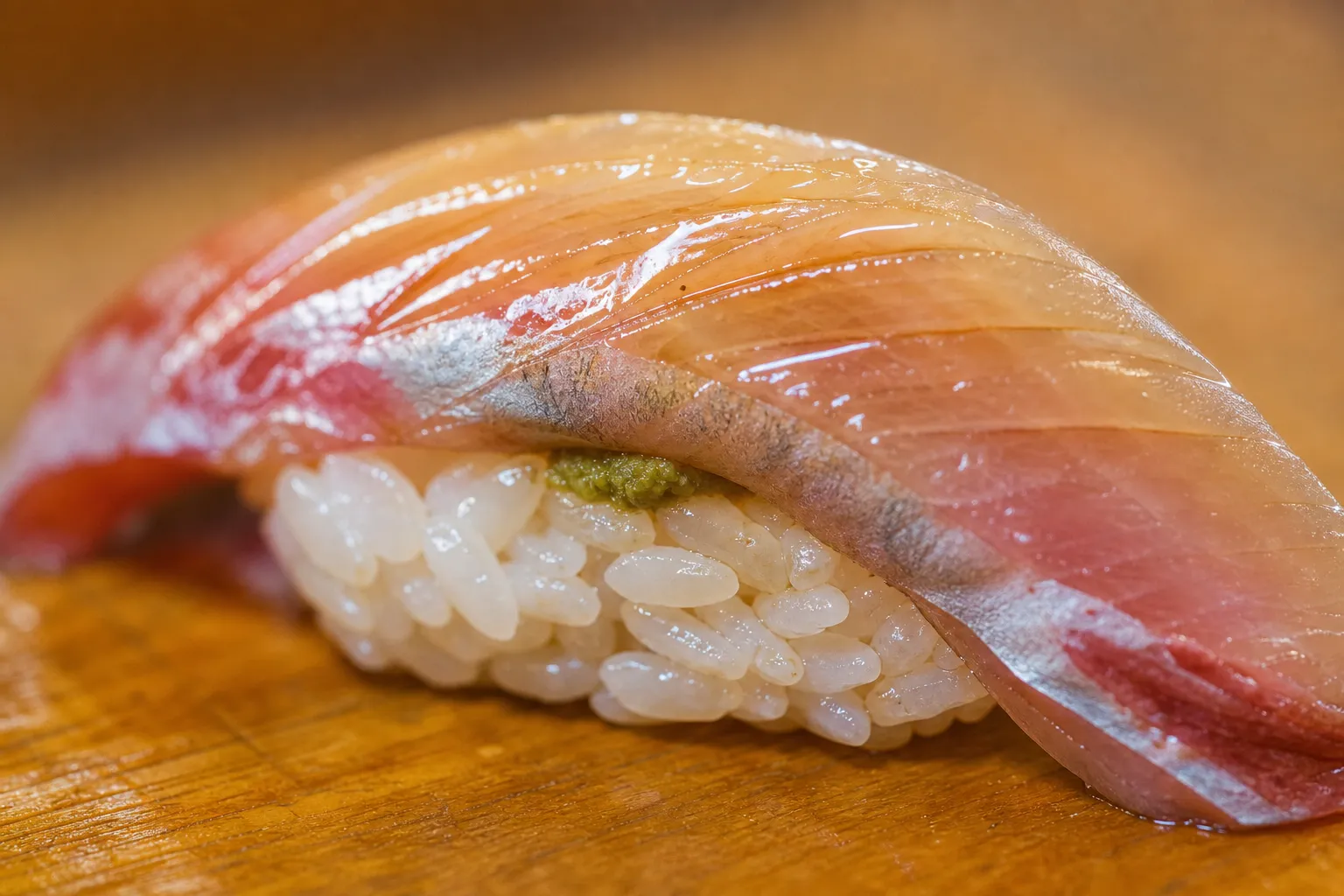
Here's my honest tip for a first-timer at a real counter: the least flashy piece is often the one to remember. The silvery, faintly sour kohada. The dark, savory zuke tuna. The anago so tender it barely survives the trip to your mouth, brushed with a sweet tsume glaze. These are the pieces a chef is quietly judging himself on, because there's nowhere to hide behind fatty richness.
And the rice — always the rice. Good Edomae shari is served warm, seasoned assertively with red vinegar in the old shops, loosely packed so it collapses the instant it lands on your tongue and meets the fish halfway. The wasabi is already tucked between rice and topping; the piece arrives balanced and finished. Your only job is to eat it now, in one clean bite, before the chef's work starts to fade. Sitting there admiring it while it warms is the one real mistake.
How it's made
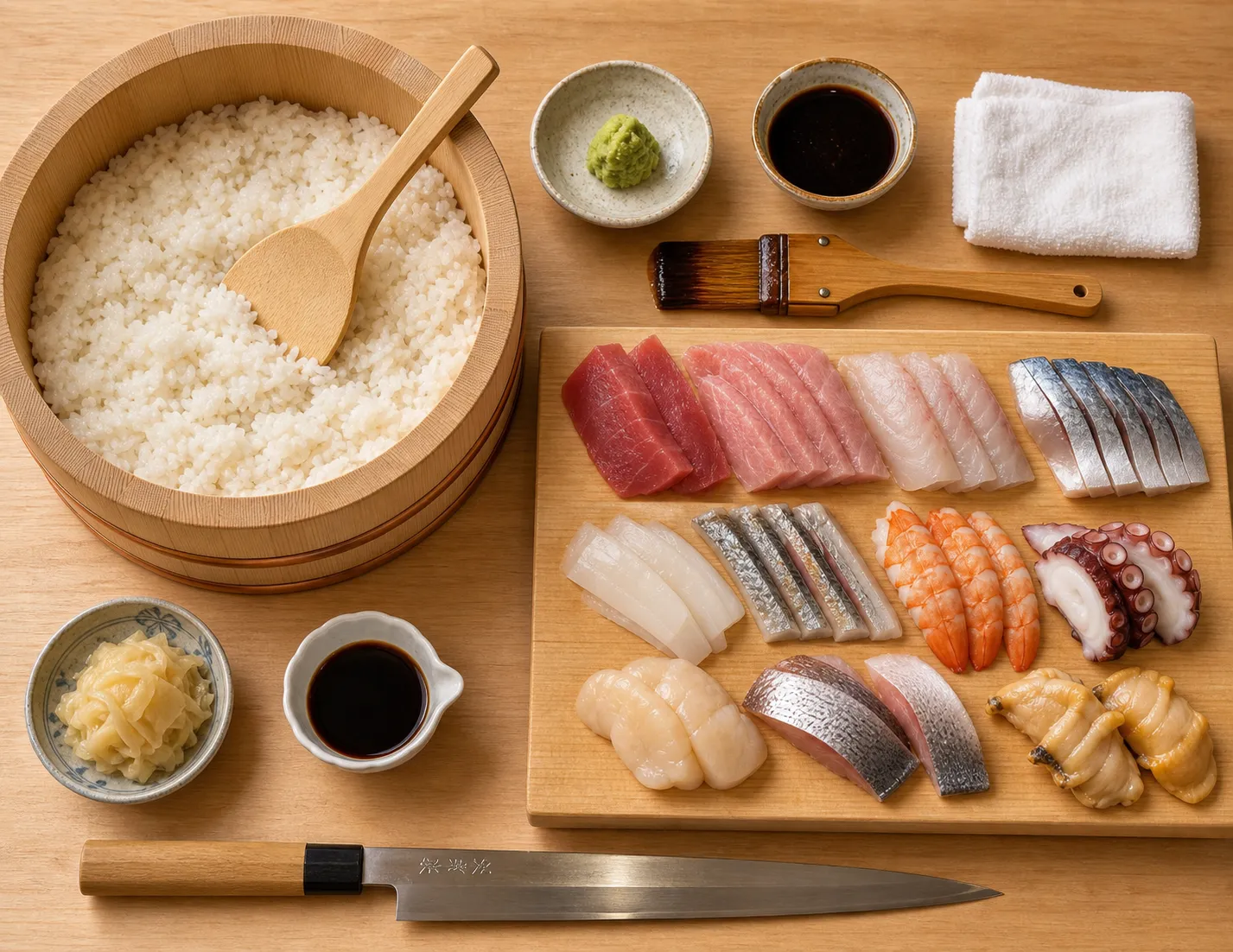
- Cook short-grain rice, then fold in seasoned vinegar (often red akazu vinegar, plus salt and a little sugar), fanning it to a glossy sheen and keeping it warm
- Prepare each topping the Edomae way — vinegar-cure the kohada, marinate lean tuna in soy for zuke, simmer anago until meltingly soft, blanch prawns, salt-and-vinegar the white fish
- Slice each topping to the right thickness and angle for its texture
- Take a small handful of warm rice, add a smear of wasabi, lay the topping on, and press it into shape with a few practiced strokes
- Brush cooked toppings with nikiri (a sweet soy glaze) so no dipping is needed, and serve each piece the moment it's made
Before you go — sit down and trust the chef
Your questions, answered honestly
"Isn't a proper sushi counter terrifying and expensive?" — It can be pricey, but it's far less scary than you think. Say omakase (chef's choice), eat what you're handed, and enjoy. Lunch sets at good shops are a fraction of dinner. You do not need to know anything — that's the whole point of letting the chef drive.
"Do I really eat it with my hands?" — For nigiri, yes, traditionally it's finger food and totally correct. Chopsticks are fine too. Either way, pick it up, turn it topping-side down, and eat it in one or two bites without over-thinking.
"Why did the chef tell me not to use soy sauce?" — Because he already seasoned it, usually with a brush of nikiri. On the pieces where you do dip, tilt the piece and touch the fish to the soy, never the rice — rice-first soaks up salt and falls apart. When in doubt, taste before you reach for anything.
"What's the one piece I shouldn't skip?" — The kohada (cured gizzard shad) or the anago (simmered conger eel). They're the soul of Edomae. If you only remember raw tuna afterwards, you kind of missed the point.
What the staff will ask you
| You'll hear | Romaji | Meaning | Just say |
|---|---|---|---|
| おまかせでよろしいですか? | Omakase de yoroshii desu ka? | "Chef's choice okay?" | Hai, onegaishimasu (yes please) |
| わさびは大丈夫ですか? | Wasabi wa daijōbu desu ka? | "Is wasabi okay?" | Hai (yes) / Sabi-nuki de (without) |
| 苦手なものはありますか? | Nigate na mono wa arimasu ka? | "Anything you can't eat?" | Iie, daijōbu desu (no, all fine) |
| お飲み物は? | Onomimono wa? | "Anything to drink?" | Ocha de (green tea) / biiru (beer) |
To order, just say "Omakase de onegaishimasu" (おまかせでお願いします) — "chef's choice, please."
Where to eat it
- Toyosu Market (Tokyo) — the modern home of the old Tsukiji fish market; the sushi counters here serve some of the freshest early-morning Edomae in the world.
- Tsukiji Outer Market (Tokyo) — the market moved but the outer market stayed, and it's still packed with casual, excellent sushi spots for a lower-stress introduction.
- Ginza (Tokyo) — the historic heart of high-end Edomae sushi, from legendary counters to more approachable second-floor shops. Lunch is the smart move here.
- Any old-school neighborhood sushi-ya with a wooden counter and a queue of regulars — trust the locals.
Top counters take reservations and prices swing enormously between lunch and dinner, so check ahead and confirm before you sit down.
Soul Score
Local Roots5/5
First-Timer Friendly3/5
Adventure Level4/5
Comfort Level4/5
Travel Worthy5/5
These scores are one obsessed eater's gut feeling — not a verdict. A low number isn't a bad mark, just a different kind of adventure.
Know someone planning Japan?
← All Articles
Japanese Food · Tokyo
Still hungry?
Eat more from Tokyo
Sweets & SnacksTokyo
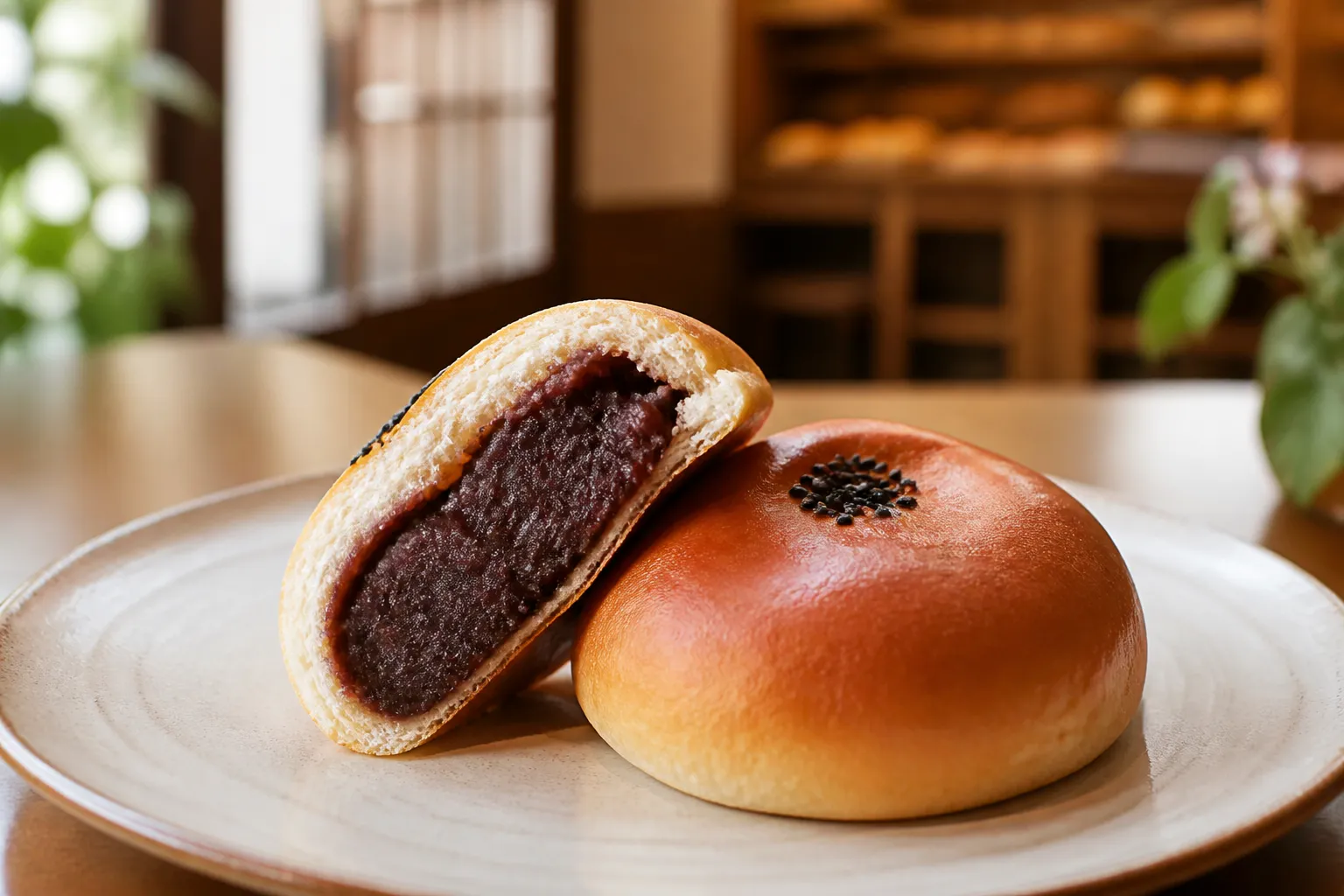
Anpan (あんパン)
A soft little bun, one bite in, and suddenly it's dense, dark, sweet red bean all the way through — the bread that talked 1870s Japan into eating Western-style bread at all.
July 27, 2026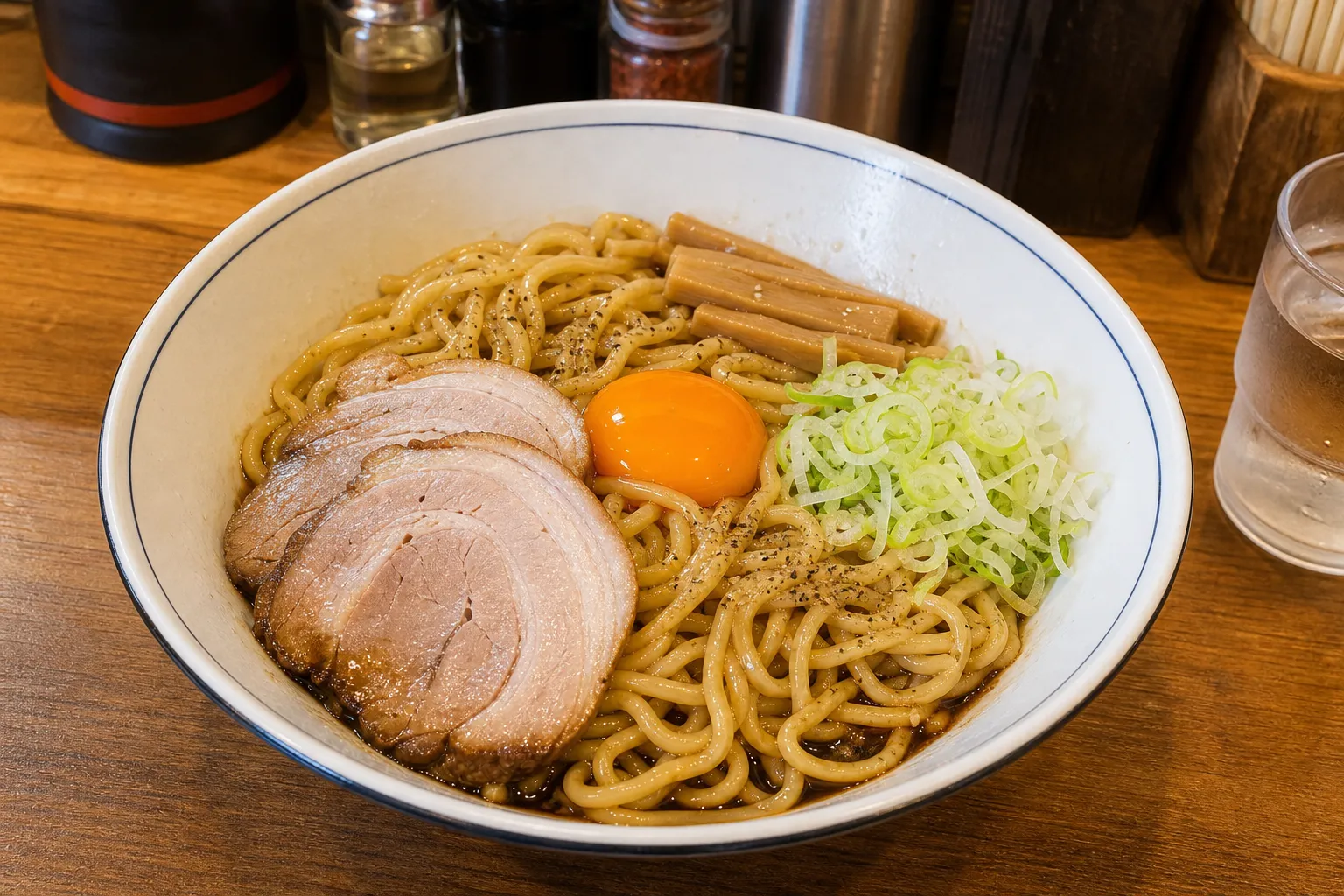
Local FoodTokyo
Abura Soba (油そば)
No soup. Just noodles, a hidden pool of tare and oil at the bottom of the bowl, and thirty seconds of frantic mixing that turns it into one of Tokyo's most addictive cheap thrills.
July 9, 2026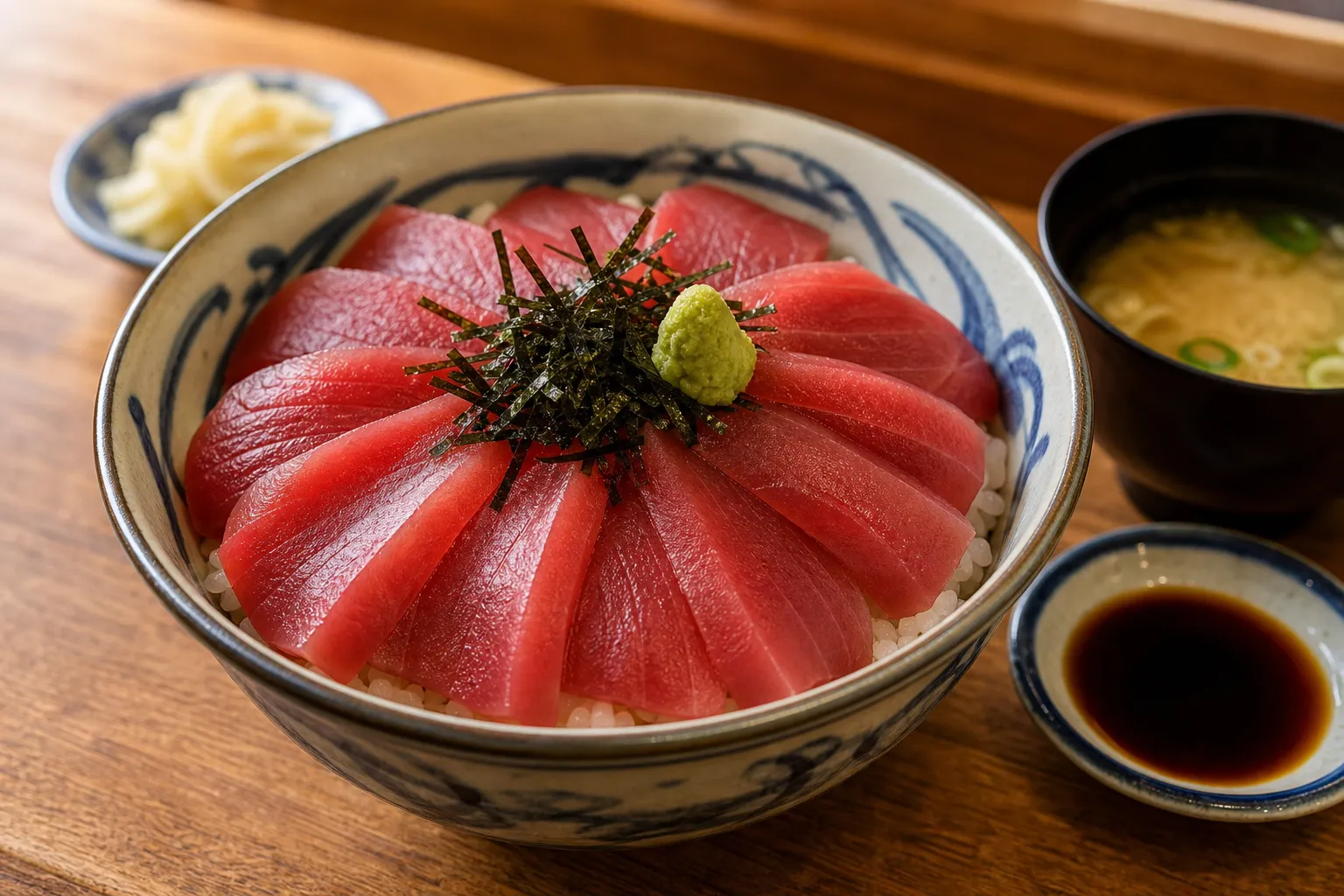
Japanese FoodTokyo
Tekkadon (鉄火丼)
Cold slices of lean tuna over warm vinegared rice, a hit of wasabi, a splash of soy — nothing else, and it needs nothing else. Born in gambling dens for players who wanted one clean, one-handed bite of pure tuna joy.
July 9, 2026