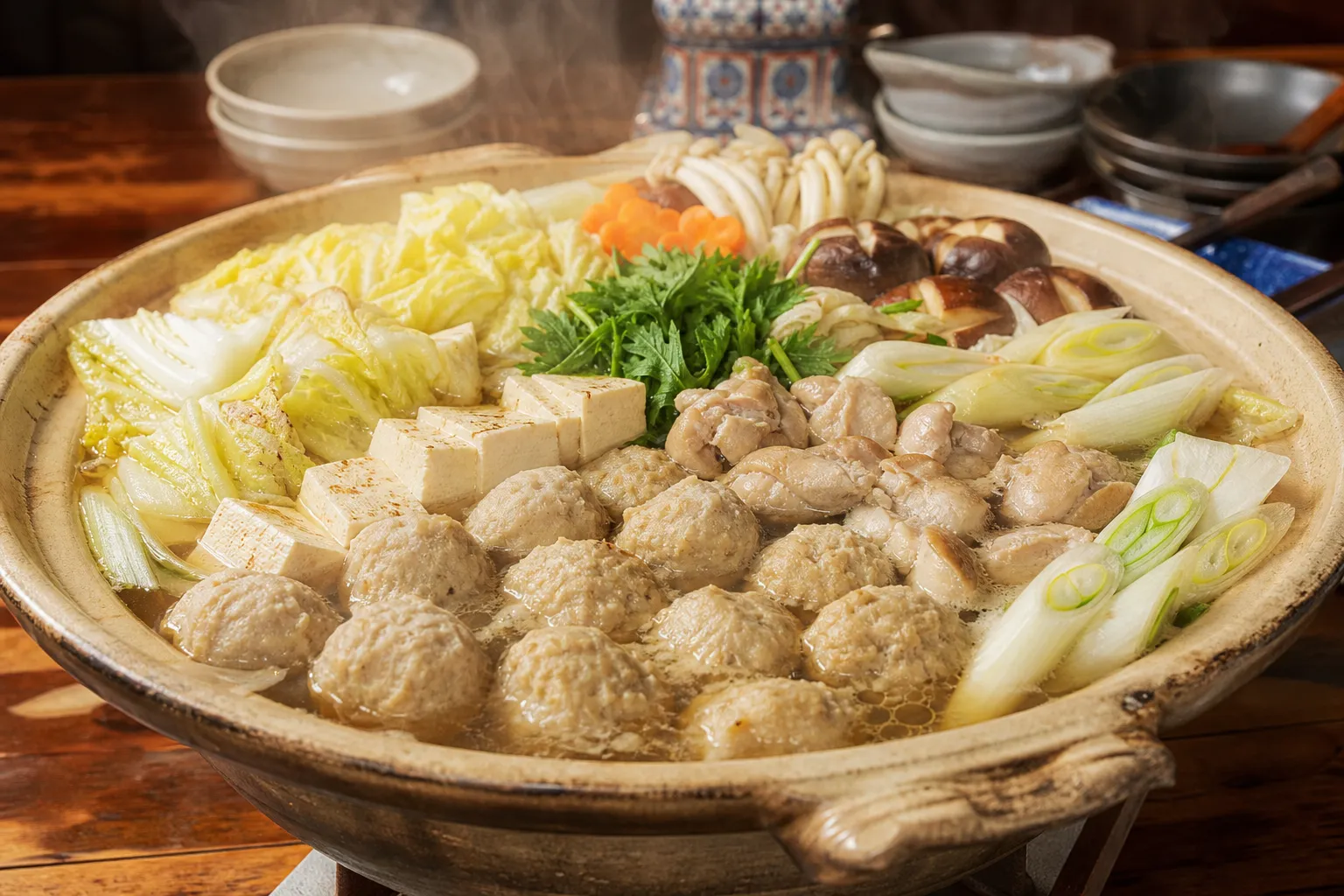
The pot they carried over was the size of a car tire. I looked at it, then at the two of us at the table, then back at the pot, and genuinely asked if there had been a mistake. There had not. This was one order. And forty minutes later we had, against all reason, nearly finished it — because that's the trap of a good chanko-nabe: it looks like a challenge and eats like a warm hug you can't stop hugging.
Share this dish


The pot that lands on your table is so absurdly loaded you assume it's a mistake, that it was meant for a table of six — and then you realize, no, this is what sumo wrestlers eat to become the size of a small car.
🍜 Planning a food trip to Tokyo?Add this dish to my Food Trip →
 Add this dish to my Food Trip →
Here's what it actually is: chanko-nabe (ちゃんこ鍋) is the communal hot pot eaten in sumo stables — the training houses where wrestlers live and train. "Chanko" really refers to any food cooked in a sumo stable, but the nabe is the icon: chicken meatballs (tsukune), pieces of chicken, tofu, and an almost comical volume of vegetables, all simmered together in a rich, savory broth. It's not a delicate single-ingredient pot. It's abundance as a design principle — the whole point is to feed enormous, hardworking people generously, and to feed them together, out of one shared pot, as a team.
Why sumo wrestlers built a dish around one enormous pot
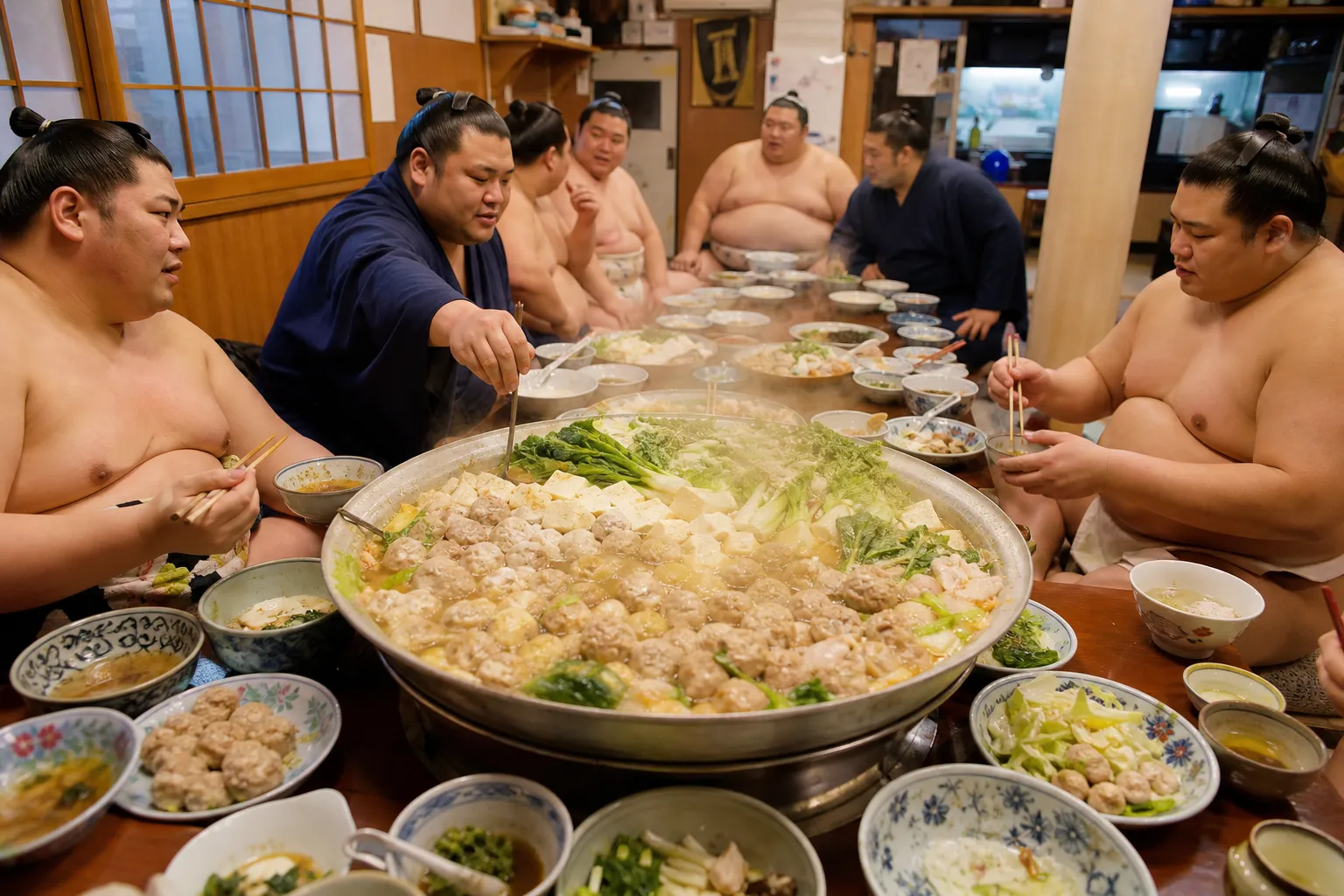
There's a lovely bit of superstition baked into chanko. Traditionally, the stable's main pot uses chicken as the protein — and the reasoning is pure sumo. A chicken stands on two legs, like a wrestler; a four-legged animal touching the ground with all fours is bad luck, because in sumo, touching the ground with anything other than your feet means you've lost. I find this deeply charming. A dish shaped not by nutrition science but by a wrestler's refusal to eat anything that reminds him of defeat.
The communal aspect is the other half of the soul. In a sumo stable, everyone eats from the same pot in strict order — the senior wrestlers first, the juniors serving and eating last. The nabe isn't just fuel; it's the daily ritual that holds the whole hierarchy and brotherhood together. When a wrestler retires, a very common second career is opening a chanko restaurant, which is why the Ryogoku neighborhood around Tokyo's sumo arena is packed with them, many with a former wrestler's giant handprint framed on the wall. Eating chanko there isn't a theme-restaurant gimmick. It's the actual food, cooked by the actual people.
What makes the eating experience different
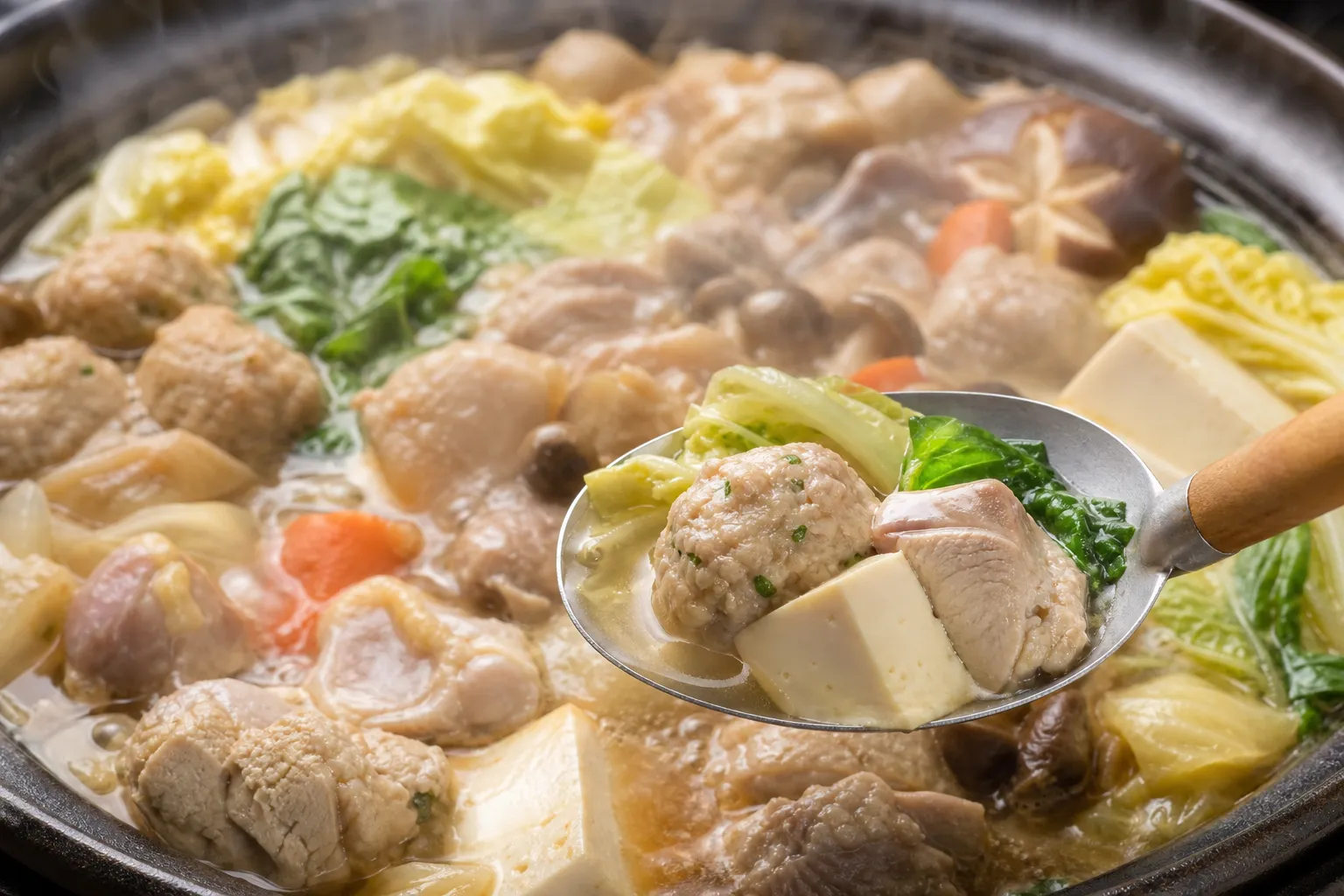
- A large shared pot is set over a burner at your table, filled with savory broth — often a chicken- or dashi-based soy broth, though miso and salt versions are common too
- Chicken meatballs (tsukune), chunks of chicken, tofu, and a huge variety of vegetables — cabbage, negi, mushrooms, greens — go in together
- Everything simmers in front of you; you ladle out portions into your own small bowl as things cook
- You eat in waves, topping the pot up and letting it keep going — it's slow, social, and built for conversation
- At the end, the broth is now loaded with the flavor of everything that cooked in it, so you finish with shime — rice or noodles dropped into the remaining soup to soak it all up
How it's made
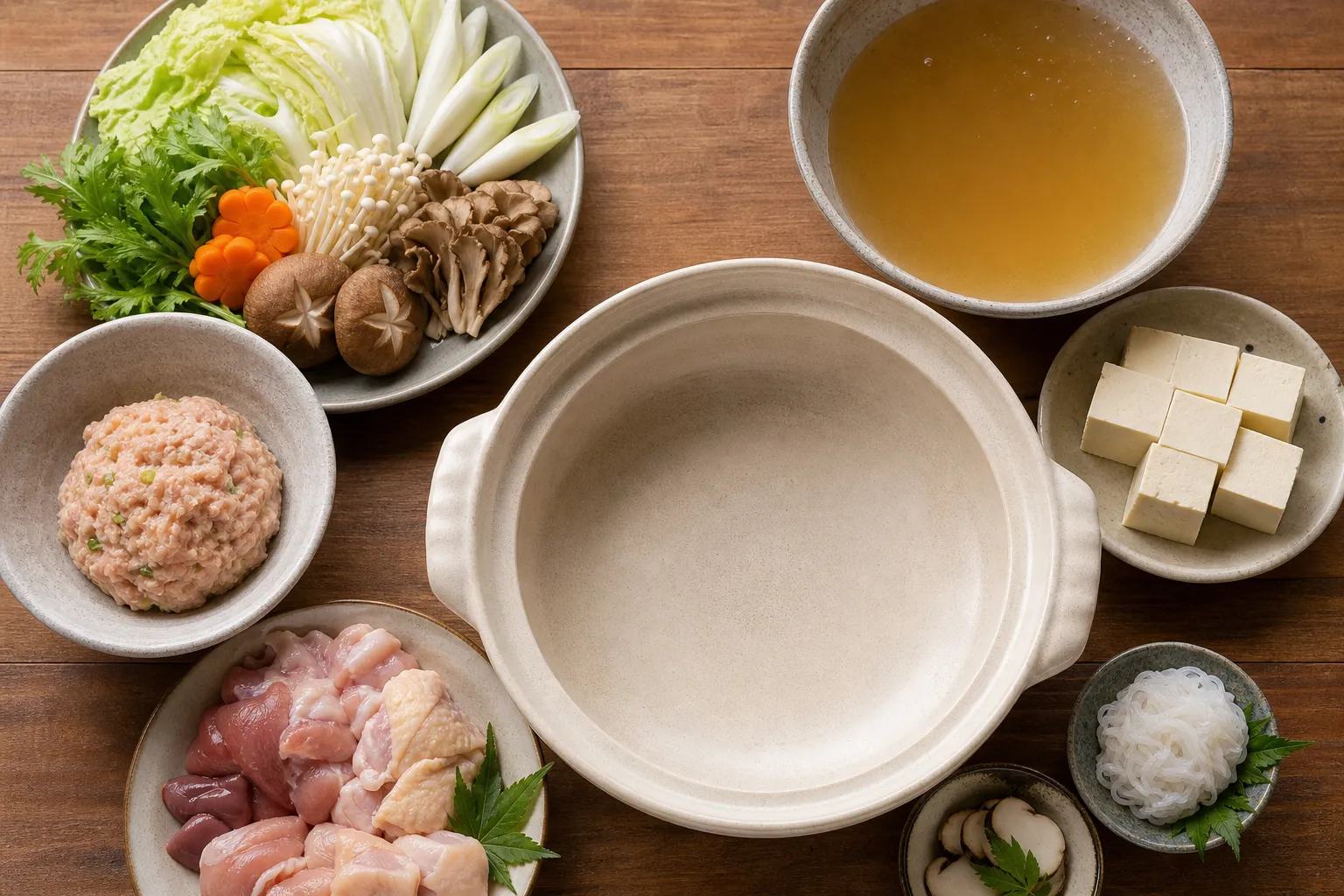
Behind all that abundance is a genuinely simple method — which is the whole point, because a sumo stable has to turn this out for a room full of wrestlers every single day.
- Set a big pot of broth going. Most stables build it on chicken and dashi, seasoned toward soy, salt, or miso; it's meant to be generous and deeply savory, never delicate.
- Roll the tsukune. Ground chicken is worked with negi, ginger, and seasoning and shaped into meatballs by hand — often dropped straight into the simmering broth so they cook in it and flavor it at the same time.
- Load the pot. Chicken, tofu, and a frankly unreasonable volume of vegetables — napa cabbage, negi, mushrooms, leafy greens — pile in around the meatballs.
- Simmer, serve, and keep feeding it. It cooks over the burner in front of you; portions get ladled out as more ingredients top the pot back up, so it never really "finishes" until the appetites do.
- End with shime. Rice or noodles go into the leftover broth, now loaded with everything that simmered in it — the best bite of the meal, not an afterthought.
I've tried to recreate a chanko pot at home on a cold night. It was good. It was not this — turns out "cook enough for six wrestlers and share it out of one pot" is load-bearing.
Before you go — come hungry, come together
Your questions, answered honestly
"Do I have to be into sumo to enjoy this?" — Not even slightly. Chanko is just a genuinely great, generous hot pot that happens to have a sumo backstory. But eating it in Ryogoku, in a shop run by a retired wrestler, near the arena where they actually compete — that context makes an already good meal unforgettable. Lean into it.
"Is it spicy?" — The classic version isn't spicy at all — it's savory, warming, homey. Some shops offer a spicy miso or kimchi-style chanko if you want heat, but the traditional soy or salt broth is all comfort.
"Can I eat it solo?" — You can, and many shops will accommodate one person, but chanko is spiritually and practically a shared dish. It's built for a group around one pot. If you're traveling alone, it's honestly worth teaming up with someone for this one.
"What do I do at the end — is that soup just left over?" — Do not abandon the broth. That's rookie behavior. Order the shime (rice or noodles) to finish in the pot. After everything has simmered in it, that soup is the best part of the entire meal. Skipping it is the one real mistake you can make.
What the staff will ask you
| You'll hear | Romaji | Meaning | Just say |
|---|---|---|---|
| 何名様ですか? | Nan-mei sama desu ka? | "How many people?" | Futari desu (two people) — or hold up fingers |
| スープはどれになさいますか? | Sūpu wa dore ni nasaimasu ka? | "Which broth would you like?" | Osusume wa dore desu ka (which do you recommend?) |
| 〆はご飯と麺どちらにしますか? | Shime wa gohan to men dochira ni shimasu ka? | "For the finish — rice or noodles?" | Gohan de onegaishimasu (rice, please) |
To order, just say "Chanko-nabe o kudasai" (ちゃんこ鍋をください) — "Chanko hot pot, please."
Where to eat it
- Ryogoku, Tokyo — the sumo district, right by the Kokugikan arena, is the heart of chanko culture; the streets here are lined with chanko restaurants, a good number opened and run by retired wrestlers.
- Chanko-ya (chanko specialists) around Ryogoku Station — several long-running specialist shops sit within a short walk of the station and the arena, and are set up for both groups and, often, solo diners.
- During a sumo tournament (basho) — if you're in Tokyo when a Ryogoku tournament is on, the whole neighborhood is alive with it; eating chanko that day is a full experience.
Shops, broths, and prices vary from place to place, and popular chanko restaurants can book up during tournaments — check current details and consider reserving before you go.
Soul Score
Local Roots5/5
First-Timer Friendly5/5
Adventure Level3/5
Comfort Level5/5
Travel Worthy4/5
These scores are one obsessed eater's gut feeling — not a verdict. A low number isn't a bad mark, just a different kind of adventure.
Know someone planning Japan?
← All Articles
Local Food · Ryogoku, Tokyo
Still hungry?
Eat more from Tokyo
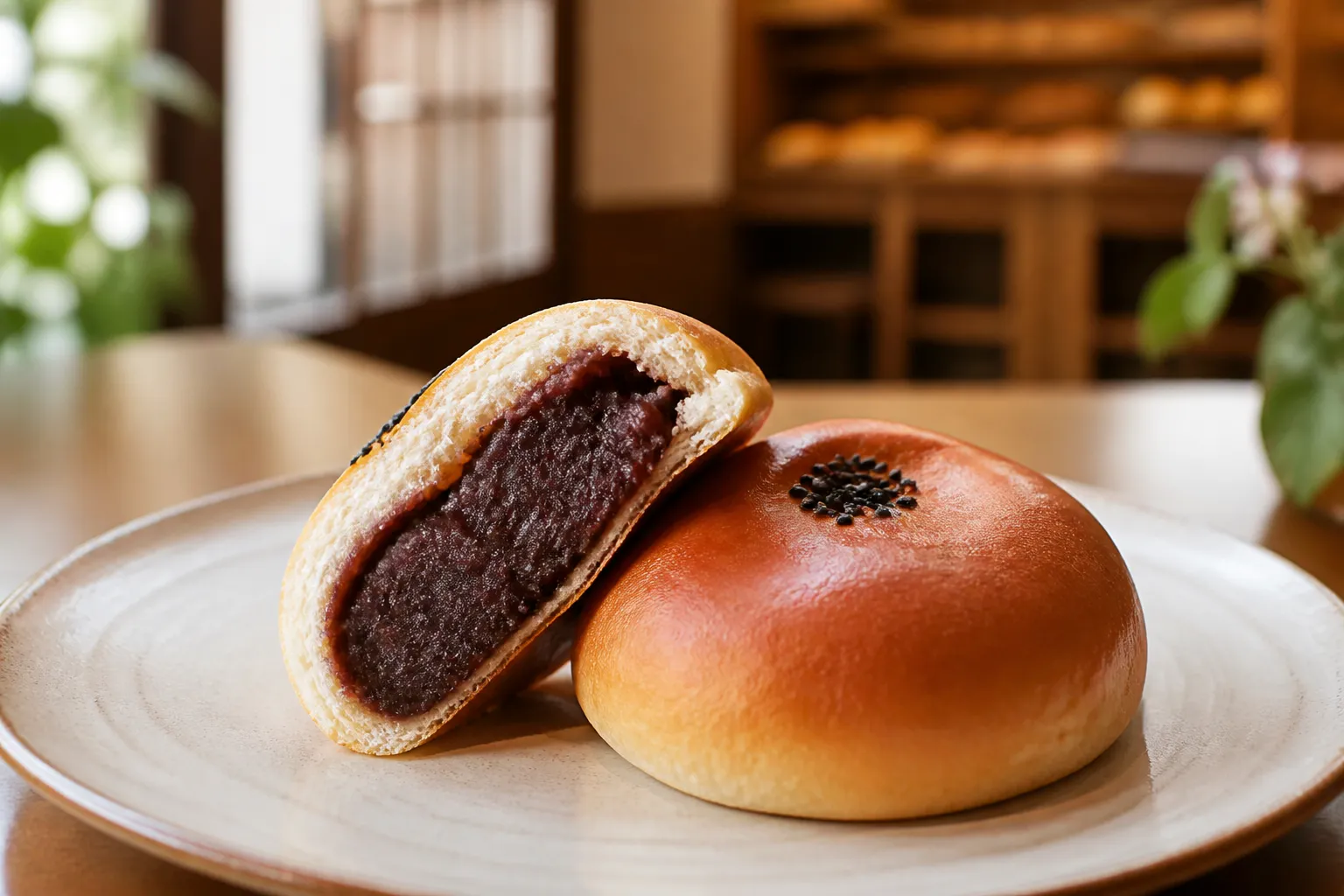
Sweets & SnacksTokyo
Anpan (あんパン)
A soft little bun, one bite in, and suddenly it's dense, dark, sweet red bean all the way through — the bread that talked 1870s Japan into eating Western-style bread at all.
July 27, 2026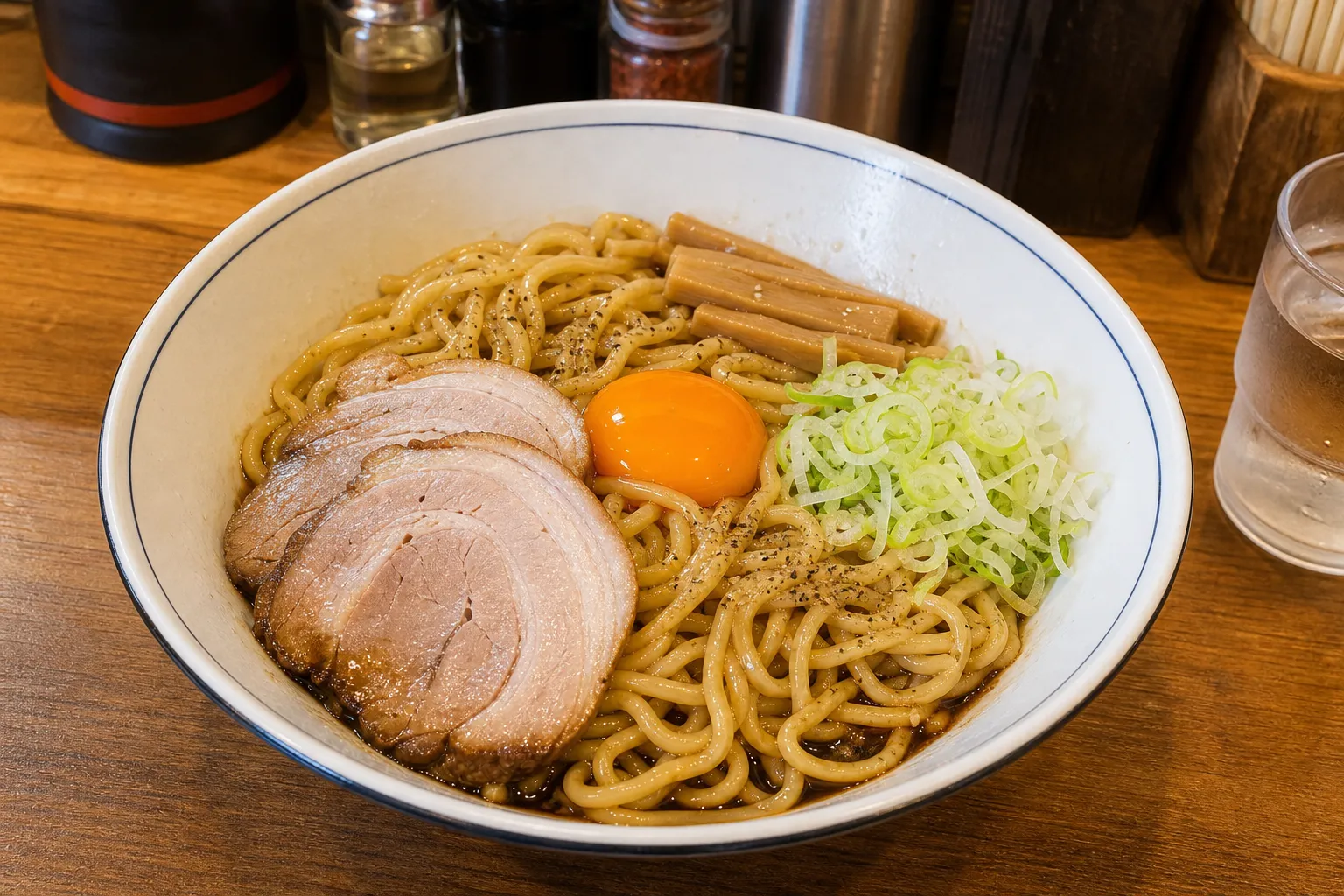
Local FoodTokyo
Abura Soba (油そば)
No soup. Just noodles, a hidden pool of tare and oil at the bottom of the bowl, and thirty seconds of frantic mixing that turns it into one of Tokyo's most addictive cheap thrills.
July 9, 2026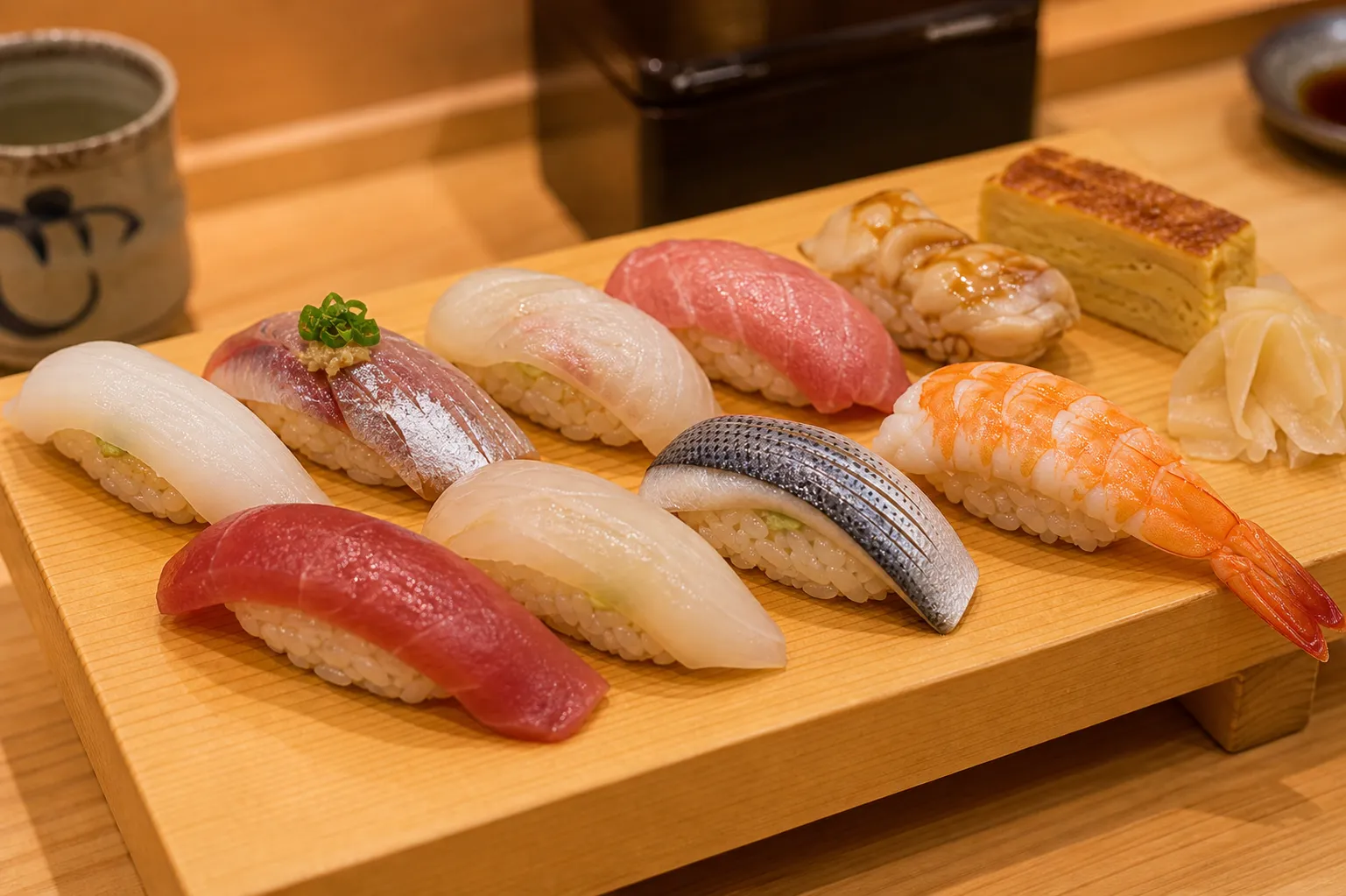
Japanese FoodTokyo
Edomae-zushi (江戸前寿司)
The original Tokyo nigiri, born before refrigerators existed — cured, marinated, simmered by hand, then pressed onto warm rice in a single confident motion. This is where sushi actually comes from, and it's a craft, not a slab of raw fish.
July 9, 2026