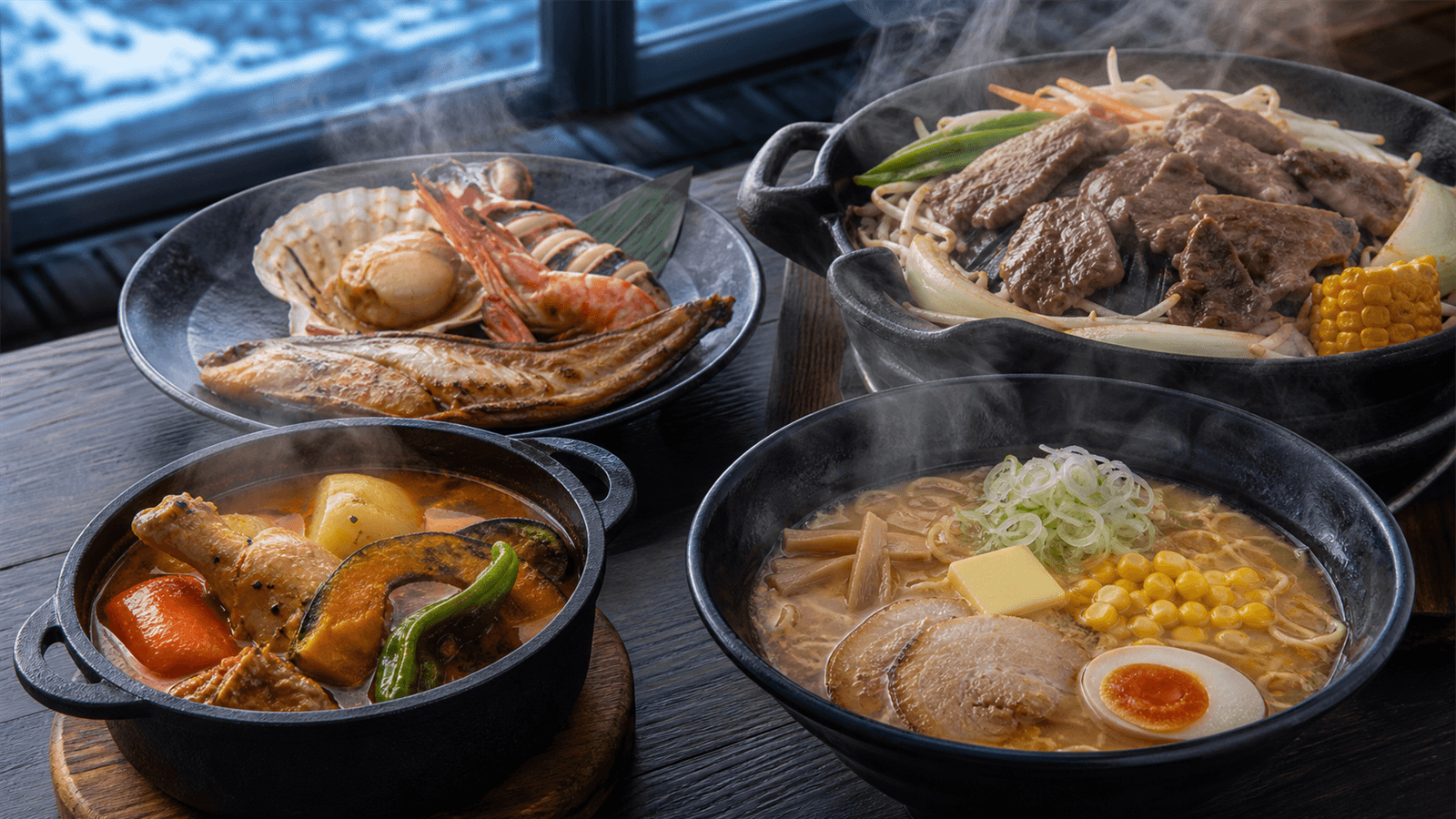
Hokkaido is one of Japan's best food regions, especially for ramen, dairy, fried chicken, seafood, and cold-weather comfort food. From Sapporo's miso ramen to soup curry and rich soft cream, the island rewards eating simply and warmly.
You do not need a perfect restaurant list to enjoy it. Start with warm, easy foods and regional classics, then add a stop or two as you go. This guide is an entry point, not a live restaurant database: it does not rank shops or list current opening hours, reservations, or stock.
Quick answer: what should I eat first?
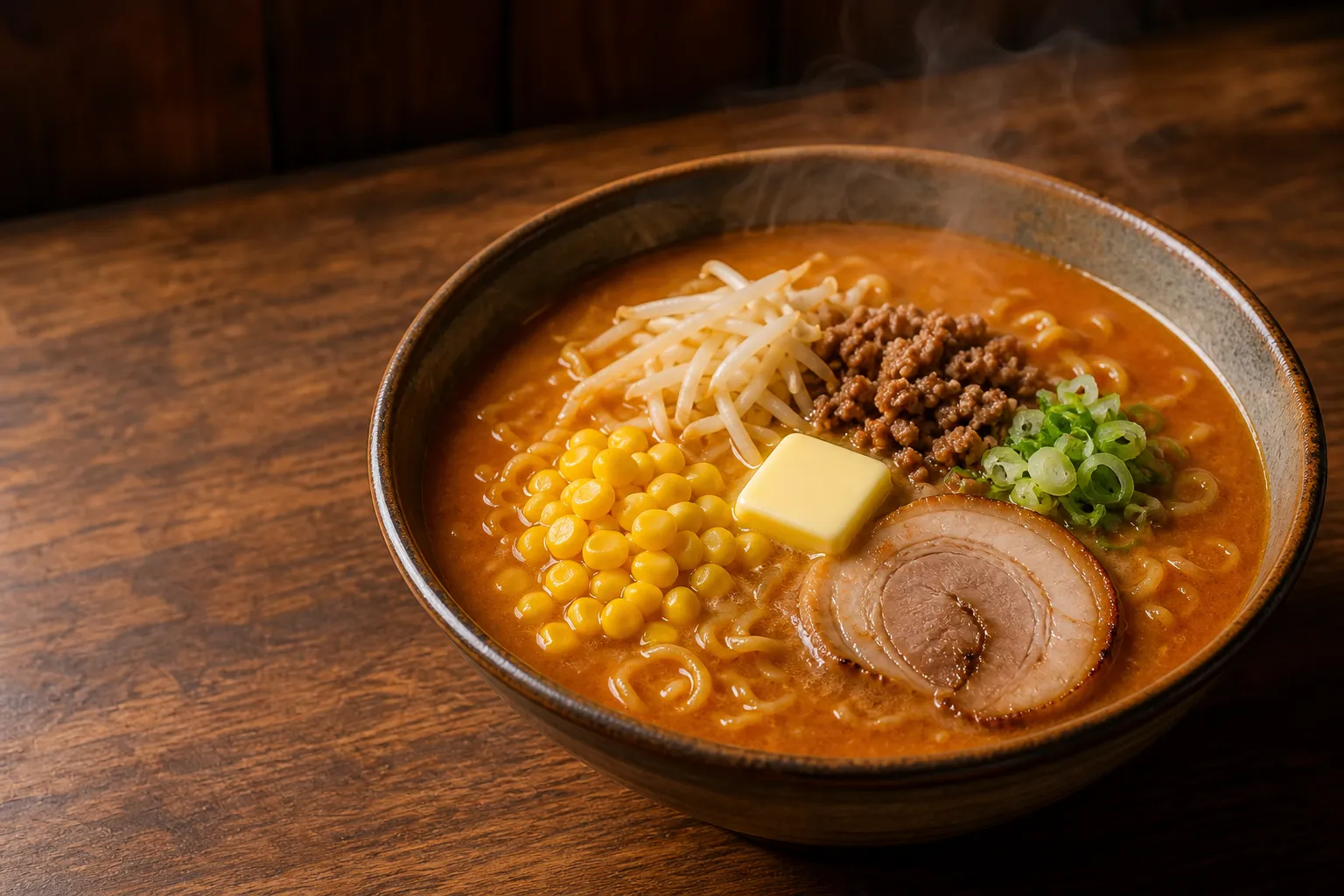
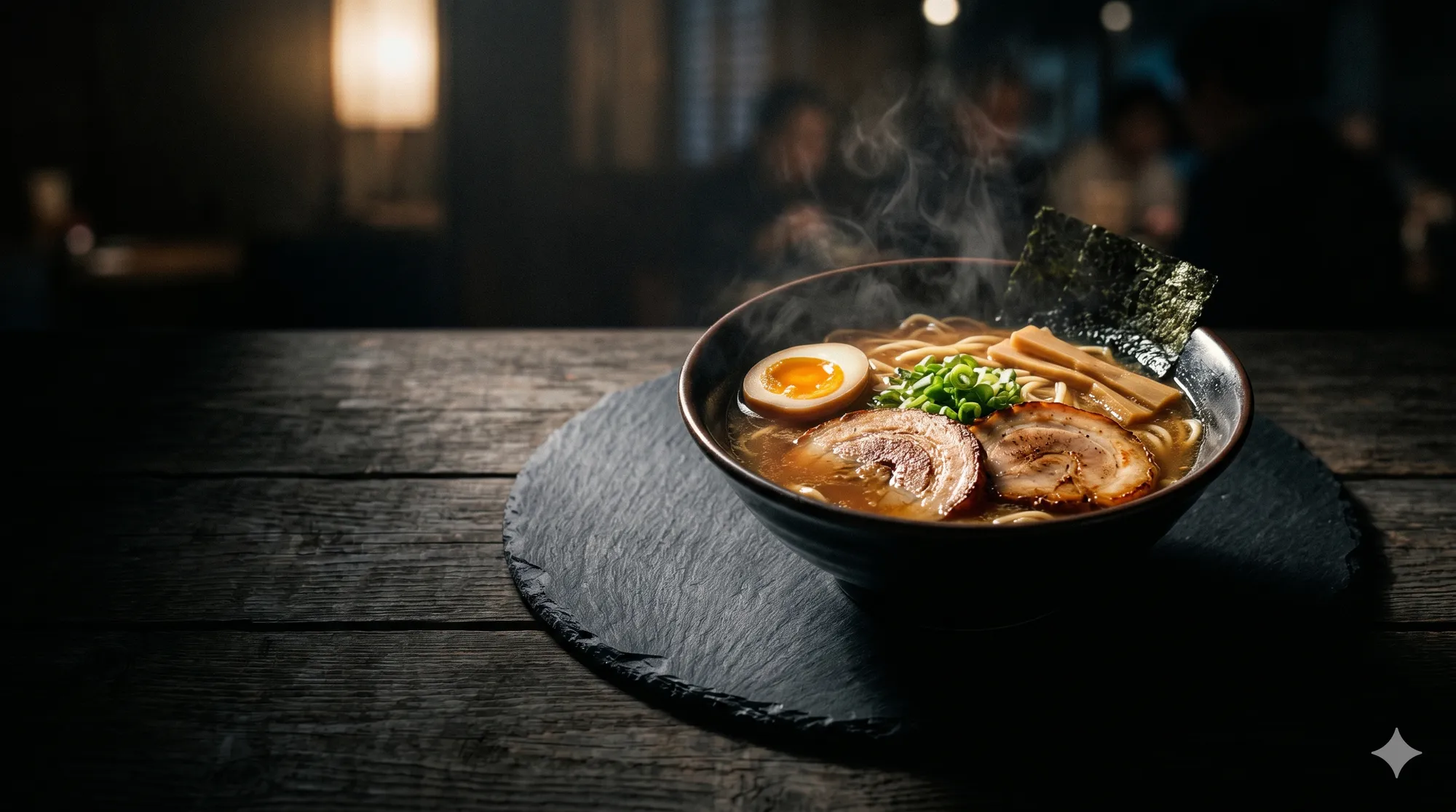
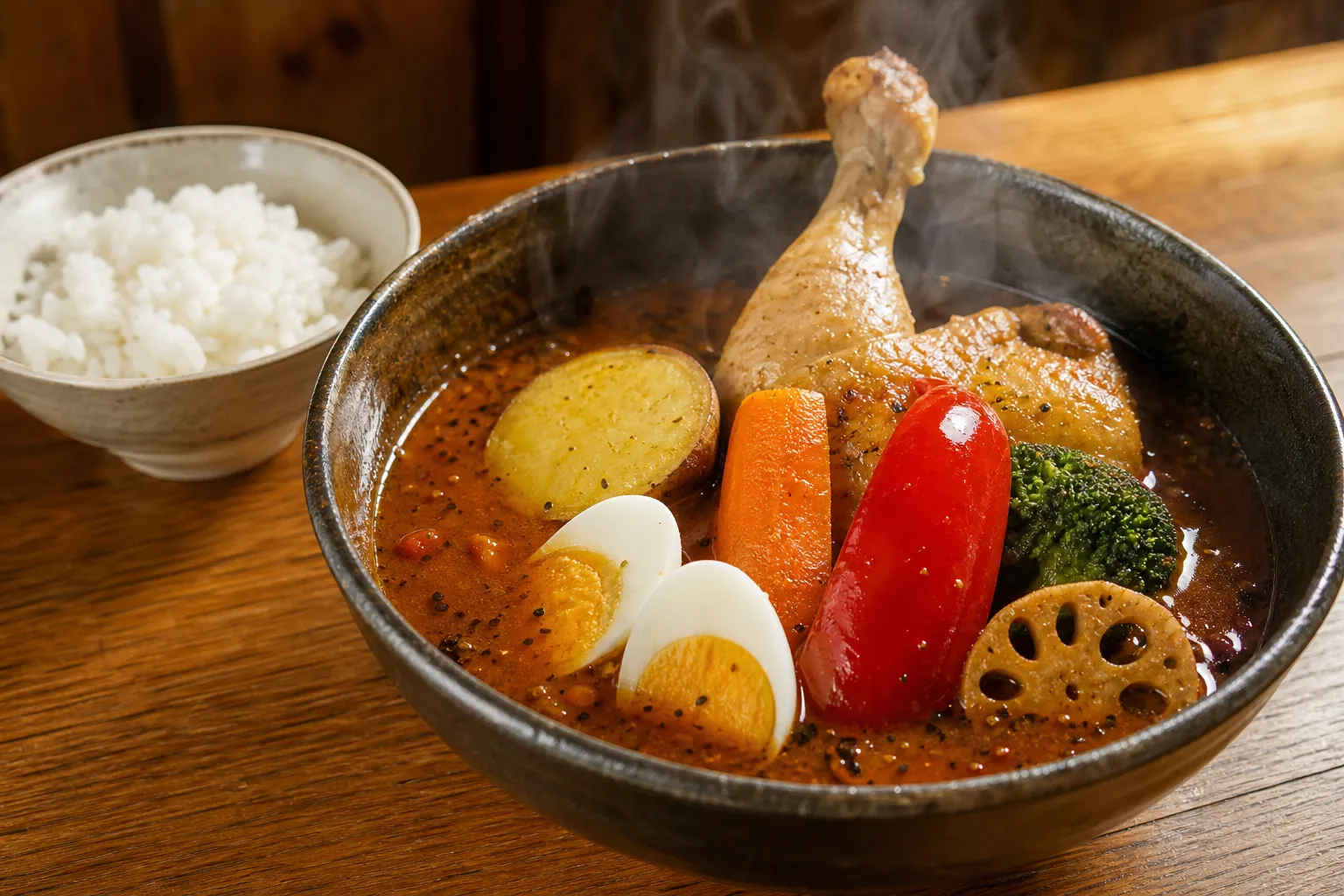
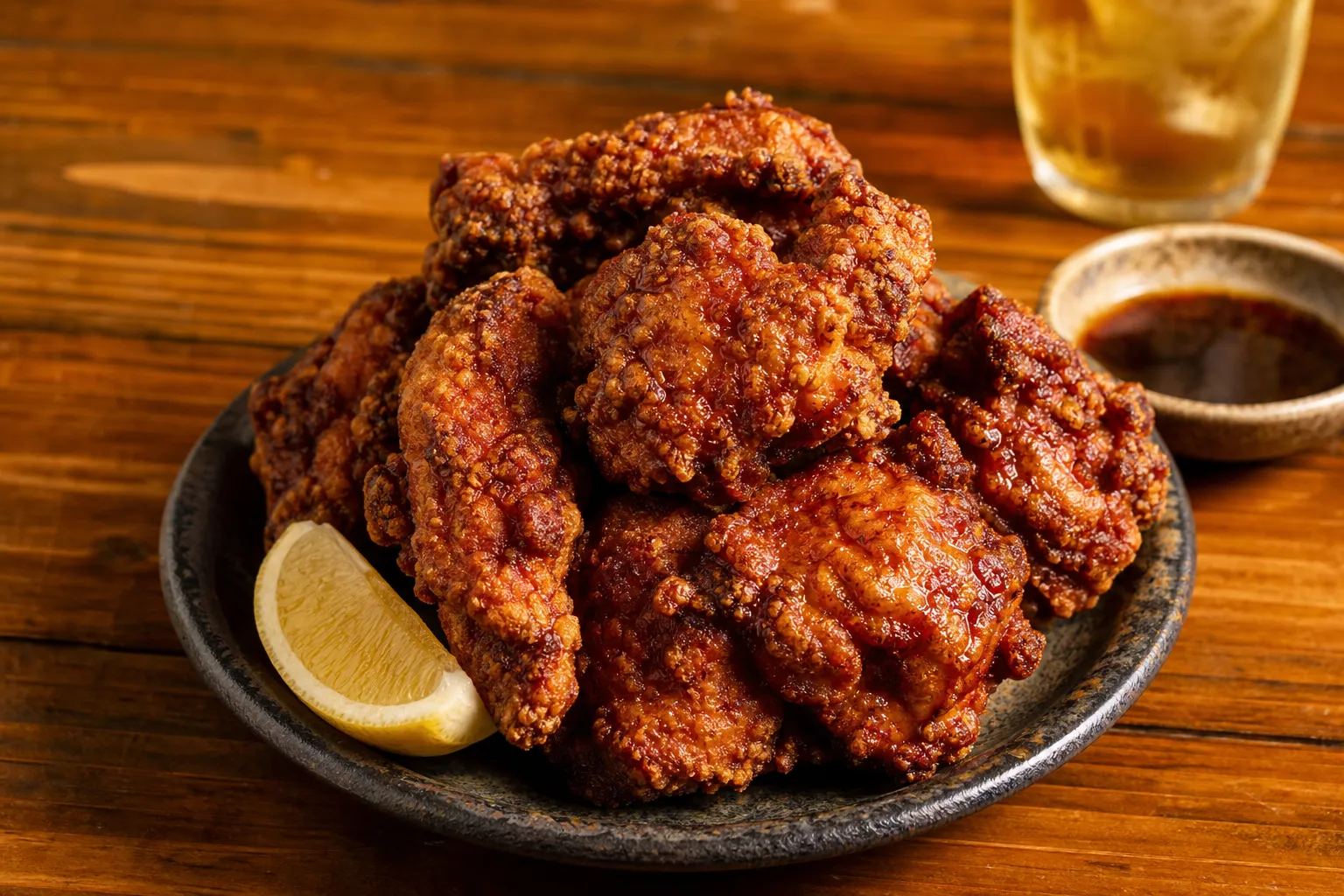
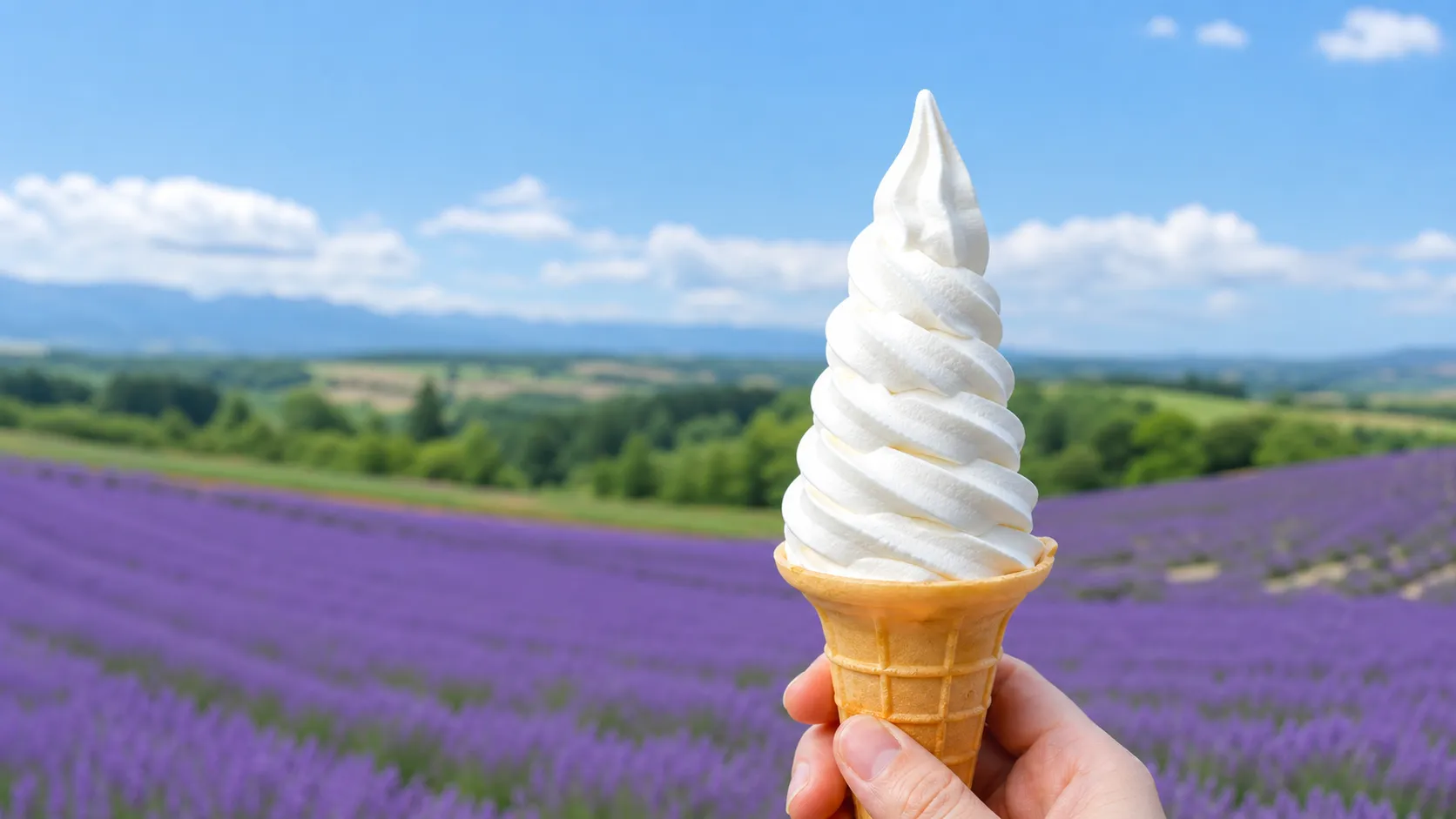
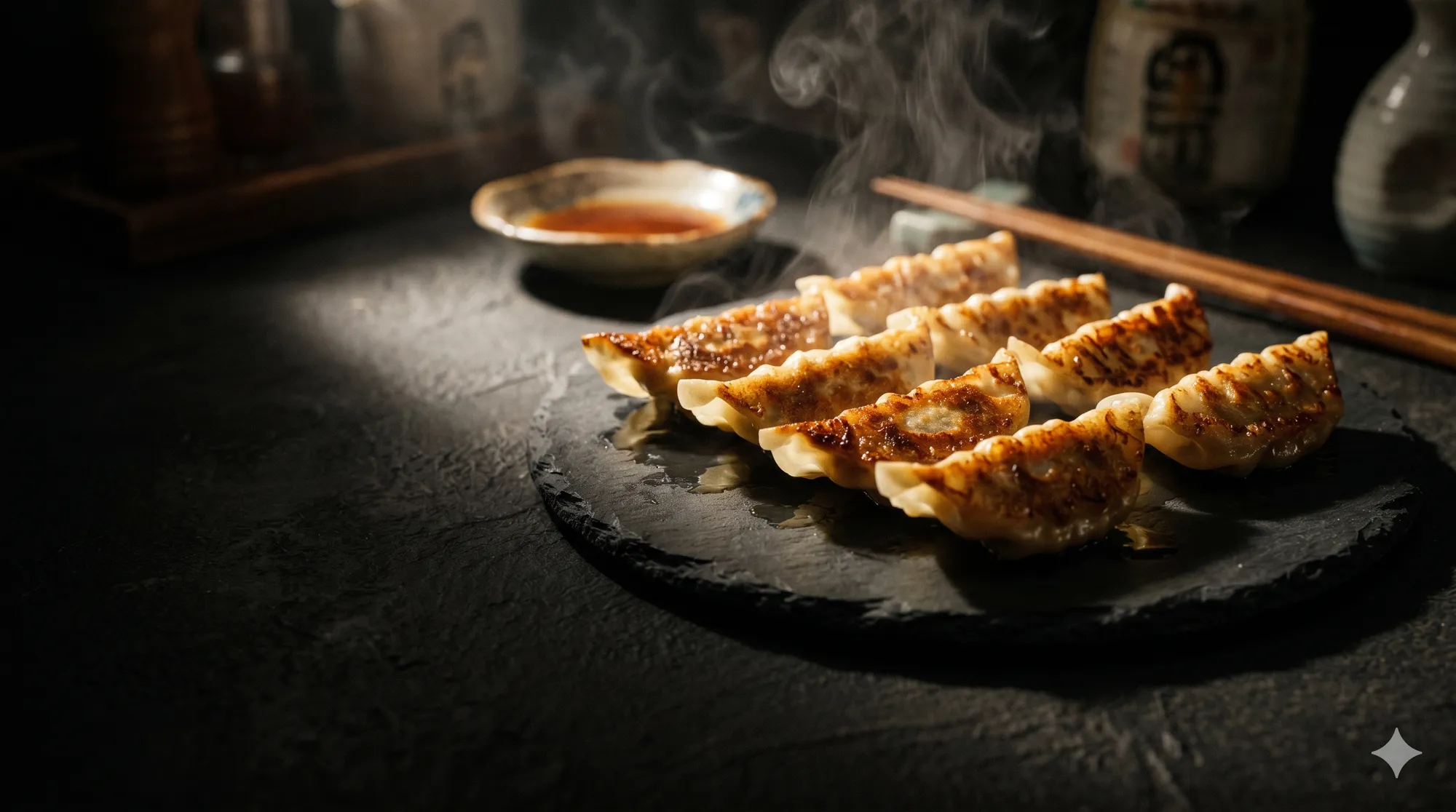
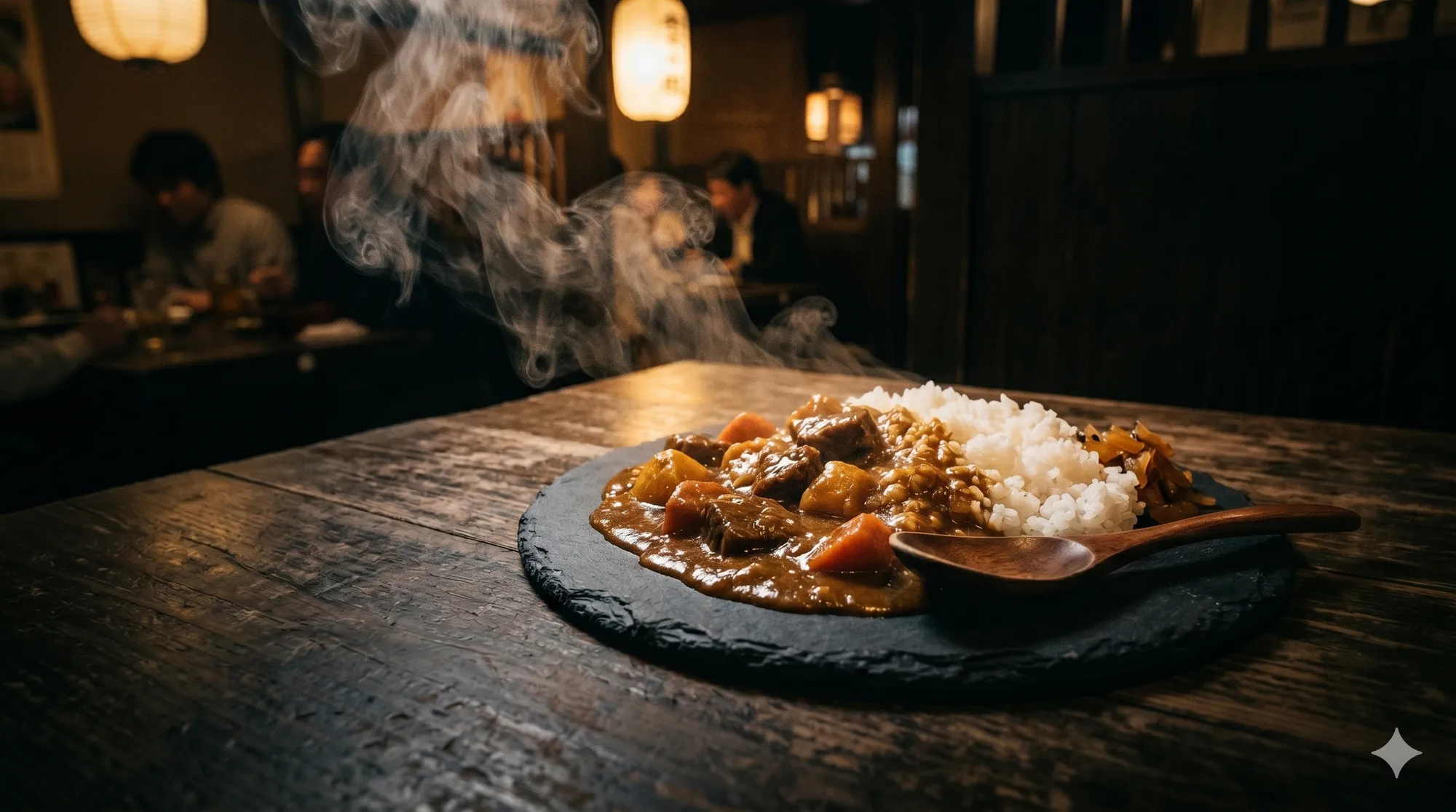
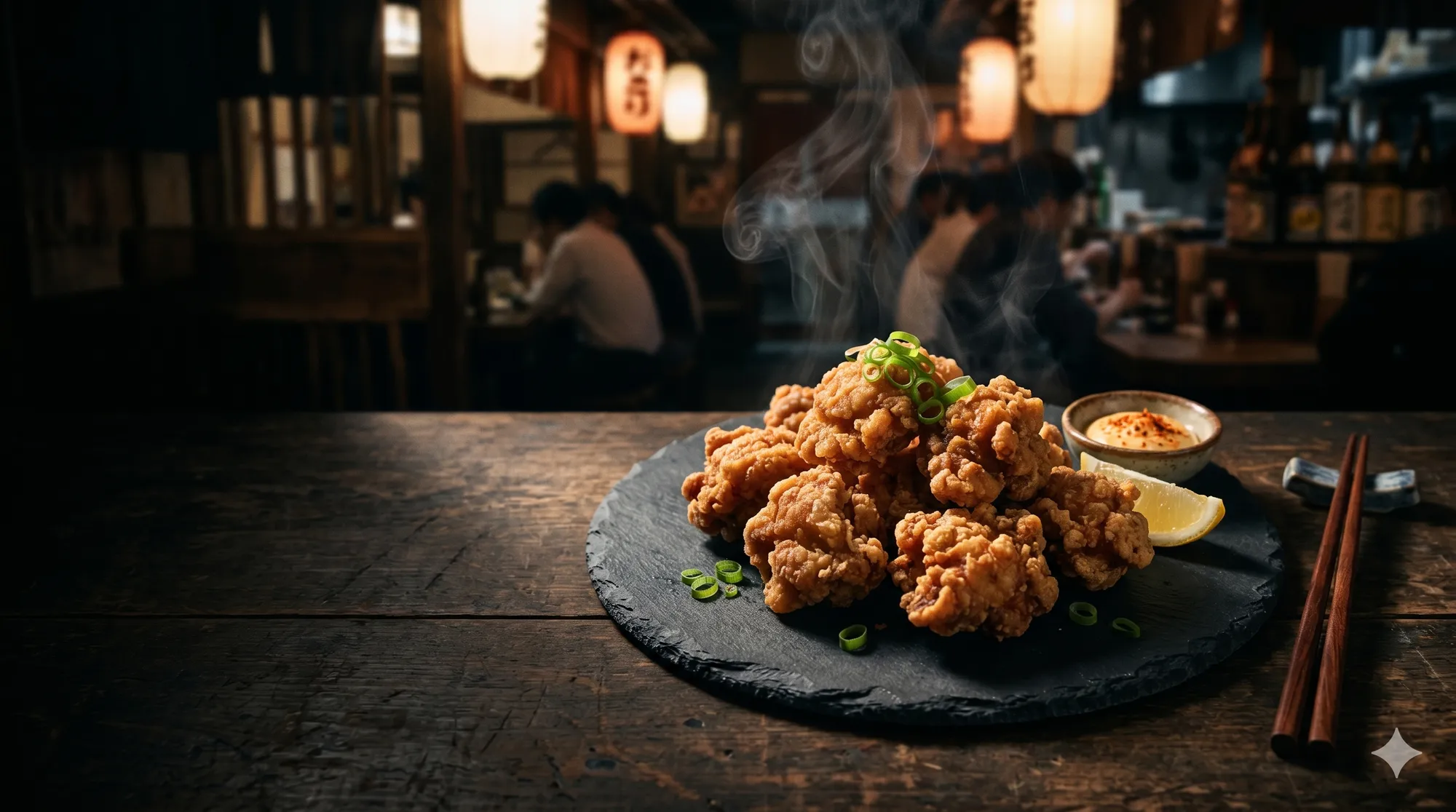
For a first Hokkaido food day, start with miso ramen (Sapporo's signature bowl), soup curry, and zangi (Hokkaido-style fried chicken). Save room for the island's famously rich soft cream, and add ramen, gyoza, curry rice, karaage, soba, or udon for warm, easy meals.
Good starting areas include:
- Sapporo for miso ramen, soup curry, izakaya food, sweets, and winter comfort meals
- New Chitose Airport for a first or last Hokkaido meal — ramen, sweets, bento, and souvenir snacks
- Otaru for seafood, sweets, and relaxed canal-side snacking
- Hakodate for morning markets, port-town food, and ramen
- Asahikawa for ramen and cold-weather meals
- Niseko / Hirafu for warm meals after skiing, ramen, curry, izakaya food, and higher-budget resort dining
| Eating style | Rough budget |
|---|---|
| Quick snack | about ¥300–800 |
| Simple meal | about ¥800–1,800 |
| Casual food crawl | about ¥2,500–5,000 |
Prices are approximate and vary by portion, area, and restaurant. Winter resort areas such as Niseko may be more expensive.
Best areas to start
Sapporo
The main city is good for miso ramen, soup curry, izakaya-style food, sweets, and winter comfort meals. Use it as a base and explore a compact area on foot rather than chasing a single ranked shop.
New Chitose Airport
The airport is a surprisingly good first or last Hokkaido meal — ramen, sweets, bento, and souvenir snacks in one place, useful when you are short on time.
Otaru
The canal town is good for seafood, sweets, and relaxed sightseeing food. Look before you order, since prices and crowds vary by stall and season.
Hakodate
The port city is known for its morning markets, classic port-town food, and ramen. Markets are daytime-focused, so plan food around opening hours.
Asahikawa
Inland Asahikawa is a good stop for ramen and warming, cold-weather meals.
Niseko / Hirafu
The ski areas suit travelers who want warm meals after skiing — ramen, curry, izakaya food, and higher-budget resort dining with more international menus.
Winter food notes
Hokkaido food feels especially good in winter. Warm ramen, soup curry, udon, soba, and fried foods are easy choices after cold sightseeing or a day on the slopes.
Resort areas such as Niseko may have higher prices and more international menus than the rest of the island, so budget a little extra there.
If you do not eat raw fish
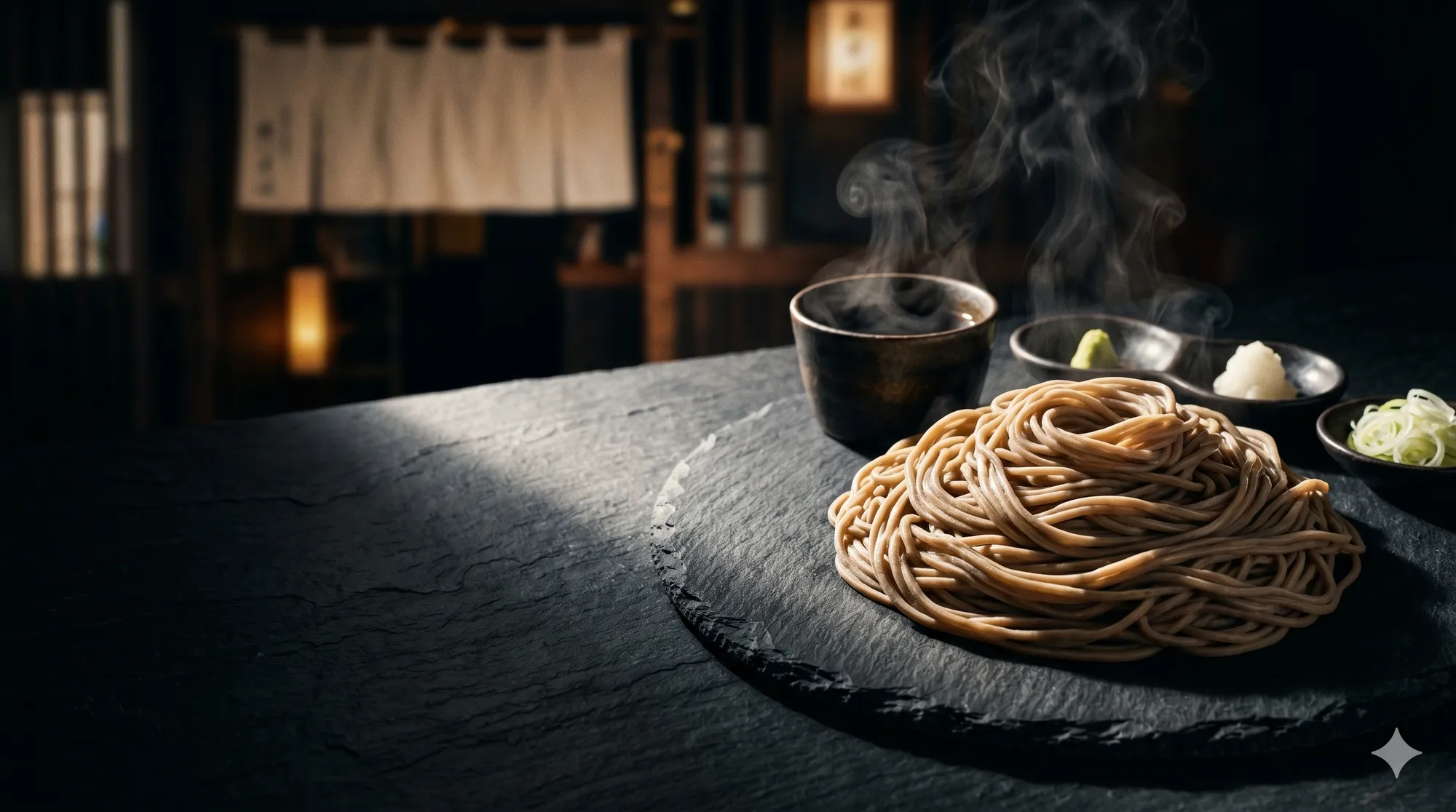
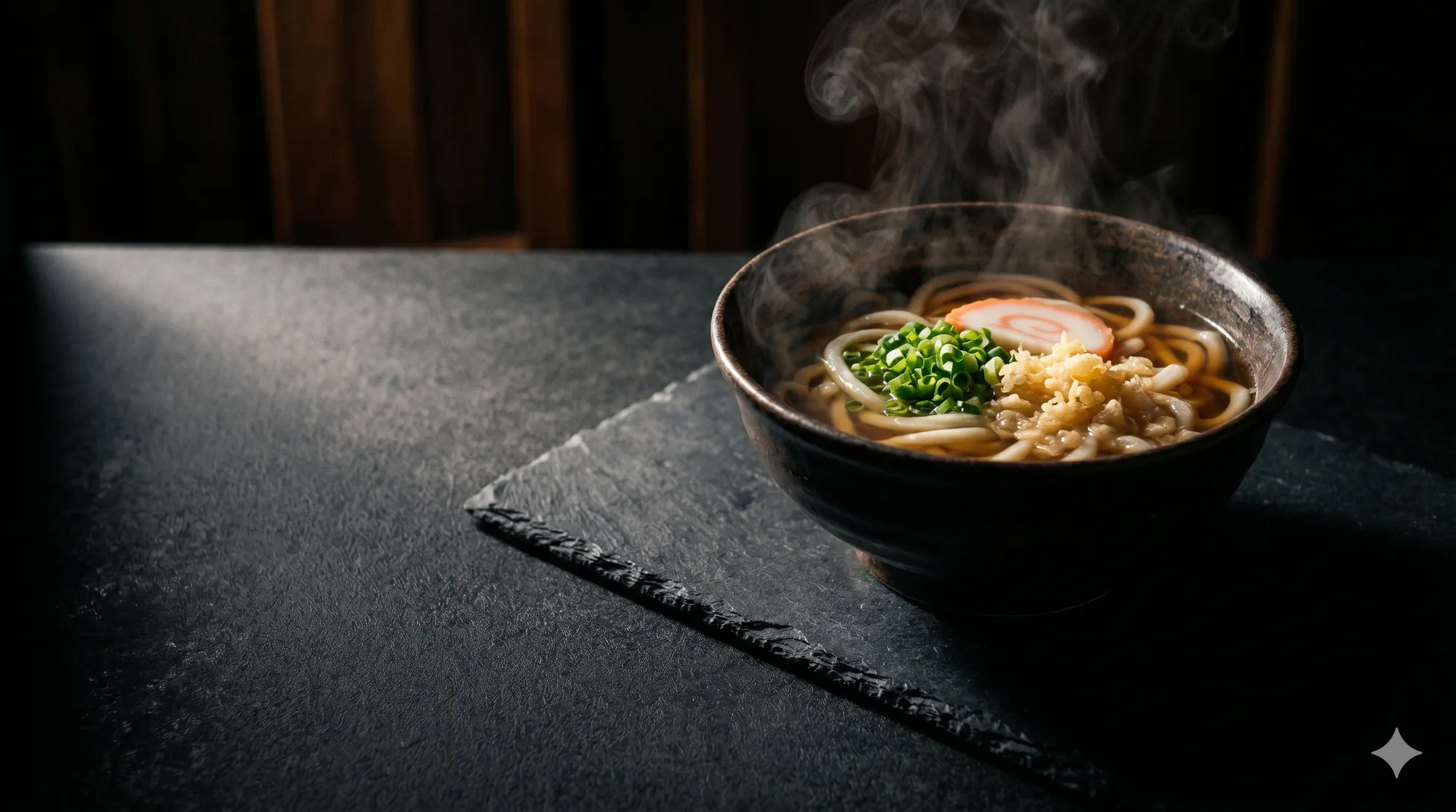
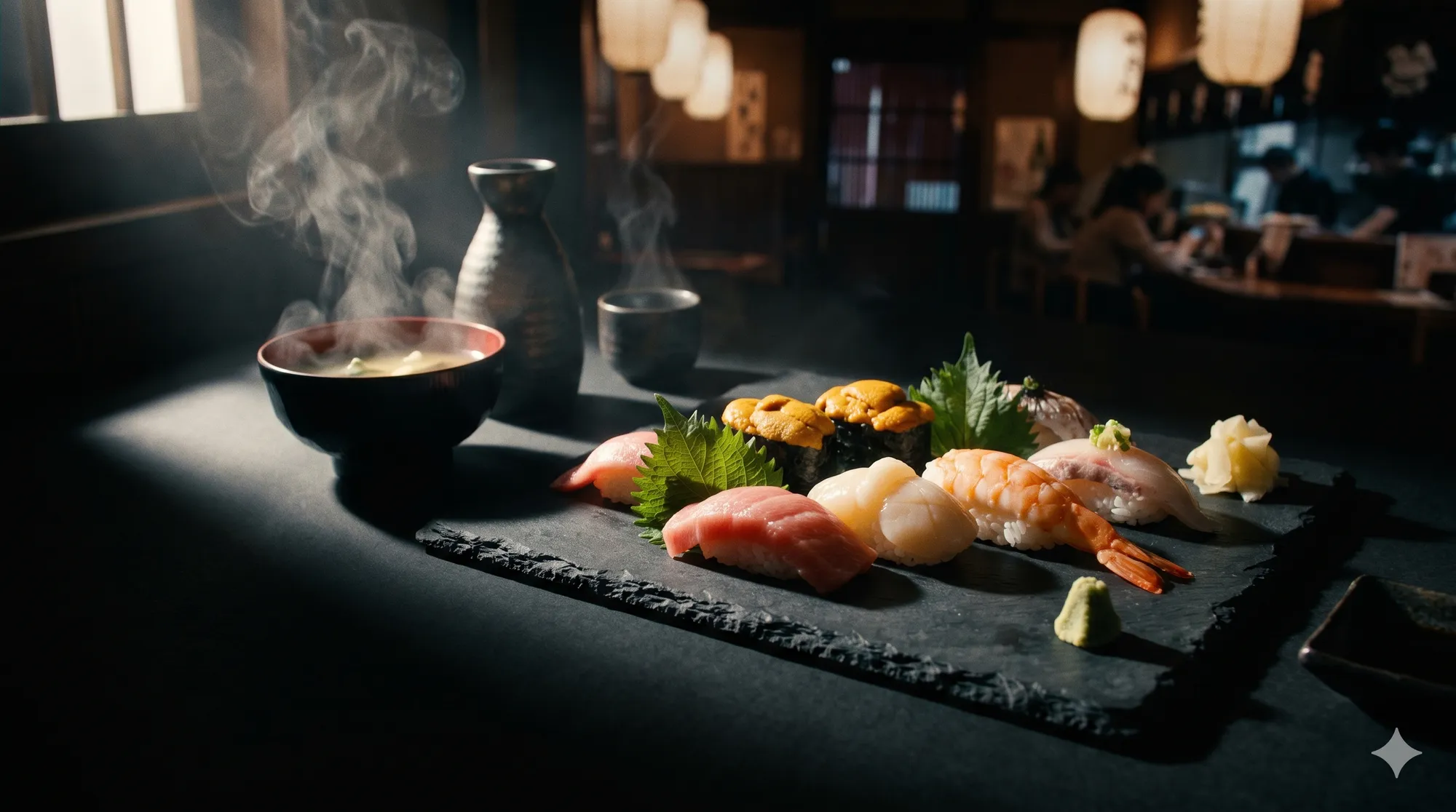
Hokkaido is famous for seafood, but you can still eat very well without raw fish. Choose ramen, soup curry, zangi, gyoza, udon, soba, curry rice, and soft cream.
No raw fish does not mean seafood-free or suitable for a dietary restriction. Dashi, bonito flakes, sauces, meat, eggs, wheat, soy, and shared equipment may be involved. Use the Japanese Foods Without Raw Fish Guide and confirm ingredients when they matter.
Useful phrases
| Meaning | Japanese | Romaji |
|---|---|---|
| This one, please. | これをお願いします。 | Kore o onegaishimasu. |
| One, please. | ひとつお願いします。 | Hitotsu onegaishimasu. |
| Please heat this. | 温めてください。 | Atatamete kudasai. |
| What do you recommend? | おすすめは何ですか? | Osusume wa nan desu ka? |
| Thank you. | ありがとうございます。 | Arigatou gozaimasu. |
Open the full Eating Phrasebook, or use Show phrase on each dish card below.
Related pages
- Japanese Foods Without Raw Fish
- How to Order Food in Japan
- Japanese Convenience Store Food Guide
- Cheap Eats in Japan
- Ramen Trail
- Eating Phrasebook
- Your Bucket List
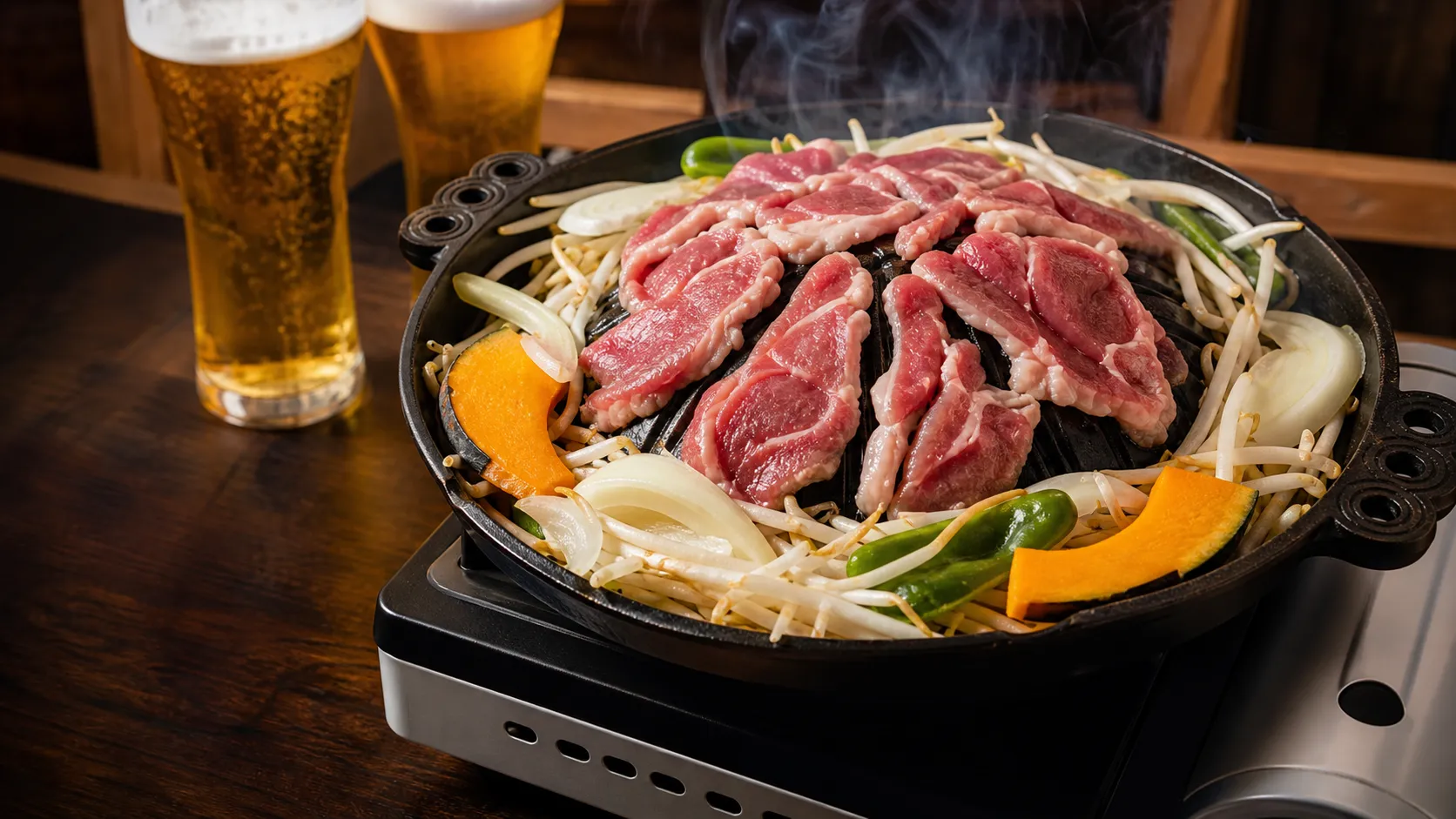
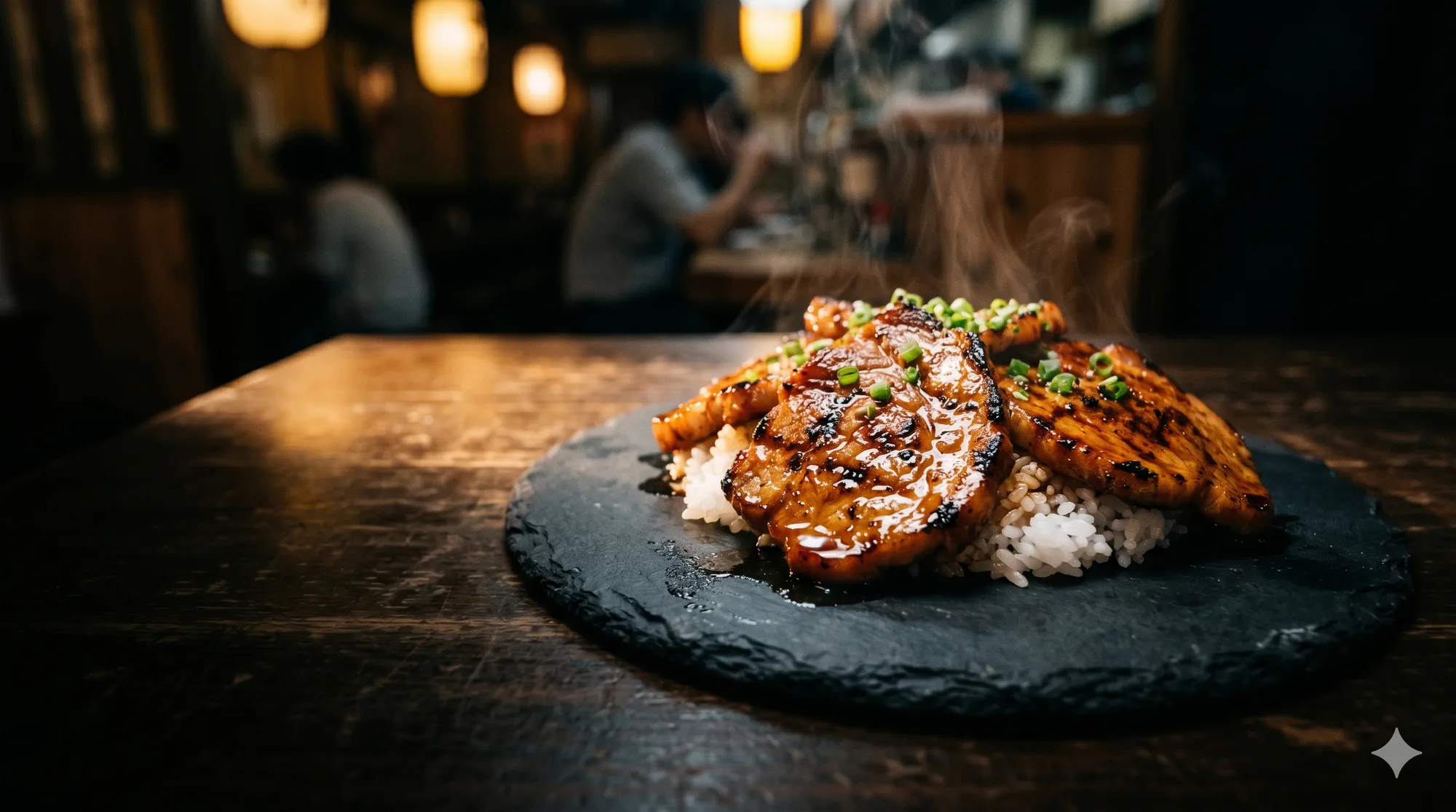
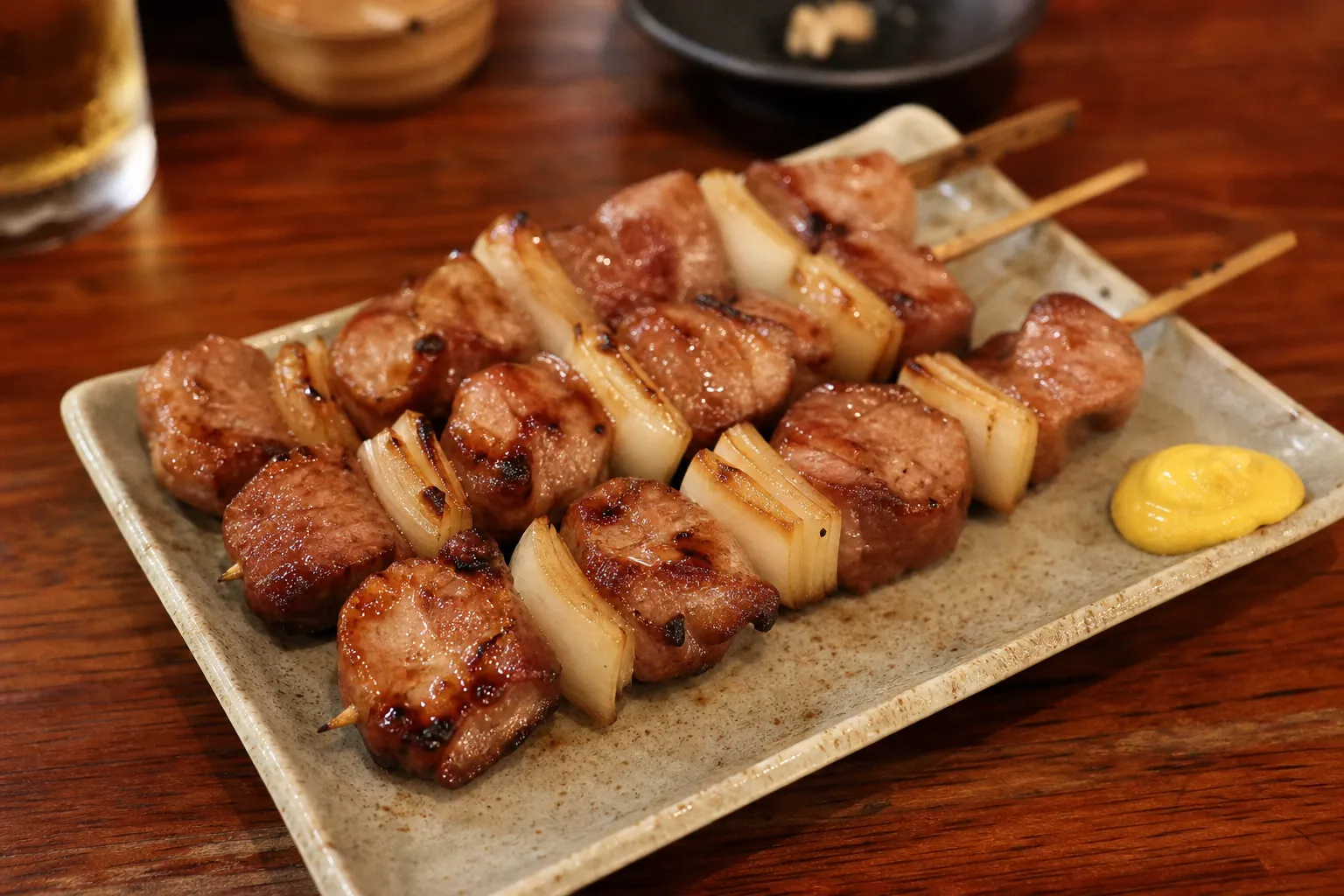
Best foods to try in Hokkaido
Use these dish guides as practical starting points rather than a restaurant ranking.
 Open the Food Planner