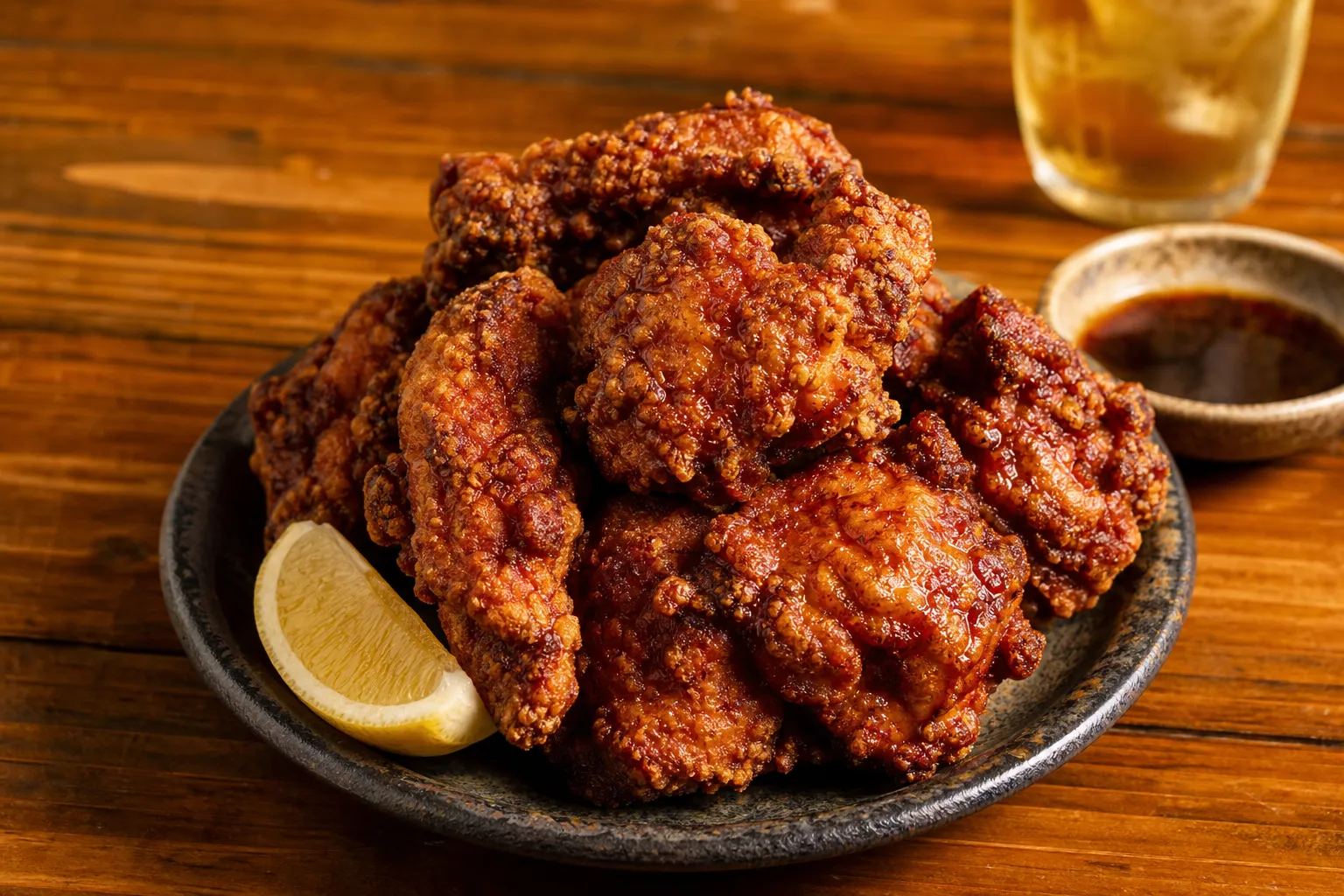
I tore one open and the steam hit me before the smell did — soy, garlic, ginger, hot oil — and a thin line of juice ran down my thumb, and I thought, this is fried chicken that has decided to mean it.
Share this dish


Hokkaido's fried chicken — bigger, darker, and more deeply marinated than karaage, with a craggy soy-garlic crust and juice that runs when you tear it open. Don't call it karaage up here.
🍜 Planning a food trip to Hokkaido?Add this dish to my Food Trip →
 Add this dish to my Food Trip →
Then someone at the next table heard me call it karaage and looked at me the way you'd look at a man wearing his shoes in a tatami room. Up here it's zangi. Not "Hokkaido karaage." Zangi. Learn the word, use the word, and a Kushiro izakaya will fold you into the family.
Where the word came from (nobody fully agrees)
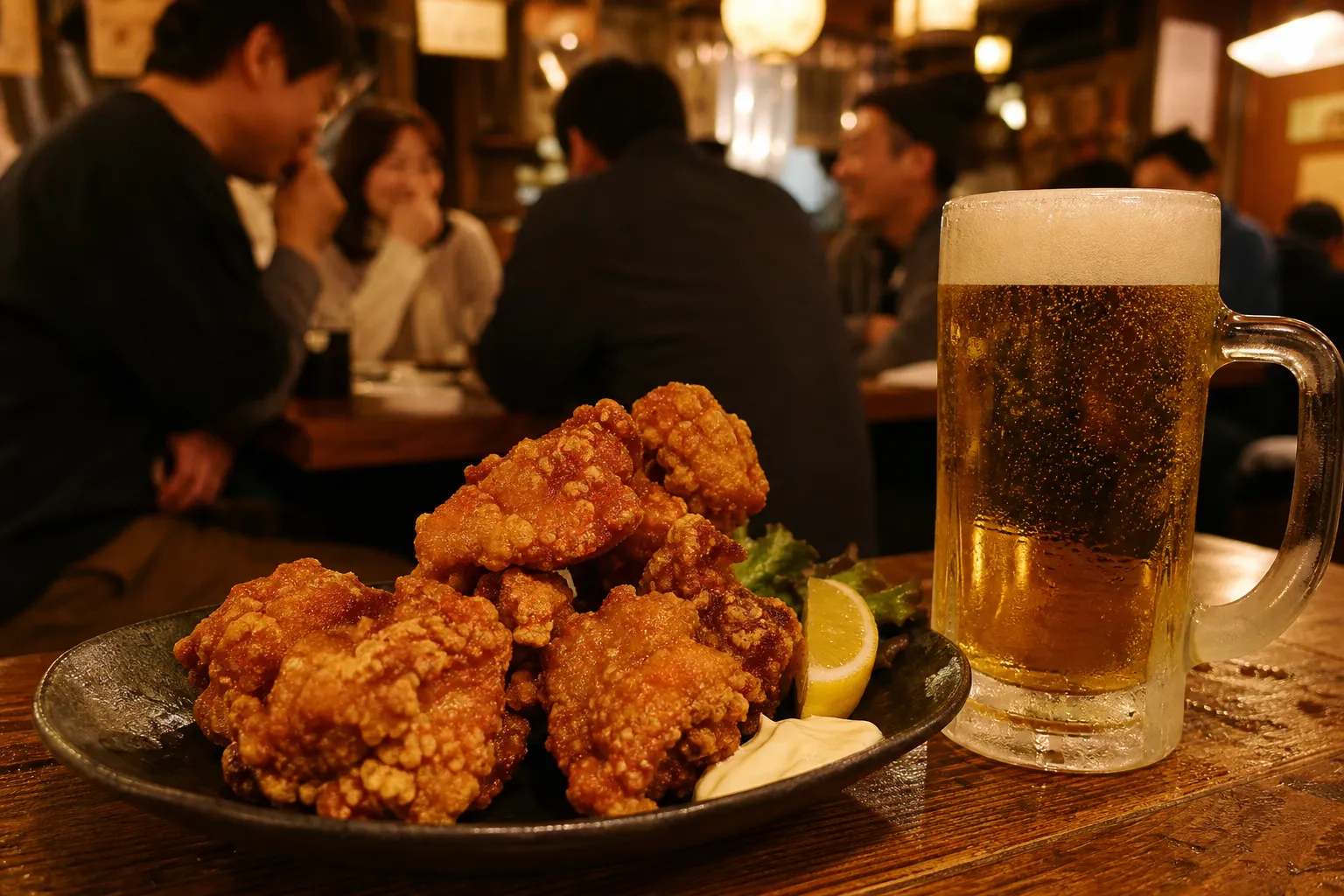
Zangi was born in Kushiro, on Hokkaido's cold eastern coast, generally credited to a restaurant called Torimatsu around 1960. The name is the fun part, because nobody can prove where it comes from. The most-repeated story says it's from the Chinese zhájī (炸鶏, "fried chicken"), with a n slipped in for luck or for the sound of it. Others trace it to local fried-food slang. I find this genuinely charming — a dish so beloved that its own hometown can't agree on what its name means, and absolutely nobody is bothered by this.
What everyone does agree on: zangi is not just "karaage with a Hokkaido accent." The marinade goes harder — more soy, more garlic and ginger, sometimes a splash of egg — and it soaks in deeper, so the flavor is inside the meat, not just on the crust. The pieces are bigger and rougher. The color is darker. It tastes like karaage's bolder northern cousin who moved to the coast and started lifting weights.
Why the crust looks like that
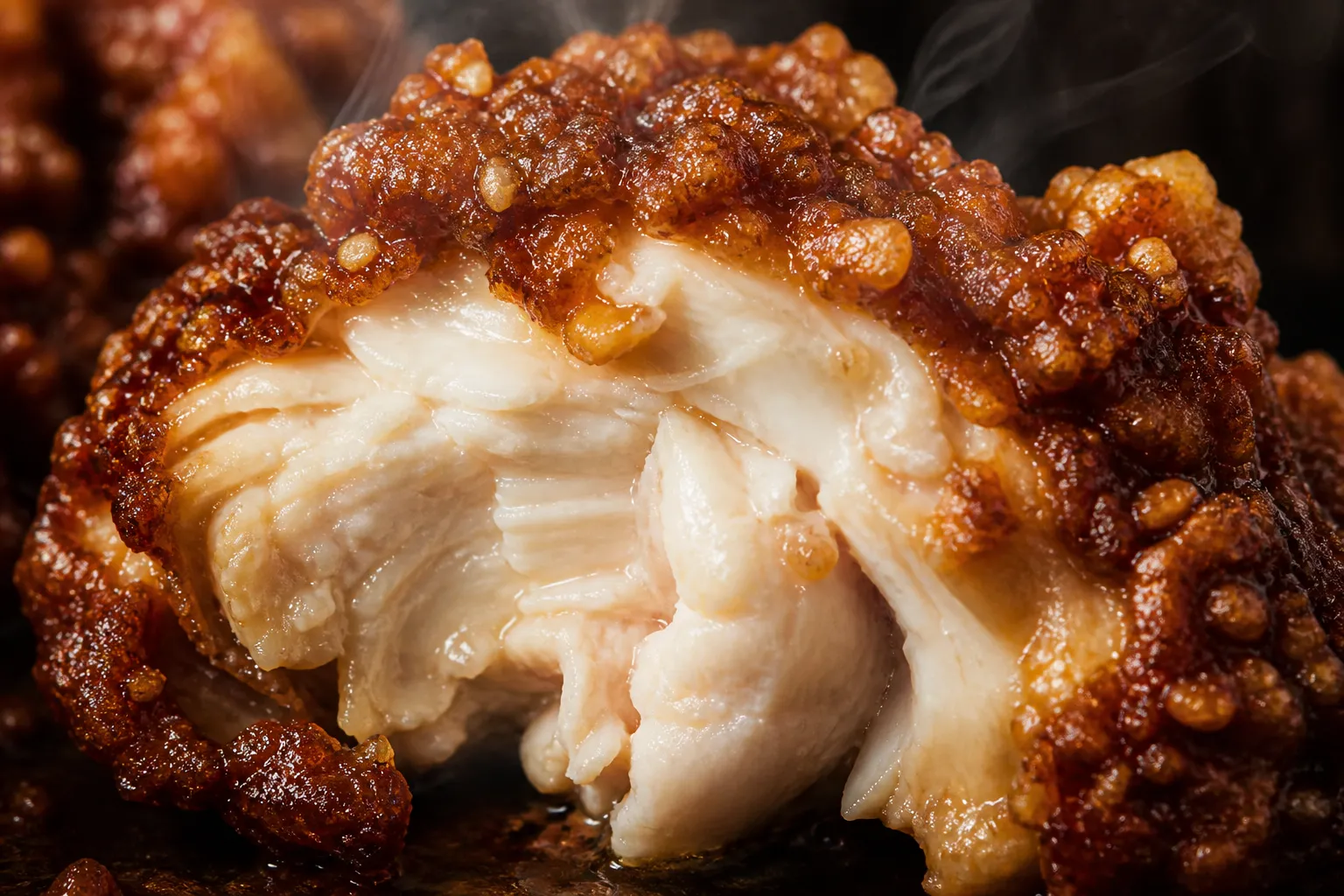
Look closely at a good piece of zangi and the surface is craggy — irregular, blistered, dark golden-brown, with little jagged edges that snap off when you bite. That texture is the whole point. It comes from a heavier marinade and a potato-starch (katakuriko) coat that fries up rough rather than smooth, catching oil and going properly crunchy.
And then you tear into it and the contrast lands: shatter on the outside, hot juicy white meat on the inside, flecks of garlic and ginger riding through the whole thing. A squeeze of lemon, a dab of the dipping sauce some shops serve, and a cold beer between bites. I ate four and seriously considered a fifth. I have no regrets and I will be back.
How it's made
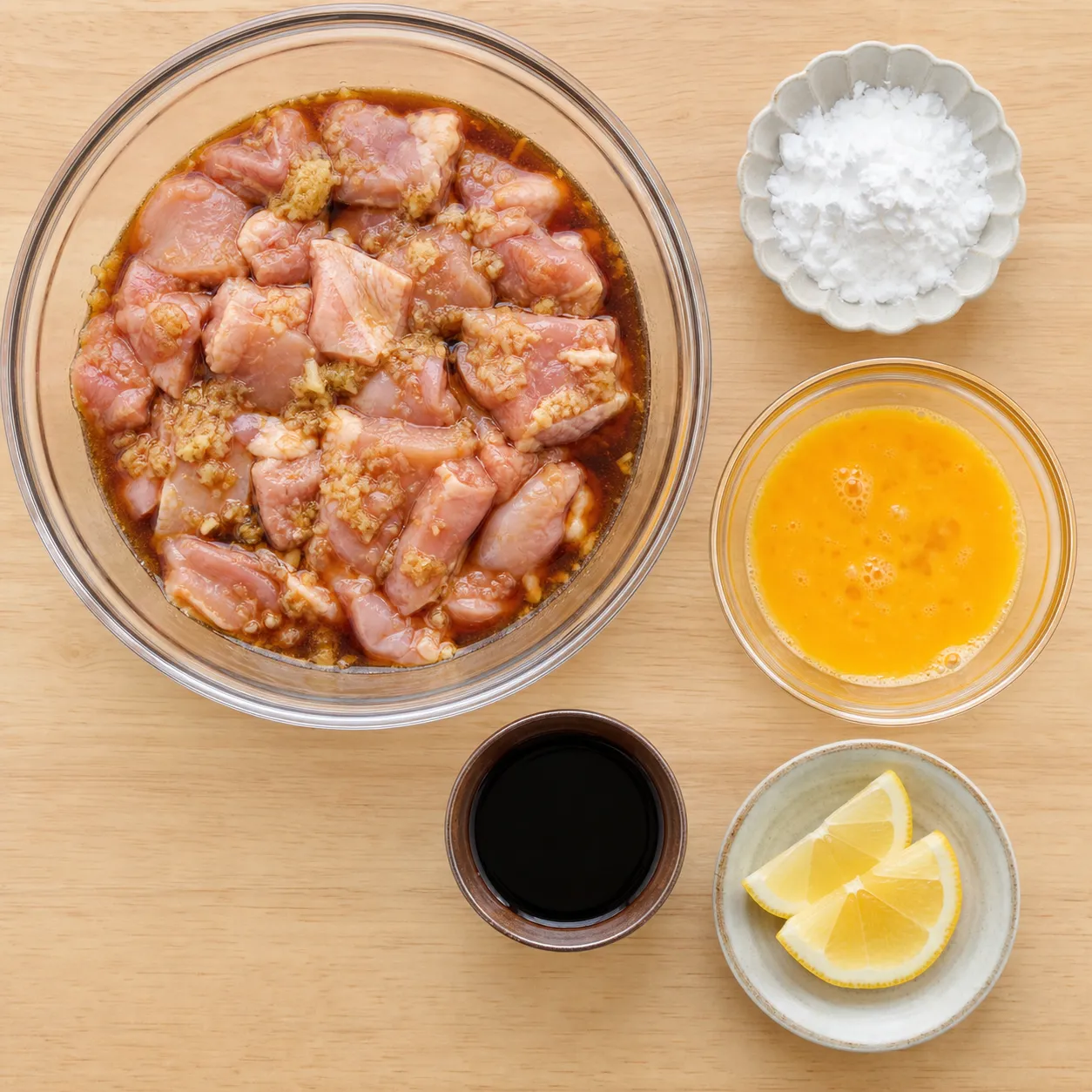
- Cut chicken (thigh, usually, bone-in or boneless) into big, generous bite-sized pieces
- Marinate hard in soy sauce, grated garlic, grated ginger, sake, and often a little egg — and let it actually sit, so the flavor goes deep
- Coat in potato starch (katakuriko), sometimes with a little flour, for that rough, craggy surface
- Deep-fry until dark golden and craggy, juicy inside — some shops double-fry for extra crunch
- Serve hot with a lemon wedge, and a dipping sauce if the shop has a house one
Before you go — say the word
Your questions, answered honestly
"Okay, honestly — isn't this just karaage?" — They're cousins, not twins. Zangi's marinade is stronger and soaks in deeper, the pieces are bigger and craggier, and the flavor lives inside the meat. More importantly, in Hokkaido it's a point of regional pride. Eat it as its own thing and you'll taste the difference.
"Do I squeeze the lemon?" — Yes, unless you're sharing with someone who hates it (the eternal karaage lemon war exists here too). A squeeze cuts the richness beautifully. Your call, your plate.
"Is it spicy?" — No. It's savory, garlicky, deeply soy-marinated — not chili-hot. Totally approachable for first-timers.
"Where does the name come from?" — Probably the Chinese for "fried chicken," possibly something else entirely. Kushiro has been happily arguing about it for sixty years. Just enjoy it.
What the staff will ask you
| You'll hear | Romaji | Meaning | Just say |
|---|---|---|---|
| レモンかけますか? | Remon kakemasu ka? | "Shall I add lemon?" | Hai, onegaishimasu or betsu de (on the side) |
| 何個にしますか? | Nanko ni shimasu ka? | "How many pieces?" | Go ko (5) — or any number |
| 飲み物は? | Nomimono wa? | "Anything to drink?" | Nama biiru kudasai — a draft beer |
To order, just say "Zangi kudasai" (ザンギください) — "Zangi, please."
Where to eat it
- Kushiro, Hokkaido — the birthplace; izakayas and teishoku spots across the city serve it, and Torimatsu is the name most often credited with starting it. Check current hours before you go.
- Izakayas across Hokkaido — zangi is a default drinking snack island-wide; almost any Hokkaido izakaya will have it on the menu.
- Hokkaido-specialty izakayas nationwide — Sapporo-themed and Hokkaido-themed pubs in Tokyo and Osaka usually feature zangi; a reliable taste if you can't get north.
Soul Score
Local Roots4/5
First-Timer Friendly5/5
Adventure Level3/5
Comfort Level5/5
Travel Worthy4/5
These scores are one obsessed eater's gut feeling — not a verdict. A low number isn't a bad mark, just a different kind of adventure.
Planning what to eat in Hokkaido?❄️ Hokkaido Food Guide: Ramen, Soup Curry, Zangi, Sweets, and Winter Comfort Food →
Know someone planning Japan?
← All Articles
Local Food · Kushiro, Hokkaido
Still hungry?
Eat more from Hokkaido
Local FoodFurano, Hokkaido
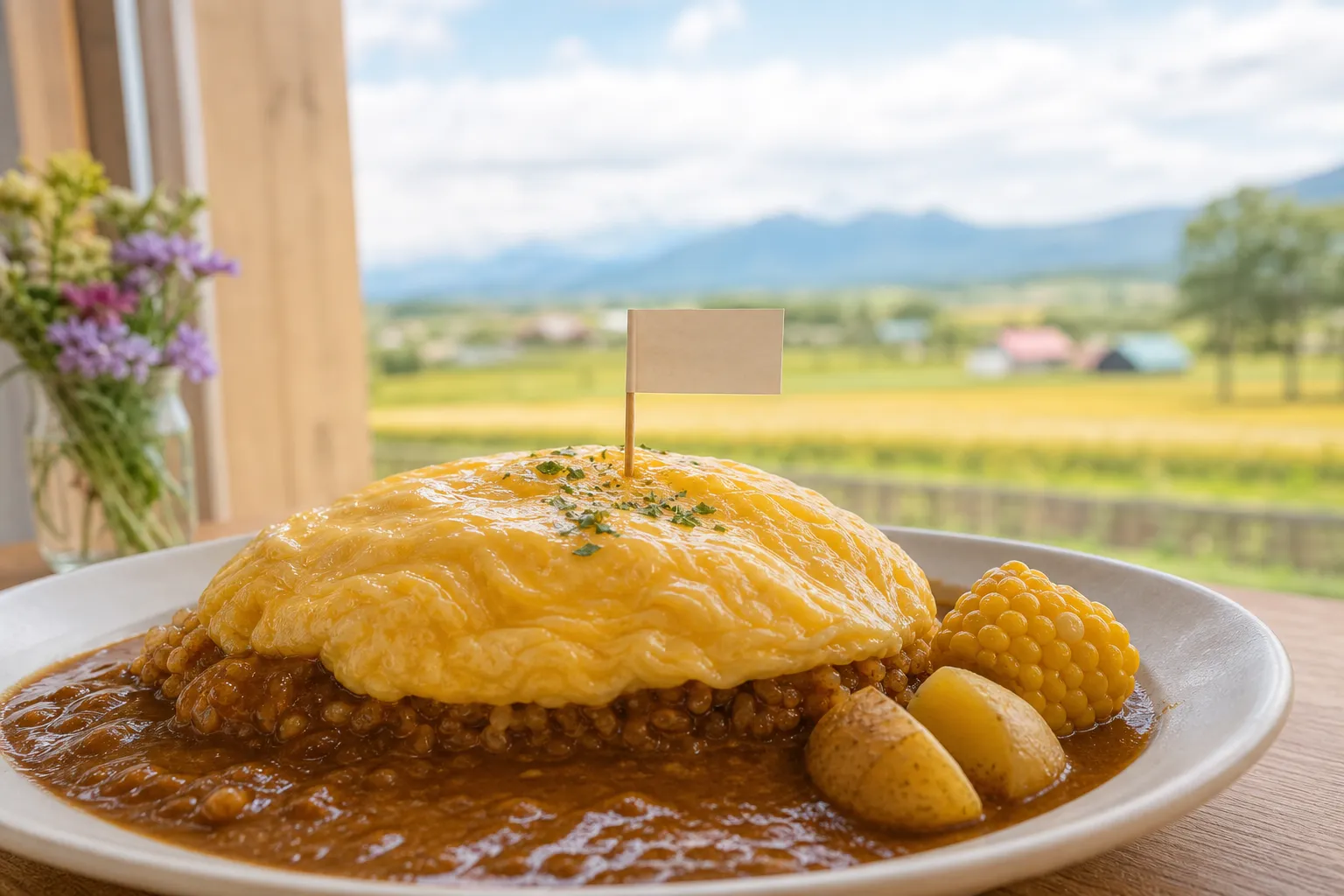
Furano Omu-Curry (富良野オムカレー)
Cut into the omelette and curry sauce comes flooding out like it's been waiting all morning for permission — with a lavender field in the window behind it.
August 2, 2026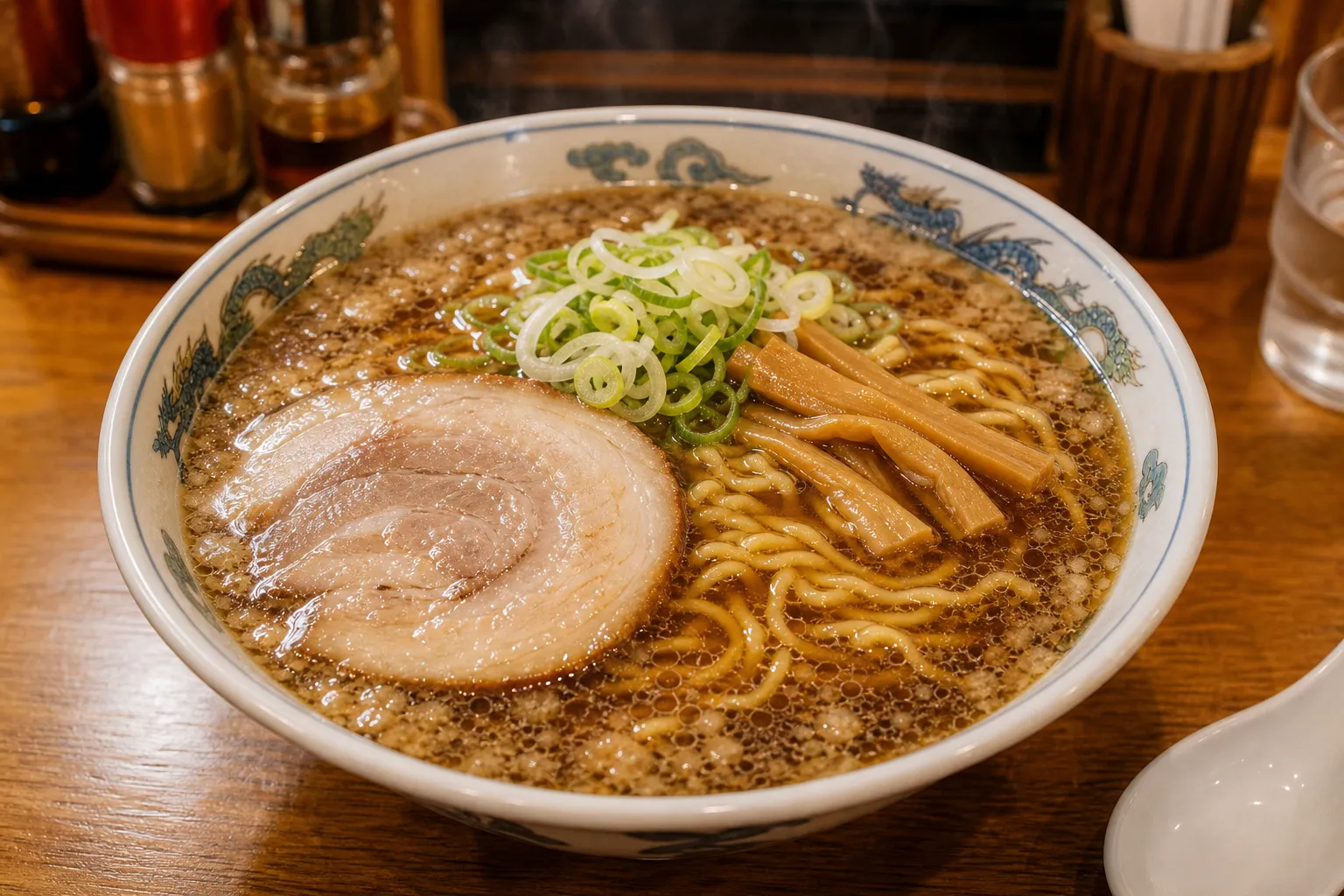
Local FoodAsahikawa, Hokkaido
Asahikawa Ramen (旭川ラーメン)
A slick of lard traps the heat so your soy broth stays scalding to the last drop — because in Asahikawa, the cold outside is trying to kill your ramen. It loses.
July 9, 2026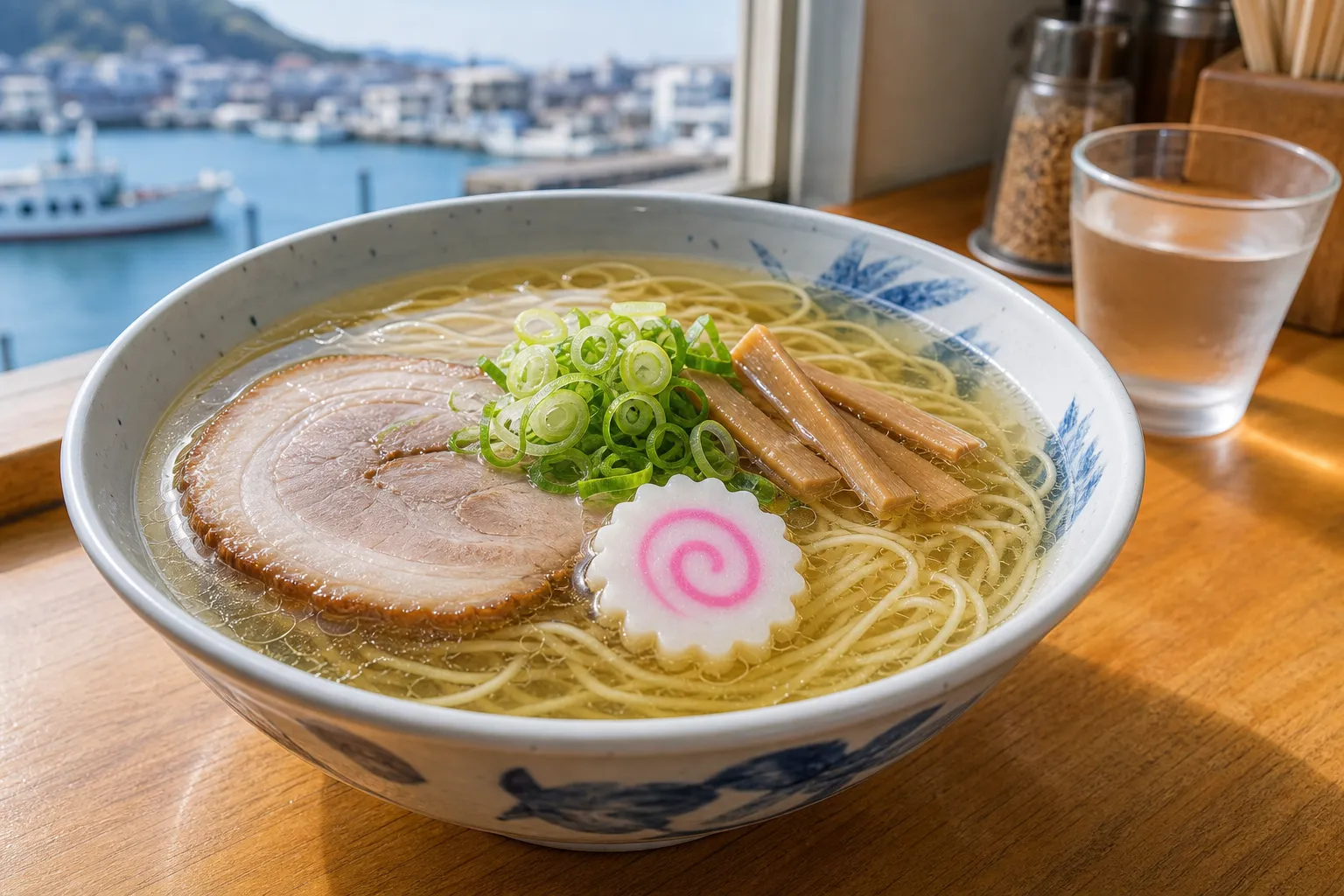
Local FoodHakodate, Hokkaido
Hakodate Shio Ramen (函館塩ラーメン)
Clear as tea, gold as morning light, quiet as a held breath — this is the ramen that proves subtraction is a flavor. Hokkaido's gentle bowl, and my hangover's best friend.
July 9, 2026More crispy things worth chasing
Japanese FoodNationwide
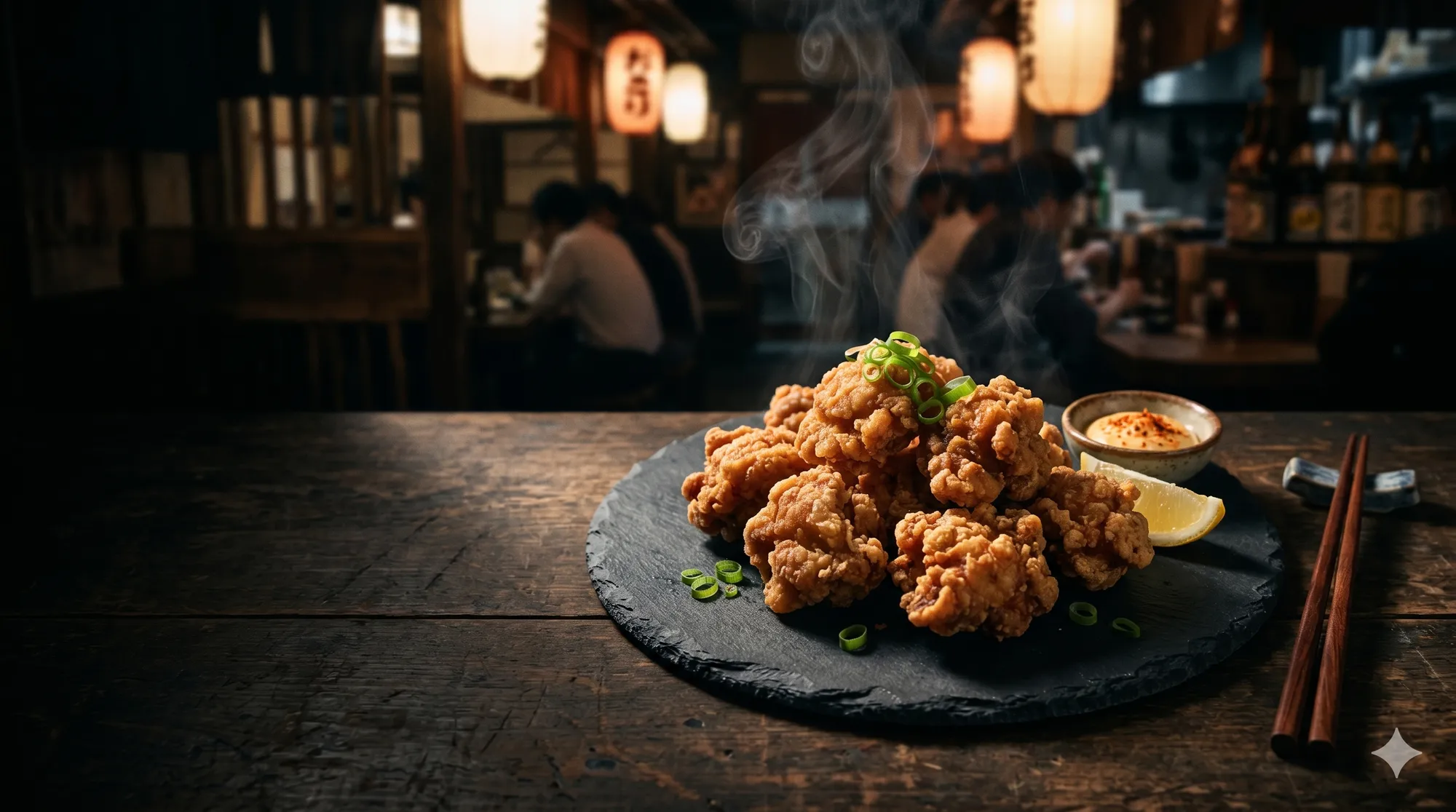
Karaage (からあげ)
Japan's fried chicken: crackling-crisp outside, gushing-juicy inside, marinated in soy and ginger and garlic. The bento hero, the izakaya MVP, the snack worth fighting over.
July 13, 2024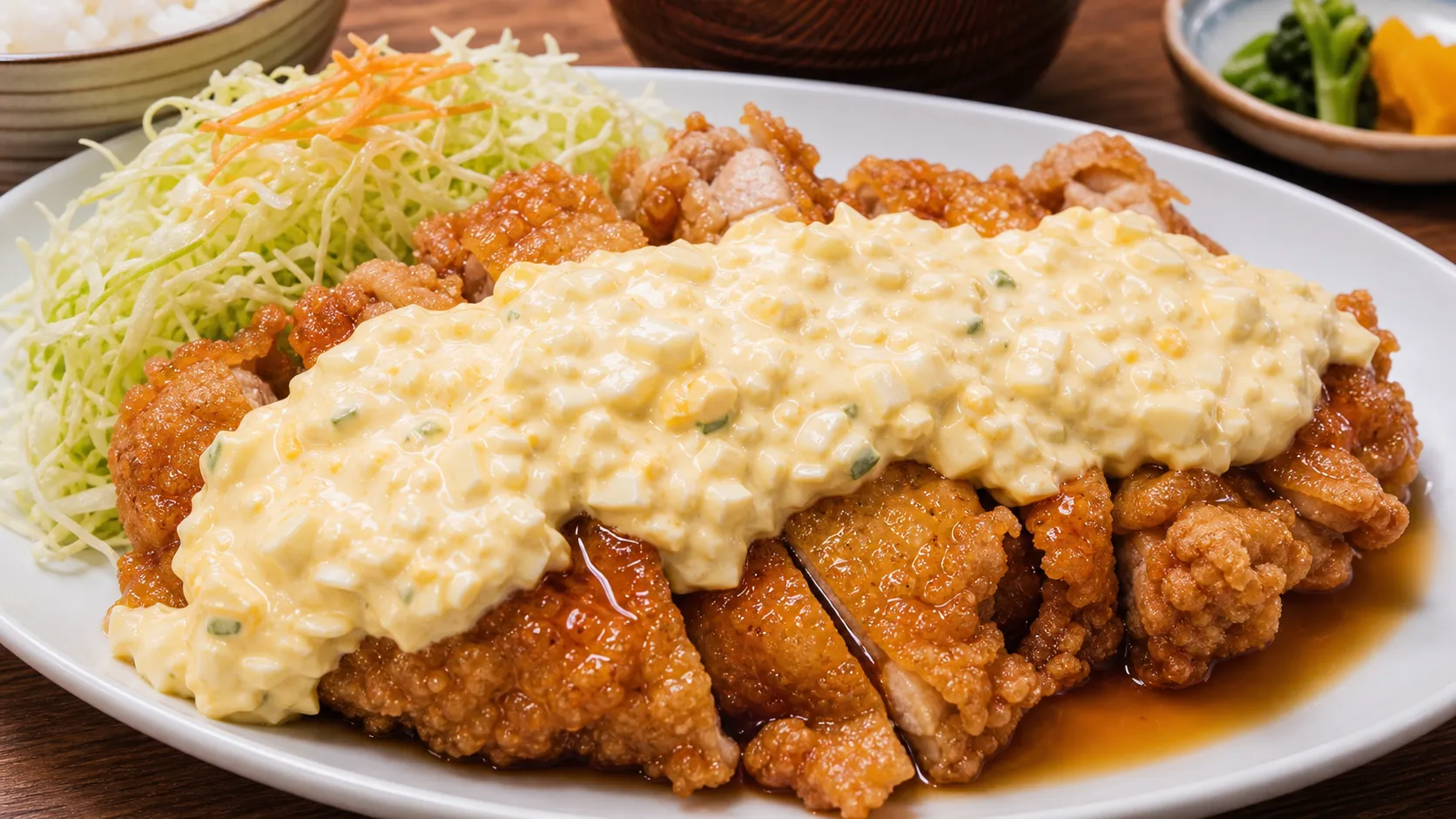
Local FoodNobeoka / Miyazaki
Chicken Nanban (チキン南蛮)
Deep-fried chicken soaked in sweet vinegar sauce, then buried under a snowdrift of homemade tartar. Miyazaki's greatest contribution to the art of fried chicken, and it's not even close.
June 25, 2026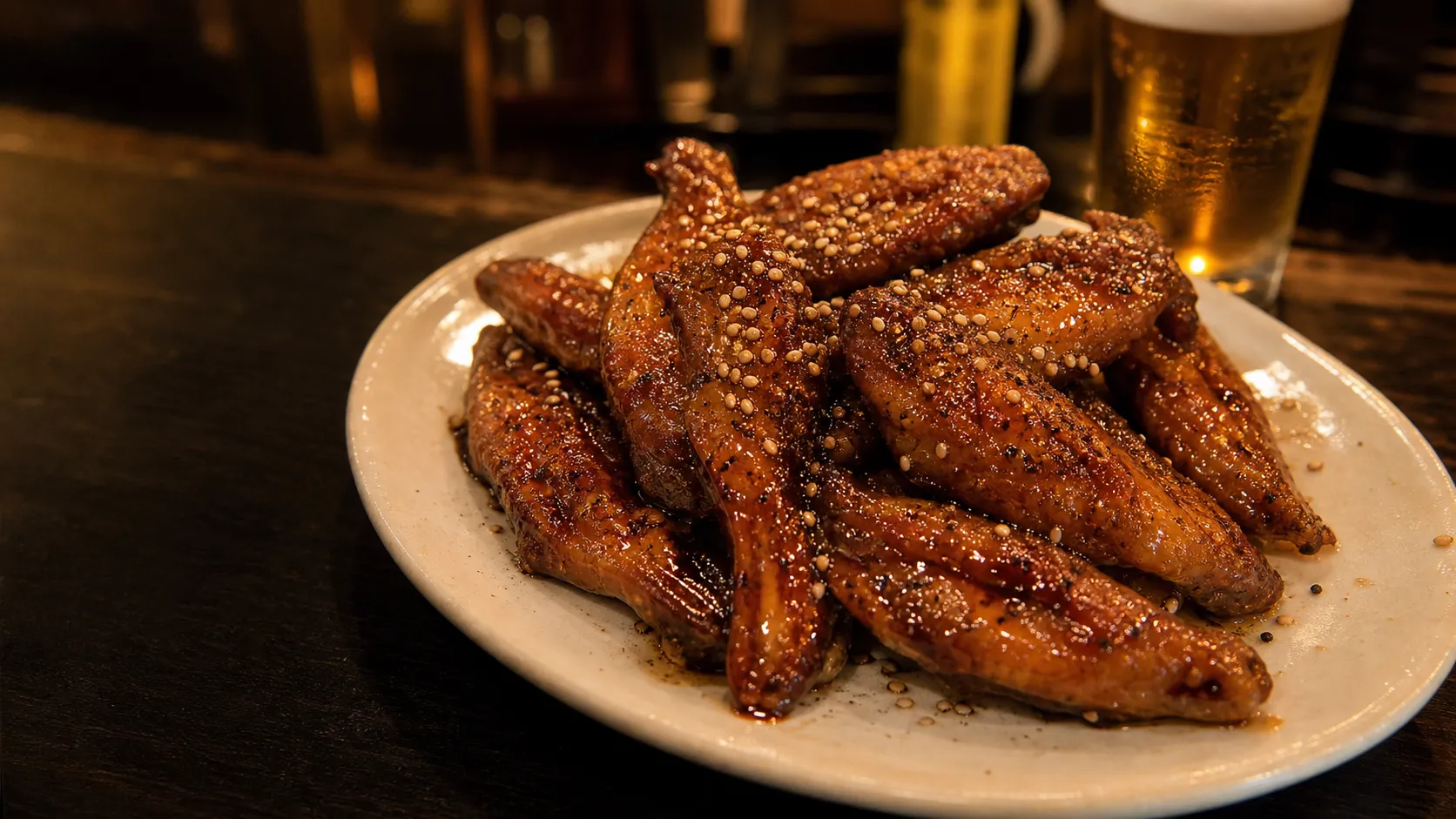
Local FoodNagoya, Aichi
Tebasaki (手羽先)
Nagoya's famous chicken wings: fried twice until they shatter, then glazed with sweet soy and coated in sesame and black pepper. You will eat ten before you realize you're doing it.
June 25, 2026