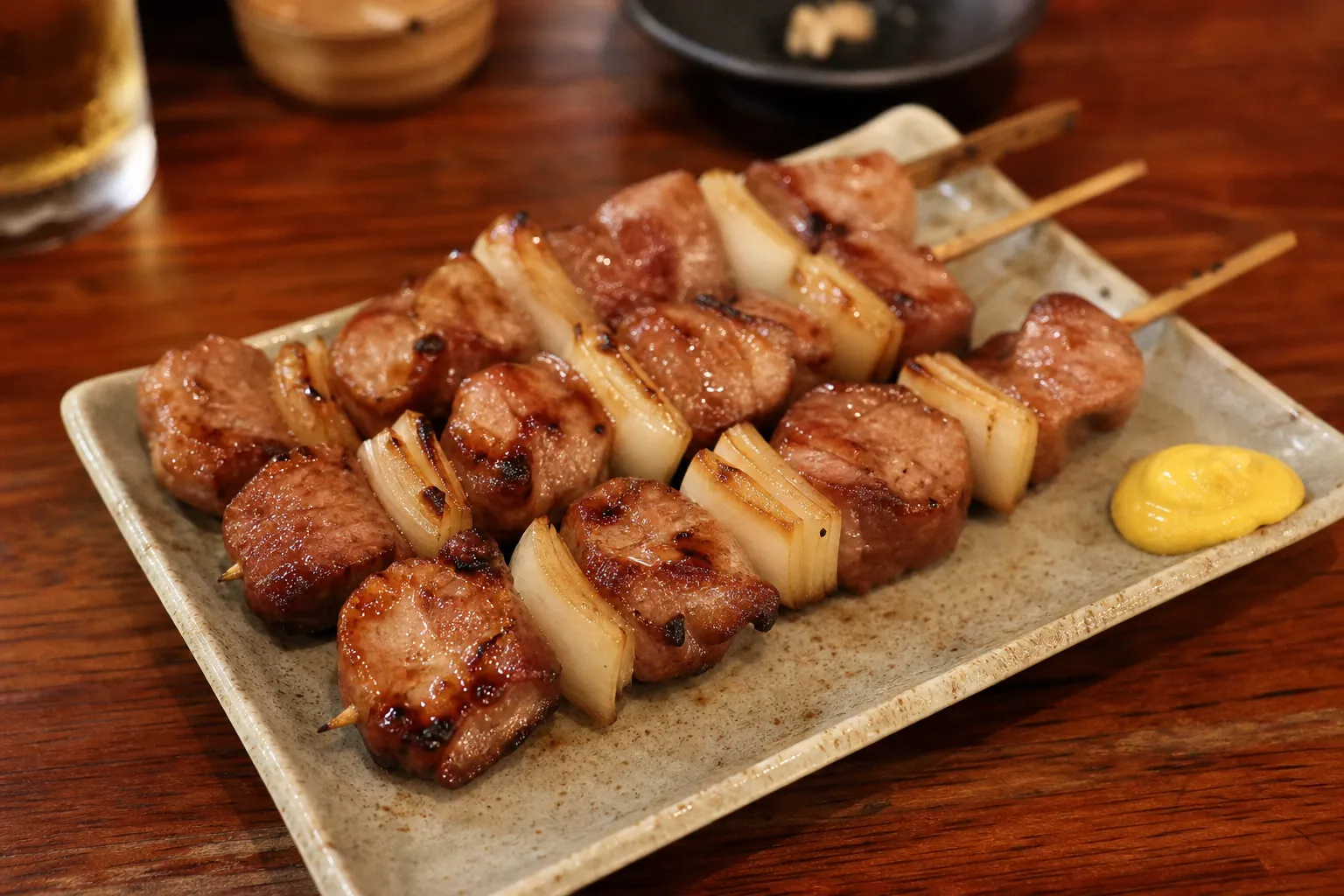
"Yakitori, please." I said it with total confidence, the way you say something you've ordered a hundred times before. Then the skewers arrived — and it wasn't chicken. Char-dark chunks of pork shoulder, alternating with soft-grilled sweet onion, a dab of hot yellow mustard sitting on the plate like a dare. I actually laughed out loud. Muroran had, without asking my permission, redefined a word I thought I understood.
Share this dish


I ordered yakitori expecting chicken. What landed on the plate was pork, onion, and a smear of mustard so aggressive it cleared my sinuses — and I still went back for seconds.
🍜 Planning a food trip to Hokkaido?Add this dish to my Food Trip →
 Add this dish to my Food Trip →
Muroran yakitori (室蘭やきとり) is the industrial port city of Muroran's answer to the question "what if yakitori wasn't chicken at all?" It's grilled skewers of pork — usually shoulder or belly — threaded with pieces of sweet onion, char-grilled over charcoal, and always, always served with karashi, sharp Japanese hot mustard, on the side. No sauce is required. No apology is offered for the name. It's just called yakitori because in Muroran, it always has been.
Why a steel town started grilling pork and calling it chicken
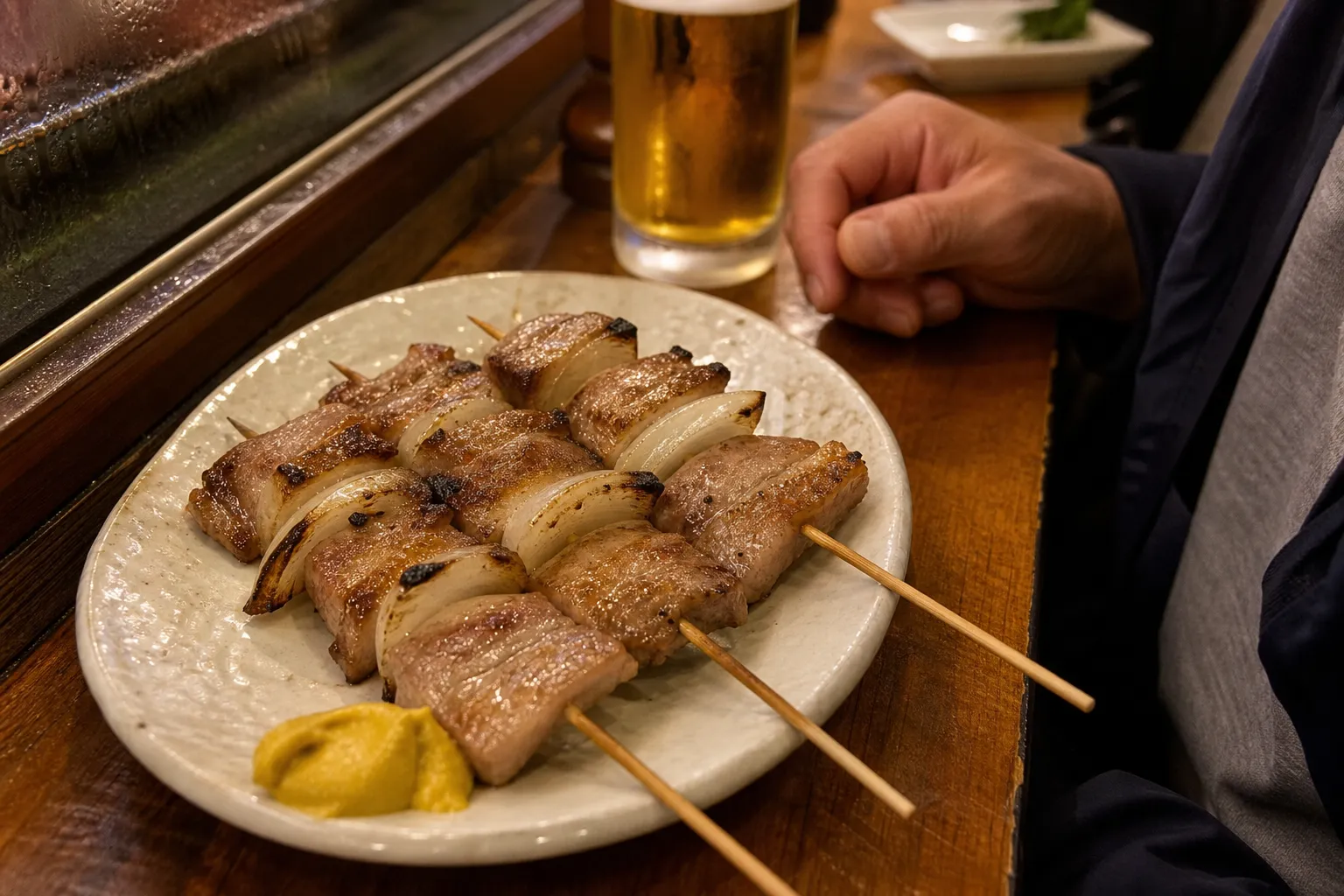
Muroran built its identity around heavy industry — steel mills, shipbuilding, a port that never really slept. After the war, food had to be cheap, filling, and fast for workers coming off long shifts, and pork was more available and affordable locally than chicken. Someone started skewering pork with onion, grilling it hard and fast over charcoal, and calling it yakitori anyway, because that's simply what grilled skewers were called around here. The name stuck. The dish became the city's signature, and Muroran now has more yakitori restaurants per capita than almost anywhere else in Japan — a genuinely wild stat for a "chicken skewer" that contains zero chicken.
I find that kind of local stubbornness deeply satisfying. Nobody in Muroran is confused about what they're eating. It's the rest of us, arriving with our chicken-skewer assumptions, who have some catching up to do.
Pork, onion, and the mustard that does all the work
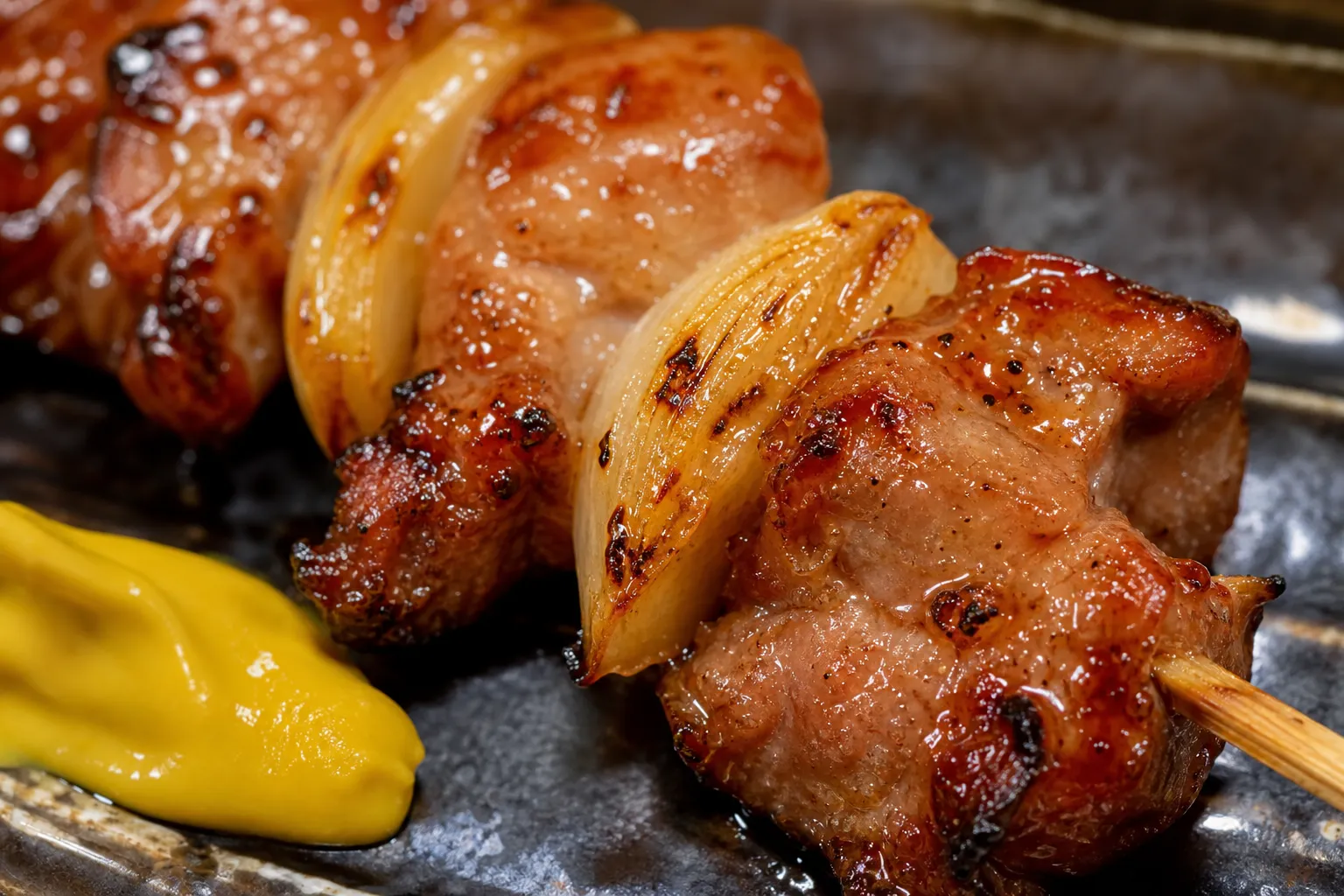
The pork is cut into chunks bigger and fattier than you'd expect from a "yakitori," and it's grilled hot and fast over charcoal until the outside is properly charred while the inside stays juicy. The onion pieces between each chunk of meat blister and go sweet, almost caramelized, playing off the savory pork with zero effort. There's a light tare glaze, but it's restrained — smoky char and rendered pork fat are doing most of the talking.
Then there's the mustard. Not a garnish — a requirement. A proper dab of hot karashi on each bite cuts straight through the richness of the pork fat, waking your whole mouth up between bites. Skip it and the dish is good. Use it and the dish makes sense. I put too much on my first skewer, my eyes watered slightly, and I understood immediately why every local at the counter was doing exactly the same amount of damage to themselves.
How it's made
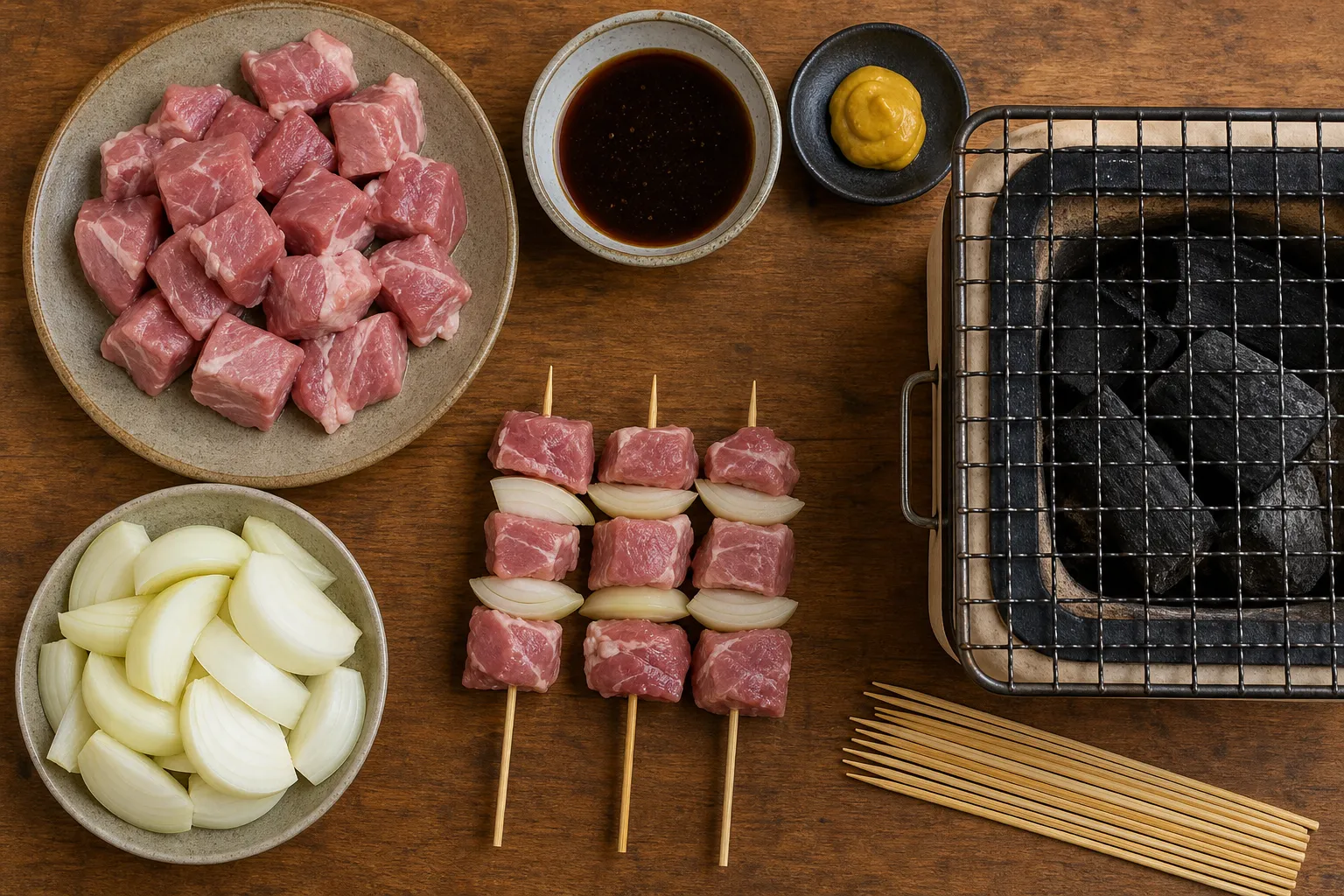
- Cut pork shoulder or belly into bite-sized chunks
- Cut sweet onion into similarly sized wedges
- Skewer pork and onion alternately onto bamboo skewers
- Grill over hot charcoal, turning often, basting lightly with a soy-based tare as it chars
- Plate the skewers with a generous dab of hot karashi mustard on the side
- Dip each bite in the mustard before eating — this part is not optional if you want the full experience
Before you go — for the mustard-brave
Your questions, answered honestly
"Wait, is this really pork?" — Yes, genuinely. Muroran yakitori is grilled pork, not chicken, despite the name. It's a local naming quirk, not a mistake on the menu.
"How much mustard should I use?" — Start smaller than you think, especially if you're not used to Japanese karashi — it's sharper and more sinus-clearing than Western mustard. You can always add more.
"Is it spicy in a chili sense?" — No chili heat at all. The "kick" is entirely the mustard, which is a different, sharper kind of spicy that clears your nose rather than burning your tongue.
"Do I need chopsticks or can I eat it off the skewer?" — Straight off the skewer is completely normal and expected, even at sit-down restaurants.
"Is it always pork shoulder?" — Shoulder and belly are both common; some shops mix cuts on one order. Ask if you want a specific cut.
What the staff will ask you
| You'll hear | Romaji | Meaning | Just say |
|---|---|---|---|
| 本数はいくつにしますか? | Honsū wa ikutsu ni shimasu ka? | "How many skewers?" | Go-hon onegaishimasu (five skewers, please) |
| からしは大丈夫ですか? | Karashi wa daijōbu desu ka? | "Is mustard okay for you?" | Hai, daijōbu desu (yes, that's fine) |
| お飲み物は? | Onomimono wa? | "What to drink?" | Nama biiru onegaishimasu (draft beer, please) |
To order, just say "Yakitori kudasai" (やきとりください) — "Yakitori, please."
Where to eat it
- Muroran Yakitori Street (Chūō-chō / around Muroran Station) — a cluster of long-running yakitori shops in central Muroran, several of which have been grilling since the postwar boom years.
- Ebisu-cho and the harbor district — historically the workers' neighborhood where the dish took off; still dense with yakitori counters.
- Sapporo and other Hokkaido cities — Muroran-style yakitori (labeled as such) has spread to some restaurants elsewhere on the island for people who can't make the trip south.
- Check before you go — many of the classic shops are small, counter-seat izakayas with limited hours and no reservations; go early in the evening to avoid a wait.
Soul Score
Local Roots5/5
First-Timer Friendly4/5
Adventure Level3/5
Comfort Level5/5
Travel Worthy4/5
These scores are one obsessed eater's gut feeling — not a verdict. A low number isn't a bad mark, just a different kind of adventure.
Planning what to eat in Hokkaido?❄️ Hokkaido Food Guide: Ramen, Soup Curry, Zangi, Sweets, and Winter Comfort Food →
Know someone planning Japan?
← All Articles
Local Food · Muroran, Hokkaido
Still hungry?
Eat more from Hokkaido
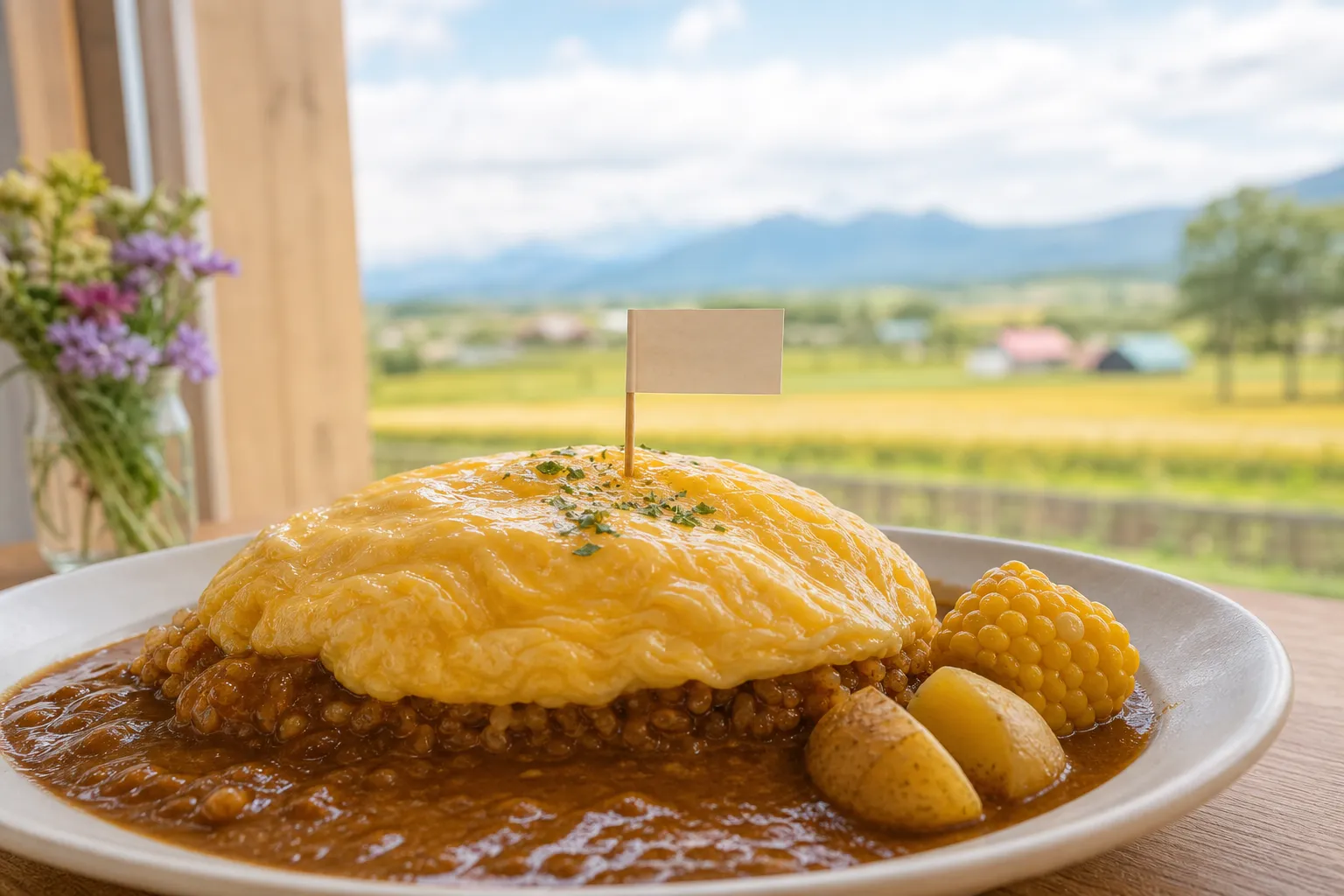
Local FoodFurano, Hokkaido
Furano Omu-Curry (富良野オムカレー)
Cut into the omelette and curry sauce comes flooding out like it's been waiting all morning for permission — with a lavender field in the window behind it.
August 2, 2026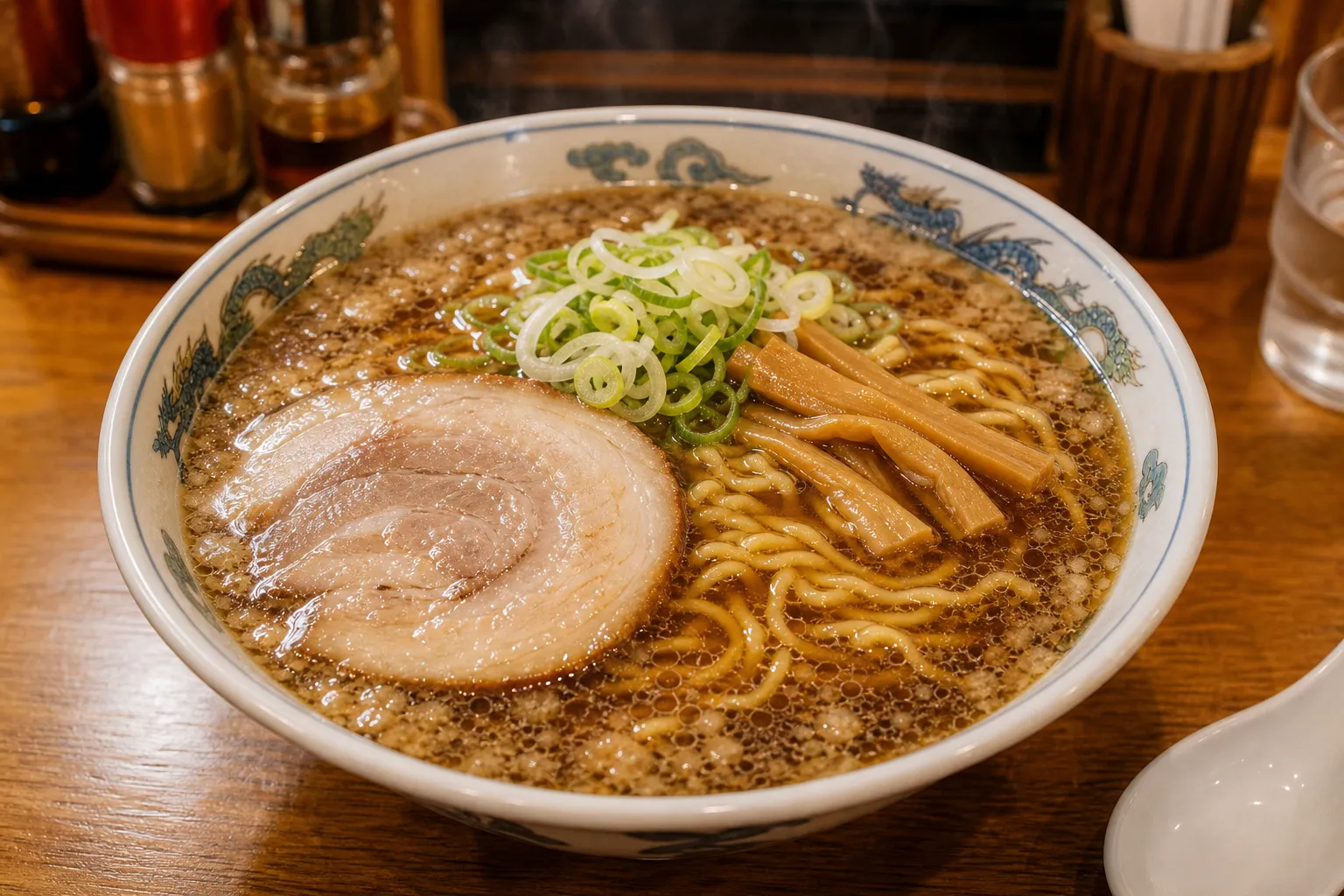
Local FoodAsahikawa, Hokkaido
Asahikawa Ramen (旭川ラーメン)
A slick of lard traps the heat so your soy broth stays scalding to the last drop — because in Asahikawa, the cold outside is trying to kill your ramen. It loses.
July 9, 2026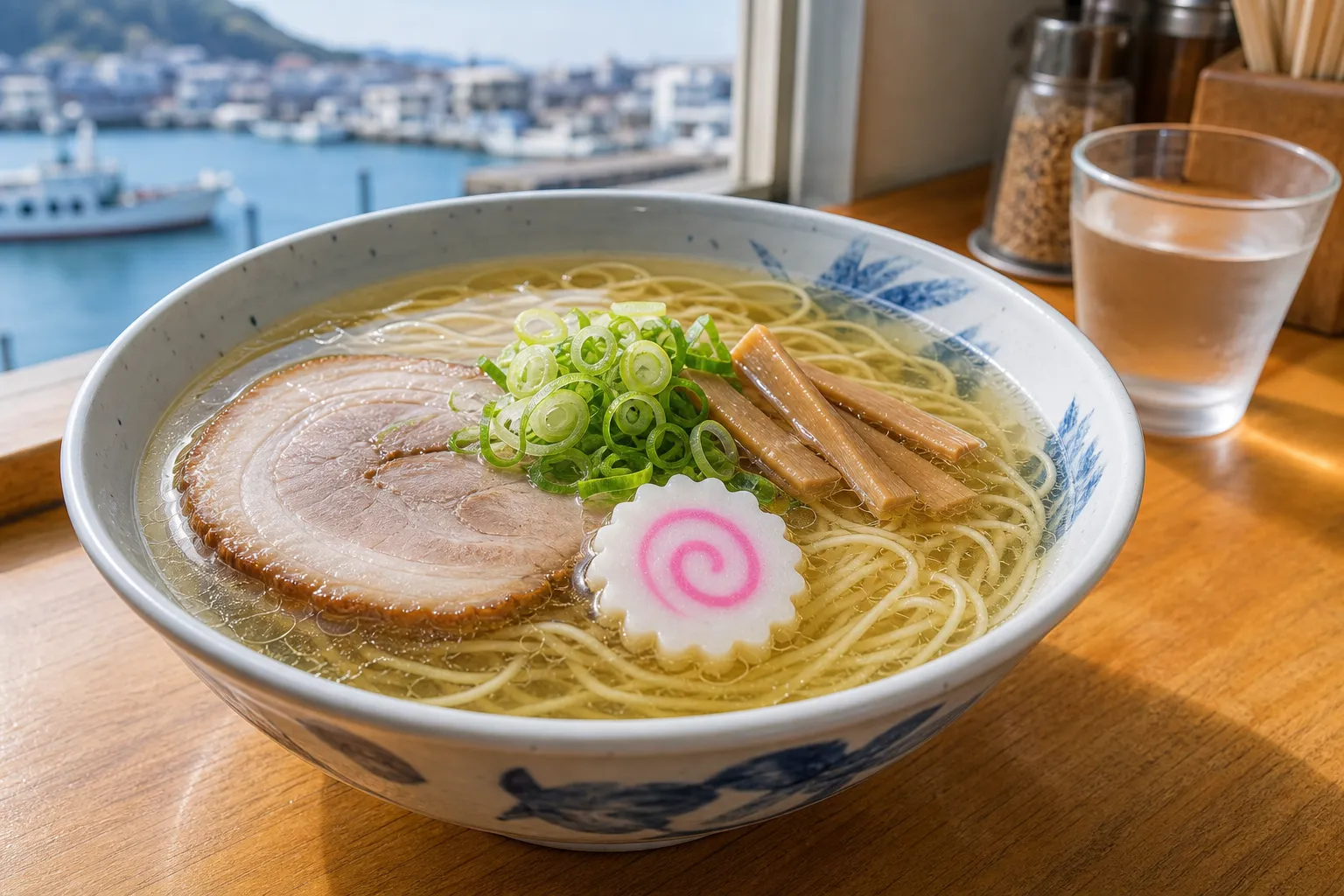
Local FoodHakodate, Hokkaido
Hakodate Shio Ramen (函館塩ラーメン)
Clear as tea, gold as morning light, quiet as a held breath — this is the ramen that proves subtraction is a flavor. Hokkaido's gentle bowl, and my hangover's best friend.
July 9, 2026