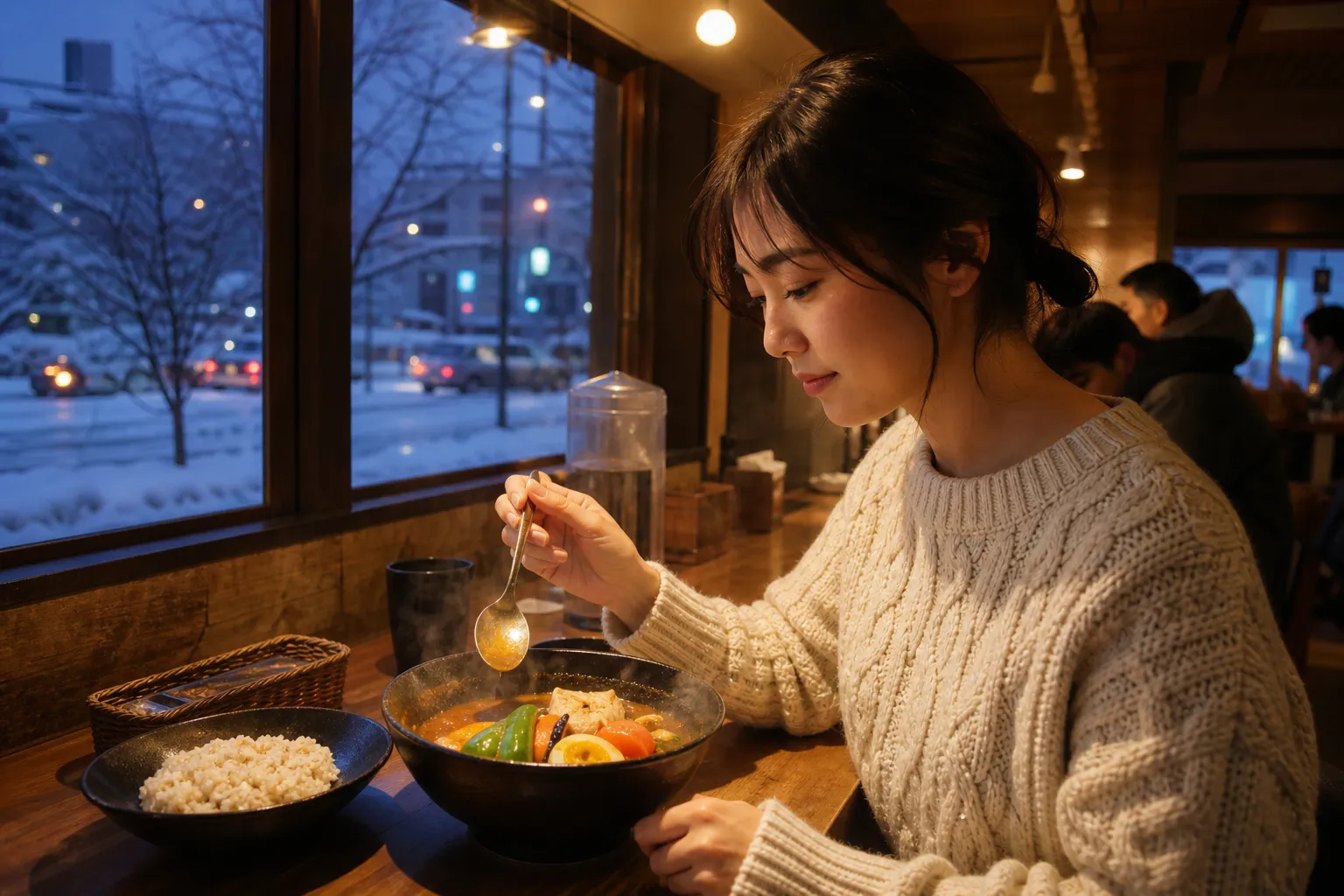
It was minus seven outside and I was holding a spoon over a bowl that smelled like fourteen different spices, and I thought: oh. This is the one.
Share this dish


Not curry on rice. Curry as a thin, fragrant, spice-loaded soup with a whole chicken leg standing up in it. Sapporo invented this, and after one bowl in the snow you understand exactly why.
🍜 Planning a food trip to Hokkaido?Add this dish to my Food Trip →
 Add this dish to my Food Trip →
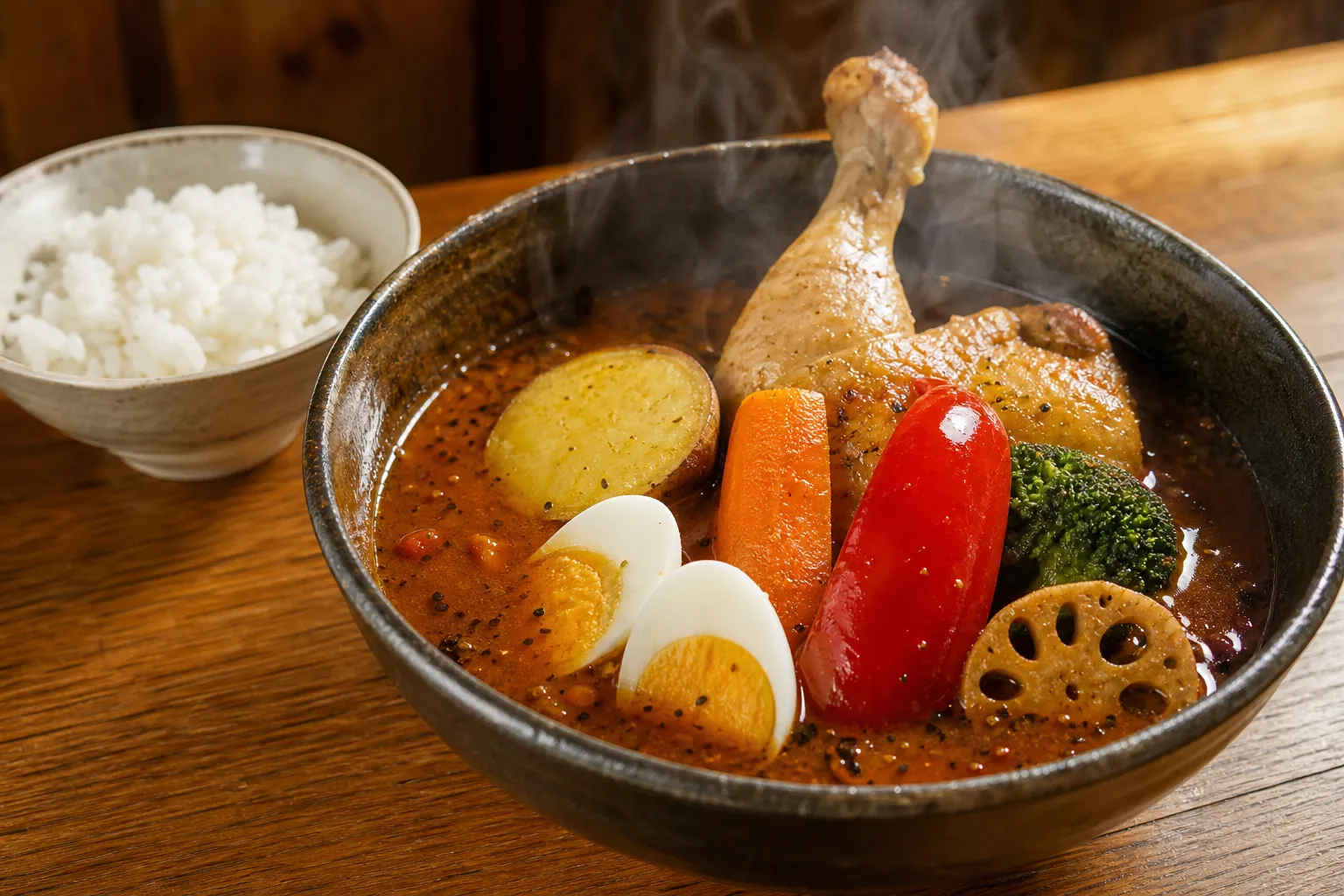
I'd been told it was "curry but soup." I nodded politely and assumed I understood. I did not understand. What arrived was a wide deep bowl of thin, dark, aromatic broth — running like soup, not clinging like stew — with an entire chicken leg quarter standing up in it, a half potato, a chunk of carrot, broccoli, lotus root, a quartered boiled egg, all of it whole and proud. A separate bowl of rice on the side. I took one spoonful and felt the cold leave my body from the inside out.
Soup curry (スープカレー) is Sapporo's gift to anyone who has ever been genuinely cold. It is not Japanese curry rice with extra water. It's a different dish entirely — closer to a spiced South Asian soup, built for a city where winter means business.
How a Sapporo café accidentally started a movement
The origin is genuinely 1970s Sapporo. A café called Ajanta started serving a medicinal, herb-and-spice "yakuzen" soup — something closer to a Sri Lankan or South Indian broth than to the thick roux curry every Japanese kid grows up on. It was meant to warm you and do you good. People noticed. Other shops riffed on it. By the 1990s the city had a full-blown genre on its hands, and someone finally gave it the obvious name: soup curry.
I find this lovely. Most regional dishes are centuries old and shrouded in dispute. This one is recent enough that the founding café is still talked about by name, and you can taste the lineage in every bowl — the herbal, almost medicinal depth under the heat. It tastes like it was invented to fix something, because it was. The something was winter.
The spice is real but rarely punishing, and almost every shop lets you pick your heat level on a numbered scale — sometimes 1 to 10, sometimes well past 10 if you're brave or foolish. I ordered a 3. I respect a 3.
Why the thin broth changes everything
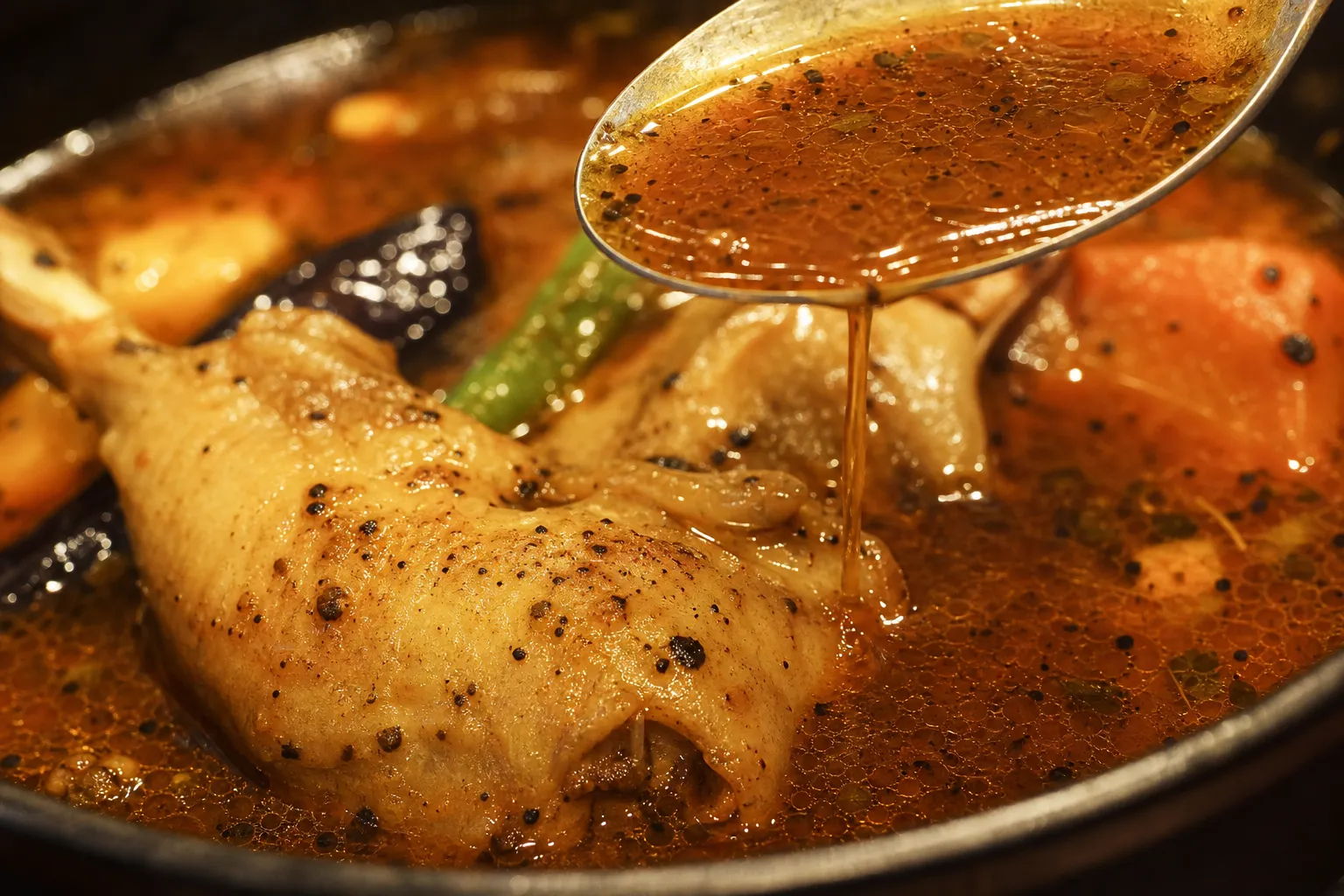
Here's the thing the broth does that thick curry can't: it carries spice as aroma, not just heat. There's oil on the surface, flecks of whole and ground spice floating, steam coming up loaded with cumin and coriander and something deeper. The chicken leg has been simmered until it surrenders off the bone with no effort at all. The vegetables are big on purpose — you're meant to see them, lift them, eat them as distinct things, not mush them into a paste.
And the rice stays separate. This is the part first-timers get wrong. You don't pour the soup over the rice and drown it. You spoon a bit of rice, dunk it, lift it back out, eat. The rice is a tool for ferrying broth, not a base for smothering. Keep them apart and every bite stays sharp.
How it's made
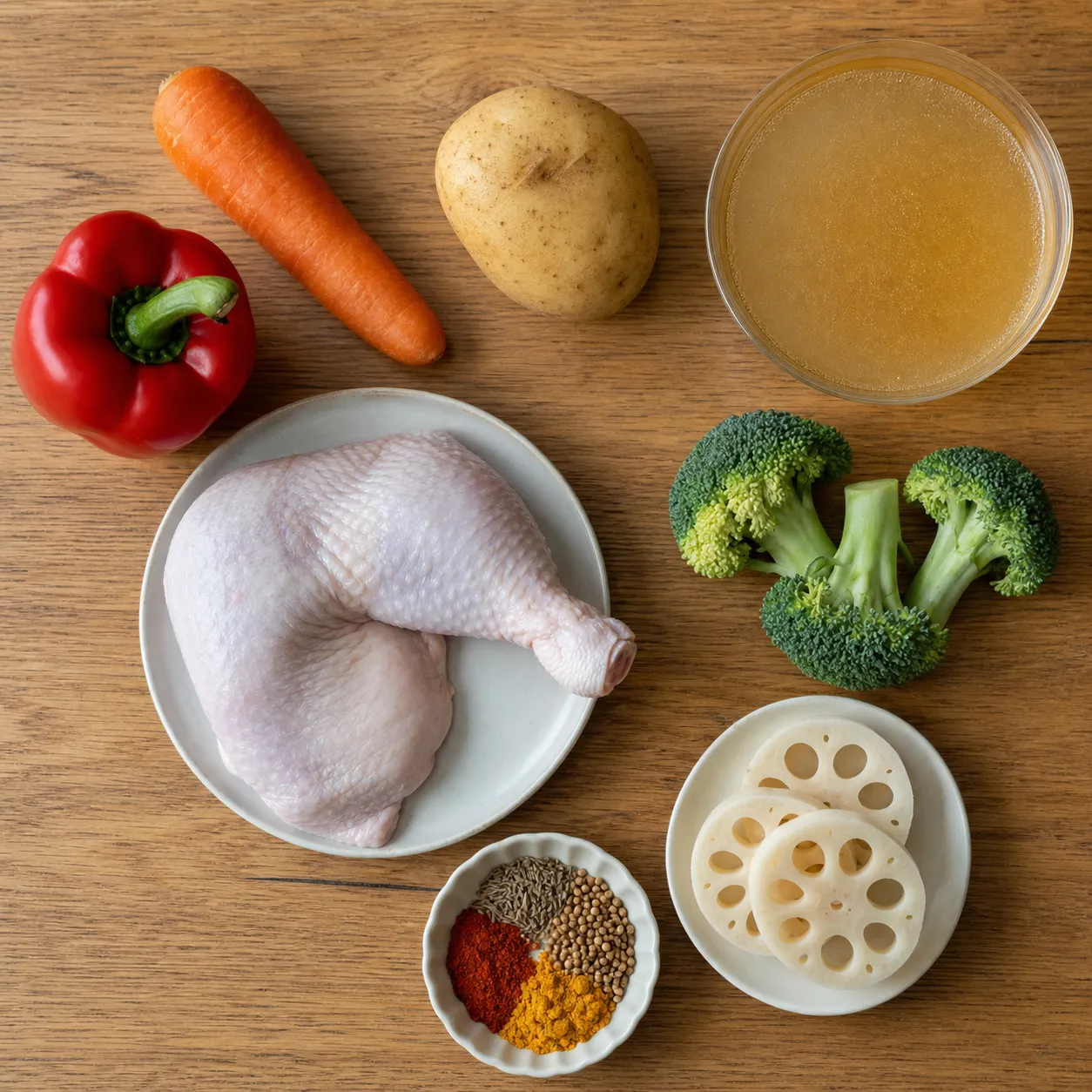
- Build a deep stock — chicken bones, often with kombu and aromatics — and simmer it long
- Bloom a heavy blend of spices (cumin, coriander, turmeric, chili, and a dozen house secrets) in oil
- Combine into a thin, fragrant broth — pointedly not thickened with roux
- Simmer a whole chicken leg in it until fall-apart tender
- Add large, separately-prepared vegetables — potato, carrot, broccoli, lotus root, pepper, boiled egg — so each keeps its shape
- Serve in a wide bowl with rice on the side and a heat level of your choosing
Before you go — keep the rice on the side
Your questions, answered honestly
"Is this just watery curry rice?" — No, and saying so in Sapporo is a minor crime. Different dish, different lineage, different technique. Closer to a South Asian spiced soup than to Japanese karē raisu.
"How do I actually eat it?" — Rice stays in its own bowl. Spoon rice, dip it into the soup, eat. Tackle the chicken leg with your spoon — it falls apart, no knife needed. Don't dump everything together.
"How spicy should I go?" — Most shops use a numbered scale. A middle number is plenty flavorful without wrecking you. You can always level up next visit; you cannot level down mid-bowl.
"Is it a winter-only thing?" — It's glorious in the snow, but Sapporo eats it year-round. It just hits hardest when it's freezing.
What the staff will ask you
| You'll hear | Romaji | Meaning | Just say |
|---|---|---|---|
| 辛さはどうしますか? | Karasa wa dō shimasu ka? | "What spice level?" | San de (3) — or any number |
| トッピングはつけますか? | Toppingu wa tsukemasu ka? | "Any toppings?" | Daijōbu desu or name one |
| ライスの量は? | Raisu no ryō wa? | "Rice portion size?" | Futsū de — "regular" |
To order, just say "Soup curry kudasai" (スープカレーください) — "Soup curry, please."
Where to eat it
- Sapporo, broadly — the city is the home of the genre; soup curry shops are everywhere, especially around Susukino and the central wards.
- Ajanta (アジャンタ) — the lineage-defining café credited with starting the whole thing; worth seeking out for context. Check current hours and location before you go.
- Any dedicated soup-curry shop in Sapporo — look for the numbered spice scale on the menu; that's the signal you're in the right place. Opening hours vary, so confirm ahead.
Soul Score
Local Roots4/5
First-Timer Friendly4/5
Adventure Level3/5
Comfort Level5/5
Travel Worthy5/5
These scores are one obsessed eater's gut feeling — not a verdict. A low number isn't a bad mark, just a different kind of adventure.
Planning what to eat in Hokkaido?❄️ Hokkaido Food Guide: Ramen, Soup Curry, Zangi, Sweets, and Winter Comfort Food →
Know someone planning Japan?
← All Articles
Local Food · Sapporo, Hokkaido
Still hungry?
Eat more from Hokkaido
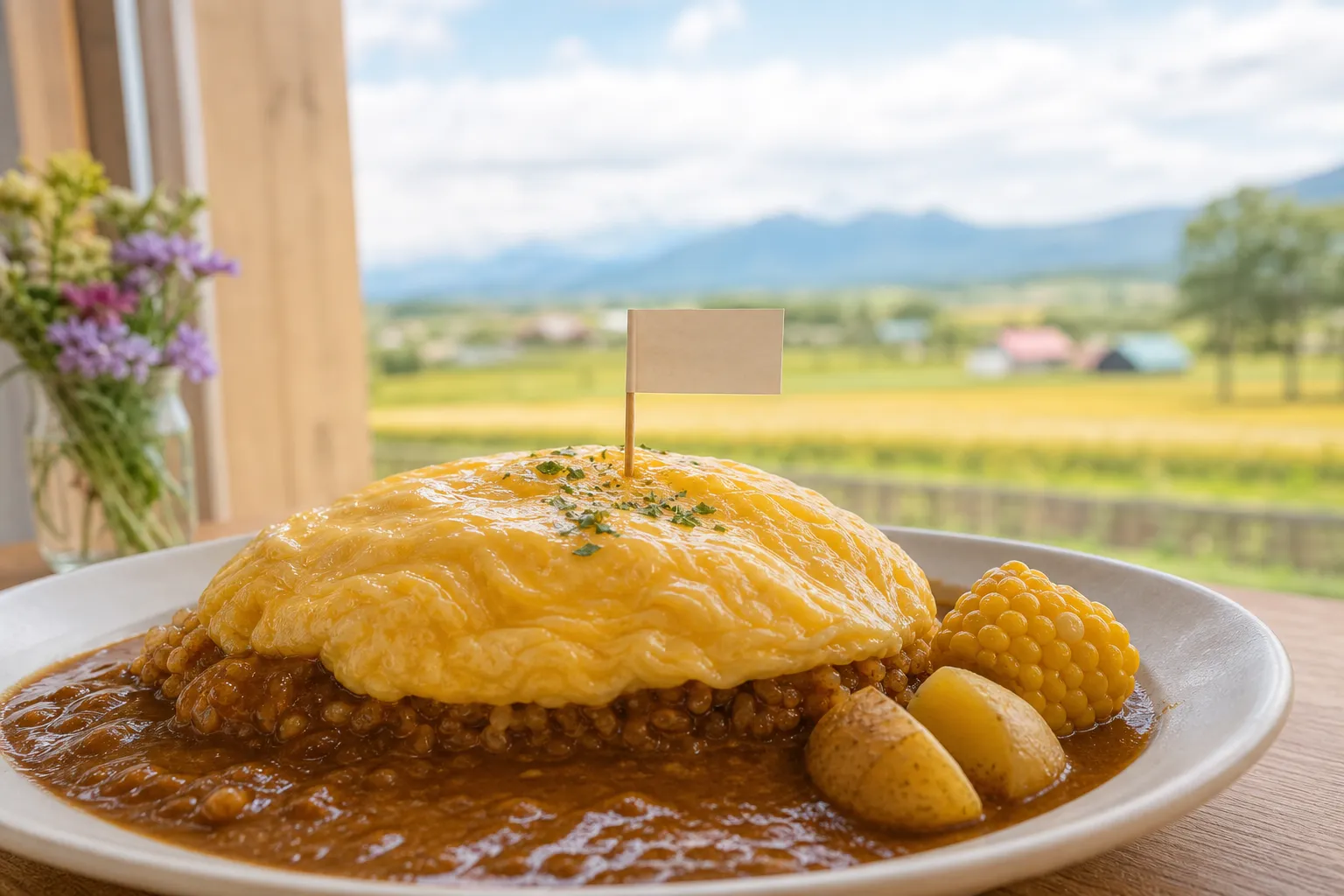
Local FoodFurano, Hokkaido
Furano Omu-Curry (富良野オムカレー)
Cut into the omelette and curry sauce comes flooding out like it's been waiting all morning for permission — with a lavender field in the window behind it.
August 2, 2026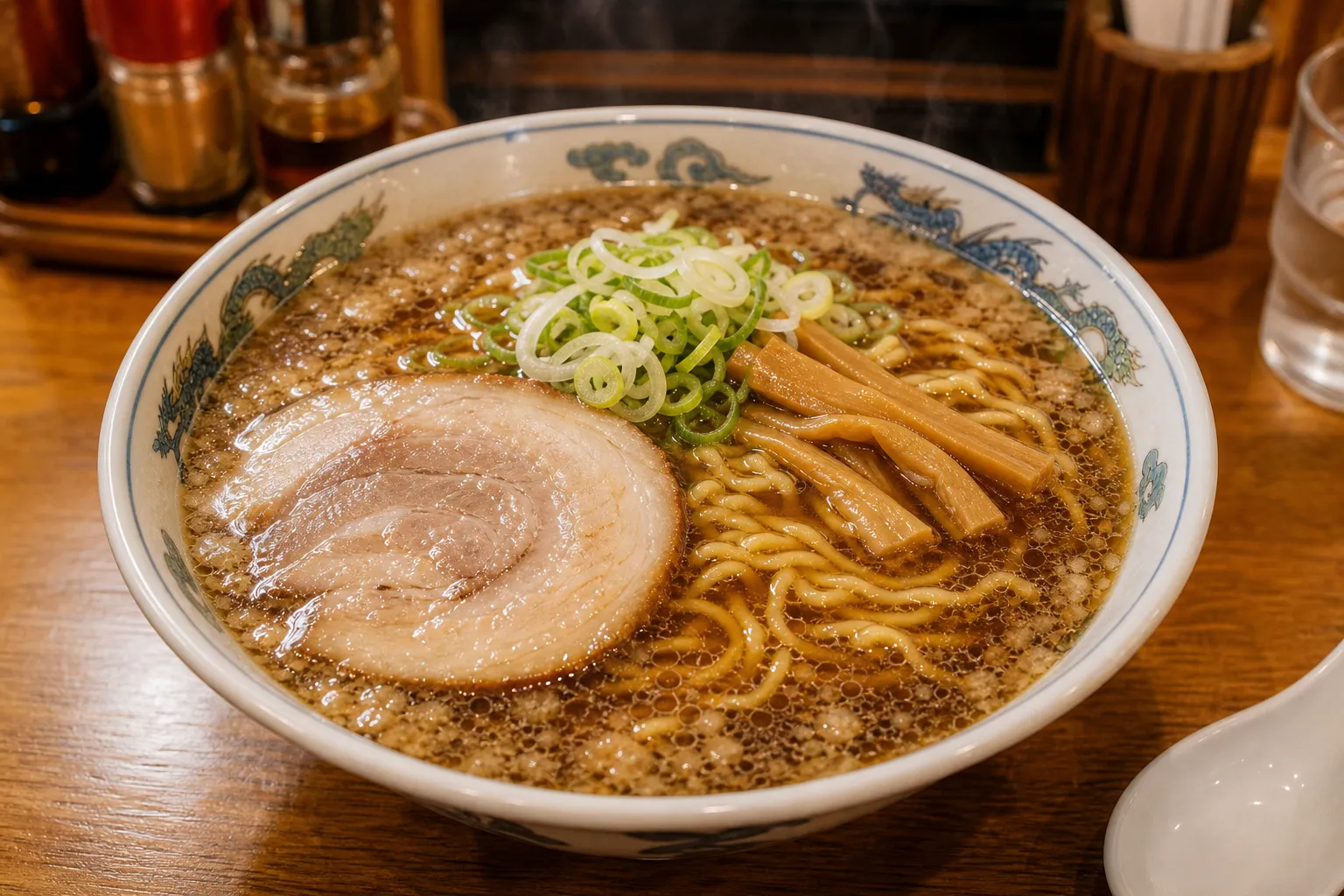
Local FoodAsahikawa, Hokkaido
Asahikawa Ramen (旭川ラーメン)
A slick of lard traps the heat so your soy broth stays scalding to the last drop — because in Asahikawa, the cold outside is trying to kill your ramen. It loses.
July 9, 2026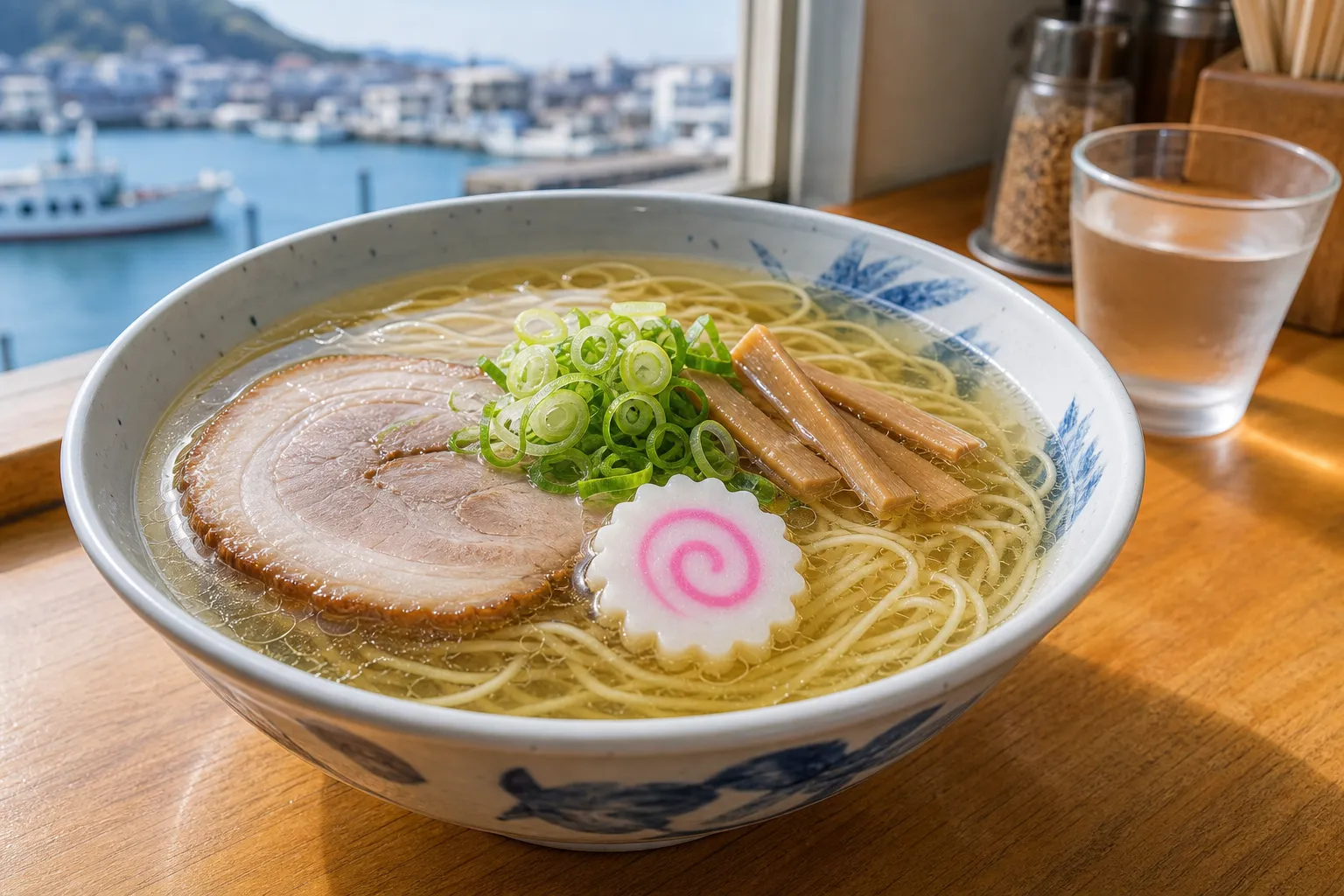
Local FoodHakodate, Hokkaido
Hakodate Shio Ramen (函館塩ラーメン)
Clear as tea, gold as morning light, quiet as a held breath — this is the ramen that proves subtraction is a flavor. Hokkaido's gentle bowl, and my hangover's best friend.
July 9, 2026