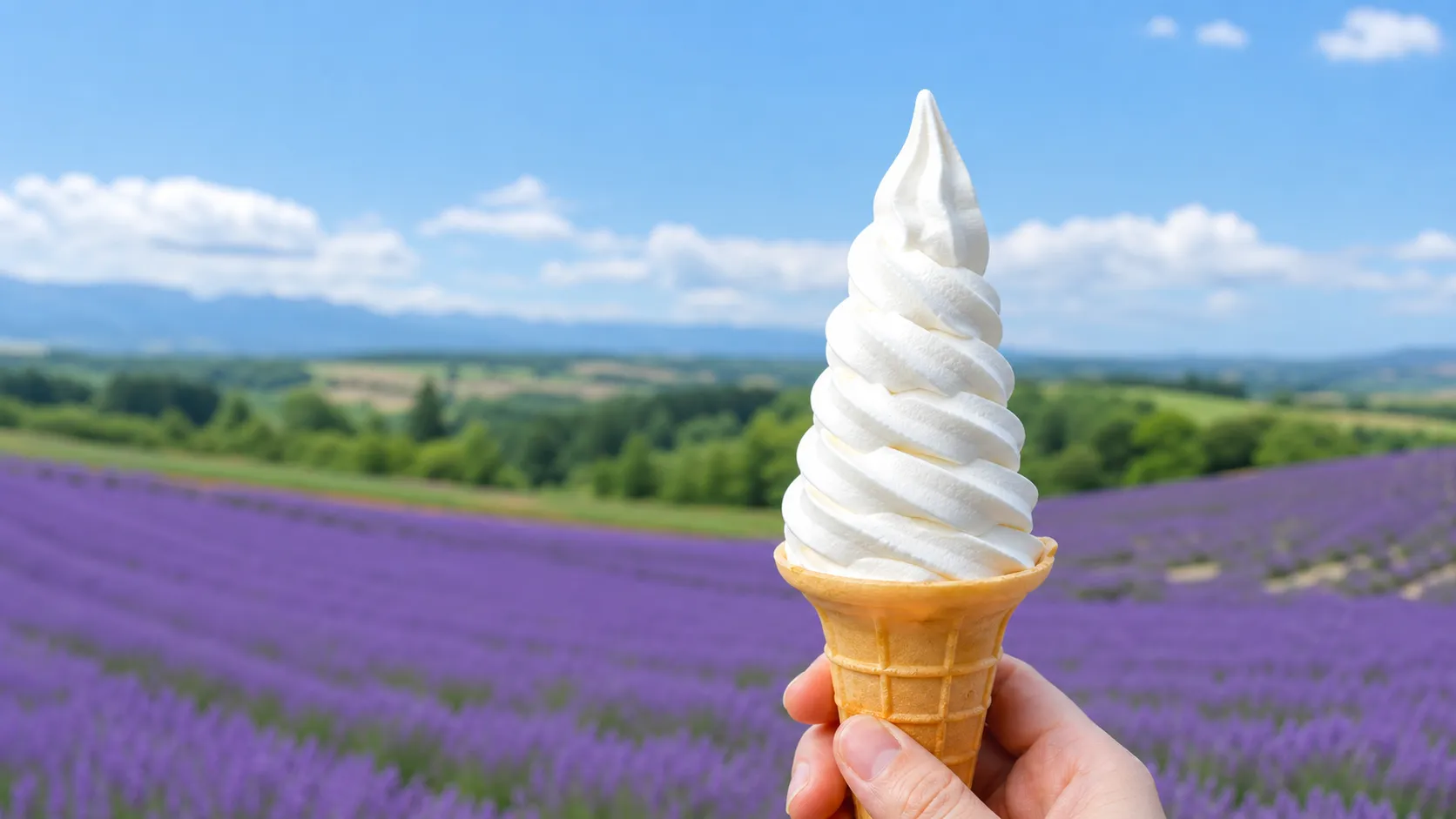
It looks like soft serve. You've had soft serve. Then the first lick lands — denser, silkier, somehow milkier than anything you were braced for — and you glance up at the flavor board and it says black sesame and roasted tea and soy sauce, and you realize you've wandered into something a lot deeper than dessert.
Share this dish


Japan's beloved soft serve — silky, towering swirls in flavors you won't find anywhere else, often made with famous local milk or regional specialties. A travel snack and a regional treasure hunt.
🍜 Planning a food trip to Japan?Add this dish to my Food Trip →
 Add this dish to my Food Trip →
Soft cream (ソフトクリーム) — Japanese soft serve — is the everyday treat that quietly turns into a treasure hunt. The texture is silky and dense, the swirl is photogenically tall, and the flavors go far beyond vanilla and chocolate: matcha, hojicha (roasted tea), black sesame, sake, soy sauce, wasabi, sweet potato, yuzu, and — most importantly — countless regional milk and specialty flavors tied to wherever you happen to be standing. Chasing local soft cream as you travel becomes a genuinely fun mini-quest.
It's everywhere — highway rest stops (michi no eki), tourist spots, farms, temples, department stores — usually a few hundred yen, and a perfect little reward for a day of sightseeing.
A travel snack with regional pride
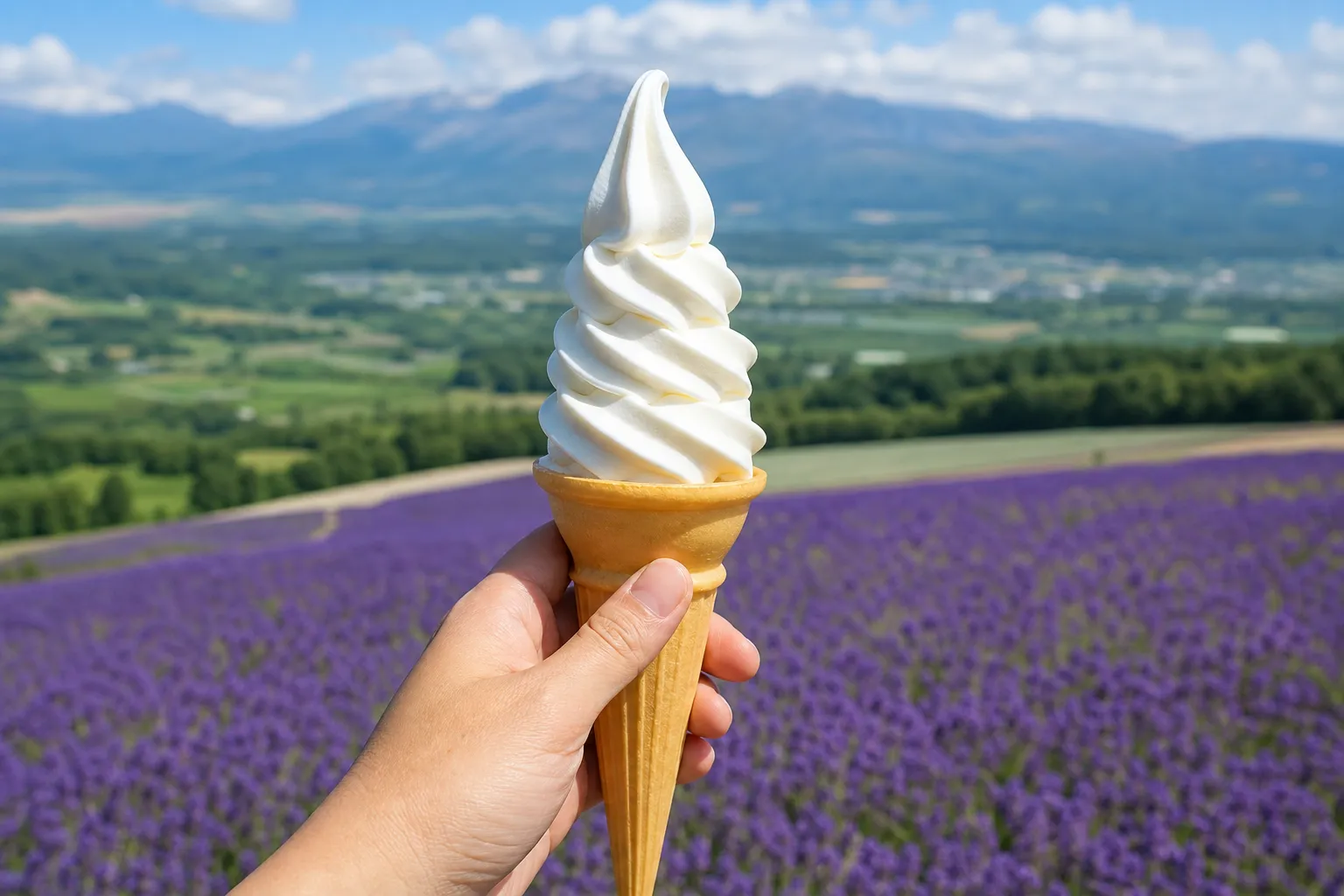
Soft serve arrived in Japan in the mid-20th century and was enthusiastically adopted, then localized into a regional specialty machine. Famous dairy regions — especially Hokkaido — turned their renowned milk into rich soft cream that draws tourists, and seemingly every locality now has a signature flavor showcasing its own produce: Hokkaido milk and lavender, Shizuoka wasabi and green tea, Kyoto/Uji matcha, regional fruits, even quirky novelty flavors.
That's the fun: soft cream became a way to taste a place. The roadside-station (michi no eki) soft cream, made with local milk, is a road-trip ritual.
Why Japanese soft serve hits different
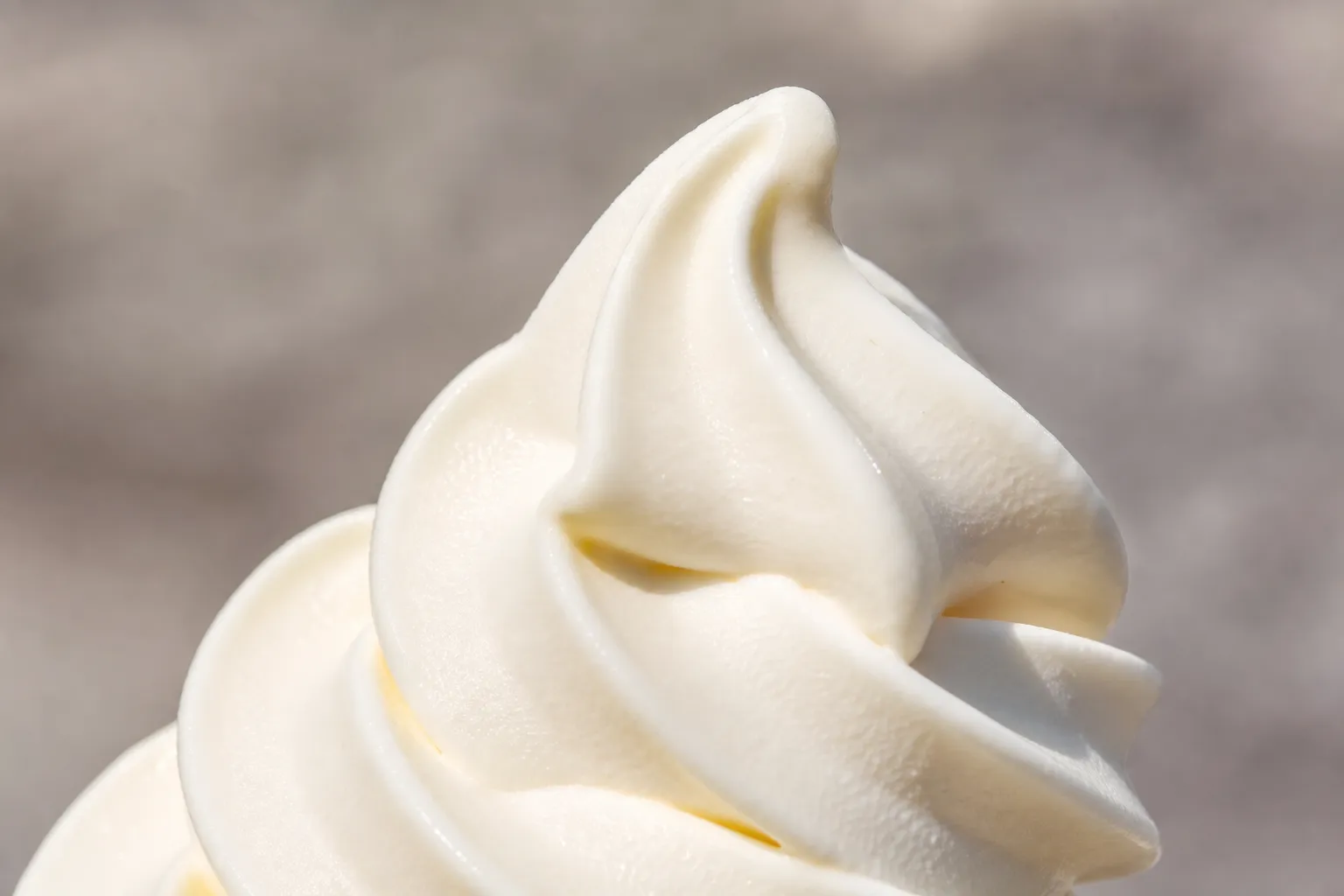
Two things set it apart: quality milk and inventive flavors. Japan's prized dairy (Hokkaido above all) makes for an exceptionally rich, clean, milky soft serve, and the dense, smooth texture feels more luxurious than a typical fast-food swirl.
Then there's the flavor creativity. Beyond a stellar milk (miruku) flavor, you'll find serious matcha, nutty hojicha and black sesame, and bold regional and seasonal specials. The mix-swirl of milk + matcha (mikkusu) is a classic order. It's a small treat that rewards curiosity.
How it's made
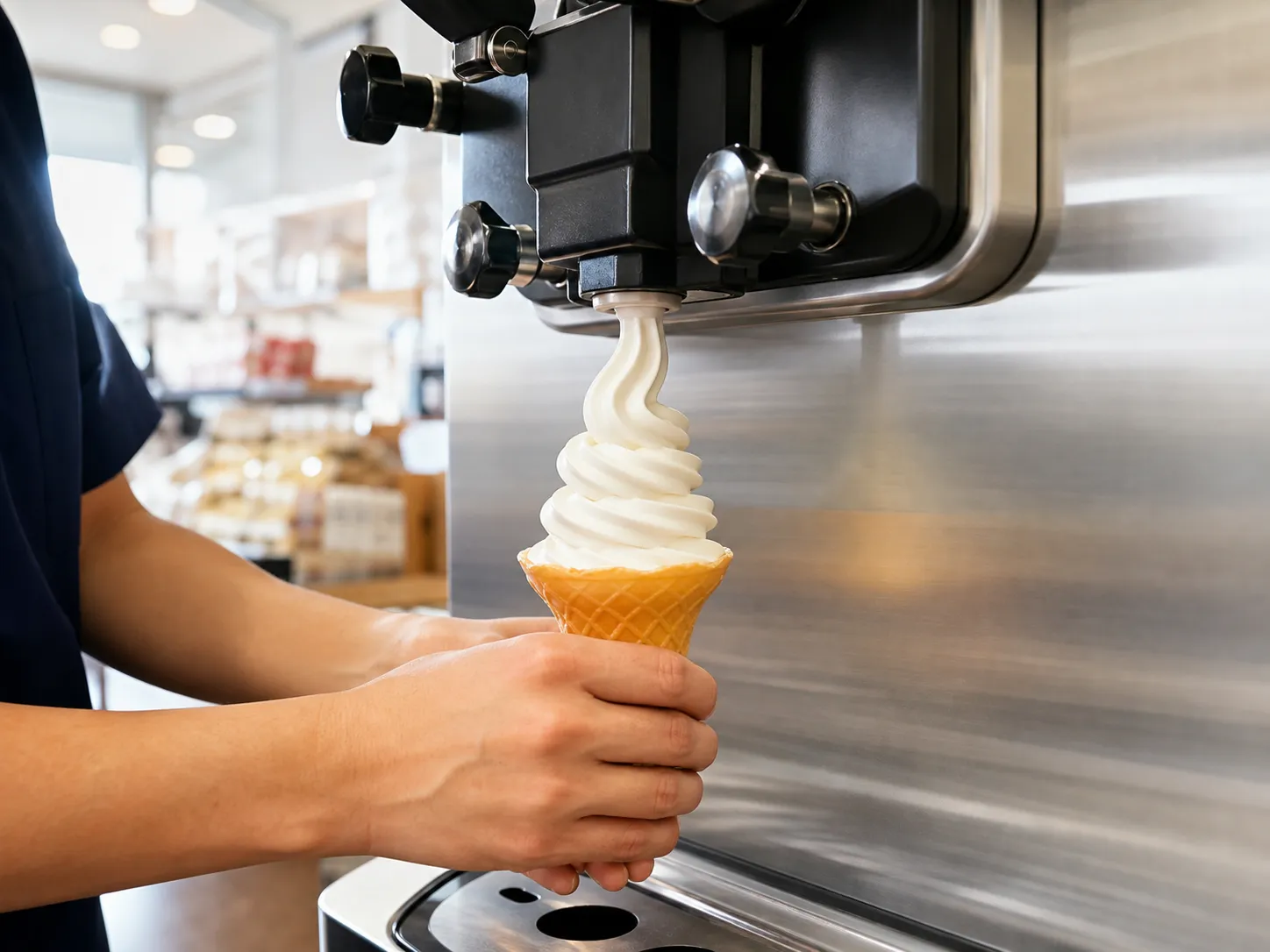
- Blend a soft-serve base of milk, cream, sugar, and stabilizers (regional versions use local milk)
- Add flavoring — matcha, regional fruit, etc. — to the mix
- Churn and aerate it in a soft-serve machine to a smooth, dense consistency
- Swirl into a cone or cup in a tall spiral
- Serve immediately, before it melts
Before you go — chase the local flavor
Your questions, answered honestly
"What flavor should I get?" — Start with milk (miruku), especially in a dairy region like Hokkaido — it's pure and rich. Then go for matcha or the local specialty flavor wherever you are.
"What's the mix swirl?" — Mikkusu (ミックス) is a two-flavor swirl, classically milk + matcha. Best of both in one cone.
"Where do I find the unusual ones?" — Roadside stations (michi no eki), farms, tourist sites, and regional specialty shops. That's where the wasabi, sake, soy-sauce, and local-fruit flavors live.
"Cone or cup?" — Cone (kōn) is classic and portable; cup (kappu) if you want a spoon. Either's fine.
What the staff will ask you
| You'll hear | Romaji | Meaning | Just say |
|---|---|---|---|
| 味はどれにしますか? | Aji wa dore ni shimasu ka? | "Which flavor?" | Miruku de (milk) / Matcha de (matcha) / Mikkusu de (mixed) |
| コーンとカップ、どちらに? | Kōn to kappu, dochira ni? | "Cone or cup?" | Kōn de (cone) |
| 店内ですか、お持ち帰り? | Tennai desu ka, omochikaeri? | "Eat in or takeout?" | Mochikaeri de (takeout) |
To order, just say "Miruku no sofuto kudasai" (ミルクのソフトください) — "a milk soft serve, please."
Where to eat it
- Hokkaido — the dairy kingdom; rich milk soft cream is a must.
- Roadside stations (michi no eki) & farms — the home of weird and wonderful local flavors.
- Uji/Kyoto for matcha; tourist districts everywhere for a reliable swirl.
Treat it as a regional treasure hunt — order whatever flavor you've never seen before.
Soul Score
Local Roots4/5
First-Timer Friendly5/5
Adventure Level4/5
Comfort Level4/5
Travel Worthy5/5
These scores are one obsessed eater's gut feeling — not a verdict. A low number isn't a bad mark, just a different kind of adventure.
Planning what to eat in Hokkaido?❄️ Hokkaido Food Guide: Ramen, Soup Curry, Zangi, Sweets, and Winter Comfort Food →
Know someone planning Japan?
← All Articles
Sweets & Snacks · Nationwide
Still hungry?
You might also like
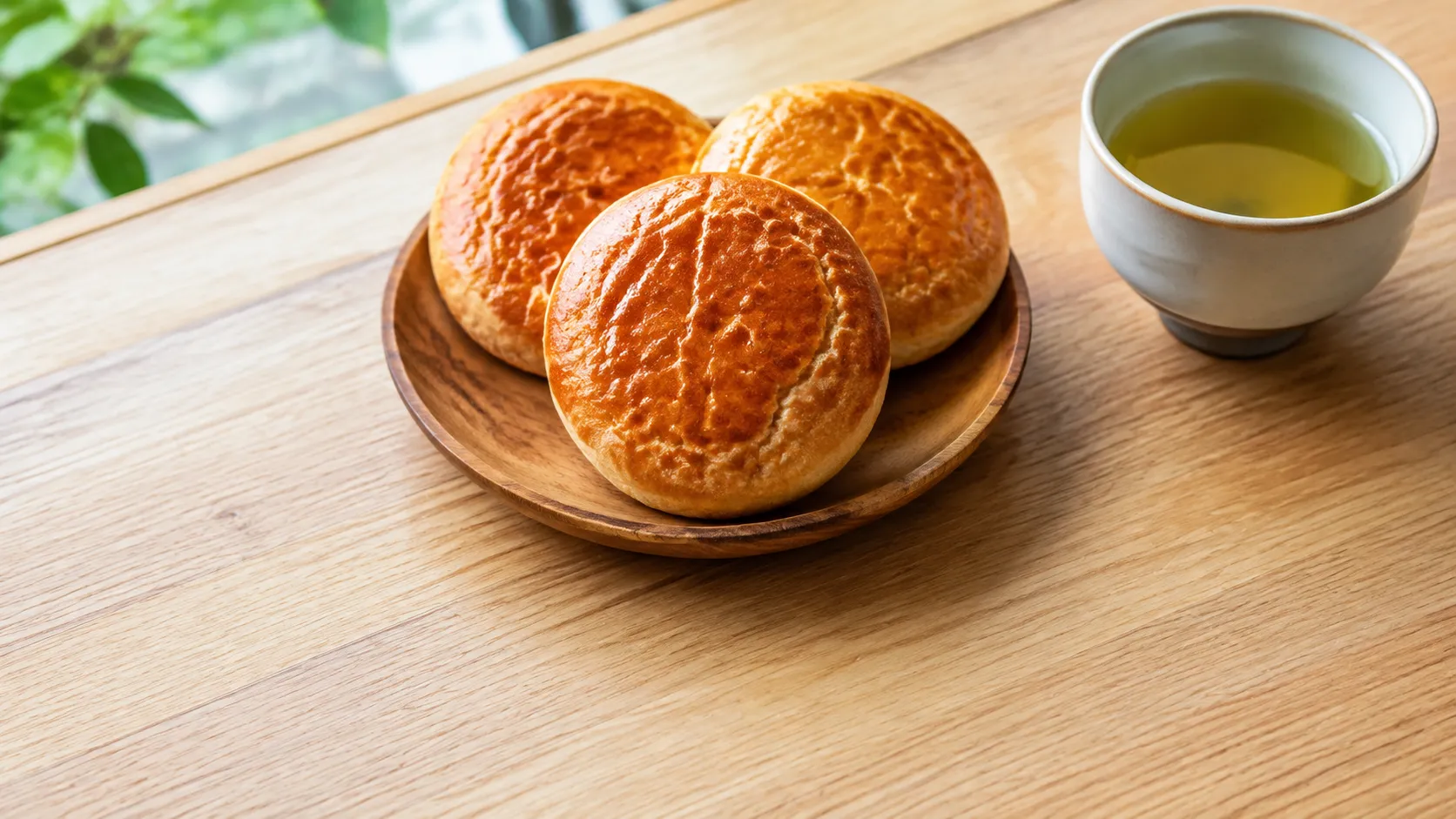
Sweets & SnacksSaga
Maruboro (丸ぼうろ)
It looks like the most boring biscuit in Japan. Then you bite it and it's soft, and honey-warm, and about four hundred years of Portuguese sailors arrive all at once.
September 2, 2026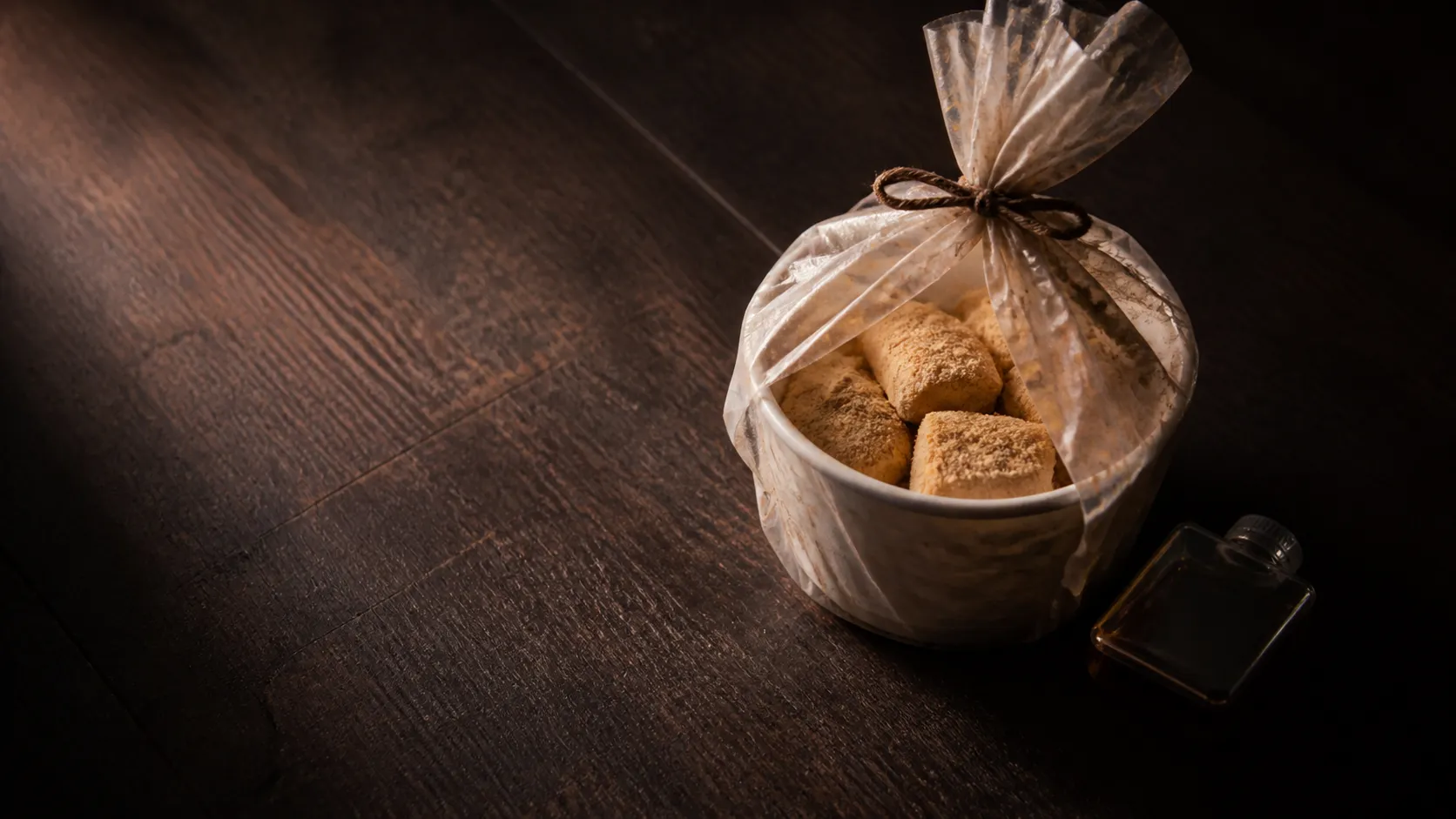
Sweets & SnacksYamanashi
Shingen Mochi (信玄餅)
There is a correct way to eat this and I did not know it, so I made a mess in front of several Yamanashi locals who were extremely kind about it and absolutely watching.
September 2, 2026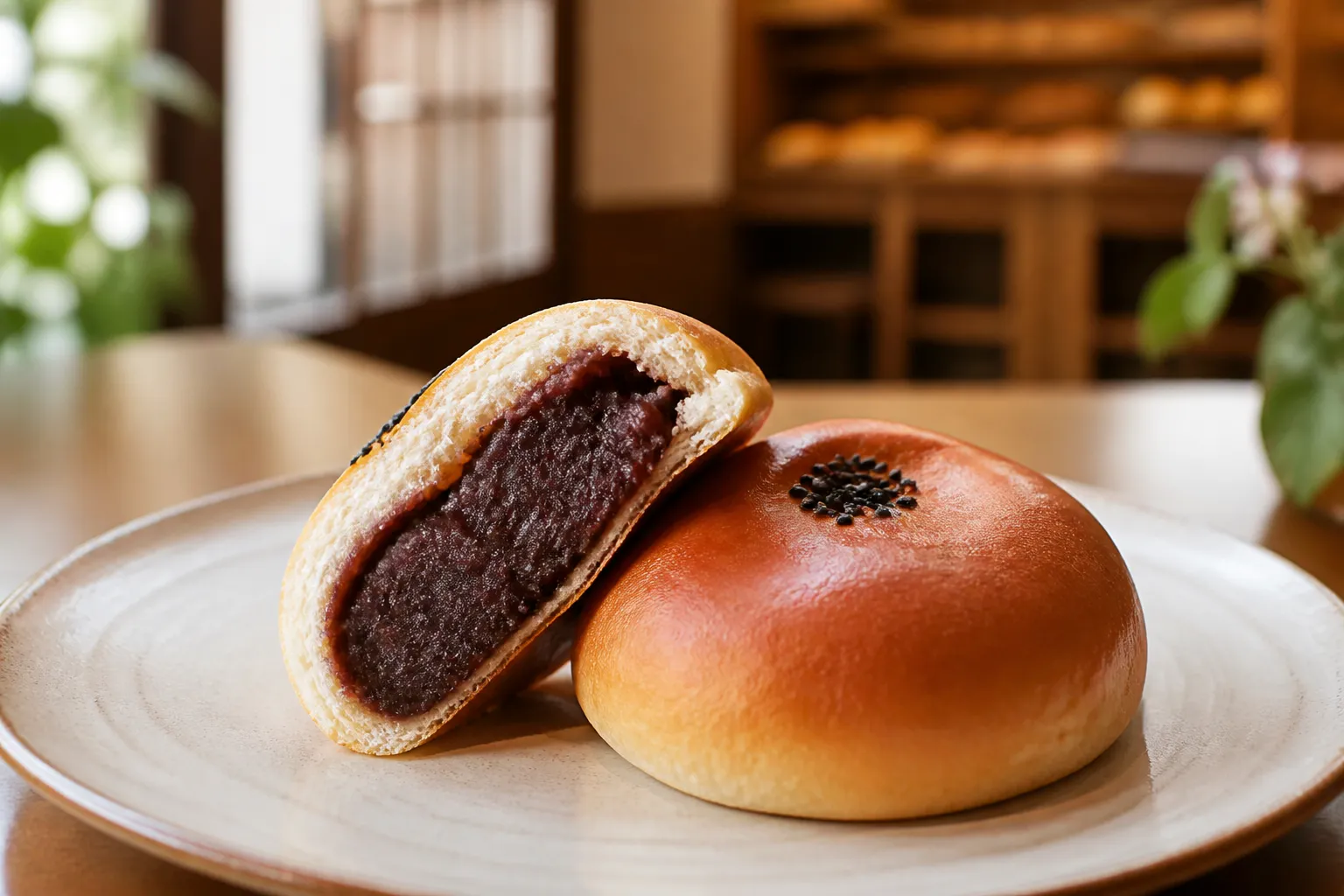
Sweets & SnacksTokyo
Anpan (あんパン)
A soft little bun, one bite in, and suddenly it's dense, dark, sweet red bean all the way through — the bread that talked 1870s Japan into eating Western-style bread at all.
July 27, 2026