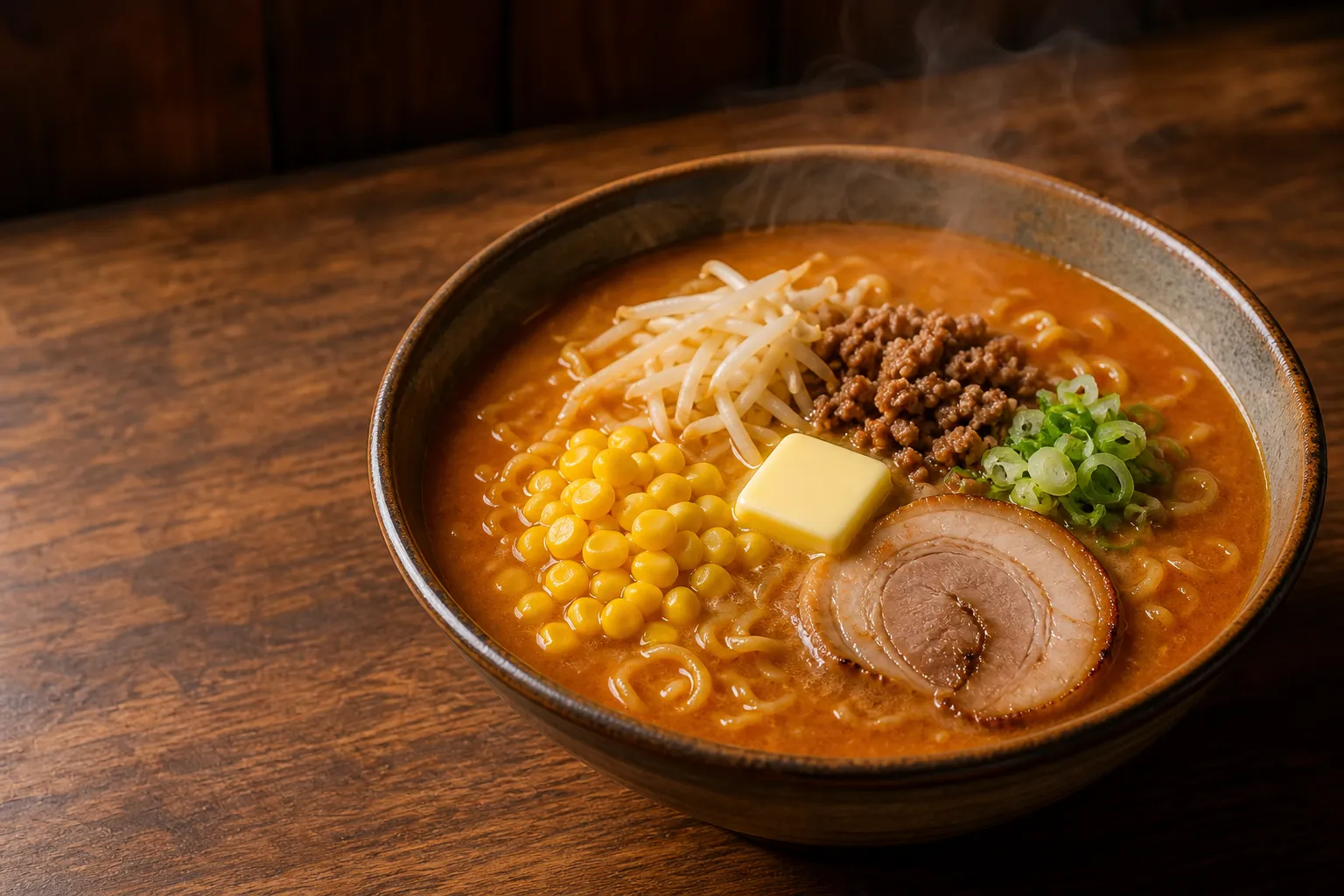
The butter melted into the red-brown broth and I actually paused, spoon halfway up, a little overwhelmed. It was some absurd temperature below zero outside, my hands had stopped working properly on the walk over, and here was a bowl of ramen so rich and warm it felt like being wrapped in a blanket from the inside. I did not talk to anyone until it was gone.
Share this dish


🍜 Planning a food trip to Hokkaido?Add this dish to my Food Trip →
 Add this dish to my Food Trip →
This is miso ramen (味噌ラーメン), Sapporo's gift to cold-weather survival: curly yellow noodles in a thick, opaque, fermented-soybean broth — deeper and heartier than a clear shoyu bowl — classically crowned with sweet corn, a pat of butter, bean sprouts, and stir-fried ground pork. It was born in Hokkaido and conquered the country, and on a freezing day there is genuinely nothing better.
Born in a cold city
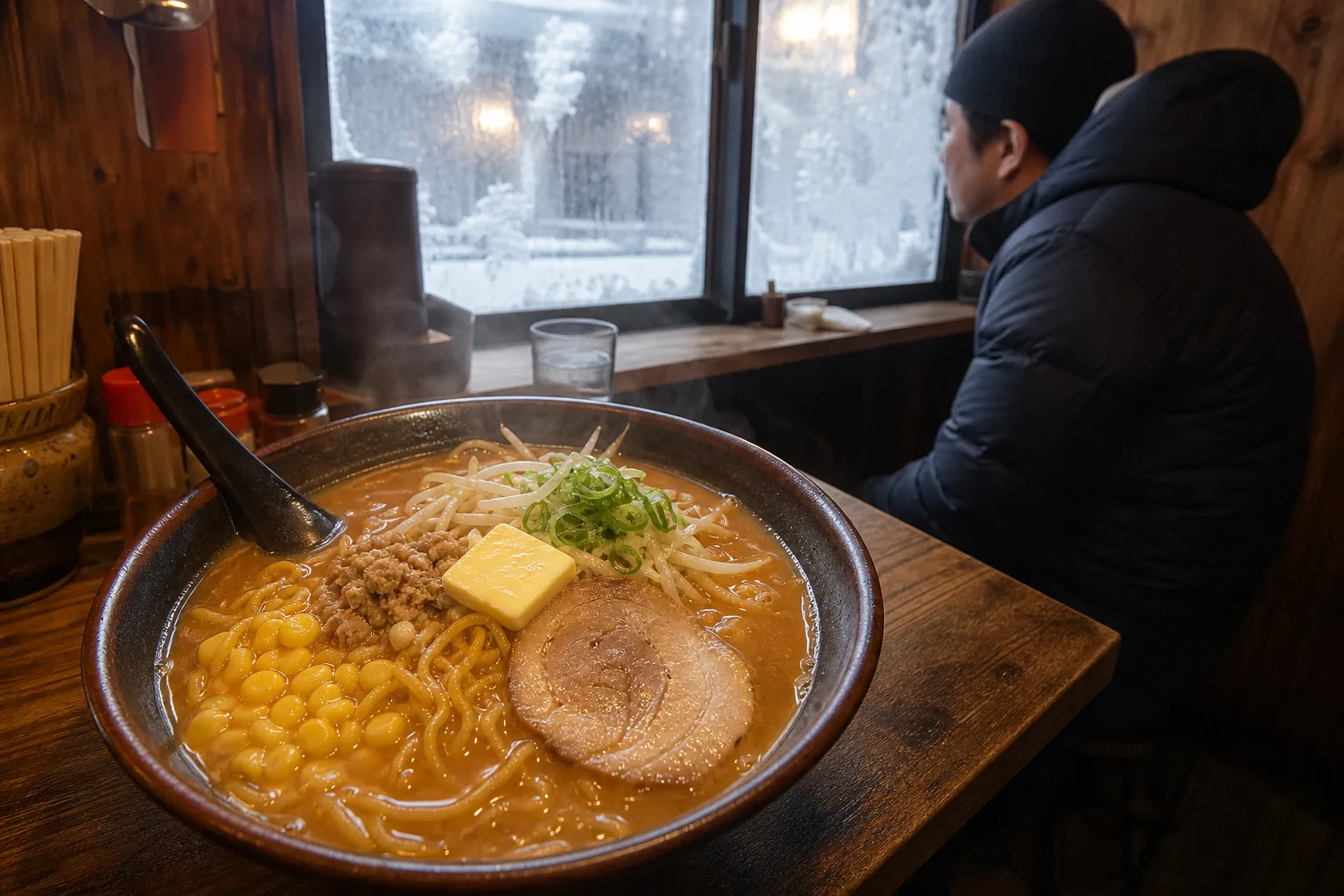
Miso ramen came out of Sapporo and it tastes like the place: rich, warming, built for winters that do not mess around. Where Tokyo went clear-soy and Hakata went milky pork, Sapporo reached for miso — fermented, savory, thick enough to cling — and stirred in butter and corn from Hokkaido's famous dairy and farmland. Regional ingredients, regional weather, one perfect answer.
I find it kind of beautiful that a whole style of ramen exists because a city gets genuinely cold. This isn't a bowl chasing trends; it's a bowl solving a problem, and the problem is February. I ate it two days running and on the second day I understood it wasn't indulgence, it was infrastructure.
Why the rich miso broth works
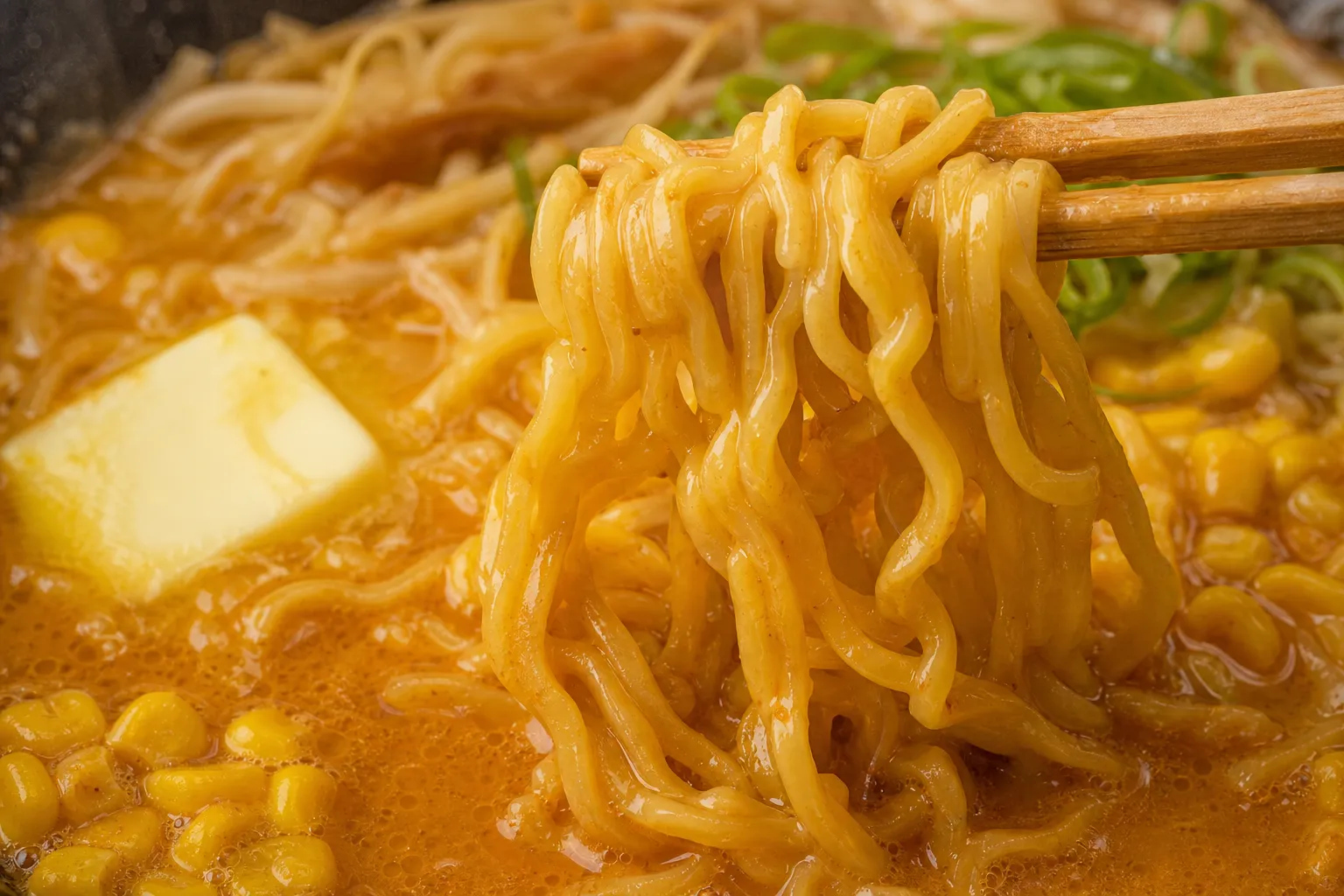
Miso does something no other ramen base can. It's fermented, so the broth has a deep savory backbone, faintly sweet, thick enough to coat the noodles instead of running off them. The curly noodles are chosen for exactly that — their waves catch and hold the heavy soup, so every lift comes up loaded.
Then the toppings pile on the comfort: bean sprouts for crunch, ground pork for savory depth, sweet corn for little bursts of brightness, and butter melting across the top into a glossy, almost decadent finish. It should be too much. It is exactly enough. I chased the last corn kernels around the bowl with genuine determination.
How it's made
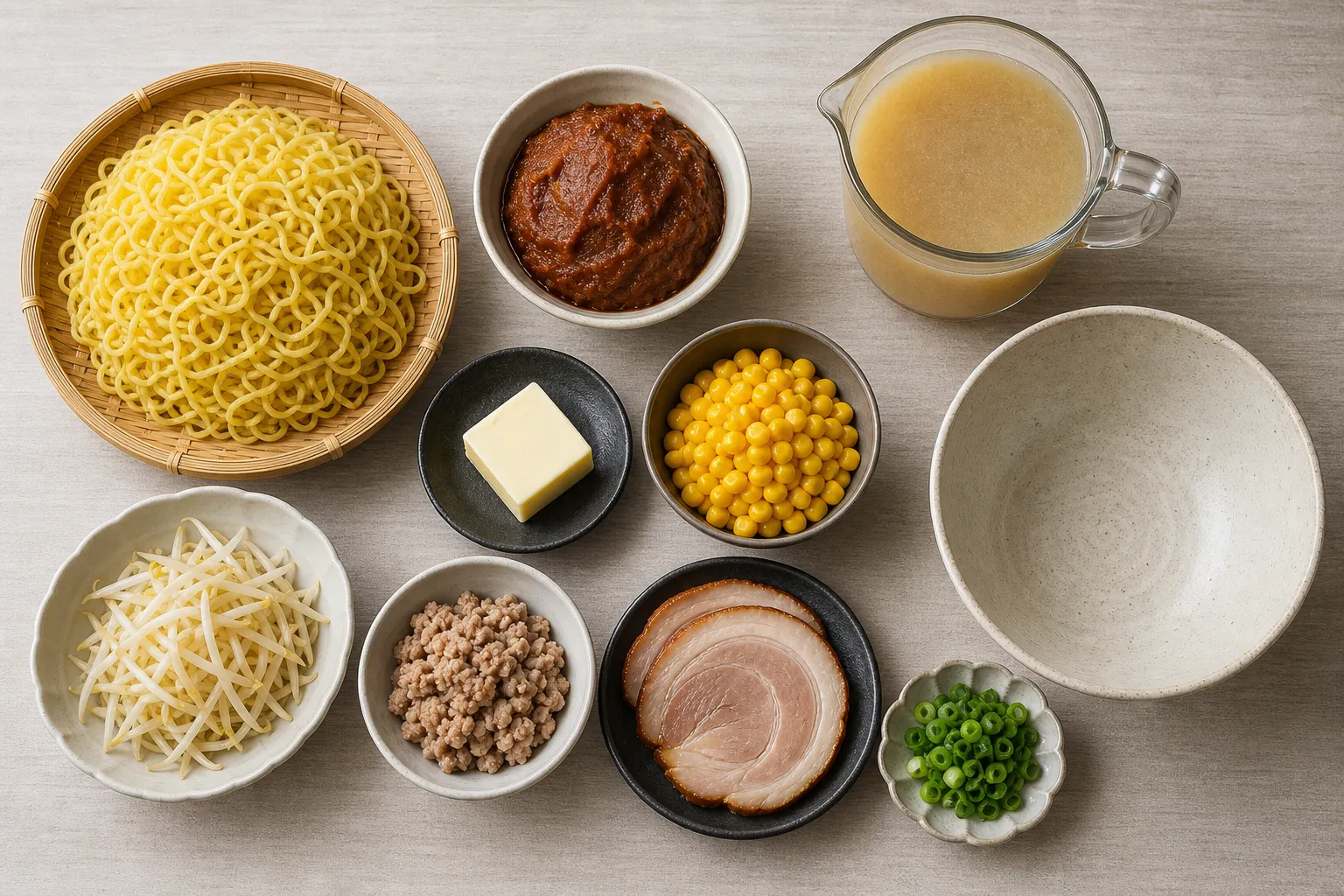
- Stir-fry ground pork, bean sprouts, and aromatics in a hot wok
- Add miso paste and let it toast for a second, then loosen with pork or chicken stock
- Simmer into a thick, opaque, savory broth
- Boil curly ramen noodles until springy
- Combine noodles and hot miso broth in the bowl
- Top with the stir-fry, sweet corn, green onion, chashu, and a pat of butter
Before you go — for the ramen-curious
Your questions, answered honestly
"How is this different from other ramen?" — The base is fermented miso, so it's thicker, richer, and more savory-sweet than a clear shoyu or a milky tonkotsu bowl. Sapporo's version leans hearty, often with corn and butter.
"Do I have to get the butter and corn?" — They're the Sapporo classic and I'd say yes, at least once. If you want it simpler, just order plain miso ramen — but the butter melting in is the whole experience.
"Is it spicy?" — Not by default. Some shops offer a spicy miso (kara-miso) if you want heat — ask.
"Is it heavy?" — Yes, comfortably so. It's a warming, filling bowl built for cold days. Come hungry.
What the staff will ask you
| You'll hear | Romaji | Meaning | Just say |
|---|---|---|---|
| バターとコーン、入れますか? | Batā to kōn, iremasu ka? | "Add butter and corn?" | Hai, onegaishimasu (yes please) |
| 大盛りにしますか? | Ōmori ni shimasu ka? | "Want a large?" | Futsū de (regular) / Ōmori de (large) |
| 辛さはどうしますか? | Karasa wa dō shimasu ka? | "How spicy?" | Futsū de (normal) |
To order, just say "Miso ramen kudasai" (味噌ラーメンください) — "Miso ramen, please."
Where to eat it
- Sapporo, Hokkaido — the home of the style. Sapporo has whole alleys of ramen shops (the famous Ramen Yokocho area is the classic hunting ground) serving the butter-corn miso bowl at its source.
- Nationwide — miso ramen is on ramen menus across Japan, so you can try it anywhere; look for 味噌 on the ticket machine.
- Check before you go — popular Sapporo shops keep their own hours and can queue at peak times; go a little off-peak in winter.
Soul Score
Local Roots4/5
First-Timer Friendly5/5
Adventure Level3/5
Comfort Level5/5
Travel Worthy4/5
These scores are one obsessed eater's gut feeling — not a verdict. A low number isn't a bad mark, just a different kind of adventure.
Planning what to eat in Hokkaido?❄️ Hokkaido Food Guide: Ramen, Soup Curry, Zangi, Sweets, and Winter Comfort Food →
Know someone planning Japan?
← All Articles
Local Food · Sapporo, Hokkaido
Still hungry?
Eat more from Hokkaido
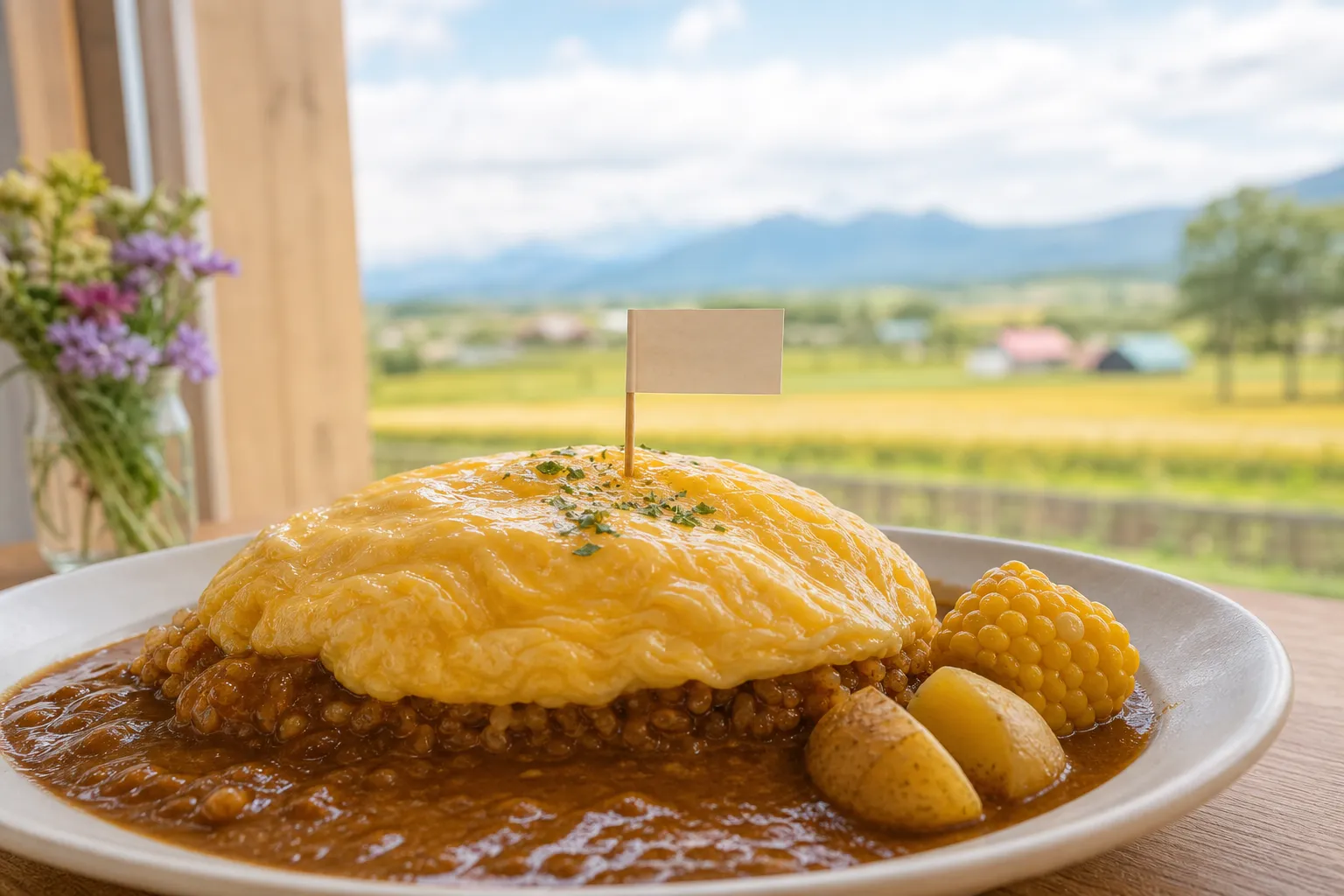
Local FoodFurano, Hokkaido
Furano Omu-Curry (富良野オムカレー)
Cut into the omelette and curry sauce comes flooding out like it's been waiting all morning for permission — with a lavender field in the window behind it.
August 2, 2026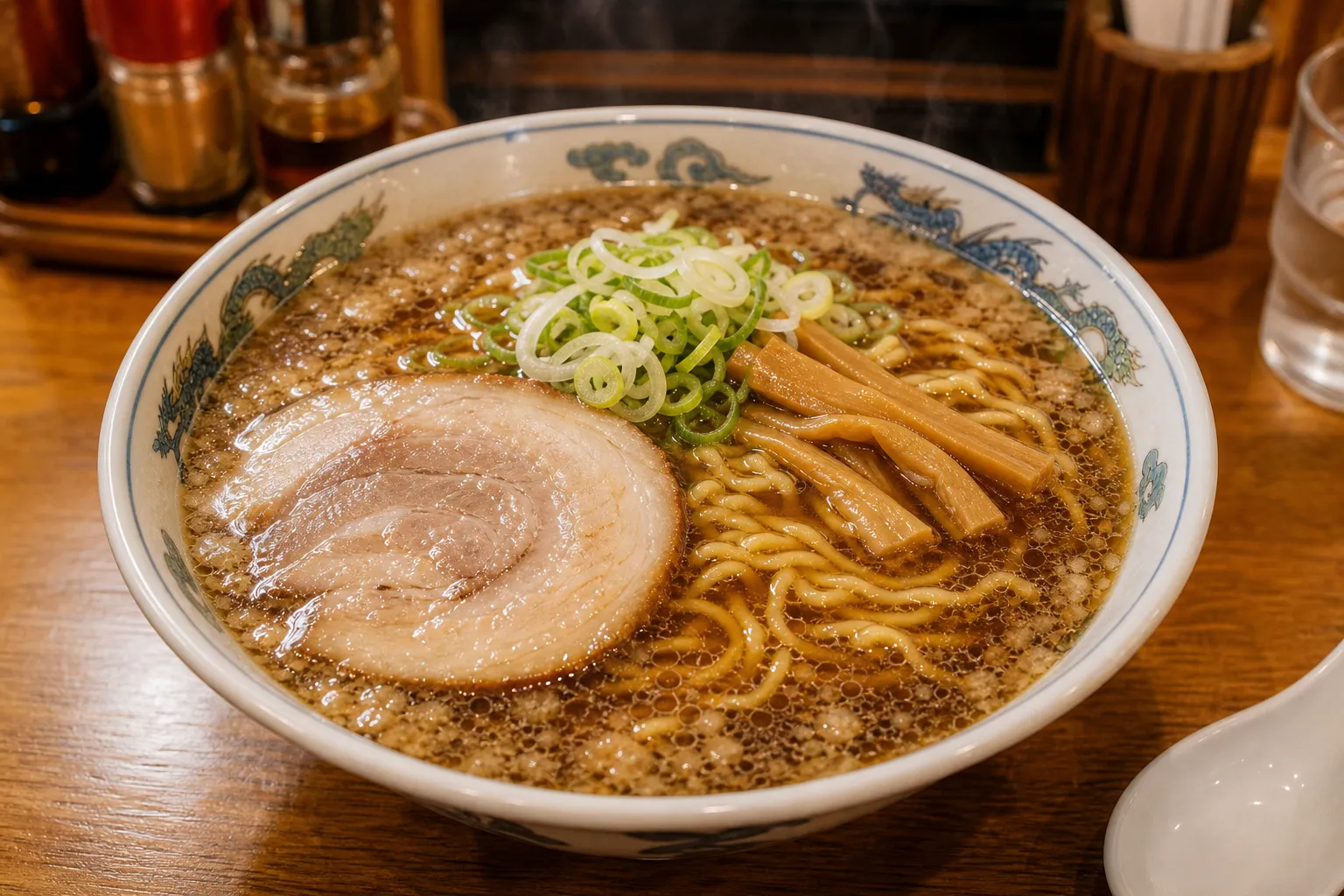
Local FoodAsahikawa, Hokkaido
Asahikawa Ramen (旭川ラーメン)
A slick of lard traps the heat so your soy broth stays scalding to the last drop — because in Asahikawa, the cold outside is trying to kill your ramen. It loses.
July 9, 2026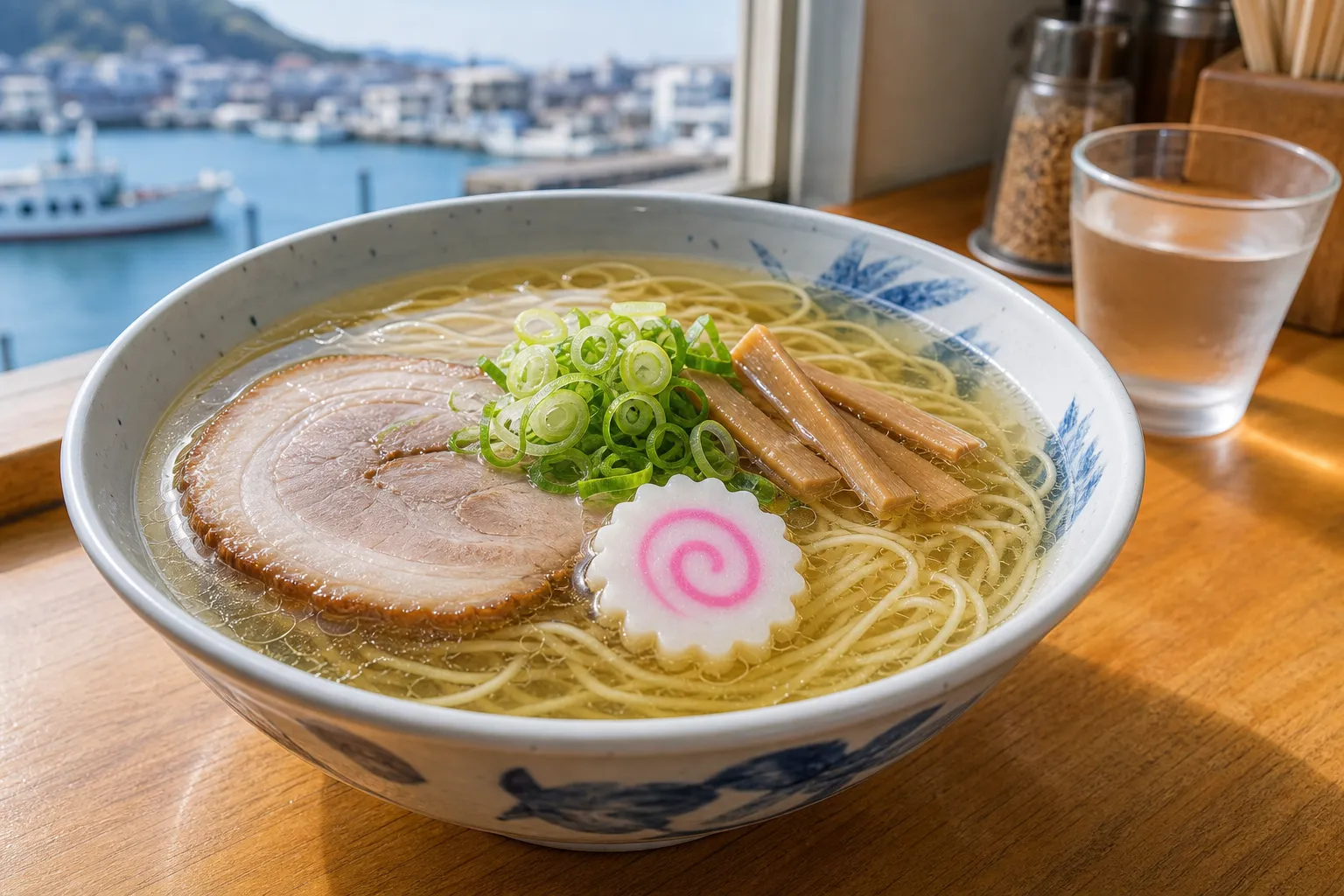
Local FoodHakodate, Hokkaido
Hakodate Shio Ramen (函館塩ラーメン)
Clear as tea, gold as morning light, quiet as a held breath — this is the ramen that proves subtraction is a flavor. Hokkaido's gentle bowl, and my hangover's best friend.
July 9, 2026