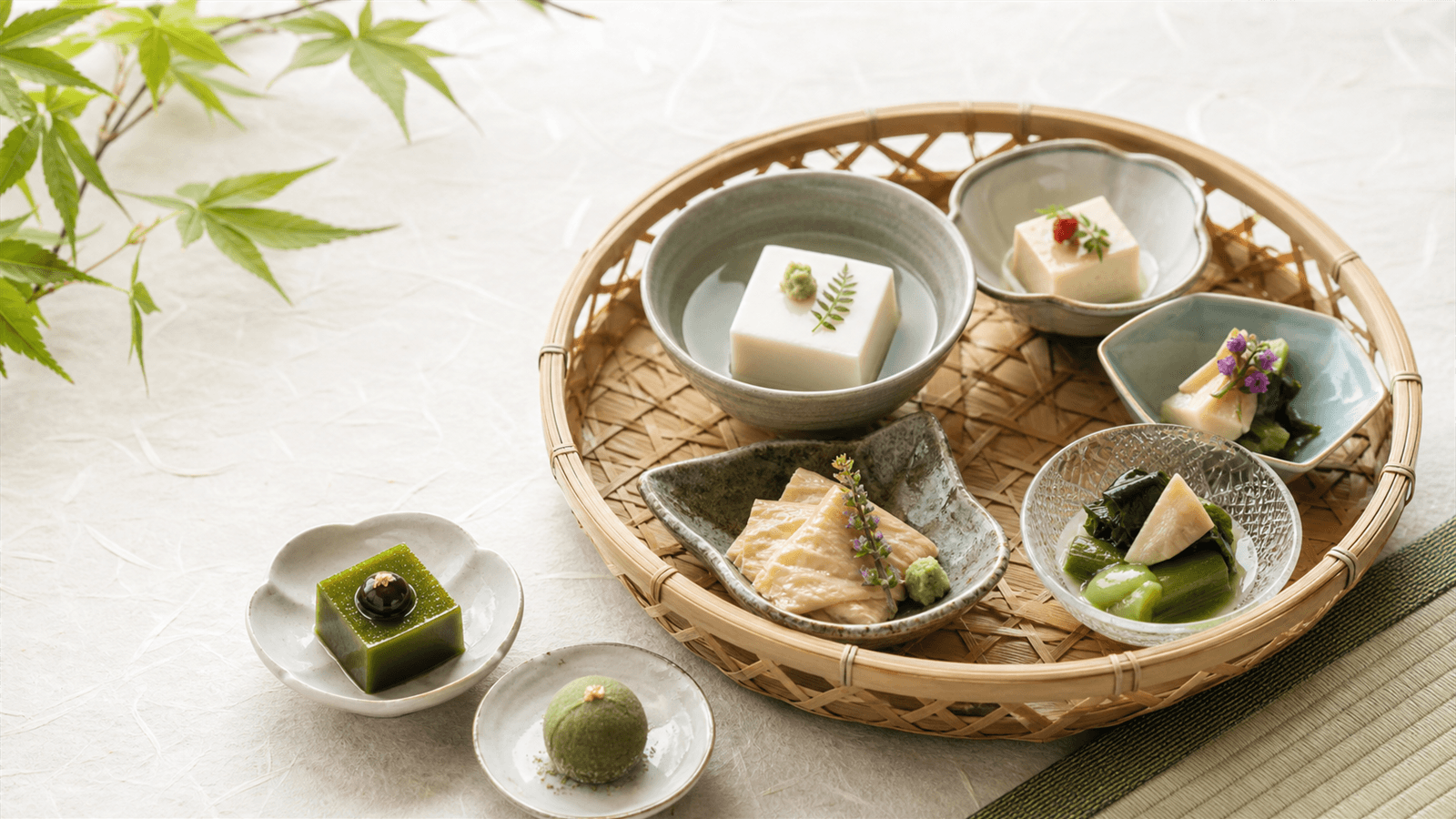
Kyoto eats more gently than the rest of Japan. The old capital leans toward refined, seasonal, plant-forward food — matcha sweets, soft tofu, calm bowls of noodles — eaten between shrines, gardens, and old wooden streets.
You do not need a perfect restaurant list. Pick one compact area, start with a signature sweet or a simple noodle meal, and add a stop or two as you walk. This guide is an entry point, not a live restaurant database: it does not rank shops or list current opening hours, reservations, or stock.
Quick answer: what should I eat first?
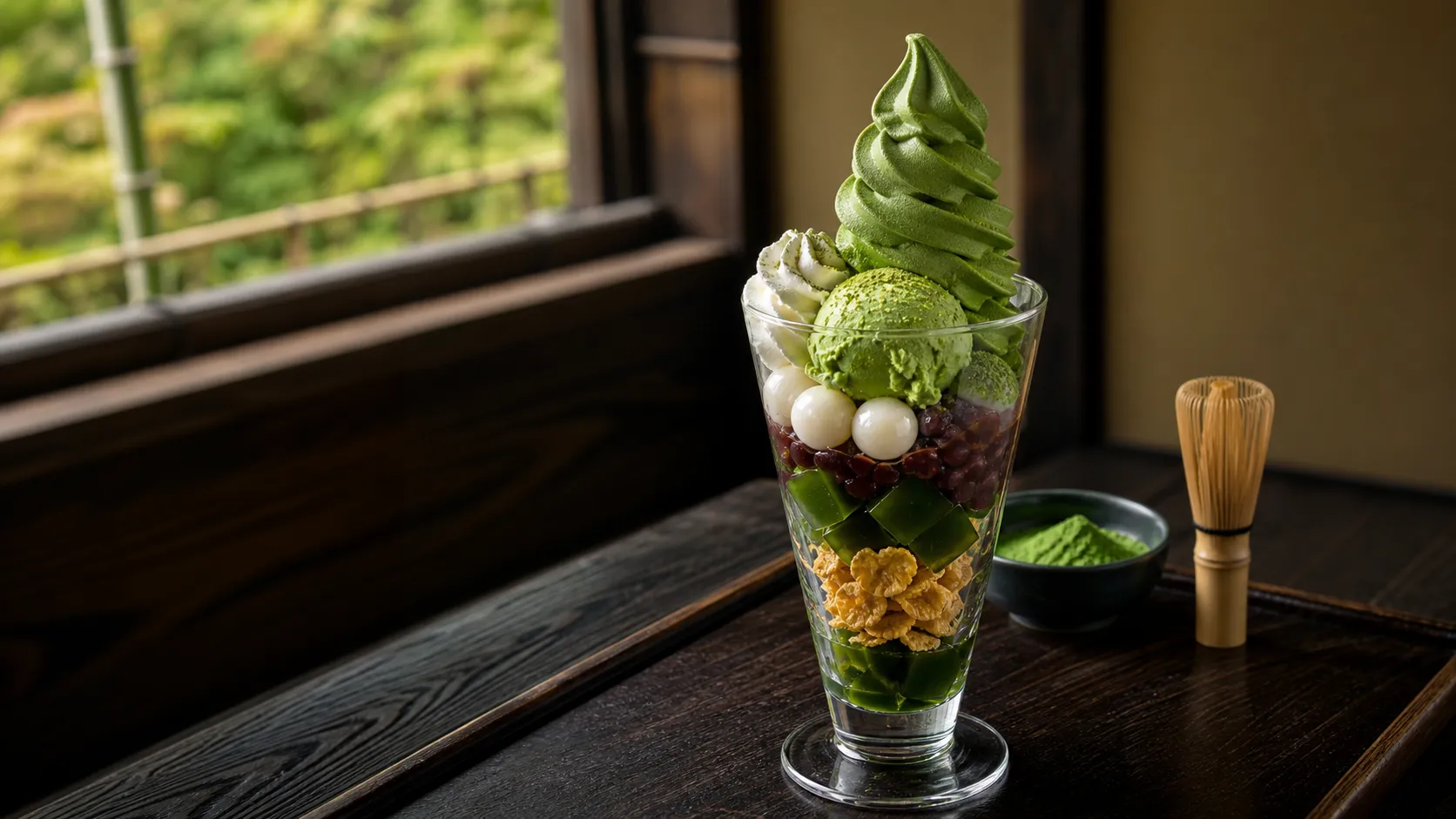
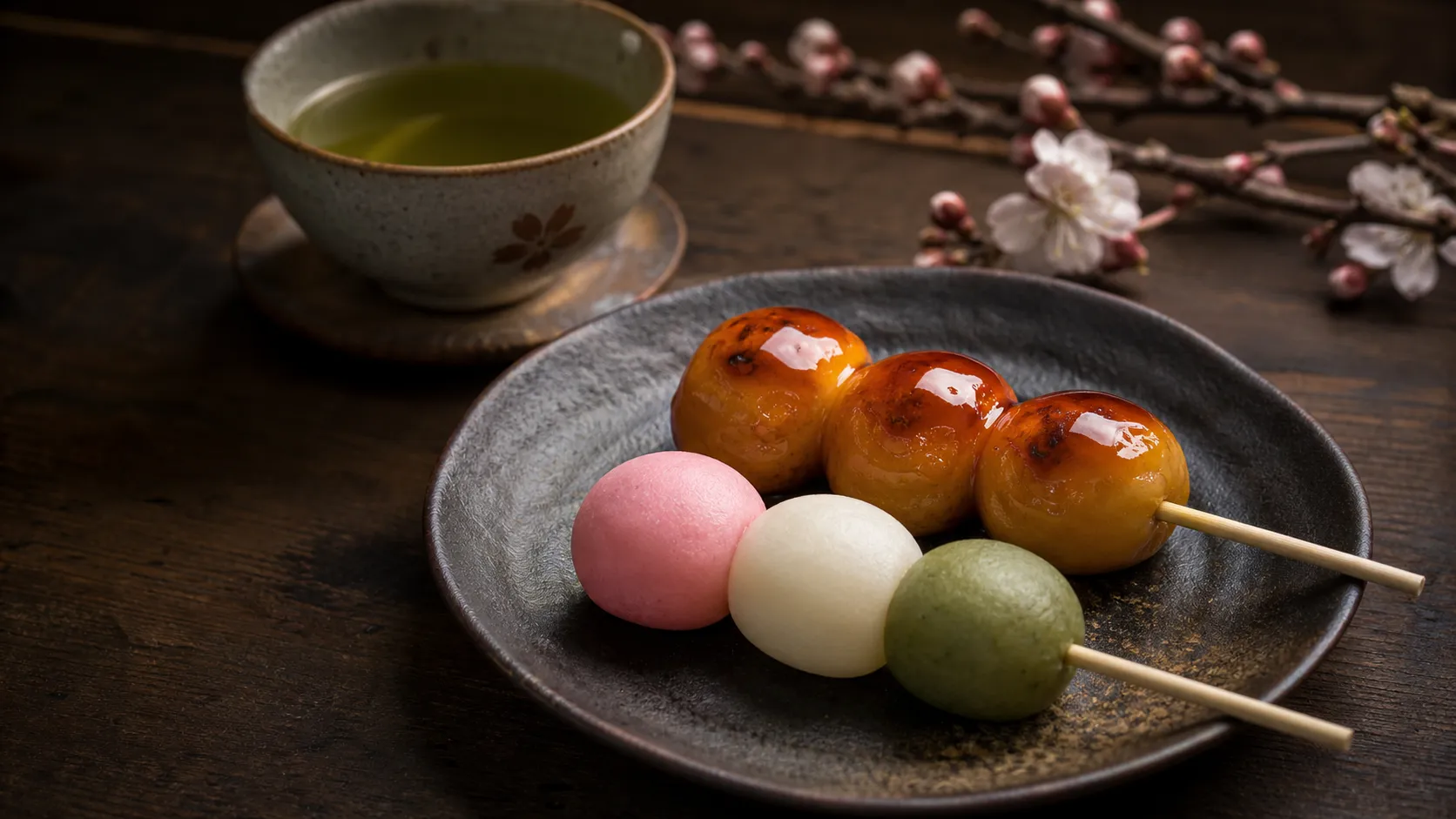
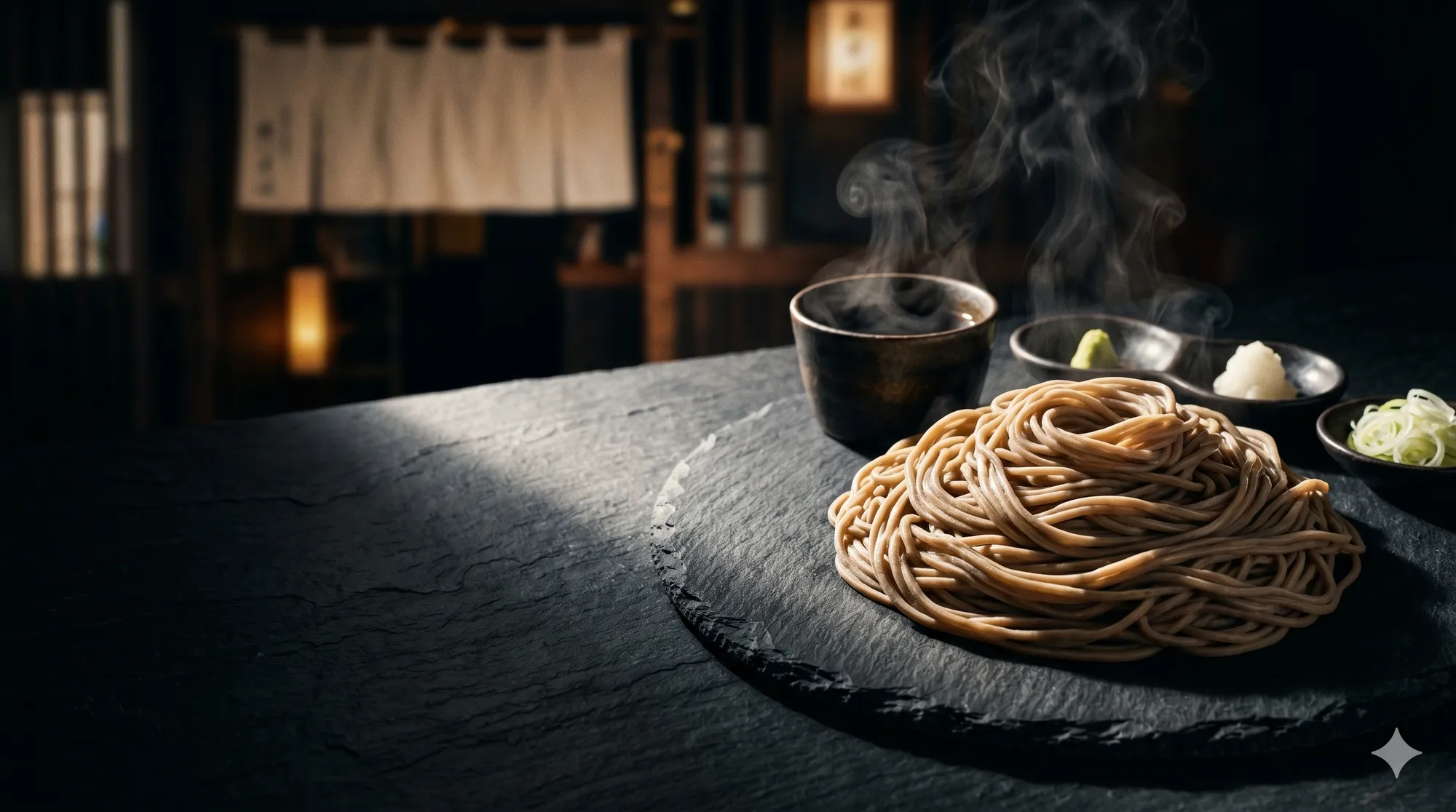
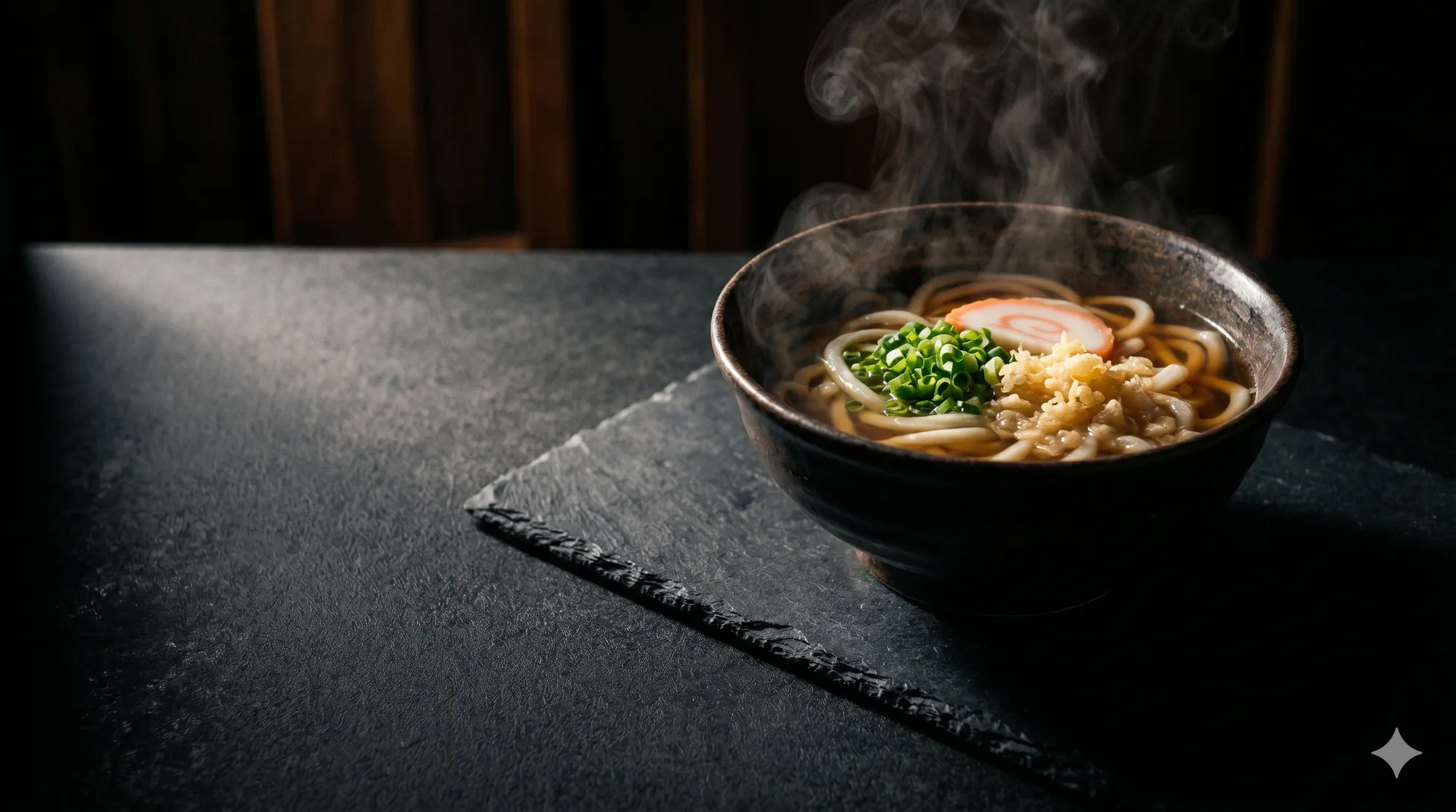
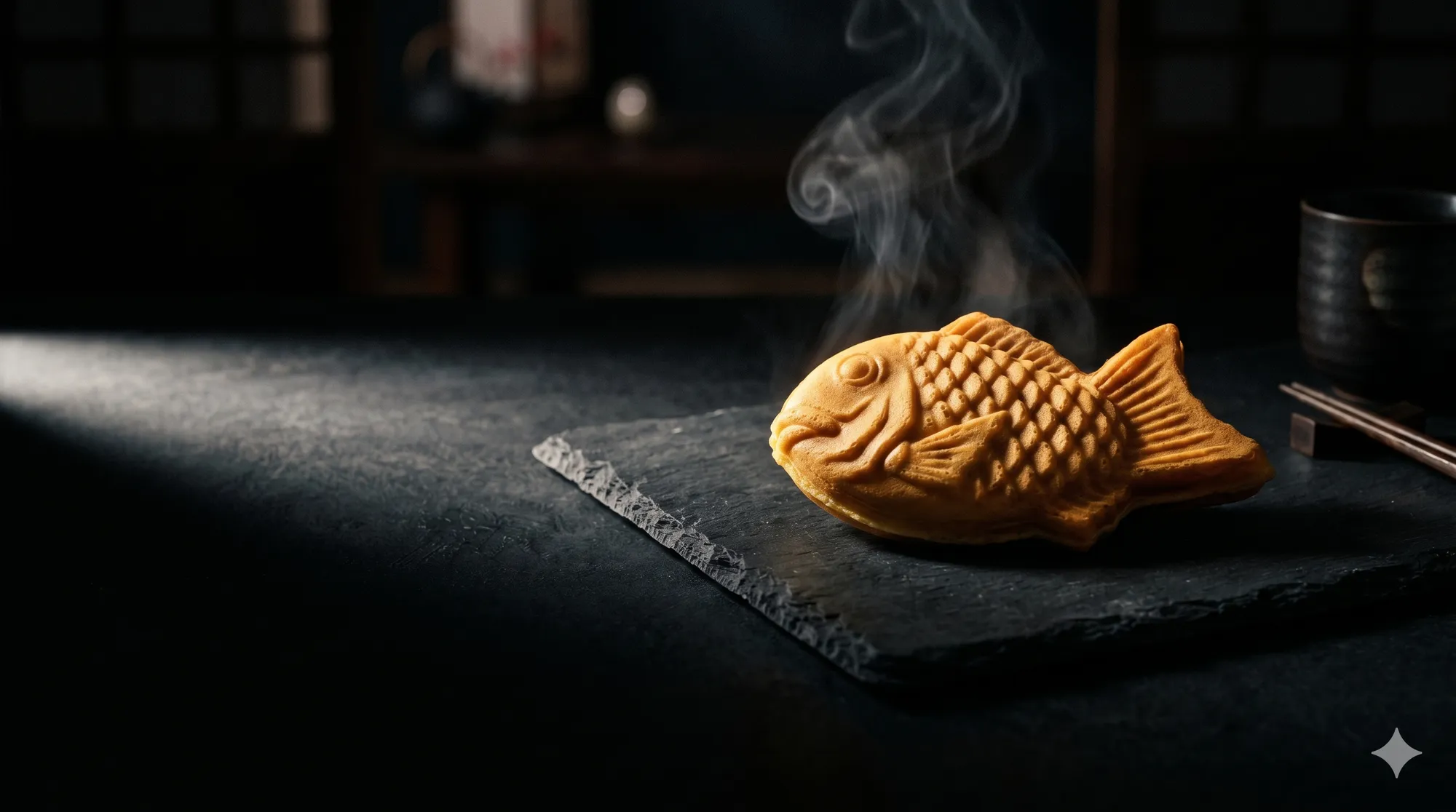
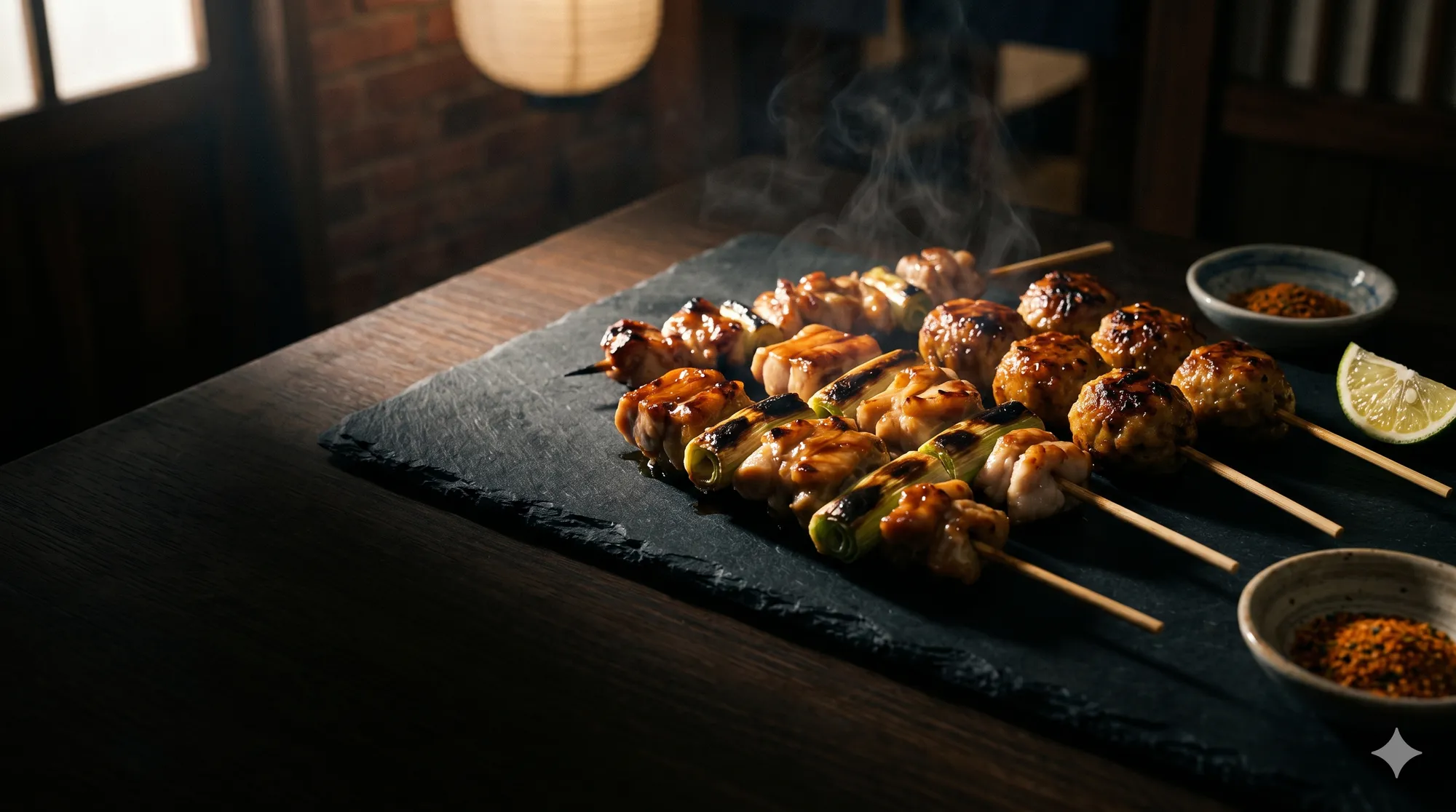
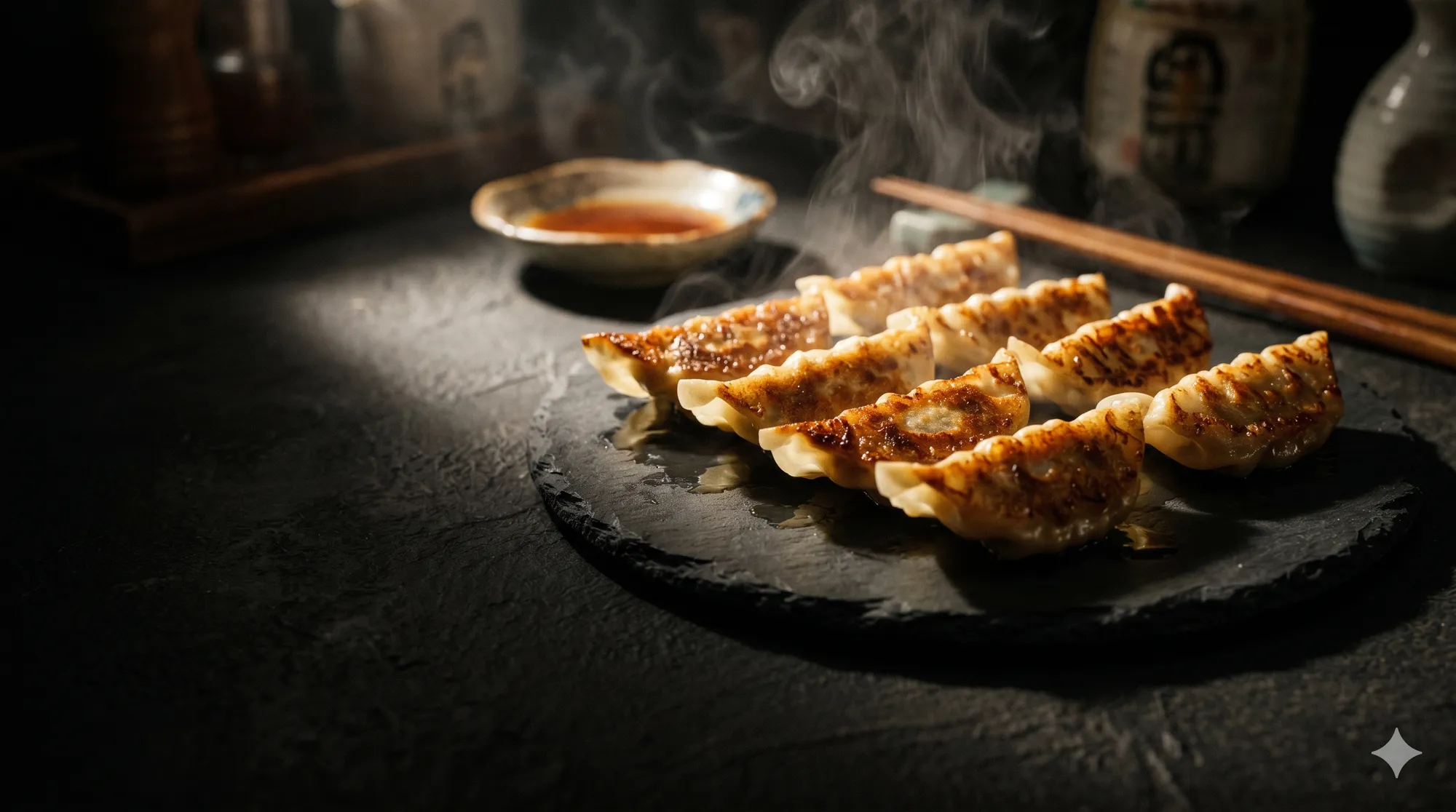
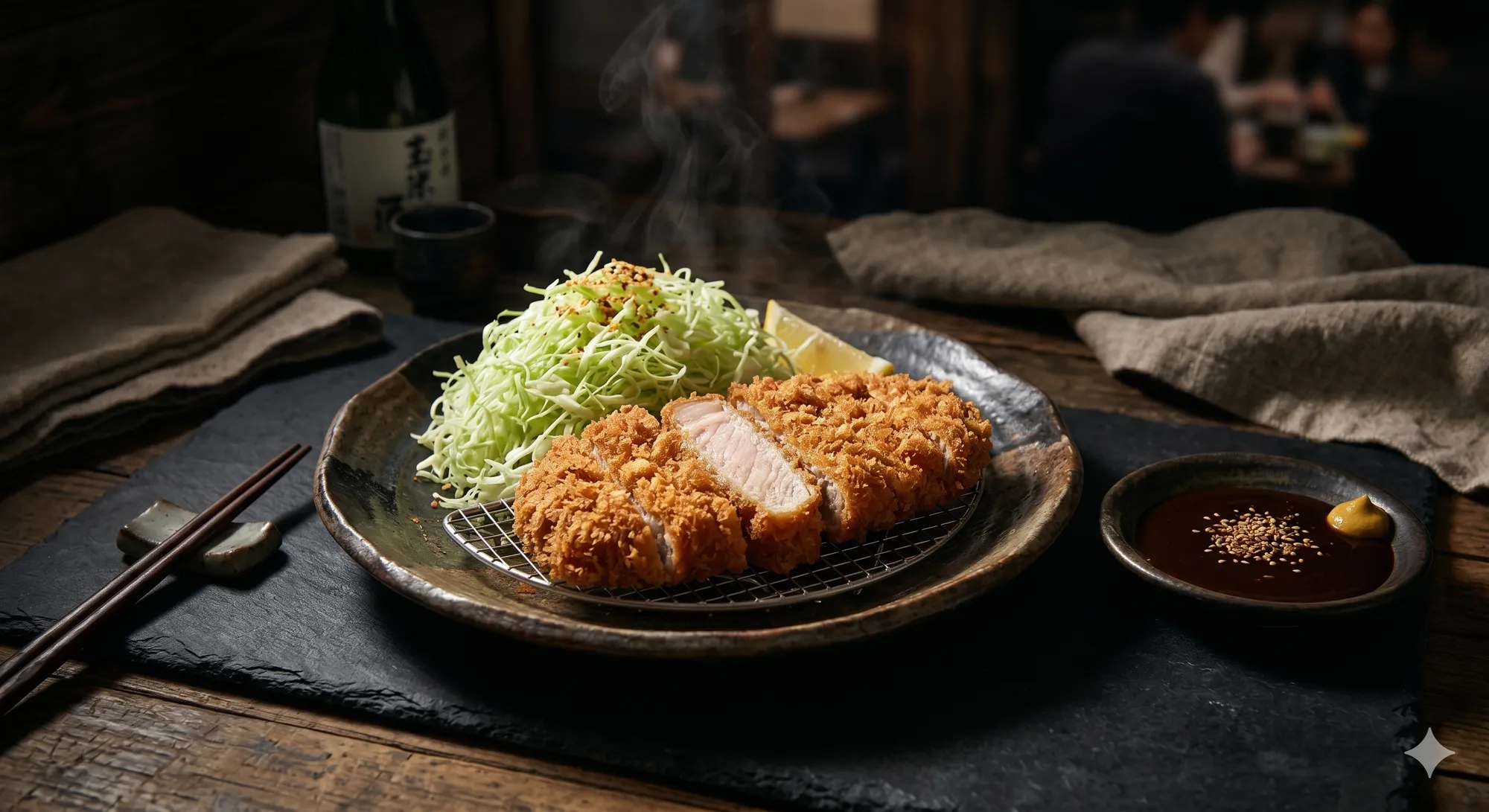
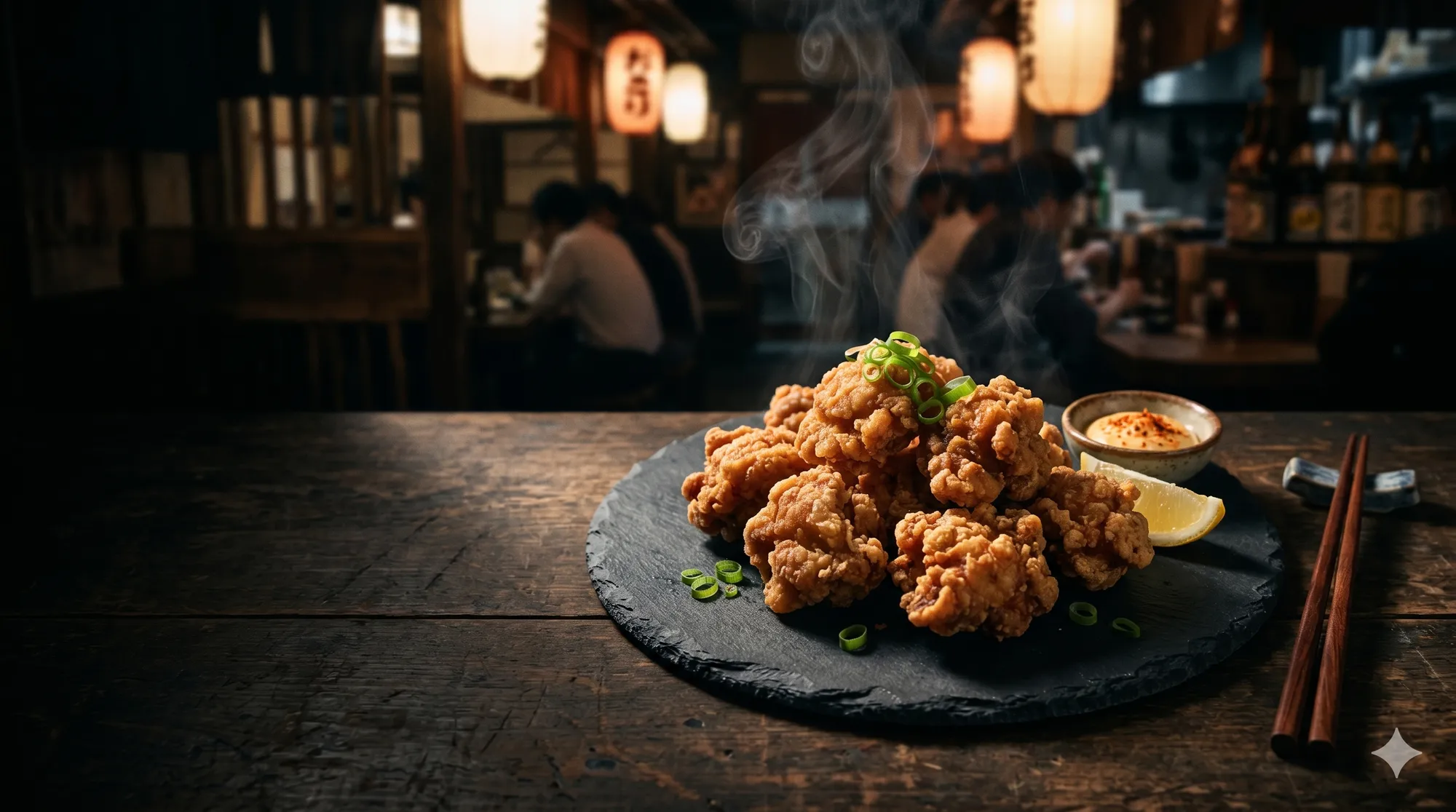
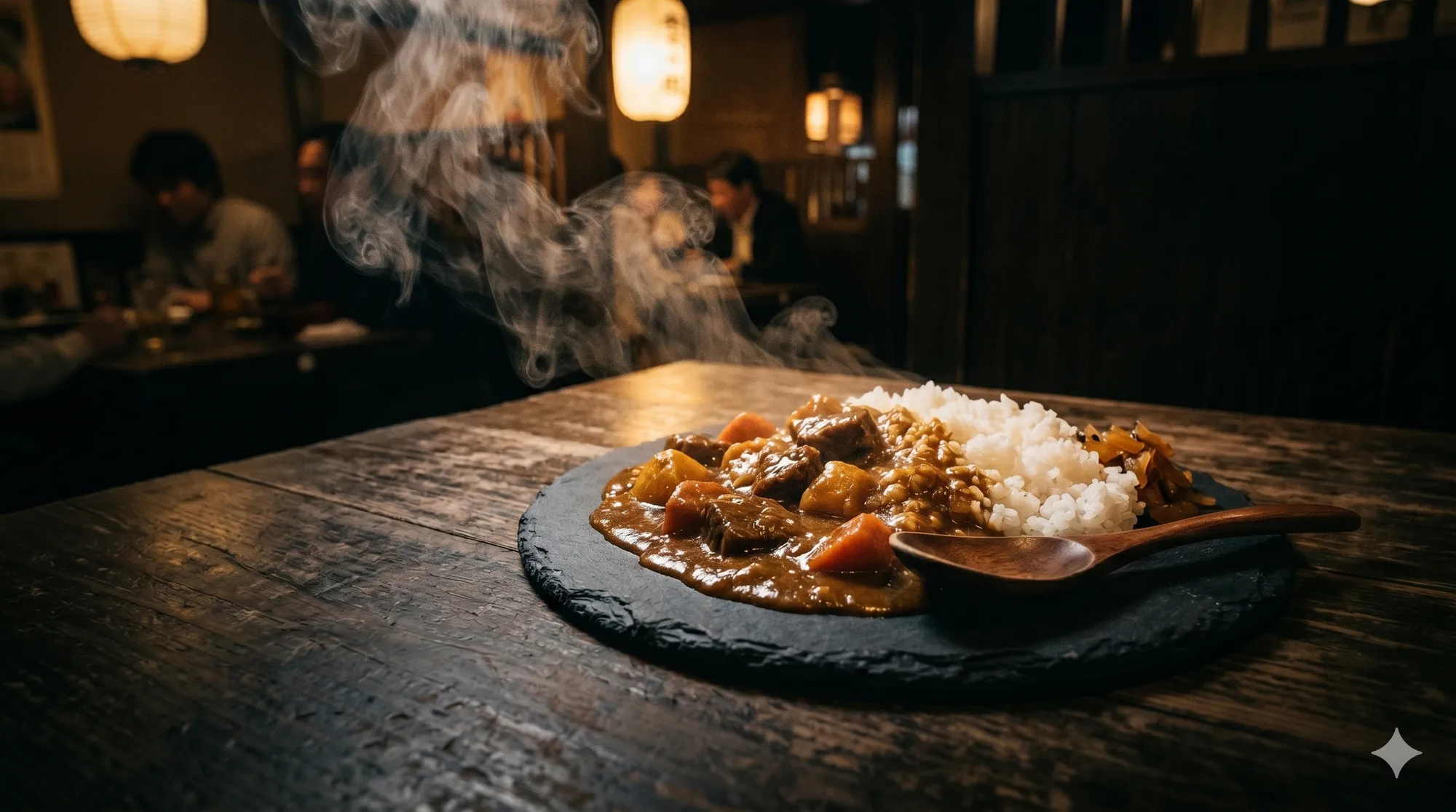
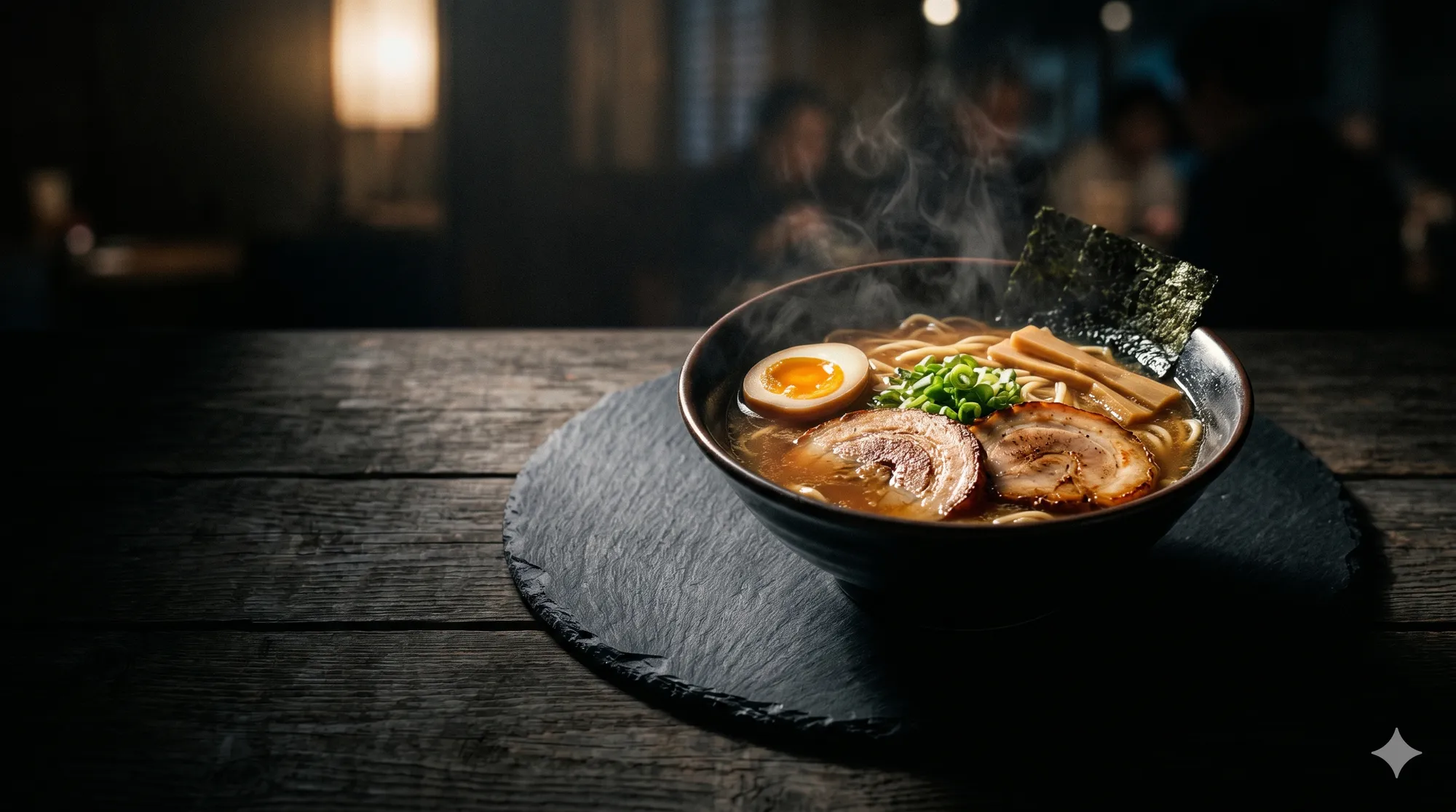
For a first Kyoto food day, start with a matcha parfait and a graze through Nishiki Market, then add soba or udon for a proper meal. Save room for dango, taiyaki, or soft cream between stops, and use yakitori, gyoza, tonkatsu, karaage, curry rice, or ramen when you want something more filling.
Good starting areas include:
- Nishiki Market for grazing — pickles, tofu, skewers, sweets, and small snacks in one covered street
- Gion / Pontocho for atmospheric evening dining along old lanes and the river
- Kawaramachi for a busy downtown mix of casual restaurants and dessert shops
- Arashiyama for tofu and gentle meals near the bamboo grove and temples
- Kyoto Station for convenient meals and food floors around a major transport hub
- Uji (just south) for matcha sweets close to their source
- Kiyomizu / Higashiyama for snacks and sweets while temple-hopping on foot
| Eating style | Rough budget |
|---|---|
| Sweet or snack | about ¥300–800 |
| Simple meal | about ¥800–1,500 |
| Casual food day | about ¥2,000–4,000 |
Prices are approximate and vary by portion, area, and restaurant.
Best areas to start
Nishiki Market
"Kyoto's Kitchen" is a long covered arcade of small stalls — the easiest place to graze on pickles, tofu, skewers, and sweets. Treat it as a tasting walk rather than a single sit-down meal, and look before you order, since prices and crowds vary.
Gion and Pontocho
These atmospheric old districts suit a slower evening near the river. Many places are traditional and reservation-based, so use the area for the mood and a planned meal rather than expecting to walk into any restaurant.
Kawaramachi
Downtown Kawaramachi is the practical center: casual restaurants, noodle counters, and dessert shops close together. It works well when you want choice without a long detour.
Arashiyama
Arashiyama, near the bamboo grove and temples, is known for tofu and gentle, refined meals. It is a daytime area, so plan food around sightseeing hours.
Kyoto Station
The station and its connected buildings offer many meal types under one roof, useful when transit convenience matters. The complex is large, so check the floor and exit before walking.
Uji and Higashiyama
Uji, a short trip south, is matcha country — the place for green-tea sweets near their source. Around Kiyomizu and Higashiyama, snack and sweet shops line the temple approaches, ideal for grazing on foot.
A first gentle food day in Kyoto
- Morning: graze through Nishiki Market — pickles, tofu, a skewer, a small sweet.
- Lunch: a calm bowl of soba or udon, or a tofu-leaning meal near Arashiyama.
- Afternoon: a matcha parfait or soft cream in a tea house, with dango or taiyaki while walking Higashiyama.
- Evening: yakitori, tonkatsu, or ramen, or a planned meal along Pontocho by the river.
This is an editorial food day, not a fixed schedule — check current maps, hours, and crowds before you go.
Cheap eats in Kyoto
Soba, udon, curry rice, gyoza, dango, taiyaki, and convenience-store food can keep a day affordable. Small sweets and snacks make it easy to try more than one thing, but costs rise quickly once tea houses, drinks, and repeated stops add up. See Cheap Eats in Japan for broader budget tactics.
If you do not eat raw fish
Kyoto is an easy city for cooked food: matcha sweets, dango, taiyaki, soba, udon, gyoza, yakitori, tonkatsu, karaage, curry rice, and ramen are all options.
No raw fish does not mean seafood-free or suitable for a dietary restriction. Dashi, bonito flakes, sauces, meat, eggs, wheat, soy, and shared equipment may be involved. Use the Japanese Foods Without Raw Fish Guide and confirm ingredients when they matter. Kyoto's temple cuisine also makes it one of the better cities for vegetarian travelers, though hidden dashi still needs checking.
Useful phrases
| Meaning | Japanese | Romaji |
|---|---|---|
| This one, please. | これをお願いします。 | Kore o onegaishimasu. |
| One, please. | ひとつお願いします。 | Hitotsu onegaishimasu. |
| What do you recommend? | おすすめは何ですか? | Osusume wa nan desu ka? |
| Thank you. | ありがとうございます。 | Arigatou gozaimasu. |
Open the full Eating Phrasebook, or use Show phrase on each dish card below.
Related pages
- Cheap Eats in Japan
- How to Order Food in Japan
- Japanese Convenience Store Food Guide
- Japanese Foods Without Raw Fish
- Vegetarian & Vegan in Japan
- Your Bucket List
Best foods to try in Kyoto
Use these dish guides as practical starting points rather than a restaurant ranking.
 Open the Food Planner