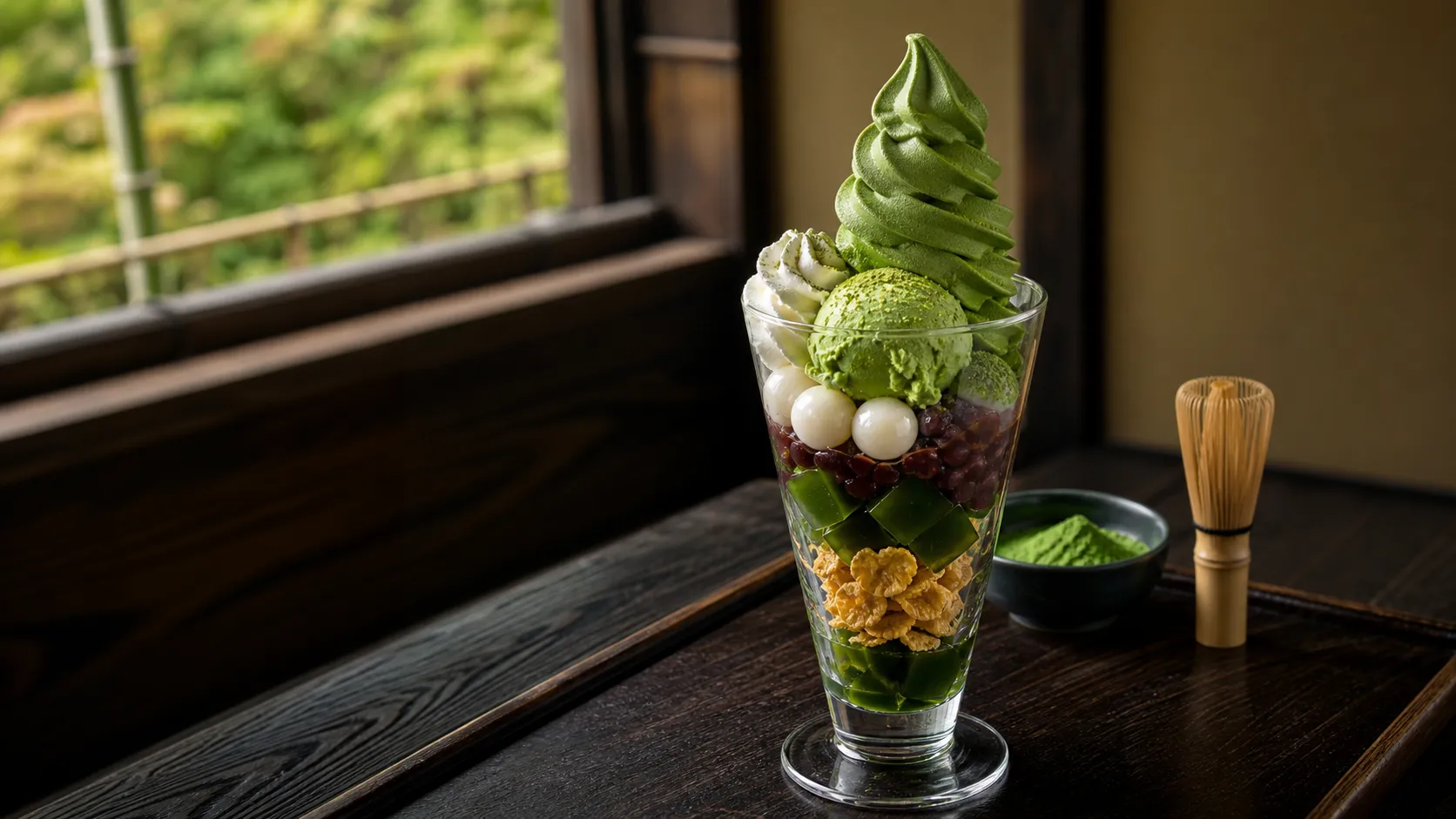
There is a moment — standing in a Kyoto tea house, staring at a matcha parfait the height of your forearm — when you realize Japan is simply playing a different game. A tall glass packed with matcha soft serve, matcha ice cream, anko red bean paste, shiratama mochi balls, jelly, cornflakes, and a crown of deep-green whipped cream. It's architectural. It's absurd. It's the best dessert you will eat in Japan.
Share this dish


A towering glass of matcha ice cream, soft serve, anko, shiratama mochi and crunchy cornflakes — Japan's most theatrical dessert, and a one-way ticket to matcha obsession.
🍜 Planning a food trip to Kyoto?Add this dish to my Food Trip →
 Add this dish to my Food Trip →
The magic is the bitterness. Matcha — finely stone-ground green tea — has a grassy, earthy depth that cuts through sweetness and stops the whole thing from becoming cloying. A properly made parfait is balanced, complex, and completely unlike anything you get at home.
From the tea ceremony to the parfait glass
Matcha has been central to Japanese culture for centuries through the chanoyu tea ceremony, where powdered tea is whisked into a frothy, intensely flavored bowl. That deep reverence for high-grade matcha is why Japanese matcha desserts hit different — they start from genuinely good tea.
Uji (just south of Kyoto) and Nishio (Aichi) are the most celebrated matcha-growing regions, and Kyoto is the undisputed capital of the matcha parfait. Century-old tea houses (saryo) have been stacking parfait glasses since the mid-20th century, and the form has only gotten more elaborate since.
Anatomy of the parfait
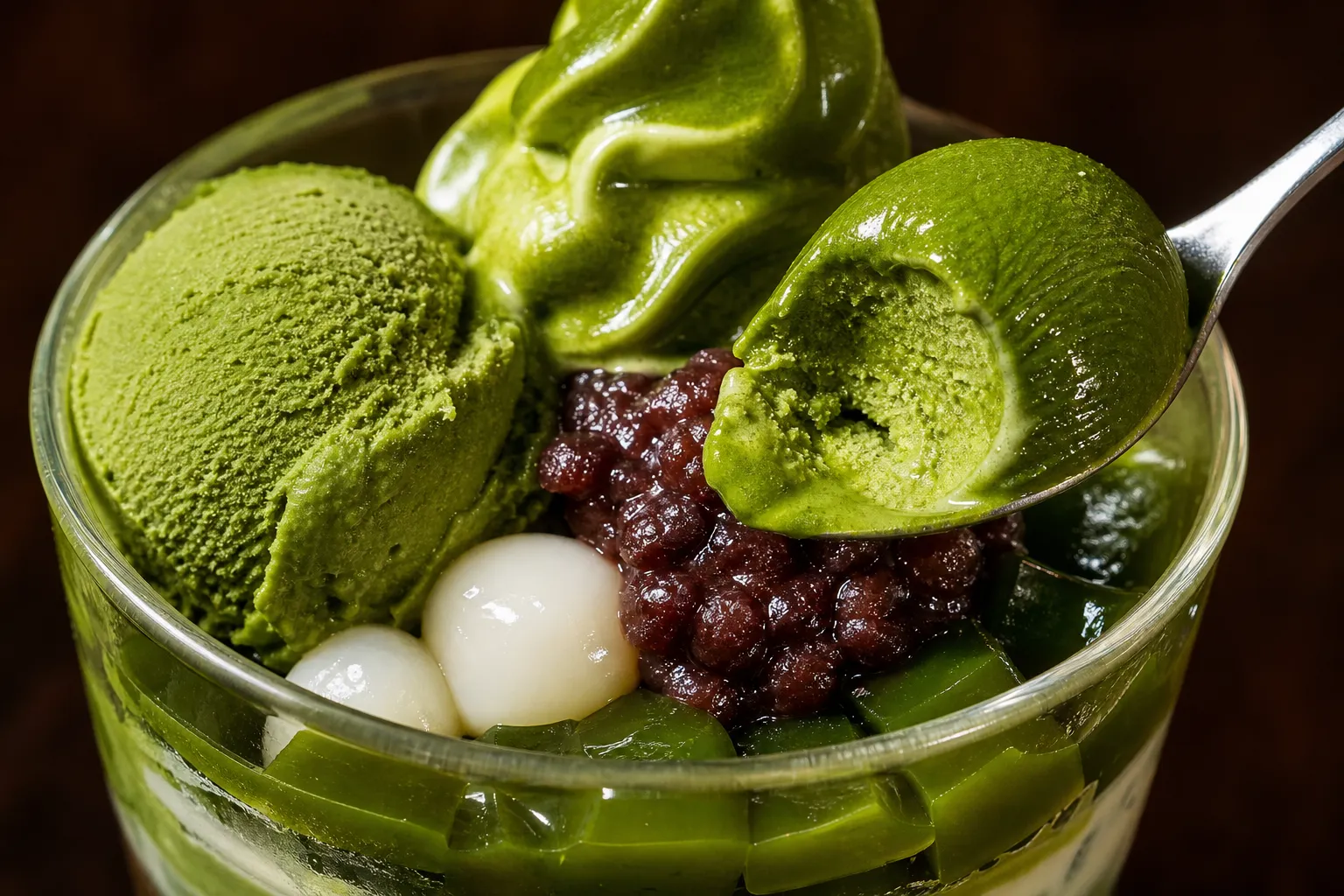
Every good matcha parfait is a texture journey from top to bottom:
- Soft serve — the crown; creamy, intensely green, the first hit of bitterness
- Matcha ice cream or gelato — denser and richer, buried mid-glass
- Shiratama — pillowy mochi balls, chewy and mild
- Anko — sweet red bean paste, earthy and grounding
- Matcha jelly — cool, slightly bitter cubes that cut the richness
- Cornflakes — the crunch layer; chaotic, brilliant, very Japanese
- Whipped cream — the softer, sweeter counterpoint
- Matcha powder dusting — finishing bitterness on top
The deep, vivid green tells you everything. Pale or yellowish? Lower grade. A proper parfait glows.
How it's assembled
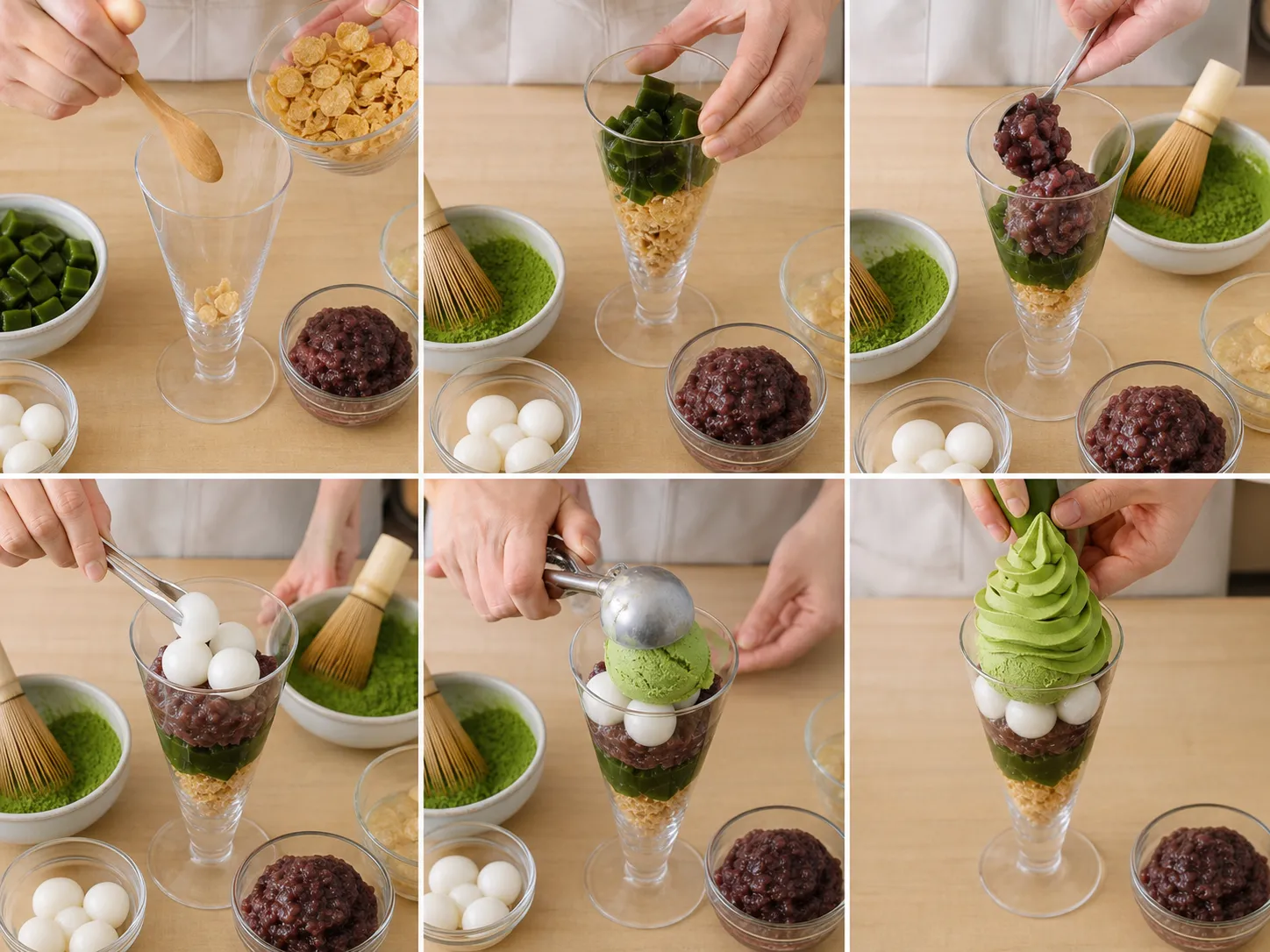
- Layer the base: cornflakes or jelly at the bottom of a tall glass
- Add anko and shiratama mochi balls
- Scoop in matcha gelato or ice cream
- Pipe a generous soft-serve swirl to crown the glass
- Dust with matcha powder; add a wafer or seasonal garnish
- Serve immediately — eat fast before the soft serve melts into everything
It sounds messy. It is. That's part of it.
Before you go
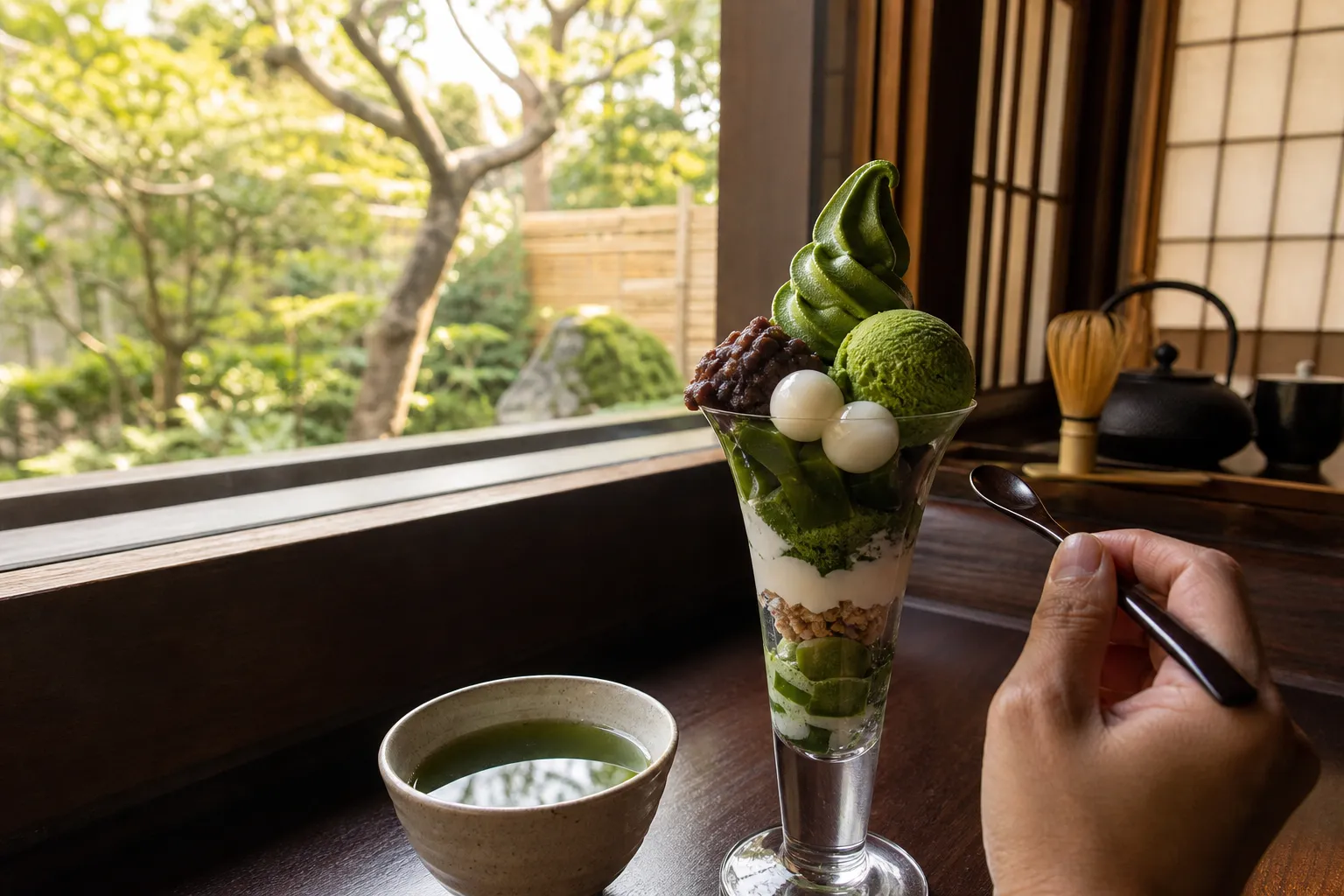
Your questions, answered honestly
"How do I find a real matcha parfait, not just green sugar?" — Look for specialist tea cafés (saryo) or matcha-focused shops. Deep, vivid green and a pleasant bitterness = good tea. Avoid places where it looks grey or smells like nothing.
"Is it too bitter for me?" — The parfait's sweetness layers (cream, anko, mochi) balance it beautifully. It's rarely as bitter as a straight bowl of ceremonial matcha. Most people love it immediately.
"How much does it cost?" — ¥1,000–¥1,800 at a proper tea house. Worth every yen. Chain versions (Nana's Green Tea etc.) are cheaper at ¥700–¥900.
"Where do I go?" — Kyoto and Uji above all. But you'll find excellent parfaits at matcha specialist chains nationwide.
What the staff will ask you
| You'll hear | Romaji | Meaning | Just say |
|---|---|---|---|
| 店内ですか、お持ち帰りですか? | Tennai desu ka, omochikaeri desu ka? | "Eat in or takeout?" | Tennai de (eat in) |
| 濃いめにしますか? | Koime ni shimasu ka? | "Want it stronger (more matcha)?" | Hai, onegaishimasu (yes please) |
| お飲み物は付けますか? | Onomimono wa tsukemasu ka? | "Add a drink?" | Hai (yes) / Daijōbu desu (no thanks) |
To order: "Matcha parfait hitotsu kudasai" (抹茶パフェ一つください) — "one matcha parfait, please."
Where to eat it
- Kyoto & Uji — the spiritual home; historic saryo like Tsujiri and Nakamura Tokichi serve legendary parfaits
- Nishio (Aichi) — top matcha-growing region with excellent local cafés
- Nana's Green Tea / Saryo Tsujiri (nationwide) — reliable, good quality; great entry points
- Department store tea cafés — often hidden gems with the best seasonal specials
Eat it fast. Dig in from the top. Don't be polite about it.
Soul Score
Local Roots5/5
First-Timer Friendly5/5
Adventure Level3/5
Comfort Level5/5
Travel Worthy5/5
These scores are one obsessed eater's gut feeling — not a verdict. A low number isn't a bad mark, just a different kind of adventure.
Planning what to eat in Kyoto?⛩️ Kyoto Food Guide: What to Eat, Where to Start, and How to Order →
Know someone planning Japan?
← All Articles
Sweets & Snacks · Kyoto / Nationwide
Still hungry?
Eat more from Kyoto
Local FoodKyoto, Kyoto
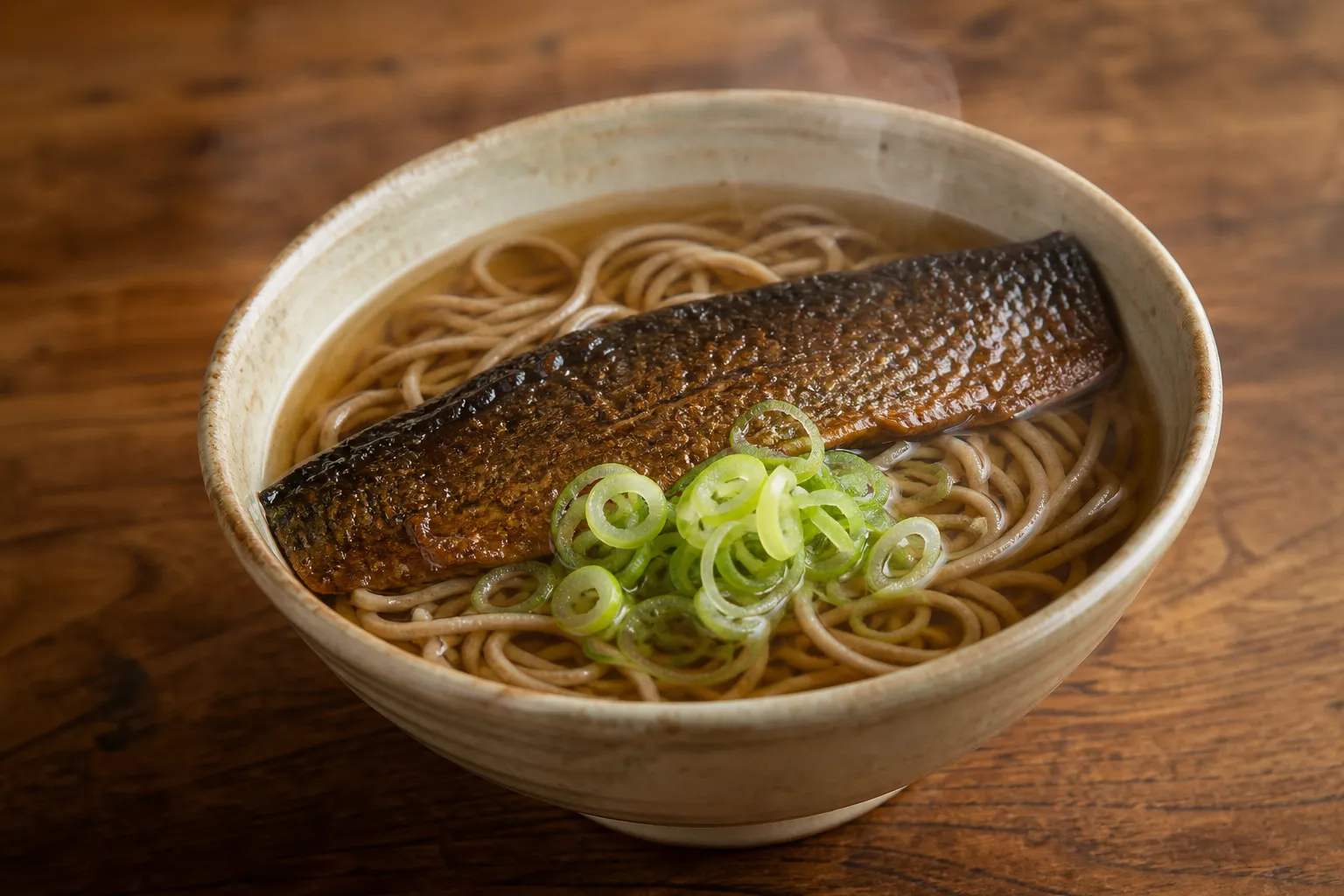
Nishin Soba (にしんそば)
A whole simmered herring, dark and glossy and sweet, sitting on top of hot soba in a clear Kyoto broth — a landlocked city's love letter to preserved fish, and one of the great comfort bowls of Japan.
July 12, 2026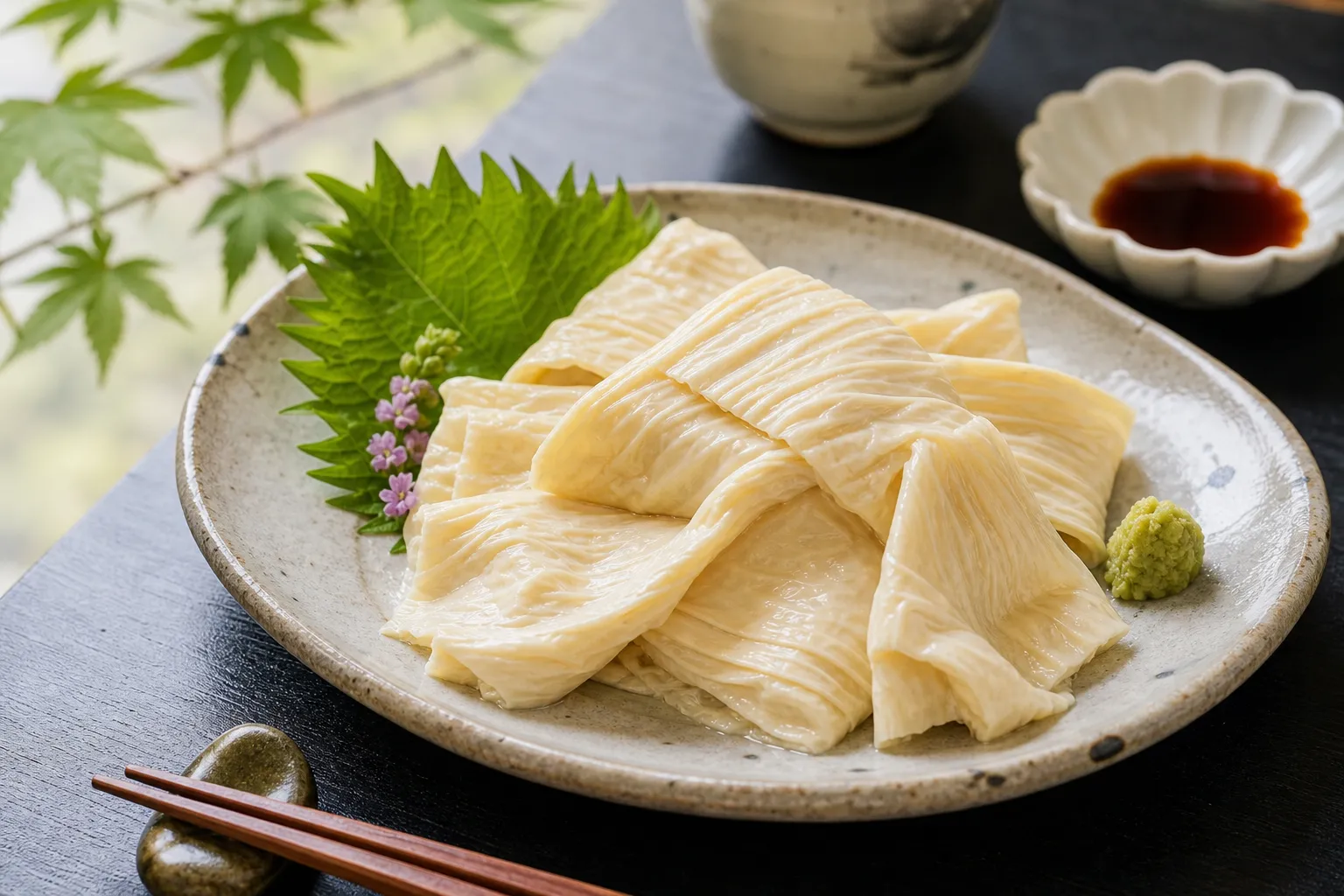
Local FoodKyoto
Yuba (湯葉)
The delicate skin that forms on warm soy milk, lifted off in silky sheets and eaten with barely anything on it — Kyoto's quietest luxury, a food that tastes like patience itself.
July 10, 2026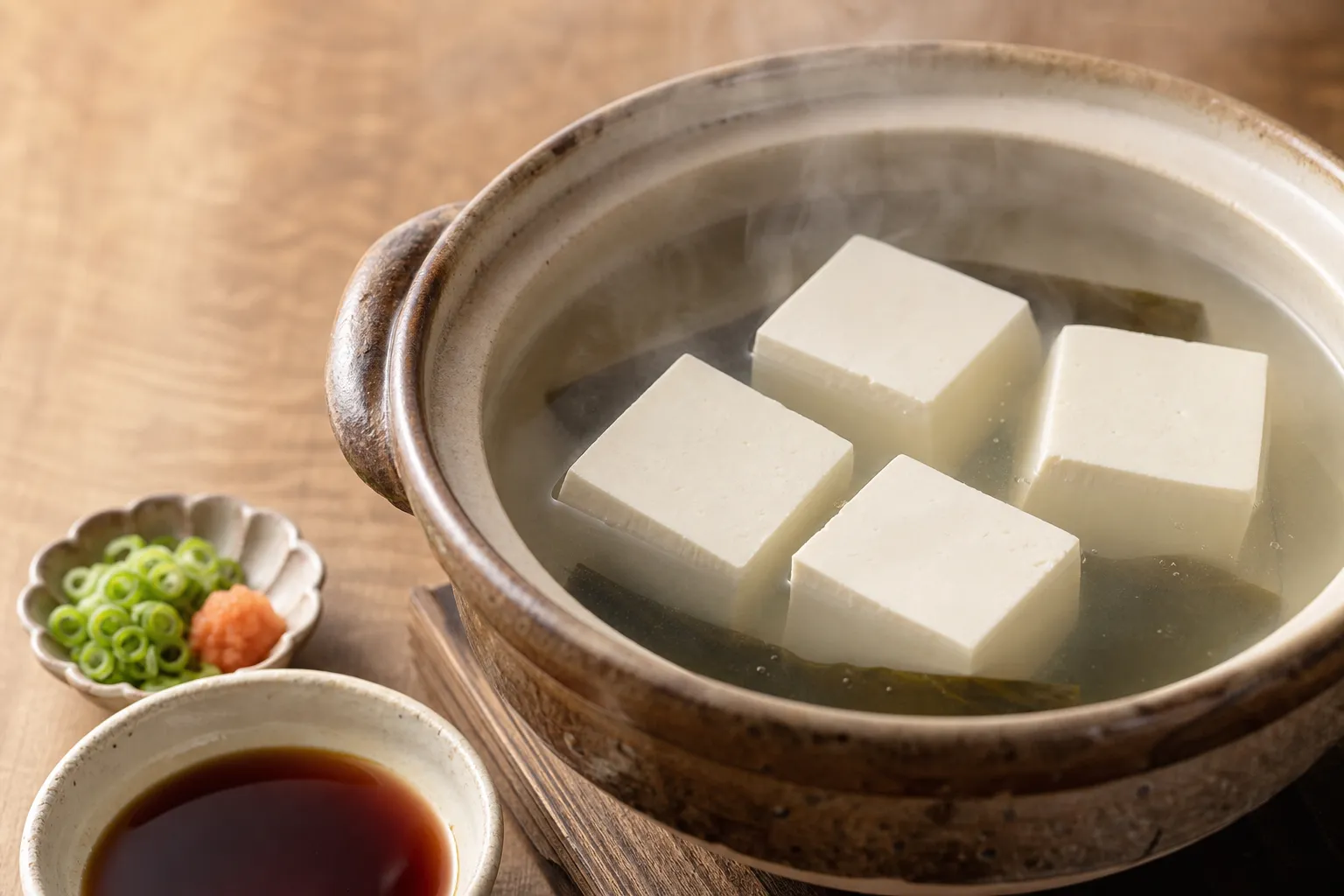
Local FoodKyoto
Yudofu (湯豆腐)
A pot of hot water, some blocks of tofu, and somehow that's the whole meal — and somehow that's exactly the point.
July 5, 2026