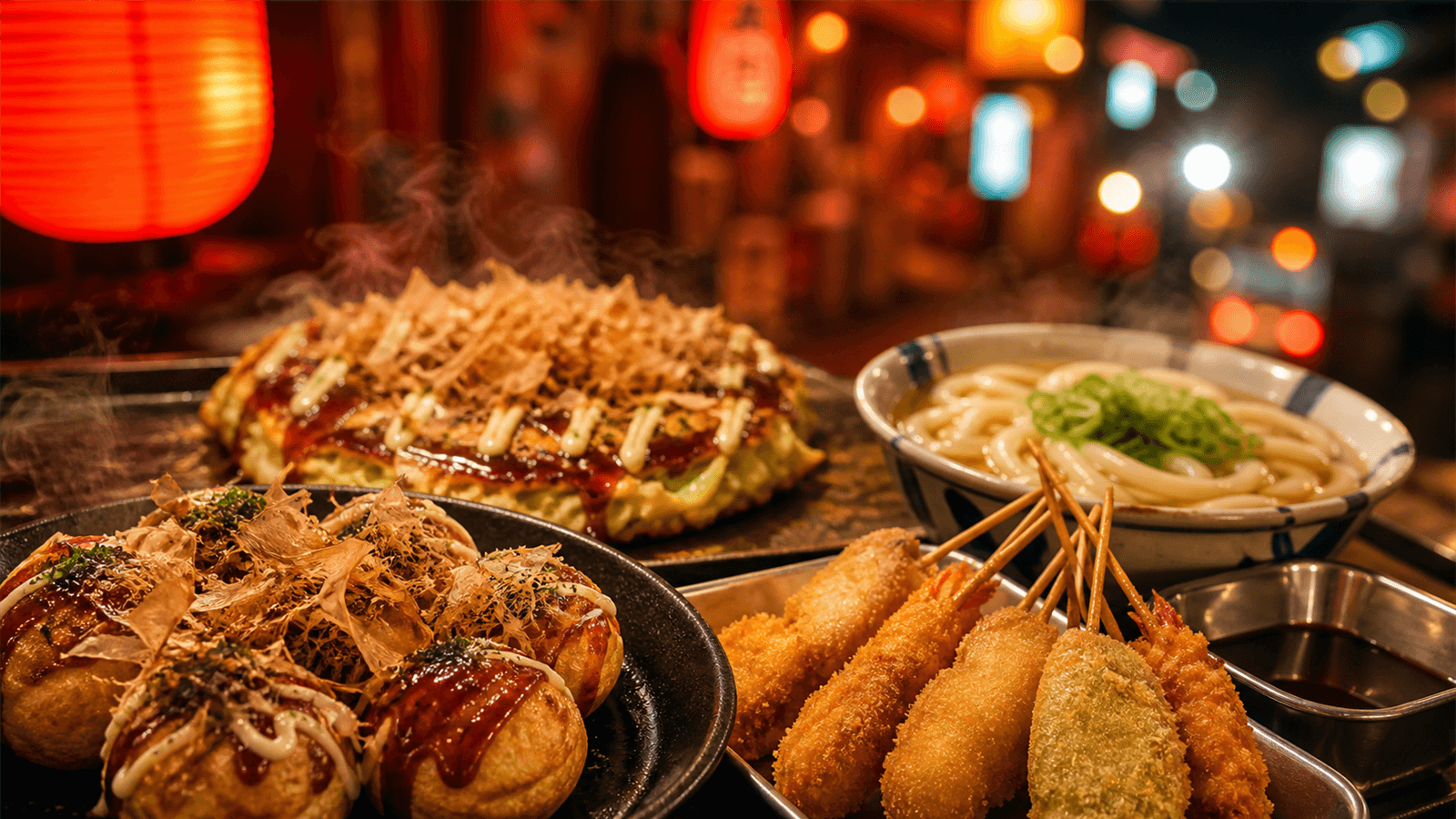
Osaka makes eating feel like part of the street. Steam, sauce, griddles, skewers, and bright signs compete for your attention, especially around Namba, Dotonbori, and Shinsekai.
You still do not need a perfect restaurant list. Choose one compact area, start with a signature dish, and add one or two small stops as you walk. This guide is an entry point rather than a live restaurant database: it does not rank shops or provide current opening hours, reservations, or stock information.
Quick answer: what should I eat first?
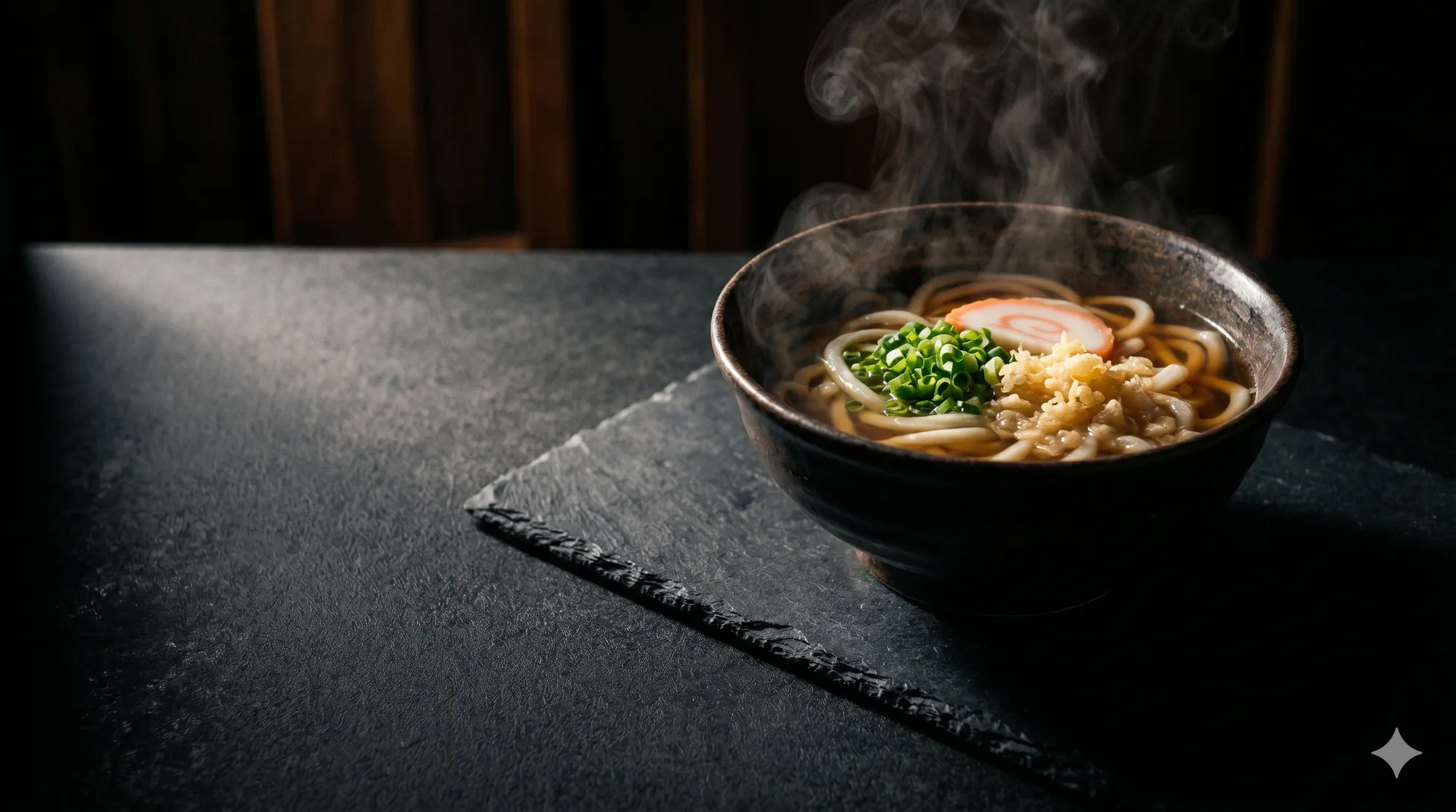
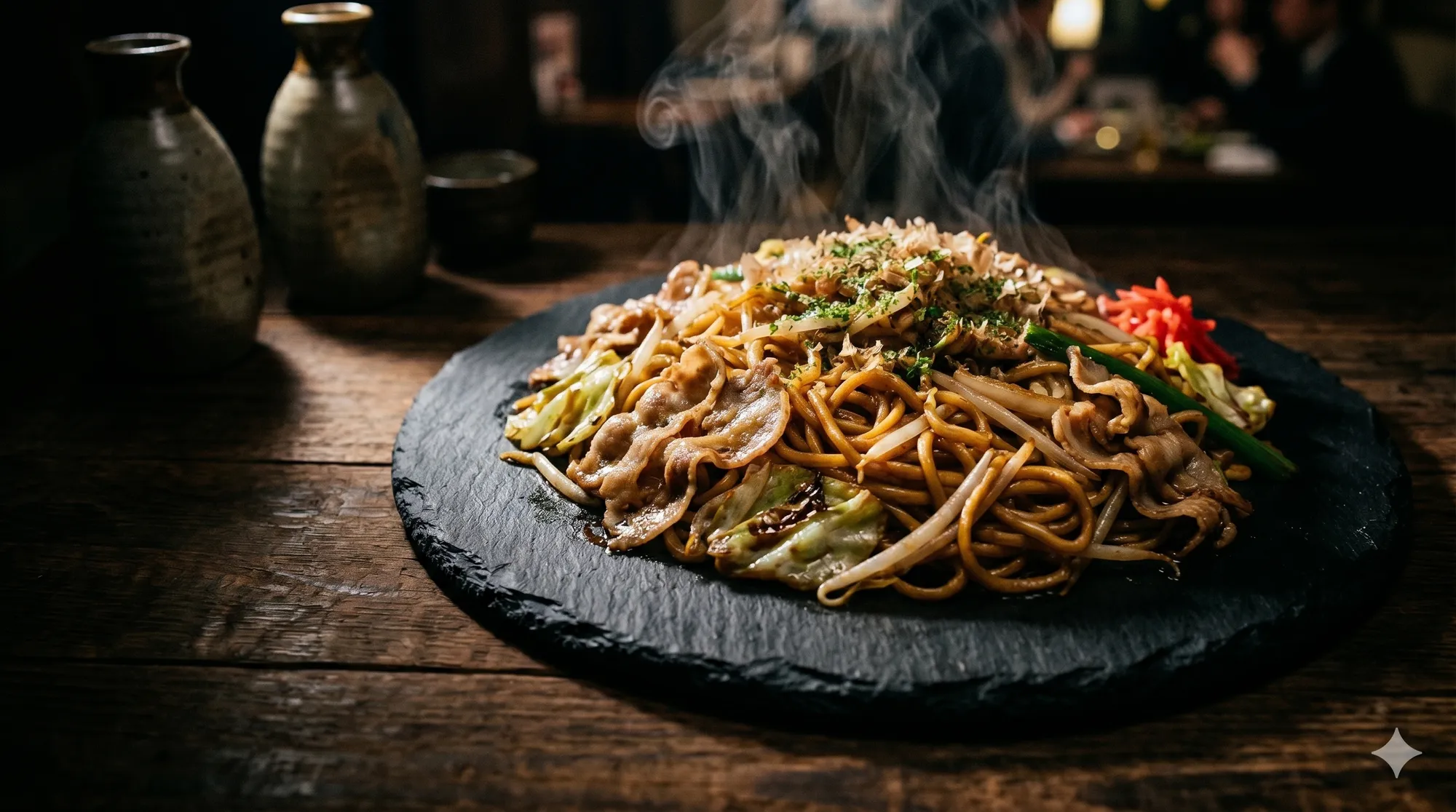
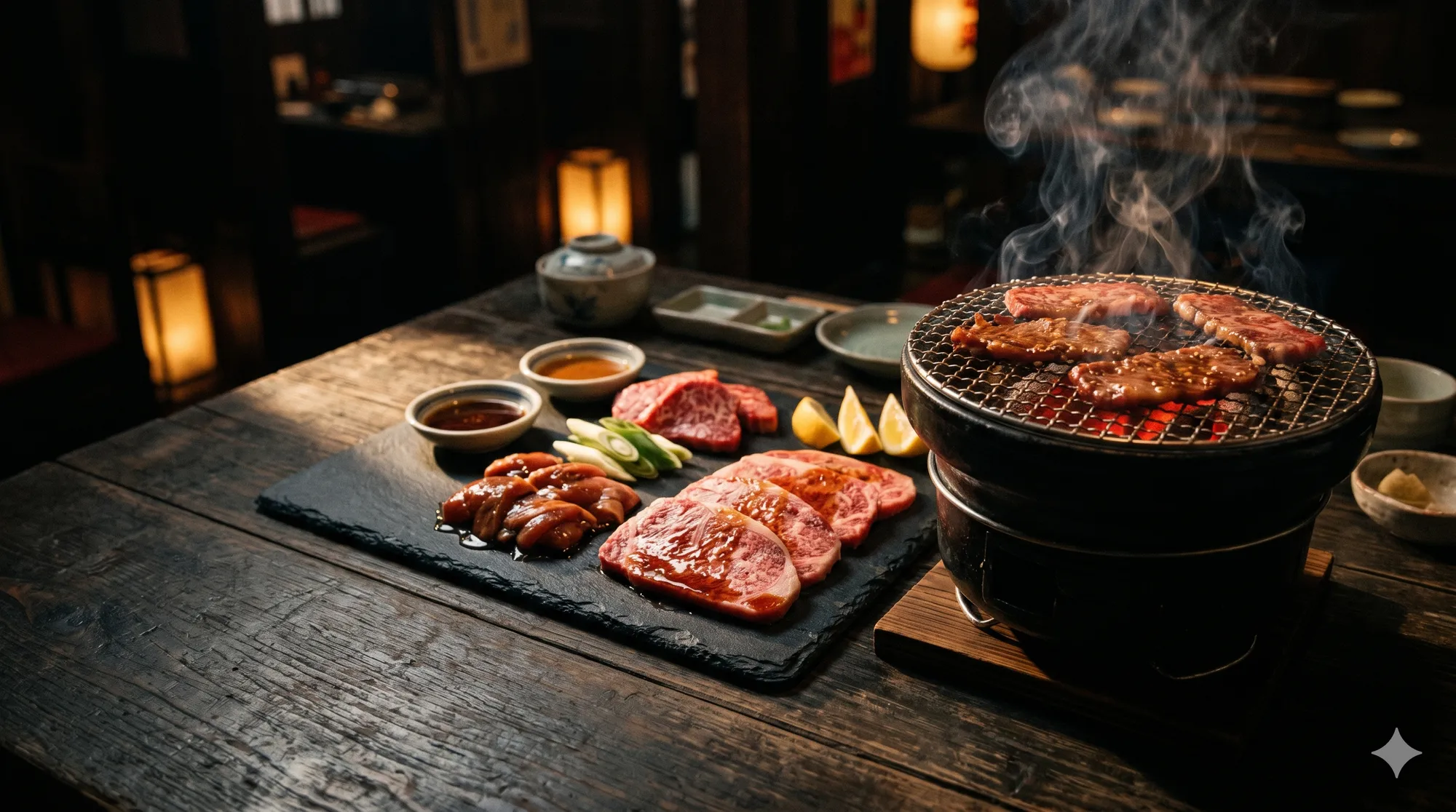
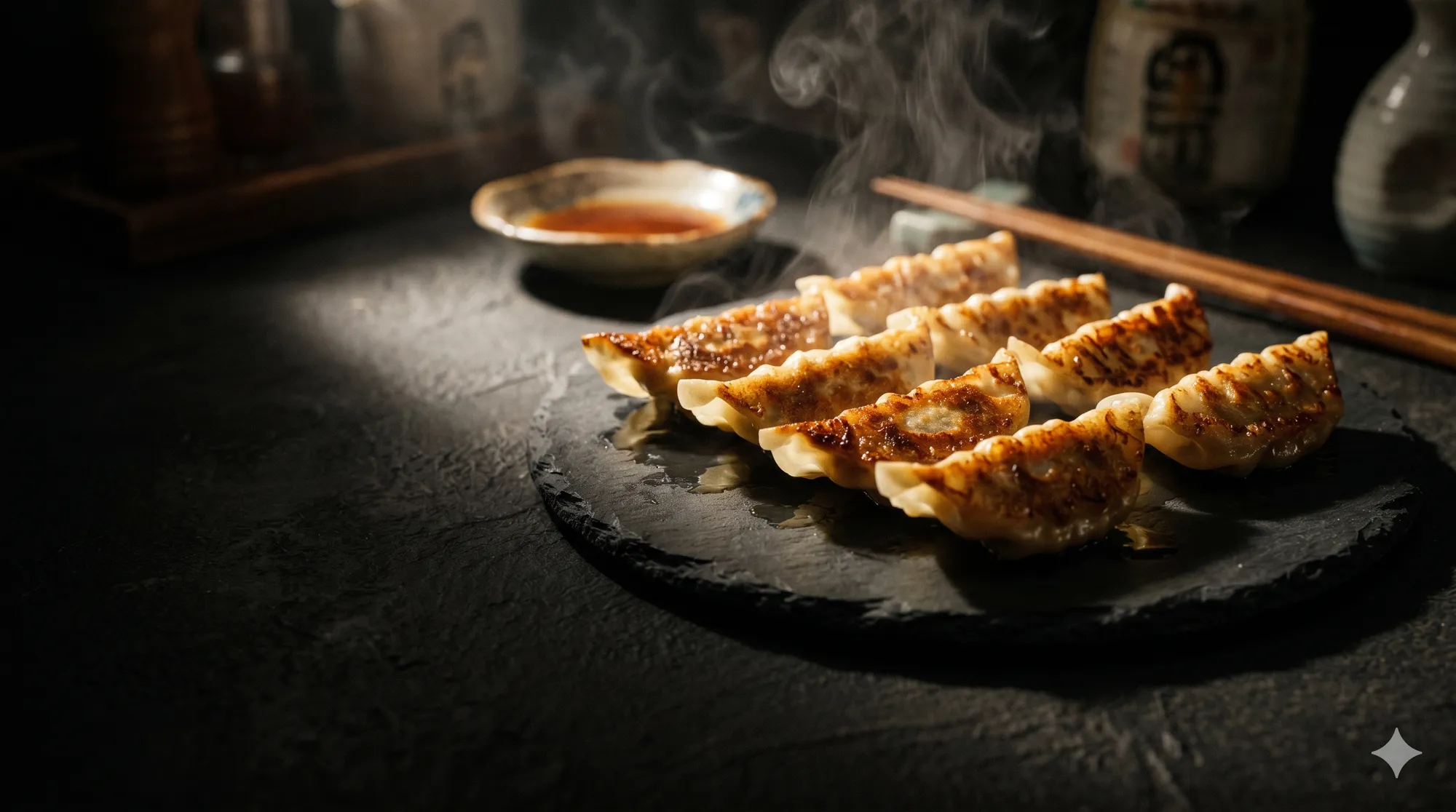
For a first Osaka food day, start with takoyaki, okonomiyaki, and kushikatsu. Add udon, yakisoba, ramen, gyoza, karaage, or curry rice when you want a full meal instead of another snack.
Good starting areas include:
- Namba / Dotonbori for takoyaki, okonomiyaki, bright streets, and an easy first food walk
- Shinsekai for kushikatsu and a retro casual atmosphere
- Umeda / Osaka Station for convenient meals around a major transport hub
- Tenma for casual evening food and a less sightseeing-focused atmosphere
- Kuromon area for daytime market-style browsing and prepared snacks
| Eating style | Rough budget |
|---|---|
| Quick snack | about ¥400–800 |
| Simple meal | about ¥800–1,500 |
| Casual food walk | about ¥2,000–4,000 |
Prices are approximate and vary by portion, area, and restaurant.
Best areas to start
Namba and Dotonbori
This is the easiest area for a first-time visitor who wants famous Osaka foods close together. It is busy and visitor-oriented, so use it as a simple starting point rather than a promise that every visible queue leads to the city's best version.
Shinsekai
Shinsekai is strongly associated with kushikatsu and casual eating. Read the restaurant's sauce instructions; service styles differ, and old advice about shared sauce containers does not apply everywhere.
Umeda and Osaka Station
Umeda works when transit convenience matters. Station buildings and connected commercial areas offer many meal types without requiring a long detour, but the complex is large, so check the floor and exit before walking.
Tenma
Tenma suits travelers who want a casual evening area with small restaurants and local foot traffic. It is better approached as a neighborhood to explore than as a checklist of specific shops.
Kuromon area
The covered market area is useful for daytime browsing and prepared food. Prices, crowds, and availability vary, so look before ordering and avoid treating the market as a fixed-price tasting course.
Follow an easy Osaka route
If you want a ready-made sequence, use the Osaka Cheap Food Walk. It connects Namba and Dotonbori food stops into an editorial walking plan. Check current maps, hours, and crowd conditions before you go.
Cheap eats in Osaka
Takoyaki, udon, curry rice, gyoza, ramen, and convenience-store food can keep a day affordable. Small portions make it easier to try more than one dish, but costs rise quickly when drinks and repeated snack stops are added. See Cheap Eats in Japan for broader budget tactics.
If you do not eat raw fish
Osaka still offers many cooked choices, including takoyaki, okonomiyaki, kushikatsu, udon, yakisoba, gyoza, ramen, karaage, and curry rice.
No raw fish does not mean seafood-free or suitable for a dietary restriction. Dashi, bonito flakes, octopus, sauces, meat, eggs, wheat, soy, and shared equipment may be involved. Use the Japanese Foods Without Raw Fish Guide and confirm ingredients when they matter.
Useful phrases
| Meaning | Japanese | Romaji |
|---|---|---|
| This one, please. | これをお願いします。 | Kore o onegaishimasu. |
| One, please. | ひとつお願いします。 | Hitotsu onegaishimasu. |
| What do you recommend? | おすすめは何ですか? | Osusume wa nan desu ka? |
| Thank you. | ありがとうございます。 | Arigatou gozaimasu. |
Open the full Eating Phrasebook, or use Show phrase on each dish card below.
Related pages
- Osaka Cheap Food Walk
- Cheap Eats in Japan
- How to Order Food in Japan
- Japanese Convenience Store Food Guide
- Japanese Foods Without Raw Fish
- Osaka Night Trail
- Your Bucket List
Best foods to try in Osaka
Use these dish guides as practical starting points rather than a restaurant ranking.
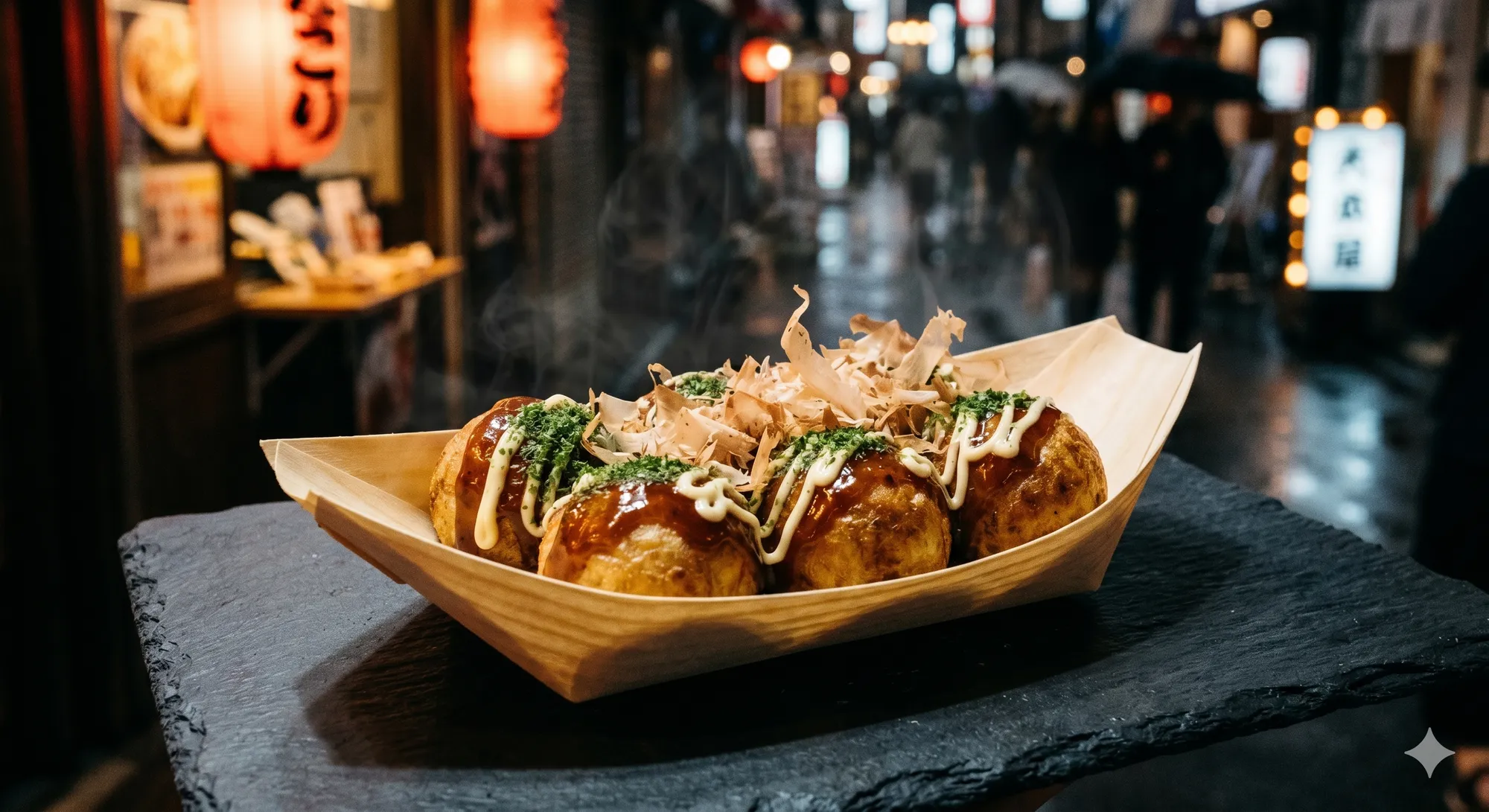
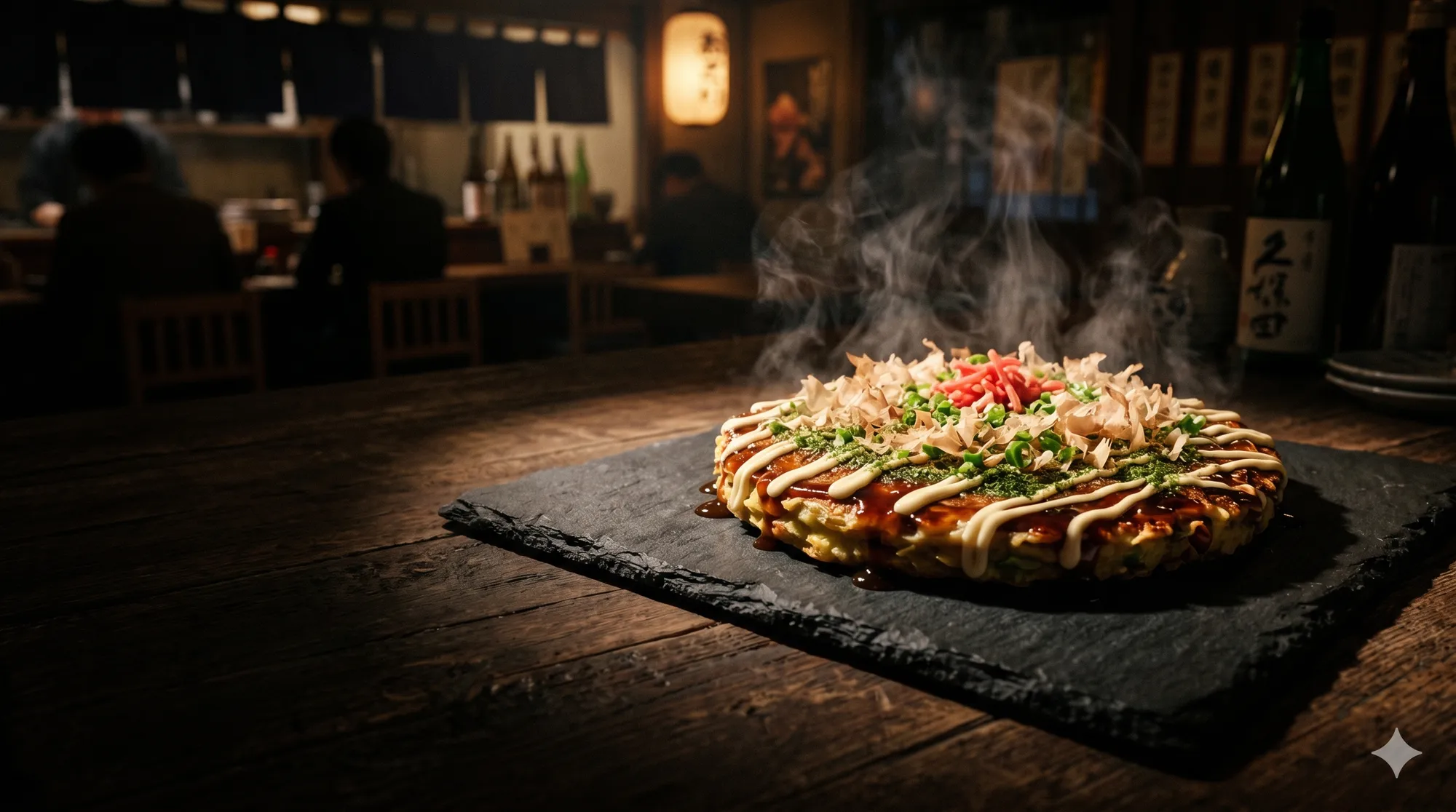
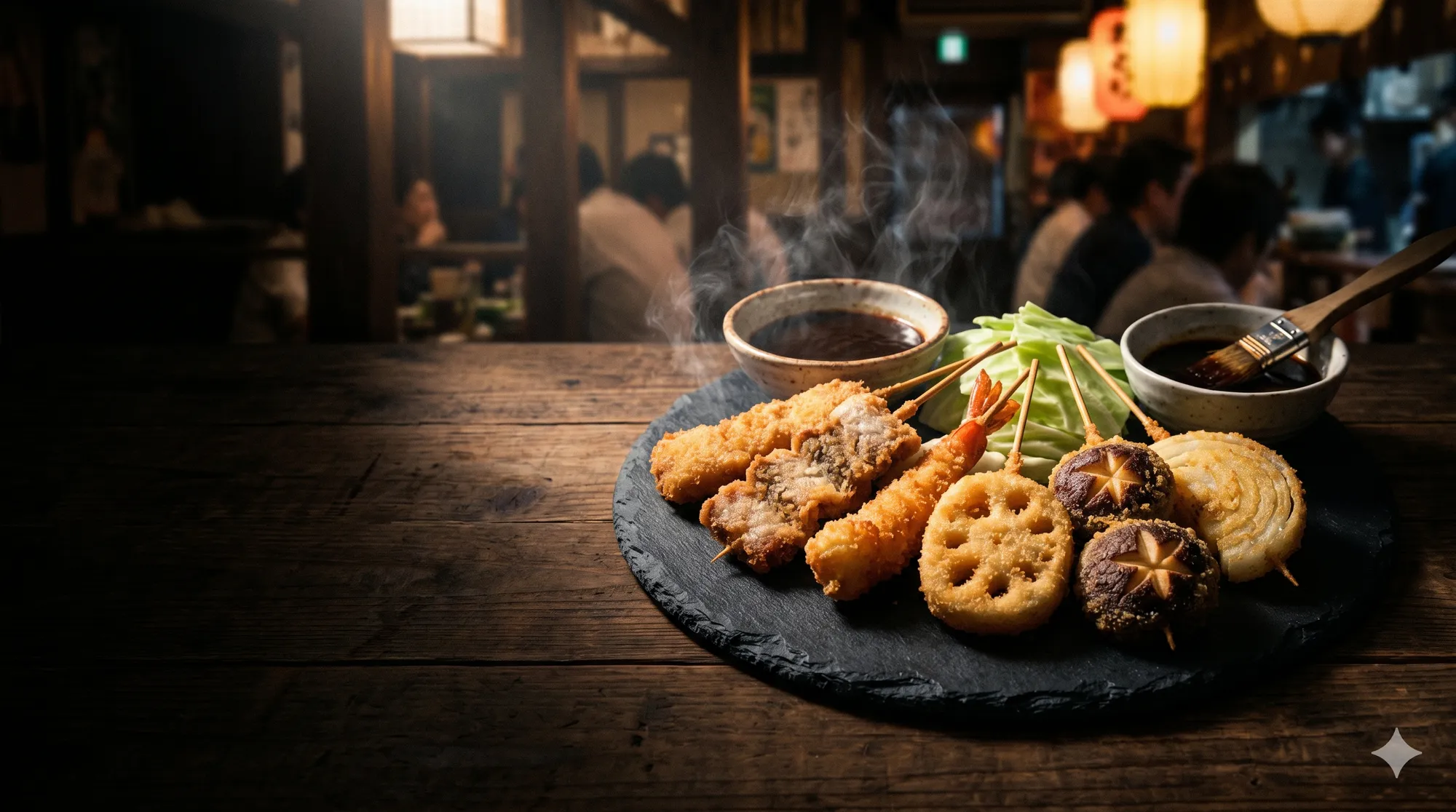
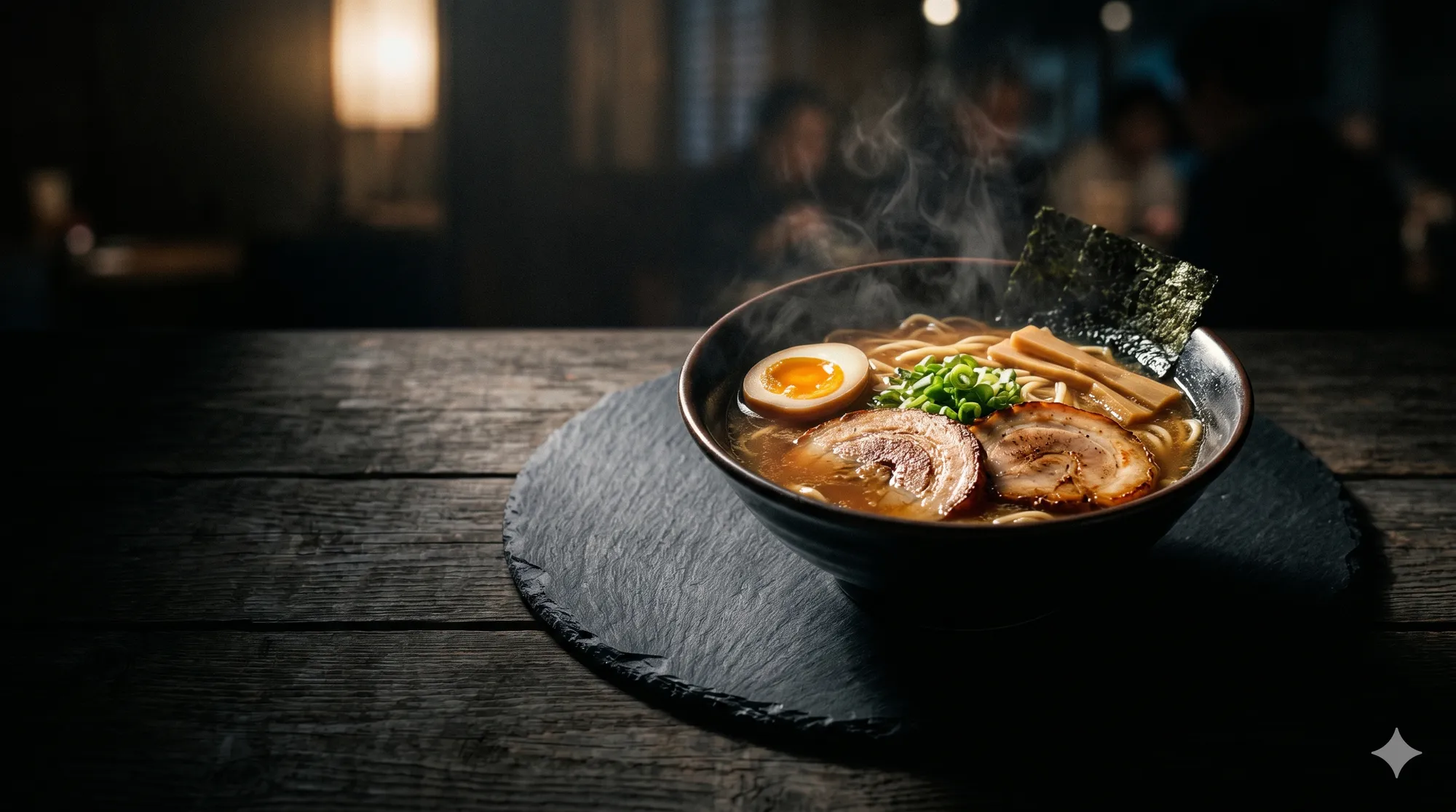
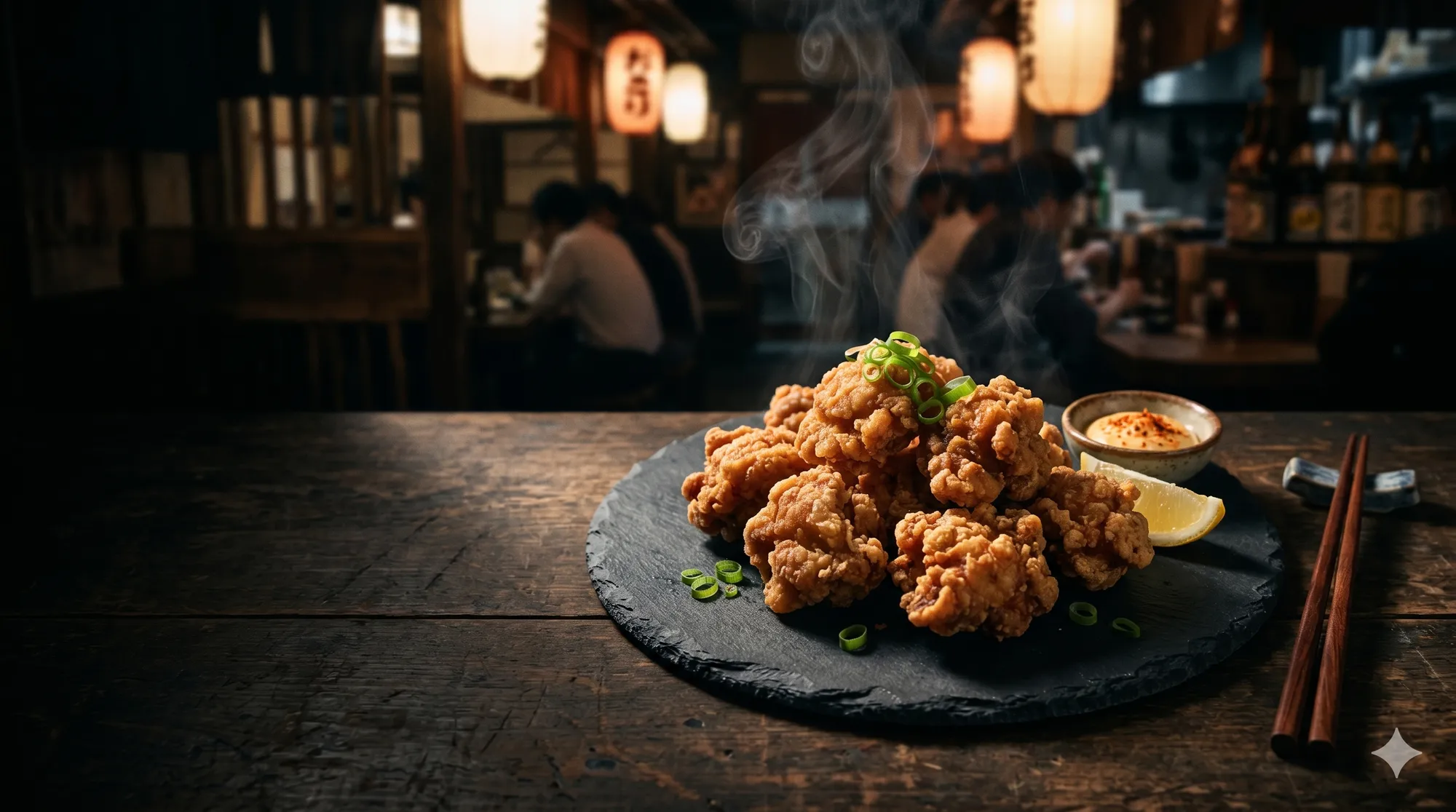
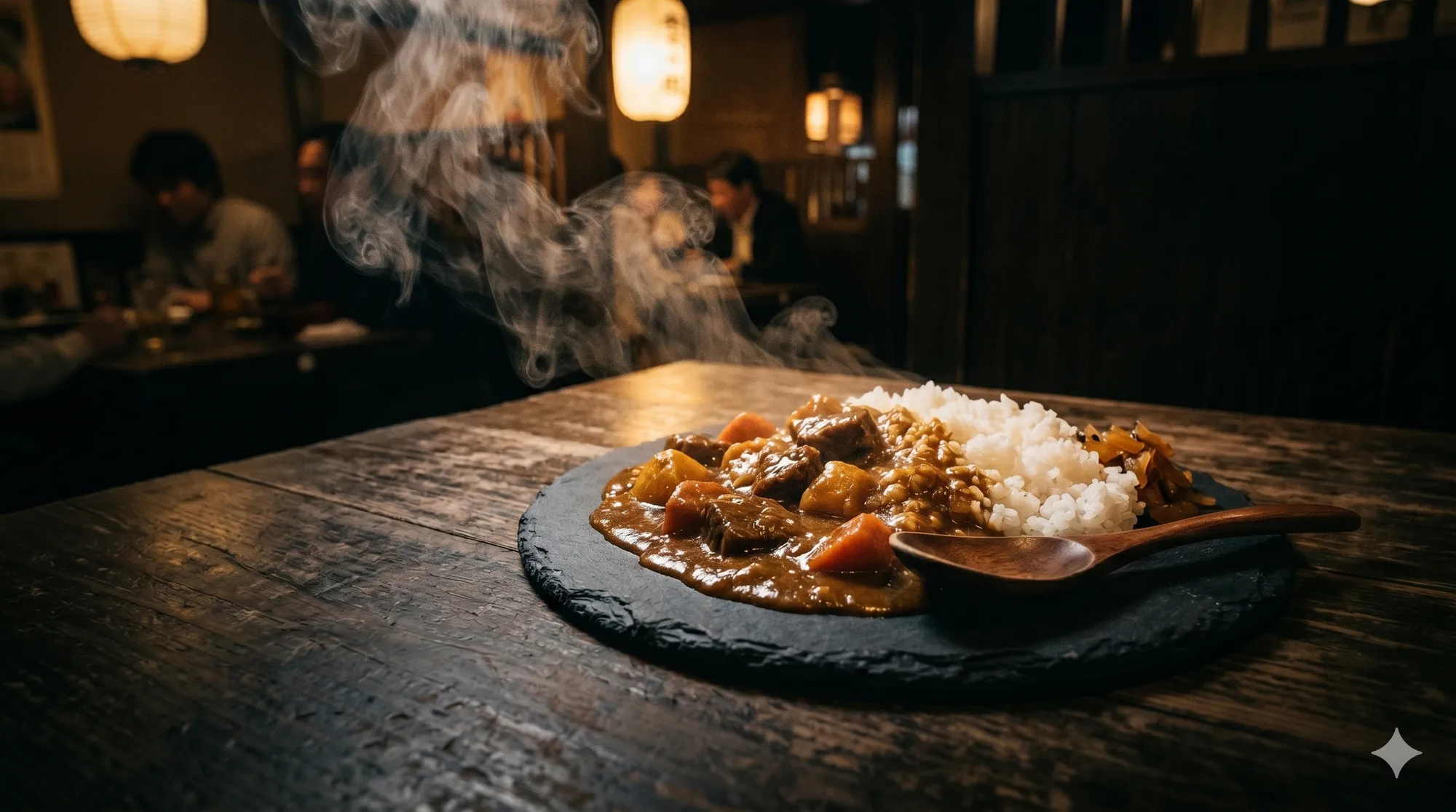
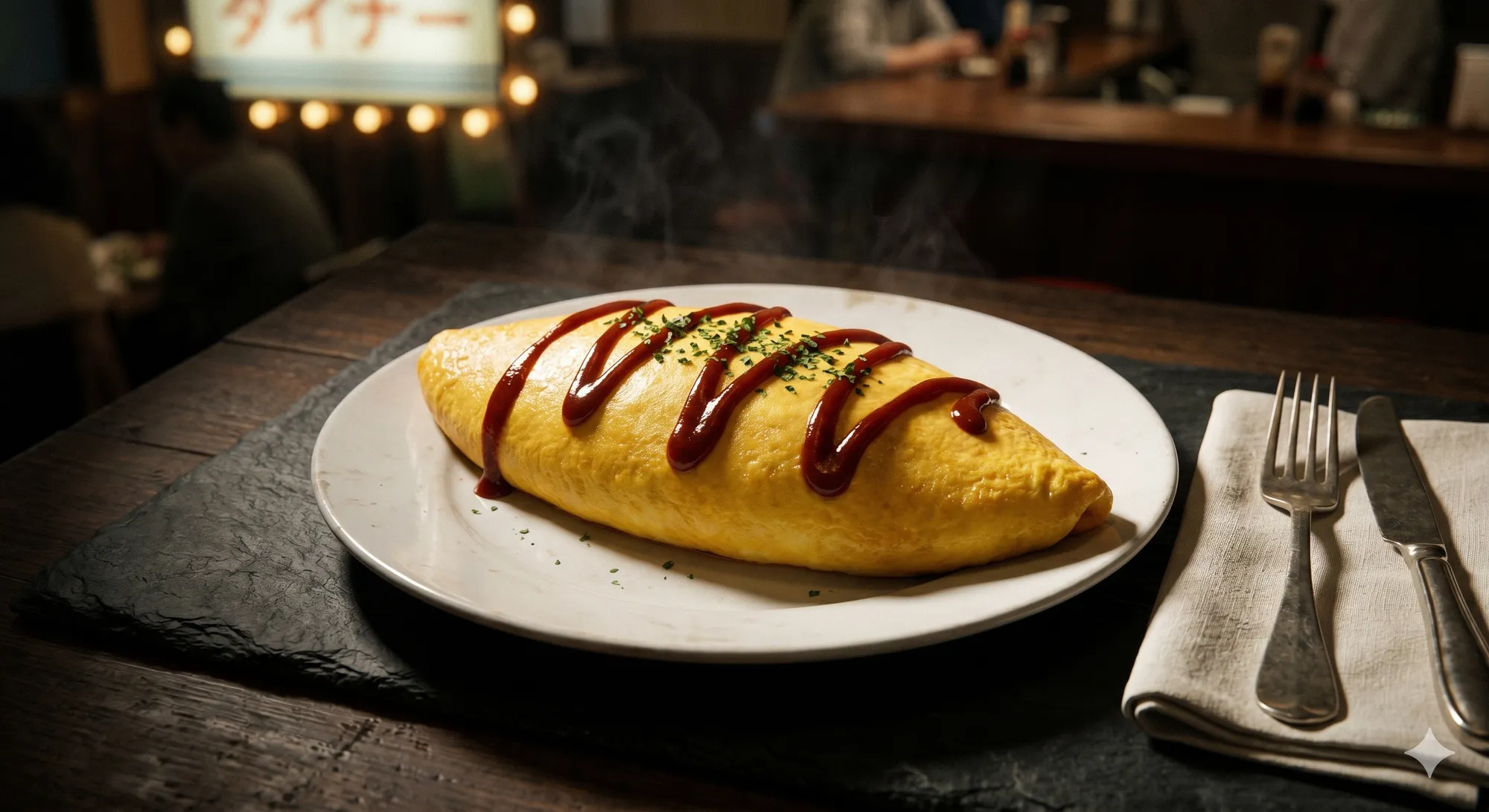
 Open the Food Planner