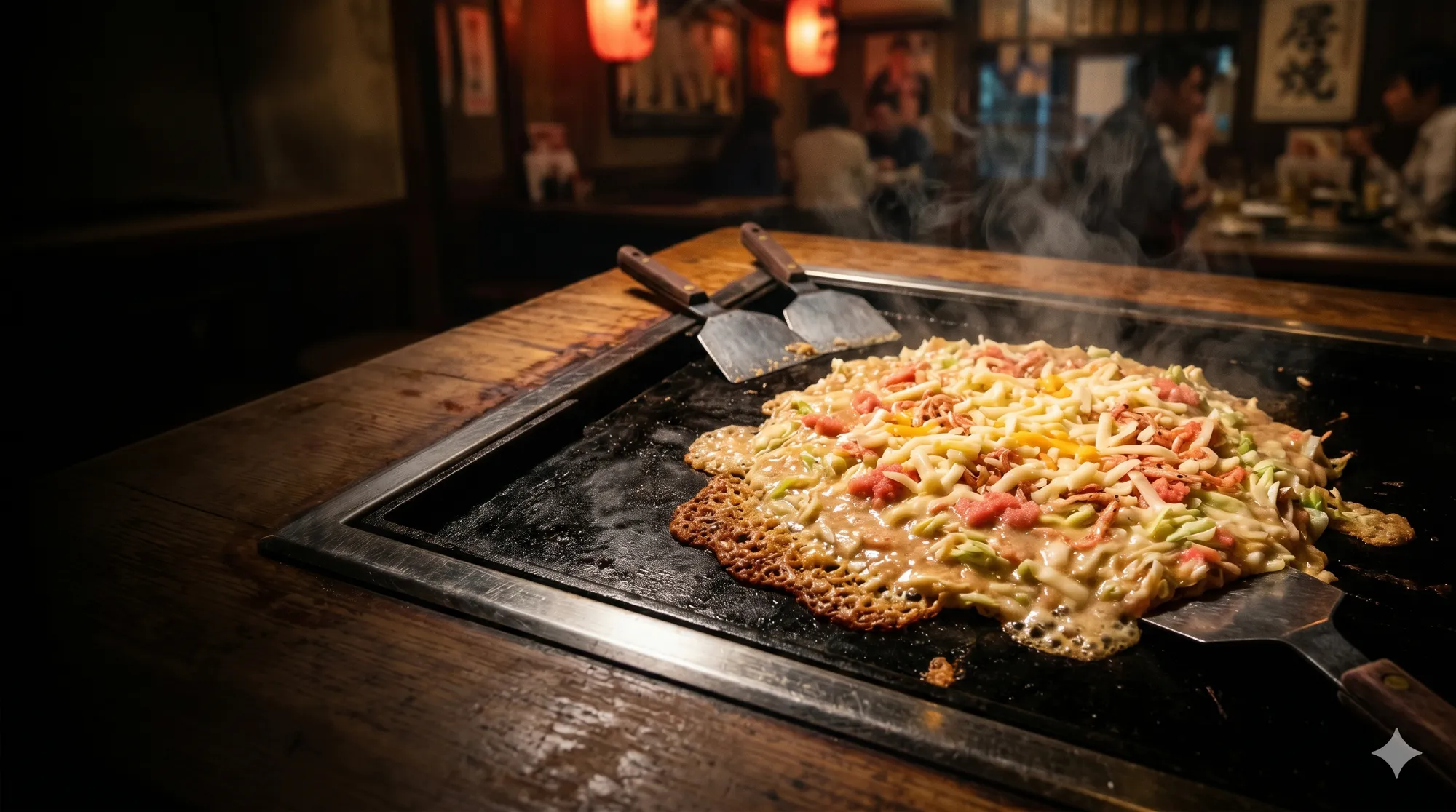
Let me be honest with you up front: the first time you see monjayaki, you will think something has gone terribly wrong.
Share this dish


It looks like a mess. It is, gloriously, a mess. Tokyo's runny griddle-pancake is less a dish than a contact sport — and one street has dozens of shops to prove it.
🍜 Planning a food trip to Tokyo?Add this dish to my Food Trip →
 Add this dish to my Food Trip →
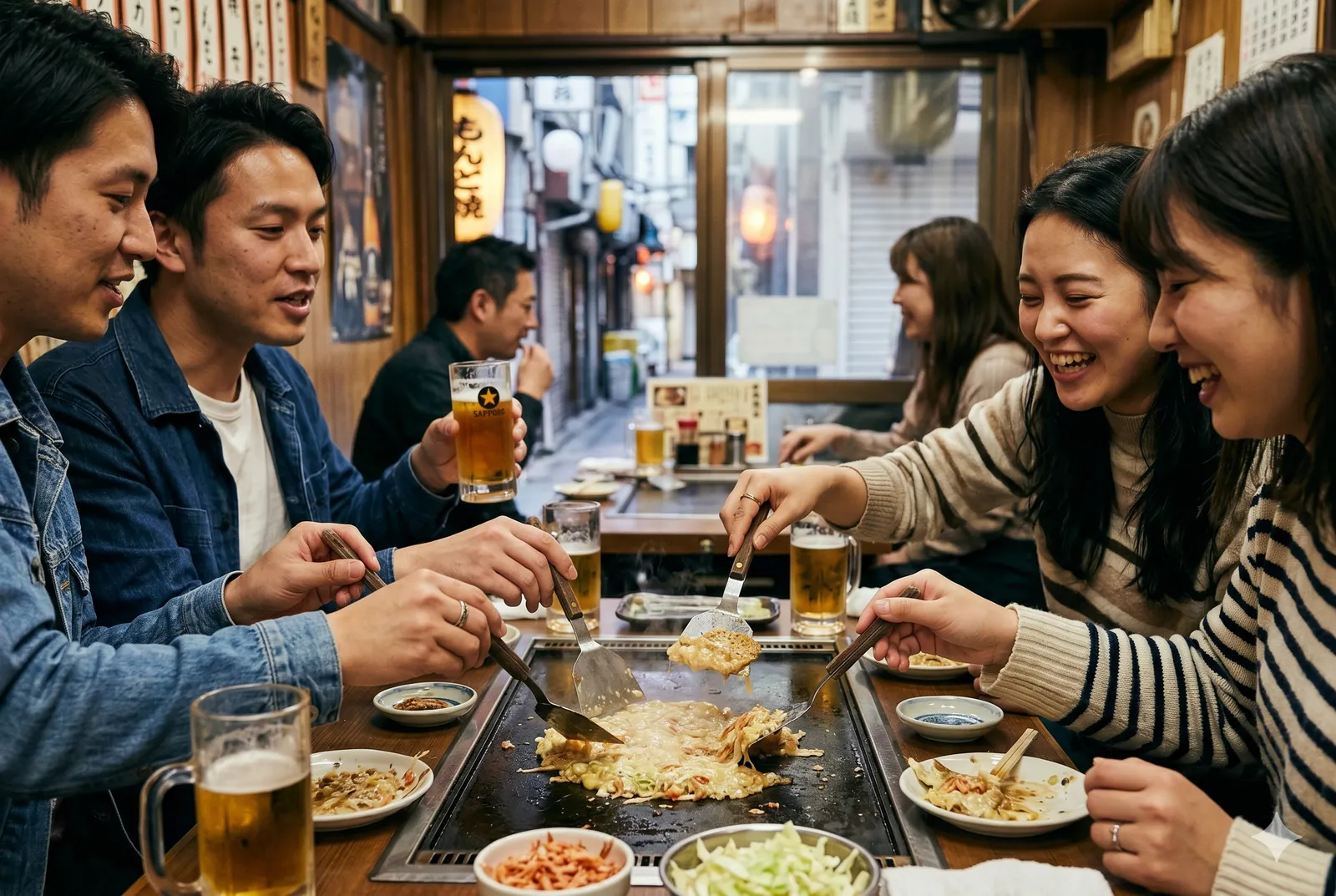
It's a loose, runny, half-liquid puddle of batter and cabbage sizzling on a hot iron griddle, and you eat it by scraping little crispy bits off the metal with a tiny spatula. It is not pretty. And it is one of the most fun, most social, most addictively delicious things you can do with a table full of friends in Tokyo. This is downtown Tokyo's soul food — and on one little island called Tsukishima, there's a whole street of shops devoted to it. Roll up your sleeves.
From candy-shop snack to Tokyo institution
Monjayaki started life back in the late Edo period as moji-yaki — a runny flour-and-syrup batter that kids would use to literally draw letters (moji) on a hot griddle before eating them. Sweet, simple, a candy-shop pastime.
Over the decades it grew up: through the lean 1940s it became a cheap flour-and-water filler, and then cabbage, dried squid, and tempura bits crept in, and somewhere along the way it became the savory, gloriously messy monjayaki of today. Tsukishima turned it into a destination.
What it actually is
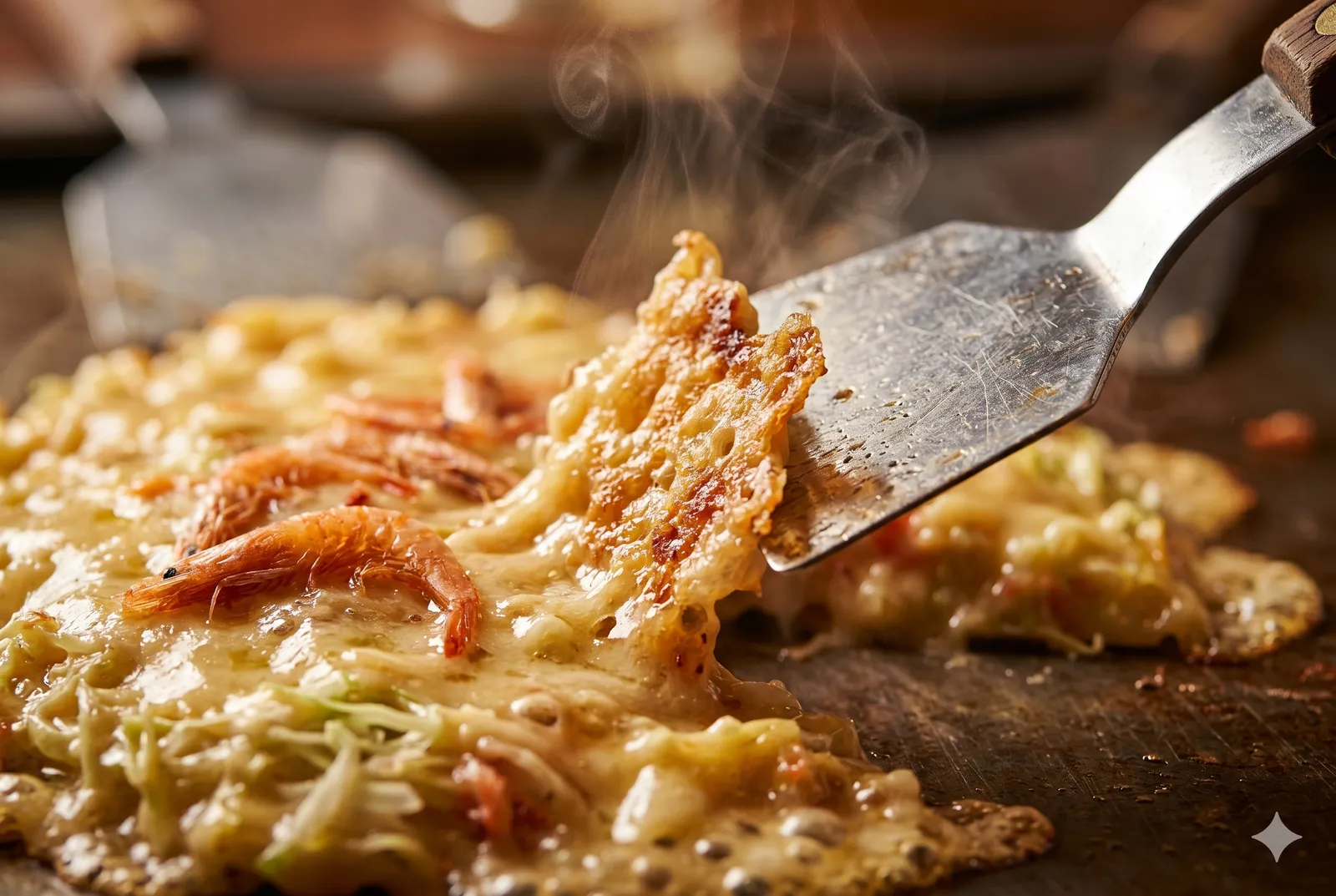
The defining feature is the runny batter — way thinner than okonomiyaki, almost like a savory soup that crisps as it cooks (for what monjayaki actually is and how that batter comes together nationwide, that's the full breakdown). You load it with whatever you like (cabbage, dried shrimp, cheese, mentaiko, corn, mochi), and the joy is in the technique: you build a "moat" of solid ingredients, pour the loose batter into the middle, and let it slowly cook down.
Then comes the best part — scraping those golden, crispy okoge bits off the griddle with your little hera spatula and eating them straight off the metal, hot and savory. It's part meal, part craft project, part group bonding.
How it's made
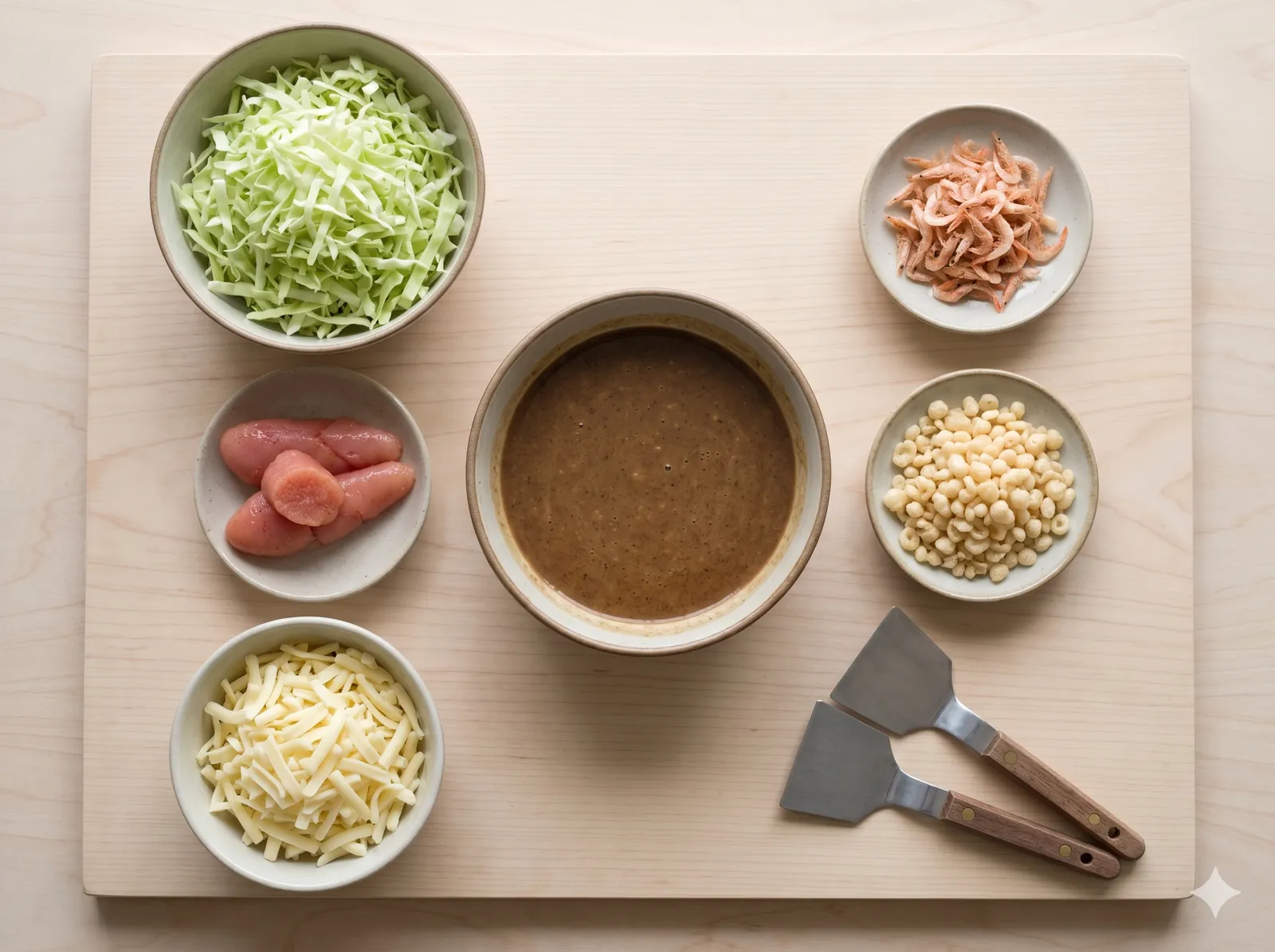
- Mix flour with plenty of water into a thin batter, seasoned with Worcestershire sauce
- Stir-fry the solid ingredients — cabbage, dried shrimp, cheese, mentaiko — on the griddle and arrange them into a donut-shaped ring
- Pour the batter into the center of the ring and let it bubble
- Once it starts to set, mix everything together and spread it thin
- Let the edges go crispy
- Scrape and eat in small bites with your hera, straight off the griddle
If you're nervous, the staff will happily cook it for you — but doing it yourself is the whole experience, and getting it slightly wrong is half the fun.
Before you go — survive your first monja
Your questions, answered honestly
"Do I cook this myself?!" — You can, and you should — but if it's your first time, just ask the staff to start it. They do it all day and will happily walk you through. No shame in a little coaching.
"What's the move with the tiny spatula?" — That hera is your only utensil. Press a small amount of the crispy stuff flat against the griddle, let it sizzle a second, scrape it up, eat it hot off the spatula. Small bites. That's the rhythm.
"What should I order in it?" — Mentaiko-mochi-cheese is the beloved combo for a reason — spicy cod roe, chewy mochi, melty cheese. Get that. Thank me later.
"Isn't it kind of... ugly?" — Spectacularly. Embrace it. Monja is about the table, the laughing, the beer, the scraping. Pretty food is for other nights.
What the staff will ask you
| You'll hear | Romaji | Meaning | Just say |
|---|---|---|---|
| 焼きましょうか? | Yakimashō ka? | "Shall I cook it for you?" | Onegaishimasu (yes) / Jibun de yarimasu (I'll try myself) |
| 具は何にしますか? | Gu wa nani ni shimasu ka? | "Which fillings?" | Mentai mochi chiizu de (mentaiko-mochi-cheese) |
| お飲み物は? | Onomimono wa? | "Anything to drink?" | Biiru kudasai (a beer, please) |
To order, just say "Monja, osusume de" (もんじゃ、おすすめで) — "Monja, your recommendation." Hard to go wrong.
Where to eat it
- Tsukishima Monja Street (月島もんじゃストリート) — a short walk from Tsukishima Station on the Toei Ōedo / Tokyo Metro Yūrakuchō lines. Dozens of monja shops line the narrow lanes; wander, pick one with a buzz, and dive in.
Shops on the street come and go, so check current info before you go — and bring friends. Monja is no fun alone.
Soul Score
Local Roots5/5
First-Timer Friendly4/5
Adventure Level4/5
Comfort Level4/5
Travel Worthy4/5
These scores are one obsessed eater's gut feeling — not a verdict. A low number isn't a bad mark, just a different kind of adventure.
Know someone planning Japan?
← All Articles
Local Food · Tokyo
Still hungry?
Eat more from Tokyo
Sweets & SnacksTokyo
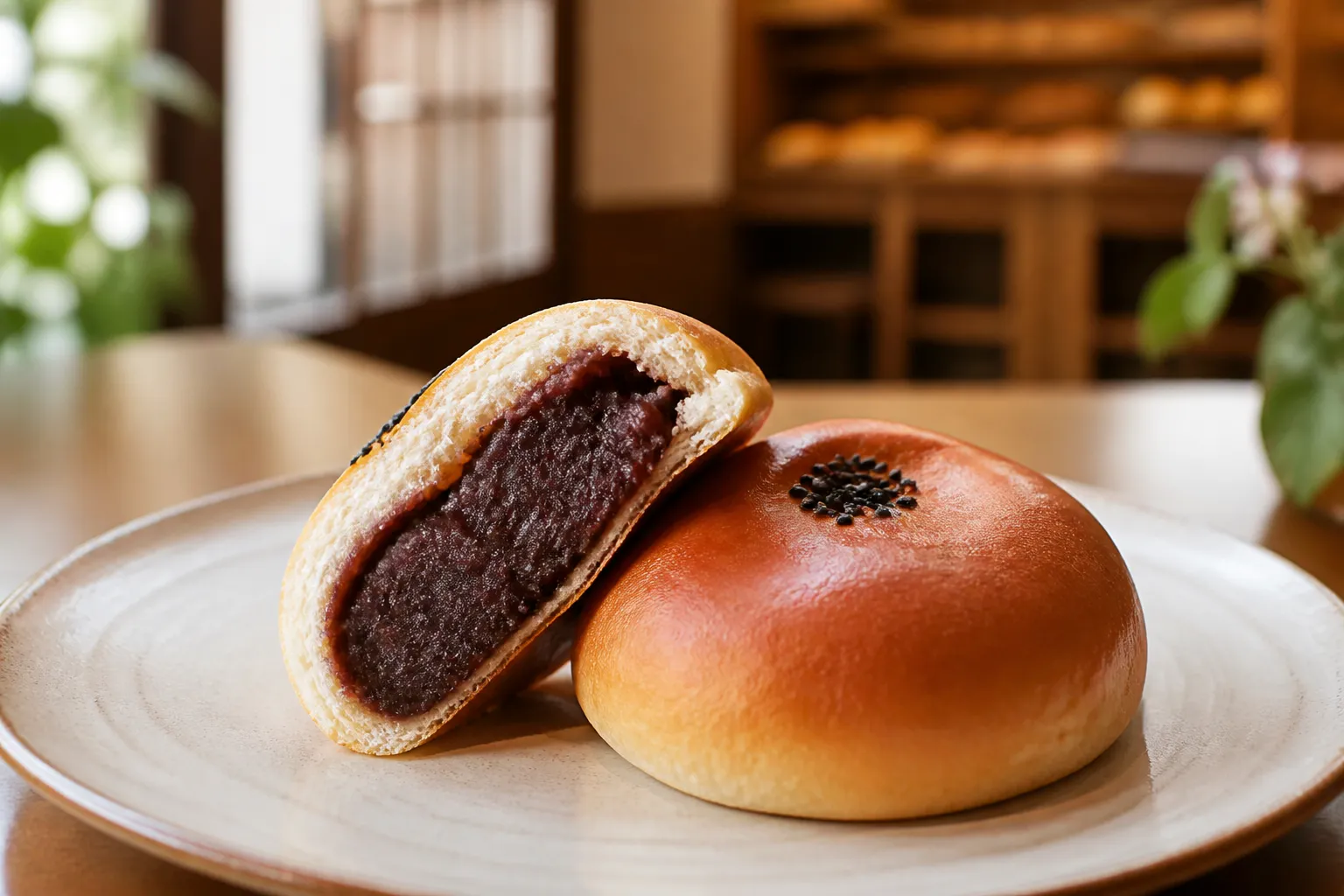
Anpan (あんパン)
A soft little bun, one bite in, and suddenly it's dense, dark, sweet red bean all the way through — the bread that talked 1870s Japan into eating Western-style bread at all.
July 27, 2026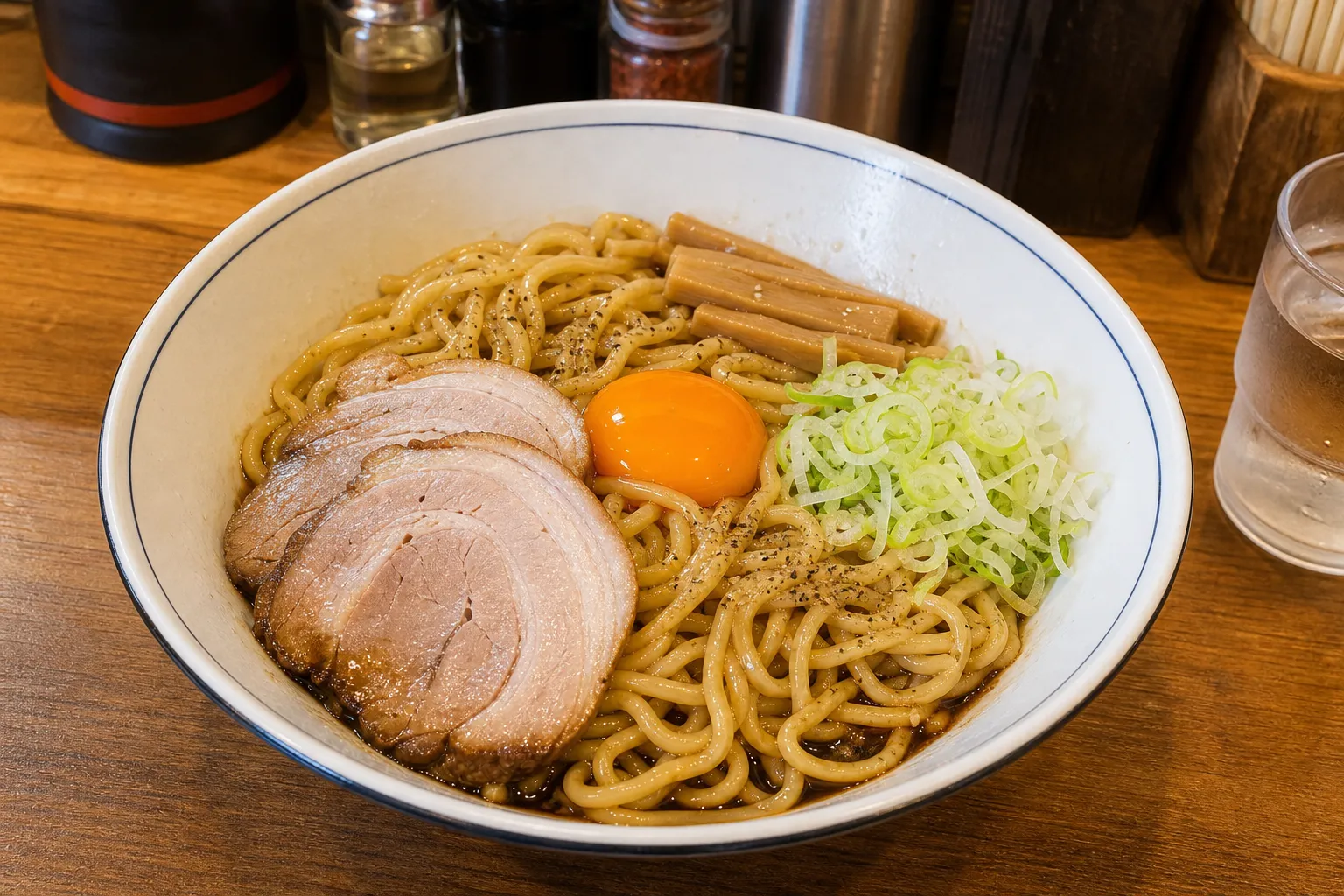
Local FoodTokyo
Abura Soba (油そば)
No soup. Just noodles, a hidden pool of tare and oil at the bottom of the bowl, and thirty seconds of frantic mixing that turns it into one of Tokyo's most addictive cheap thrills.
July 9, 2026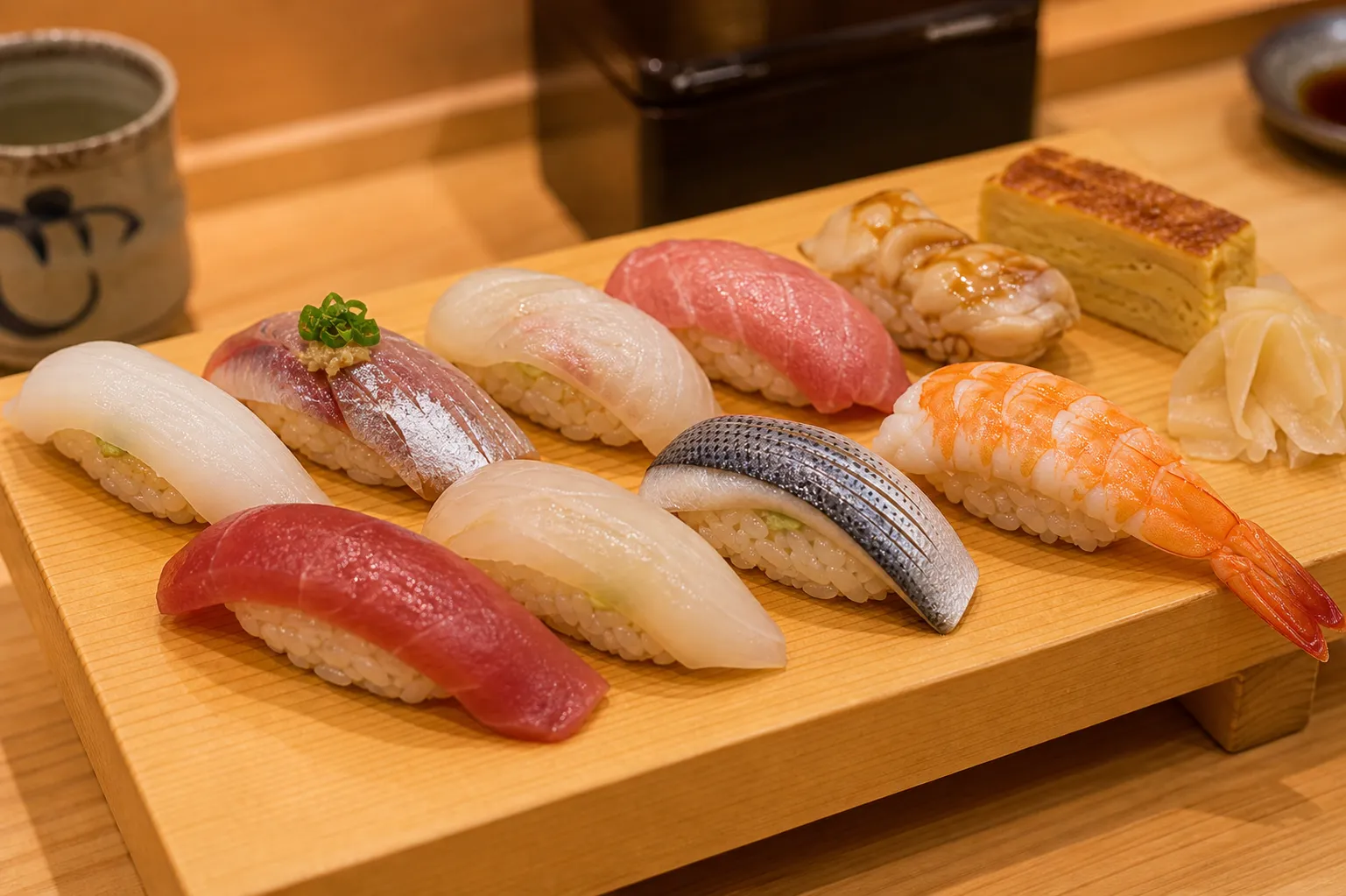
Japanese FoodTokyo
Edomae-zushi (江戸前寿司)
The original Tokyo nigiri, born before refrigerators existed — cured, marinated, simmered by hand, then pressed onto warm rice in a single confident motion. This is where sushi actually comes from, and it's a craft, not a slab of raw fish.
July 9, 2026Feeling brave?
Local FoodKumamoto, Kumamoto
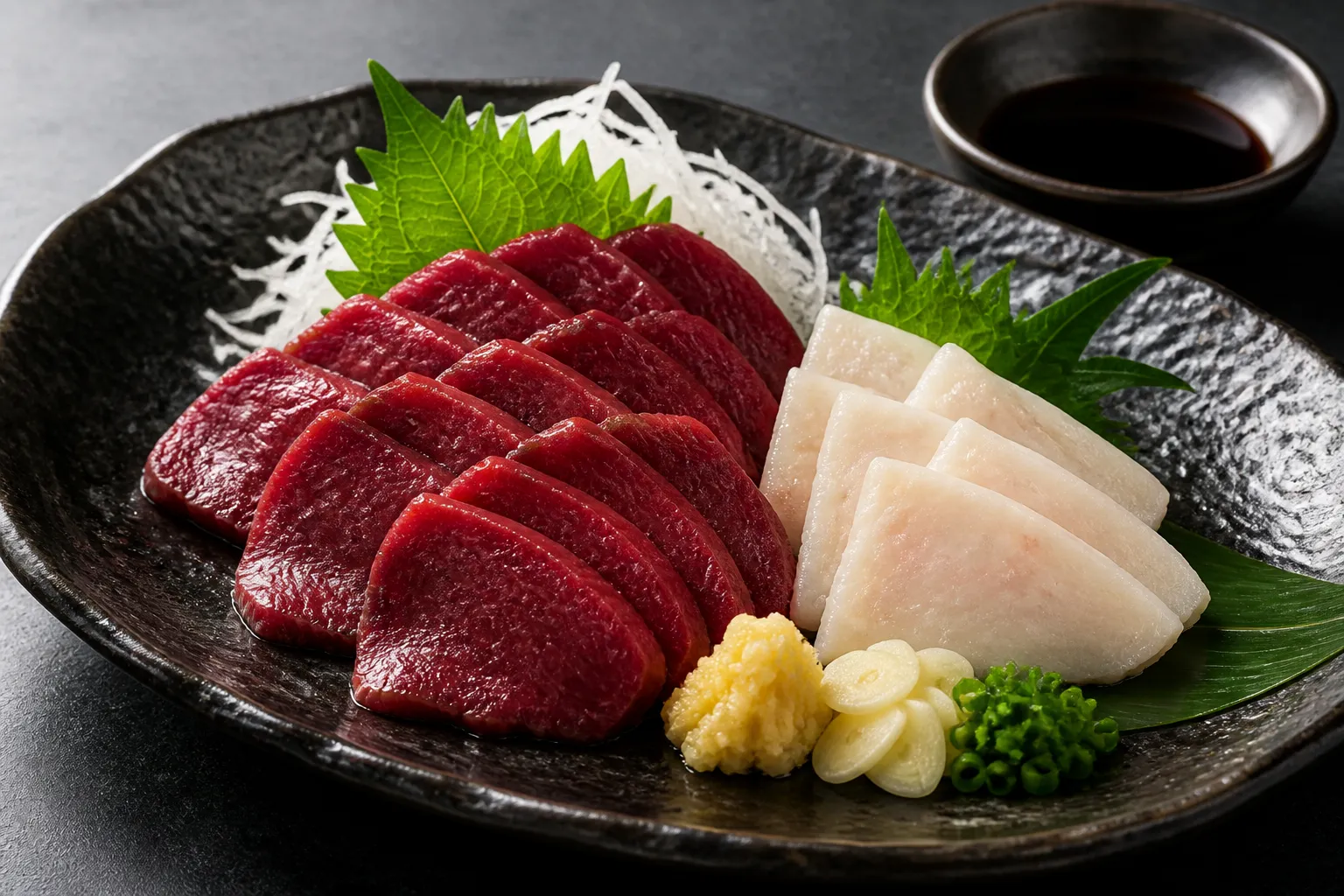
Basashi (馬刺し)
Raw horse meat, sliced thin, eaten with ginger and garlic and soy. Kumamoto's most provocative delicacy. Cleaner than beef, richer than tuna, and once you've tried it, you'll stop being surprised and start being converted.
June 25, 2026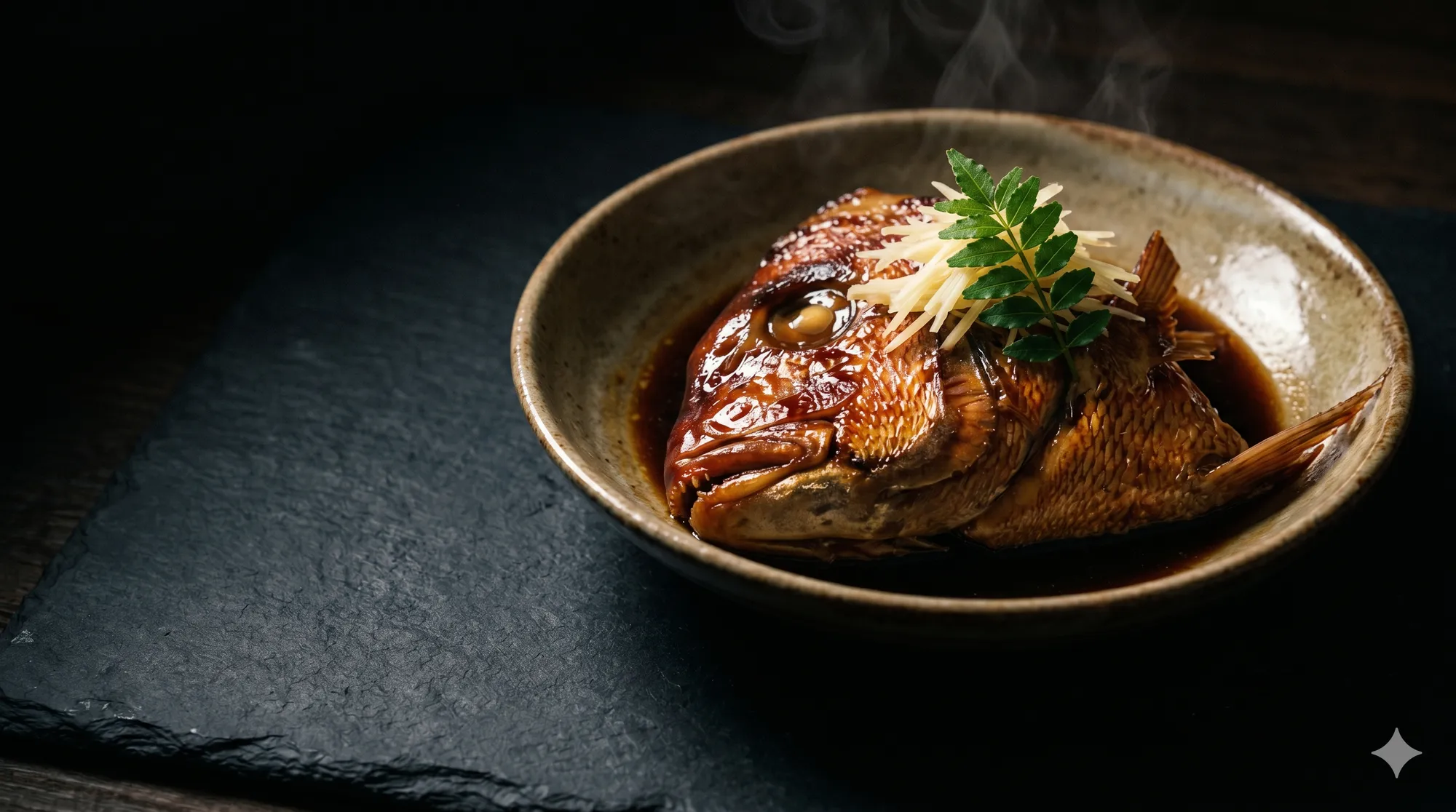
Japanese FoodNationwide
Sakana no Kabuto-ni (魚の兜煮)
A whole fish head simmered in soy and mirin until it glistens like lacquer. It looks intimidating. It's secretly the best, richest, most prized part of the fish.
July 20, 2024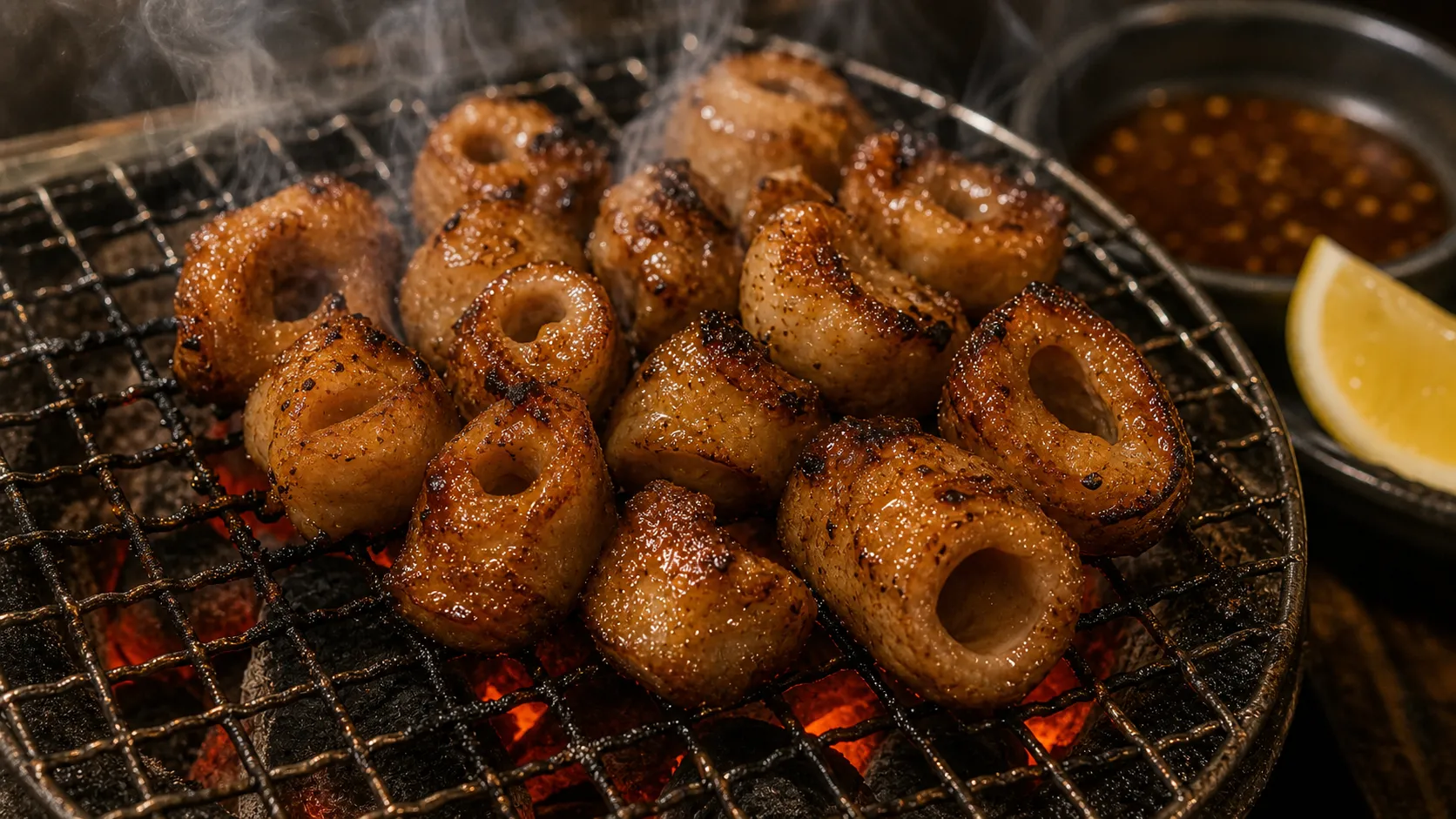
Local FoodAtsugi, Kanagawa
Atsugi Shirokoro-Horumon (厚木シロコロ・ホルモン)
B-1 Grand Prix champion. Thick-cut pig large intestine grilled until the outside shatters and the inside goes creamy. It sounds alarming. It tastes like the best thing you've eaten all week.
June 25, 2026