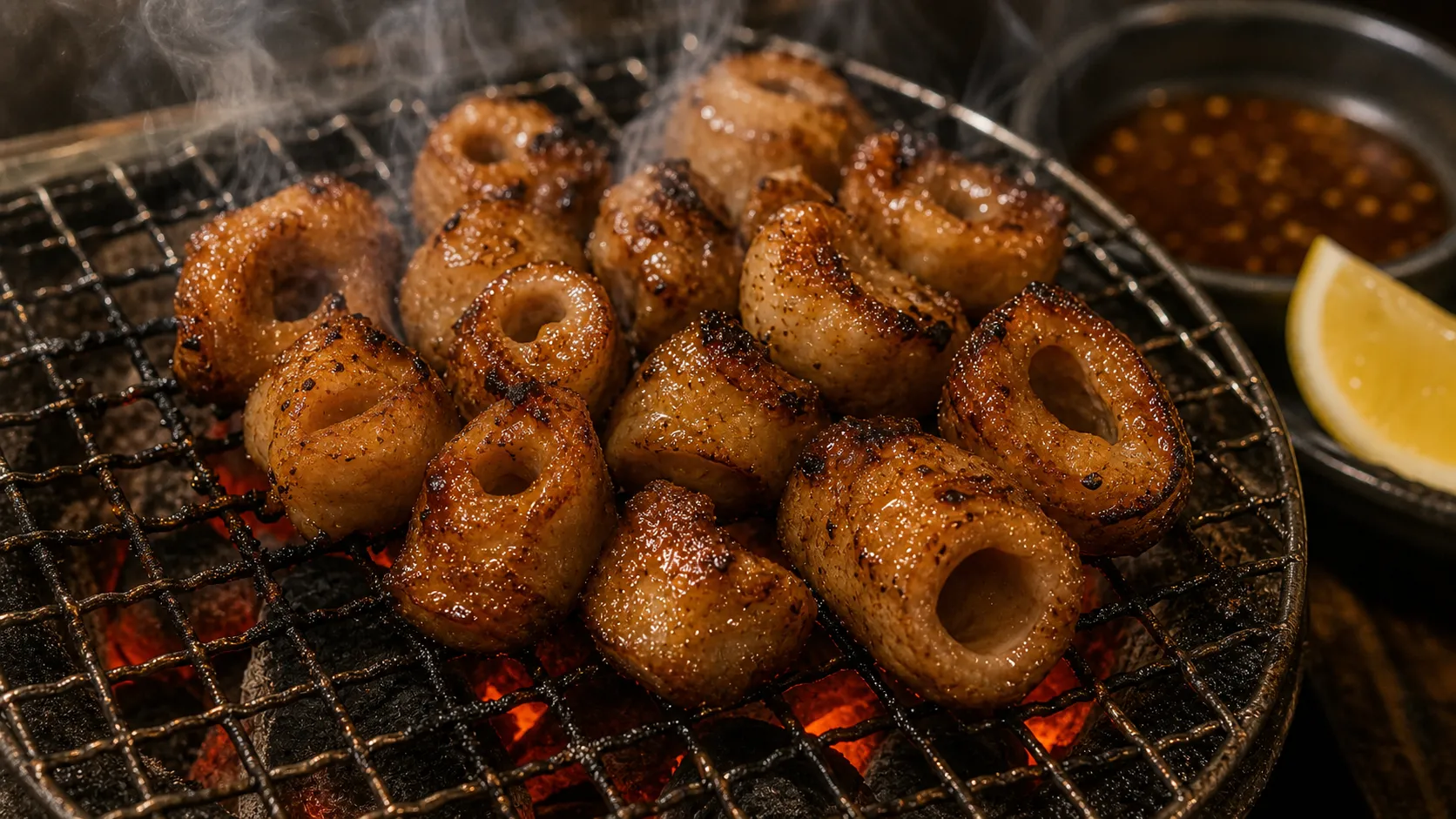
Shirokoro. The name alone is half the pitch: shiro (白) means white — the color of the large intestine — and korokoro is the Japanese sound word for small round things rolling around, which is exactly what these chunky, ring-cut pieces of pig intestine look like before they hit the grill. Then they hit the grill. The outside crisps and chars. The inside goes soft and creamy and rich in a way that makes you momentarily forget you had any concerns about this at all.
Share this dish


B-1 Grand Prix champion. Thick-cut pig large intestine grilled until the outside shatters and the inside goes creamy. It sounds alarming. It tastes like the best thing you've eaten all week.
🍜 Planning a food trip to Kanagawa?Add this dish to my Food Trip →
 Add this dish to my Food Trip →
I had concerns. I ate four skewers. I ordered more.
Atsugi shirokoro-horumon (厚木シロコロ・ホルモン) is Atsugi city's pride: thick-cut pig large intestine (shiro), grilled over charcoal until the exterior is caramelized and the interior is almost molten with fat and collagen. The horumon (ホルモン — offal, from the Osaka term that entered national use) tradition runs deep in Atsugi, with yakiniku-style horumon shops that have been serving this since the postwar era. In 2008, Atsugi's shirokoro won the B-1 Grand Prix, and the rest of Japan finally noticed what the city had known for decades: this is extraordinary eating.
Atsugi's offal culture and the B-1 triumph
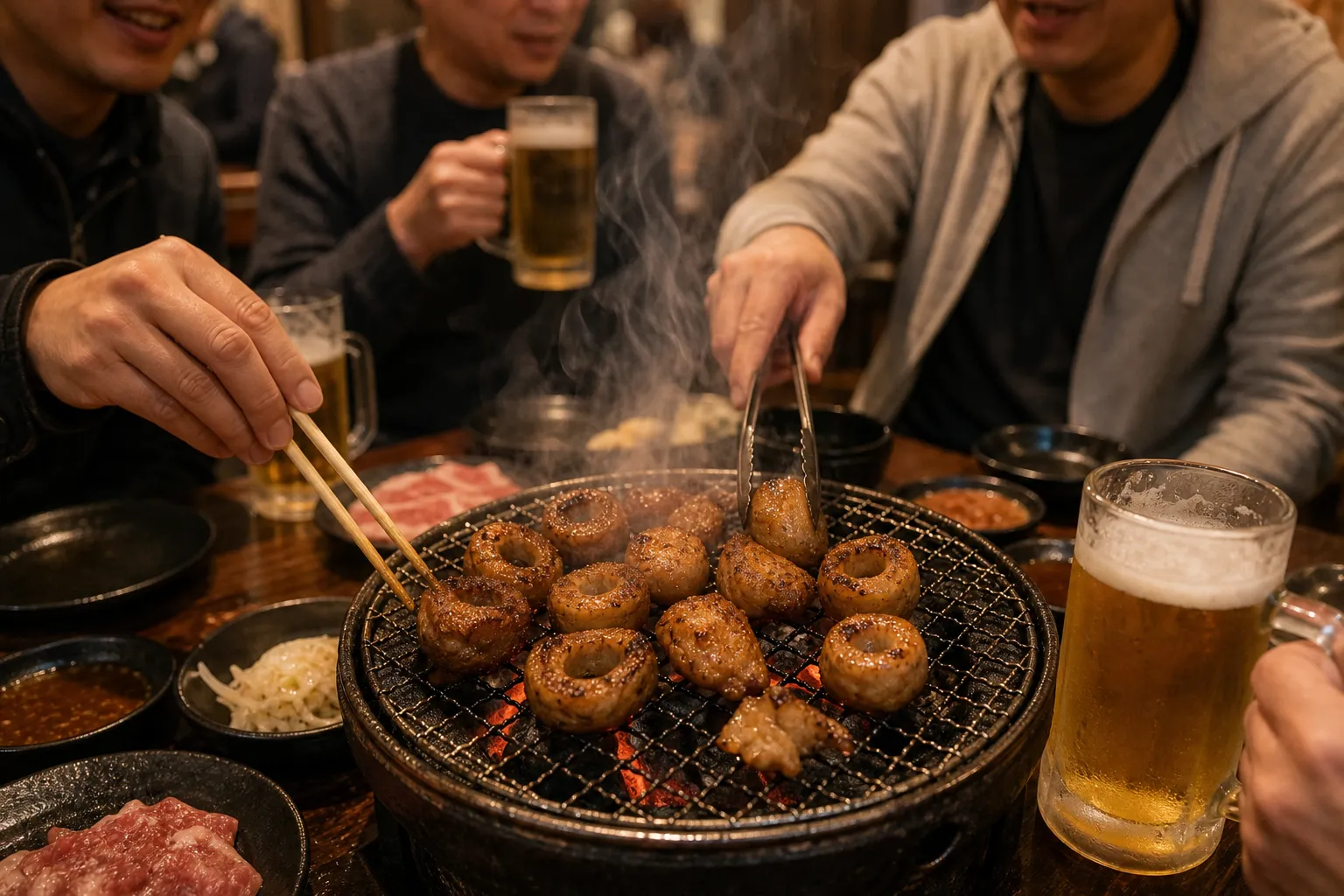
Atsugi's relationship with horumon stretches back to the postwar years, when offal — cheap, available, flavorful — became essential eating in working-class communities across Japan. Atsugi developed a particular style: pig large intestine, cleaned meticulously and cut into thick rings rather than thin slices, grilled over high heat so the outside caramelizes while the fat inside renders and stays juicy. The thickness is the signature. Thin-cut intestine cooks differently — it can dry out, go tough. Thick-cut shirokoro retains its interior creaminess while the outside shatters. It's a textural achievement.
The B-1 Grand Prix win in 2008 was earned. Hundreds of competing regional dishes, and the judges chose this. This. Because it's the kind of food that converts skeptics in a single bite, and converting skeptics is the whole point of B-grade cuisine.
The texture that wins people over
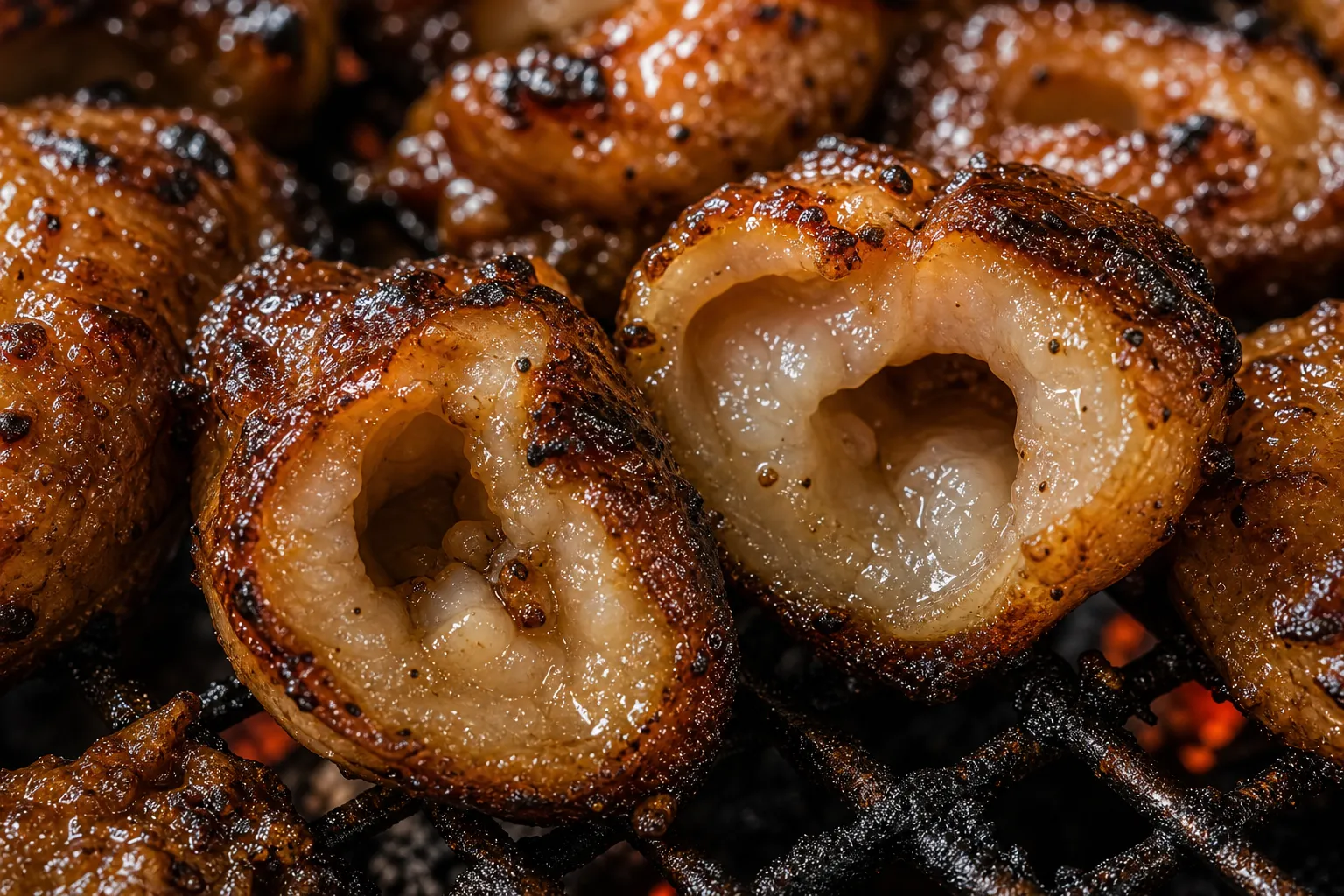
The reason shirokoro works — really works, beyond novelty — is the contrast. The large intestine has significant fat content on the inside, which renders during grilling and creates an almost creamy interior. Cut thick, that interior fat has time to do its job while the exterior gets properly charred. The result: shatter on the outside, silk on the inside, with a deep, meaty, porky richness that's completely without the gaminess people sometimes fear from offal.
The sauce helps. Most Atsugi shops serve shirokoro with a sweet soy-based tare (dipping sauce) or simply salt and lemon — both approaches let the quality of the intestine speak, rather than covering it up.
If you've ever been converted to offal by tripe, by sweetbreads, by any braised organ that surprised you — this will convert you too. If you've never tried offal at all, Atsugi shirokoro is one of the kindest possible entry points.
How it's made
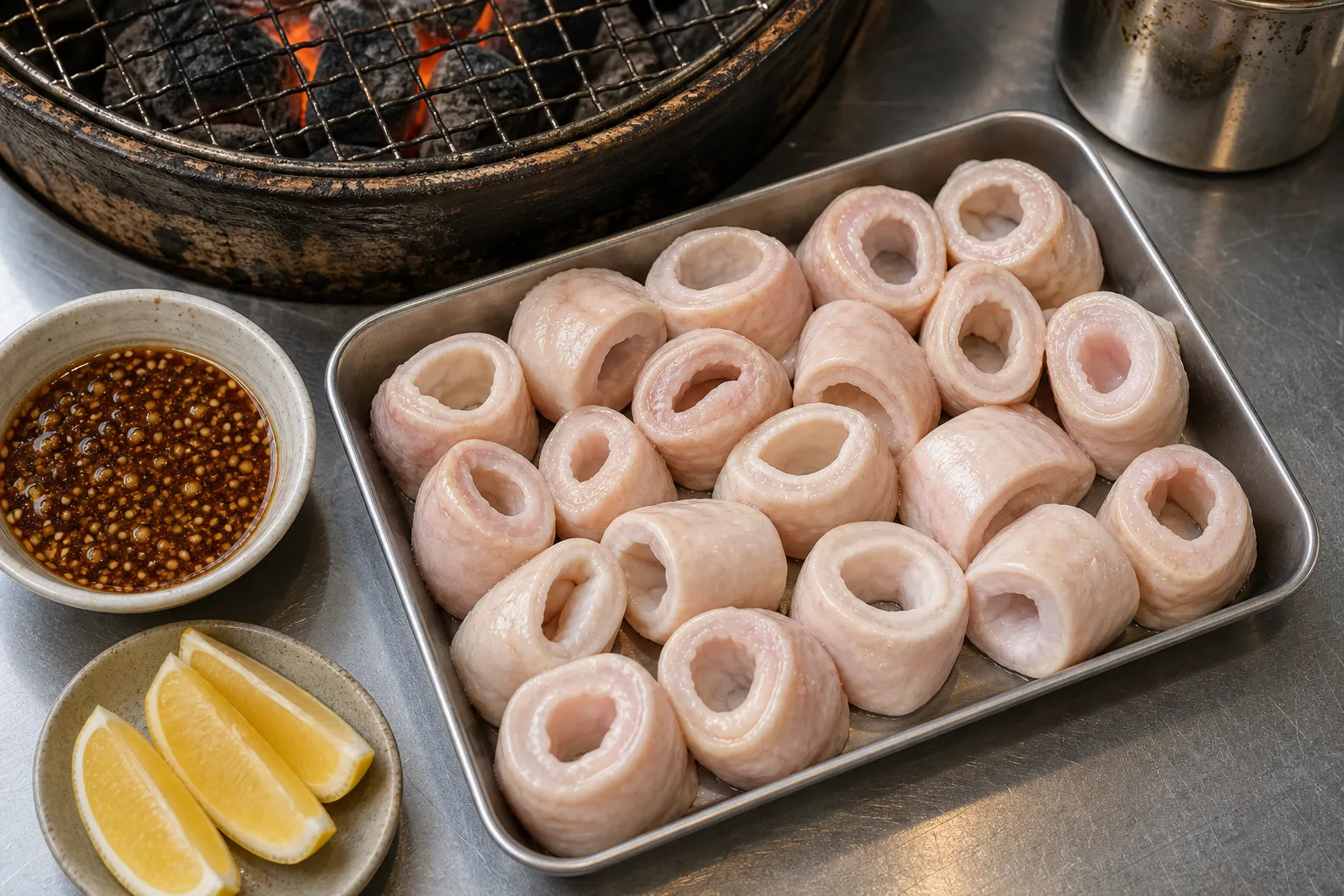
- Source fresh pig large intestine (shiro), cleaned thoroughly — quality of cleaning determines everything
- Cut into thick rings (korokoro) — thicker than typical horumon preparations, this is the Atsugi signature
- Grill over high-heat charcoal, turning frequently — the fat renders and the outside caramelizes
- Serve immediately, with tare dipping sauce and/or lemon salt on the side
Before you go — grill it properly
Your questions, answered honestly
"Is it gamey?" — No. Well-prepared shirokoro has rich pork flavor, not the metallic or funky taste people associate with poorly prepared offal. The thorough cleaning and high-heat grilling make it clean and deeply savory.
"What does the texture feel like?" — The outside crisps and chars. The inside is soft, almost creamy from the rendered fat. It's closer to a good fatty pork belly in texture than anything rubbery. The thickness makes all the difference.
"Should I use tare or salt?" — First time: tare (the sweet soy dipping sauce). It's the classic for a reason. Second time: try salt and lemon — it makes the pure pork flavor the star.
"Is horumon the same as shirokoro?" — Horumon is the general term for offal/offcuts at a yakiniku restaurant. Shiro specifically is pig large intestine. Shirokoro is the Atsugi style: thick-cut shiro, grilled korokoro-style. The name tells you exactly what it is.
What the staff will ask you
| You'll hear | Romaji | Meaning | Just say |
|---|---|---|---|
| タレと塩、どちらにしますか? | Tare to shio, dochira ni shimasu ka? | "Tare or salt?" | Tare de onegaishimasu (tare please, first time) |
| 焼き加減はどうしますか? | Yakikagen wa dō shimasu ka? | "How well done?" | Futsū de onegaishimasu (normal is fine) |
| 追加注文はいかがですか? | Tsuika chūmon wa ikaga desu ka? | "Want to order more?" | Hai, onegaishimasu — you will |
To order, just say "Shirokoro kudasai" (シロコロください) — "Shirokoro, please."
Where to eat it
- Atsugi Horumon-dori (厚木ホルモン通り) — a cluster of horumon specialty restaurants in central Atsugi, the heart of the shirokoro scene.
- Yakiniku restaurants throughout Atsugi — shirokoro appears on menus across the city; any dedicated horumon shop is a reliable choice.
Atsugi is 30 minutes from Shinjuku by express train. This is one of the more accessible B-1 Grand Prix destinations. Go on a weeknight if you can — the popular spots fill quickly.
Soul Score
Local Roots5/5
First-Timer Friendly3/5
Adventure Level5/5
Comfort Level4/5
Travel Worthy4/5
These scores are one obsessed eater's gut feeling — not a verdict. A low number isn't a bad mark, just a different kind of adventure.
Know someone planning Japan?
← All Articles
Local Food · Atsugi, Kanagawa
Still hungry?
Eat more from Kanagawa
Local FoodYokohama, Kanagawa
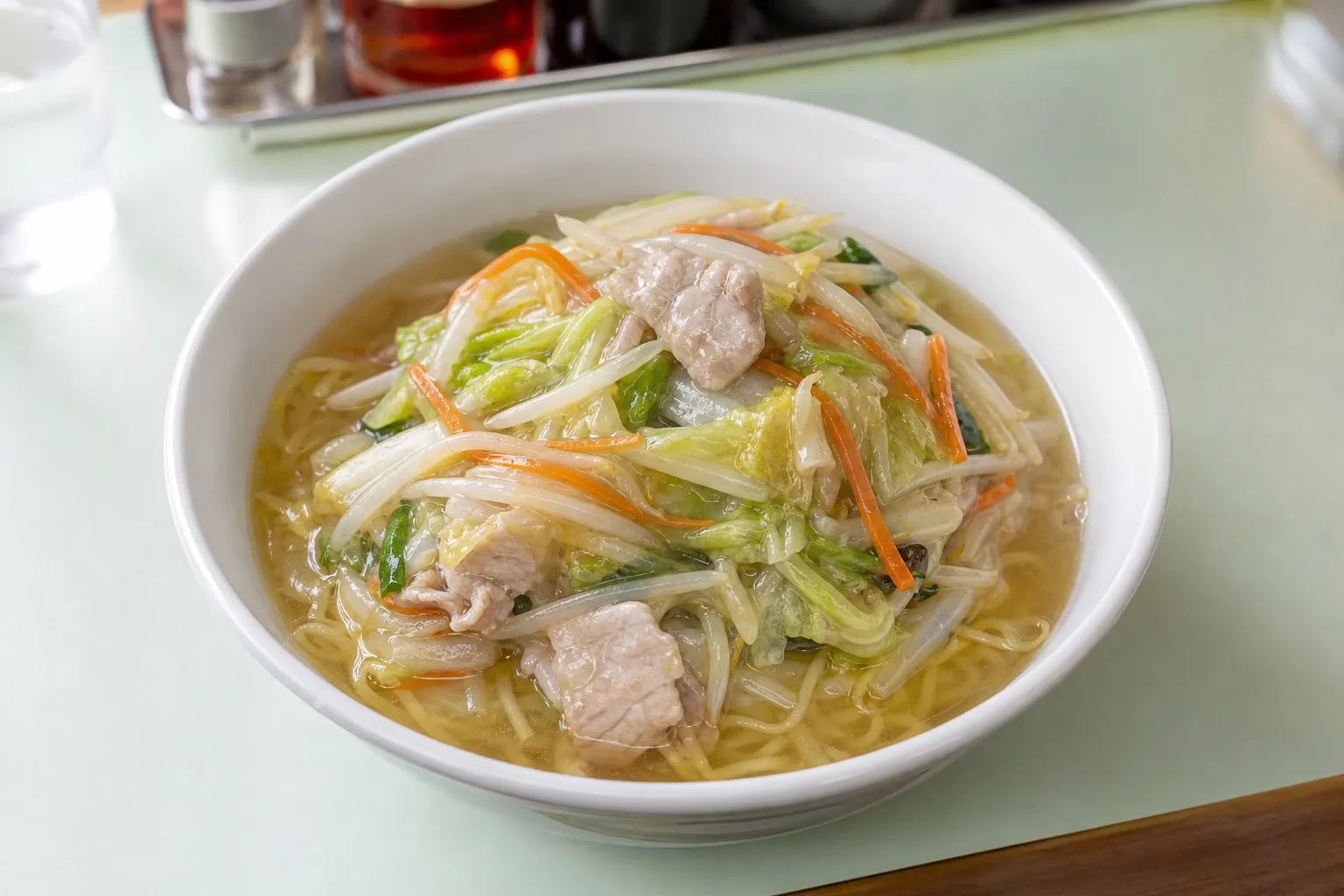
Yokohama Sanma-men (サンマー麺)
No, it's not the fish. Yes, everyone asks. And once you get past that, this is the noodle bowl I quietly crave more than the famous ones.
August 2, 2026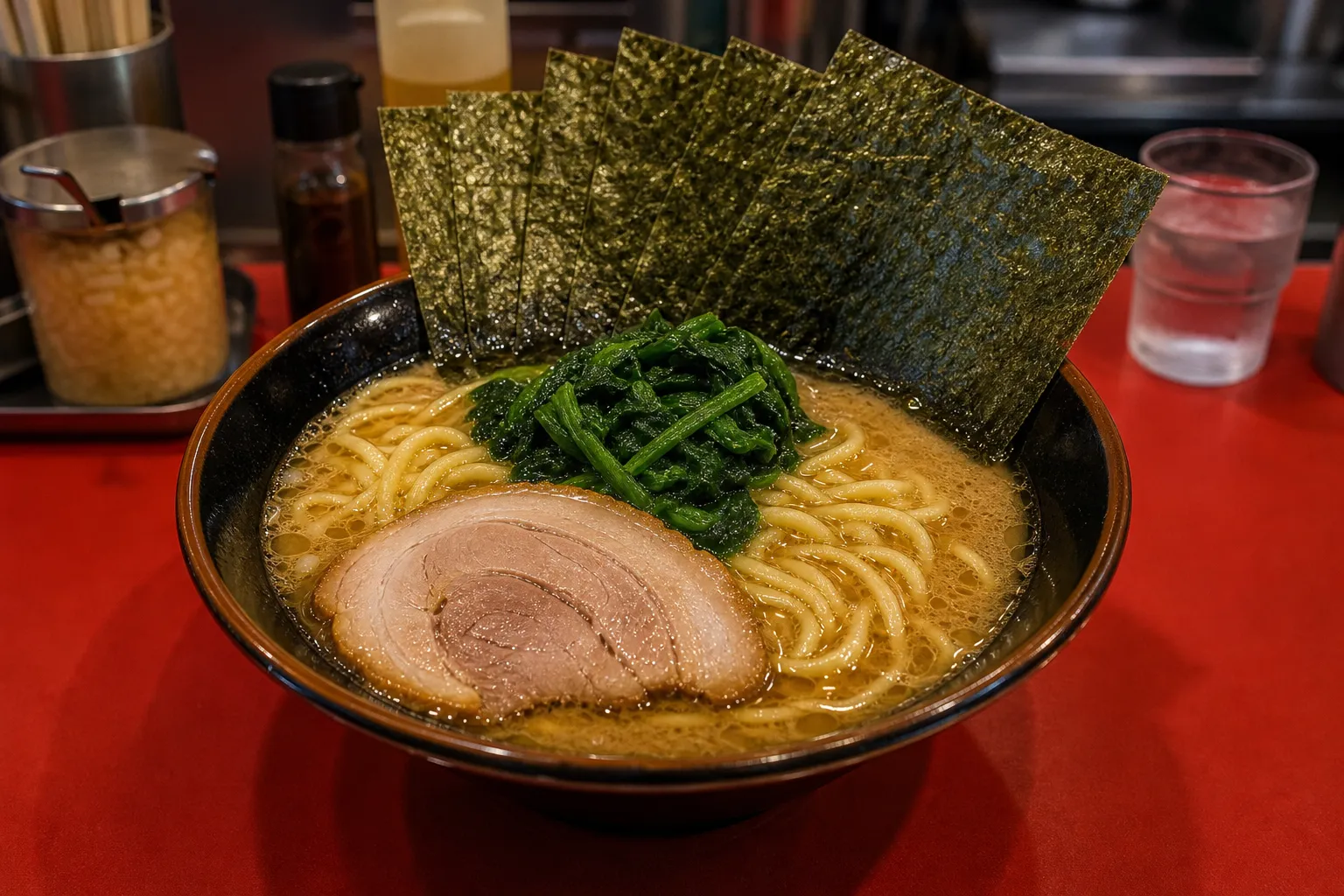
Local FoodYokohama, Kanagawa
Iekei Ramen (家系ラーメン)
Thick noodles in a pork-and-soy powerhouse, crowned with spinach and giant sheets of nori — and a bowl of white rice standing by as its secret weapon. Yokohama's build-it-your-way monster.
July 9, 2026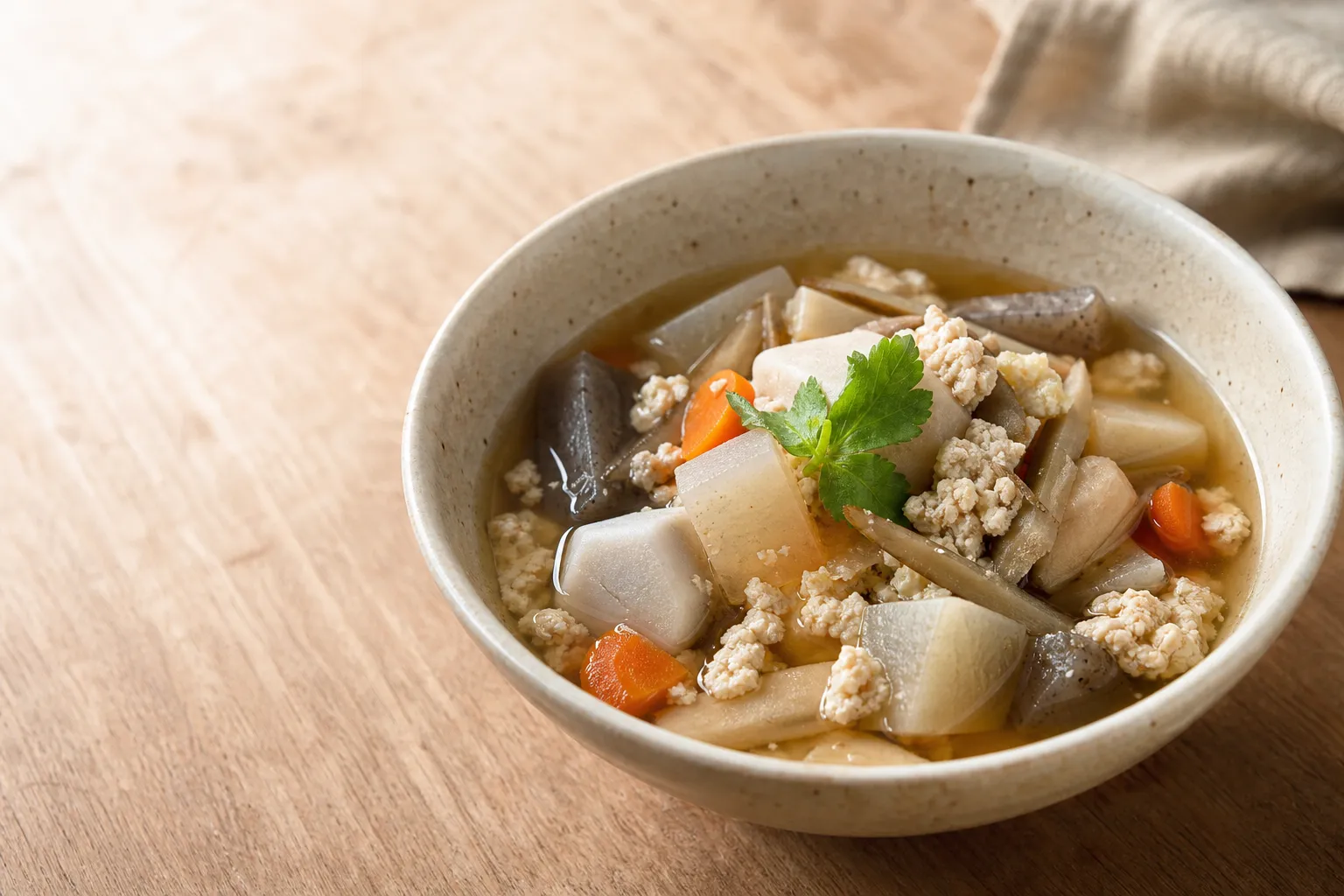
Local FoodKamakura, Kanagawa
Kenchin-jiru (けんちん汁)
A monk broke a block of tofu apart with his bare hands instead of throwing it away, sautéed it with root vegetables, and accidentally invented one of Japan's most comforting soups.
July 5, 2026Feeling brave?
Local FoodKumamoto, Kumamoto
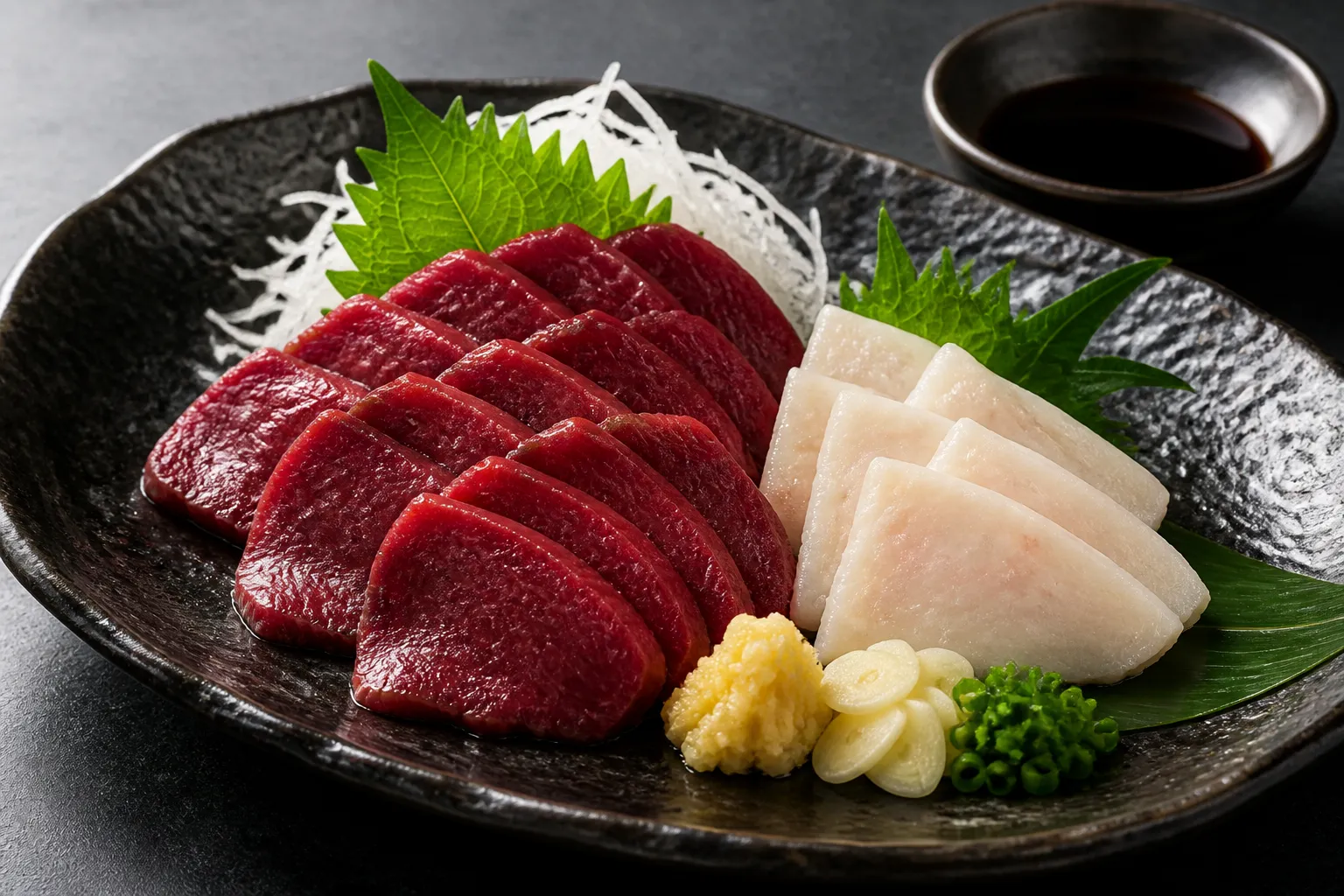
Basashi (馬刺し)
Raw horse meat, sliced thin, eaten with ginger and garlic and soy. Kumamoto's most provocative delicacy. Cleaner than beef, richer than tuna, and once you've tried it, you'll stop being surprised and start being converted.
June 25, 2026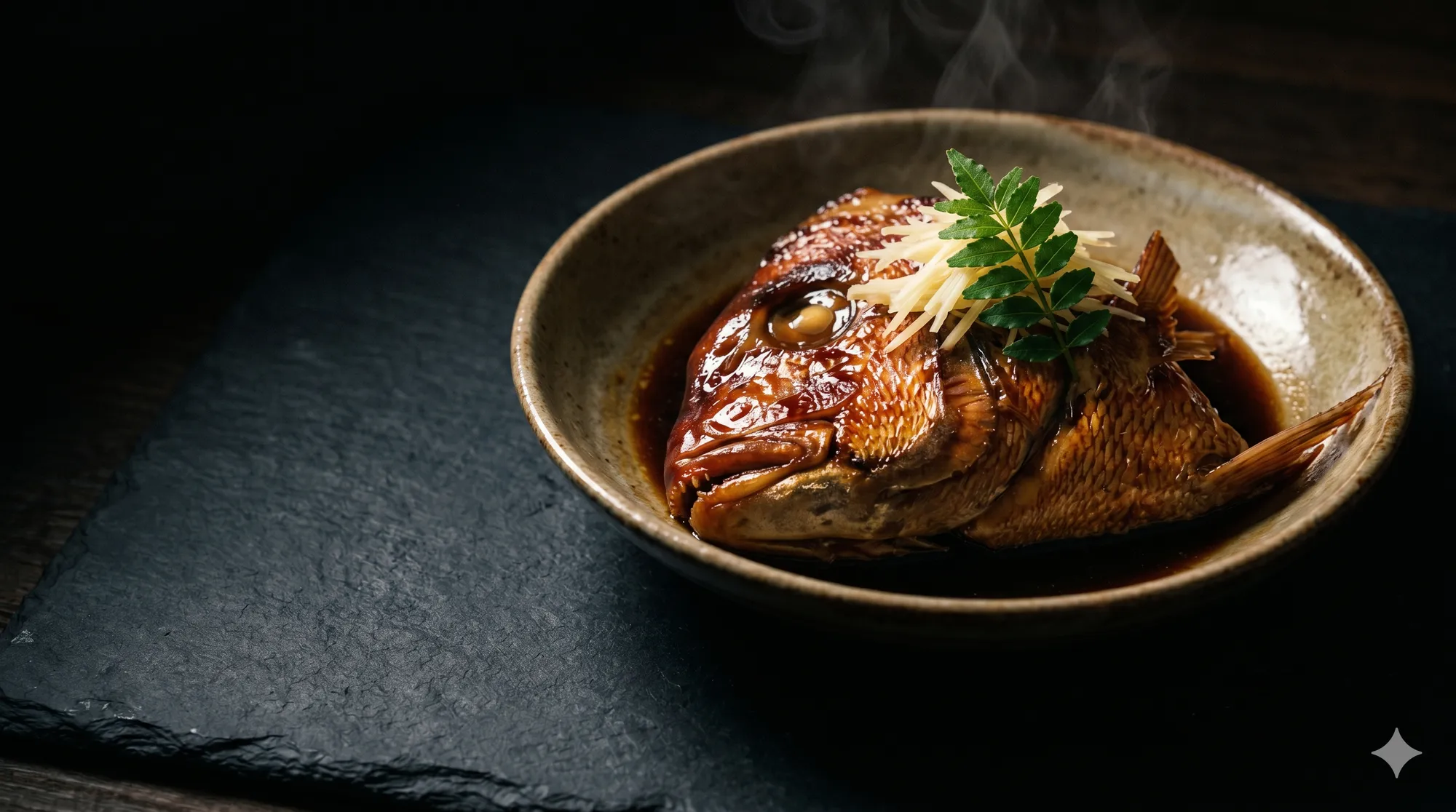
Japanese FoodNationwide
Sakana no Kabuto-ni (魚の兜煮)
A whole fish head simmered in soy and mirin until it glistens like lacquer. It looks intimidating. It's secretly the best, richest, most prized part of the fish.
July 20, 2024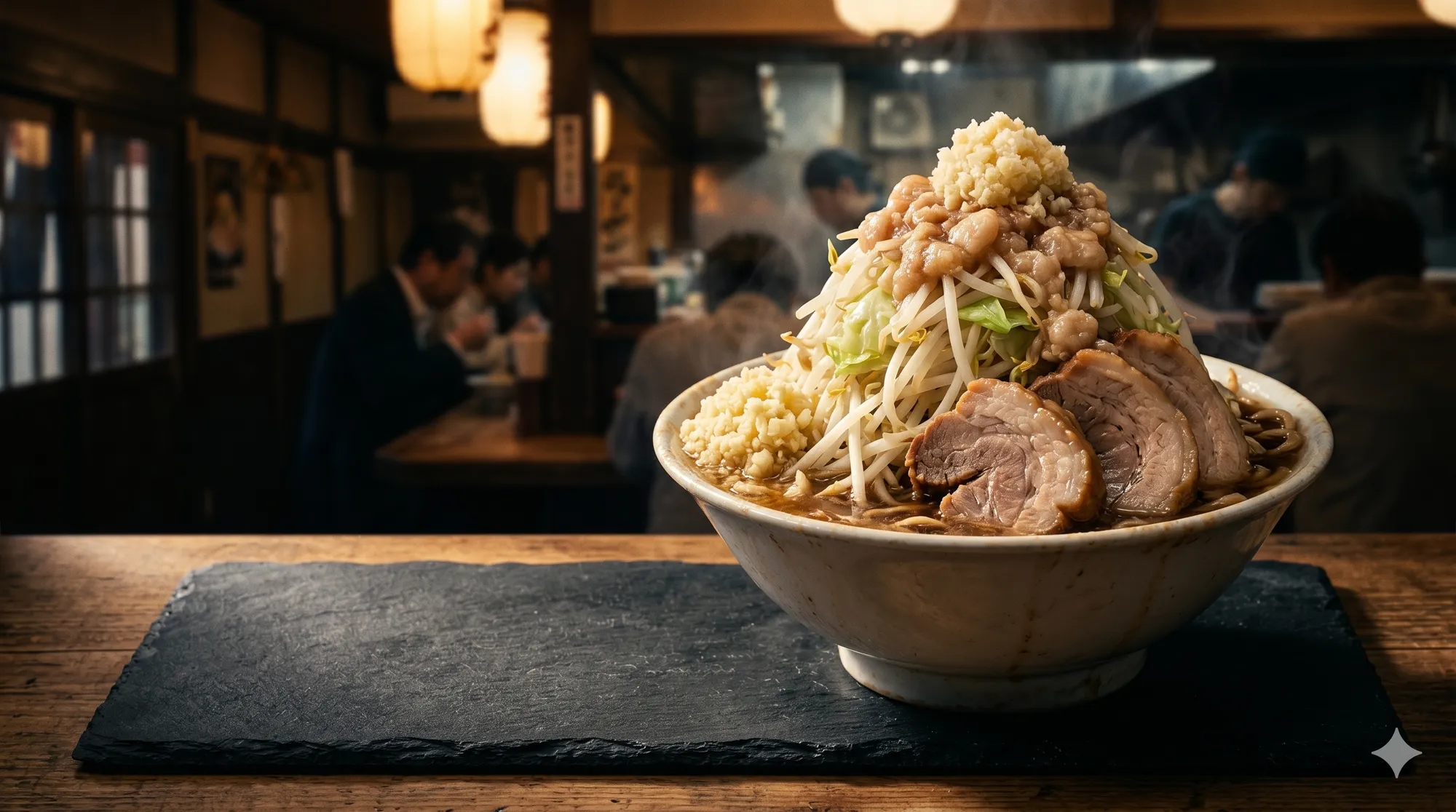
Japanese FoodTokyo
Ramen Jiro (ラーメン二郎)
A roaring mountain of noodles, fat, garlic and pork that broke the rules of ramen and built a cult. Not a meal — a rite of passage. Learn the secret call before you go in.
July 13, 2024