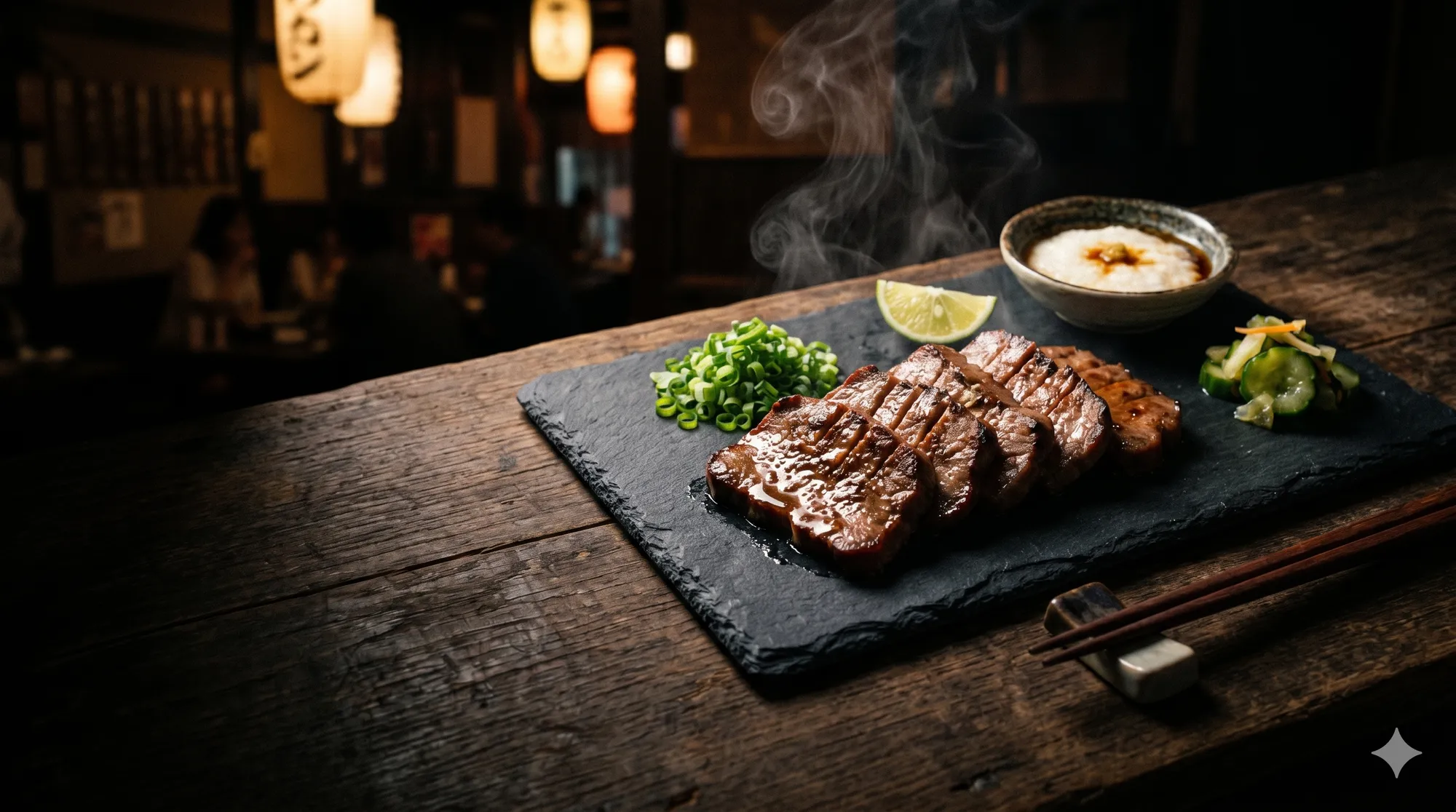
I know. Tongue. Your brain just did a little flinch. Sit with me for one minute, because Sendai is about to change your mind forever.
Share this dish


Thick-cut grilled beef tongue, charcoal-charred, snappy and rich — served with barley rice and oxtail soup. Sendai turned an overlooked cut into a destination. Trust the tongue.
🍜 Planning a food trip to Miyagi?Add this dish to my Food Trip →
 Add this dish to my Food Trip →
Gyutan is thick-sliced beef tongue, scored, salted, and grilled over roaring charcoal until the edges char and the inside turns tender with a satisfying, snappy bite. It's rich, smoky, faintly springy, and completely unlike any "tongue" your imagination is conjuring — it eats like the best, most flavorful steak you've never tried. In Sendai it comes as a perfect set: the grilled tongue, a bowl of nutty barley rice (mugi-meshi), a clear oxtail soup, and tangy pickled greens. It's one of those meals that converts every single skeptic at the first bite. The tongue is good. The tongue is great. Come find out.
How a humble cut became Sendai's pride
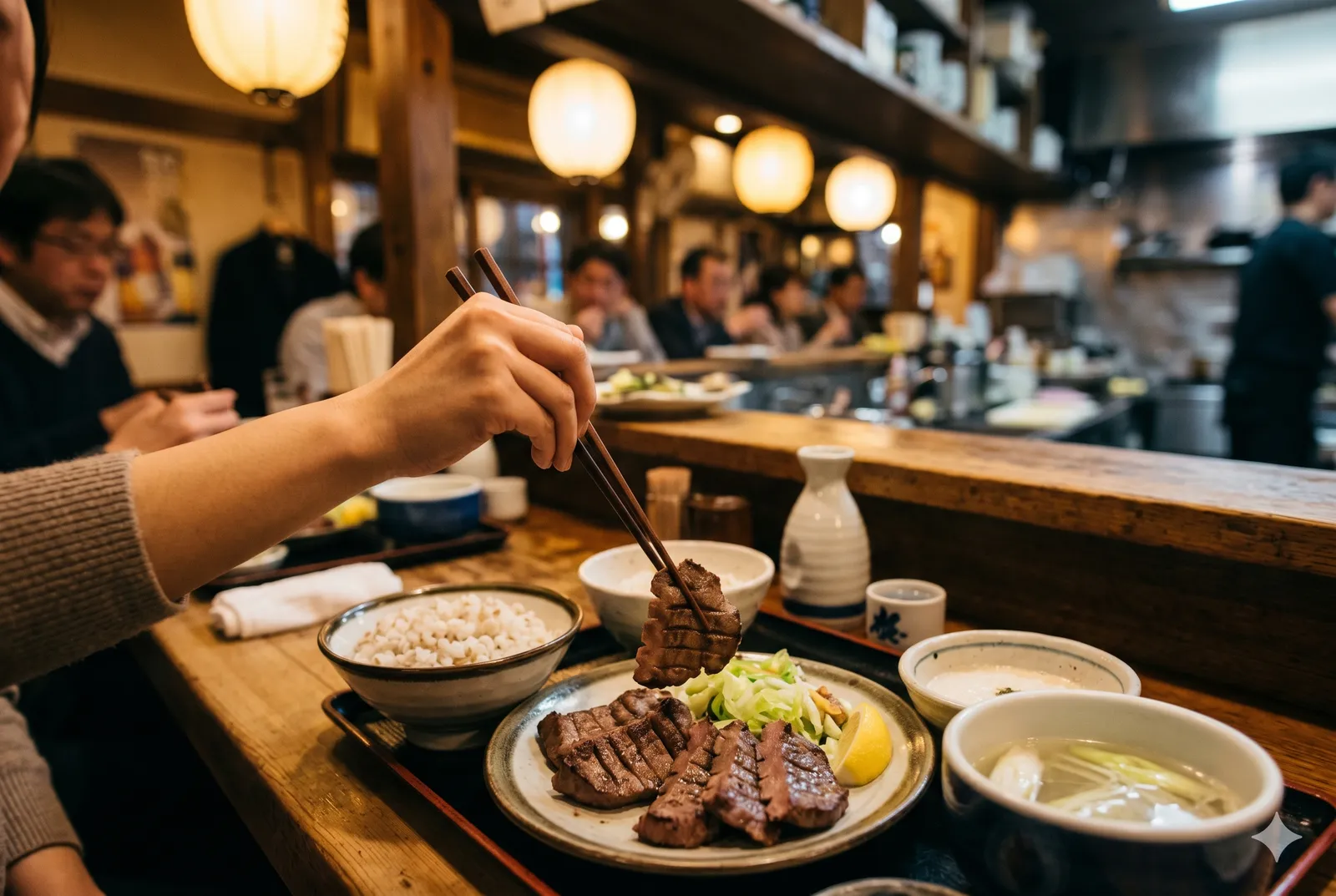
Here's the part that makes it a great story: gyutan as a Sendai specialty was essentially invented after World War II by a yakitori cook named Keishirō Sano, who opened Aji Tasuke (味太助) and turned an overlooked, cheap cut into something extraordinary. With Occupation forces around, beef offal was available and affordable, and Sano spent ages perfecting how to grill it. The idea caught on, shop after shop followed, and Sendai — a city not otherwise famous for beef — became the undisputed capital of beef tongue. A whole regional identity, built on the part everyone else threw away.
Why it's so good
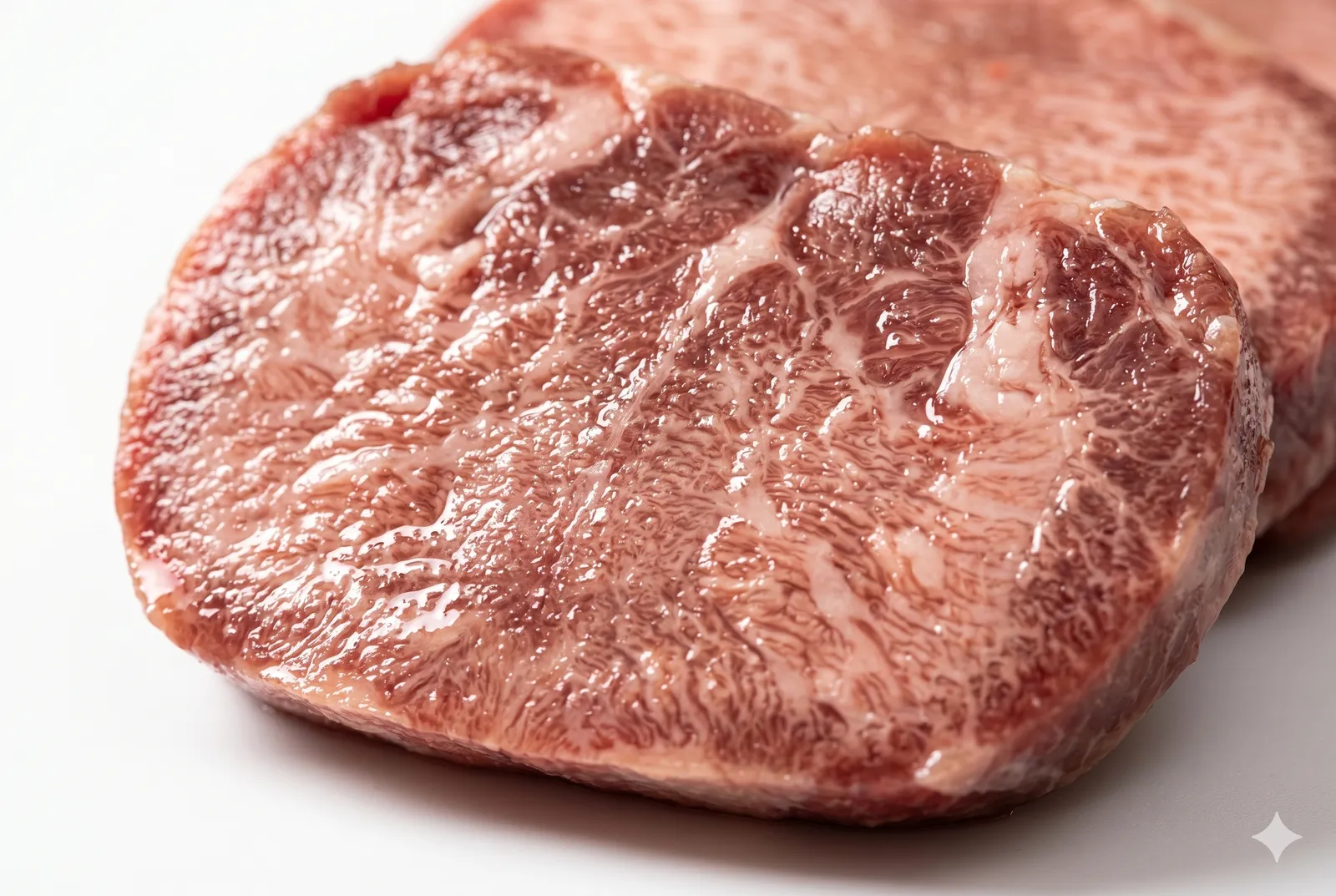
The whole thing rides on char, salt, and texture. Cut thick and scored, the tongue grills up with smoky, crispy edges and a juicy, springy-tender center — rich and beefy without being heavy. The classic teishoku (set meal) balances it perfectly: nutty barley rice to soak up the savoriness, a light oxtail soup to refresh, and sharp pickles to cut through. It's hearty, smoky, and weirdly elegant.
How it's made
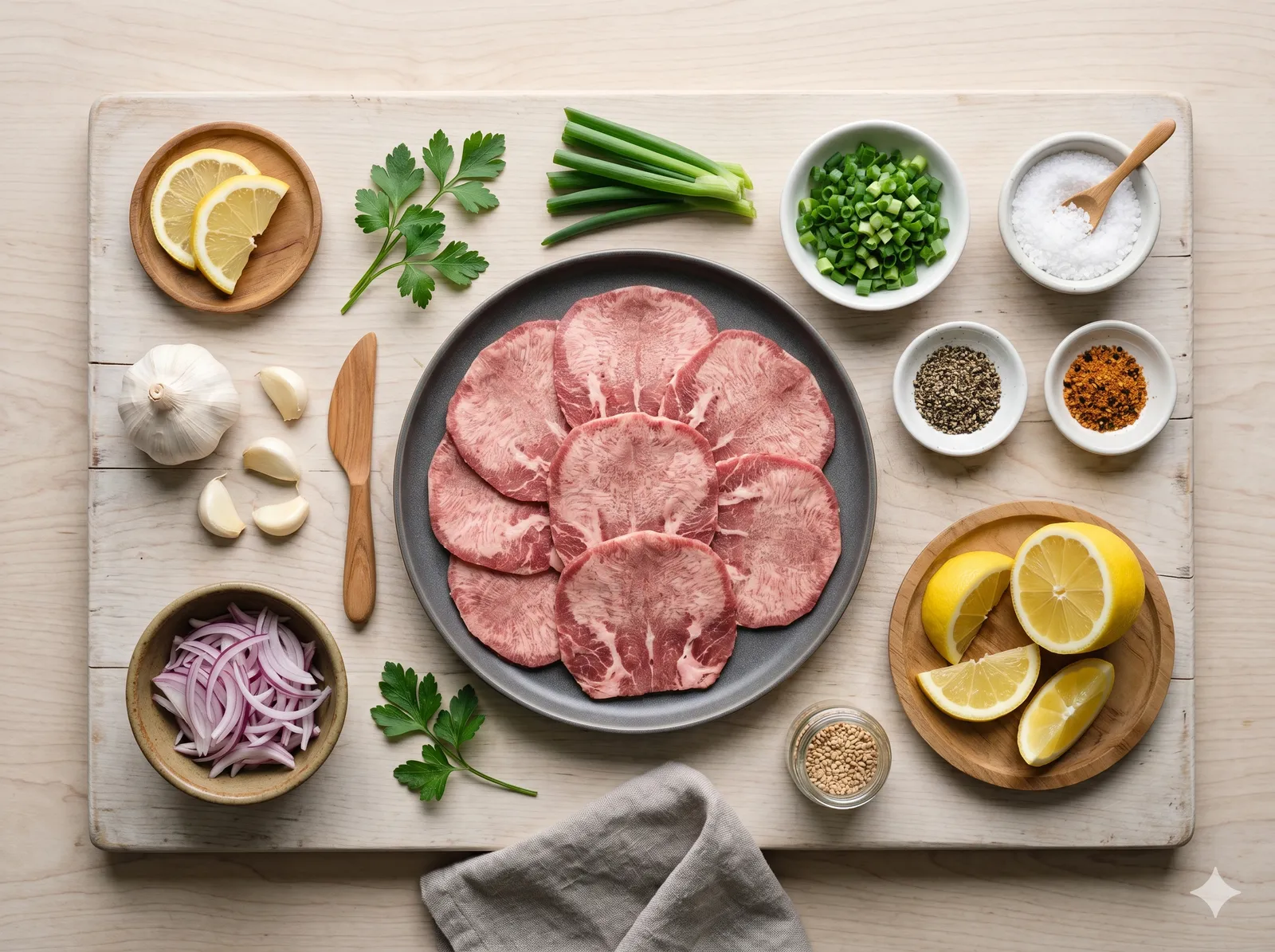
- Slice beef tongue thick and score both sides so it grills evenly
- Season simply — usually just salt (sometimes a light marinade)
- Grill over high-heat charcoal until the edges char and the center stays tender
- Serve as a set with barley rice, oxtail soup, and pickled greens
Before you go — order the set
Your questions, answered honestly
"Okay but... does it taste like tongue?" — It tastes like smoky, rich, slightly springy steak. Whatever you're nervously imagining, that's not it. This is one of the great gateway "scary foods" — easy to love.
"Always get the teishoku?" — Yes. The set — tongue + barley rice + oxtail soup + pickles — is the way Sendai intends it, and the parts make each other better. Don't just order tongue à la carte your first time.
"Tan-moto or tan-saki?" — The base of the tongue (tan-moto) is fattier and more tender; the tip (tan-saki) is leaner and chewier. Many sets mix both. If you can choose, tan-moto is the lush one.
"How do I eat the barley rice?" — Some shops offer tororo (grated yam) to pour over it — say yes; it's silky and classic. And the oxtail soup is meant to be sipped throughout, not saved for the end.
What the staff will ask you
| You'll hear | Romaji | Meaning | Just say |
|---|---|---|---|
| 定食にしますか? | Teishoku ni shimasu ka? | "Make it a set meal?" | Hai, onegaishimasu (yes please) |
| 厚切りでいいですか? | Atsugiri de ii desu ka? | "Thick-cut okay?" | Hai (yes) |
| とろろはお付けしますか? | Tororo wa otsuke shimasu ka? | "Grated yam with it?" | Hai, onegaishimasu (yes) |
To order, just say "Gyūtan teishoku kudasai" (牛タン定食ください) — "The beef tongue set, please."
Where to eat it
- Aji Tasuke (味太助) — Sendai. The postwar originator, where the whole tradition started.
- Rikyu (利久) — a beloved Sendai gyutan chain, very reliable and now in several cities.
- Sendai Station's "Gyutan Street" (牛たん通り) — a row of tongue specialists right in the station; perfect for a Shinkansen pit stop.
Hours and locations change, so check before you go — and order the set. Trust the tongue.
Soul Score
Local Roots5/5
First-Timer Friendly3/5
Adventure Level4/5
Comfort Level4/5
Travel Worthy5/5
These scores are one obsessed eater's gut feeling — not a verdict. A low number isn't a bad mark, just a different kind of adventure.
Know someone planning Japan?
← All Articles
Local Food · Sendai, Miyagi
Still hungry?
Eat more from Miyagi
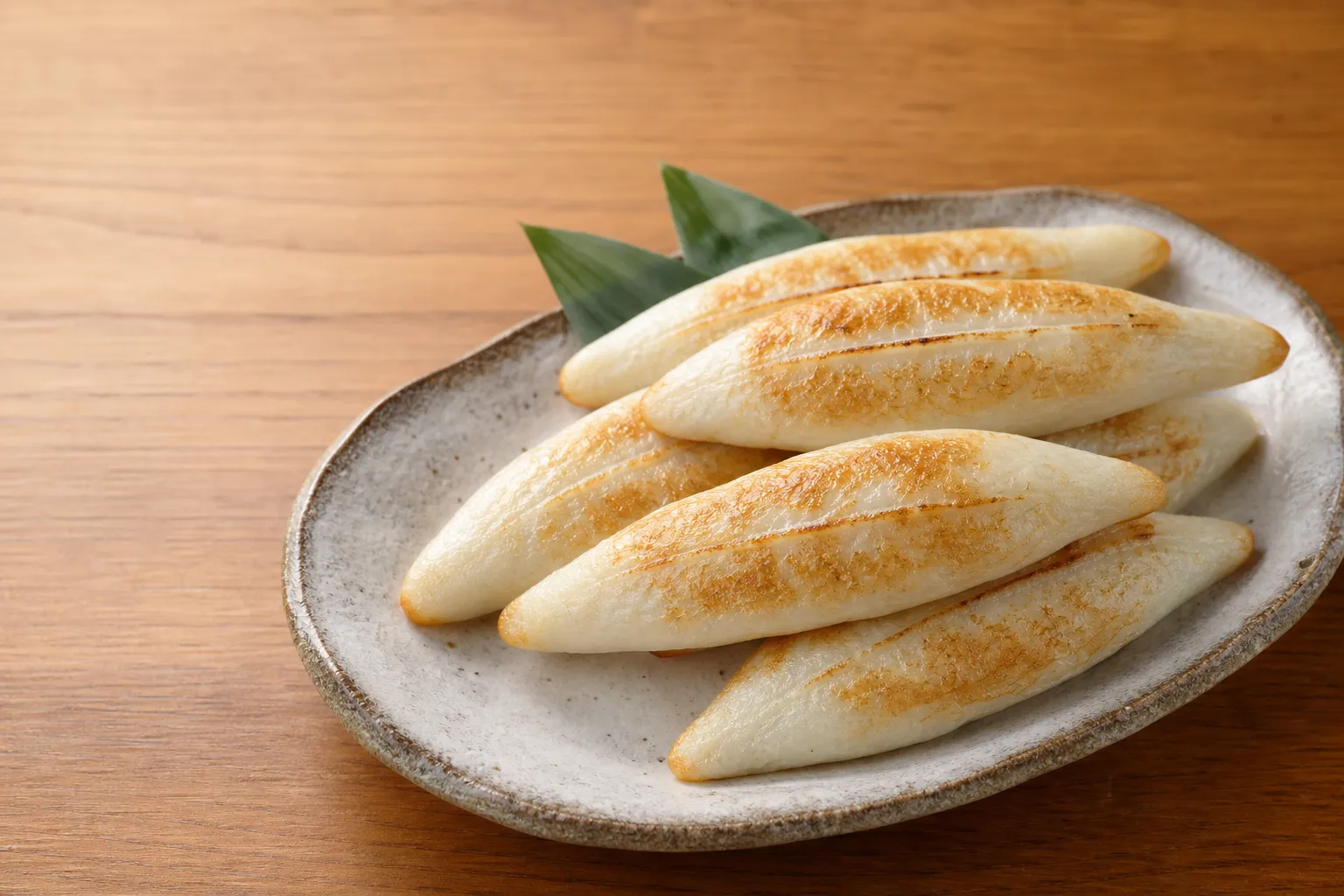
Local FoodSendai, Miyagi
Sasakamaboko (笹かまぼこ)
Grilled fresh off the rack, it snaps back against your teeth and tastes purely of the sea — a leaf-shaped little thing that ruined every rubbery fish cake I'd met before it.
July 5, 2026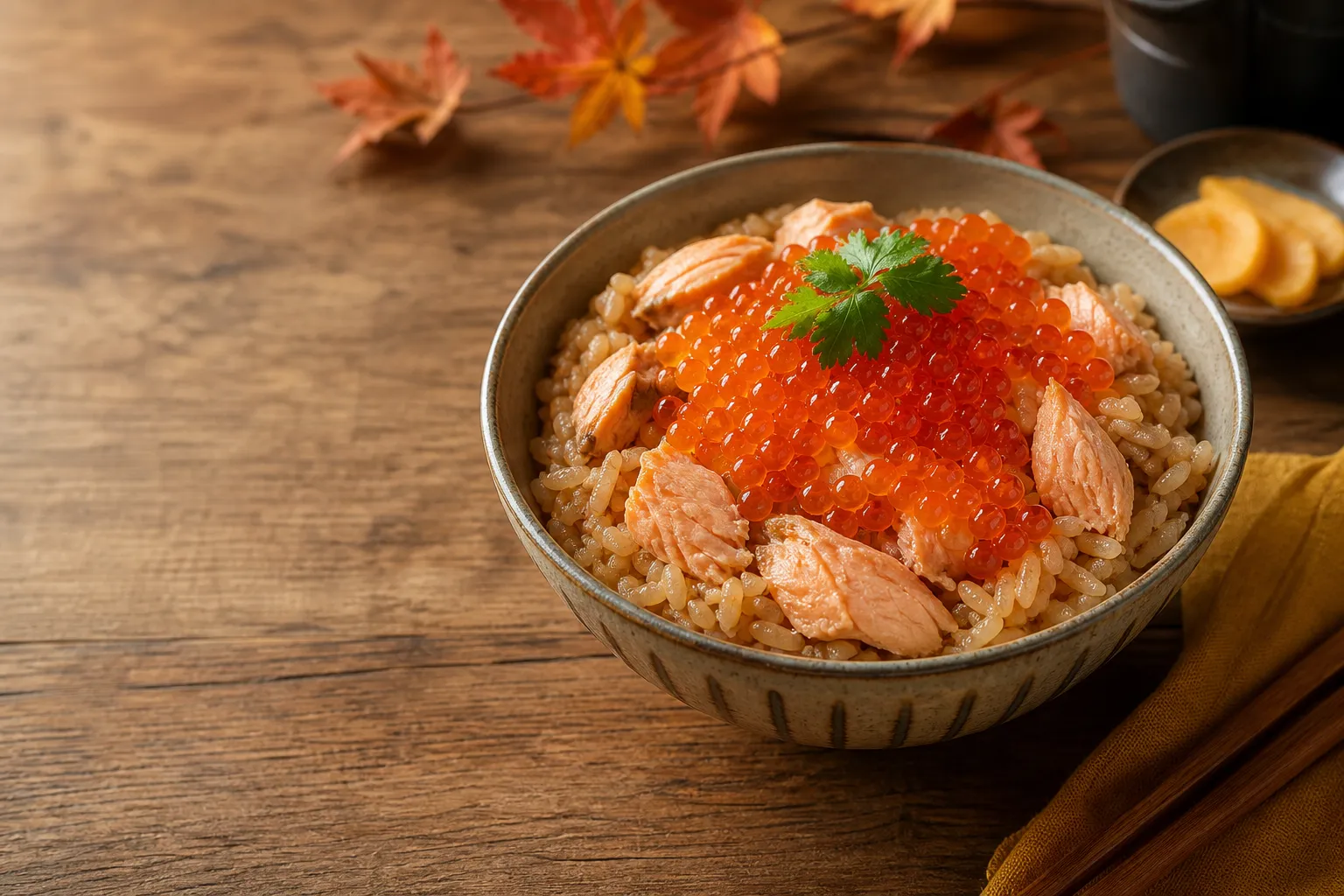
Local FoodWatari, Miyagi
Harako Meshi (はらこ飯)
Rice cooked in the same broth as the salmon that's sitting on top of it, then crowned with roe so fresh it still pops between your teeth — this is a river town's autumn in a bowl.
July 4, 2026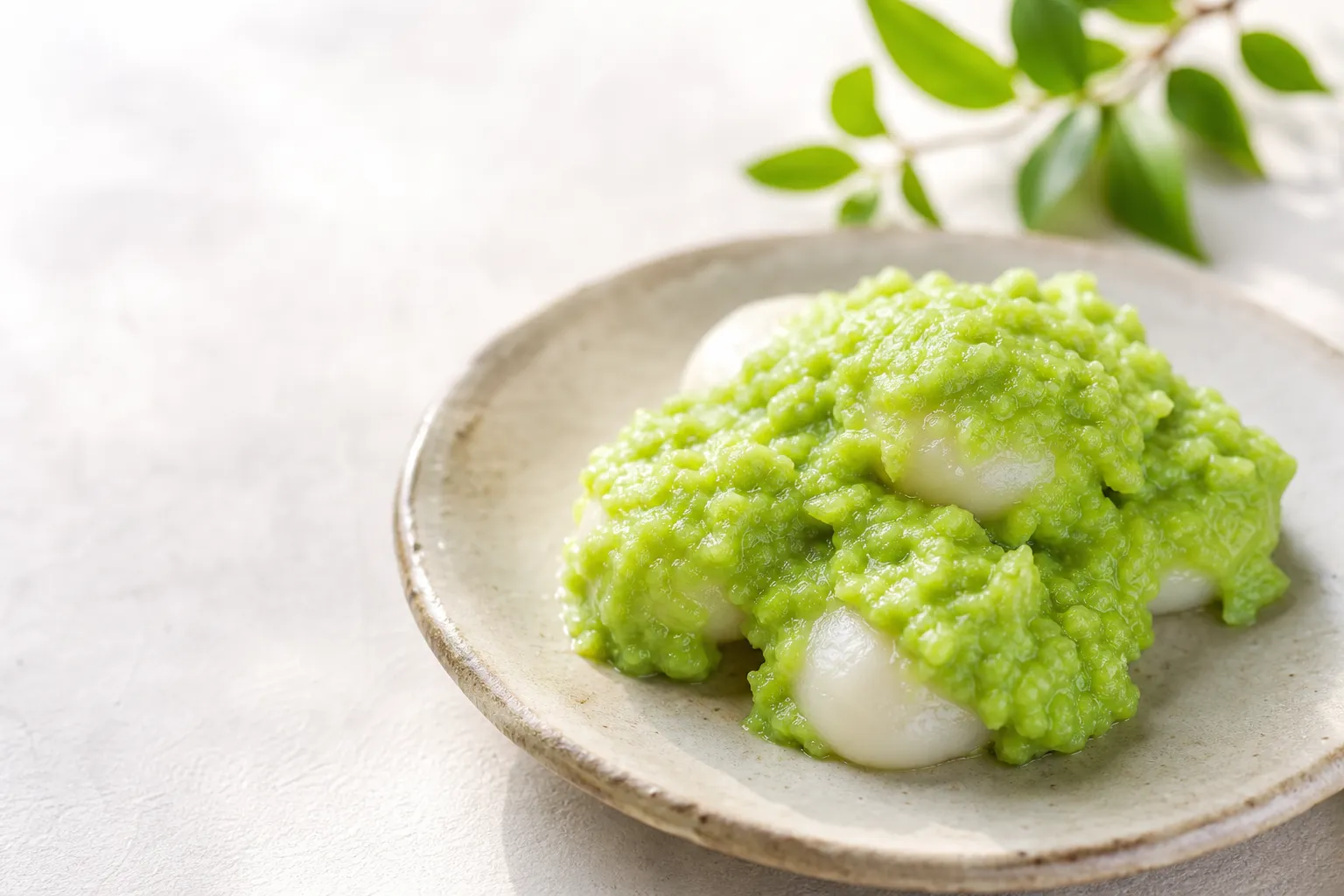
Sweets & SnacksSendai, Miyagi
Zunda Mochi (ずんだ餅)
Soft mochi smothered in a vivid green paste of mashed young soybeans — sweet, grassy, faintly savory, and a color that stops you in the street. Sendai's most beautiful sweet.
June 27, 2026Feeling brave?
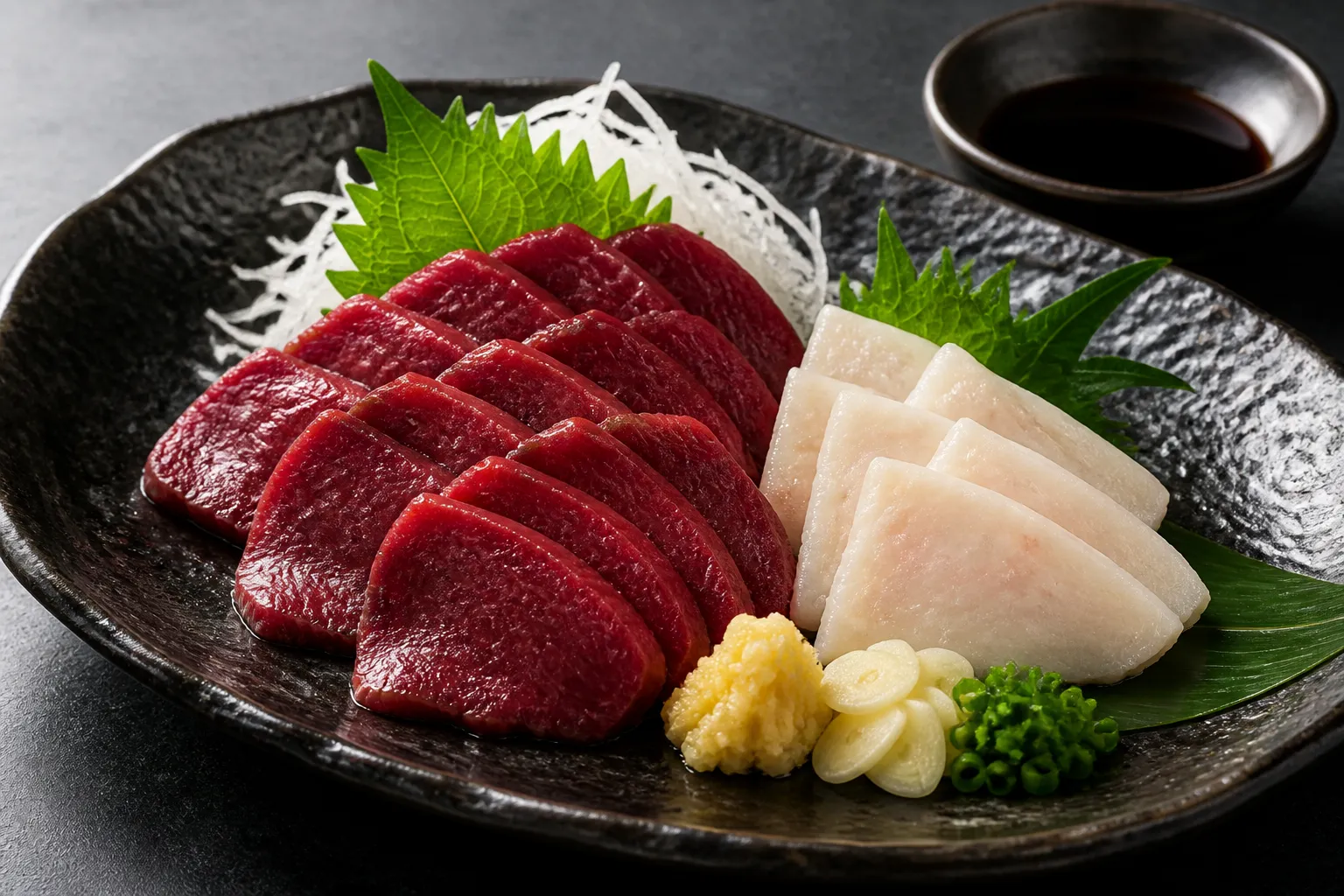
Local FoodKumamoto, Kumamoto
Basashi (馬刺し)
Raw horse meat, sliced thin, eaten with ginger and garlic and soy. Kumamoto's most provocative delicacy. Cleaner than beef, richer than tuna, and once you've tried it, you'll stop being surprised and start being converted.
June 25, 2026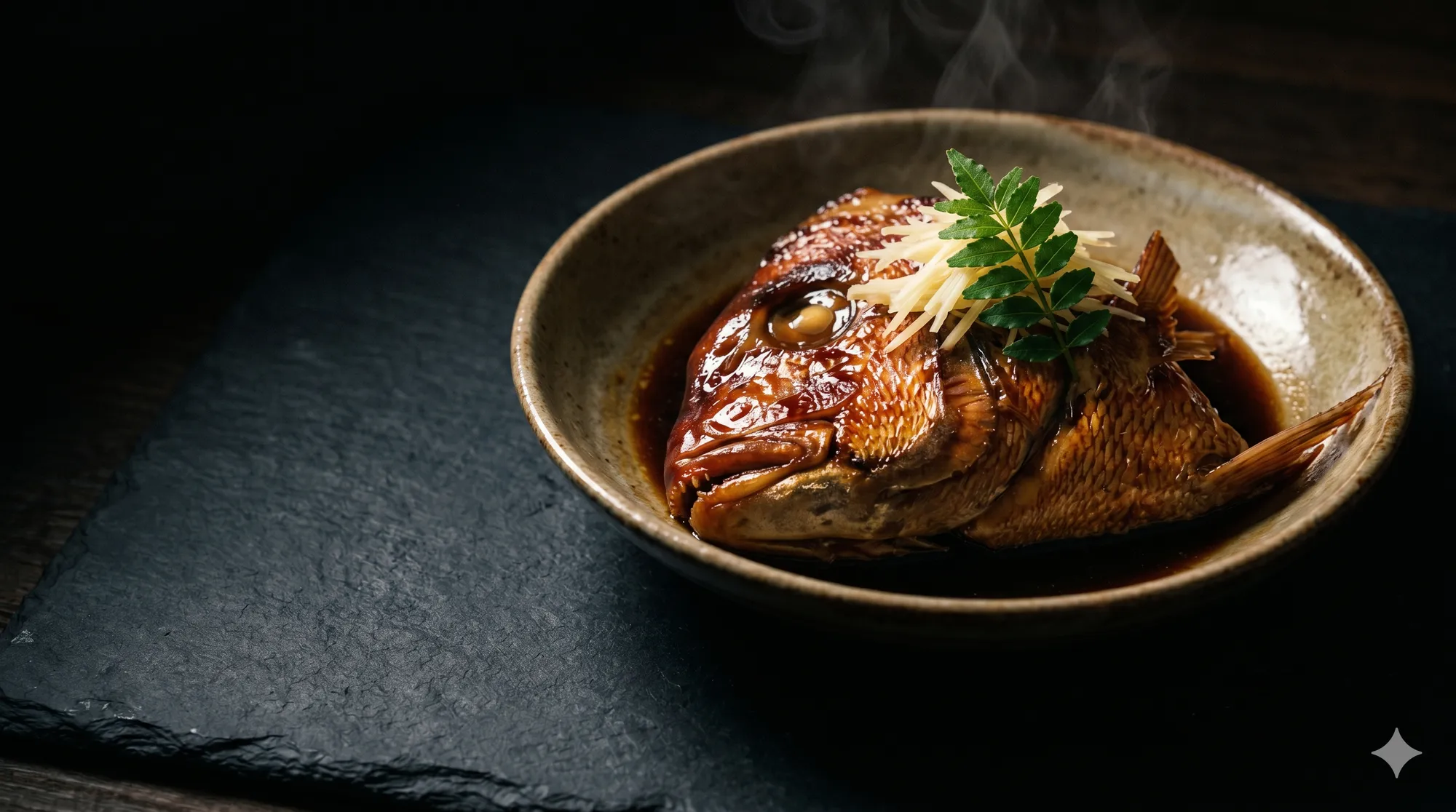
Japanese FoodNationwide
Sakana no Kabuto-ni (魚の兜煮)
A whole fish head simmered in soy and mirin until it glistens like lacquer. It looks intimidating. It's secretly the best, richest, most prized part of the fish.
July 20, 2024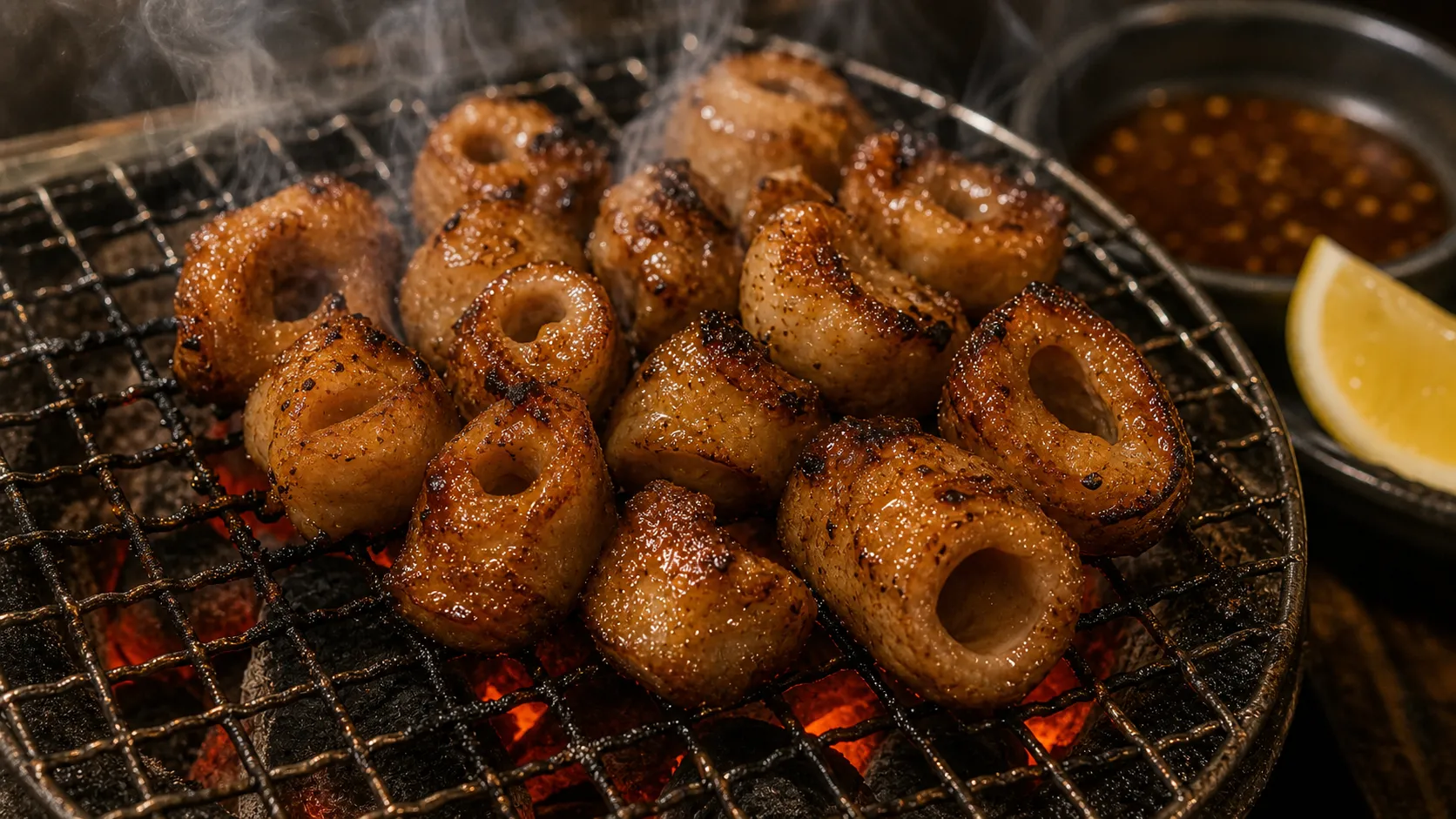
Local FoodAtsugi, Kanagawa
Atsugi Shirokoro-Horumon (厚木シロコロ・ホルモン)
B-1 Grand Prix champion. Thick-cut pig large intestine grilled until the outside shatters and the inside goes creamy. It sounds alarming. It tastes like the best thing you've eaten all week.
June 25, 2026