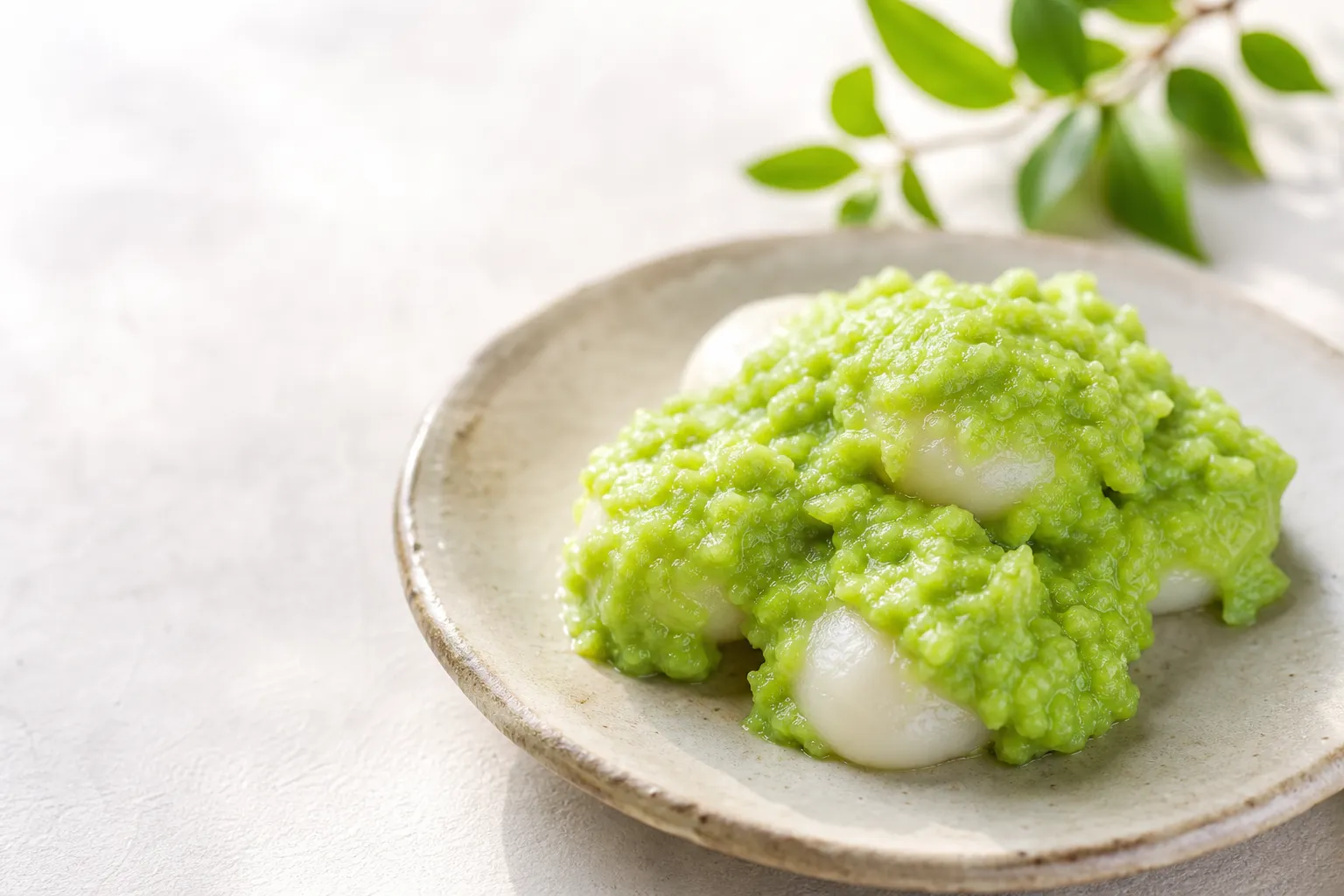
The color hit me before anything else — a green so bright and alive it looked fake, piled in soft chunky drifts over white mochi. I genuinely stopped walking. Then I tasted it, braced for "matcha," and got something completely different: cool, grassy, gently sweet, with a faint savory edge underneath. Beans. Sweet mashed beans. And it was wonderful.
Share this dish


Soft mochi smothered in a vivid green paste of mashed young soybeans — sweet, grassy, faintly savory, and a color that stops you in the street. Sendai's most beautiful sweet.
🍜 Planning a food trip to Miyagi?Add this dish to my Food Trip →
 Add this dish to my Food Trip →
That green is zunda — young green soybeans (edamame) boiled, skinned, and mashed with a little sugar and salt into a coarse, fresh paste. Spoon it over mochi and you get zunda mochi, the pride of Sendai and one of the loveliest, least-expected sweets in Japan. Don't let the savory association scare you. This is dessert, and it's gorgeous.
A peasant sweet that became a regional icon
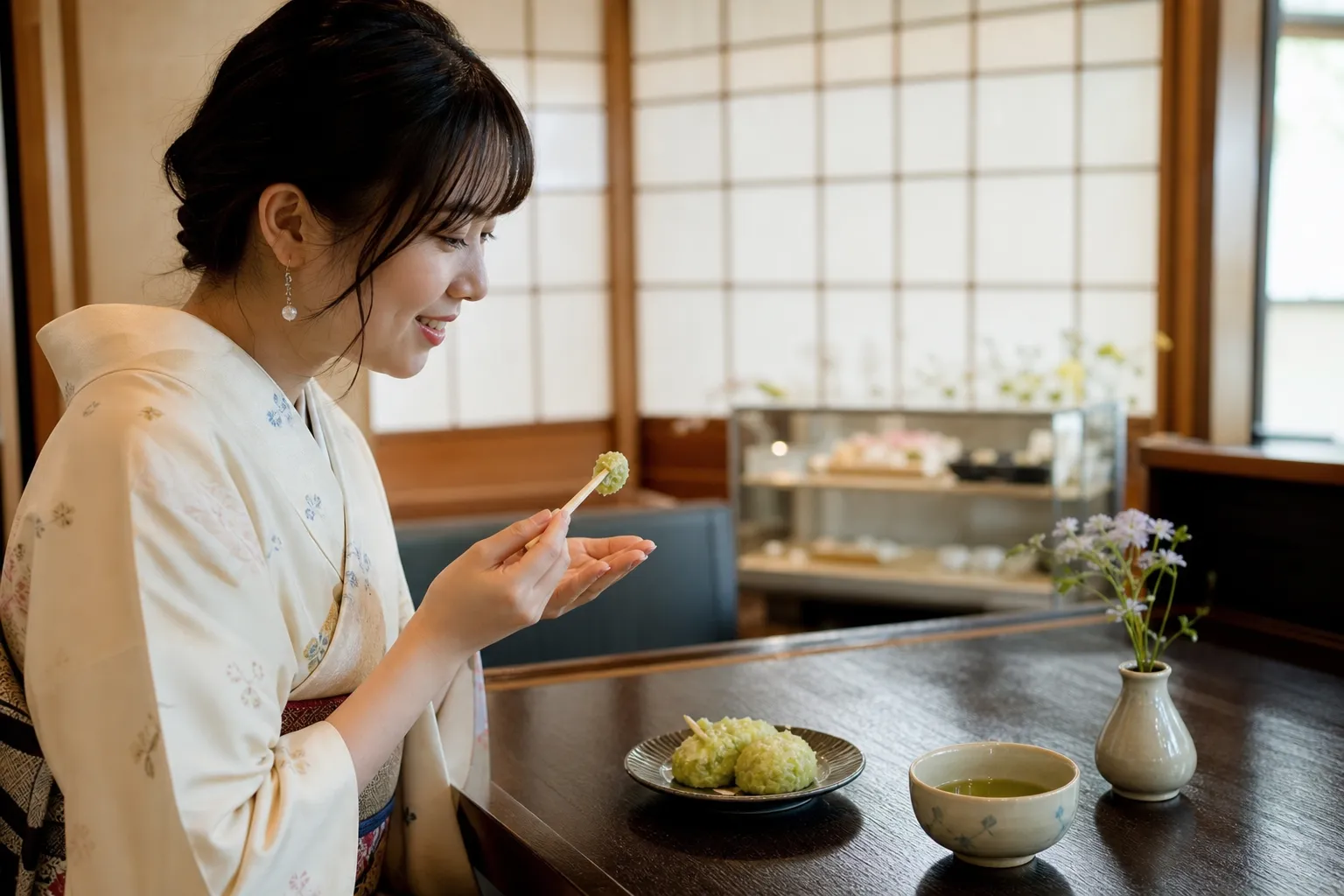
Zunda comes from the Tōhoku region around Sendai (Miyagi), born from the simplest possible logic: there were soybeans, and pounding them into a sweet paste turned a humble crop into a treat. The name's most-repeated origin is zunda from zunda-mame or a verb for "bean-smashing" — some even trace it playfully to the date warrior Date Masamune and his sword smashing beans, which is almost certainly a tall tale but a great one, and Sendai is Masamune's city, so it sticks.
For a long time zunda was a homemade, seasonal thing — you made it when the edamame was young and green and good. Now it's everywhere in Sendai: zunda mochi in sweet shops, zunda shakes in the station (genuinely delicious, fight me), zunda in pastries and parfaits. I love that arc — a frugal farmhouse paste that a whole city decided to be proud of, then blended into a milkshake. That's the right energy.
Why the green matters (and how it's not matcha)
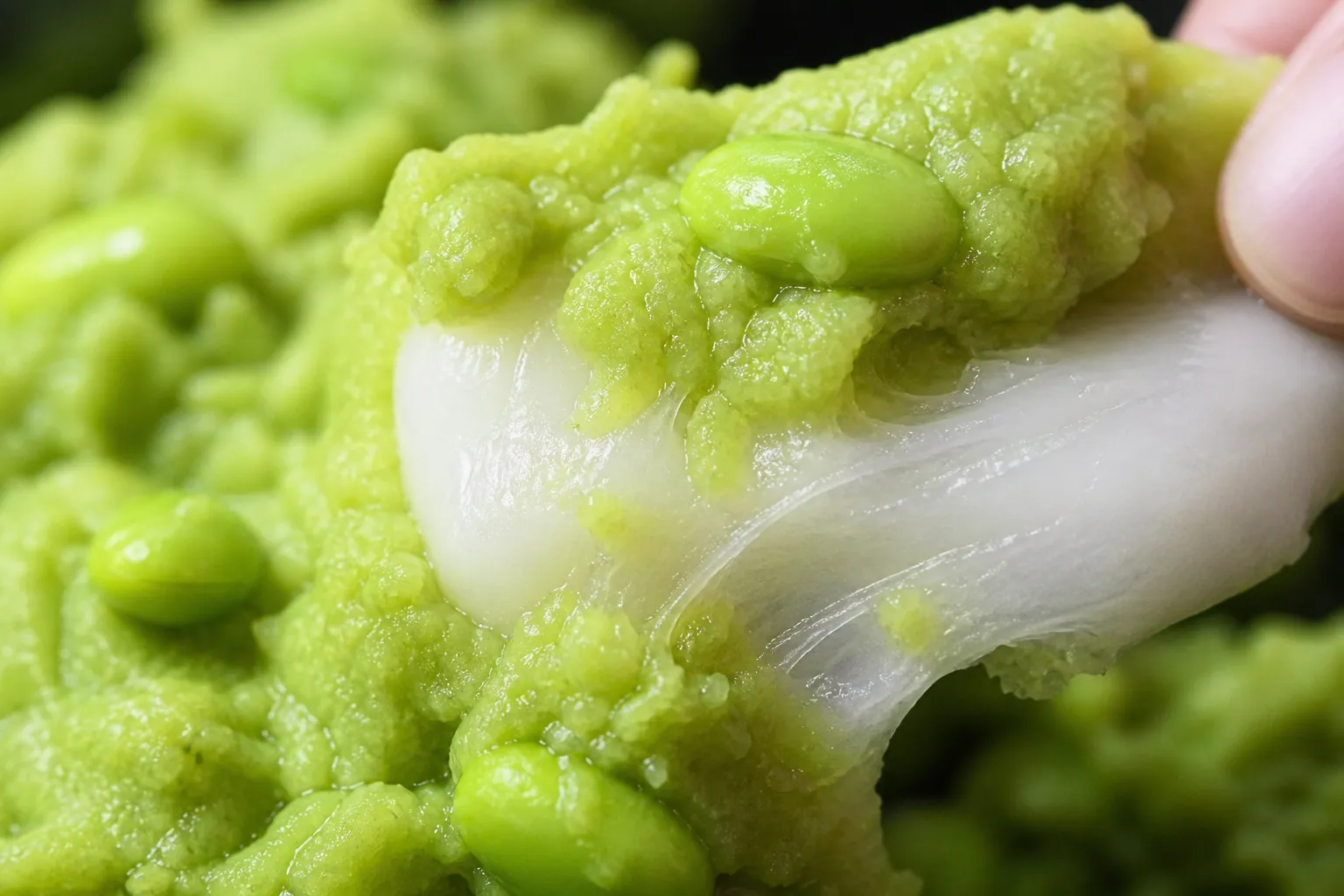
First: the color is real. It comes entirely from young edamame, mashed coarse so you can still see flecks and half-beans. That's the texture you want — not a smooth purée but a slightly grainy, fresh-tasting paste with body. The flavor is the surprise: sweet, yes, but with the grassy, green, faintly beany note of edamame still present, and a whisper of salt that keeps it from being cloying.
Under all that sits the mochi: soft, stretchy, warm-bready, gently chewy, almost no flavor of its own — the perfect neutral canvas for the bright paste. Cool green over soft white, sweet over savory, smooth over chew. I ate three in a row. I have no regrets, and I bought a zunda shake for the walk back to the station.
How it's made
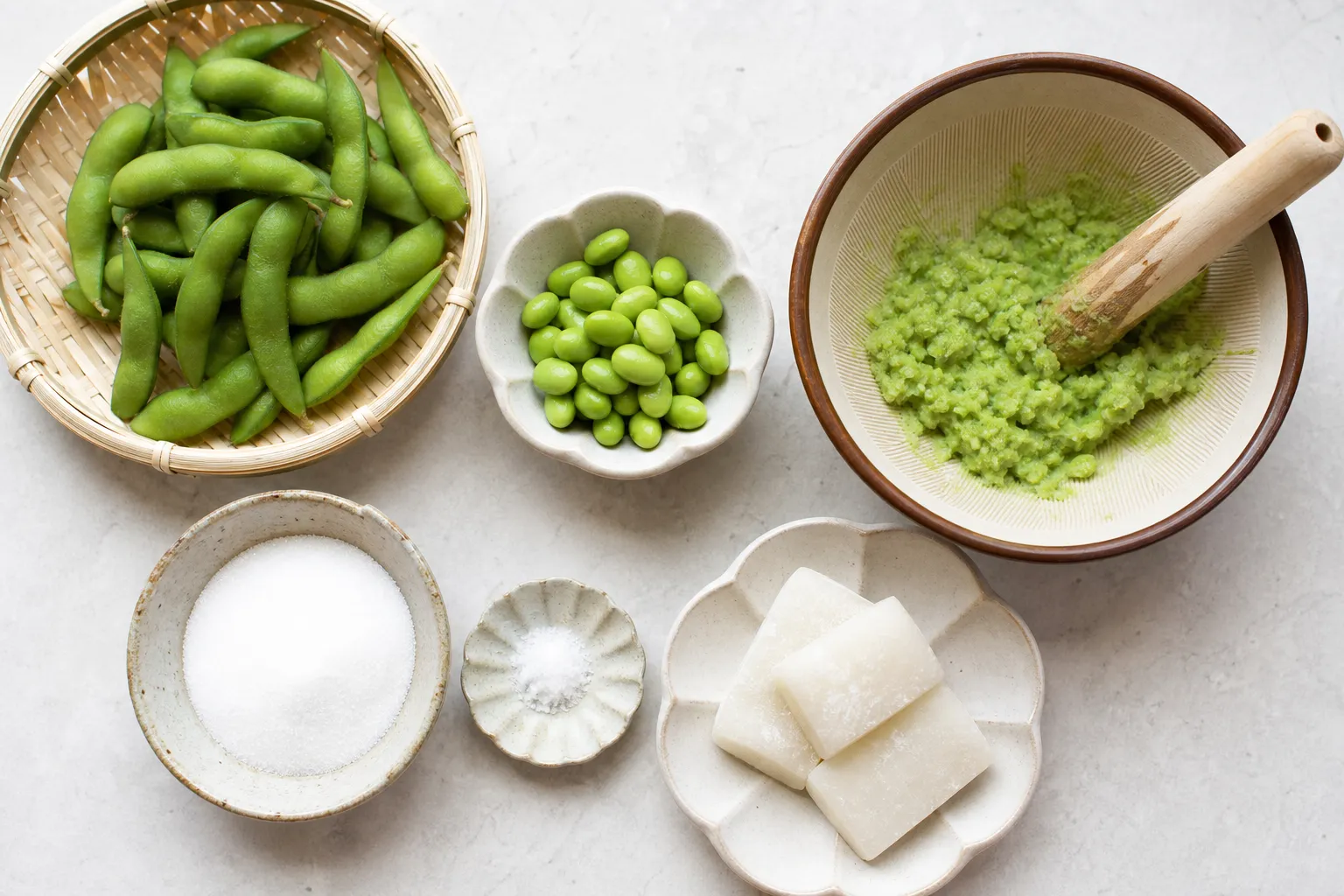
- Boil young edamame (green soybeans) until tender
- Pop the beans out of the pods and slip off the thin inner skins — fiddly, but it's what makes the paste smooth and bright
- Mash the beans (a suribachi mortar is traditional) into a coarse paste — keep some texture, don't purée it to mush
- Season with sugar and a small pinch of salt to taste; loosen with a little water if needed
- Make or warm soft mochi pieces
- Coat the mochi generously in the green zunda paste and serve fresh — best the day it's made
Before you go — for the green-curious
Your questions, answered honestly
"Is it sweet or savory?" — Sweet, but with a savory, grassy edge from the edamame and a touch of salt. It reads as dessert. If you like things not-too-sweet, this is your sweet.
"Is it the same as matcha?" — No, and people assume that constantly. The green is edamame, not green tea. The flavor is beany-grassy-sweet, totally different from matcha's bitterness. Taste it with no expectations.
"I don't usually like 'bean desserts' — will I like this?" — Quite possibly yes, even if anko (red bean) isn't your thing. Zunda is fresher, greener, lighter, less dense. It wins over a lot of skeptics.
"What about the zunda shake?" — Real, famous, and excellent — a creamy edamame milkshake you'll find in Sendai Station. Get the mochi for tradition and the shake for fun. Do both.
What the staff will ask you
| You'll hear | Romaji | Meaning | Just say |
|---|---|---|---|
| 何個入りにしますか? | Nanko-iri ni shimasu ka? | "How many pieces?" | Mittsu kudasai (three) — or your number |
| こちらで召し上がりますか? | Kochira de meshiagarimasu ka? | "Eating here?" | Hai (yes) or mochikaeri de (to take away) |
| シェイクもいかがですか? | Sheiku mo ikaga desu ka? | "A zunda shake as well?" | Onegaishimasu — yes please |
To order, just say "Zunda mochi kudasai" (ずんだ餅ください) — "Zunda mochi, please."
Where to eat it
- Sendai, Miyagi — the home of zunda; traditional sweet shops and zunda specialists across the city serve fresh zunda mochi, and several long-running confectioners are famous for it. Best eaten the day it's made.
- Sendai Station — a one-stop zunda hub: zunda mochi, zunda shakes, and zunda sweets clustered around the station make it easy for travelers passing through. Great for a first try.
- Department-store food halls in Sendai — reliable, high-quality zunda mochi to eat now or take as a gift. Note it's freshest same-day; check shelf life before buying to travel with.
Soul Score
Local Roots4/5
First-Timer Friendly4/5
Adventure Level3/5
Comfort Level4/5
Travel Worthy4/5
These scores are one obsessed eater's gut feeling — not a verdict. A low number isn't a bad mark, just a different kind of adventure.
Know someone planning Japan?
← All Articles
Sweets & Snacks · Sendai, Miyagi
Still hungry?
Eat more from Miyagi
Local FoodSendai, Miyagi
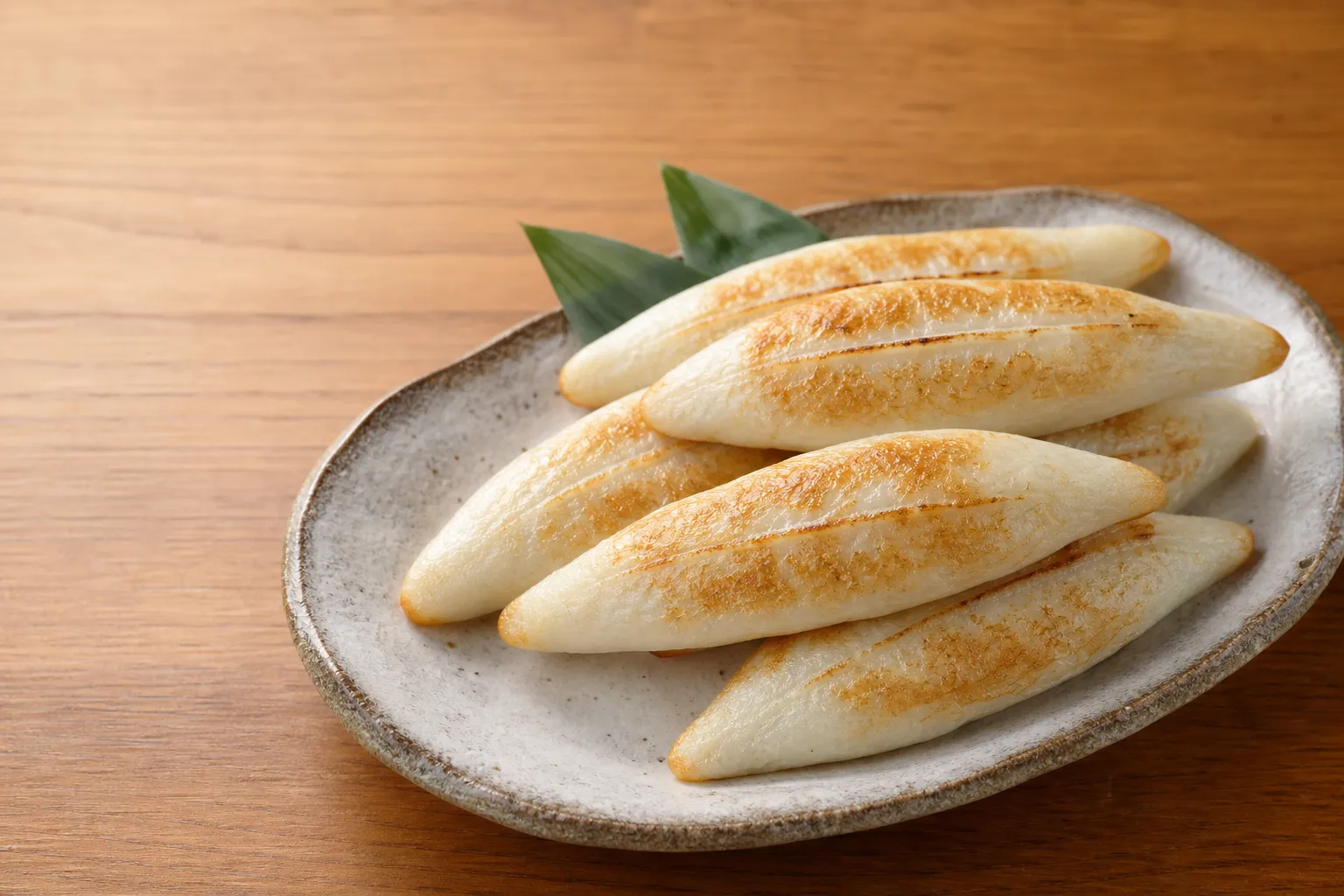
Sasakamaboko (笹かまぼこ)
Grilled fresh off the rack, it snaps back against your teeth and tastes purely of the sea — a leaf-shaped little thing that ruined every rubbery fish cake I'd met before it.
July 5, 2026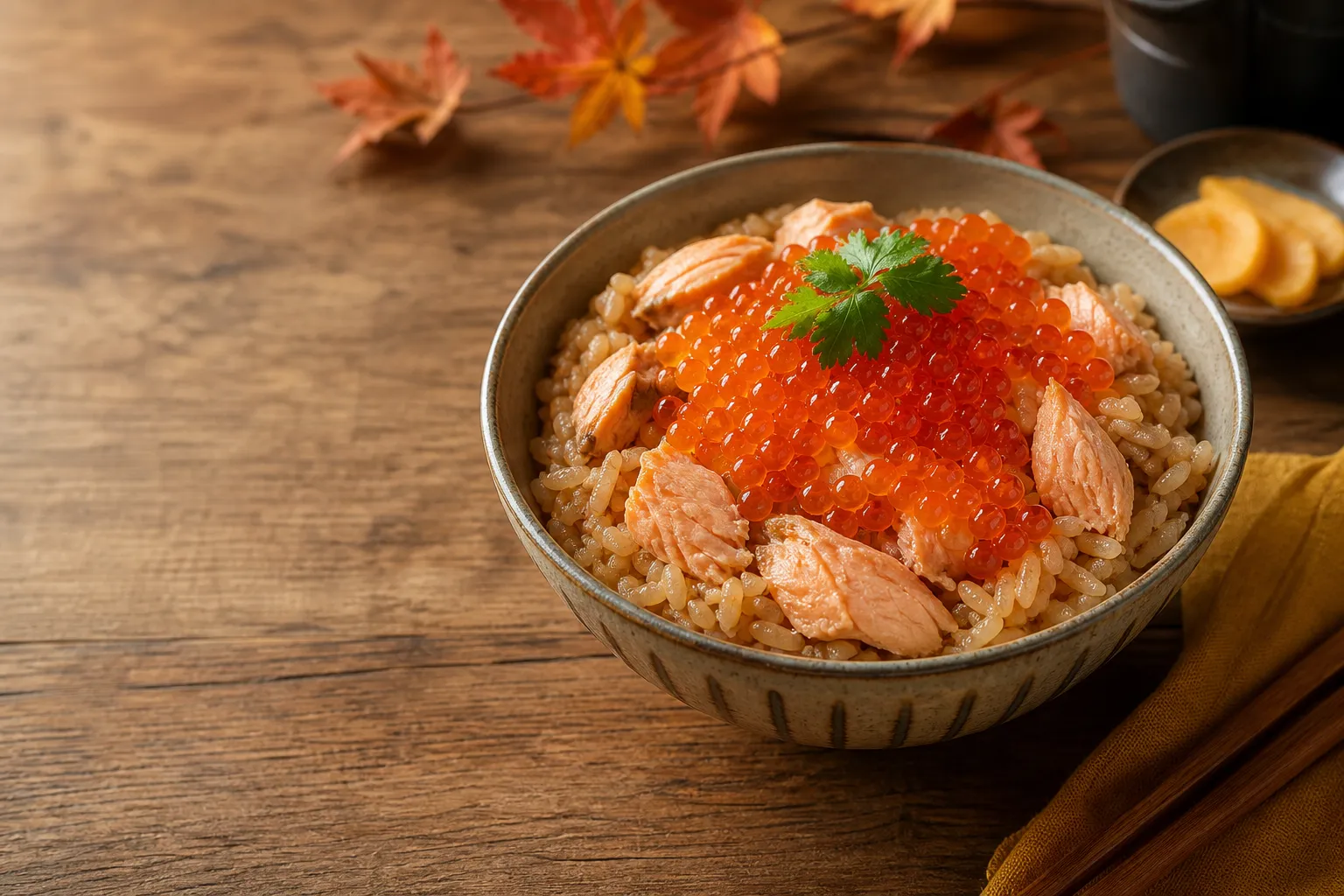
Local FoodWatari, Miyagi
Harako Meshi (はらこ飯)
Rice cooked in the same broth as the salmon that's sitting on top of it, then crowned with roe so fresh it still pops between your teeth — this is a river town's autumn in a bowl.
July 4, 2026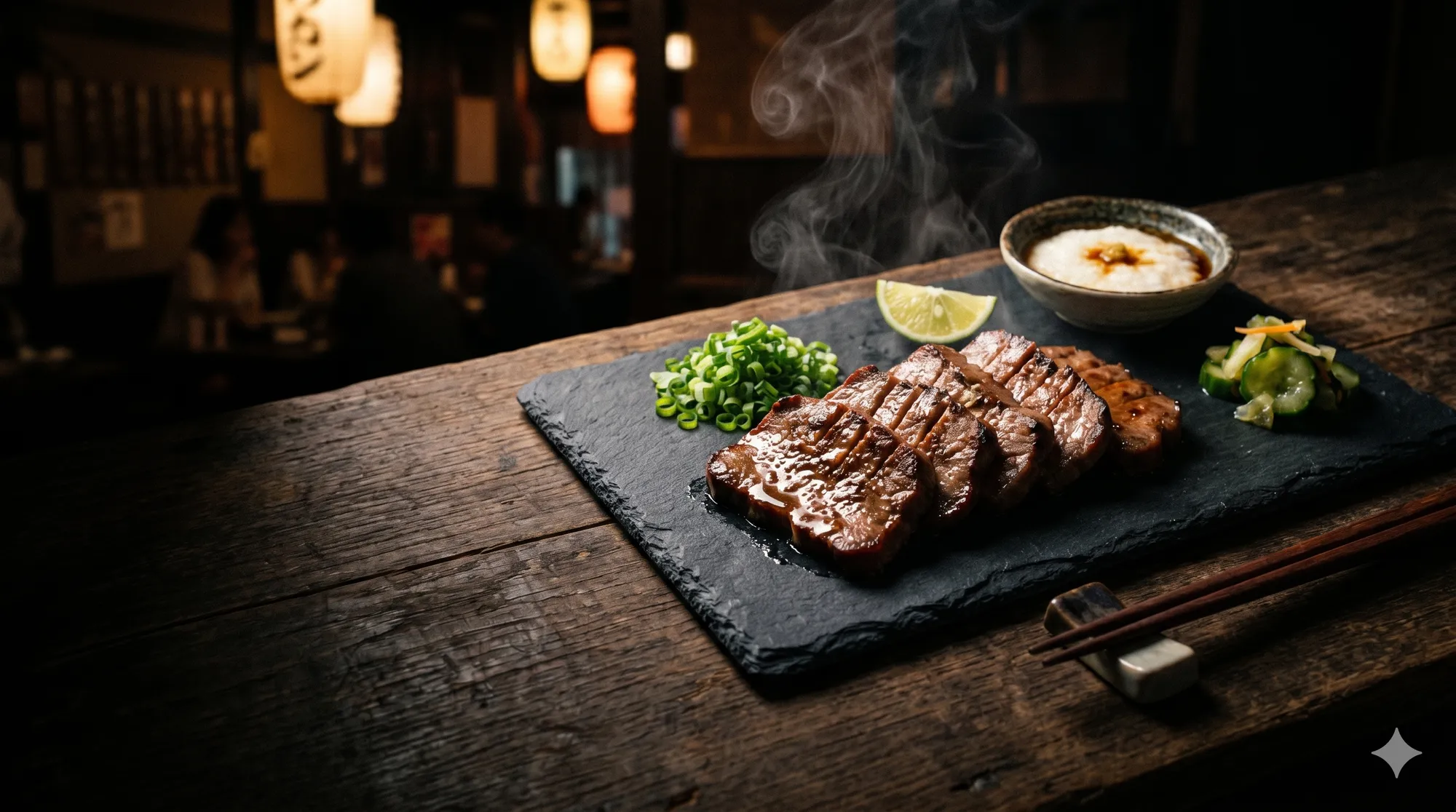
Local FoodSendai, Miyagi
Gyutan (牛タン)
Thick-cut grilled beef tongue, charcoal-charred, snappy and rich — served with barley rice and oxtail soup. Sendai turned an overlooked cut into a destination. Trust the tongue.
June 15, 2026