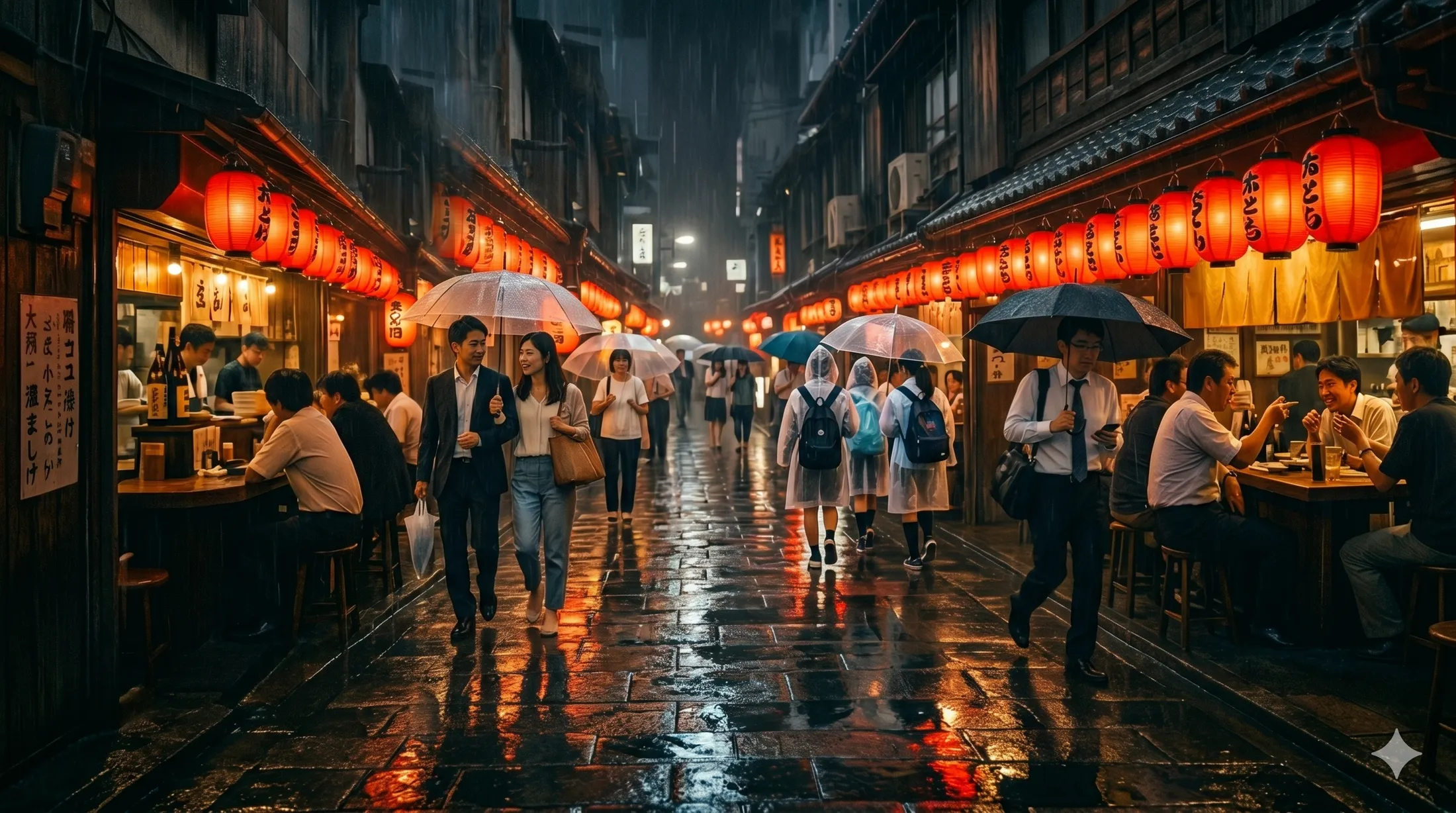
There is no better room in Japan than a good izakaya at 8pm. The grill is screaming, someone's laughing two seats down, a fresh beer lands before you finish the last — and the food just keeps coming. It's the warmest, loudest, most human way to eat in this country. And once you know the rhythm of it, it's yours forever.
What Is an Izakaya?
An izakaya (居酒屋) is Japan's answer to a pub — somewhere between a bar and a restaurant, except the food is the whole point. Crispy karaage, charcoal skewers, silky rolled egg, cold tofu, pickled everything. You come to drink, but you stay for the plates.
They range from a tiny six-seat counter wedged under the train tracks to a sprawling four-floor chain. Both are wonderful. The little ones have soul; the big ones have English menus and zero pressure. Start wherever you're comfortable.
Getting In & Getting Seated
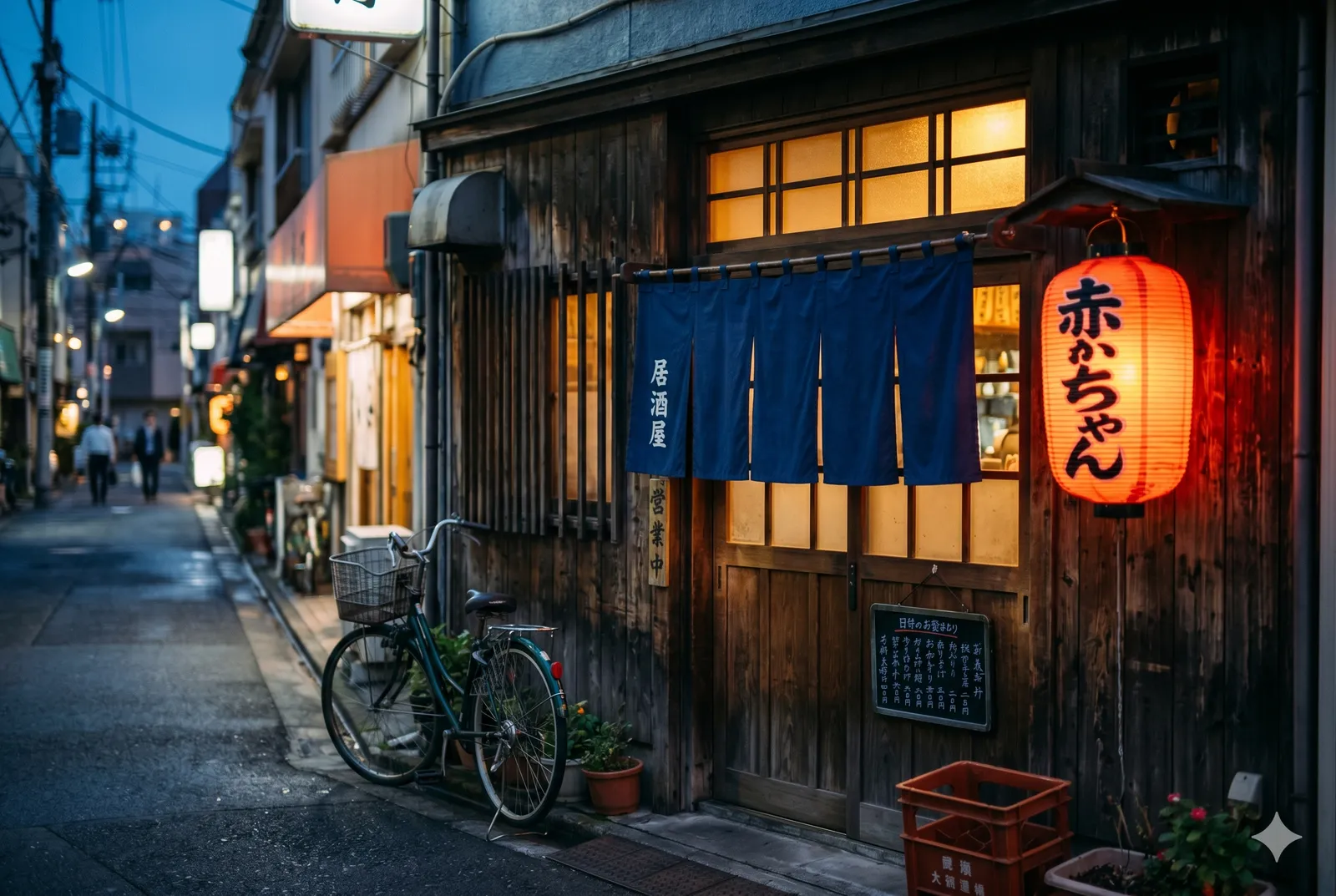
Slip past the noren (the cloth curtain over the door) and someone will call out "Nan-mei sama?" — how many of you? Just hold up fingers. Weekends often need a reservation; weeknights, walk right in.
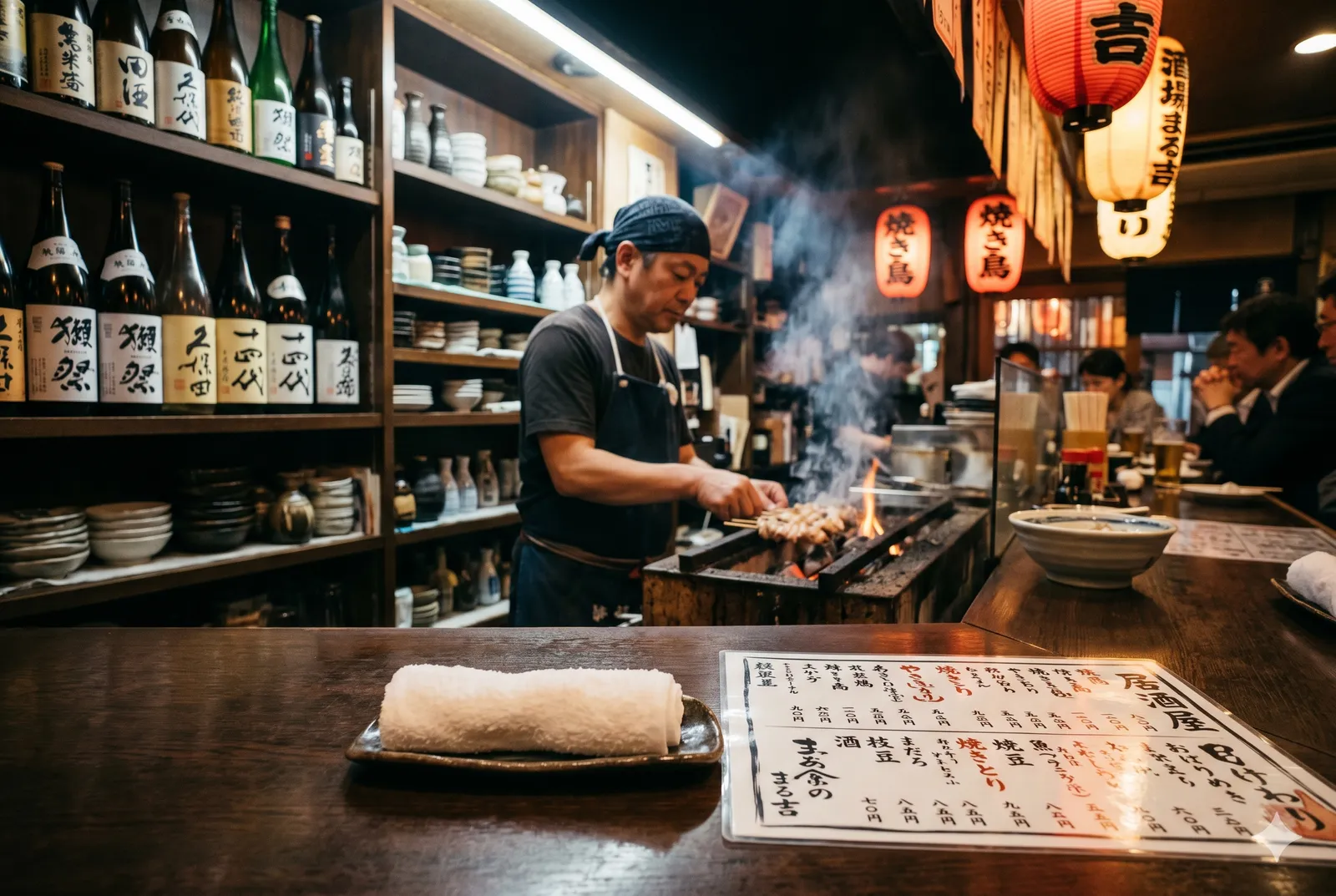
Once seated, you'll get a menu and a hot or cold oshibori (rolled towel). Wipe your hands — not your face. It's the number-one tell of a first-timer, and now it won't be you.
The Otōshi: Japan's Friendly Ambush
Before you've ordered a single thing, a small dish appears — simmered vegetables, a little seafood, something pickled. This is otōshi (お通し), and here's the twist: it's not free. It's a small cover charge, usually ¥300–600 per person, and you can't decline it. Don't fight it — think of it as the price of admission to a very good party. Often it's genuinely delicious.
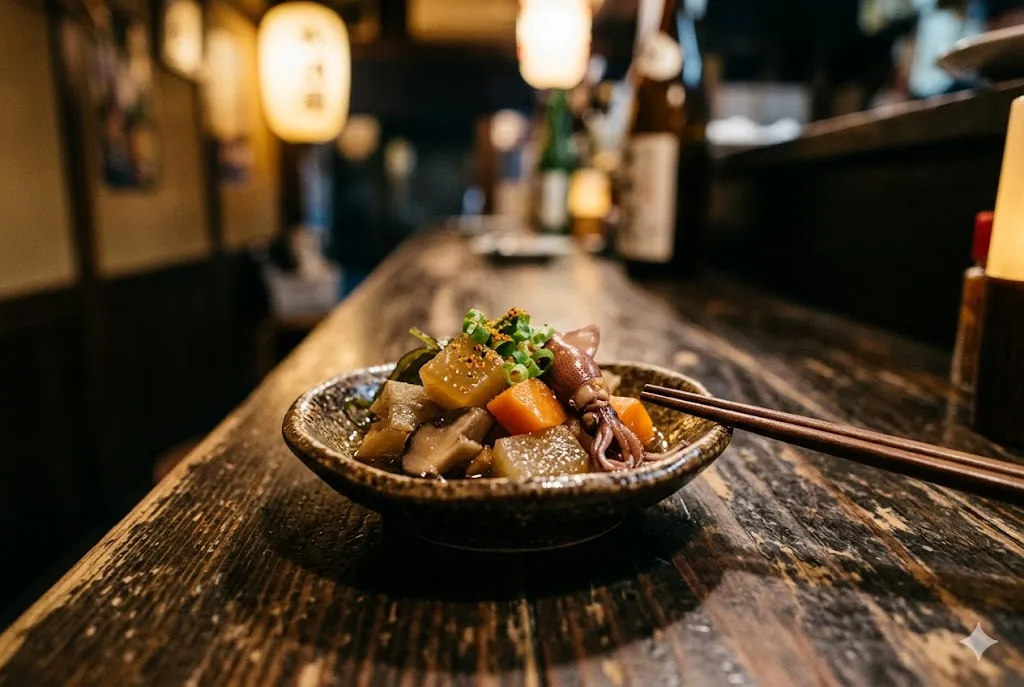
No otōshi at lunch, and most cheap chains skip it. If you see a small unasked-for dish at a proper izakaya, that's it — it'll quietly show up on the bill.
The First Round: Drinks Come First
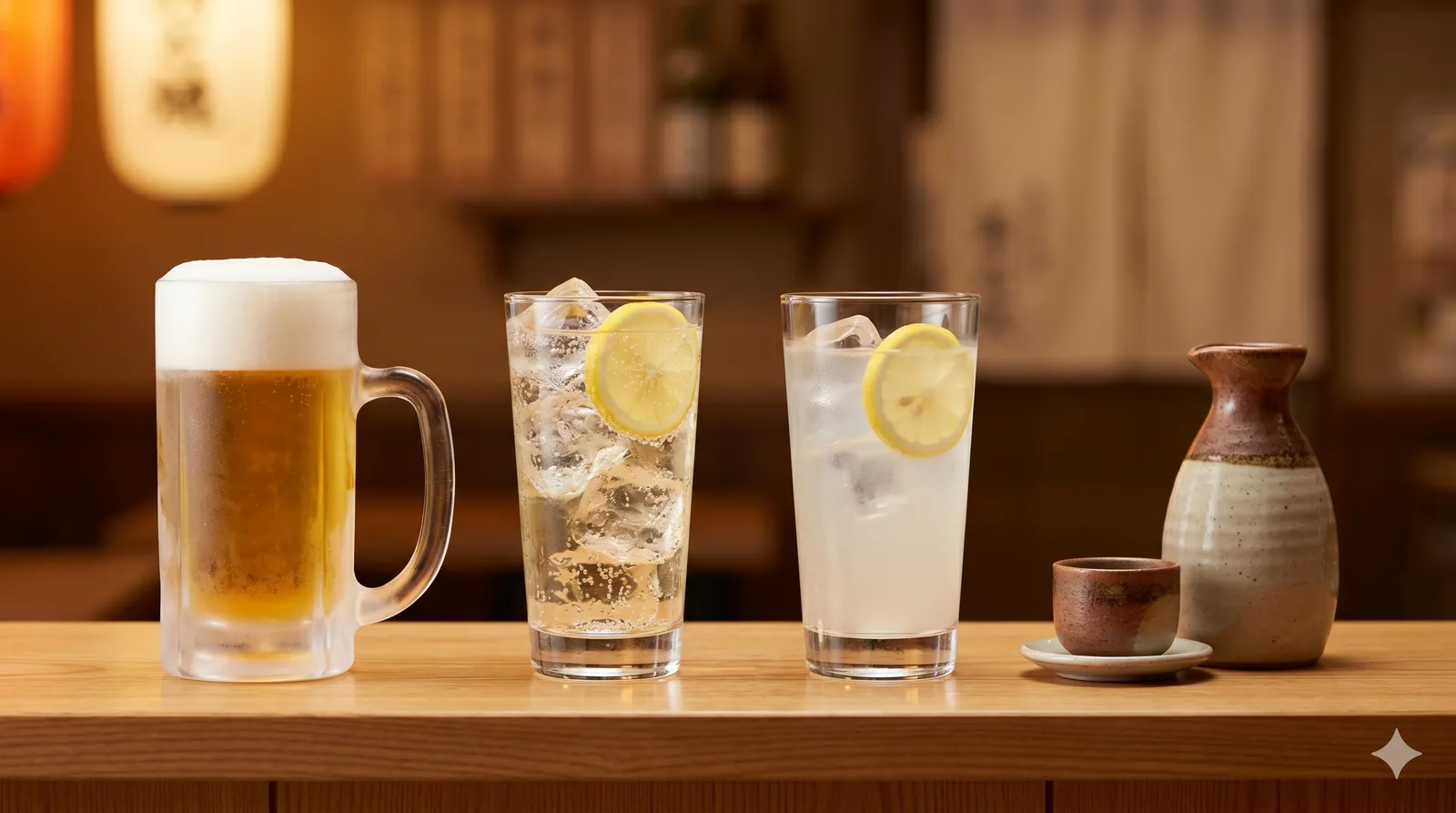
The table will expect a drink order almost immediately — food can wait, the first round can't. The classic move is "Toriaezu nama!" (とりあえず生) — "a draft to start" — which buys everyone time to read the menu. Your first-round shortlist:
- Nama biiru (生ビール) — ice-cold draft beer, the undefeated opener
- Highball (ハイボール) — whisky and soda, crisp and endlessly drinkable
- Chūhai (チューハイ) — shochu soda, light and fruity if beer isn't your thing
- Sake / Nihonshu (日本酒) — ask for it atsukan (warm) or reishu (chilled)
- Oolong-hai (ウーロンハイ) — shochu with oolong tea, the marathon-night choice
Drinking Etiquette (It's Easy, Promise)
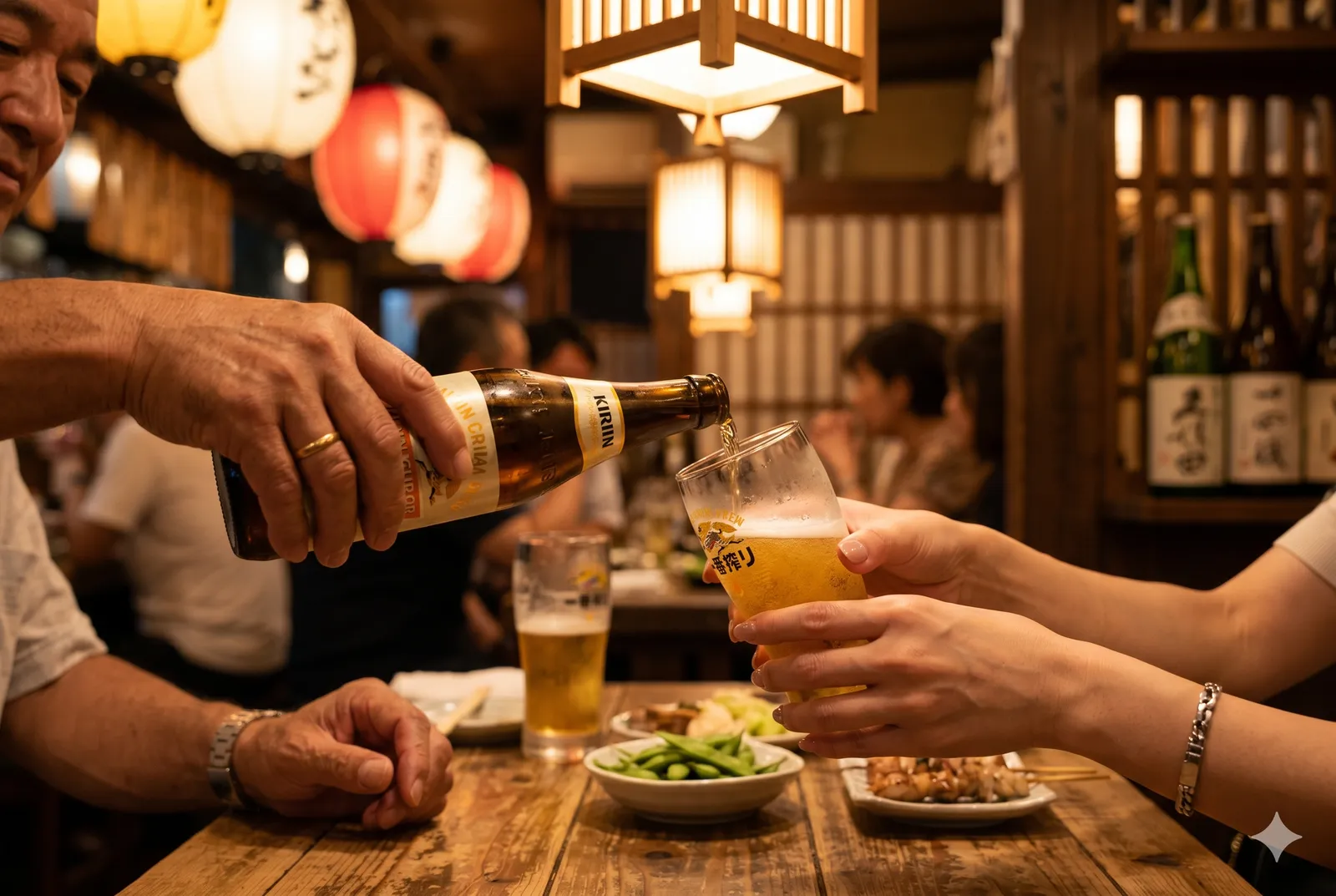
One rule above all: don't pour your own drink. You pour for the people next to you, they pour for you. Watch your neighbour's glass; when it's low, top it up. When someone pours for you, lift your glass slightly with both hands. It feels formal for about ten seconds and then it just feels nice.
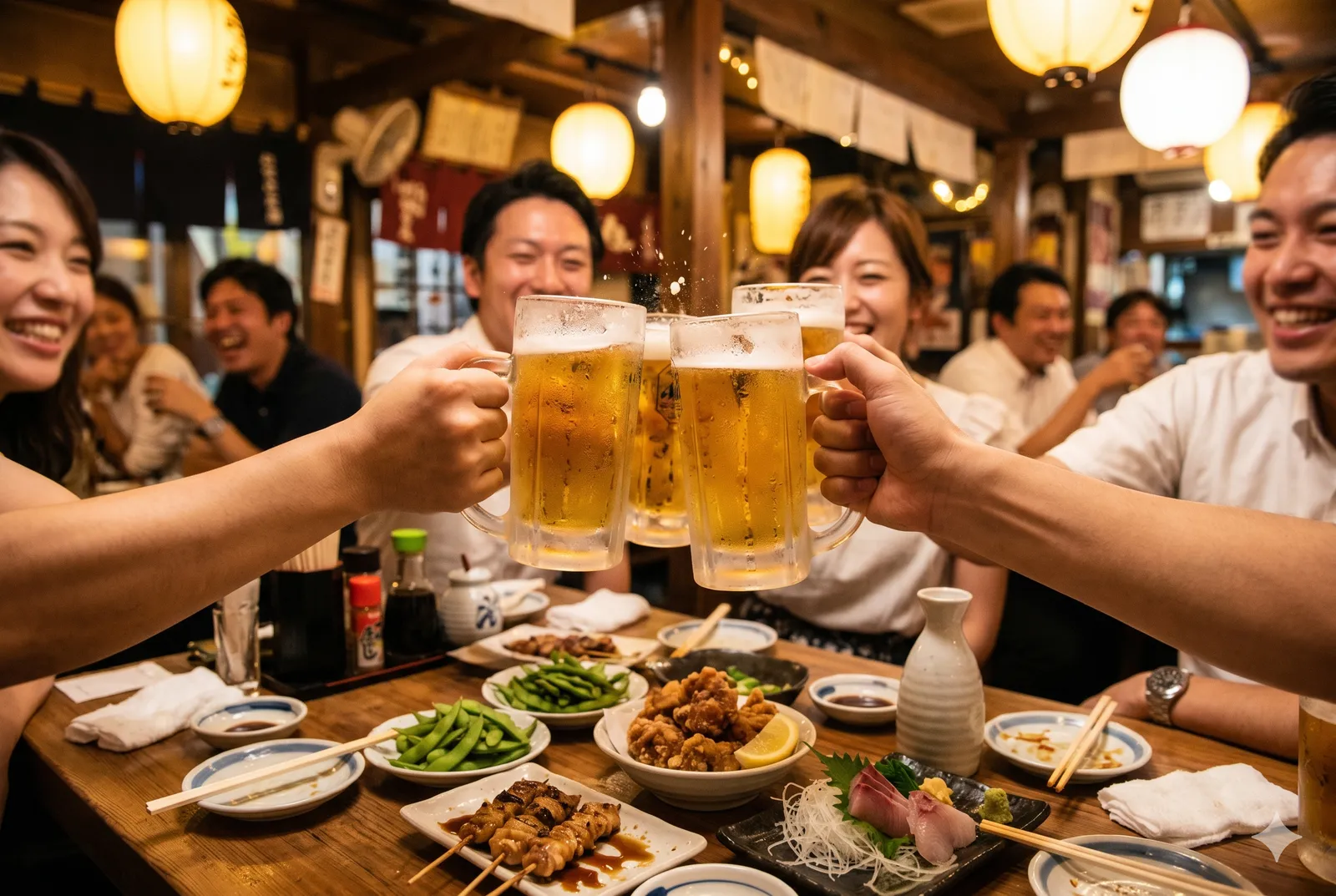
Nobody drinks until the first "Kanpai!" (乾杯) — glasses up, eyes up, then go. And if you're clinking with someone senior, drop the rim of your glass just below theirs. Tiny gesture, big points.
The Must-Order Dishes
You could order blindfolded and eat well, but these are the dishes that make you look like you've done this before. Order a few, share everything, and keep them coming as the night rolls on.
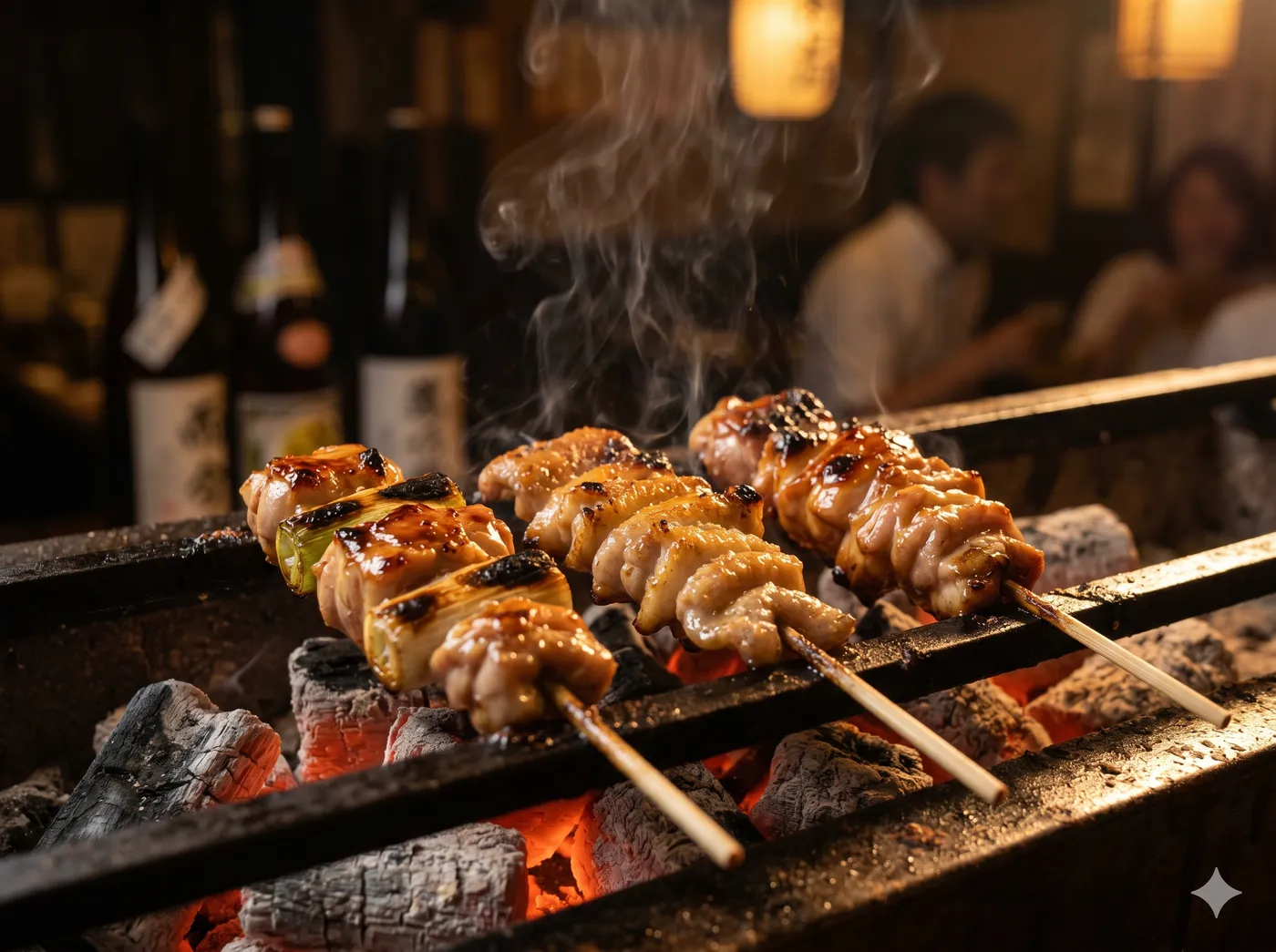
Yakitori 焼き鳥
Charcoal chicken skewers. Say "tare" (sweet soy) or "shio" (salt). Get tsukune and negima.
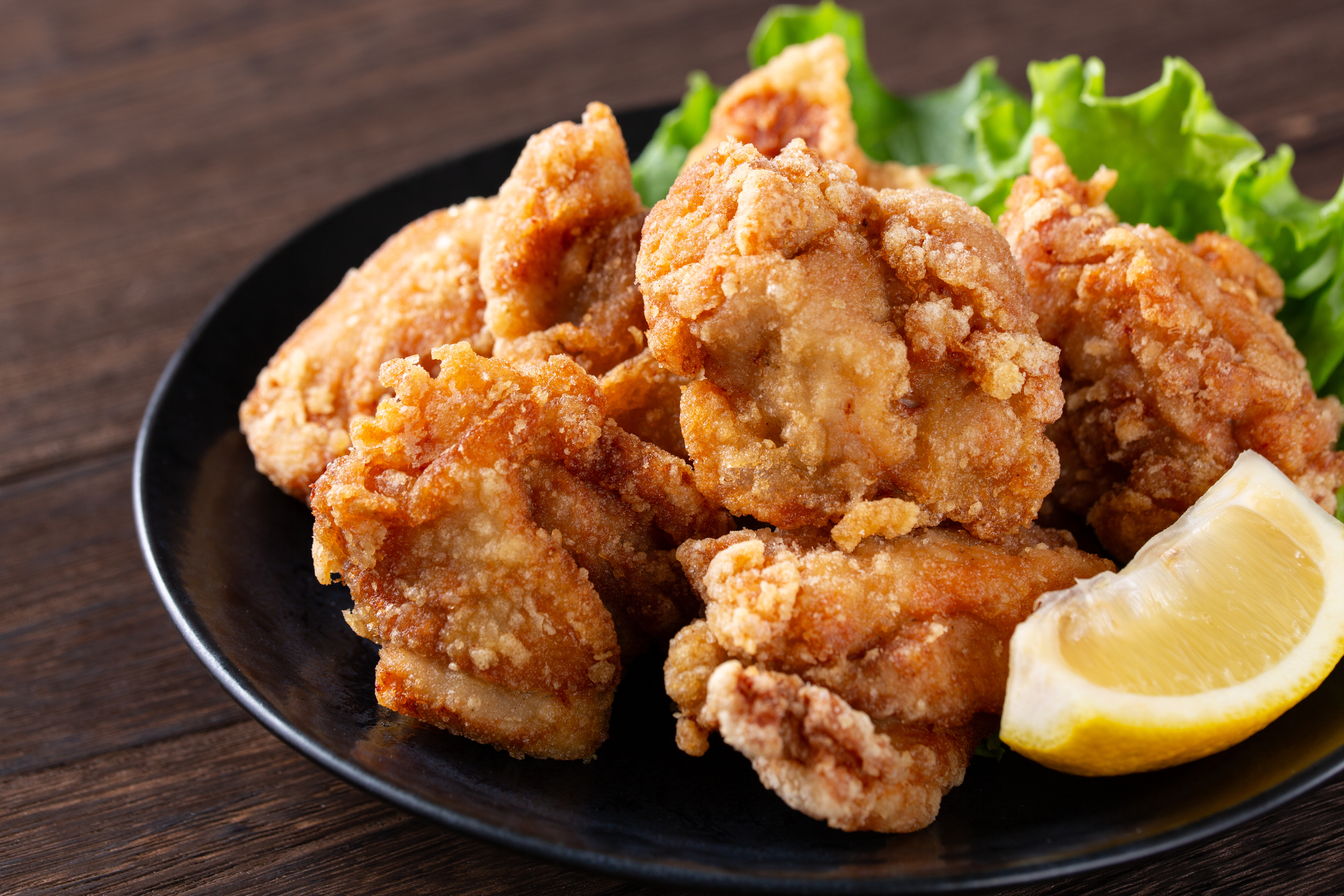
Karaage 唐揚げ
Japanese fried chicken with lemon and mayo. Better than any fried chicken you've had.
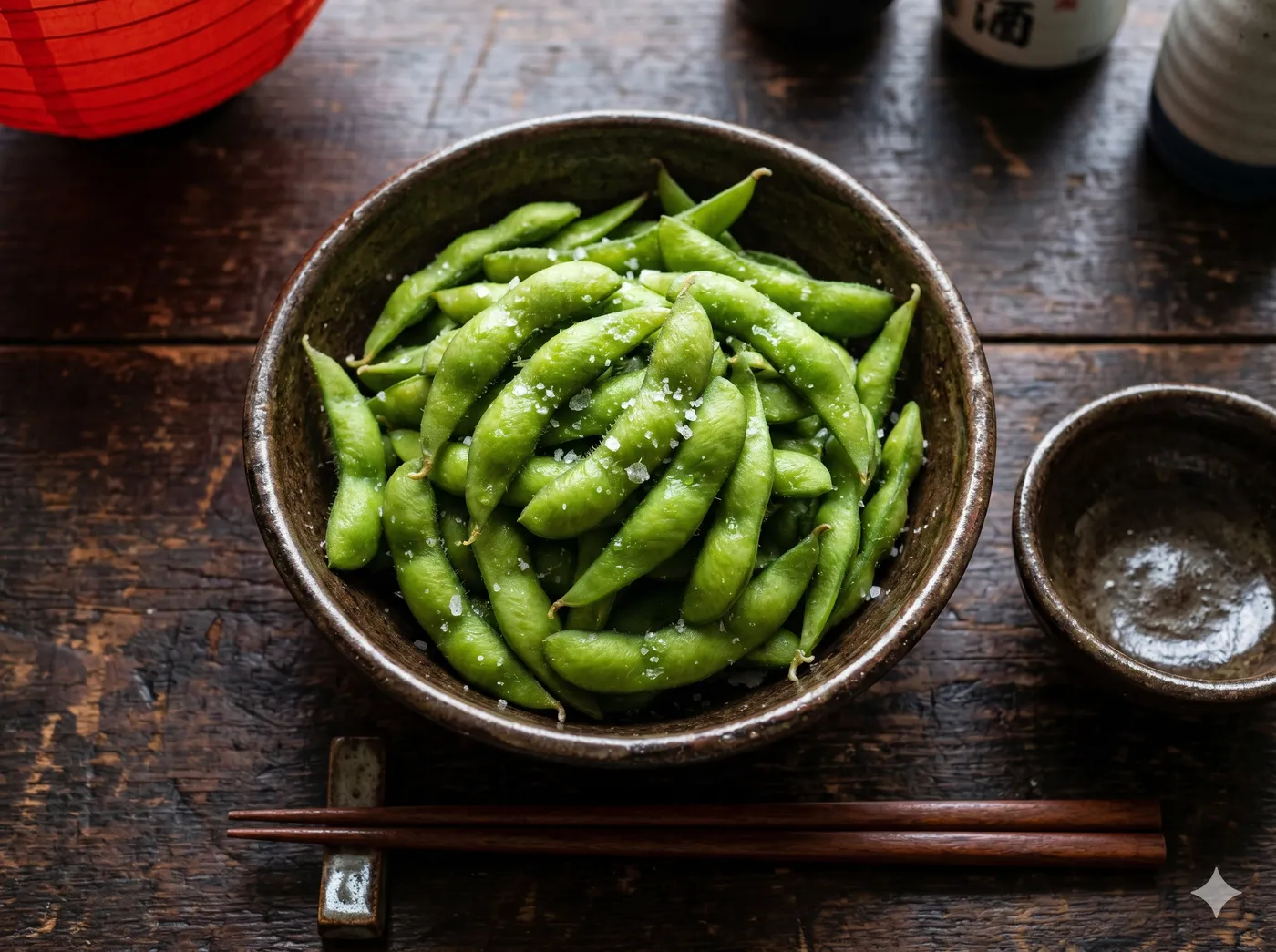
Edamame 枝豆
Salted boiled soybeans. Order these the second you sit down.
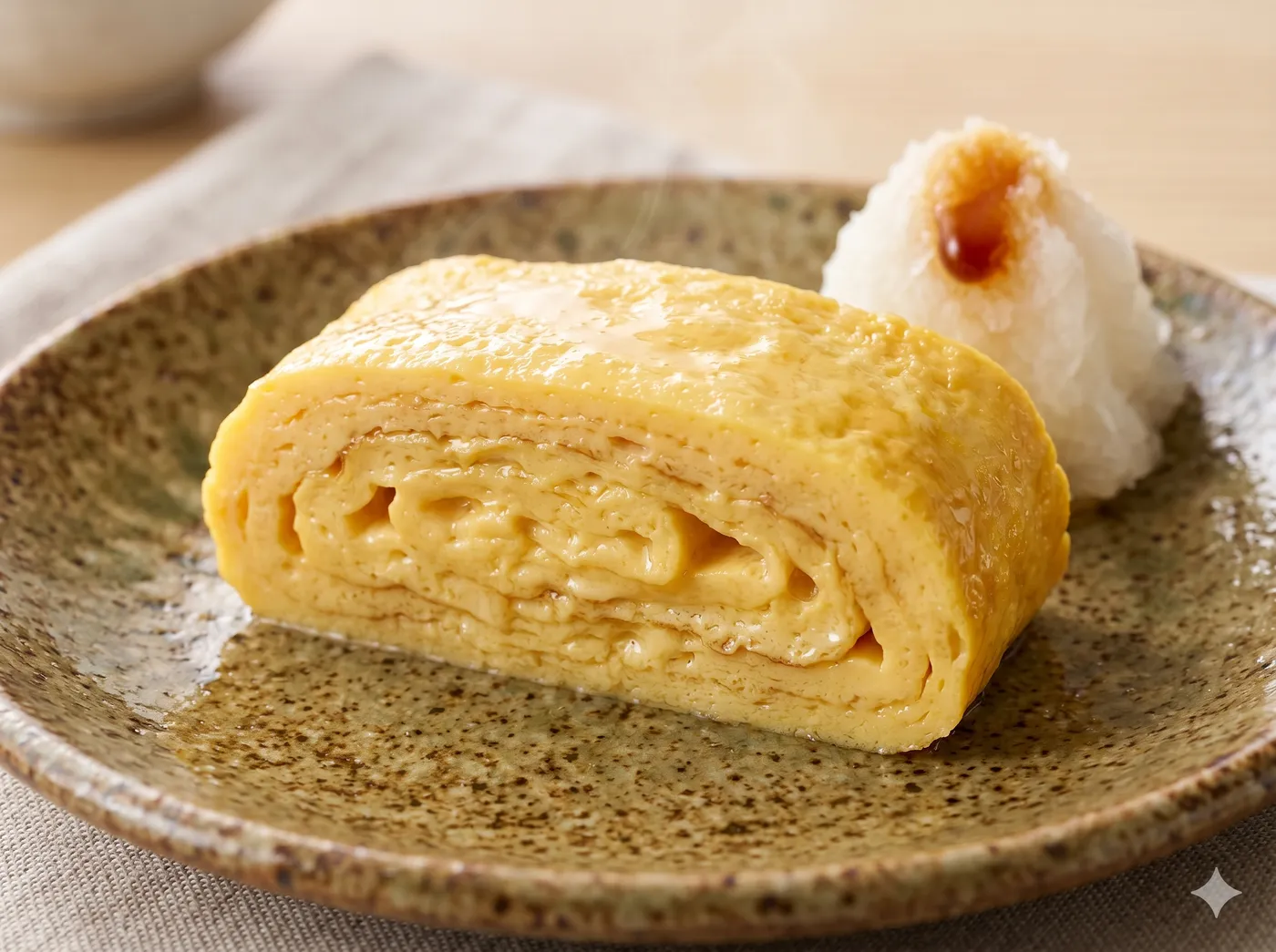
Dashimaki 出し巻き卵
Dashi-soaked rolled omelette. Sweet, delicate — a sign of a serious kitchen.
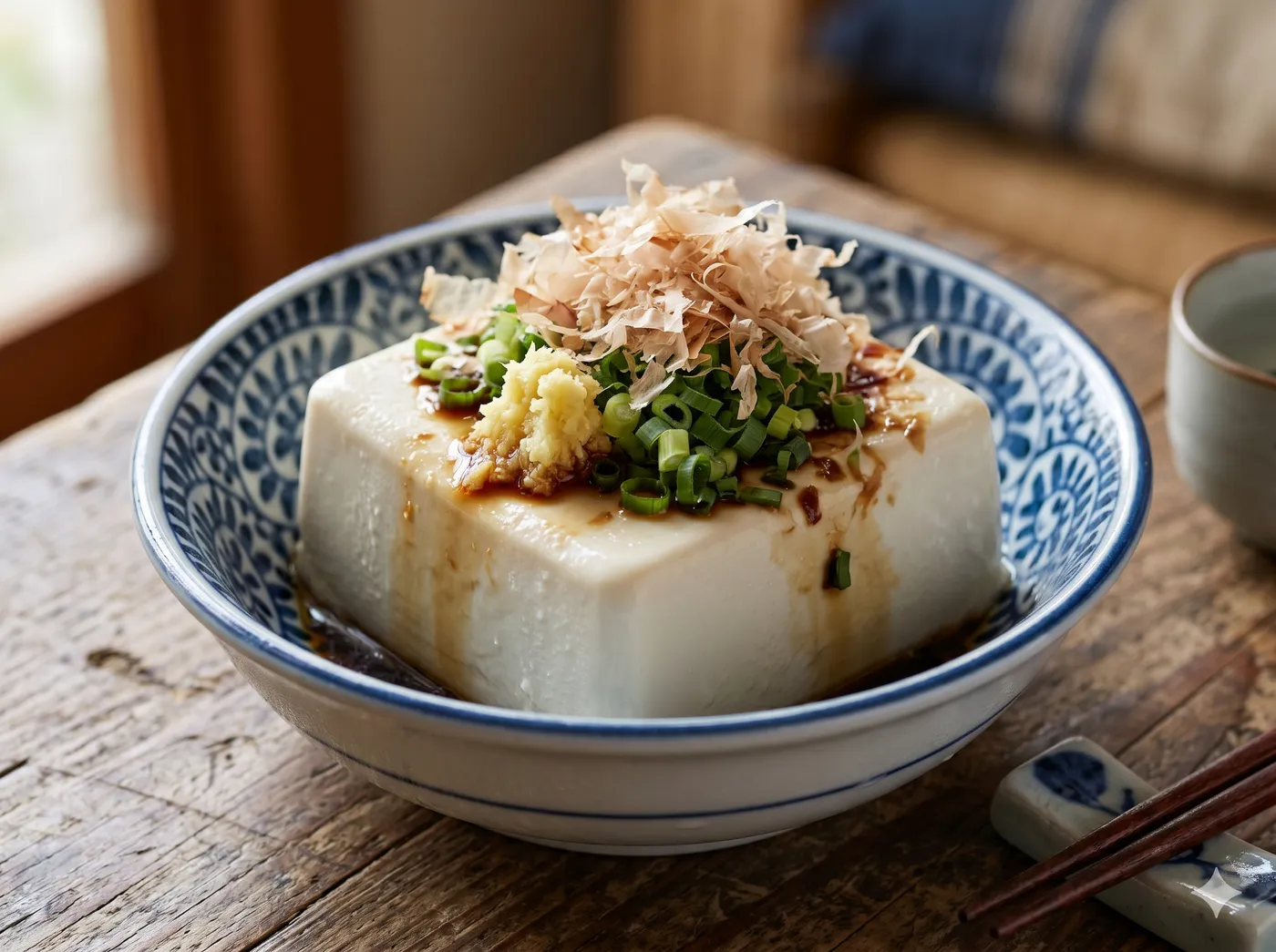
Hiyayakko 冷奴
Cold silken tofu with ginger and soy. The palate-cleanser between richer plates.
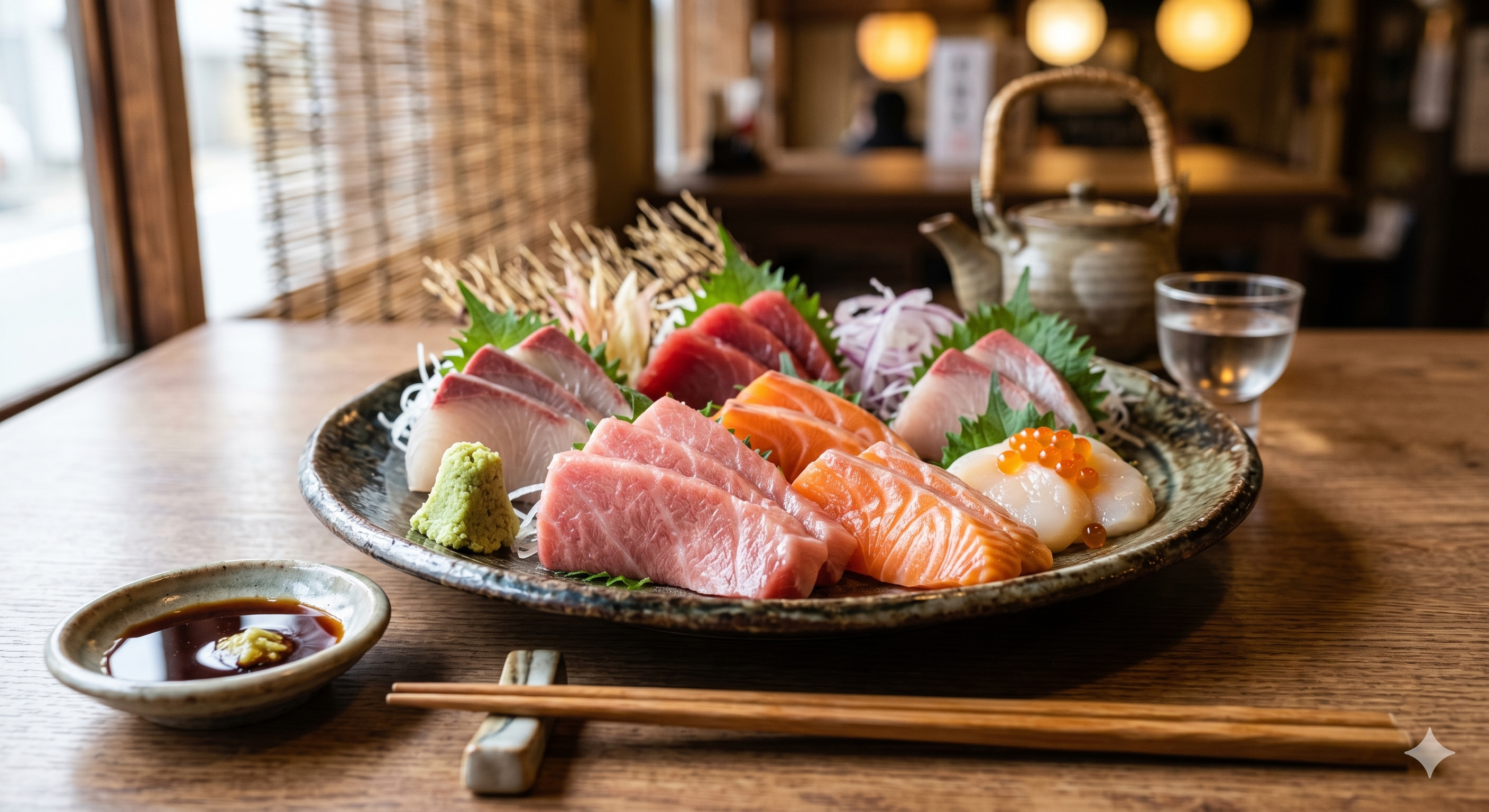
Sashimi 刺身
Order the moriawase (assortment) and let the kitchen show off the day's fish.
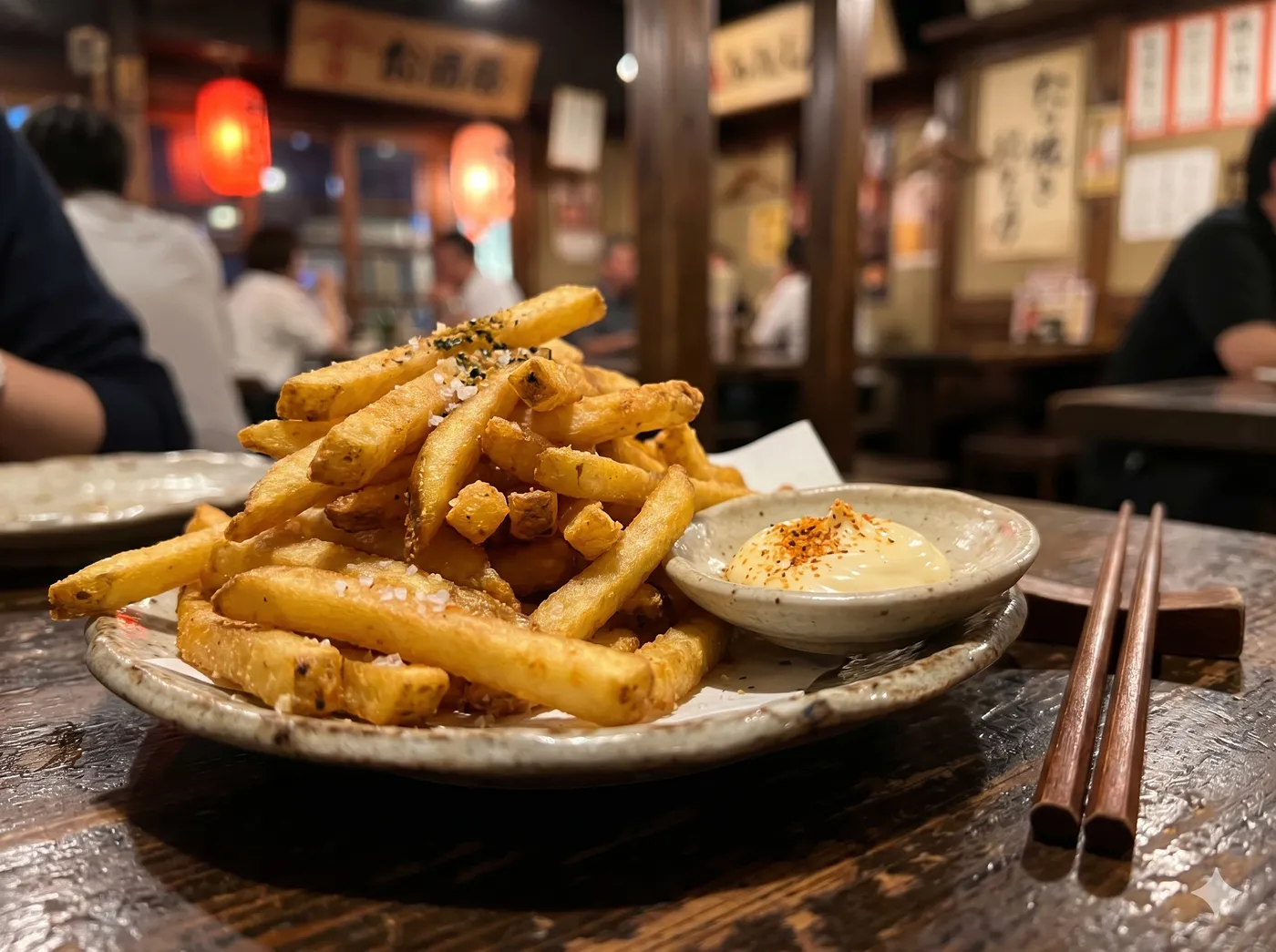
Potato Fry ポテト
Yes — izakaya fries are absurdly good. Do not skip them. Trust me.
Phrases That Make Your Night
You don't need Japanese to have a great time — but these ten lines will carry you from "Kanpai" to "Okaikei" with room to spare.
| Japanese | Pronunciation | Meaning |
|---|---|---|
| すみません | Sumimasen | Excuse me / to get the server's attention |
| とりあえず生 | Toriaezu nama | A draft beer to start, please |
| これください | Kore kudasai | This one, please (point at the menu) |
| おすすめは? | Osusume wa? | What do you recommend? |
| もう一杯 | Mō ippai | One more drink, please |
| 取り皿ください | Torizara kudasai | Could we get small plates? (for sharing) |
| お会計 | Okaikei | The bill, please |
| おいしい! | Oishii! | Delicious! |
| 乾杯! | Kanpai! | Cheers! |
| ごちそうさま | Gochisōsama | Thank you for the meal (on the way out) |
Know Your Izakaya: The Main Types
"Izakaya" is a big tent. Knowing the styles helps you pick the right night out:
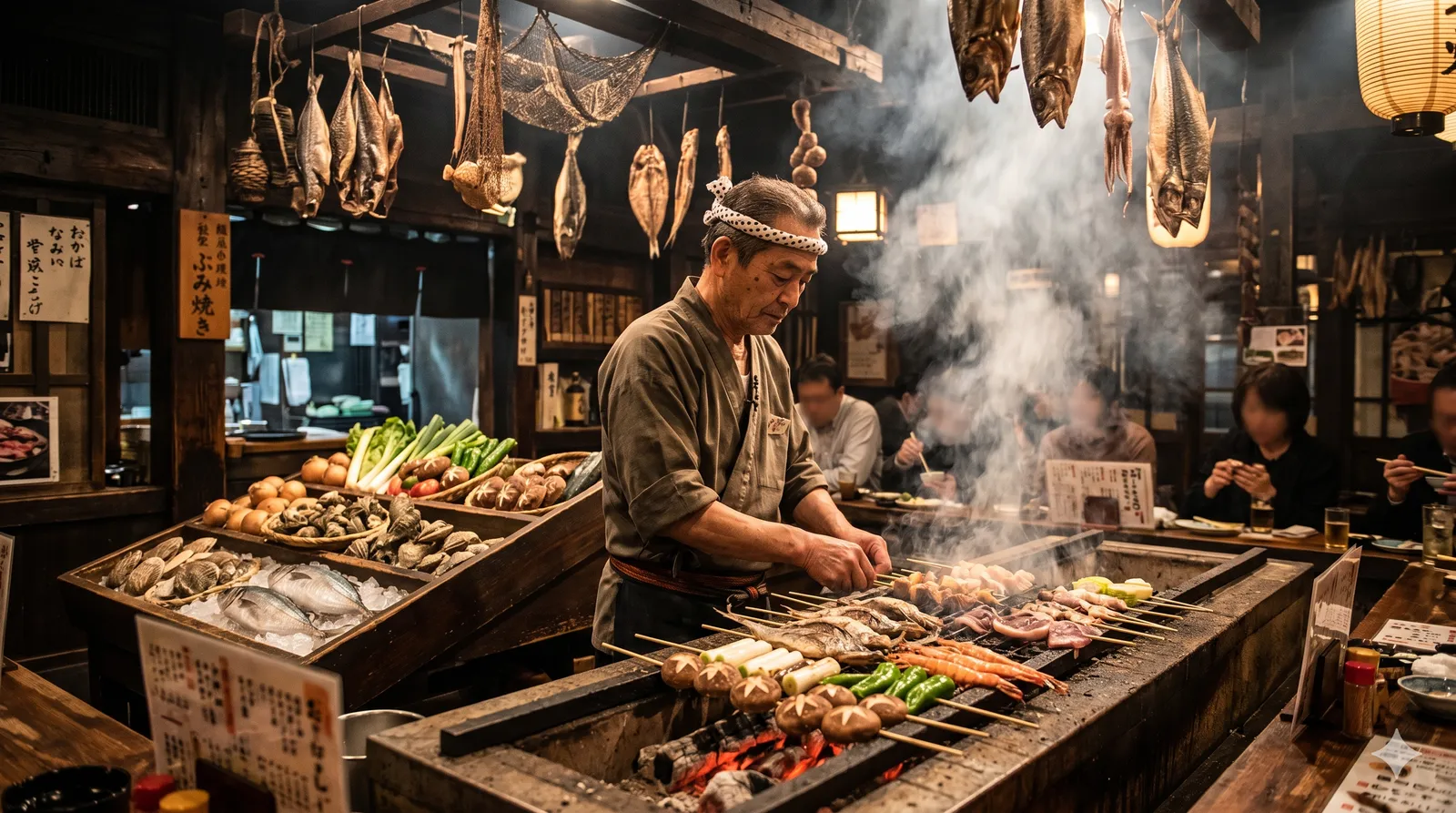
- Yakitori-ya — Specializes in grilled skewers — often tiny, smoky, and unforgettable.
- Kushikatsu-ya — Osaka-style deep-fried skewers, with a strict no-double-dipping sauce rule.
- Robatayaki — Grilled over an open hearth, passed to you on a long wooden paddle. Theatrical.
- Standing bars (Tachinomi) — Drink standing up, cheap and fast. Locals only — and now you.
- Chains (Torikizoku, Watami) — Consistent, cheap, sometimes English menus. A safe, fun first try.
Paying the Bill
When you're done, catch the server with "Okaikei kudasai" or cross your two index fingers in the air — the universal "check, please." The bill is usually split evenly; this is warikan (割り勘), and yes, someone may produce a calculator.
Smaller places are often cash only, so carry some. Budget ¥3,000–5,000 a head for a proper evening.
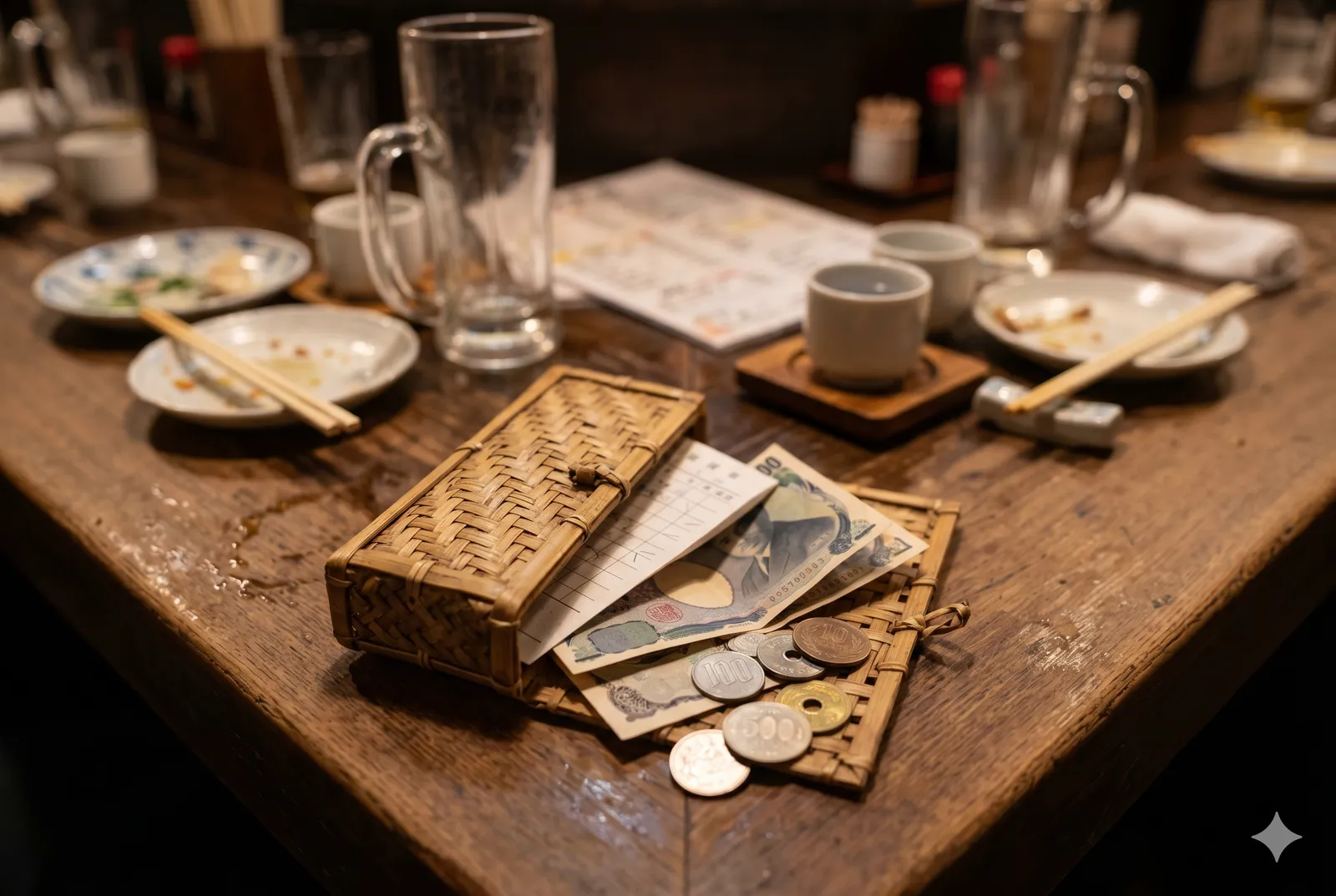
No tipping. It can genuinely confuse or even offend. Instead, say "Gochisōsama deshita" (ごちそうさまでした)on your way out — "thank you for the meal." It's the highest compliment you can pay, and it's free.
Rookie Mistakes to Skip
- Wiping your face with the oshibori. Hands only. We talked about this.
- Pouring your own beer first. Pour for others; let yours be poured.
- Trying to refuse the otōshi. You can't. Eat it, it's usually great.
- Sticking chopsticks upright in rice or passing food chopstick-to-chopstick — both echo funeral rituals. Rest chopsticks on the holder instead.
- Leaving a tip. Don't. "Gochisōsama deshita" is the tip.