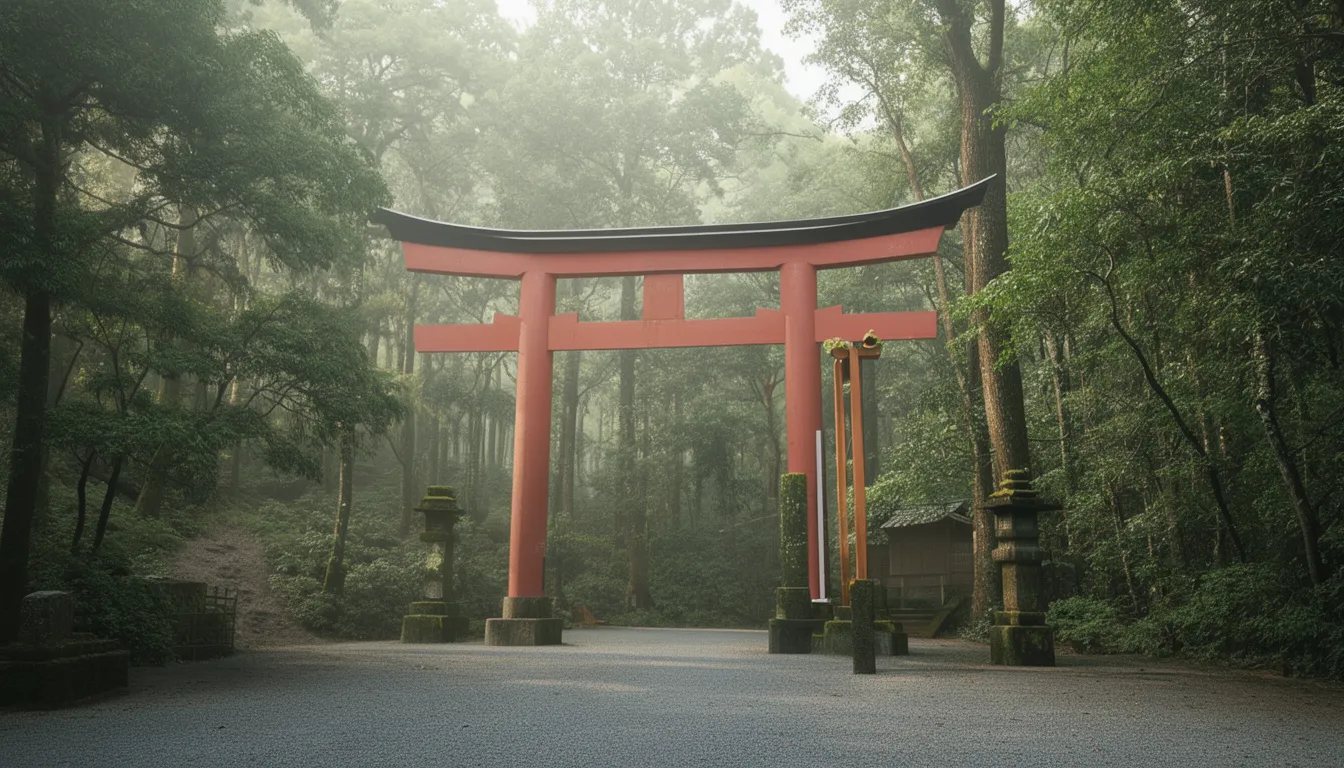
Step off a loud Japanese street, under a weathered wooden gate, and the noise just… stops. The gravel crunches, a bell rope sways, someone claps twice somewhere ahead. Visiting a shrine or temple — omairi (お参り)— isn't a performance and nobody expects you to be perfect. But there's a small, graceful sequence to it, and once you know the steps you can slow down and actually feel the place.
Shrine or Temple? Know Where You Are
Japan has two traditions living side by side, and they have slightly different manners. The good news: you can tell them apart in two seconds.
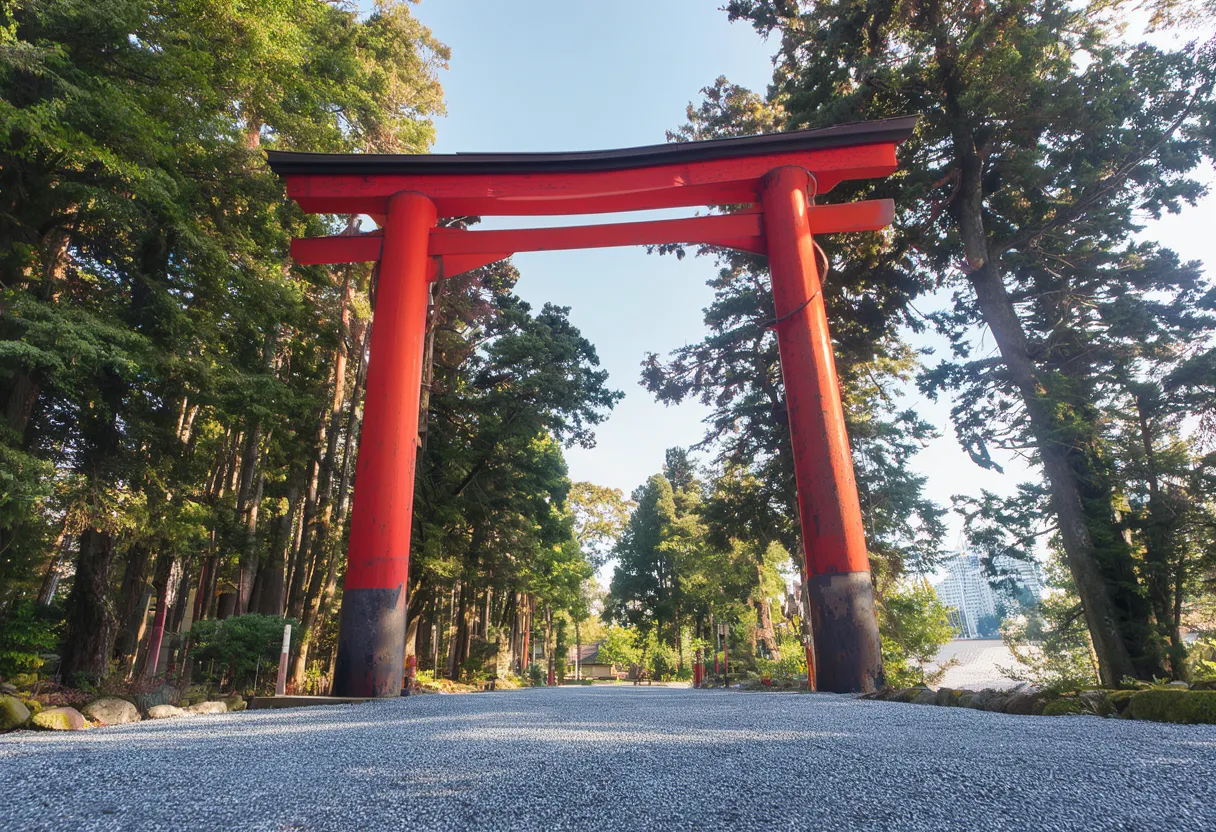
- Shrine (神社, jinja) — Shinto. Marked by a torii gate (often vermilion). You'll clap when you pray. Staff are kannushi (priests) and miko (shrine maidens).
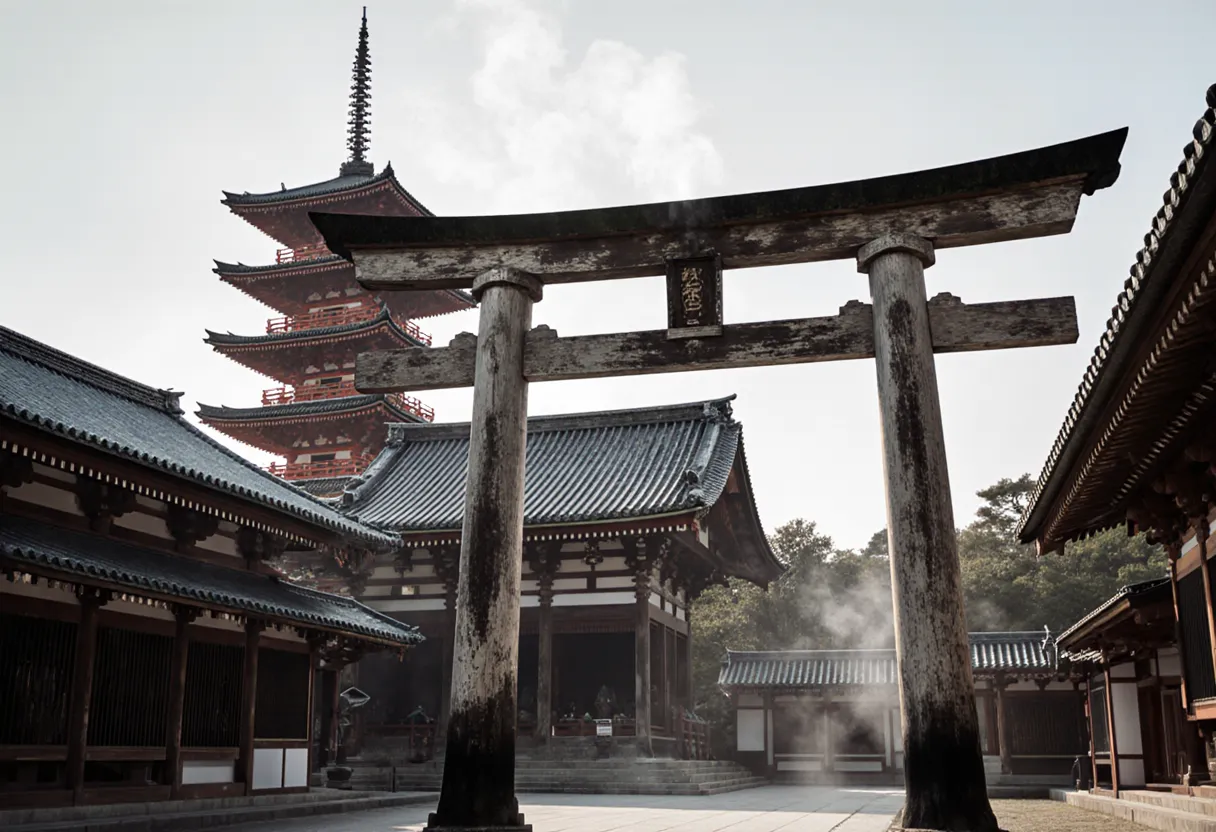
- Temple (お寺, o-tera) — Buddhist. Marked by a big roofed gate (sanmon), usually with incense smoke and sometimes a large bell. You do not clap here — you press your palms together silently.
That one difference — clap at a shrine, don't clap at a temple — is the single most useful thing in this whole guide. Everything else is gentle.
Shrine 神社
Shinto. Look for a torii gate. You clap when you pray. Staffed by priests (kannushi) and shrine maidens (miko).
Temple お寺
Buddhist. Look for a big roofed gate (sanmon) and incense smoke. You do not clap — just press your palms together.
At the Gate: The First Bow
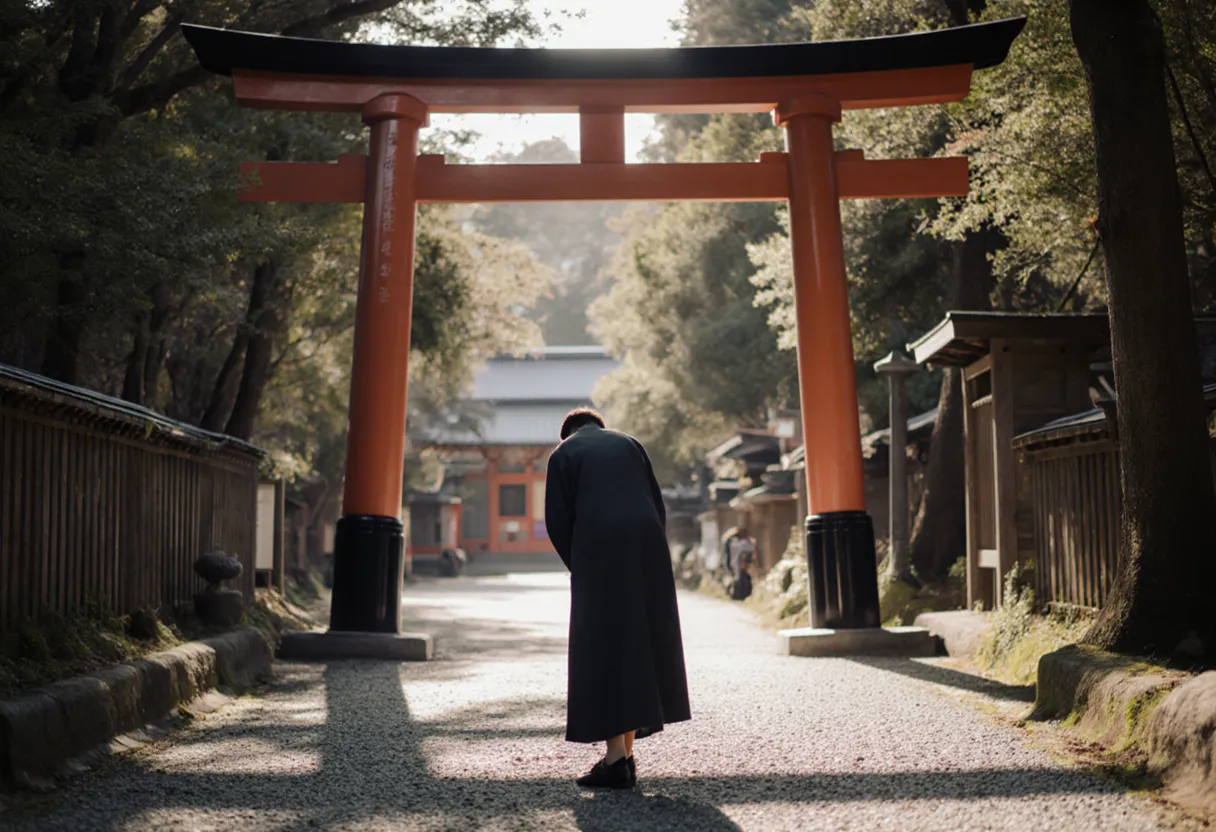
The torii (or the temple's sanmon) marks the boundary between the everyday world and sacred ground. Before you pass through, pause and give a small bow — a little nod of "thanks for having me."
Then a quiet one: walk to the side of the path, not straight up the middle. The center (seichū) is considered the way of the gods, so locals naturally drift left or right. Follow them. It feels good — like leaving the best seat empty out of respect.
The Purification Fountain (Temizuya)
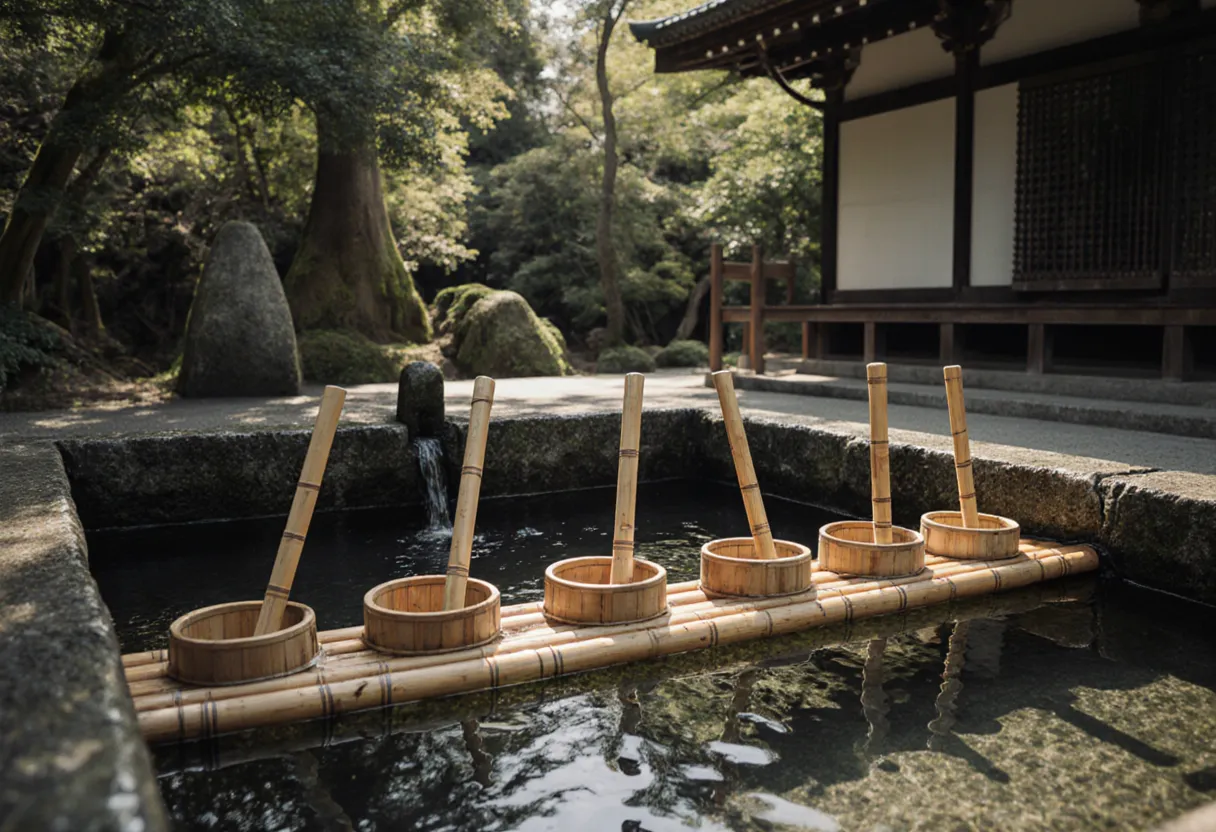
Just inside, you'll find a stone basin of clear water with bamboo ladles resting on top: the temizuya (手水舎). This is where you rinse away the dust of the outside world before approaching. It looks like a test. It isn't — it's one scoop of water, used carefully:
- Hold the ladle in your right hand, scoop one ladle of water (that single scoop is for everything).
- Pour a little over your left hand, then switch and pour over your right hand.
- Pour a little into your cupped left hand and quietly rinse your mouth — do not touch the ladle to your lips, and never swallow.
- Rinse the left hand once more, then tip the ladle upright so the leftover water runs down the handle to clean it.
- Set the ladle back face-down, exactly as you found it.
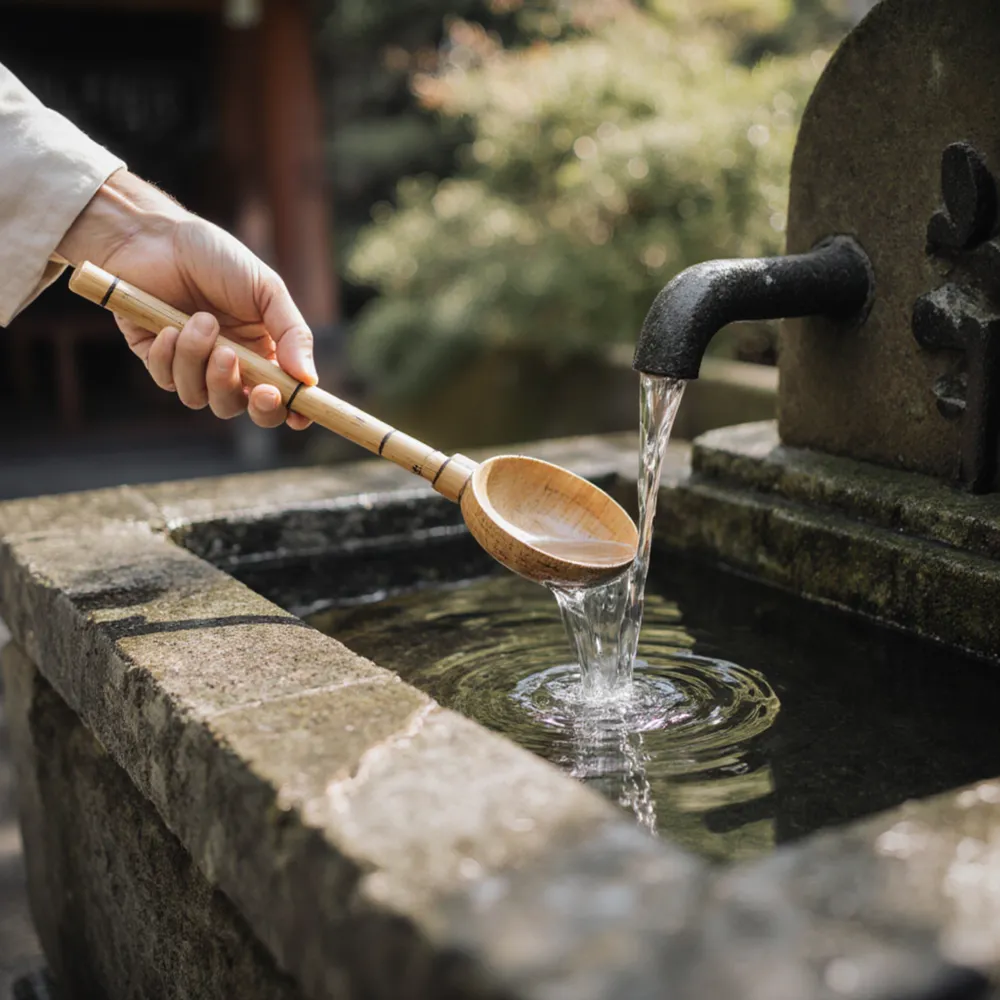
1. Scoop one ladle of water
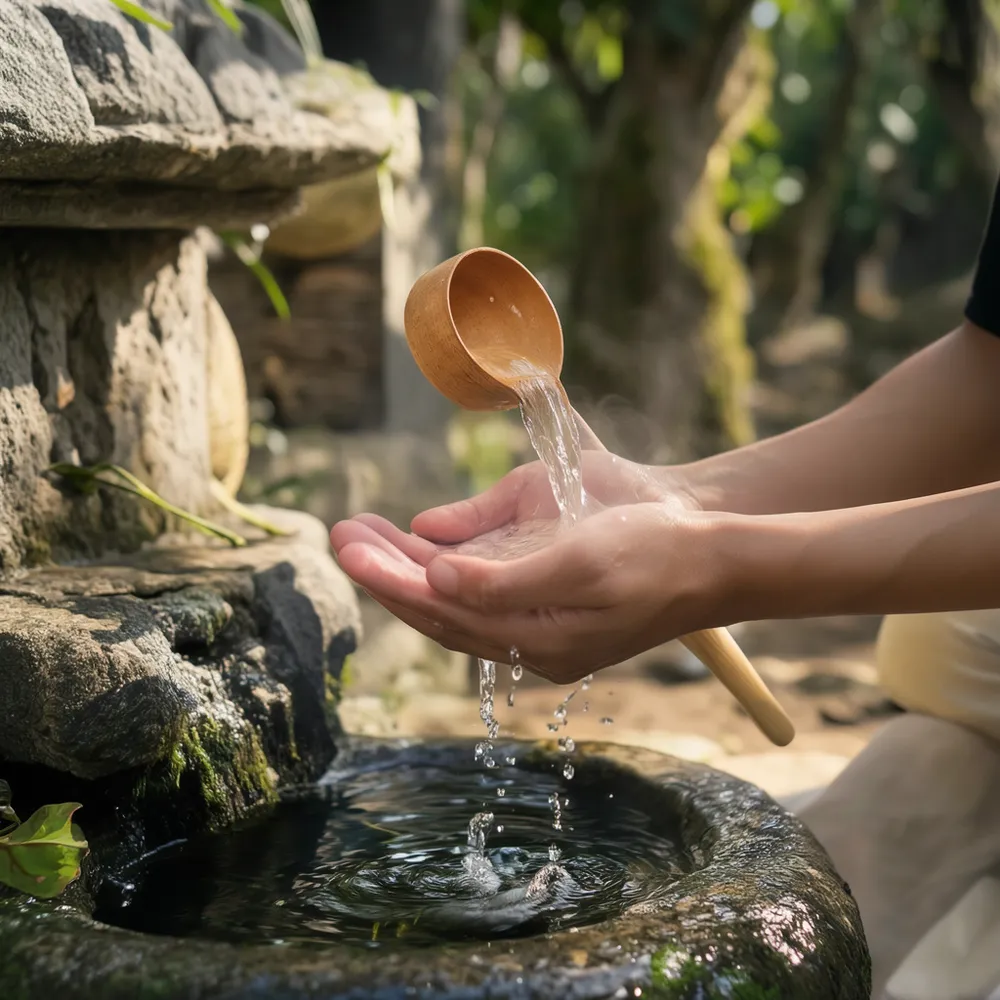
2. Rinse your left, then right hand

3. Rinse your mouth from your hand
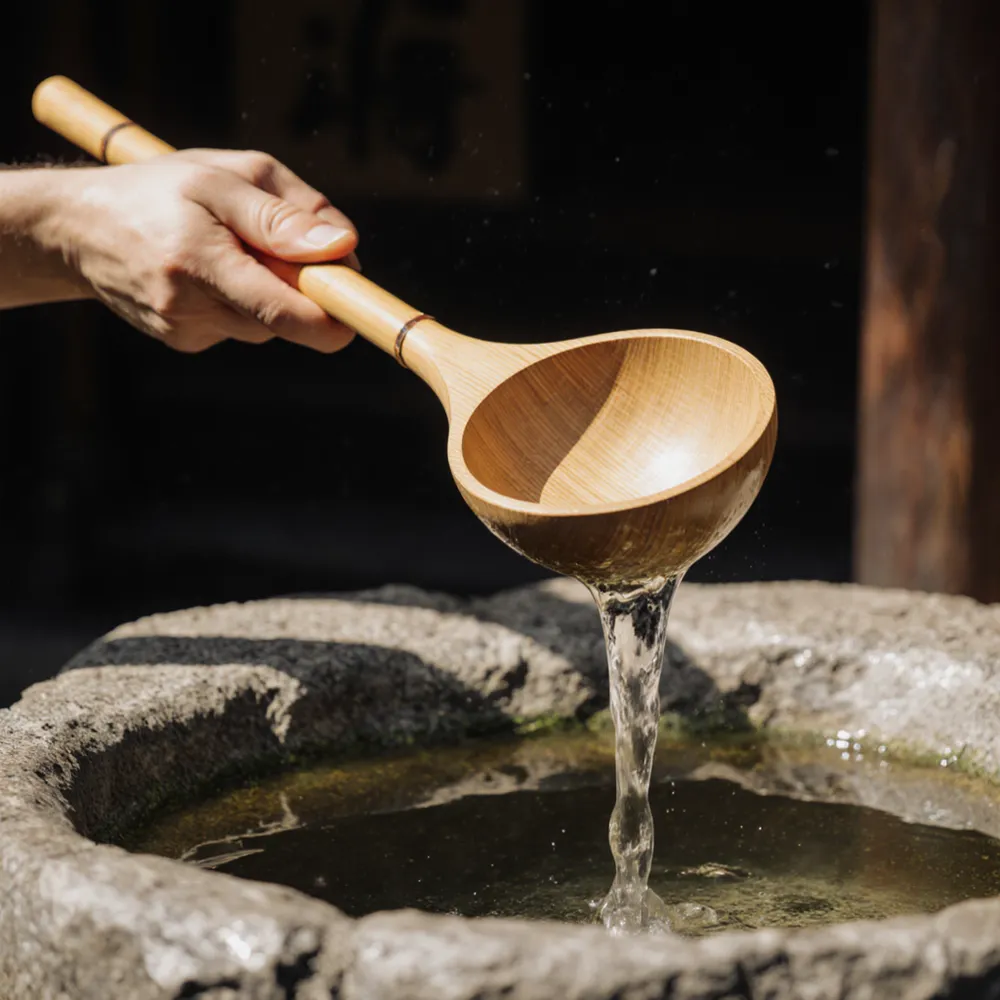
4. Clean the handle & replace it
During cold months or for hygiene, many shrines now remove the communal ladles and let water run from a spout or over flowers instead. Just rinse your hands under the running water — same idea, no ladle required.
How to Pray at a Shrine: 2 Bows, 2 Claps, 1 Bow
Walk up to the offering hall. This is the heart of omairi, and the rhythm is easy to remember — ni-rei, ni-hakushu, ichi-rei (二礼二拍手一礼):
- Toss your offering. Gently drop a coin into the saisen box. A ¥5 coin (go-en) is traditional — it's a pun on go-en, "a good connection." Any coin is fine; it's a gesture, not a fee.
- Ring the bell, if there's a rope and bell, to greet the deity.
- Bow deeply twice (about 90°).
- Clap twice at chest height. Keep your hands there a moment and make your wish or give your thanks.
- Bow deeply once more, and quietly step aside for the next person.
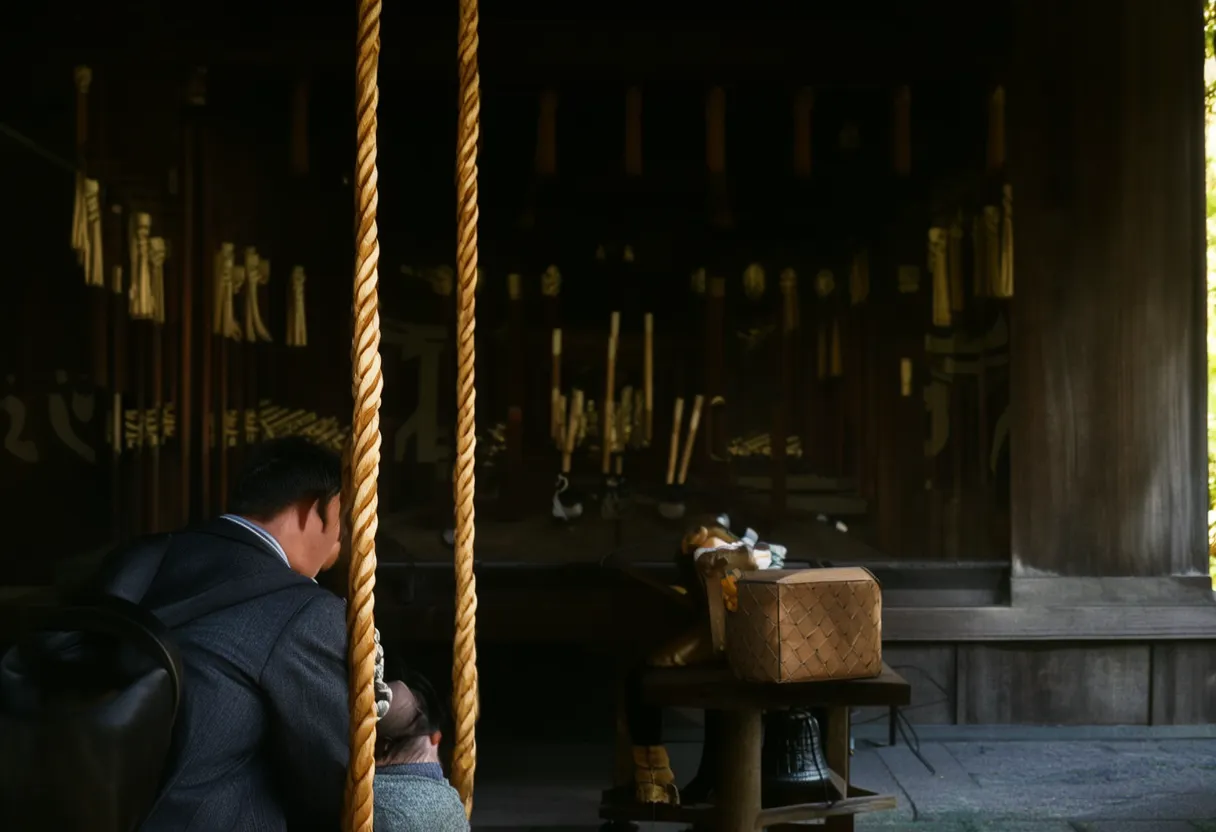
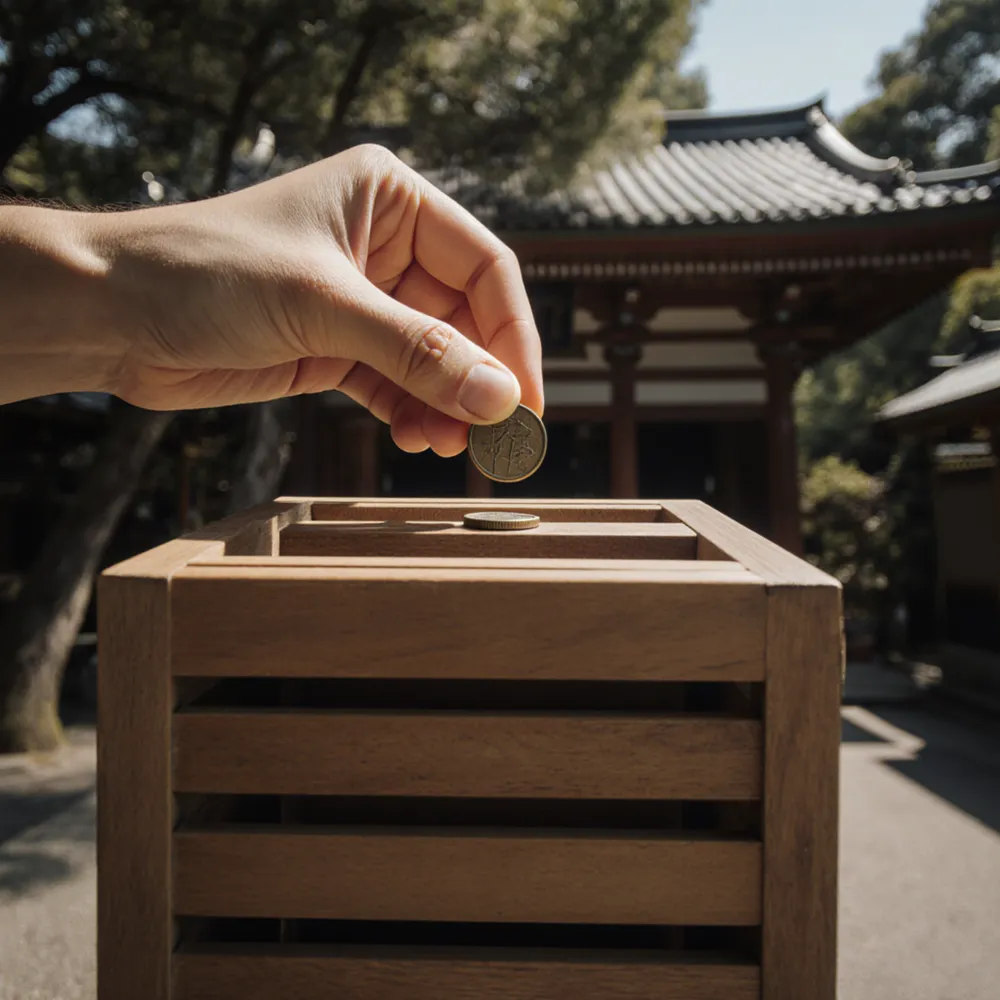
1. Offer a coin (¥5 is lucky)
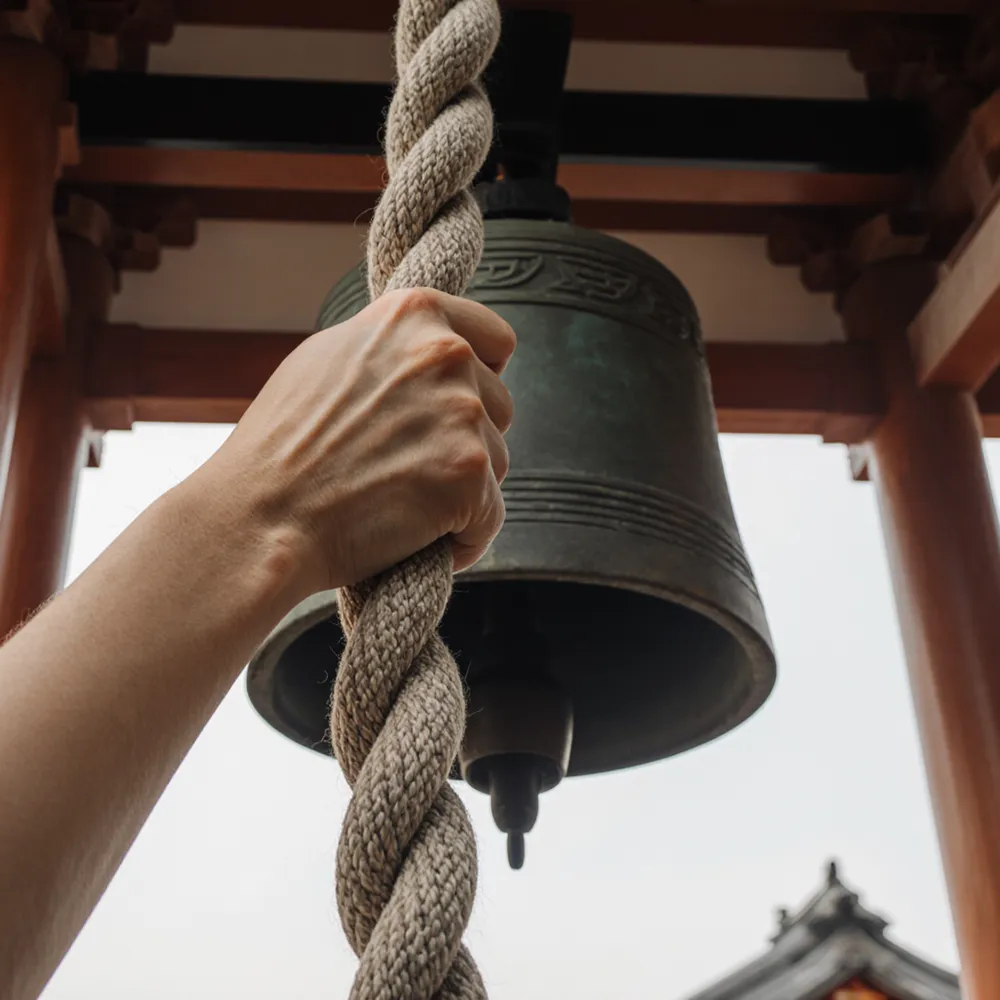
2. Ring the bell to say hello
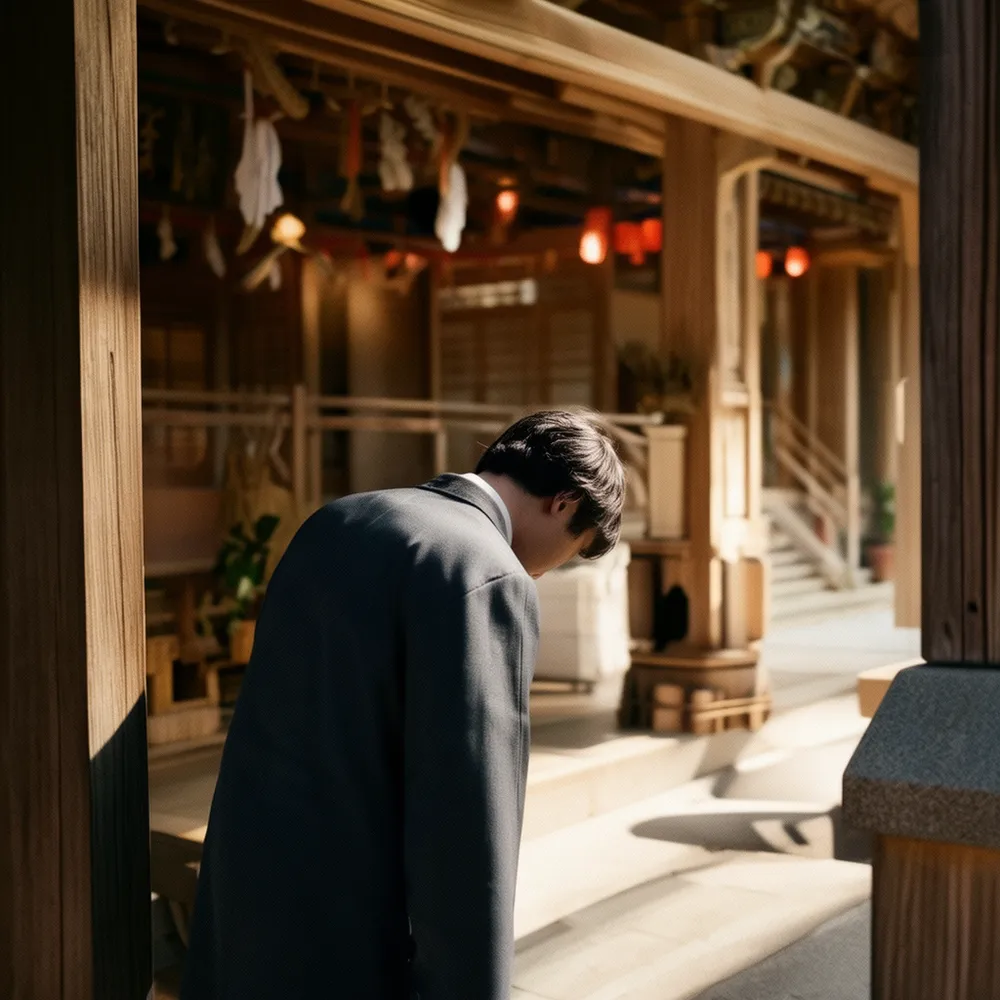
3. Bow deeply, twice
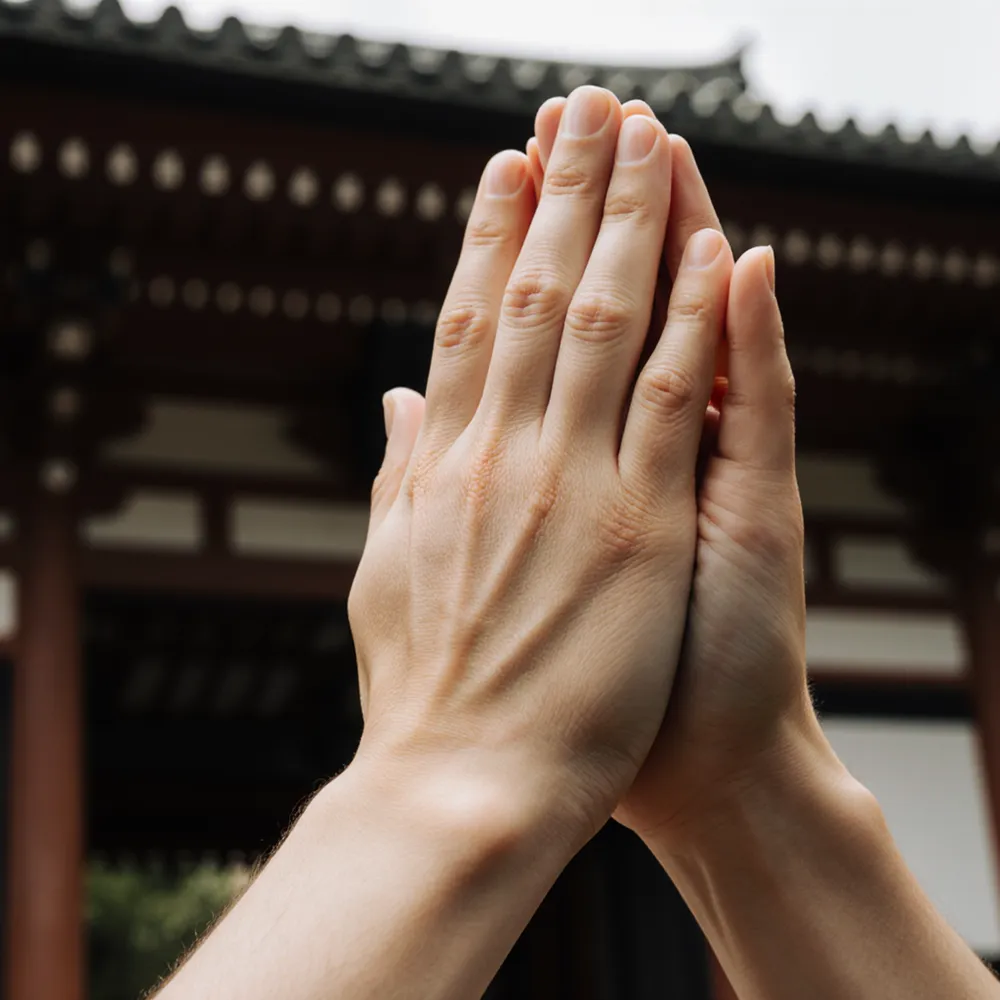
4. Clap twice, pray, bow once
How to Pray at a Temple: Hands Together, No Clapping
At a Buddhist temple the mood is similar but the gesture is different — and this is the easiest mistake to make:
- Offer a coin in the box as before.
- If there's a large incense burner (jōkōro), light a stick, let it smoke, and gently waft the smoke toward yourself — it's said to purify and heal.
- Press your palms together quietly (gasshō), bow your head, and pray. Do not clap.
- A single, calm bow to finish.
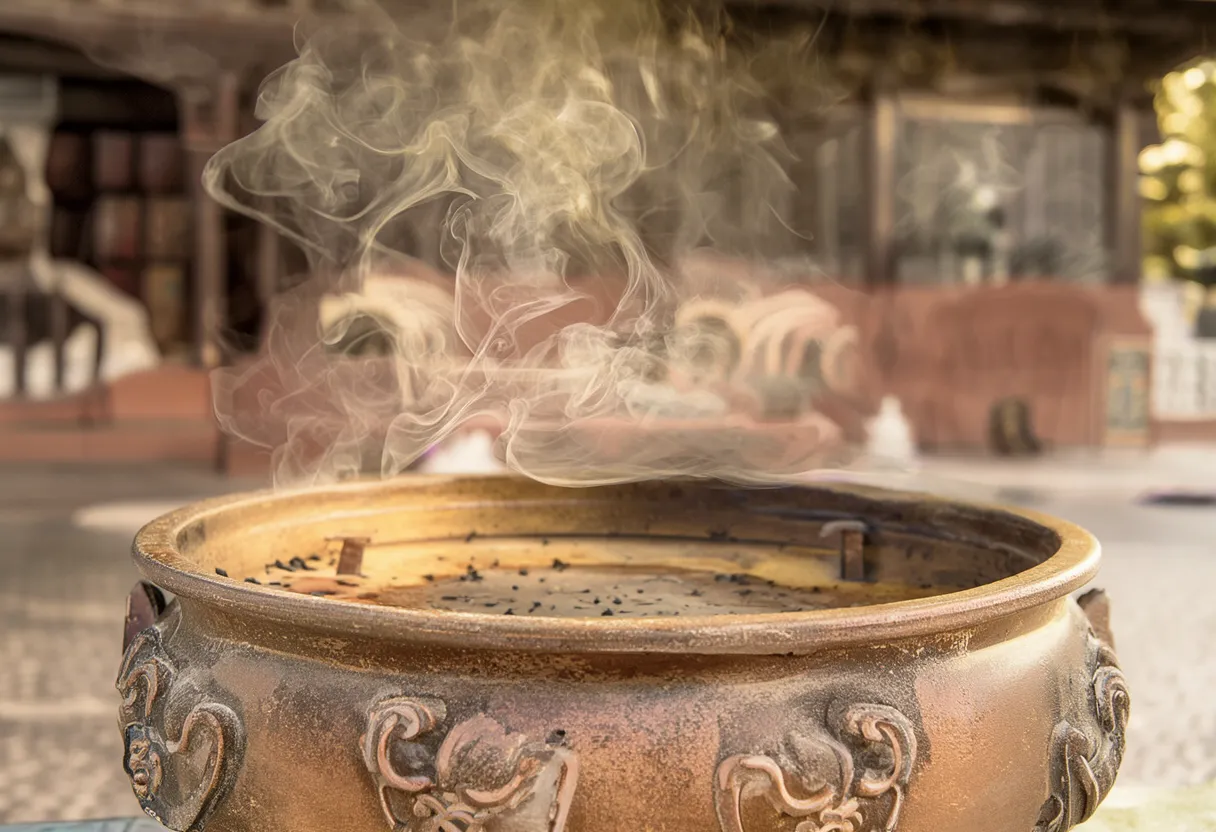
Omikuji: Drawing Your Fortune
For ¥100–200 you can draw an omikuji (おみくじ) — a paper fortune, often by shaking a numbered stick from a box. They range from dai-kichi (大吉, great blessing) down through small blessings to kyō (凶, bad luck). Read it for the advice, not just the headline — the little notes on travel, health and love are the real fun.
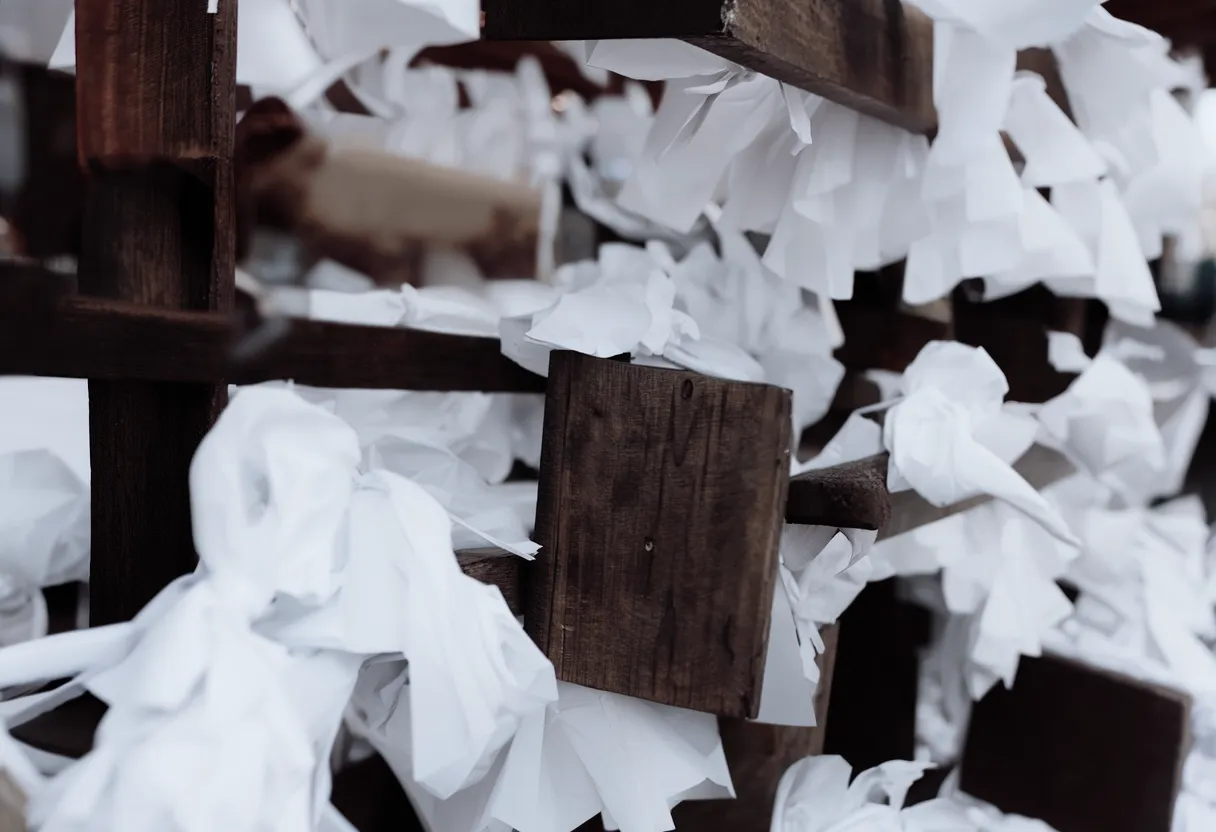
Got a bad one? No problem: fold it and tie it to the designated rack or pine branch at the shrine, leaving the bad luck behind you. A good one you can keep in your wallet.
Charms, Plaques & Stamps to Take Home
Near the main hall you'll find a counter selling the keepsakes of omairi — all genuine, none of it tacky. These three are the ones worth carrying home:
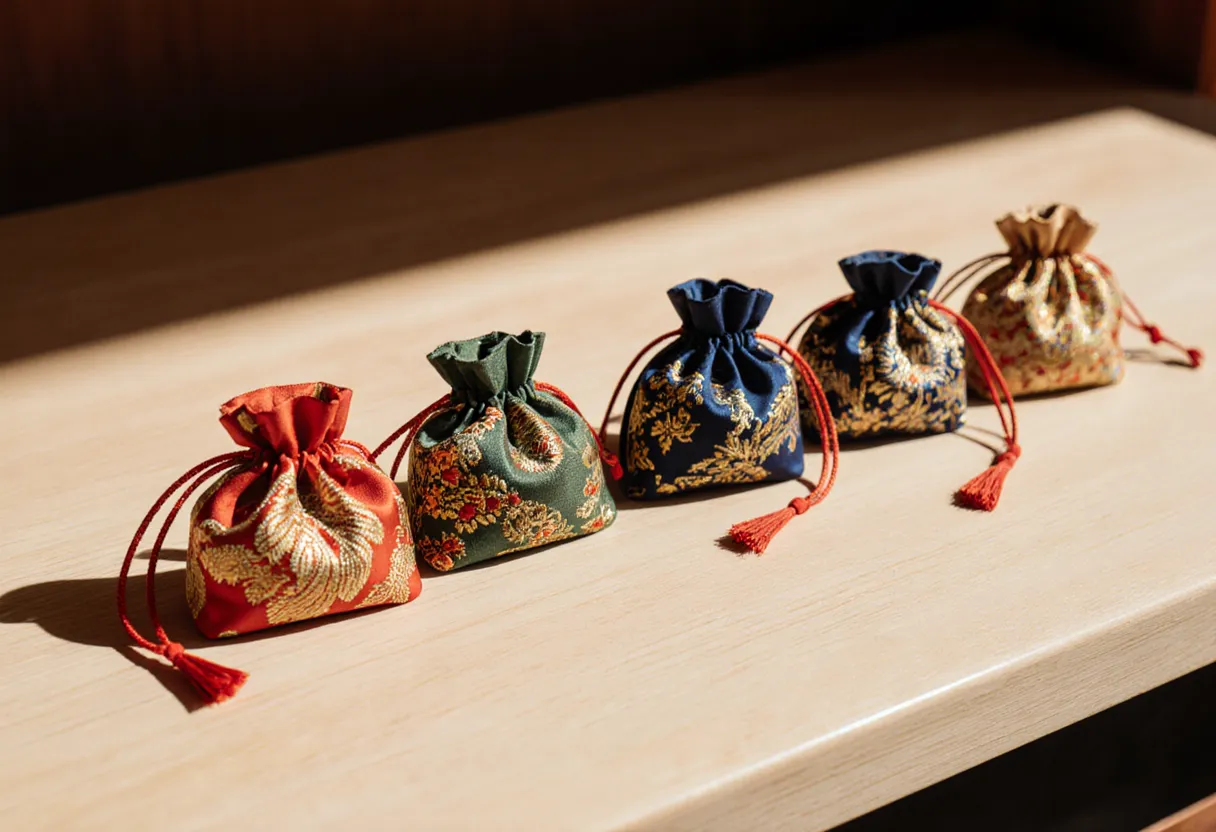
Omamori お守り
Embroidered charm pouches for one wish — safe travel, health, love, study. Carry it in your bag; by custom, never open it.
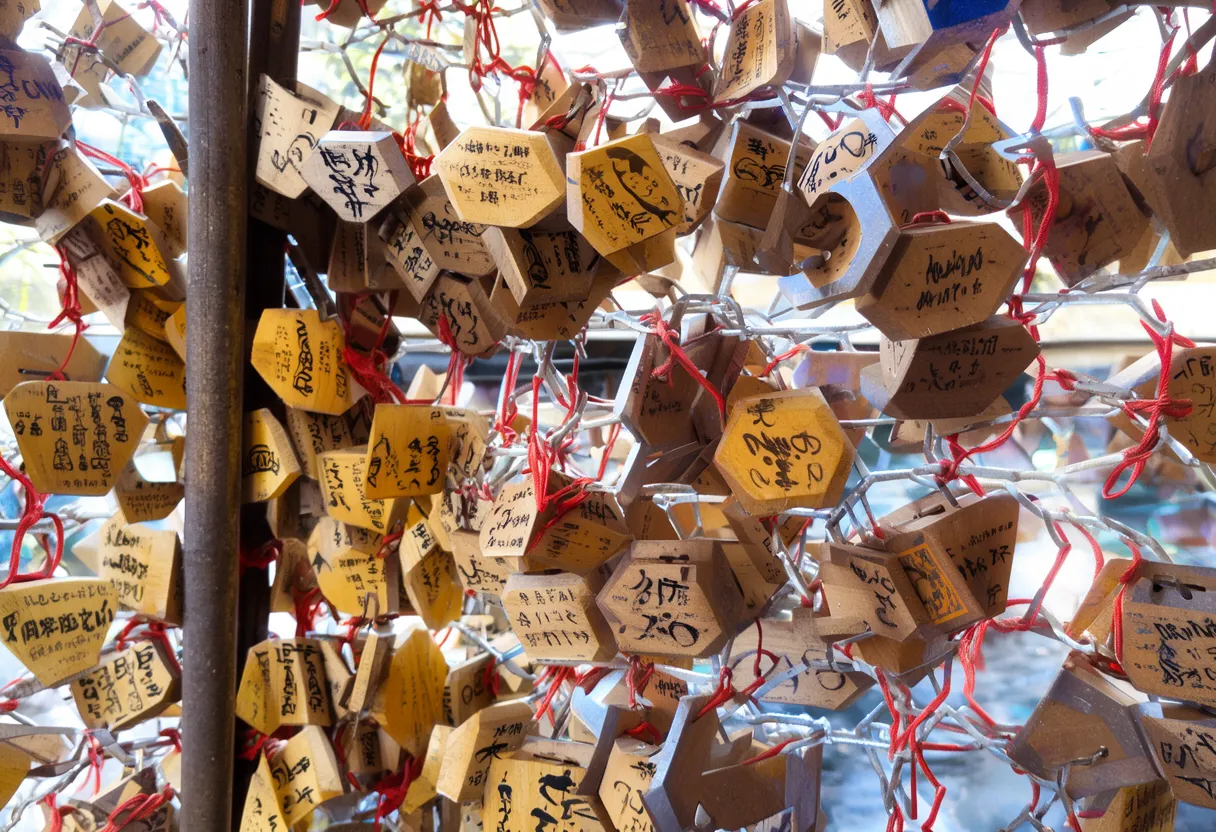
Ema 絵馬
Small wooden plaques. Write a wish on the back and hang it with the others. Reading the ones in every language is half the joy.
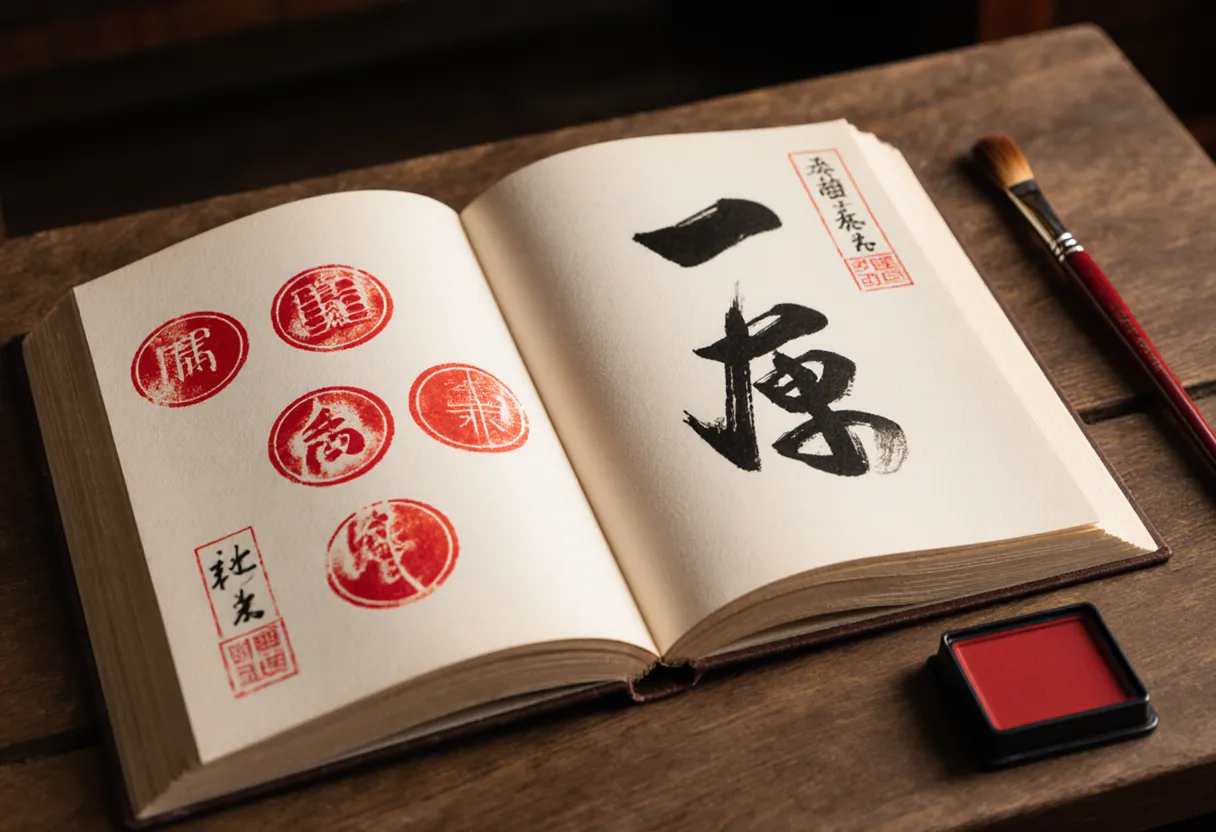
Goshuin 御朱印
A hand-brushed seal and calligraphy, made for you on the spot (¥300–500). Collect them in a goshuinchō book — a gorgeous travel diary.
Phrases & Words You'll See
You won't need to say much — omairi is mostly quiet — but these words appear on signs and labels everywhere:
| Japanese | Pronunciation | Meaning |
|---|---|---|
| お参り | Omairi | A visit to a shrine or temple to pay respects |
| 神社 | Jinja | Shinto shrine (look for a torii gate) |
| お寺 | O-tera | Buddhist temple (look for a large gate & incense) |
| 鳥居 | Torii | The gate marking the entrance to sacred ground |
| 手水舎 | Temizuya / Chōzuya | The water pavilion for purifying hands and mouth |
| 賽銭 | Saisen | The money offering you toss into the box |
| おみくじ | Omikuji | A paper fortune you draw at random |
| お守り | Omamori | A protective charm you buy and carry |
| 御朱印 | Goshuin | A hand-brushed seal collected in a special book |
| 失礼します | Shitsurei shimasu | "Excuse me" — polite all-purpose courtesy |
Rookie Mistakes to Skip
- Clapping at a temple. Clapping is for shrines only. At a temple, hands stay silent.
- Walking straight up the middle of the path. The center belongs to the gods — drift to the side.
- Drinking from the purification ladle or touching it to your lips. Rinse into your hand instead, and never swallow.
- Loud voices and flash photography near the main hall — and check for "no photos" signs inside, which are common.
- Opening your omamori to peek inside. It's believed to let the protection out. Just carry it.
- Stepping on the wooden threshold of a temple gate — step over it, not on it.
You will not offend anyone by being a respectful, quiet beginner. Bow at the gate, rinse your hands, offer a coin, and follow whoever's in front of you. Sincerity counts for far more than perfect form.