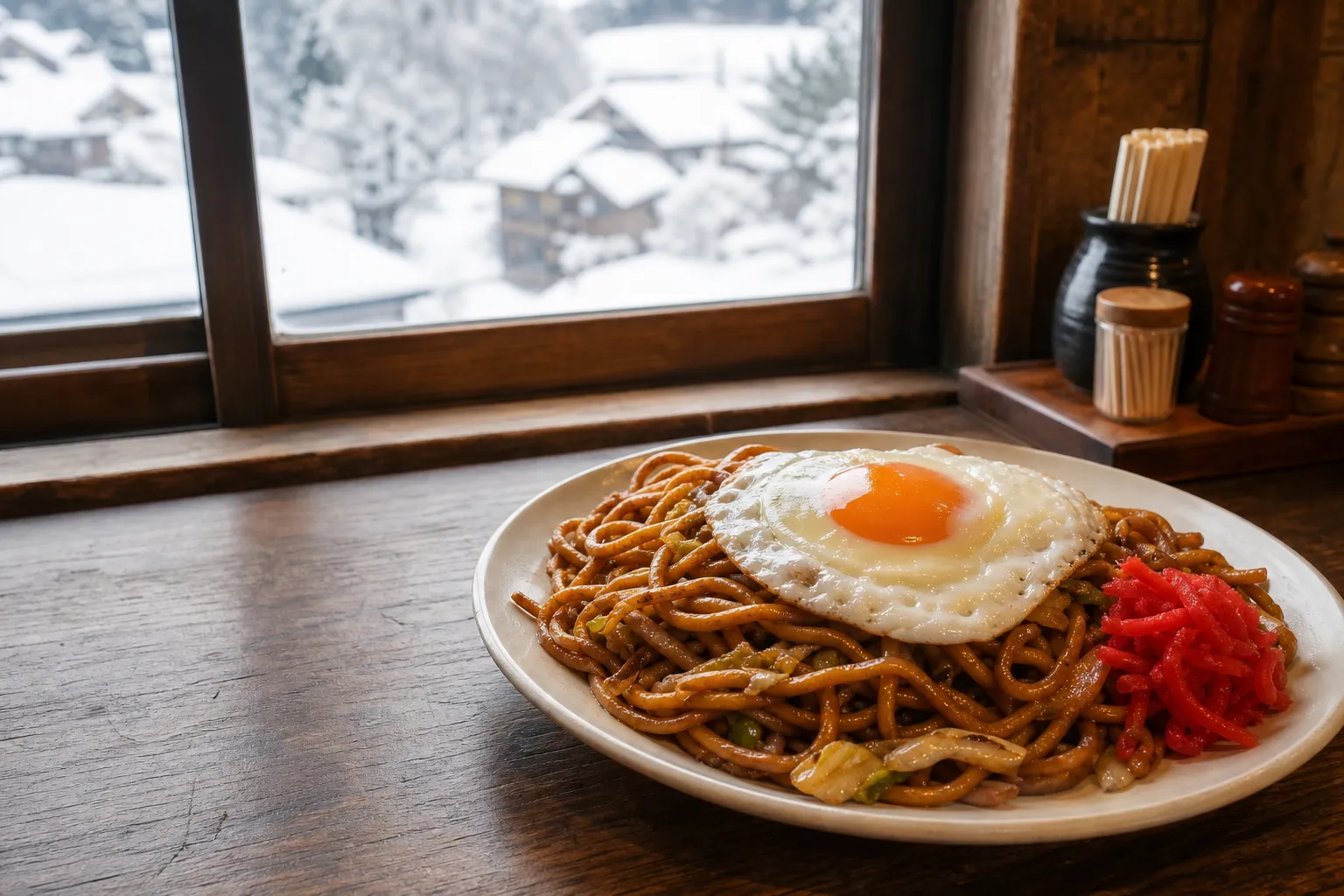
There is a fried egg sitting on top of my yakisoba and I have not touched it yet, because I am savoring the ten seconds before I break the yolk and ruin everything in the best possible way.
Share this dish


A fried egg cracked whole on top of a plate of yakisoba, a pile of red pickles on the side — and suddenly regular yakisoba looks unfinished. Akita's snow country did this one on purpose.
🍜 Planning a food trip to Akita?Add this dish to my Food Trip →
 Add this dish to my Food Trip →
Okay. Broken. Done. The yolk is running gold into the noodles, the sauce is turning glossy and rich around it, and I am eating faster than is dignified. Yokote yakisoba is a regional yakisoba from Yokote, a snow-country town in Akita Prefecture, and the fried egg on top isn't a garnish — it's load-bearing. Neither is the little heap of bright red fukujinzuke pickles parked on the side of the plate. Take either one away and locals will tell you, politely but firmly, that you are eating something else.
Built for the snow, one plate at a time
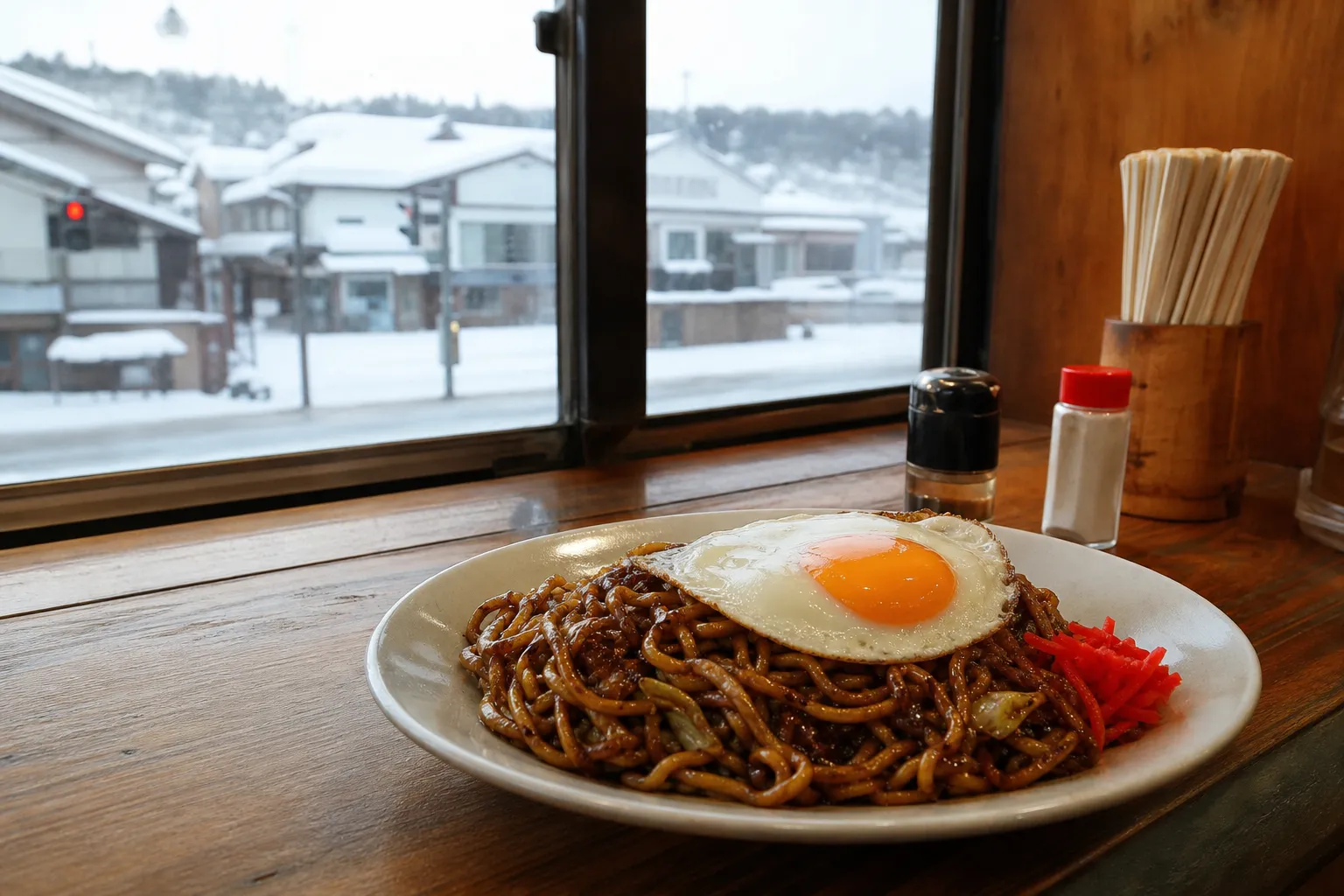
Yokote gets buried in snow for a good chunk of the year, and this dish grew up as an after-school, after-work, warm-you-through kind of food — cheap, filling, sold at tiny local shops rather than festival stalls. The story goes that a shop called Try-Ken (食堂・トライケン) started serving it in the late 1950s, aiming for something a kid could order with pocket change and a parent wouldn't feel bad about. The fried egg was reportedly a way to make a humble noodle dish feel like a real meal.
It worked well enough that Yokote built an entire civic identity around it. There's a yakisoba mascot. There's an annual festival. There's a "Yokote Yakisoba" preservation and promotion group that guards the recipe like it's a matter of municipal pride — which, at this point, it basically is. I find that kind of small-town devotion to a noodle dish genuinely moving. Somewhere in Akita, grown adults are in meetings about yakisoba standards, and I respect every one of them.
What actually makes it different
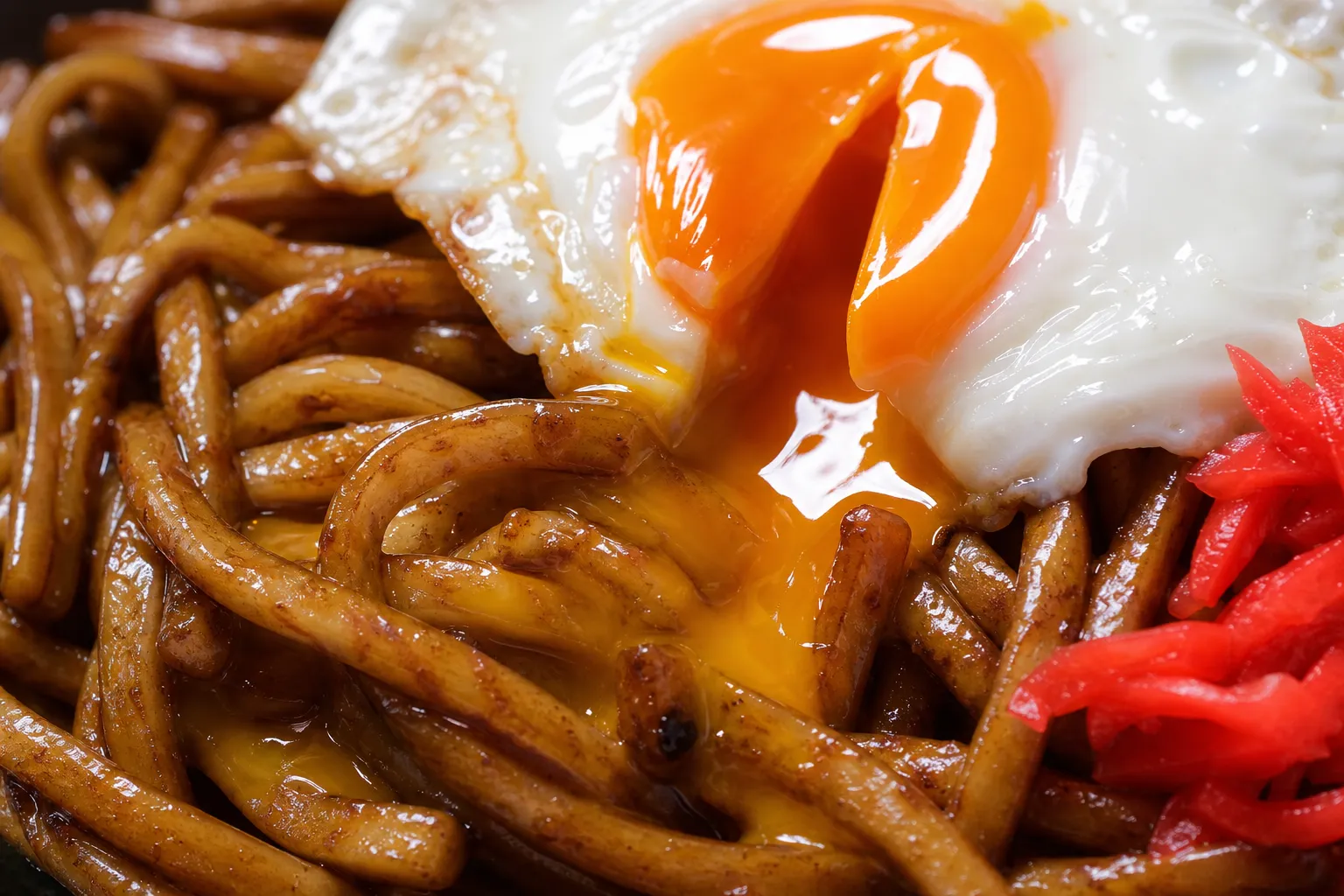
Regular yakisoba is thin, springy noodles tossed hard on a griddle. Yokote yakisoba uses thick, straight, steamed noodles that are deliberately a little softer — closer to the texture of a good udon than a crisp yakisoba. They're boiled rather than fully stir-fried crisp, which lets them soak up the sauce instead of just wearing it.
The sauce leans sweet-savory Worcestershire, milder and rounder than the sharper sauces used elsewhere. And then the two signature moves: a sunny-side-up fried egg, whole, right on top, and a small pile of fukujinzuke — sweet-soy pickled radish, cucumber, and eggplant, dyed a shocking red — on the side, meant to be eaten between bites as a palate-cleansing punctuation mark. Cut into that egg, let the yolk run into the warm, soft noodles, and you understand immediately why nobody in Yokote would dream of skipping it.
How it's made
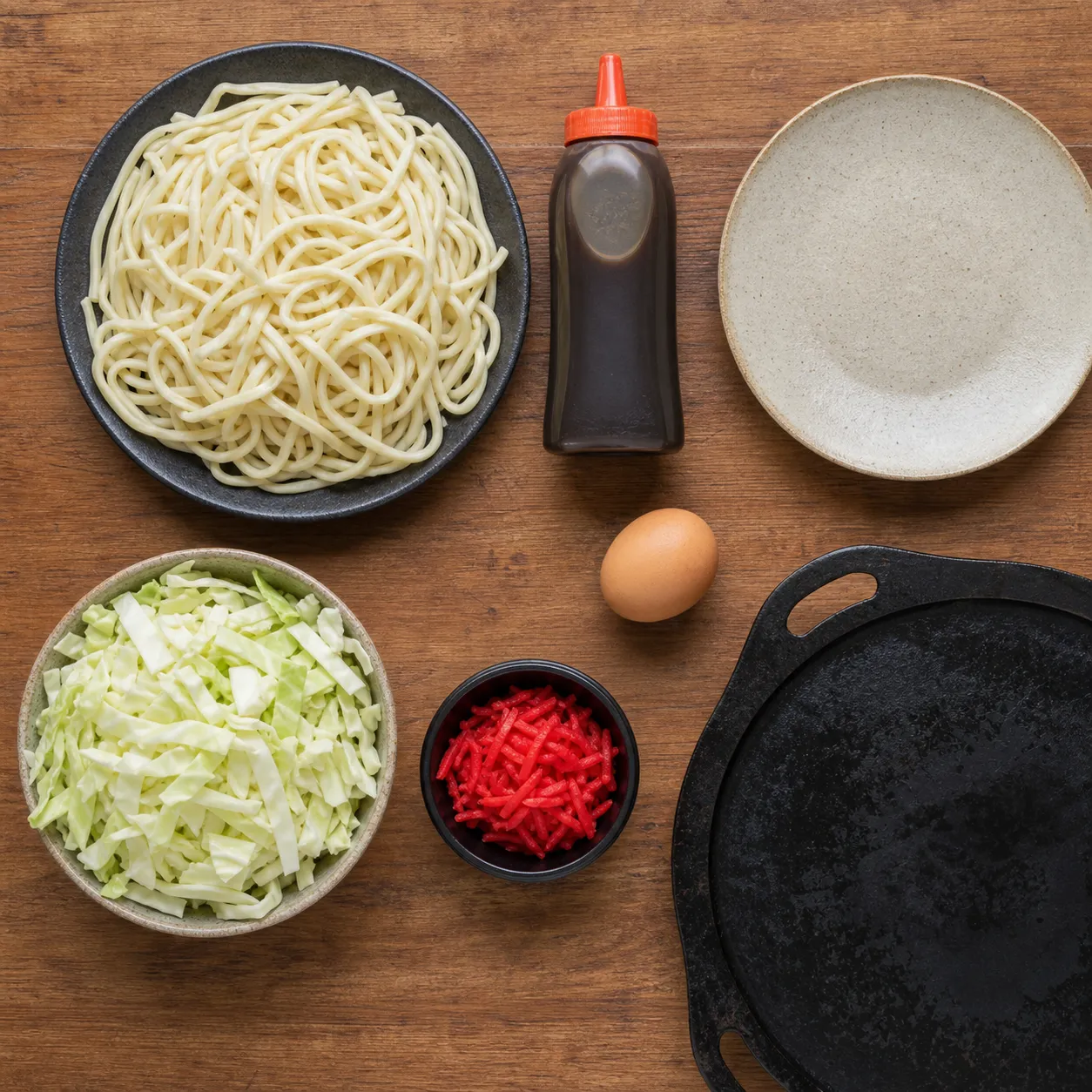
- Boil the thick, flat steamed noodles until tender but not mushy — softer than standard yakisoba noodles
- Stir-fry pork, cabbage, and onion on a hot griddle
- Add the noodles and the sweet Worcestershire-style sauce, tossing until everything is glossy and coated
- Plate it, then fry an egg sunny-side up separately and lay it whole on top
- Serve with a small pile of red fukujinzuke pickles on the side
Before you go — the stuff that actually matters
Your questions, answered honestly
"Do I break the egg right away or save it?" — Break it immediately. Let the yolk bleed into the noodles while everything's still hot — that's the whole point of the egg being there. Saving it for last just means eating cold yolk over cold noodles at the end. Don't do that to yourself.
"What do I do with the pickles?" — Eat them between bites of noodle, not as a side salad. They're sharp, sweet, and a little sour, and they reset your palate so the sauce doesn't get one-note by the last few bites. A genuinely smart pairing.
"Is this the same as regular yakisoba with an egg added?" — No — the noodles themselves are a different style: thicker and softer, made to hold sauce rather than stay crisp. The egg and pickles are the visible signature, but the noodle texture is the real difference.
"Is it sweet or savory?" — Leans sweet-savory, milder than a lot of regional yakisoba sauces. It's an easy, comforting first bite for anyone nervous about "weird regional food" — this one is closer to a hug than a dare.
"Can I get it outside Yokote?" — You'll occasionally see it at regional food fairs or convenience-store tie-ins elsewhere in Japan, but the real, soft-noodle, proper-fukujinzuke version lives in Yokote. That's the one worth the trip.
What the staff will ask you
| You'll hear | Romaji | Meaning | Just say |
|---|---|---|---|
| 卵は乗せますか? | Tamago wa nosemasu ka? | "Egg on top?" | Hai, onegaishimasu — always yes |
| 福神漬け、お付けしますか? | Fukujinzuke, otsuke shimasu ka? | "Fukujinzuke pickles on the side?" | Hai, onegaishimasu |
| 大盛りにしますか? | Ōmori ni shimasu ka? | "Large portion?" | Futsū de (regular) / Ōmori de (large) |
To order, just say "Yokote yakisoba kudasai" (横手やきそばください) — "Yokote yakisoba, please."
Where to eat it
- Yokote City, Akita — dozens of small local shops across the city serve their own version; look for a place with a queue of locals at lunchtime, that's usually the reliable sign.
- Yokote Yakisoba Festival (横手やきそば四天王祭) — an annual event where the city's top shops compete side by side; a great way to try several versions in one visit if your trip lines up with it.
- B-1 Grand Prix legacy shops — Yokote yakisoba is a repeat favorite at Japan's regional "B-grade gourmet" competitions, so shops that have placed well are a safe first stop.
Shop hours and festival dates change year to year, so check before you go — and if in doubt, just follow the smell of griddle sauce down any side street near the station.
Soul Score
Local Roots5/5
First-Timer Friendly4/5
Adventure Level3/5
Comfort Level5/5
Travel Worthy4/5
These scores are one obsessed eater's gut feeling — not a verdict. A low number isn't a bad mark, just a different kind of adventure.
Know someone planning Japan?
← All Articles
Local Food · Yokote, Akita
Still hungry?
Eat more from Akita
Local FoodAkita
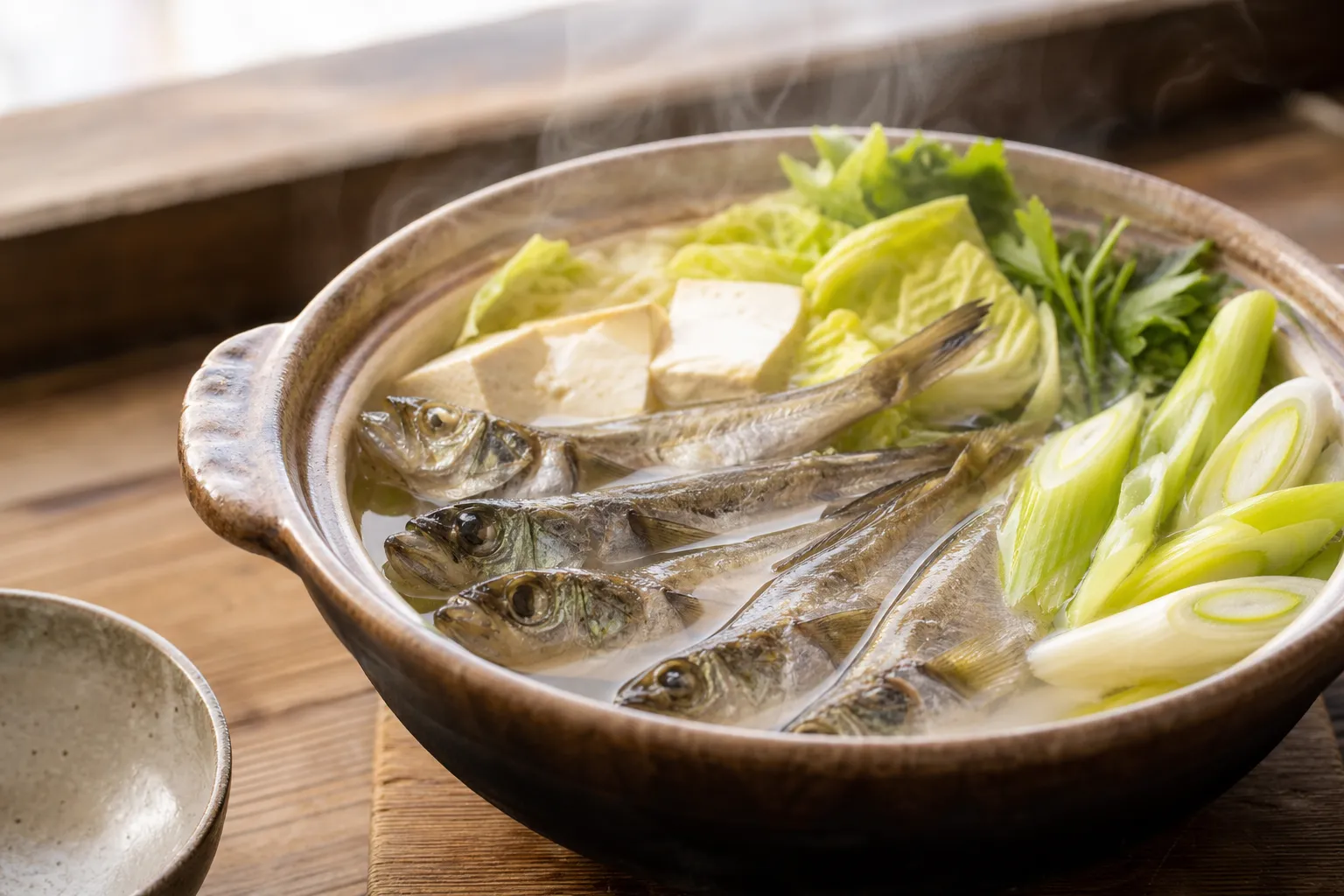
Shottsuru-nabe (しょっつる鍋)
Winter in Akita means a clear pot bubbling with whole silvery fish and one funky, ancient fish sauce doing all the heavy lifting — and it lifts.
July 5, 2026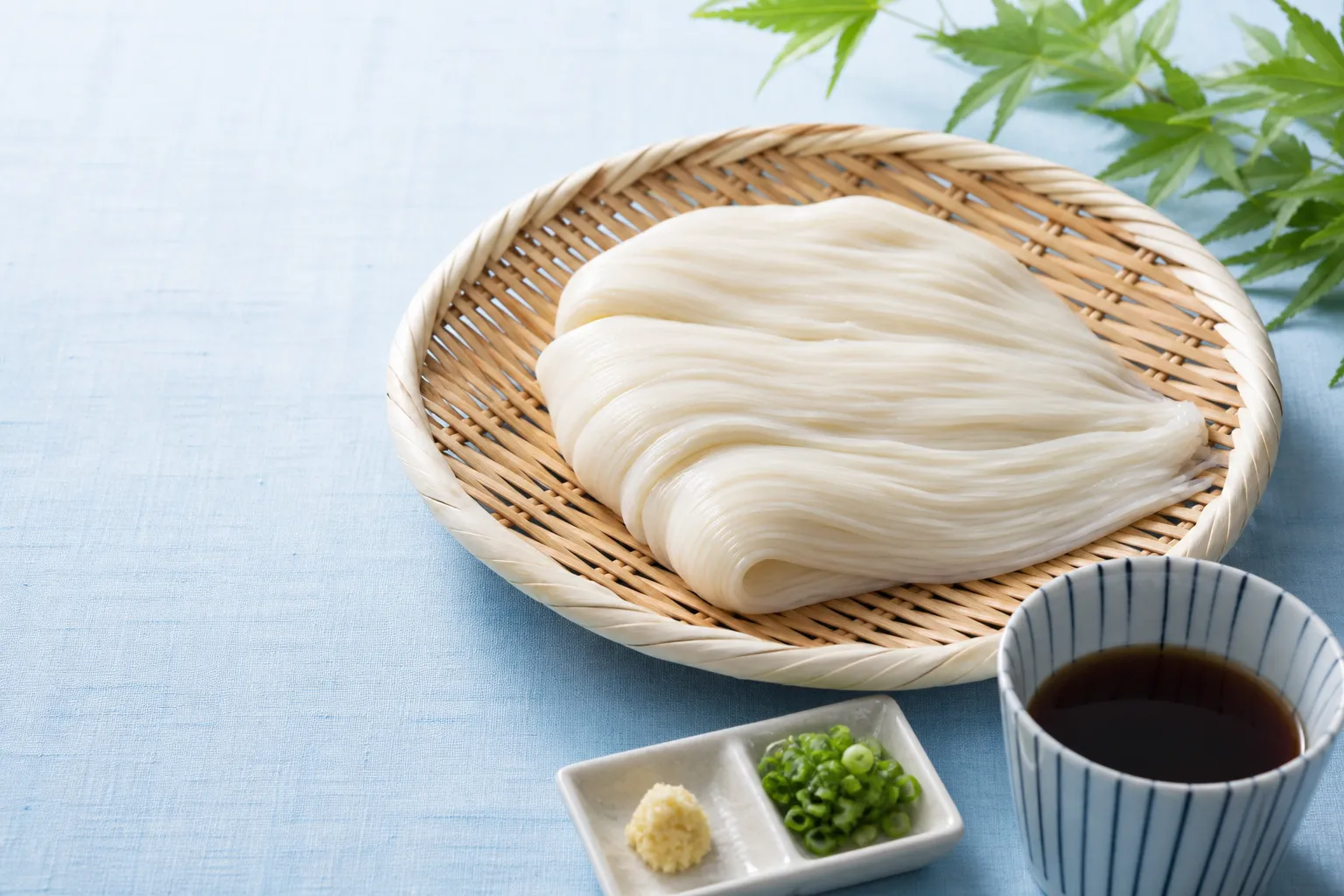
Local FoodYuzawa, Akita
Inaniwa Udon (稲庭うどん)
Udon so thin and silky it slips down before you've decided to chew. Three hundred years of hand-pulling, served cold with a dark dipping sauce. The most elegant noodle in Japan.
June 27, 2026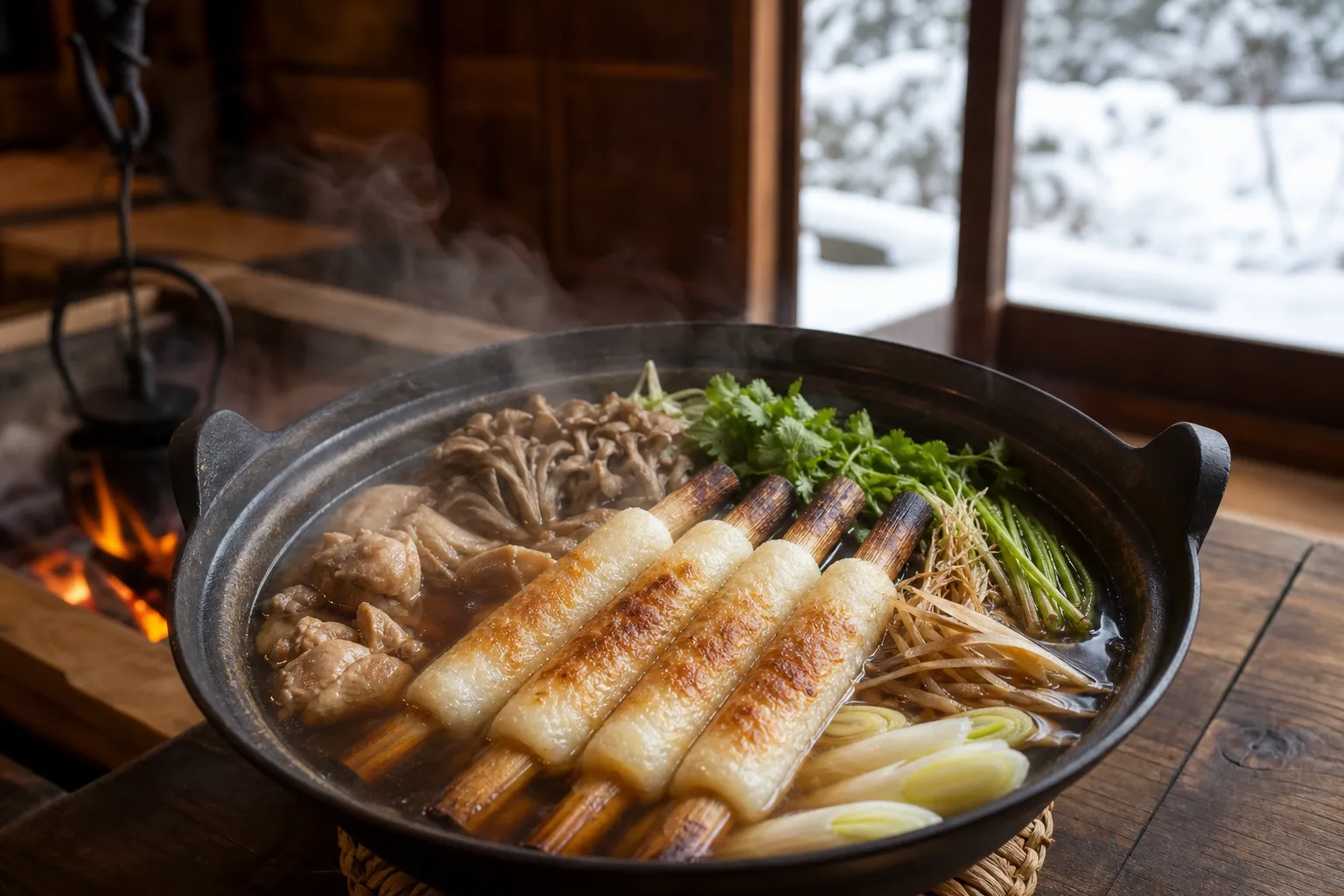
Local FoodAkita, Akita
Kiritanpo (きりたんぽ)
Pounded rice toasted onto cedar sticks, then dropped into a clear chicken hot pot until it drinks the broth. Akita in a bowl, and it tastes like coming in from the snow.
June 27, 2026