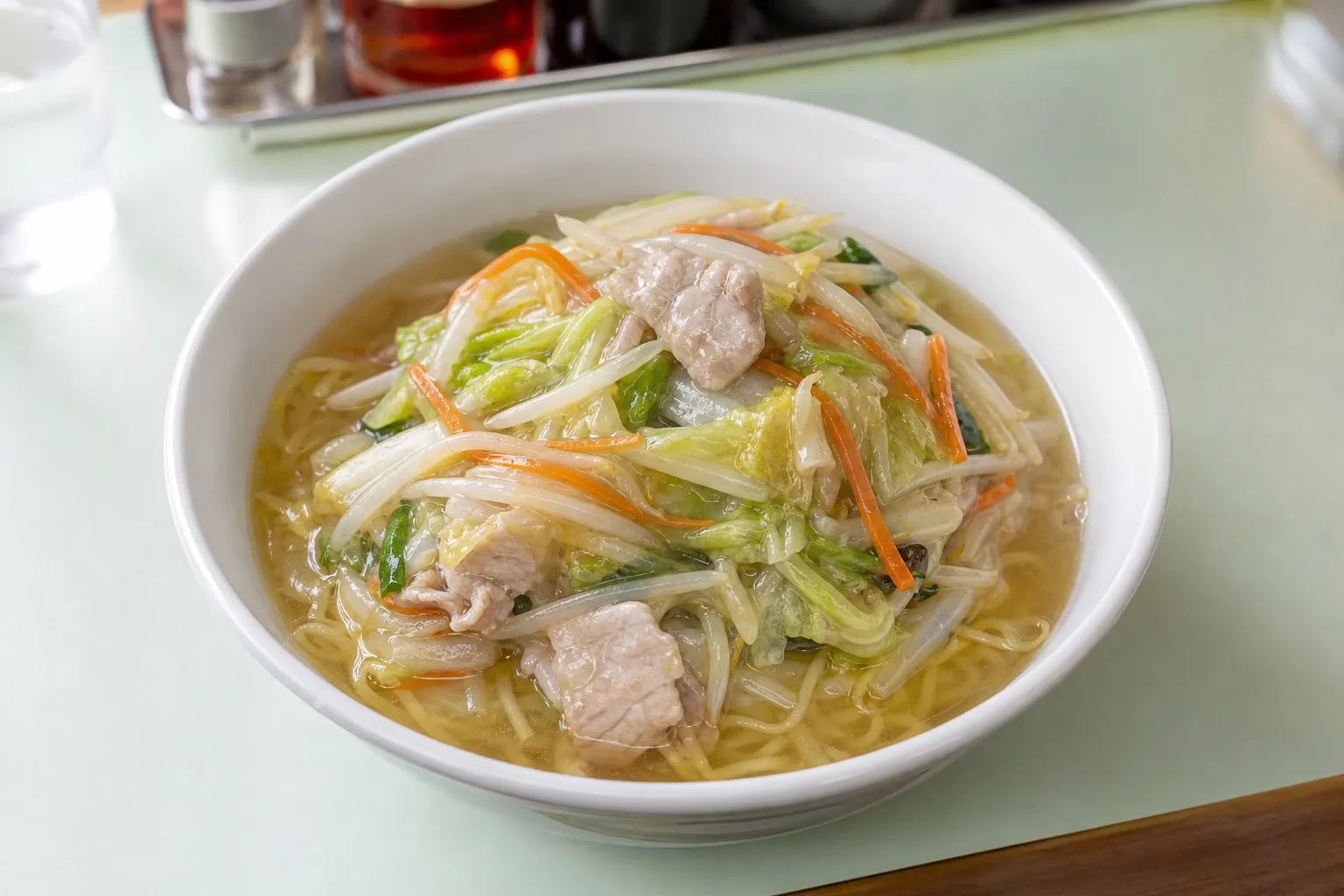
Every single person who hears the name asks the same question, and I am going to save you the trouble right now: there is no fish in this. None. Not a fin, not a bone, not a hint. I asked too, the first time, hovering my spoon over the bowl like it might bite back.
Share this dish


No, it's not the fish. Yes, everyone asks. And once you get past that, this is the noodle bowl I quietly crave more than the famous ones.
Would you try this dish?
Rate how much you would like to try it.
🍜 Build your Kanagawa food trip around Yokohama Sanma-men.Add to Food Planner →
 Add to Food Planner →
And then I actually ate it, and the fish question stopped mattering, because what showed up was a mountain of glossy stir-fried cabbage and bean sprouts and thin pork, sitting on top of noodles in a broth so clean and light it practically apologizes for being there. It's the kind of bowl that doesn't show off, and I trust it more for that.
Sanma-men — a Yokohama specialty, born in the city's Chinatown-adjacent Chinese-Japanese diners — is ramen noodles in a light broth, topped with a generous pile of stir-fried vegetables and thin pork bound together in a glossy, lightly thickened sauce. The name comes from Cantonese, not from the fish sanma — a linguistic coincidence that has confused travelers and more than a few locals for decades.
A very Yokohama kind of confusion
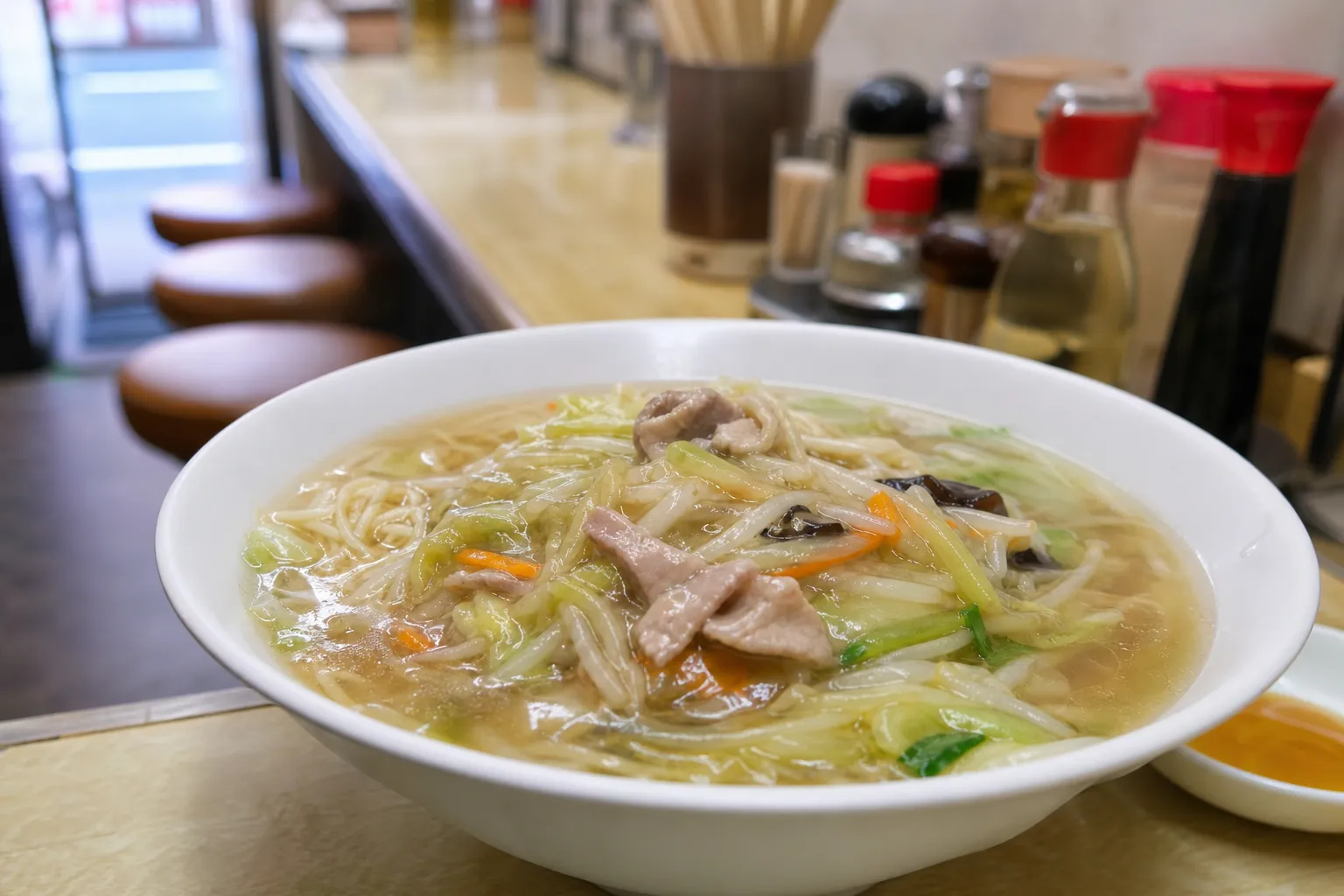
Yokohama has had one of Japan's biggest Chinatowns since the port opened to foreign trade in the 1800s, and out of that came a whole category of Japanese-adapted Chinese cooking served at neighborhood diners known as machi-chuka. Sanma-men is one of that world's quiet local legends — the story goes that it started as a way to use up leftover stir-fried vegetables from another dish by ladling them over noodles in broth, keeping nothing going to waste.
The name itself is the fun part. It's usually written with characters that read roughly as "raw horse noodle" in Japanese, which makes no sense at all until you learn the real origin is Cantonese — a term related to fresh, freshly-stir-fried ingredients, nothing to do with either horses or the sanma fish that shares the pronunciation in Japanese. I find this kind of linguistic accident deeply satisfying. A whole regional dish, quietly misunderstood by its own city for generations, and still nobody's bothered to rename it.
Why it's the ramen I actually crave
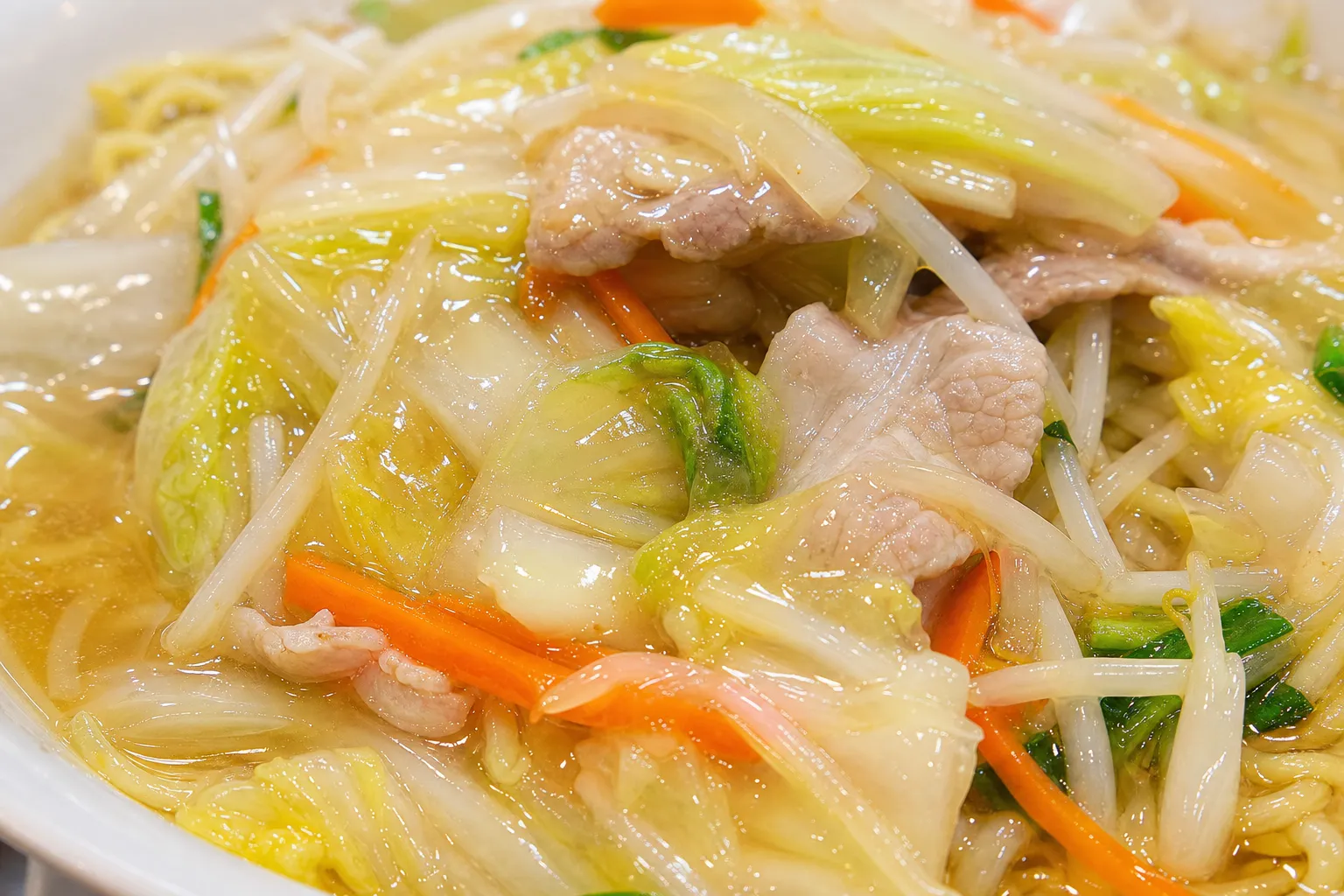
Here's the thing sanma-men has that a lot of showier ramen doesn't: restraint. The broth is thin and clear, not a punch of tonkotsu fat or a wall of miso. The vegetables on top — napa cabbage, bean sprouts, carrot, sometimes wood ear mushroom — are stir-fried just enough to soften without going limp, then bound in a light, glossy, faintly savory sauce that slowly melts down into the broth as you eat. By the middle of the bowl, broth and sauce have merged into something rounder and richer than either started as.
It's the bowl I'd order on a day I don't want a statement, just something warm, vegetable-forward, and quietly good. I've had louder ramen. I think about this one more.
How it comes together
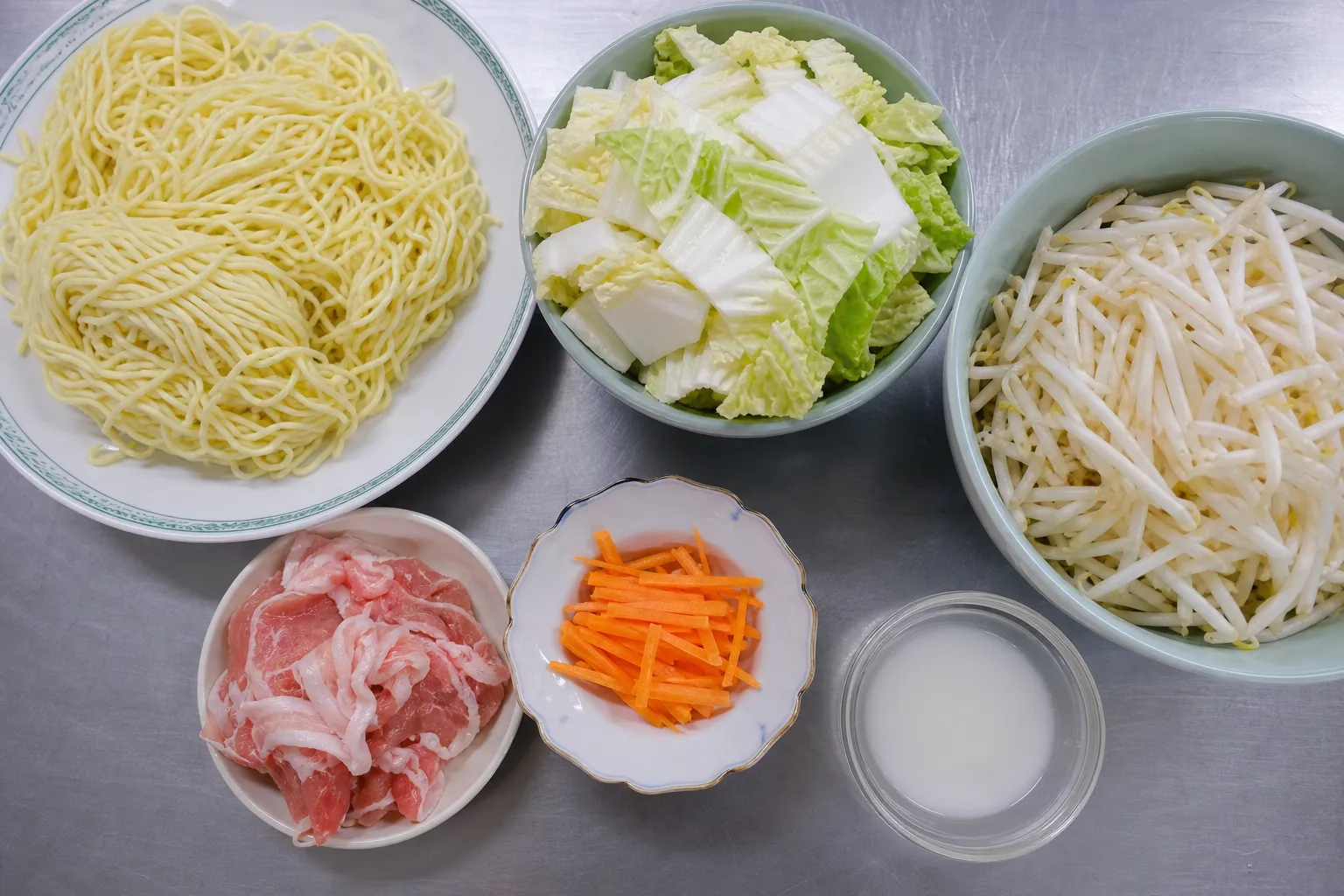
- Cook ramen noodles and set them in a bowl of light, clear soup stock
- Stir-fry thinly sliced pork with napa cabbage, bean sprouts, carrot, and sometimes wood ear mushroom
- Add a light starch-thickened sauce (a thin ankake-style slurry) to bind the stir-fry into a glossy topping
- Pile the whole stir-fry, still glossy and hot, directly on top of the noodles and broth
- Serve immediately, before the topping fully sinks into the soup
That last step is the whole trick — you're meant to catch it right as the sauce and broth start to meet, not after they've fully combined. Order it the moment it's ready, not five minutes into a conversation.
Before you go — the stuff that actually matters
Your questions, answered honestly
"Wait, is there really no fish in this?" — Correct, zero fish. The name is a coincidence with the sanma fish's pronunciation. Order with total confidence.
"Is this the same as champon?" — No. Champon (a Nagasaki dish) has its own cloudy, milky broth and leans heavily on seafood. Sanma-men's broth is clear and light, and it's built around stir-fried vegetables and pork, not shellfish and squid.
"Is it the same as ankake yakisoba?" — Also no — ankake yakisoba is fried noodles with no broth underneath. Sanma-men always has soup at the bottom of the bowl.
"Is it spicy?" — Not at all. It's on the gentle, comforting end of the ramen spectrum.
"Do I mix it or eat around the topping?" — Mix it in as you go. Letting broth and sauce combine bite by bite is most of the fun.
What the staff will ask you
| You'll hear | Romaji | Meaning | Just say |
|---|---|---|---|
| 麺の量は普通でいいですか? | Men no ryō wa futsū de ii desu ka? | "Regular noodle portion okay?" | Hai, daijōbu desu (yes, that's fine) |
| お飲み物は? | Onomimono wa? | "Anything to drink?" | Mizu de daijōbu desu (water is fine) |
| 大盛りにしますか? | Ōmori ni shimasu ka? | "Want a large portion?" | Hai (yes) / Futsū de (regular, please) |
| 辛くしますか? | Karaku shimasu ka? | "Want it spicy?" | Iie, futsū de (no, regular is fine) |
| お会計はレジで | Okaikei wa reji de | "Please pay at the register" | (just nod and head to the register) |
To order, just say "Sanmā-men kudasai" (サンマー麺ください) — "Sanma-men, please."
Where to eat it
- Neighborhood machi-chuka diners across Yokohama — sanma-men is a home-turf staple at countless small Chinese-Japanese diners throughout the city, not tied to one famous shop; look for it on laminated menus at unassuming local spots, especially outside the main Chinatown tourist strip.
- Yokohama Chinatown's smaller, local-facing restaurants (rather than the large banquet-style ones) sometimes carry it too, though it's more of an everyday neighborhood-diner dish than a Chinatown showpiece.
Menus and availability vary shop to shop and change over time, so double-check before you go — and don't be afraid to ask a small local diner if they make it; sanma-men is common enough that many will.
Soul Score
Local Roots4/5
First-Timer Friendly4/5
Adventure Level3/5
Comfort Level5/5
Travel Worthy3/5
These scores are one obsessed eater's gut feeling — not a verdict. A low number isn't a bad mark, just a different kind of adventure.
Know someone planning Japan?
← All Articles
Local Food · Yokohama, Kanagawa
Still hungry?
Eat more from Kanagawa
Local FoodYokohama, Kanagawa
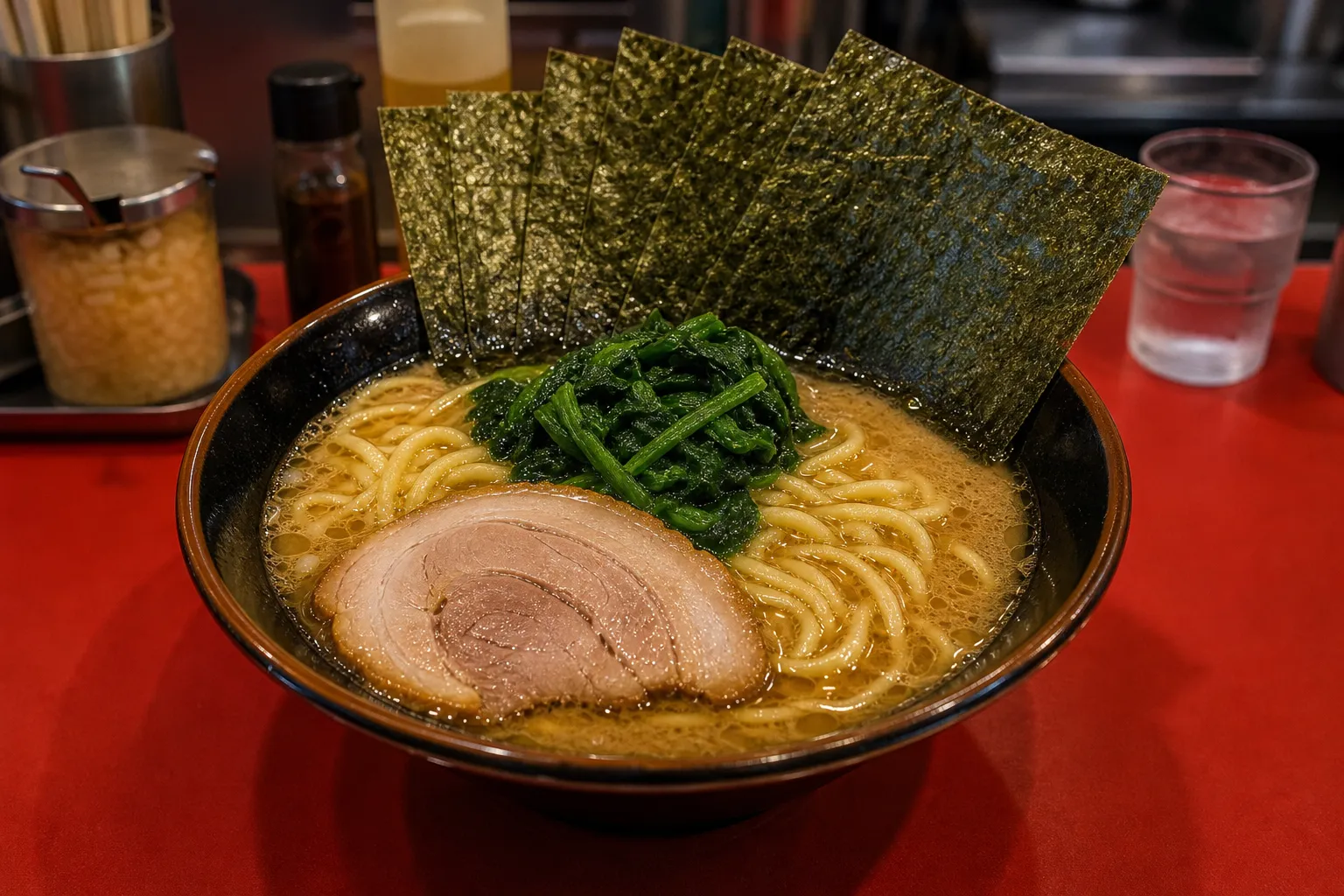
Iekei Ramen (家系ラーメン)
Thick noodles in a pork-and-soy powerhouse, crowned with spinach and giant sheets of nori — and a bowl of white rice standing by as its secret weapon. Yokohama's build-it-your-way monster.
July 9, 2026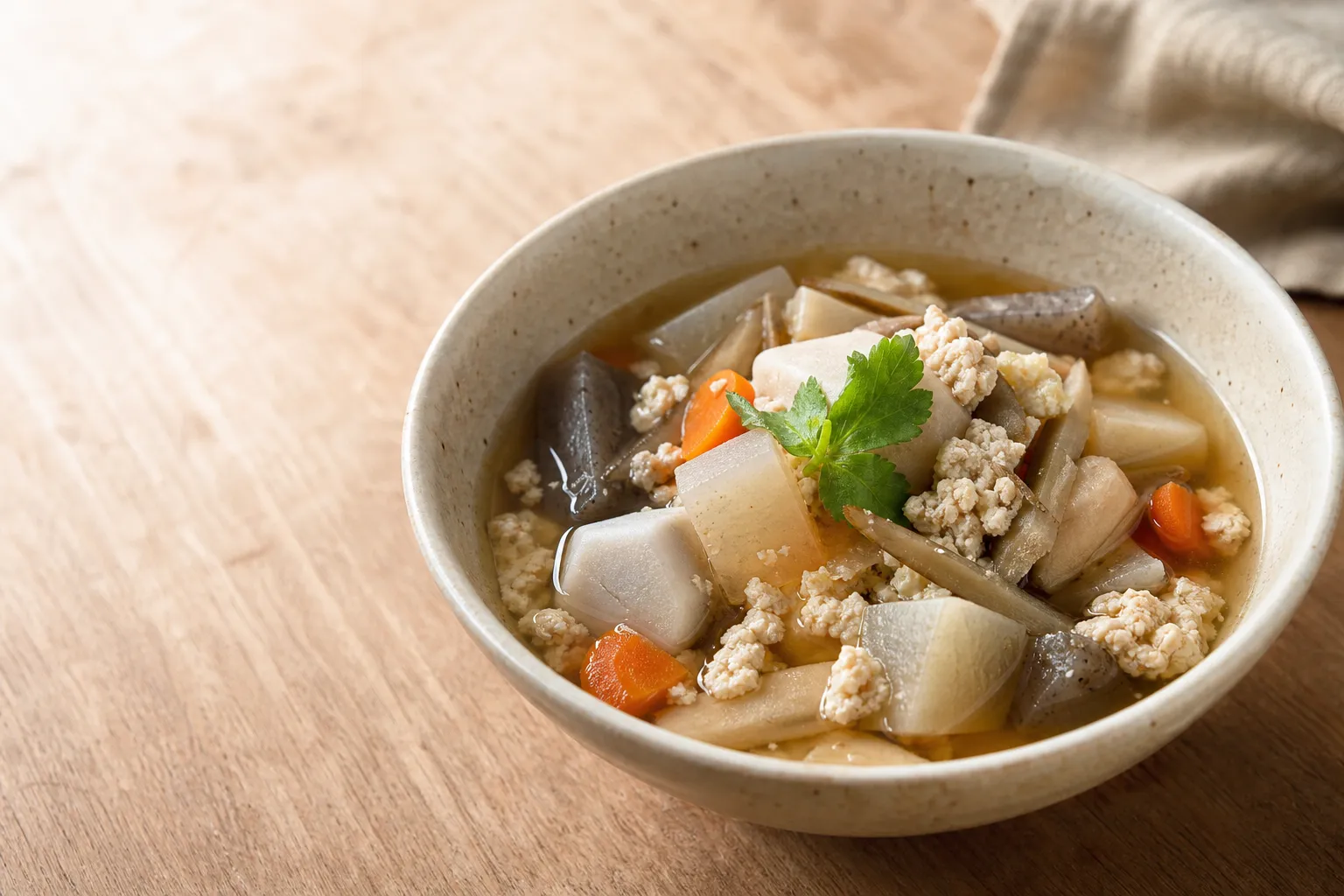
Local FoodKamakura, Kanagawa
Kenchin-jiru (けんちん汁)
A monk broke a block of tofu apart with his bare hands instead of throwing it away, sautéed it with root vegetables, and accidentally invented one of Japan's most comforting soups.
July 5, 2026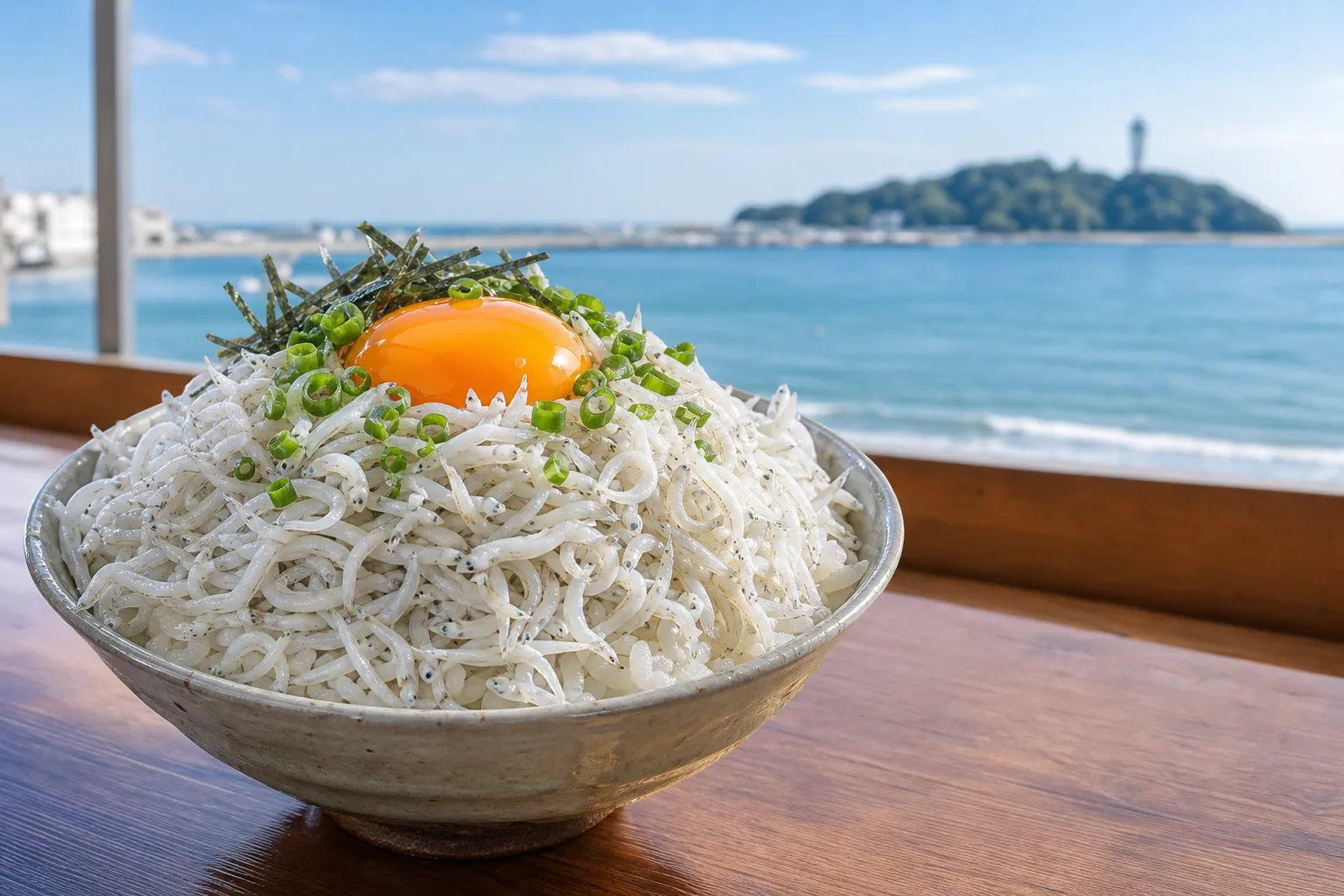
Local FoodEnoshima / Shonan, Kanagawa
Shirasu Don (しらす丼)
A mountain of tiny, glistening baby fish piled so high it eclipses the rice underneath — and somehow that's the appeal.
July 4, 2026