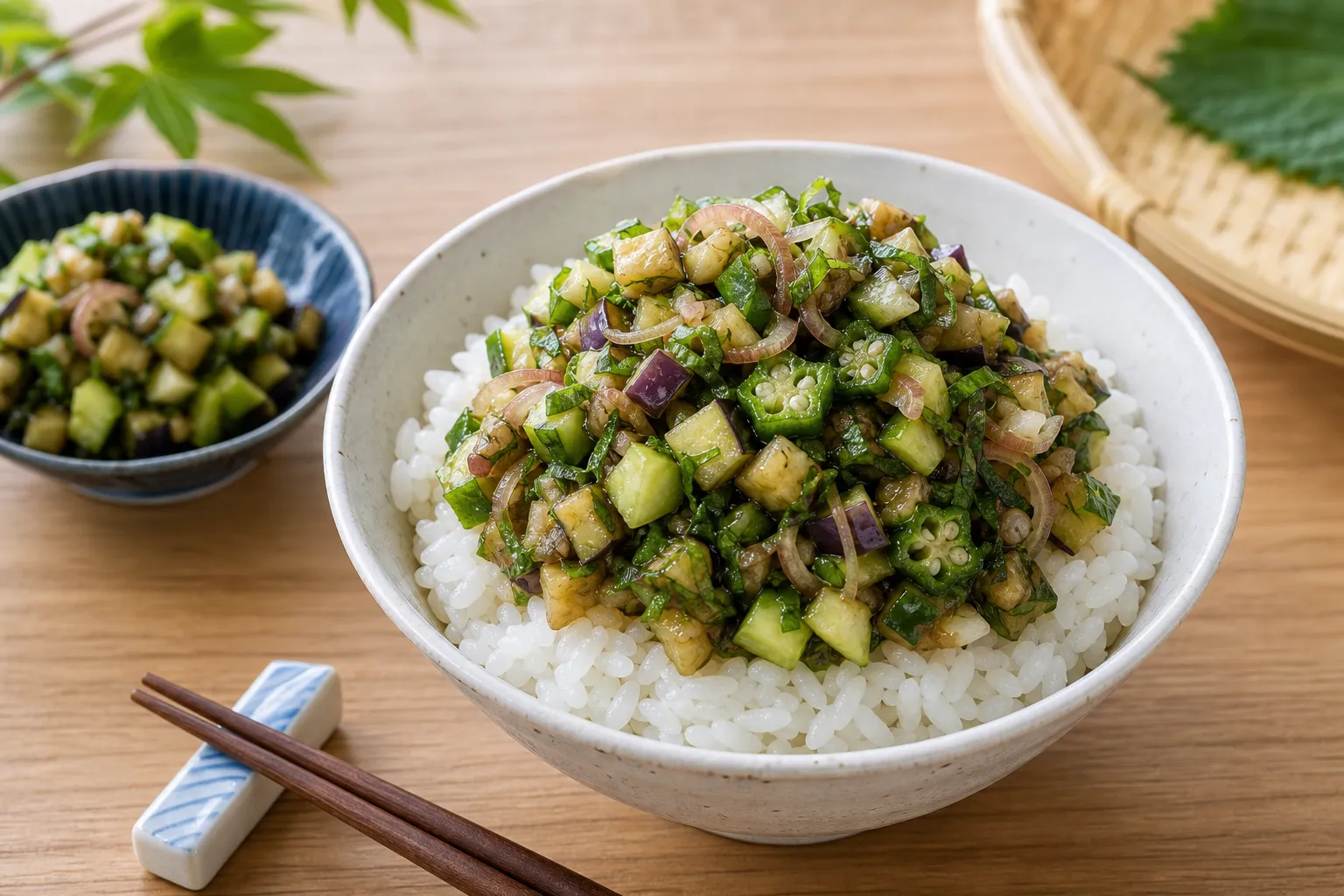
It's the kind of summer day where the air is soup and you don't want to eat, don't want to move, don't want anything — and then someone slides over a bowl of hot rice with a cold, glistening heap of chopped green things on top. Cucumber, eggplant, something herby, all sticky and salty and cold against the warm rice. You take one bite to be polite. Then you take the whole bowl. Then you ask, quietly, if there's more. There is always more, and thank god, because I once ate three bowls of rice on the strength of this stuff alone and I'd do it again tomorrow.
Share this dish


A cold, glistening pile of chopped summer vegetables — sticky, herby, salty — landing on hot white rice on a day too hot to want to eat anything. Somehow you clear three bowls.
🍜 Planning a food trip to Yamagata?Add this dish to my Food Trip →
 Add this dish to my Food Trip →
Here's what it is: Yamagata dashi (山形のだし) is a cold relish of finely chopped summer vegetables and herbs — cucumber, eggplant, myoga ginger buds, shiso, okra, sometimes a little kombu — all diced small and dressed in soy sauce. The okra and kombu make it faintly sticky and slithery, so it clings to whatever you spoon it over: hot rice, chilled tofu, cold noodles. One warning that trips everyone up: despite the name, this is not dashi broth or soup stock, and it's not pickles. It's a chunky, fresh, savory topping — think of it as summer, chopped up and made spoonable.
Born from a Yamagata summer
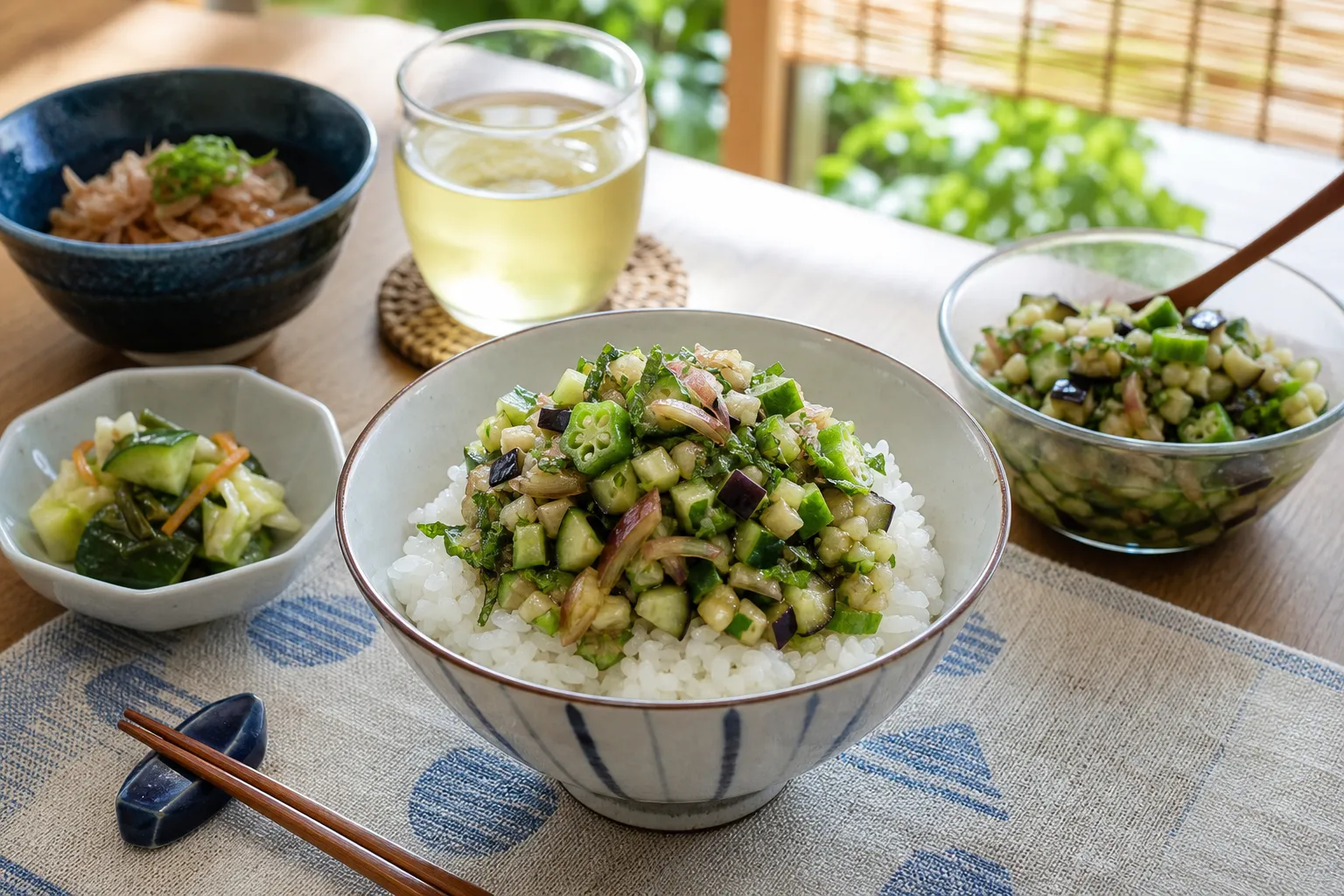
Yamagata summers are brutally hot — this is one of the hottest corners of northern Japan, tucked in its basins where the heat just sits — and dashi is the local answer to eating when it's too hot to eat. It's farmhouse food, born from a glut of summer vegetables and the very practical need to make plain rice go down easy when you have no appetite. Chop everything small, season it with soy, let the okra and kombu bind it, and suddenly a listless summer meal has a reason to exist.
I find something genuinely moving about that logic. This isn't a chef's invention; it's generations of Yamagata households figuring out how to feed themselves through a suffocating August, and landing on something so good it outgrew the region entirely. You'll find dashi in supermarket chiller cabinets nationwide now, in neat little tubs — but eaten in Yamagata, made that morning, cold from the fridge on rice grown down the road, it tastes like the whole point of summer.
What makes the eating experience different
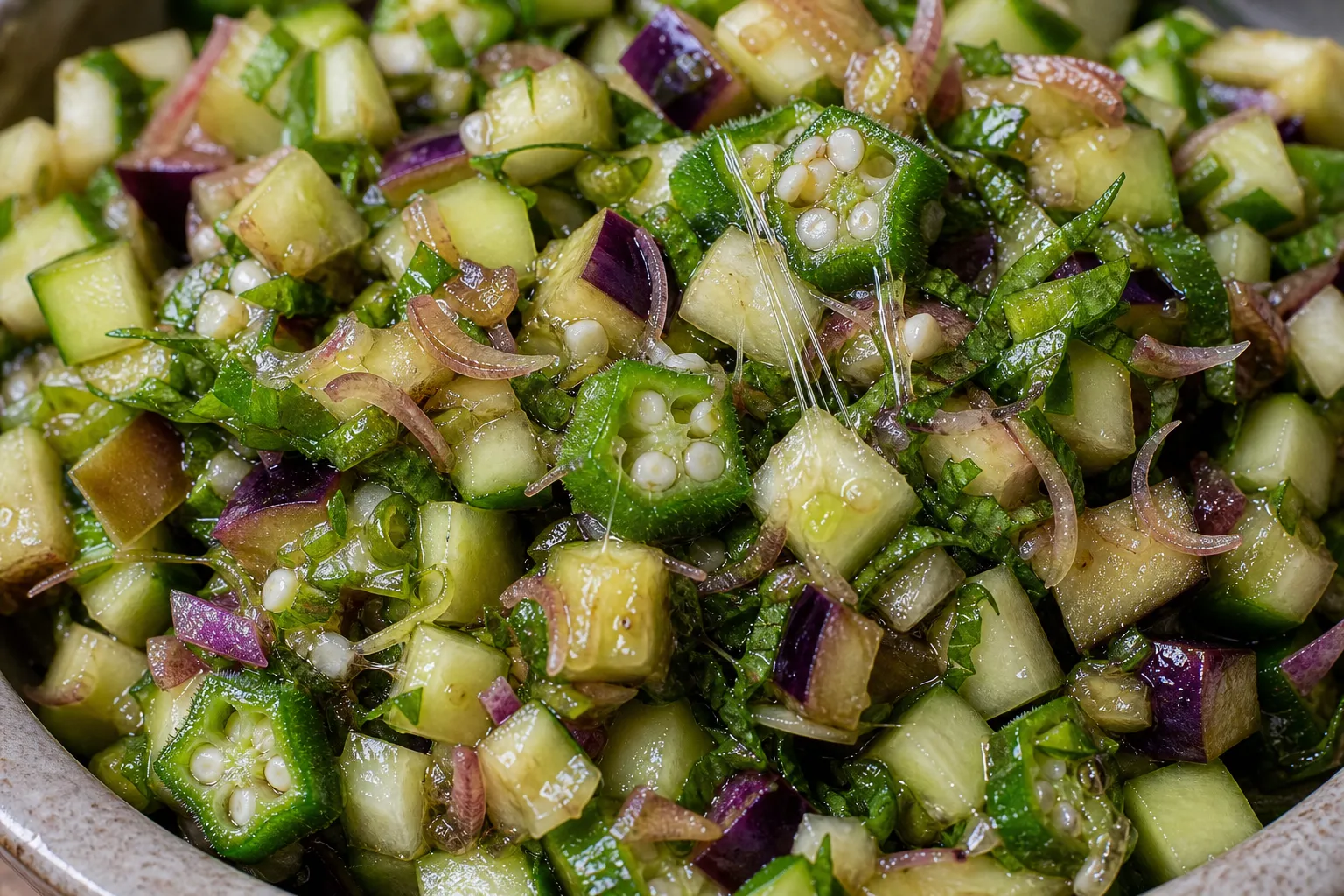
- It's cold on hot — chilled relish over steaming rice, and that temperature clash is half the pleasure
- The stickiness from okra and kombu makes it cling and slither, so every grain of rice comes up coated
- It's herb-forward — myoga and shiso give it a fragrant, almost minty lift you don't expect from something so savory
- The texture is all tiny crunch — finely diced cucumber and eggplant keep it fresh and lively, never mushy
- It turns appetite off into appetite on — this is genuinely food that makes you want to eat when nothing else does
How it's made
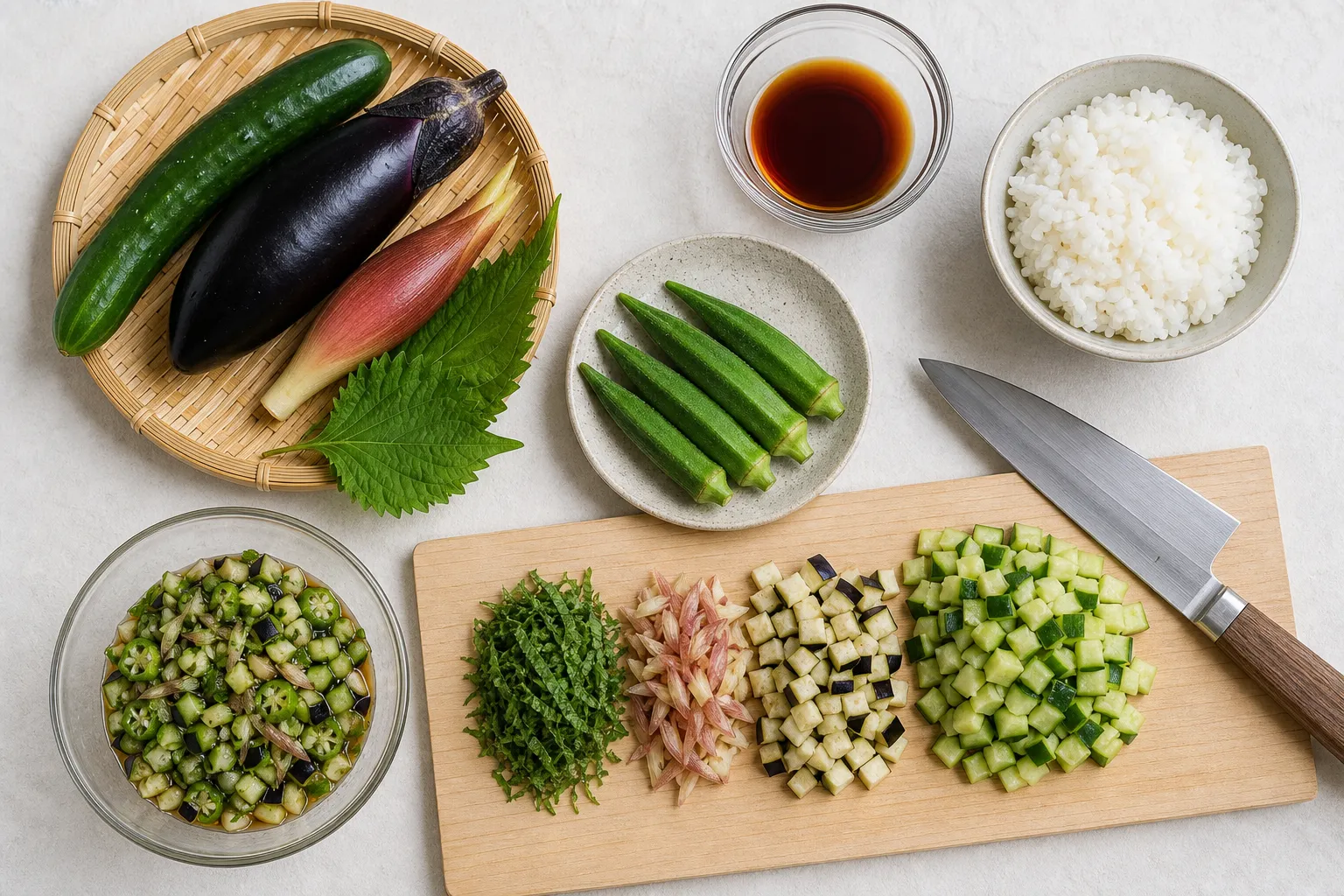
- Chop everything small. Cucumber, eggplant, myoga, shiso and okra are all finely diced — the small, even cut is what makes it spoonable and cohesive.
- Purge and soften. Eggplant is often soaked briefly to tame any bite, and the vegetables are lightly salted so they weep and firm up.
- Add the sticky elements. Okra and shredded or soaked kombu go in — these release the gentle slither that binds the whole thing together.
- Dress it. Everything is tossed in soy sauce (sometimes a splash of mirin or dashi seasoning), then left to sit so the flavors marry.
- Chill and serve. It rests cold in the fridge, then gets spooned generously over hot rice, chilled tofu, or cold noodles.
The whole craft is in the knife work and the balance — small even dice, enough okra and kombu to make it cling, and just enough soy to season without drowning the herbs.
Before you go — chase it in a Yamagata summer
Your questions, answered honestly
"Wait, isn't dashi the soup stock?" — Same word, totally different thing. Soup dashi is a liquid stock made from kombu and bonito. Yamagata dashi is a solid chopped-vegetable relish you spoon onto food. Locals just call it dashi and everyone knows which one they mean by context. Now you do too.
"Is it pickles?" — No. Pickles are preserved and sour; dashi is fresh, made to eat within a day or two, and it's dressed rather than fermented. It's closer to a cold salsa or relish than to tsukemono.
"What do I put it on?" — Hot white rice is the classic and, honestly, the best. But it's fantastic on chilled tofu (cold silken tofu with a heap of dashi is a perfect summer dish), over cold sōmen or soba, or even on grilled fish. Spoon it on generously — this is not a garnish.
"Will I like it if I'm not into slimy textures?" — The stickiness is gentle, more of a cling than a full slime, and the fresh crunch dominates. If you're squeamish about okra or nattō, know that this is much milder than either.
What the staff will ask you
| You'll hear | Romaji | Meaning | Just say |
|---|---|---|---|
| ご飯にかけますか? | Gohan ni kakemasu ka? | "Shall I put it over rice?" | Onegaishimasu (yes, please) |
| お豆腐にもかけられますよ | O-tōfu ni mo kakeraremasu yo | "You can put it on tofu too" | Ja, tōfu de (tofu, then) |
| 何グラムにしますか? | Nan-guramu ni shimasu ka? | "How many grams?" (at a deli counter) | Kore kurai de (about this much) |
To order, just say "Dashi o kudasai" (だしをください) — "Dashi, please."
Where to eat it
- Supermarkets and produce stands across Yamagata — the chilled deli sections and roadside farm stands sell fresh tubs made that morning; this is the everyday way locals get it.
- Yamagata set-meal (teishoku) and soba restaurants — many offer dashi as a topping for rice or cold noodles as a summer standard; ask if it's available.
- Michi-no-eki roadside stations in Yamagata — great for locally made versions and small producers' takes on the recipe.
Dashi is at its best in summer, when the vegetables are in season and made fresh — recipes and exact ingredients vary by household and shop, so try a few and find your favorite blend.
Soul Score
Local Roots5/5
First-Timer Friendly4/5
Adventure Level3/5
Comfort Level5/5
Travel Worthy3/5
These scores are one obsessed eater's gut feeling — not a verdict. A low number isn't a bad mark, just a different kind of adventure.
Know someone planning Japan?
← All Articles
Local Food · Yamagata
Still hungry?
Eat more from Yamagata
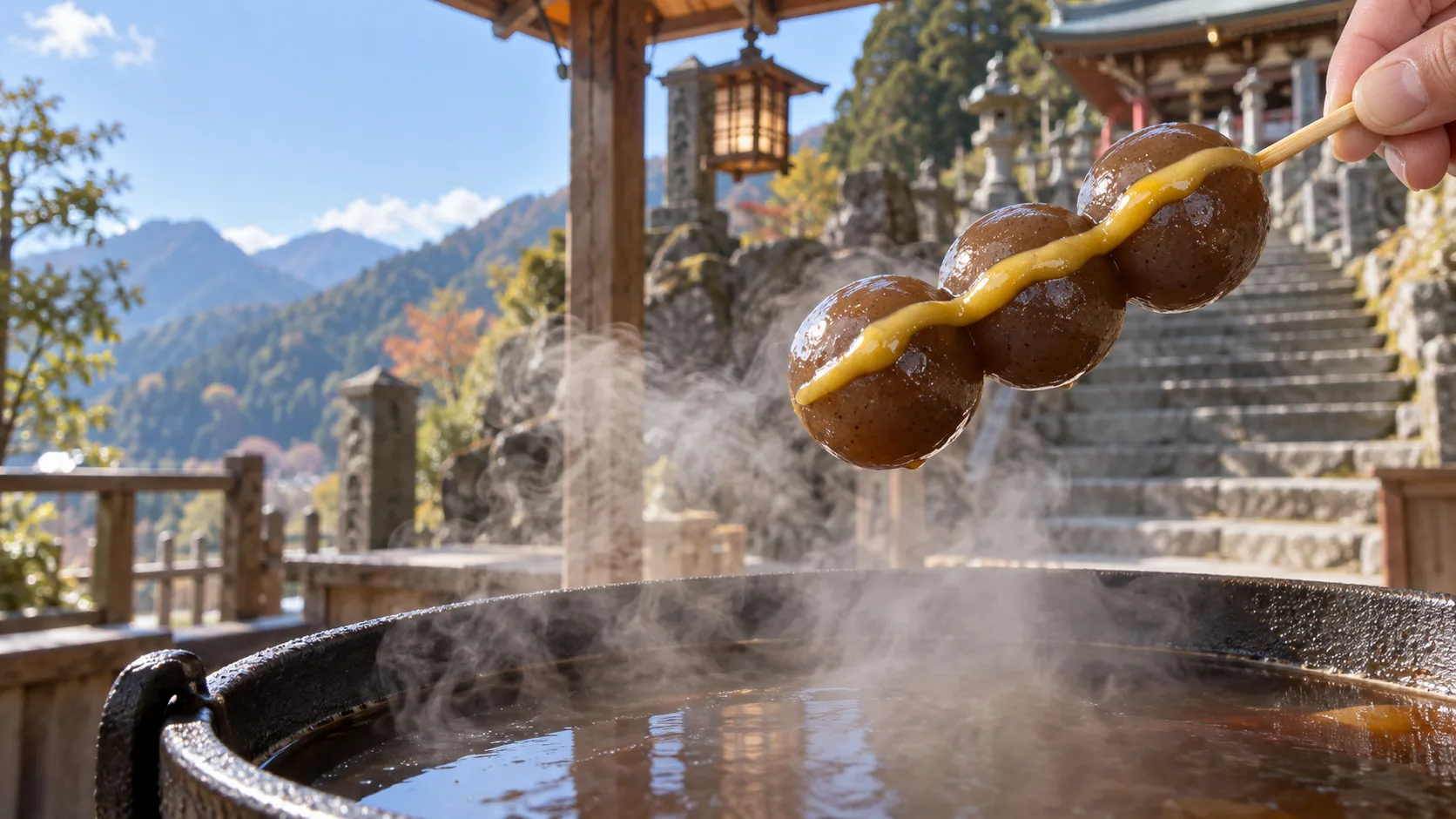
Local FoodYamagata
Tama Konnyaku (玉こんにゃく)
In Yamagata, tama konnyaku is a simple local snack that comes into its own when served hot from the skewer.
September 26, 2026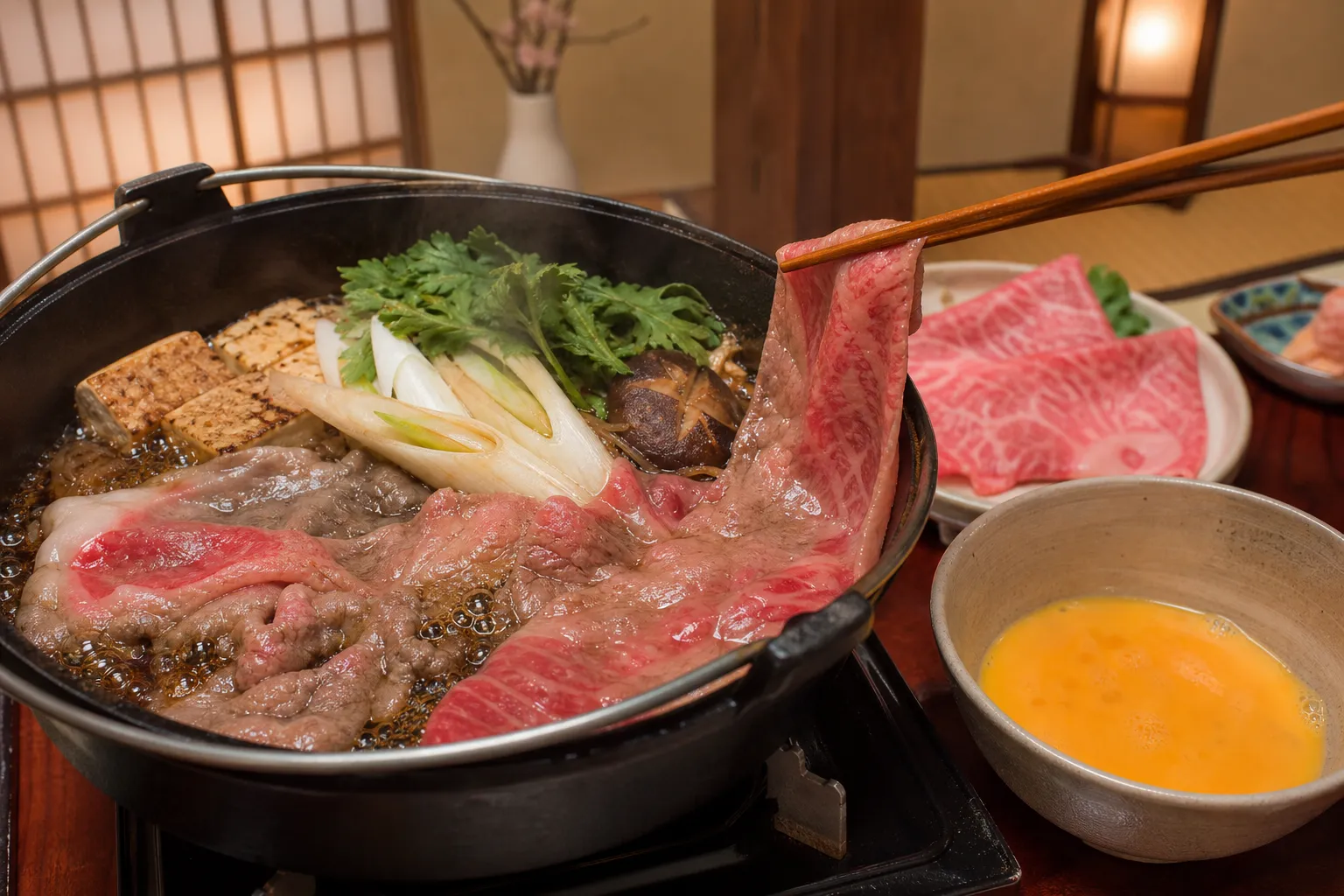
Local FoodYamagata
Yonezawa Beef (米沢牛)
A paper-thin slice of marbled beef goes into the sukiyaki pot pink and comes out translucent, and somewhere between the pot and the raw egg dip I stopped talking mid-sentence.
July 22, 2026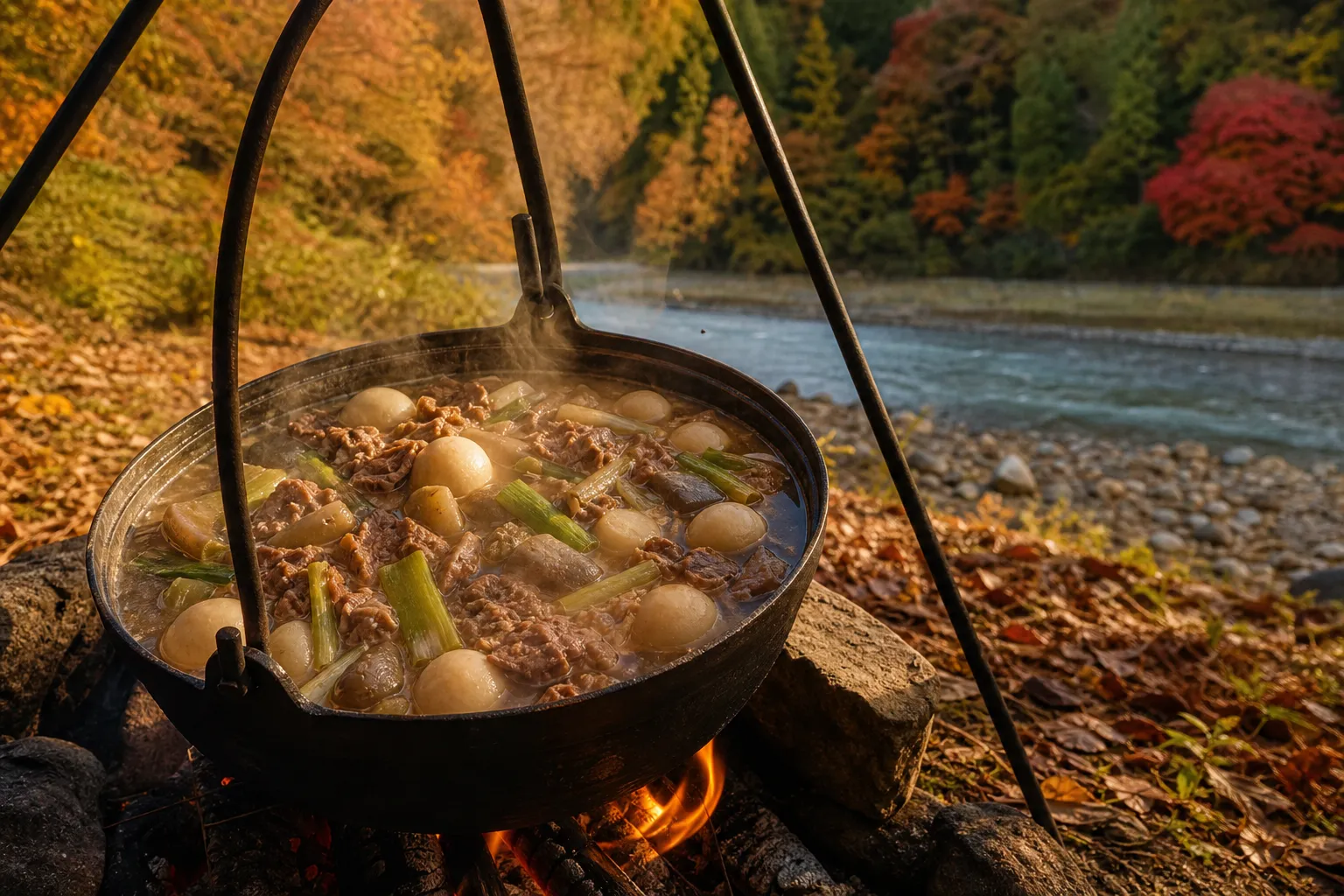
Local FoodYamagata, Yamagata
Imoni (芋煮)
A bubbling pot of taro and beef in sweet soy broth, cooked on a riverbank under autumn leaves with everyone you know. It's not just a stew — it's a season, and a reason to gather.
June 27, 2026