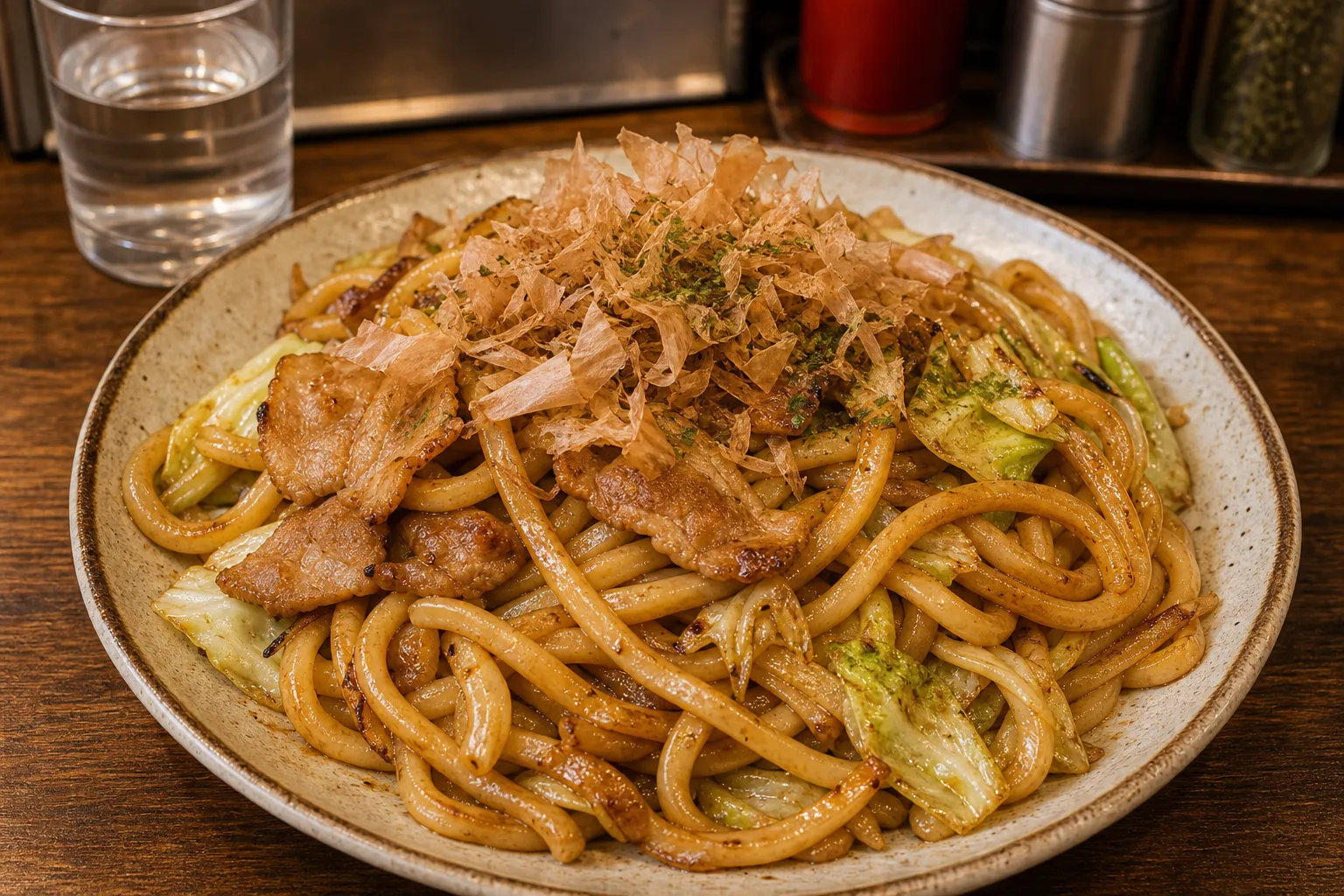
That sound — the hiss and clatter of thick udon hitting a screaming-hot griddle — is the whole reason to order this. Fat, chewy noodles searing against the iron, pork and cabbage caramelizing at the edges, a slug of soy sauce hitting the heat and turning to fragrant smoke. Then it lands in front of you, glossy and browned, with a handful of bonito flakes on top curling and waving in the rising heat like they're alive. Comfort food doesn't get much more honest than this.
Share this dish


Fat udon noodles thrown on a hot griddle, seared with pork and cabbage until glossy and browned, then crowned with bonito flakes that literally dance. Kokura's post-war comfort food, and I love it more than yakisoba.
🍜 Planning a food trip to Fukuoka?Add this dish to my Food Trip →
 Add this dish to my Food Trip →
Yaki udon is thick udon noodles stir-fried — not simmered in soup — with pork and cabbage in a soy-based seasoning, glossy, a little charred, and finished with dancing katsuobushi. It's the chewy, teppan-diner cousin of yakisoba, and if you ask me, the extra heft of the udon makes it the better dish. Cheap, filling, and endlessly satisfying.
Kokura's clever post-war improvisation
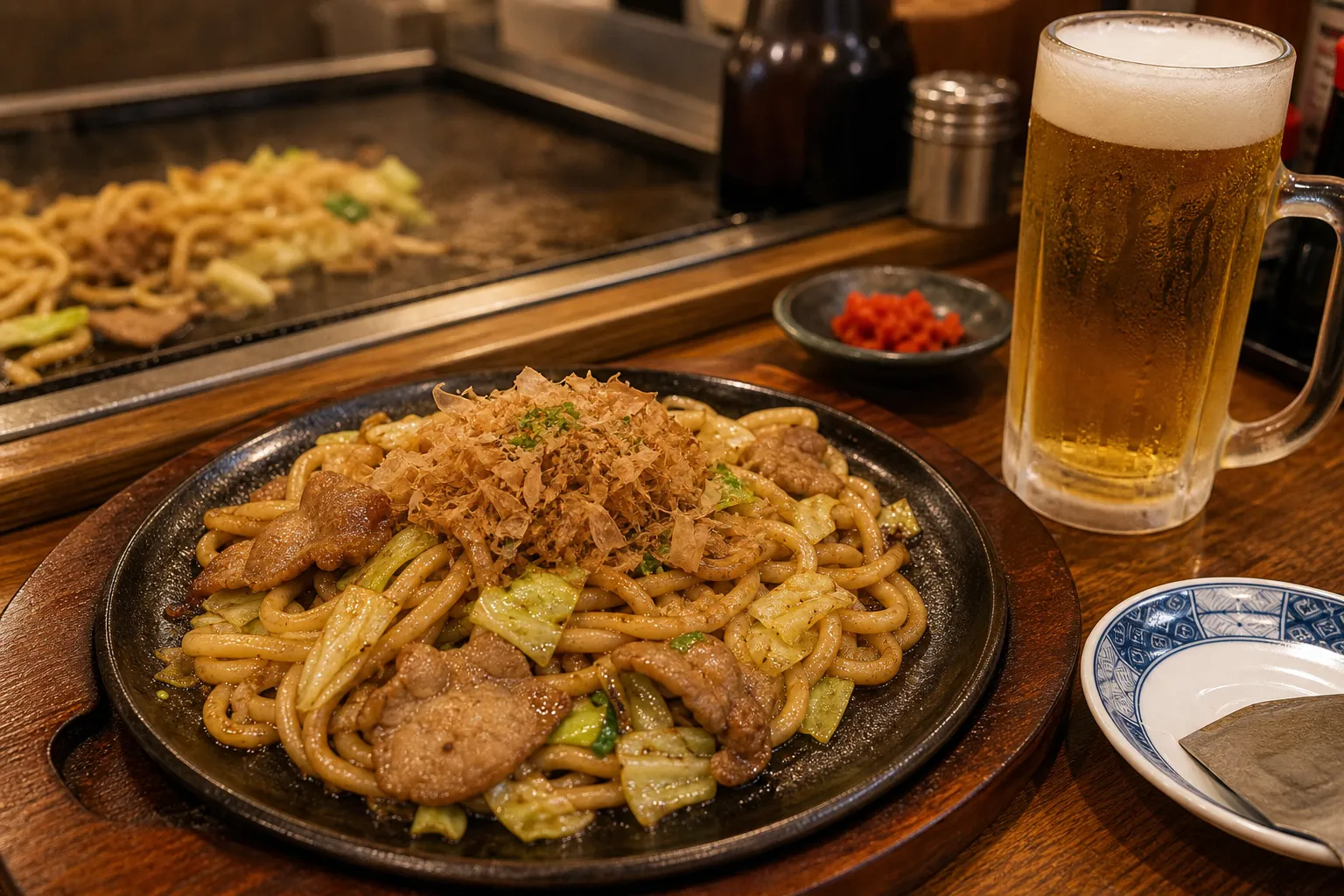
This one was born of necessity in Kokura, Kitakyushu, in the lean years right after the war. The story — told proudly all over the city — is that a local diner wanted to make yakisoba, but the thin buckwheat-style noodles it needed were scarce and hard to get. So the cook grabbed what was around: dried udon. Threw it on the griddle instead. It worked. Better than worked — it became a whole thing.
Kokura has basically claimed yaki udon as its birthplace ever since, and locals will happily argue the point. There's a lovely stubbornness to it: the region took a shortage and turned it into a signature dish, and now teppan spots and izakaya across Japan make their own versions. But Kitakyushu is where it started, and eating it there — where they've been perfecting the griddle move for 70-plus years — feels right.
Why the fat noodle wins
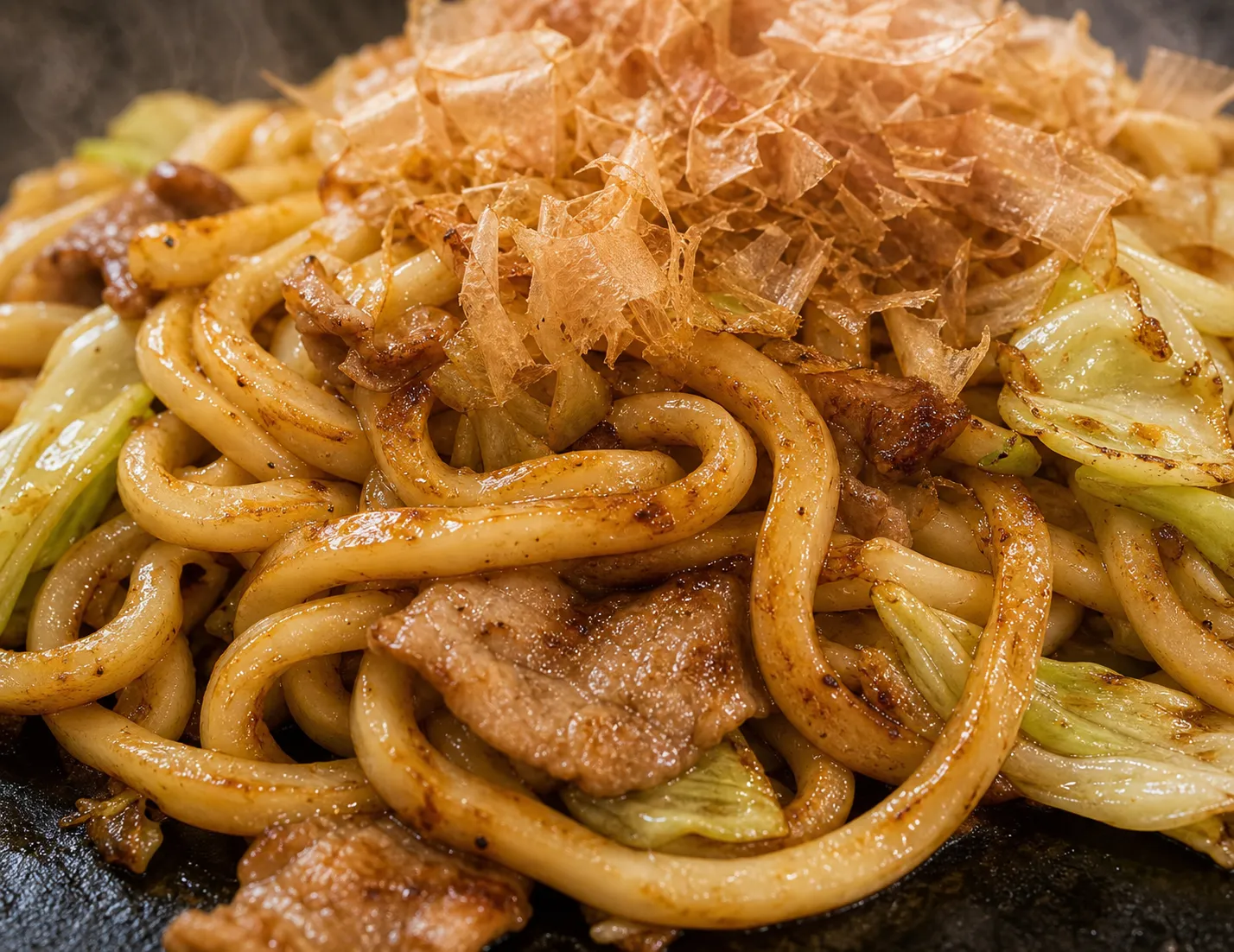
Here's my whole argument in one sentence: yakisoba's thin noodles are good, but they can't chew like this. Udon is thick, soft, and springy, and when you sear it on a hot iron plate, something great happens — the outside picks up a little browning and bite while the inside stays plush. Every strand is substantial. Every mouthful has heft.
The seasoning is simple and it should be: soy sauce as the backbone (some cooks add a splash of Worcestershire-style sauce or dashi), sweet cabbage that softens and chars, pork that renders its fat into the whole pan. The bonito flakes on top melt slightly into the heat and add a smoky, sea-deep umami. It's not complicated food. It's just deeply, reliably good — the kind of thing you'd eat once a week for the rest of your life and never tire of.
How it's made
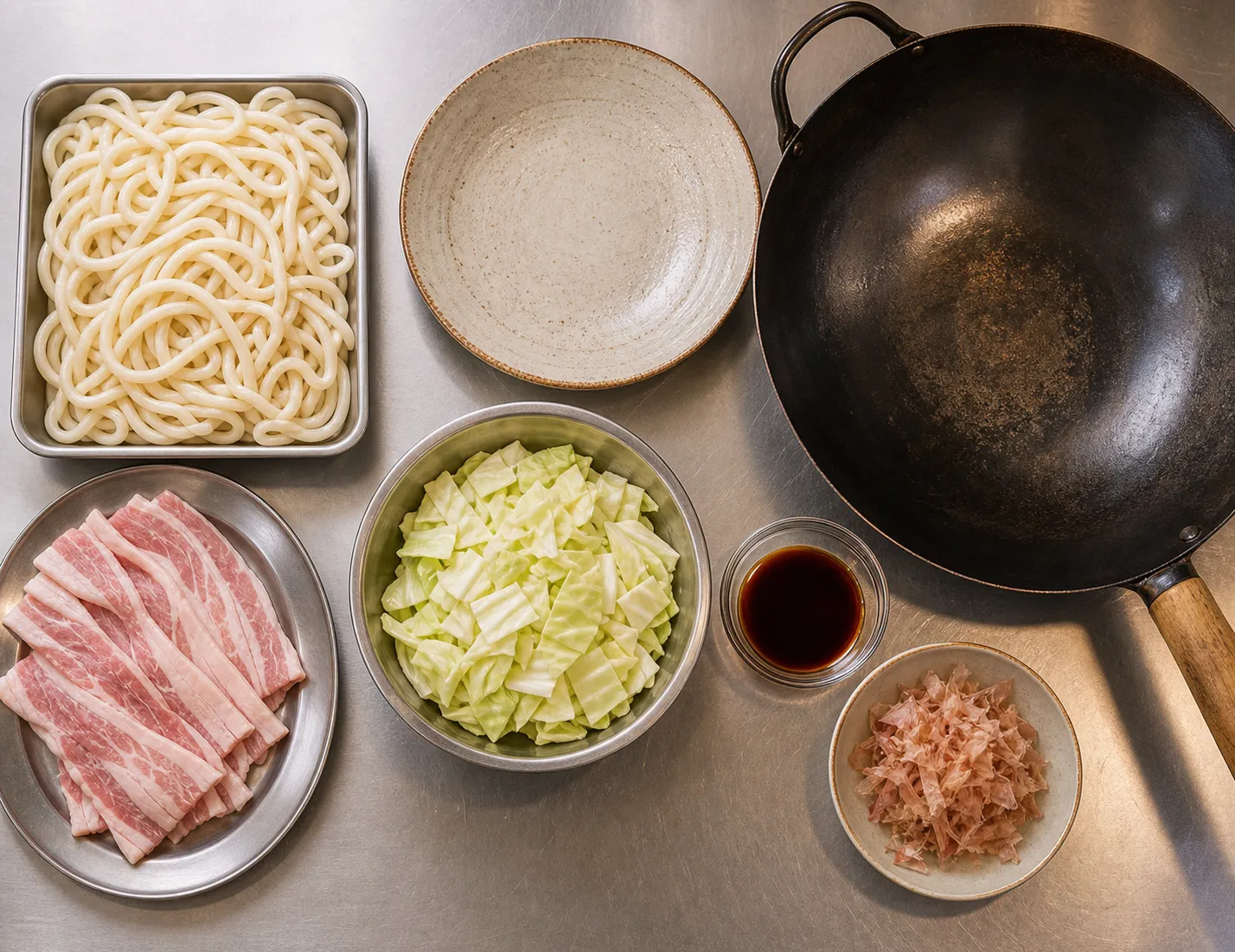
- Heat a griddle or heavy pan hot and slick it with oil.
- Sear sliced pork until it colors, then add cabbage (and often onion, carrot, bean sprouts) and stir-fry.
- Add cooked udon noodles and toss them across the heat so they brown and pick up a little char.
- Season with soy sauce — sometimes a dash of Worcestershire-style sauce, mirin, or dashi — and toss until everything is glossy and coated.
- Plate it up and shower with bonito flakes (katsuobushi); add beni-shōga (pickled ginger) or aonori if you like.
- Eat hot, while the flakes are still dancing.
Before you go — griddle comfort, no soup required
Your questions, answered honestly
"How is this different from yakisoba?" — Same idea, different noodle, and it matters. Yakisoba uses thin, yellowish ramen-style noodles; yaki udon uses fat, chewy white udon. The udon version is heftier, chewier, and (I'll die on this hill) more satisfying. Both are stir-fried, not soupy.
"Wait, udon without soup?" — Correct. Most udon shows up swimming in dashi broth, but this one is stir-fried on a griddle, so it comes out glossy, browned, and dry-ish — closer to a plate of noodles than a bowl of soup. If you're expecting broth, recalibrate; you're in for something better.
"Why are the flakes moving?!" — Not sorcery, just physics. Katsuobushi is shaved paper-thin, so the rising heat and steam from the hot noodles make the flakes curl and wave. It means your food is fresh off the heat. Enjoy the little show.
"Is it spicy?" — Not at all — it's soy-savory and gently sweet. If you want a kick, add beni-shōga (pickled ginger) or a shake of shichimi chili at the table.
What the staff will ask you
| You'll hear | Romaji | Meaning | Just say |
|---|---|---|---|
| 豚肉でいいですか? | Butaniku de ii desu ka? | "Pork okay?" | Hai, onegaishimasu (yes, please) |
| 大盛りにしますか? | Ōmori ni shimasu ka? | "Make it large?" | Onegaishimasu (yes) / Futsū de (regular) |
| 鰹節かけますか? | Katsuobushi kakemasu ka? | "Add bonito flakes?" | Onegaishimasu (yes, please) |
| 紅生姜つけますか? | Beni-shōga tsukemasu ka? | "Pickled ginger?" | Onegaishimasu (yes) |
To order, just say "Yaki udon hitotsu kudasai" (焼きうどん一つください) — "one yaki udon, please."
Where to eat it
- Kokura, Kitakyushu (Fukuoka) — the birthplace. Old-school teppan diners here claim the original, and the city takes real pride in it.
- Izakaya and teppan spots nationwide — yaki udon is a beloved pub and diner staple across Japan, a go-to comfort order almost anywhere.
- Home-style set meal restaurants (teishoku-ya) — often on the menu as a cheap, filling plate, sometimes with rice and miso soup.
Every shop seasons it a little differently, and the small Kokura diners keep their own hours, so check before you go.
Soul Score
Local Roots4/5
First-Timer Friendly5/5
Adventure Level3/5
Comfort Level5/5
Travel Worthy3/5
These scores are one obsessed eater's gut feeling — not a verdict. A low number isn't a bad mark, just a different kind of adventure.
Know someone planning Japan?
← All Articles
Local Food · Kitakyushu, Fukuoka
Still hungry?
Eat more from Fukuoka
Local FoodFukuoka
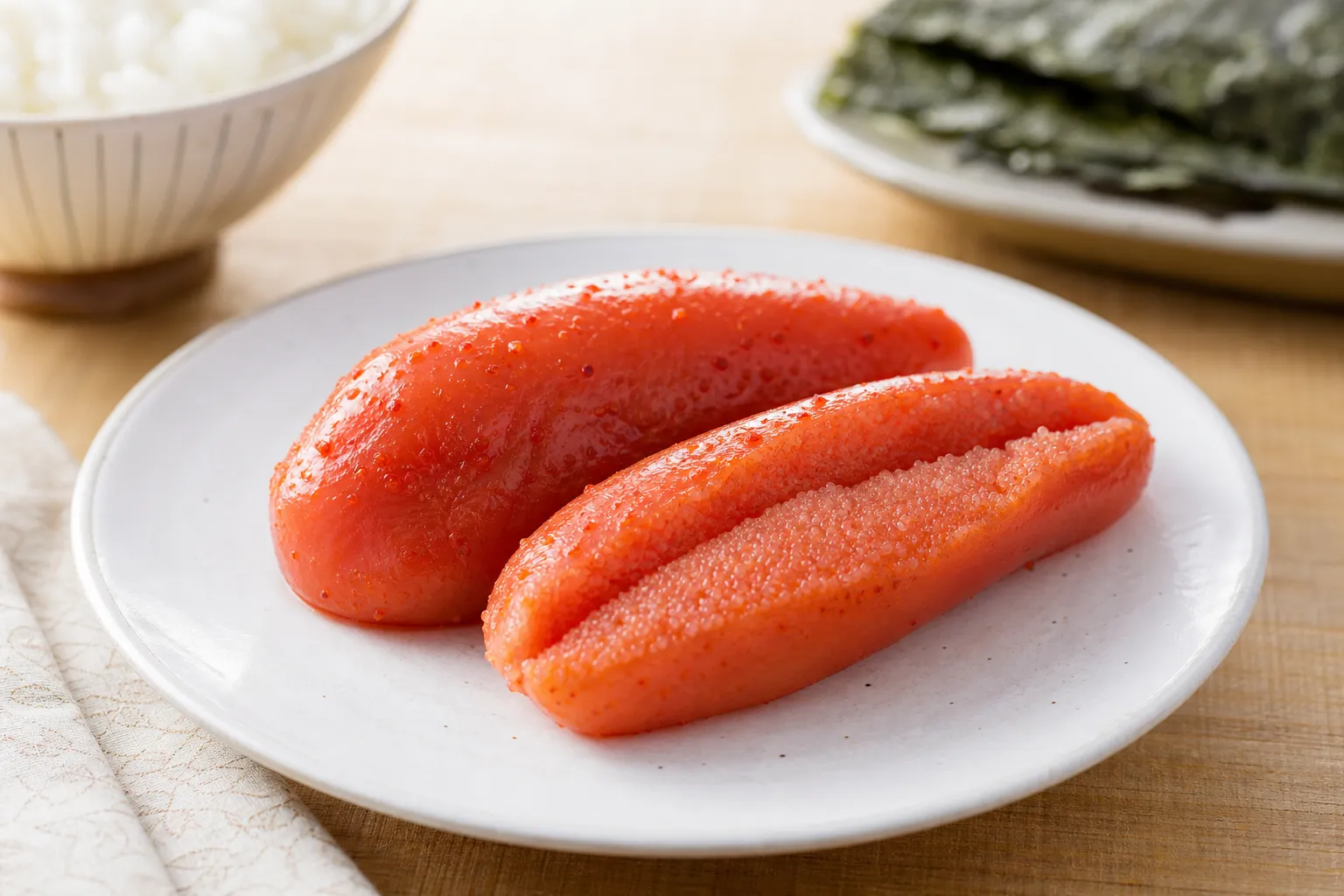
Mentaiko (明太子)
One bite of rice buried under a spoonful of vivid red roe and a slow chili burn creeps in behind the salt — by the second bowl I understood why Hakata builds entire breakfasts around this stuff.
July 22, 2026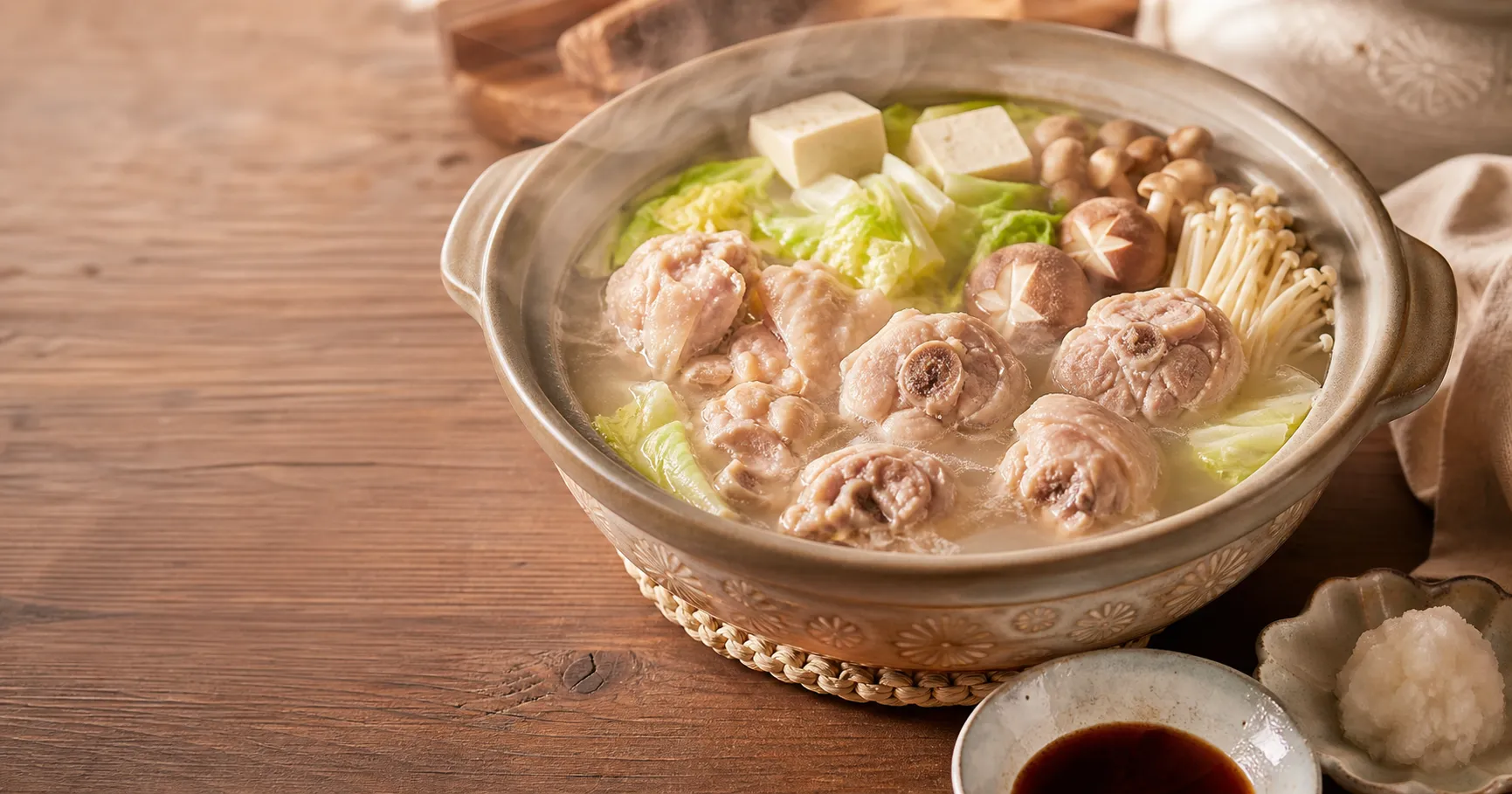
Local FoodHakata, Fukuoka
Mizutaki (水炊き)
A pale, cloudy chicken broth so pure it stops you mid-sentence. Hakata's gentle chicken hot pot is winter comfort itself — dipped in citrus ponzu, finished as rice porridge, warm to the very last drop.
July 3, 2026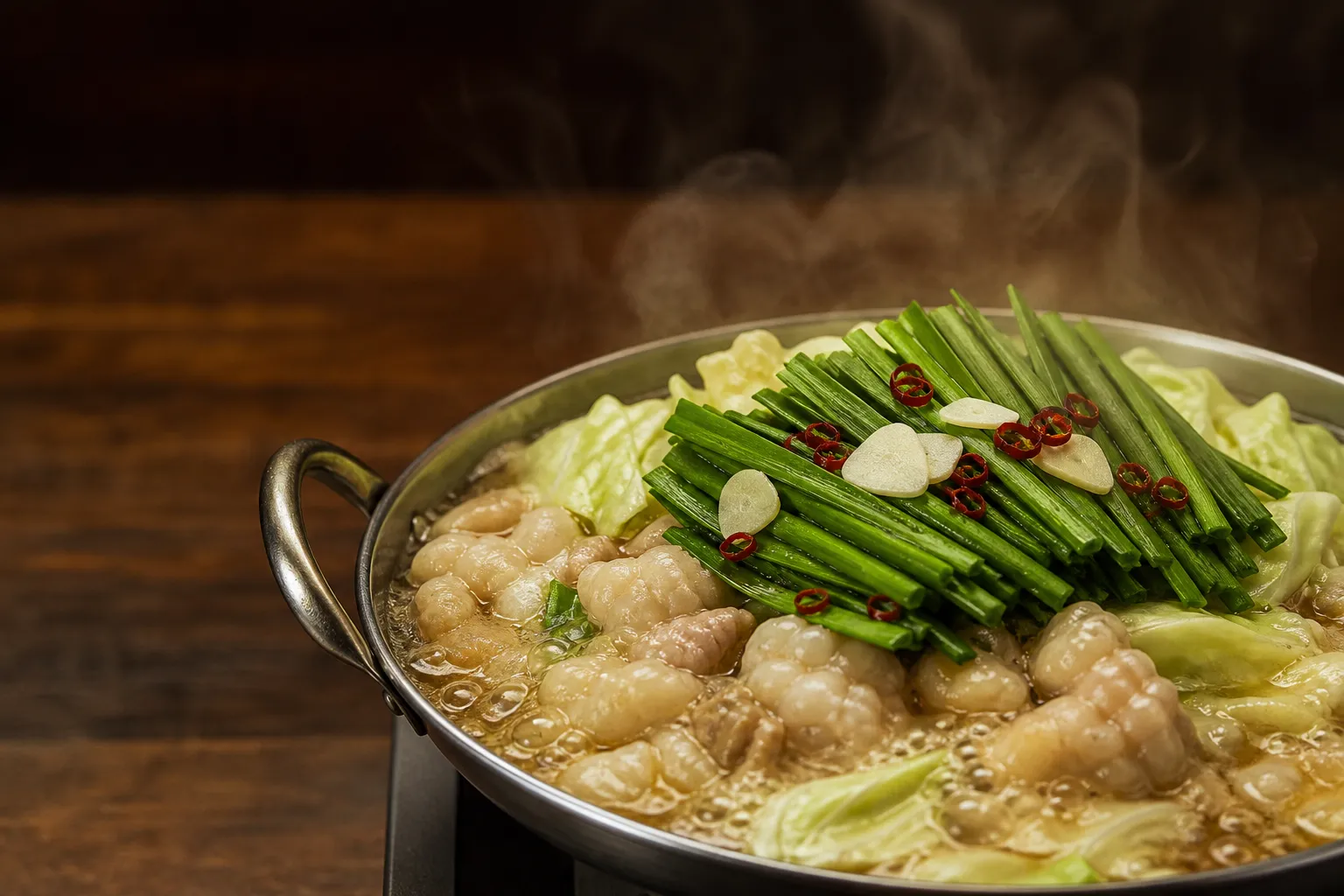
Local FoodHakata, Fukuoka
Motsunabe (もつ鍋)
Soft, clean, and drowning in garlic and chives — Hakata's offal hot pot turns the scariest thing on the menu into the best. A steamy communal pot that makes a table of strangers feel like old friends by the last spoonful.
July 3, 2026