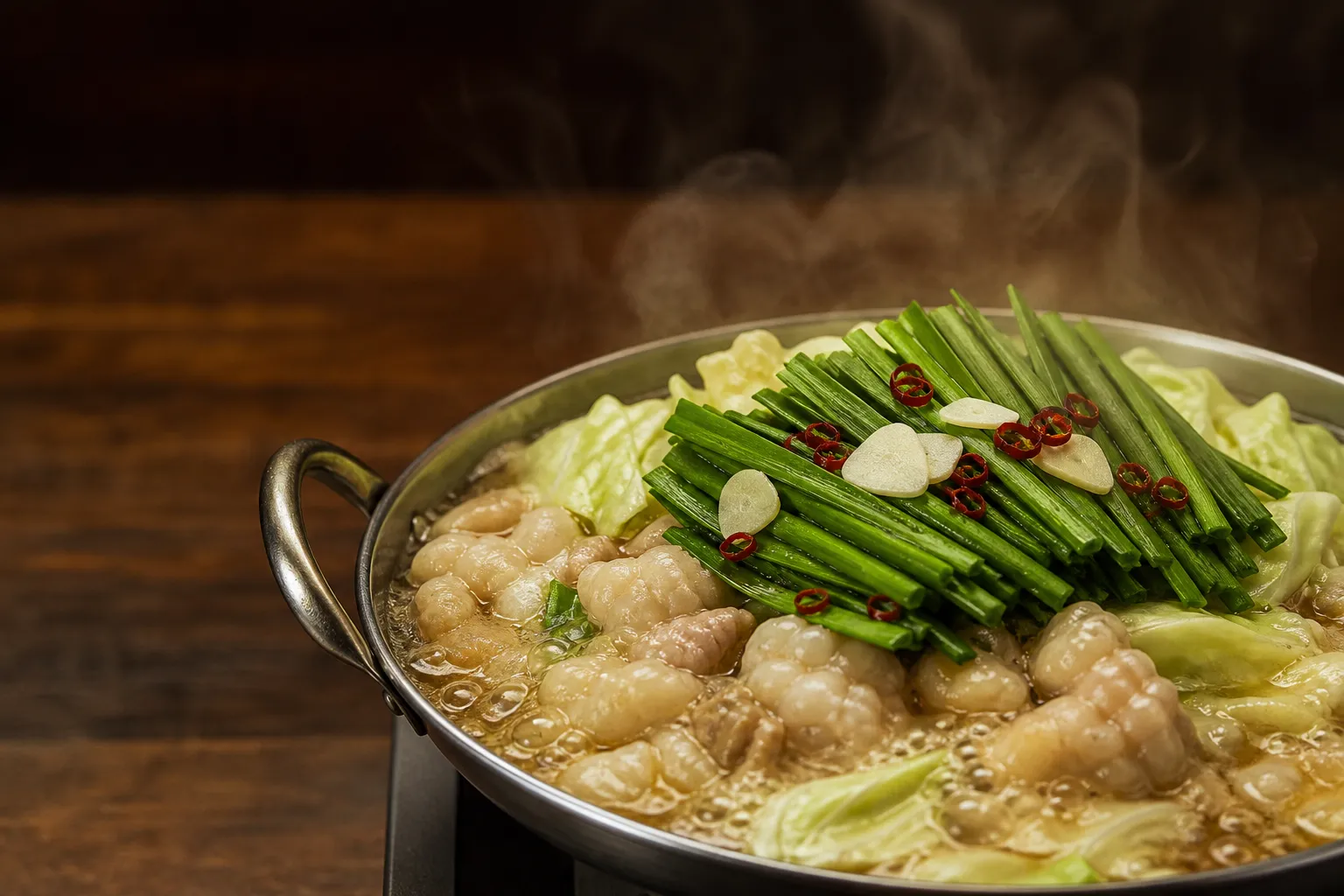
One bite of the offal and my whole idea of it just collapsed on the spot. I had braced myself — intestines, in a pot, at a table full of people I'd met an hour ago — and instead got something soft, faintly sweet, wildly clean, sitting in a broth so loaded with garlic and chives that I stopped narrating my own life and just ate. Steam everywhere. A little burner hissing between us. Someone kept refilling my bowl. I let them.
Share this dish


Soft, clean, and drowning in garlic and chives — Hakata's offal hot pot turns the scariest thing on the menu into the best. A steamy communal pot that makes a table of strangers feel like old friends by the last spoonful.
🍜 Planning a food trip to Fukuoka?Add this dish to my Food Trip →
 Add this dish to my Food Trip →
This is motsunabe (もつ鍋), Hakata's communal offal hot pot: beef or pork motsu (intestines) simmered with a mountain of cabbage and garlic chives (nira), sliced garlic and red chili floating on top, all in a shallow pot of soy-based or miso-based broth bubbling over a portable burner at your table. Not grilled, not sweet sukiyaki, not some delicate clear seafood nabe — this is rich, garlicky, tender, and built to be shared.
How Hakata turned offal into comfort
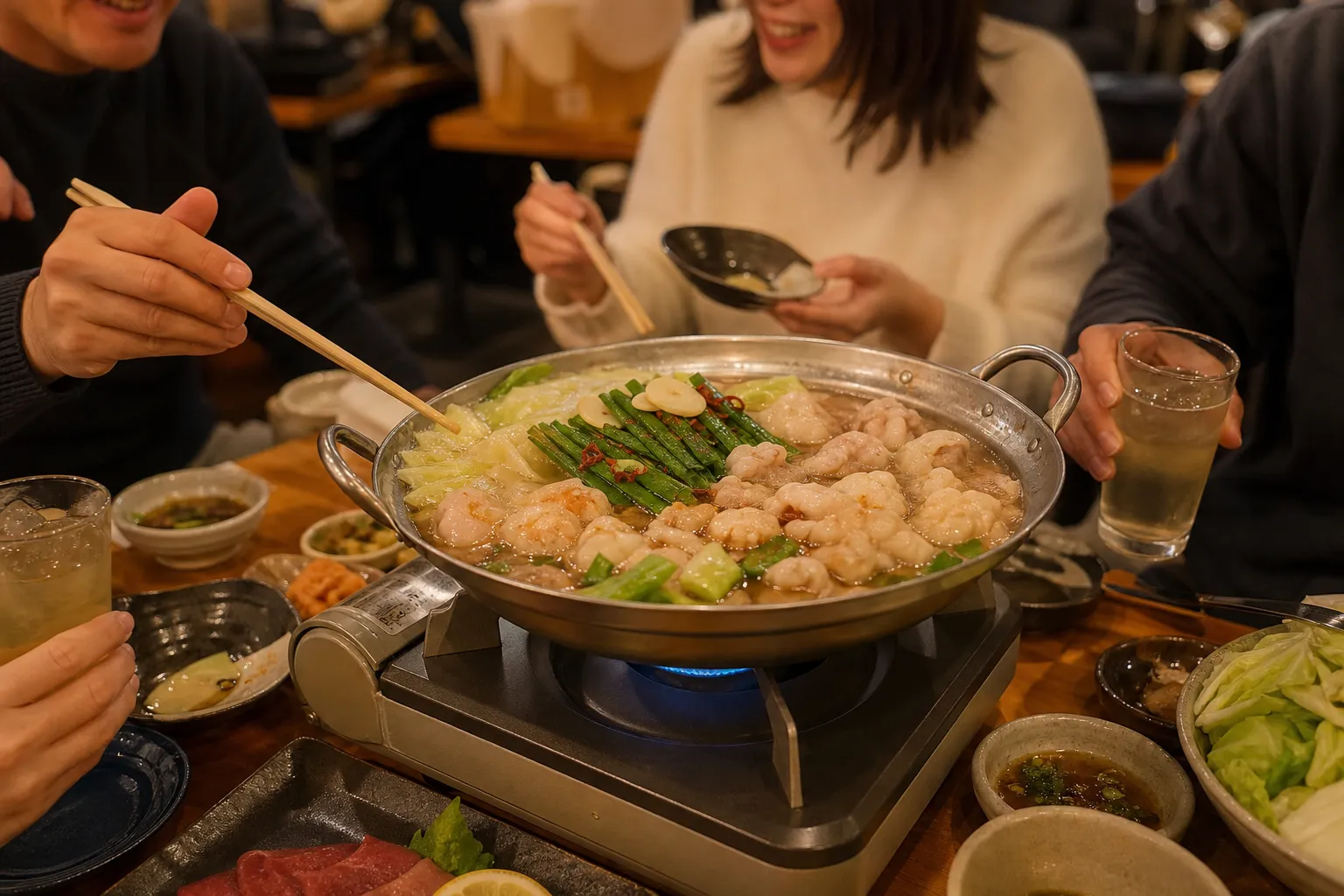
Motsunabe is postwar Fukuoka in a pot. The story goes that miners and workers took the cheap, overlooked offal — the cuts nobody was fighting over — threw it in an aluminum pot with garlic chives and soy, and made something warming and filling out of almost nothing. Frugal cooking that accidentally became a regional icon. Then in the early '90s it had a full-blown nationwide boom, and suddenly the whole country wanted Hakata's humble pot.
I find that arc genuinely moving. A dish born from "use what nobody wants" ends up being the thing people book flights for. It never lost the communal soul, either — motsunabe is still something you do with people, elbows in, sharing one pot, arguing gently about who gets the last of the chives. I lost that argument. I did not mind.
Why the offal wins you over
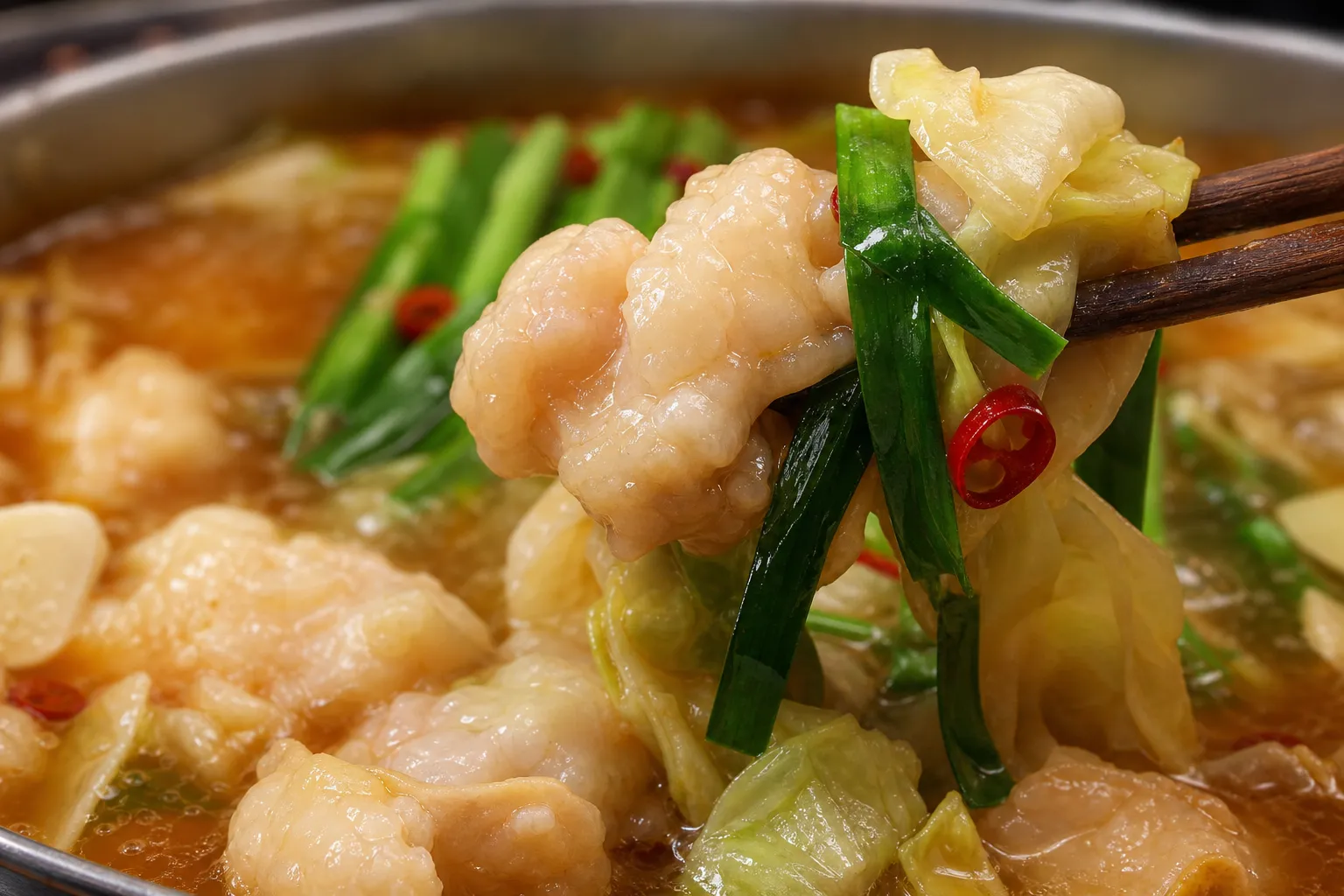
Here's the thing nobody warns you about: done right, the motsu is tender. Little pillows of it, soft and rich with a clean edge, no funk if the shop knows what it's doing. That's the whole trick — good offal, well prepped, so it reads as luxurious instead of scary. Sit with that for a second if intestines make you nervous, because this is the dish that changes minds.
Then the broth does its work. Soy or miso base, deepened by all that garlic and chili, and by the mountain of cabbage collapsing sweetly into it, and by the nira turning the whole thing green and fragrant. Every layer softens as it cooks, the soup getting better and better. By the end the broth is the best part — which is exactly why you don't waste it, and why the last course matters as much as the first.
How it's made
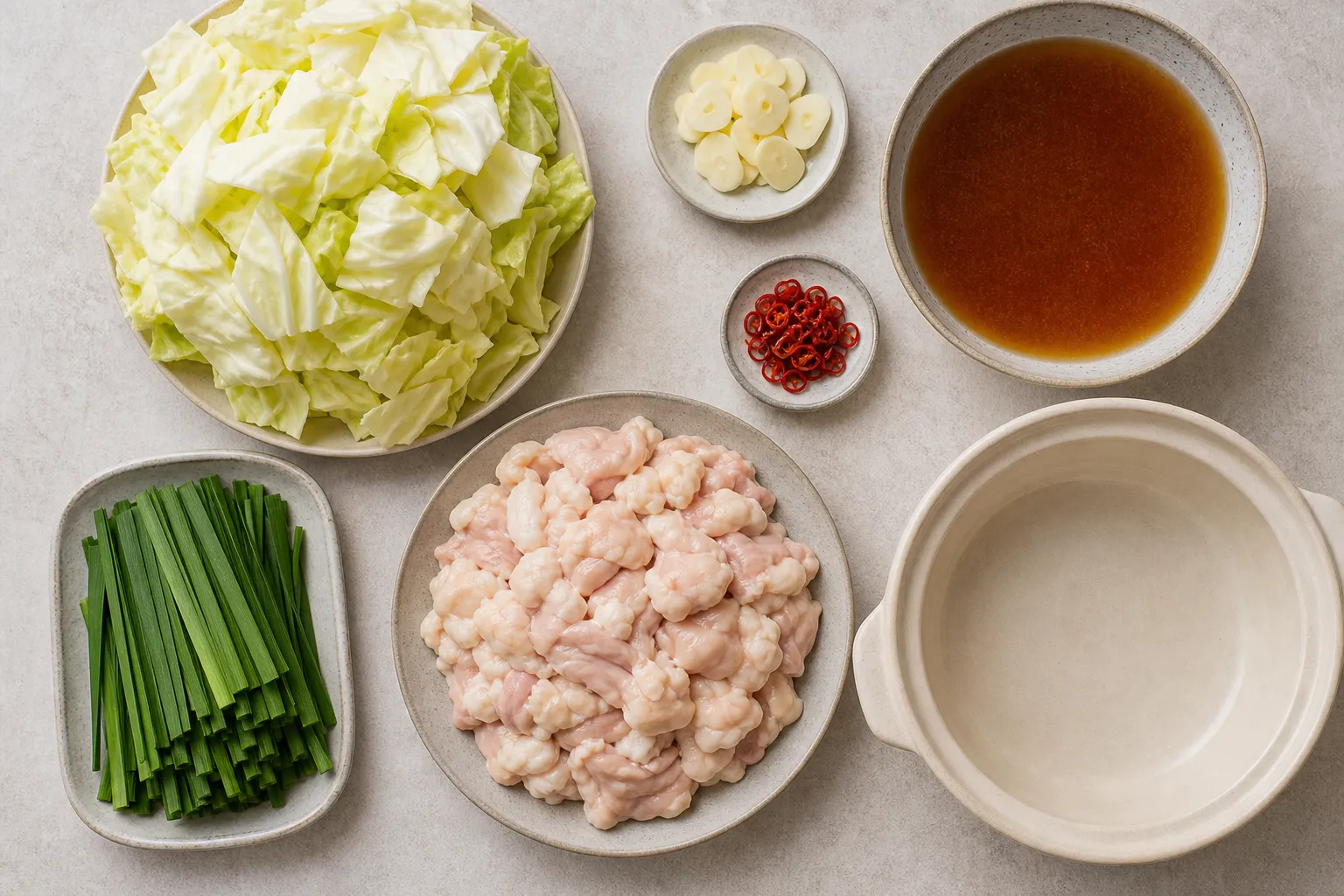
- Clean and prep the motsu (offal), then blanch it so it comes out soft and clean-tasting
- Build a broth in a shallow nabe pot — soy-based or miso-based
- Add the offal and let it simmer into the soup
- Pile in a mountain of cabbage and garlic chives (nira)
- Scatter sliced garlic and red chili over the top
- Simmer at the table on a portable burner until the cabbage collapses and everything is tender
- Finish the pot with champon noodles, or a rice-and-egg zosui, cooked in the leftover broth
Before you go — for the offal-curious
Your questions, answered honestly
"I'm nervous about intestines — will it be gross?" — Honestly, this is the gentlest possible on-ramp. Good motsunabe is tender and clean, not chewy or funky. The garlic-chive broth carries everything. If offal was ever going to win you over, it's here.
"Is it chewy?" — It shouldn't be. Well-prepped offal is soft, almost creamy. If it's rubbery, the shop rushed it — a good Hakata place will not.
"Soy or miso — which do I get?" — Both are classic. Soy (shoyu) is lighter and more fragrant; miso is deeper and richer. If it's your first time, ask which the shop is known for and get that.
"Can one person order it?" — Usually it's a pot for two or more. Solo travelers can sometimes find single-serve versions, but motsunabe is really a sharing dish — bring a friend.
"What's the move at the end?" — Do the finish. When the offal and veg are gone, they add champon noodles or make zosui (rice and egg) in the leftover broth. That final course, soaked in everything, is the reason locals grin. Don't skip it.
What the staff will ask you
| You'll hear | Romaji | Meaning | Just say |
|---|---|---|---|
| 醤油と味噌、どちらにしますか? | Shōyu to miso, dochira ni shimasu ka? | "Soy or miso broth?" | Shōyu de (soy) / Miso de (miso) |
| 何名様ですか? | Nan-mei sama desu ka? | "How many people?" | Futari desu (two) / hold up fingers |
| 〆はちゃんぽんと雑炊、どちらにしますか? | Shime wa champon to zōsui, dochira? | "Finish with champon noodles or zosui?" | Champon de / Zōsui de |
| 辛くできますが、どうしますか? | Karaku dekimasu ga, dō shimasu ka? | "We can make it spicy — want that?" | Futsū de (normal) / Karaku de (spicy) |
To order, just say "Motsunabe kudasai" (もつ鍋ください) — "Motsunabe, please."
Where to eat it
- Hakata, Fukuoka — the home of the dish. The izakaya districts around Nakasu and Tenjin are thick with motsunabe specialists, and it's the one thing to eat on a Fukuoka night.
- Nakasu's riverside — Fukuoka's famous nightlife quarter is a natural place to duck into a specialist pot shop after wandering the yatai (street stalls).
- Nationwide — motsunabe chains and izakaya serve it across Japan, so you can try it far from Fukuoka; look for もつ鍋 on the menu.
- Check before you go — popular Hakata specialists take reservations and can fill up on weekend nights, and hours change; call ahead or book if you can.
Soul Score
Local Roots4/5
First-Timer Friendly4/5
Adventure Level4/5
Comfort Level5/5
Travel Worthy4/5
These scores are one obsessed eater's gut feeling — not a verdict. A low number isn't a bad mark, just a different kind of adventure.
Planning what to eat in Fukuoka?🍜 Fukuoka Food Guide: What to Eat, Where to Start, and How to Order →
Know someone planning Japan?
← All Articles
Local Food · Hakata, Fukuoka
Still hungry?
Eat more from Fukuoka
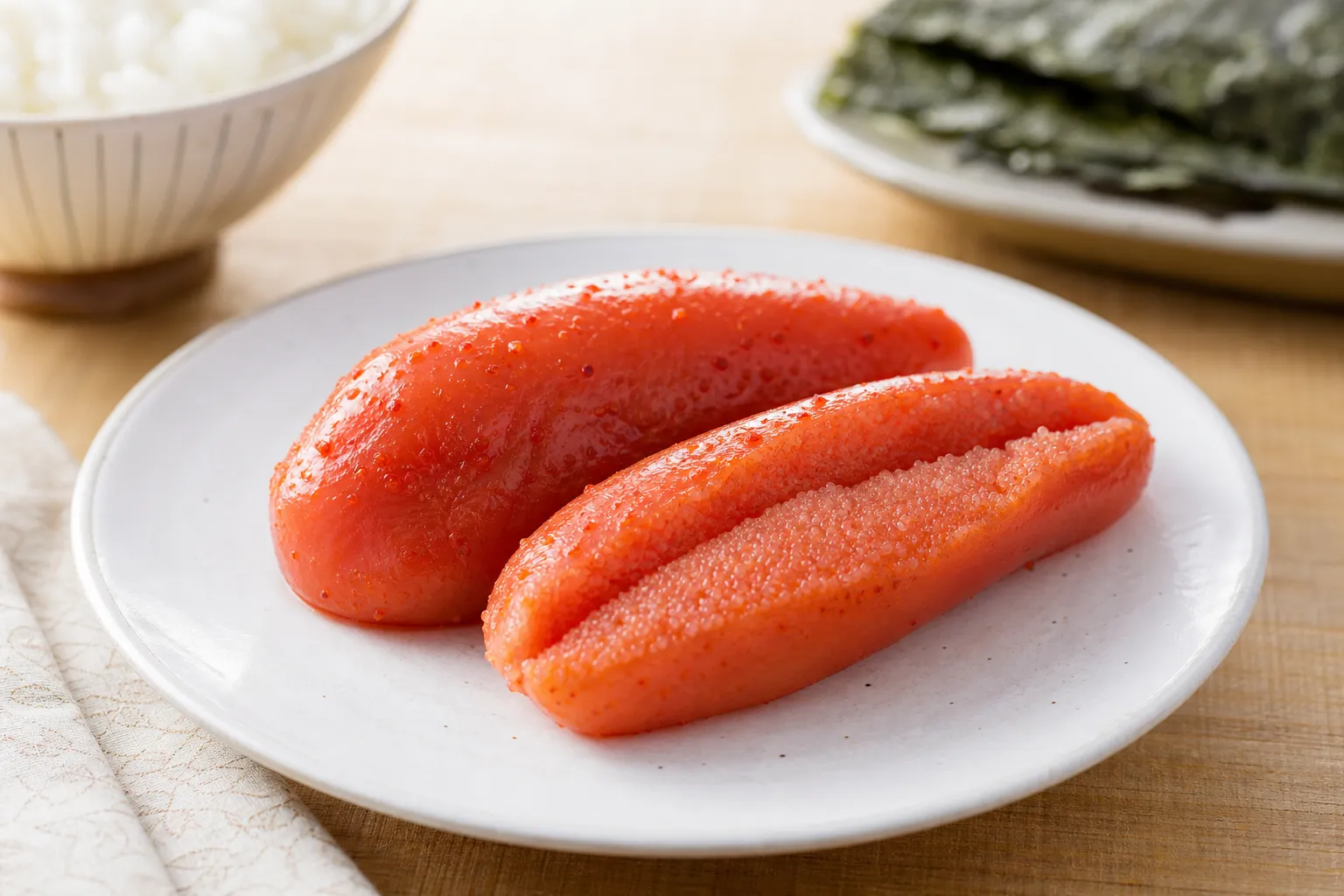
Local FoodFukuoka
Mentaiko (明太子)
One bite of rice buried under a spoonful of vivid red roe and a slow chili burn creeps in behind the salt — by the second bowl I understood why Hakata builds entire breakfasts around this stuff.
July 22, 2026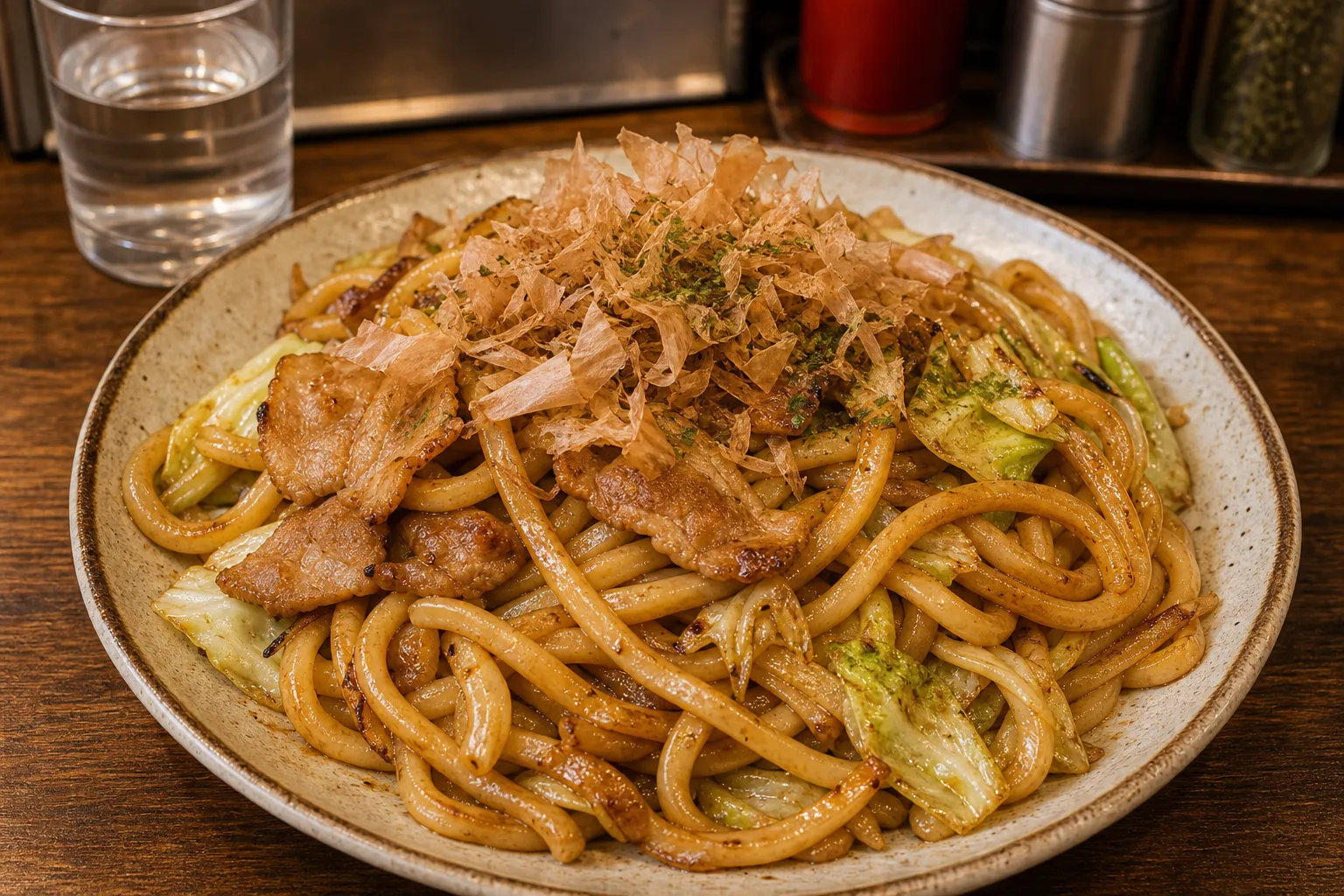
Local FoodKitakyushu, Fukuoka
Yaki Udon (焼きうどん)
Fat udon noodles thrown on a hot griddle, seared with pork and cabbage until glossy and browned, then crowned with bonito flakes that literally dance. Kokura's post-war comfort food, and I love it more than yakisoba.
July 9, 2026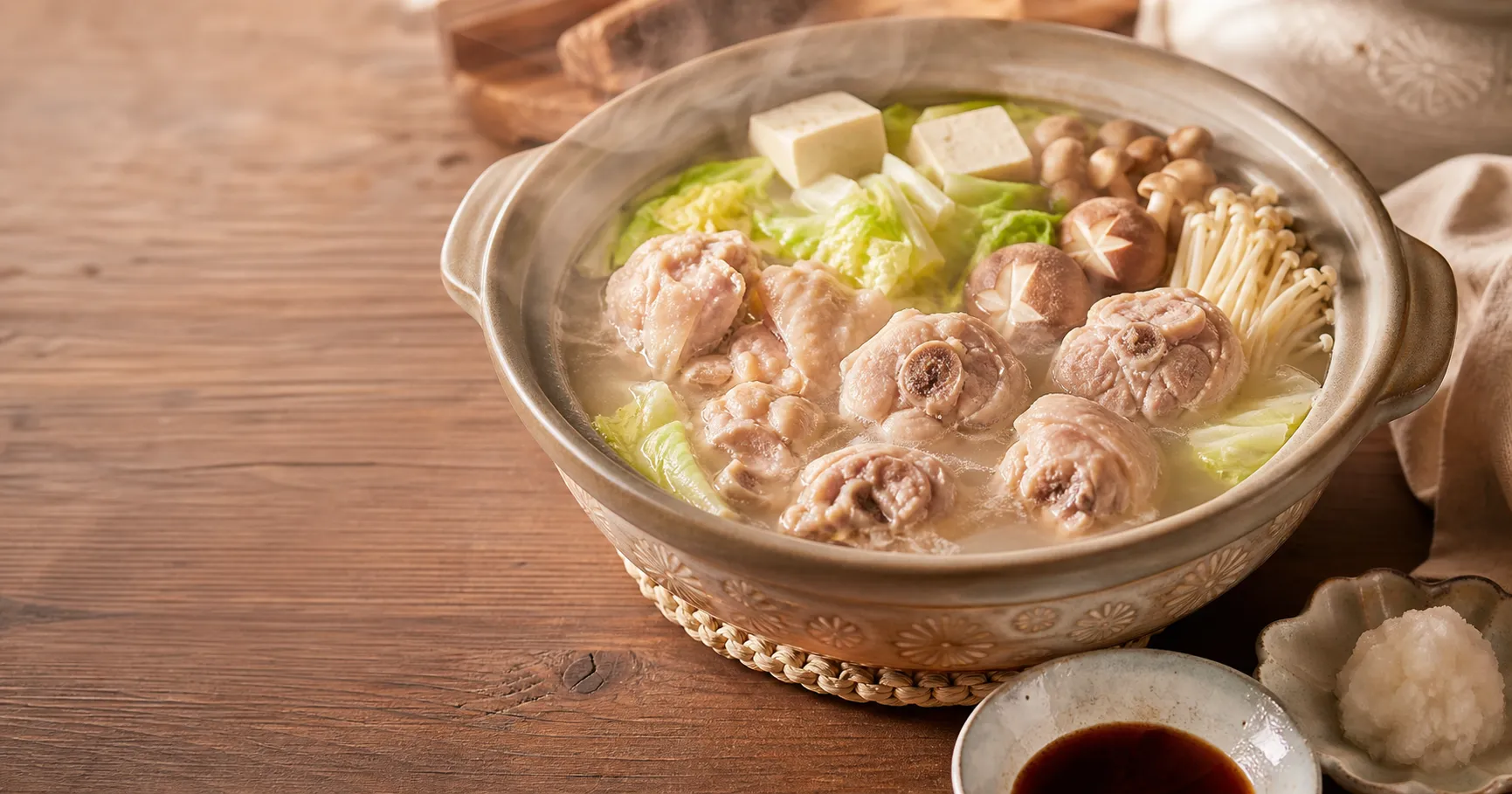
Local FoodHakata, Fukuoka
Mizutaki (水炊き)
A pale, cloudy chicken broth so pure it stops you mid-sentence. Hakata's gentle chicken hot pot is winter comfort itself — dipped in citrus ponzu, finished as rice porridge, warm to the very last drop.
July 3, 2026