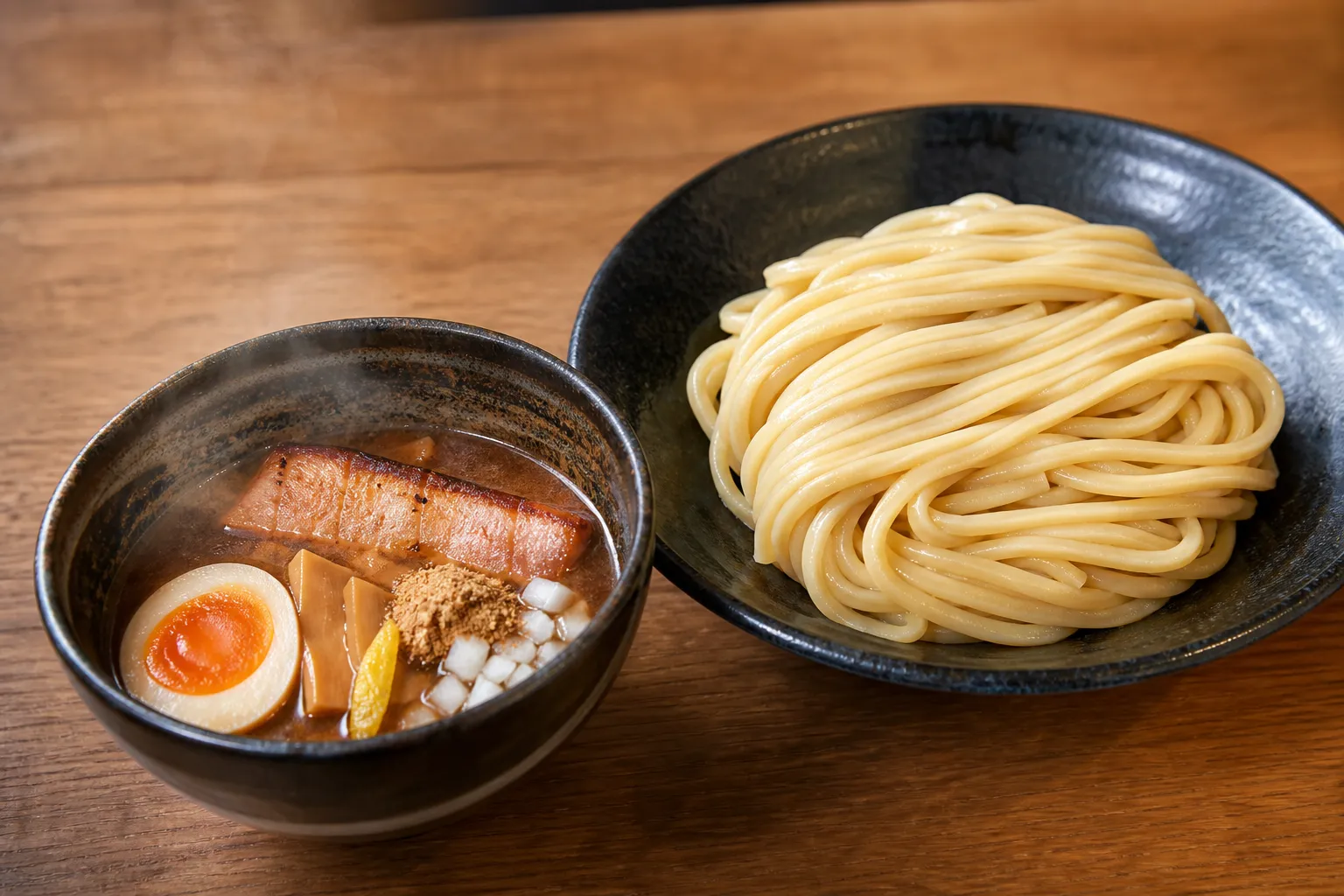
Wait — where's the soup? The noodles arrived naked on their own plate, thick and glossy and coiled, next to a small bowl of something dark and intense. I sat there genuinely confused for a second. Then the guy at the next stool grabbed a clump of noodles with his chopsticks, plunged them into the little bowl, and slurped with his whole soul. Oh. You dip.
Share this dish


The noodles come naked on their own plate, next to a small bowl of something dark and intense. You dip. And then you understand why people line up for this.
This is tsukemen (つけ麺), dipping ramen, and once it clicks you get why shops have lines out the door. The thick, chewy noodles are served separately from a small bowl of intensely concentrated broth — usually a thick pork-and-fish (tonkotsu-gyokai) dip loaded with savory depth. You grab a bite of noodles, dunk, slurp, repeat. Every mouthful is yours to control, and the noodles get to be chewier and more alive than they ever could be sitting in soup.
How dipping noodles took over
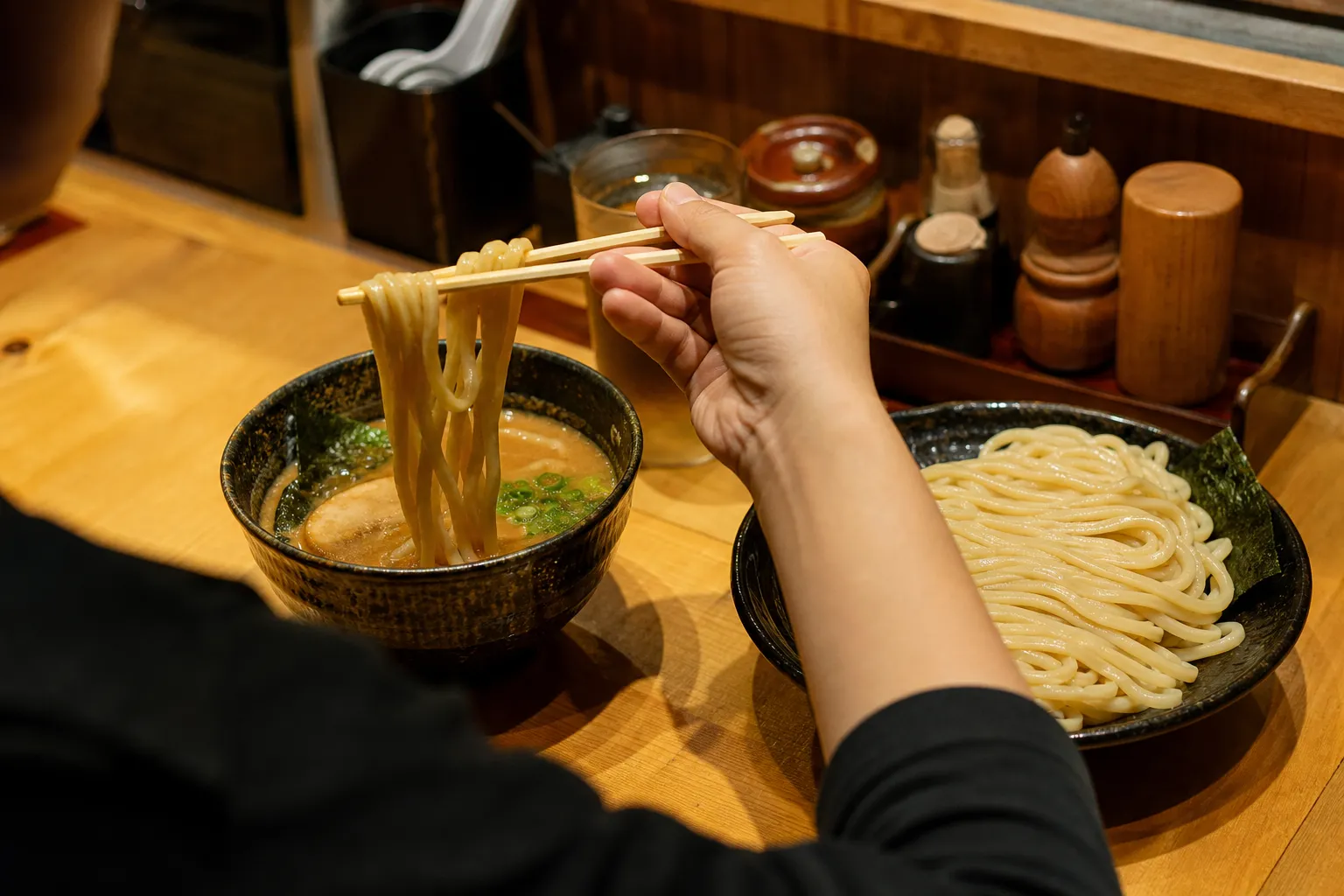
Tsukemen grew out of ramen culture and then quietly became its own obsession. The logic is simple and a little genius: if you keep the noodles out of the broth, you can make the broth ridiculously concentrated — too strong to drink as a soup, exactly right as a dip — and you can make the noodles thick and chewy without them going soft. Two problems, one elegant fix.
I respect the nerve of it. Regular ramen is a finished thing handed to you; tsukemen hands you the parts and trusts you to assemble each bite. I ate slower than usual, dunking and slurping, and somewhere in there started taking it personally — my dip-to-noodle ratio, my rhythm. It's interactive in a way that sneaks up on you.
Why thick noodles and a concentrated dip work
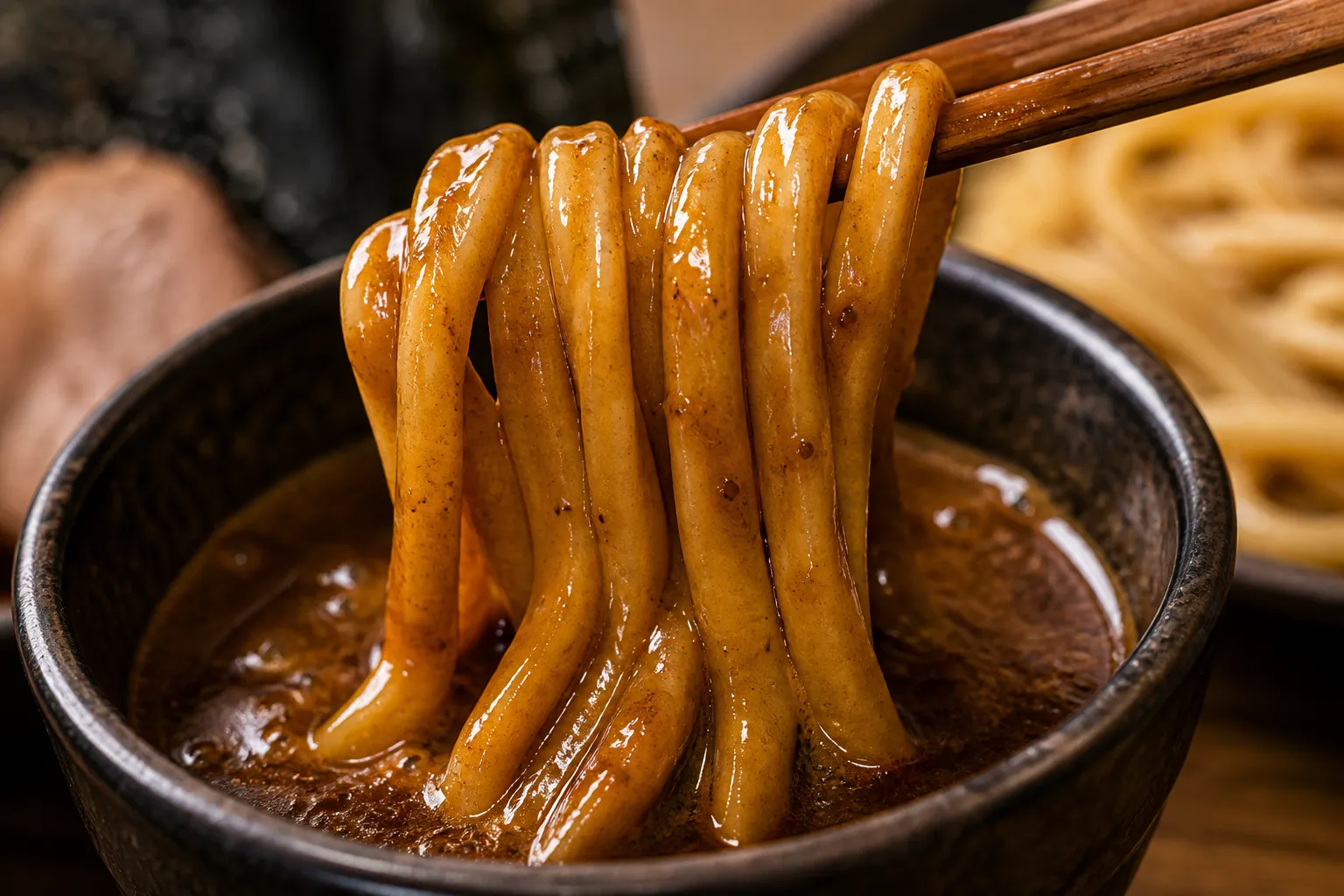
The noodles are the star here, and they know it. Thick, springy, and often served cool or room-temperature, they have a chew that soup-bound noodles can only dream of. The dip clings to their surface in a glossy coat — pork richness, fish-stock depth, a savory punch that would be overwhelming by the spoonful but is perfect smeared onto a noodle.
And here's the move nobody tells you: when you've finished the noodles, ask for sūpu-wari — they'll thin out your leftover dip with hot broth so you can drink it down as a soup at the end. Two textures, two experiences, one bowl. I finished mine, asked for the dilution, and sat there sipping like I'd unlocked a secret level.
How it's made
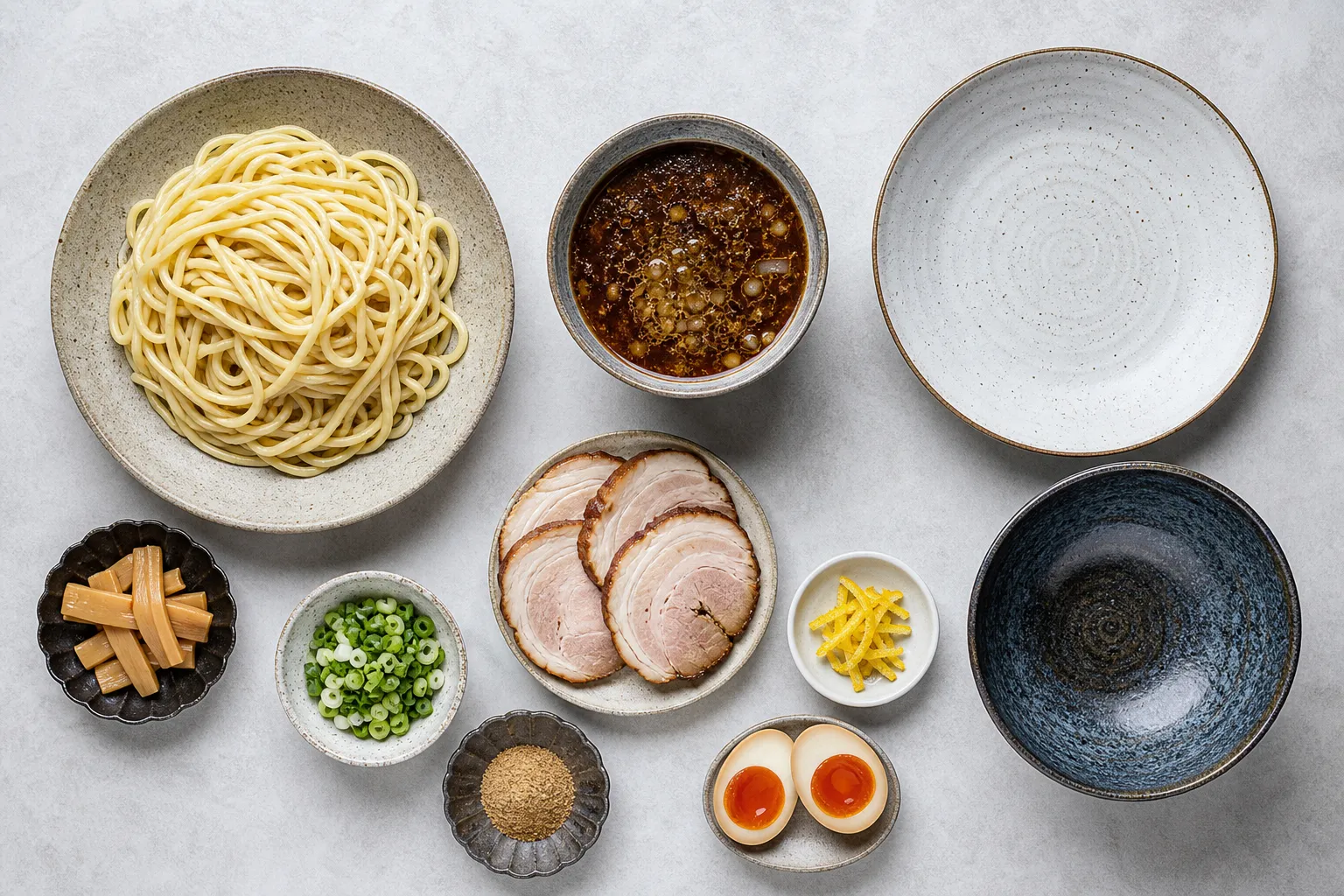
- Simmer a deeply concentrated broth — often pork bones plus dried fish (tonkotsu-gyokai)
- Season it strong, since it's a dip, not a drinking soup
- Boil thick, chewy noodles, then rinse them in cold water for bite
- Plate the noodles on their own, broth in a separate bowl
- Add toppings to the dip — chashu, menma, soft egg, green onion, fish powder
- Dip, slurp, repeat — and ask for sūpu-wari to drink the dip at the end
Before you go — for the noodle-curious
Your questions, answered honestly
"Why are the noodles not in the soup?" — That's the whole dish. Tsukemen keeps noodles and broth apart so the broth can be ultra-concentrated and the noodles stay thick and chewy. Dip each bite as you go.
"Should I drink the dipping broth?" — Not straight — it's intentionally strong. When you finish the noodles, ask for sūpu-wari (スープ割り) and they'll dilute it with hot broth so you can drink it.
"Hot or cold noodles?" — Often served cool or room temp (hiya-mori), which highlights the chew. Many shops will do warm noodles (atsu-mori) if you ask.
"Is it spicy?" — Usually no, though some shops have a spicy dip. Ask if you want heat.
What the staff will ask you
| You'll hear | Romaji | Meaning | Just say |
|---|---|---|---|
| 麺の量はどうしますか? | Men no ryō wa dō shimasu ka? | "What noodle size?" | Futsū de (regular) / Ōmori de (large) |
| 温かい麺と冷たい麺、どちらにしますか? | Atatakai men to tsumetai men, dochira ni shimasu ka? | "Warm or cold noodles?" | Hiya-mori de (cold) / Atsu-mori de (warm) |
| スープ割りはいかがですか? | Sūpu-wari wa ikaga desu ka? | "Dilute your dip to drink?" | Hai, onegaishimasu (yes please) |
To order, just say "Tsukemen kudasai" (つけ麺ください) — "Tsukemen, please."
Where to eat it
- Nationwide — tsukemen is on ramen menus all over Japan, with dedicated specialist shops in big cities like Tokyo. Look for the word つけ麺 on the sign or ticket machine.
- Ticket-machine shops — many ramen places order by vending machine; find the つけ麺 button, press, hand the ticket over. Easy even with zero Japanese.
- Check before you go — popular specialists run their own hours and can sell out of noodles; go a little off-peak if you can.
Soul Score
Local Roots3/5
First-Timer Friendly4/5
Adventure Level3/5
Comfort Level5/5
Travel Worthy3/5
These scores are one obsessed eater's gut feeling — not a verdict. A low number isn't a bad mark, just a different kind of adventure.
Know someone planning Japan?
← All Articles
Japanese Food · Nationwide
Still hungry?
You might also like
Japanese FoodNationwide
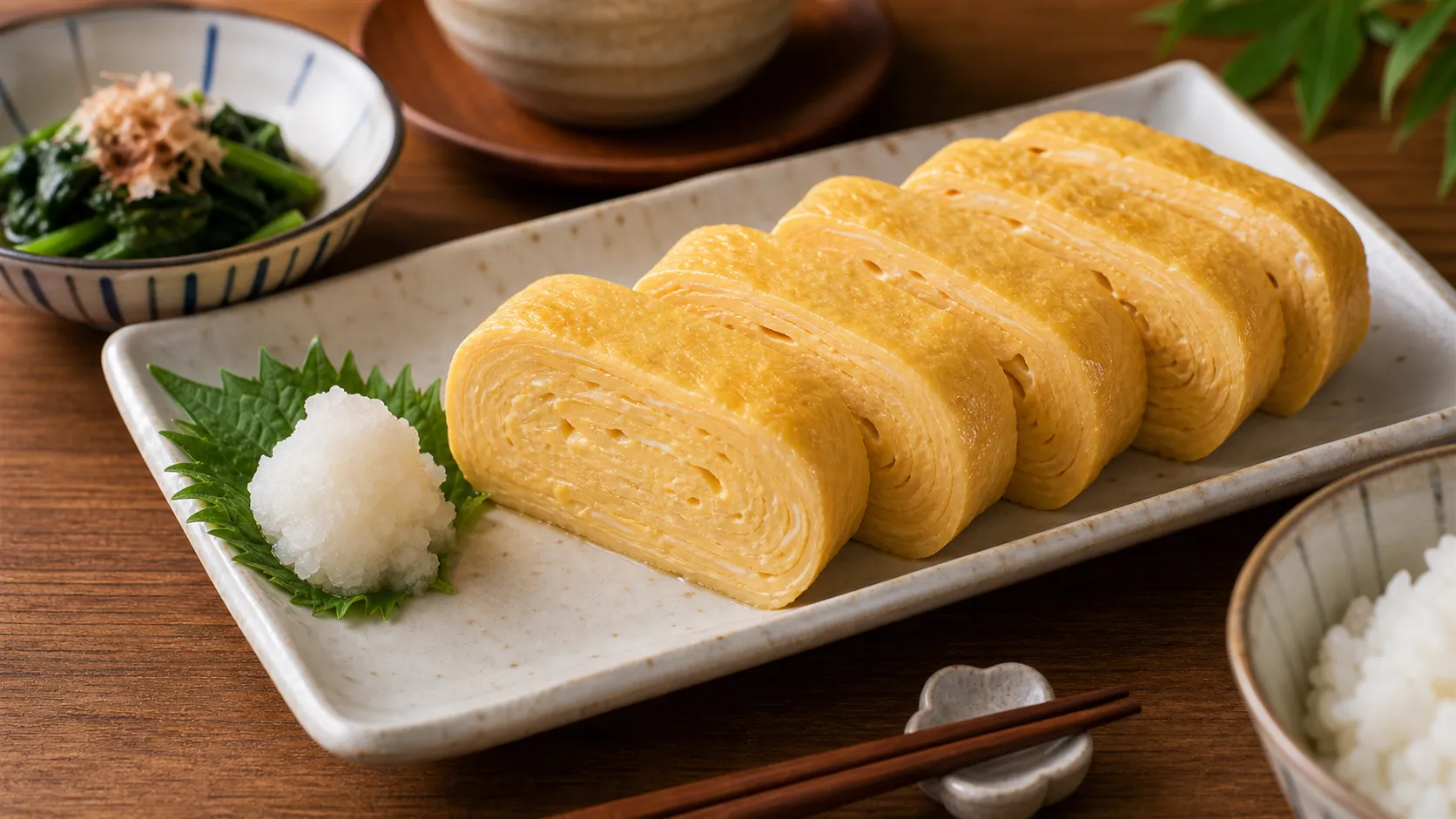
Dashimaki-tamago (だし巻き卵)
A rolled omelette so soft it almost trembles, layered fold over fold and soaked with dashi so that biting in releases a little warm rush of savory broth — the deceptively simple egg dish that Japanese chefs spend years perfecting.
July 11, 2026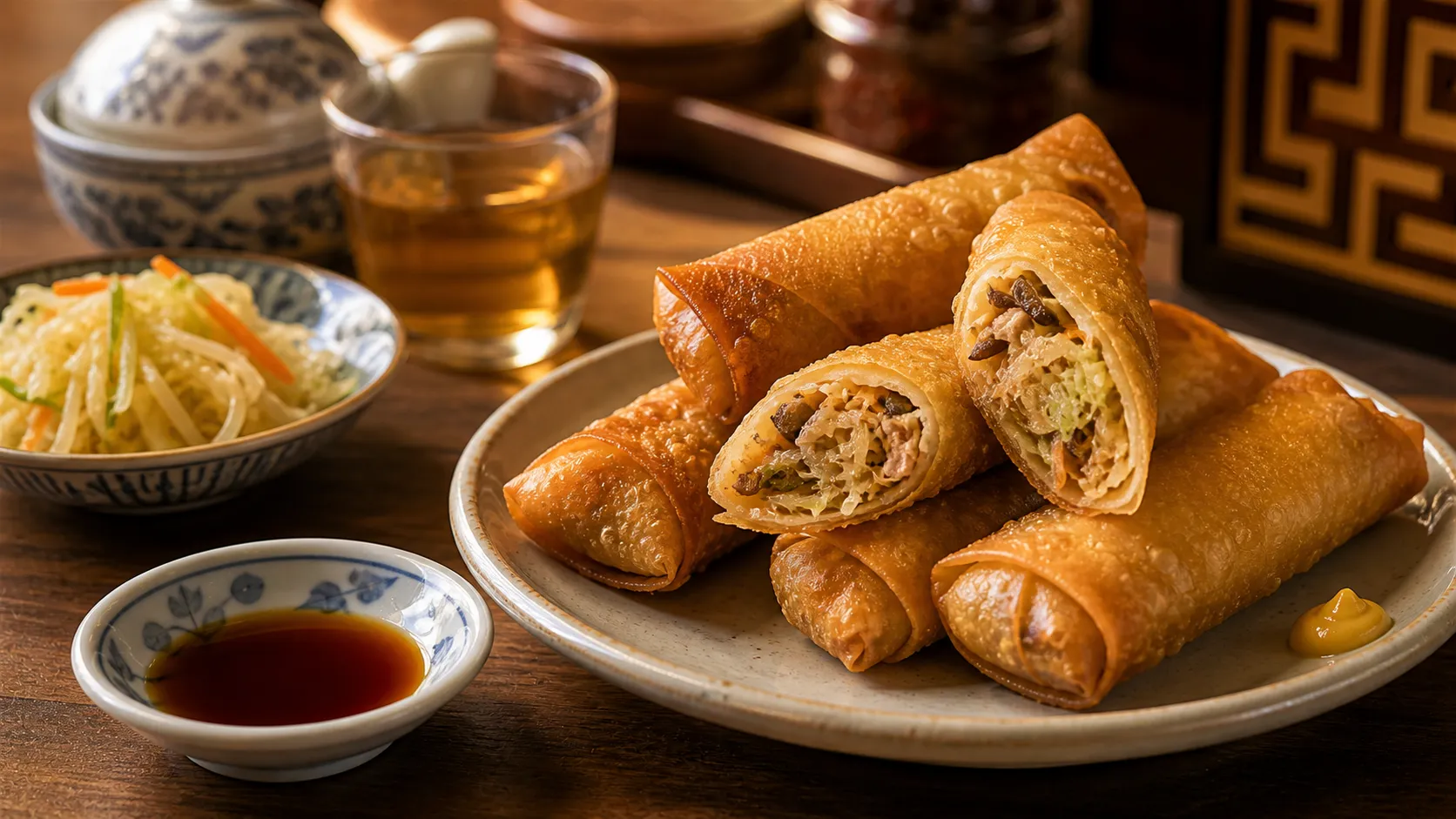
Japanese FoodNationwide
Harumaki (春巻き)
The Japanese spring roll — a shatteringly crisp golden tube that gives way to a hot, savory tangle of pork, cabbage and bamboo shoot, best eaten the second it's cool enough not to burn your mouth (you will not wait that long).
July 11, 2026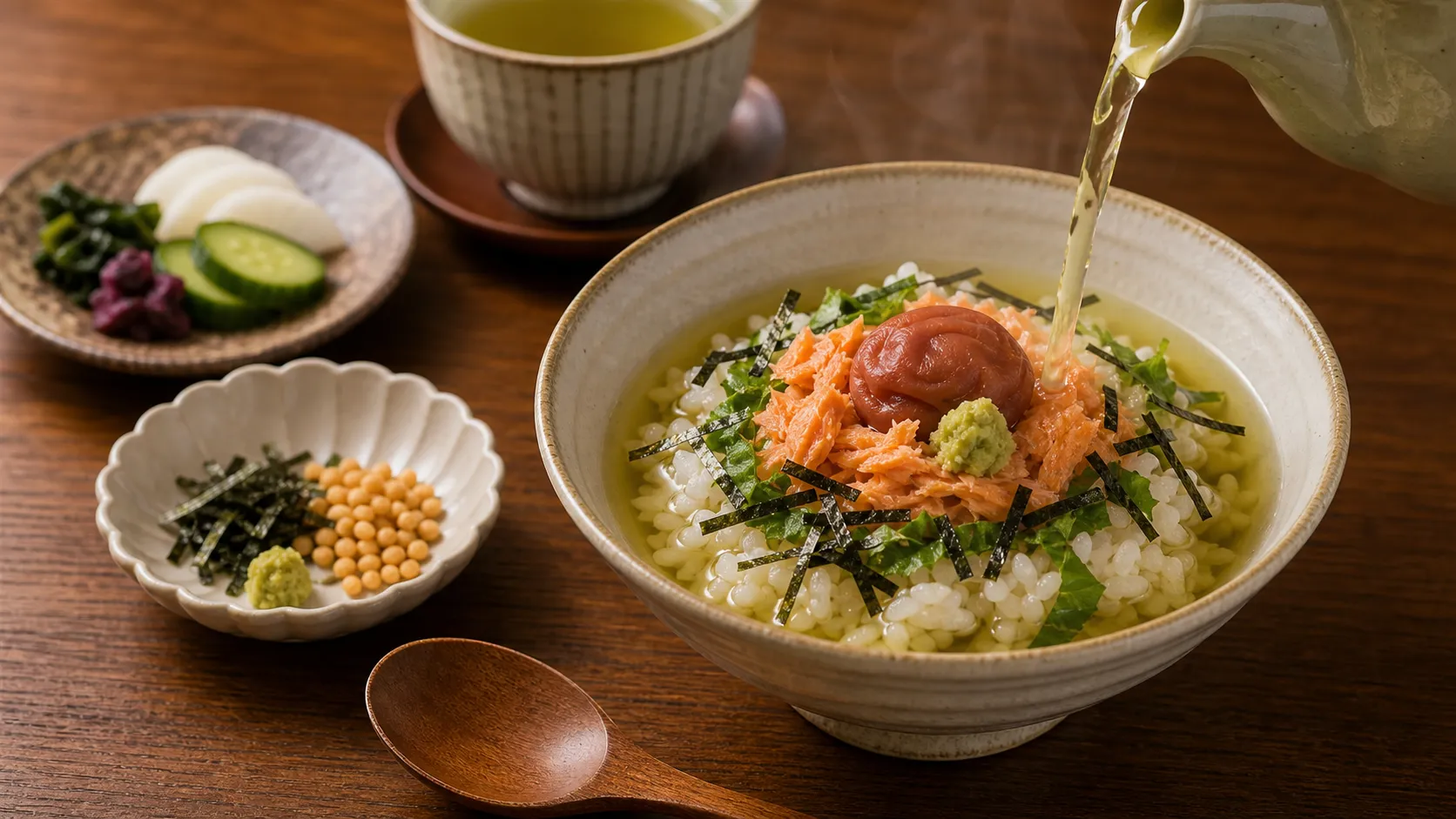
Japanese FoodNationwide
Ochazuke (お茶漬け)
Pour hot green tea or dashi over a bowl of rice, scatter something savory on top, and eat — the gentlest, most quietly restorative dish in Japan, the one you reach for late at night when you just need a warm bowl to make everything okay.
July 11, 2026