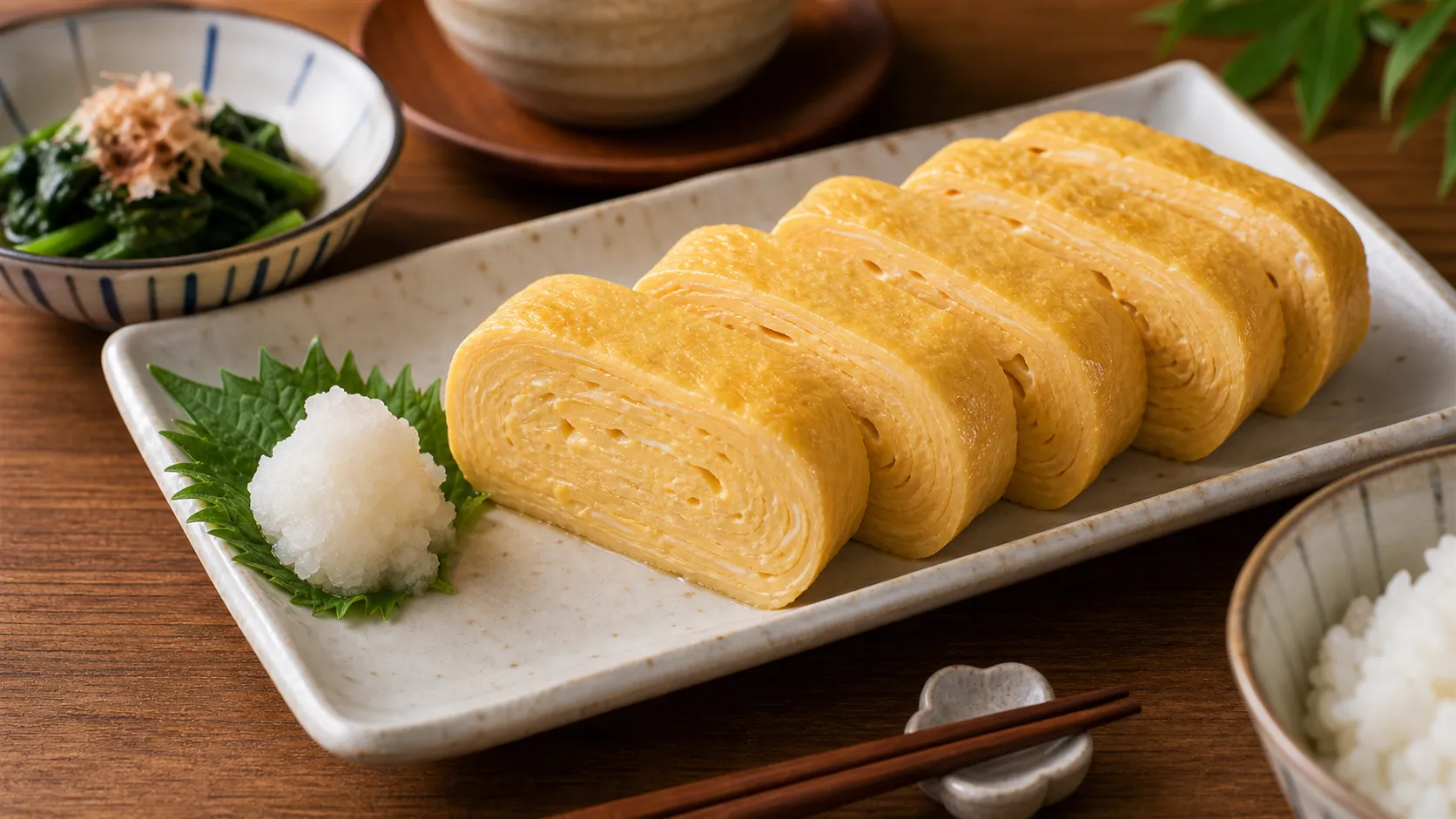
I ordered it at an izakaya expecting, well, an omelette. What arrived was a warm golden log, sliced to show layer after delicate layer, jiggling faintly on the plate — and when I bit in, it released dashi, a little warm rush of savory broth right there in my mouth, the egg impossibly soft and tender around it. I actually paused. This wasn't just eggs. This was eggs treated like something sacred. That's dashimaki-tamago, and it taught me that a simple omelette can be a quiet masterpiece.
Share this dish


A rolled omelette so soft it almost trembles, layered fold over fold and soaked with dashi so that biting in releases a little warm rush of savory broth — the deceptively simple egg dish that Japanese chefs spend years perfecting.
Here's what it is: dashimaki-tamago (だし巻き卵) is a Japanese rolled omelette made by pouring dashi-seasoned beaten egg into a rectangular pan in thin layers, rolling each one over the last, until you build a soft, many-layered, juicy log heavy with savory broth. Dashi in the egg, rolled layer by layer, soft and broth-filled: that's what makes it dashimaki-tamago and not a plain omelette or the sweeter tamagoyaki. It's an izakaya staple, a sushi-counter classic, and a genuine test of a cook's skill.
The omelette as a measure of skill
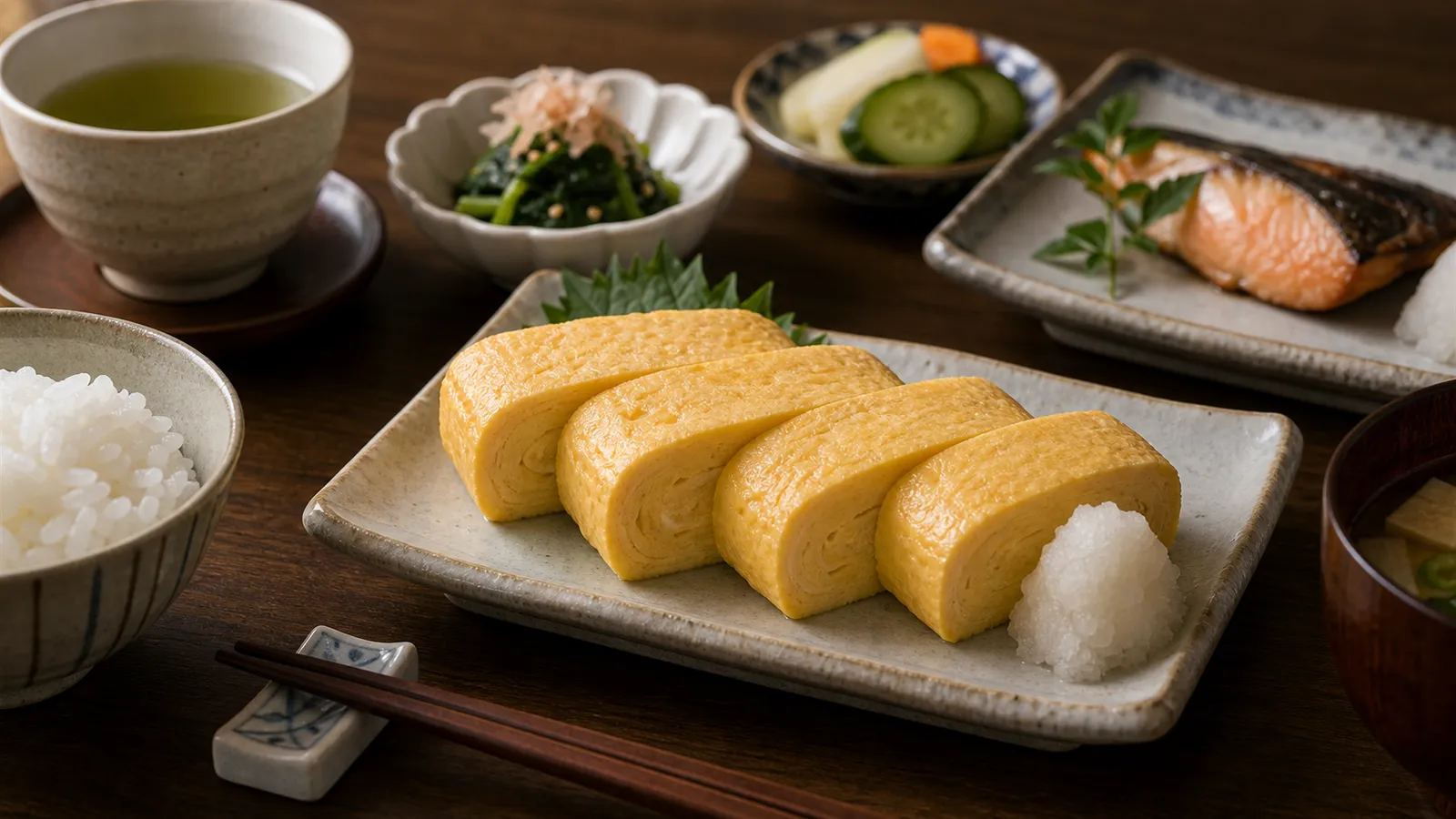
In Japan, the humble rolled egg is taken astonishingly seriously. At traditional sushi restaurants, the tamago has long been considered a way to judge a chef — get the egg right, the reasoning goes, and you can be trusted with everything else. Dashimaki-tamago is the savory, dashi-forward expression of that craft: not sweet like some tamagoyaki, but rich with broth, soft as a cloud, and requiring real technique to roll thin layers of loose, wet egg into a tender log without tearing or overcooking.
I find that reverence genuinely beautiful. Here is a dish made of nothing but eggs, dashi, and a little seasoning — no rare ingredient, no flash — and yet mastering it can take years. The skill is entirely in the doing: the heat control, the timing of each pour, the confident flick of the rolling. It's the Japanese food philosophy in miniature — that care and repetition can elevate the plainest thing into art. Every time I eat a great one, I think about how much practice is folded into those layers.
What makes the eating experience different
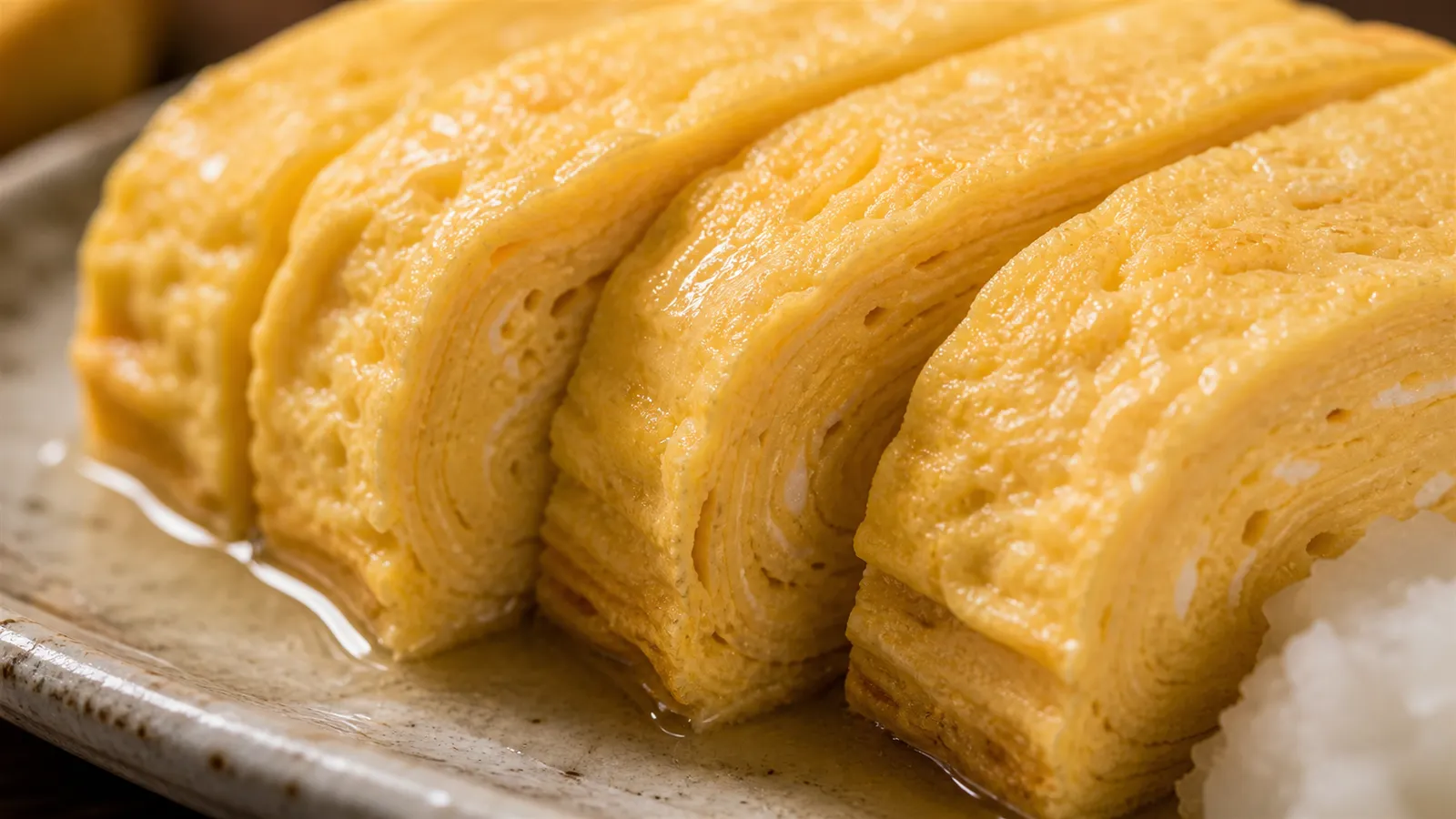
- It's remarkably soft and tender — barely holding together, almost custard-like, a world away from a firm Western omelette
- It's juicy with dashi — bite in and it releases warm savory broth, the defining sensation of the dish
- The layers give it a lovely striped cross-section and a delicate, pillowy structure
- The flavor is savory and umami-rich (dashi and a little soy/salt), not sweet — clean and comforting
- It's often served with grated daikon and a little soy, which cuts the richness beautifully
How it's made
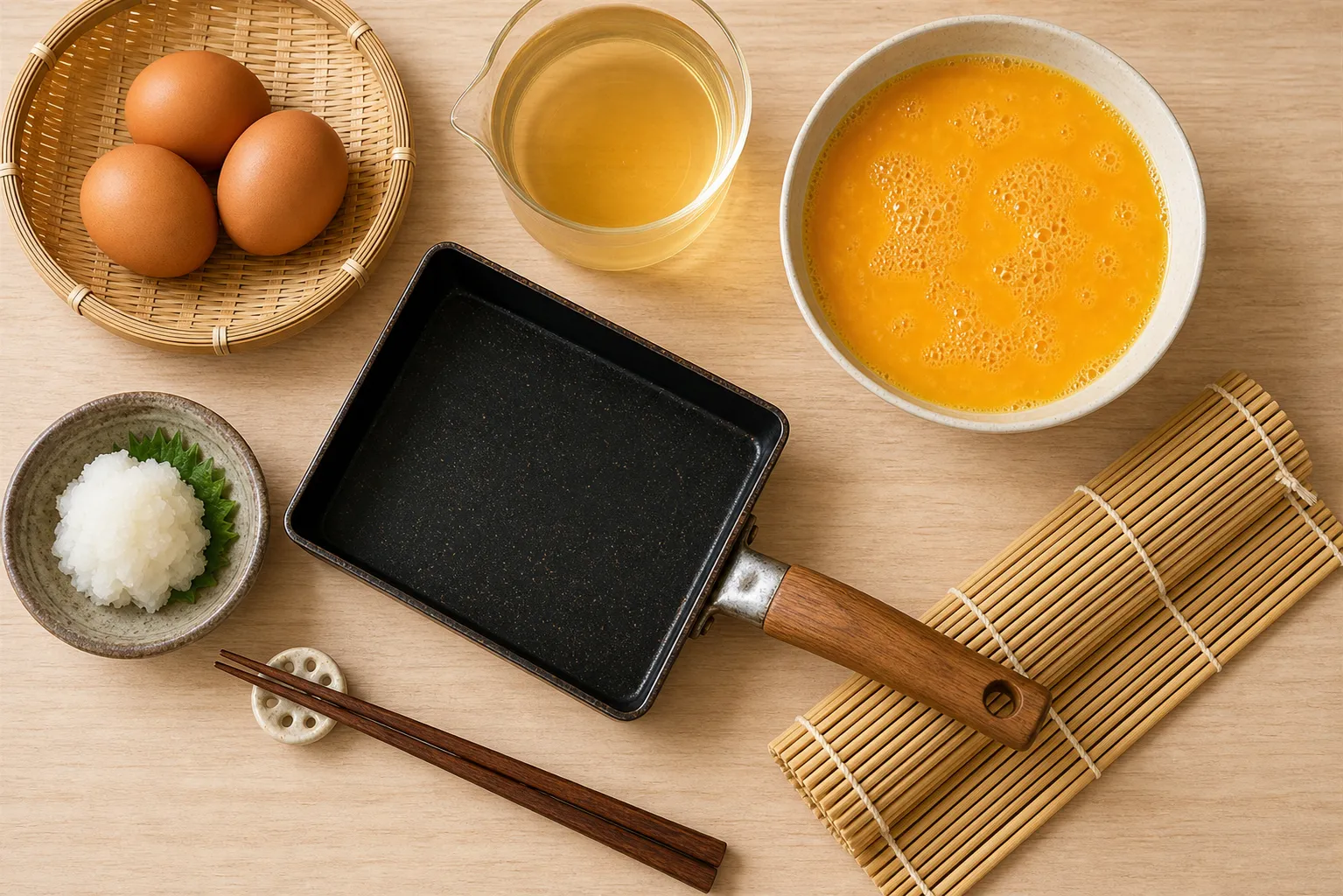
- Season the egg. Beaten eggs are mixed with dashi (and a little soy sauce, salt, sometimes mirin) — the higher the dashi ratio, the softer and juicier (and harder to roll).
- Heat the rectangular pan. A special rectangular tamagoyaki pan is oiled and brought to the right heat.
- Cook and roll the first layer. A thin layer of egg is poured in; as it just sets, it's rolled to one side of the pan.
- Add layers and keep rolling. More egg is poured under and around the roll, set slightly, and rolled over — building up many thin layers into a log.
- Shape and slice. The finished roll is often pressed into shape (sometimes with a bamboo mat), then sliced into thick pieces and served, often with grated daikon.
The whole craft is heat and timing: hot enough to set each layer, gentle enough to keep it soft and un-browned, quick enough to roll before it overcooks. It looks effortless when a pro does it — which is exactly how you know it's hard.
Before you go — order it at an izakaya
Your questions, answered honestly
"Is this the sweet egg from sushi restaurants?" — Related, but not quite. That sweet, dense, sometimes cake-like egg is a style of tamagoyaki. Dashimaki-tamago is the savory, dashi-heavy version — softer, juicier, broth-forward rather than sweet. Some regions and shops lean sweeter or more savory; dashimaki is firmly in the savory, dashi-rich camp.
"Why is it so soft — is it undercooked?" — No, that softness is the goal. A great dashimaki-tamago is deliberately tender and juicy, with lots of dashi cooked into just-set egg. It's fully cooked, just cooked expertly to stay delicate. If it's firm and dry, it's been overdone.
"What do I eat it with?" — It usually comes with grated daikon (radish) and a little soy sauce — mix a bit of soy into the daikon and eat it alongside. The fresh, slightly sharp daikon balances the rich egg perfectly.
"Hot or cold?" — Both are common and both are good. Freshly made and warm, it's soft and aromatic; chilled (as in a bento or side dish), it's firmer and still delicious. At an izakaya you'll usually get it warm.
What the staff will ask you
| You'll hear | Romaji | Meaning | Just say |
|---|---|---|---|
| 大根おろしはお付けしますか? | Daikon-oroshi wa o-tsuke shimasu ka? | "Would you like grated daikon with it?" | Onegaishimasu (yes, please) |
| 温かいのと冷たいの、どちらにしますか? | Atatakai no to tsumetai no, dochira ni shimasu ka? | "Warm or chilled?" | Atatakai no de (warm, please) |
| お飲み物はいかがですか? | O-nomimono wa ikaga desu ka? | "Anything to drink?" | Bīru o kudasai (a beer, please) |
To order, just say "Dashimaki-tamago o kudasai" (だし巻き卵をください) — "Dashimaki-tamago, please."
Where to eat it
- Izakaya nationwide — a classic order, freshly rolled and served warm with grated daikon; one of the most reliable ways to try a good one.
- Sushi restaurants — the tamago is a traditional part of the meal and a mark of the chef's skill, though sushi-style egg is often on the sweeter side.
- Teishoku (set-meal) shops and kyoto-style eateries — dashimaki appears as a side in set meals, and Kansai/Kyoto has a strong dashi-forward egg tradition worth seeking out.
Dashimaki-tamago styles range from savory to slightly sweet by region and shop, and it's best enjoyed freshly made; ask for it warm with grated daikon for the classic experience.
Soul Score
Local Roots4/5
First-Timer Friendly5/5
Adventure Level3/5
Comfort Level5/5
Travel Worthy3/5
These scores are one obsessed eater's gut feeling — not a verdict. A low number isn't a bad mark, just a different kind of adventure.
Know someone planning Japan?
← All Articles
Japanese Food · Nationwide
Still hungry?
You might also like
Japanese FoodNationwide
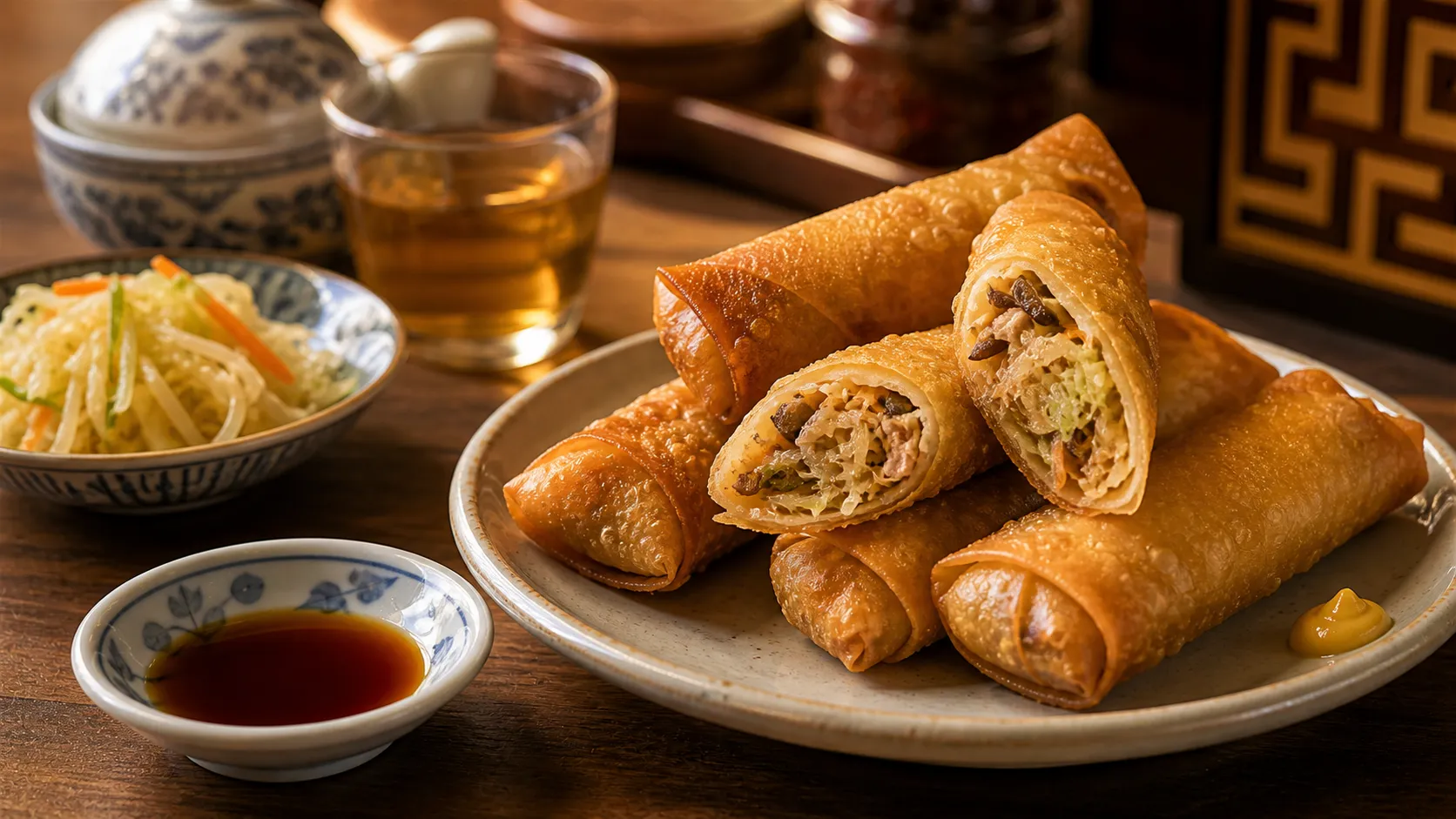
Harumaki (春巻き)
The Japanese spring roll — a shatteringly crisp golden tube that gives way to a hot, savory tangle of pork, cabbage and bamboo shoot, best eaten the second it's cool enough not to burn your mouth (you will not wait that long).
July 11, 2026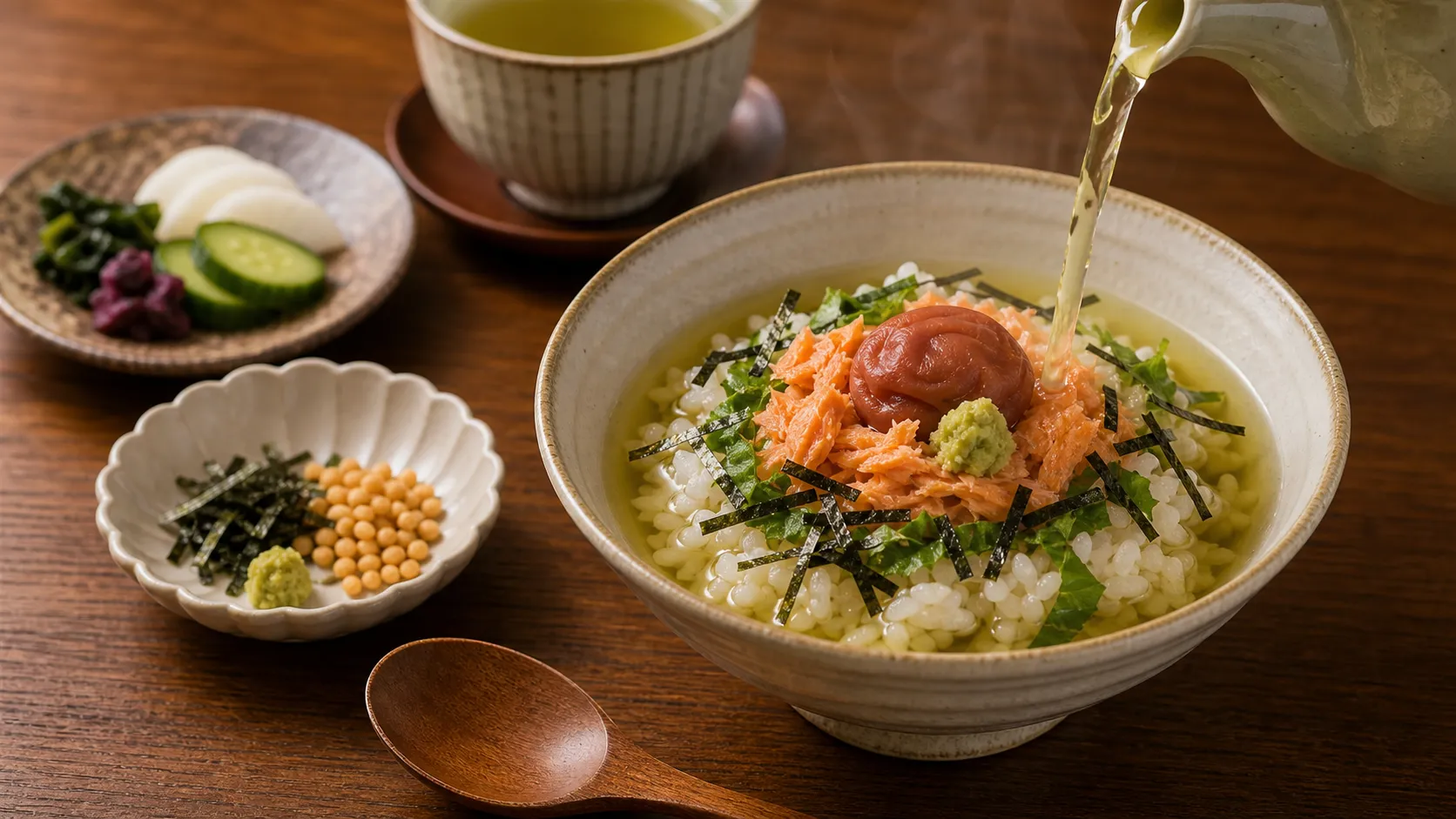
Japanese FoodNationwide
Ochazuke (お茶漬け)
Pour hot green tea or dashi over a bowl of rice, scatter something savory on top, and eat — the gentlest, most quietly restorative dish in Japan, the one you reach for late at night when you just need a warm bowl to make everything okay.
July 11, 2026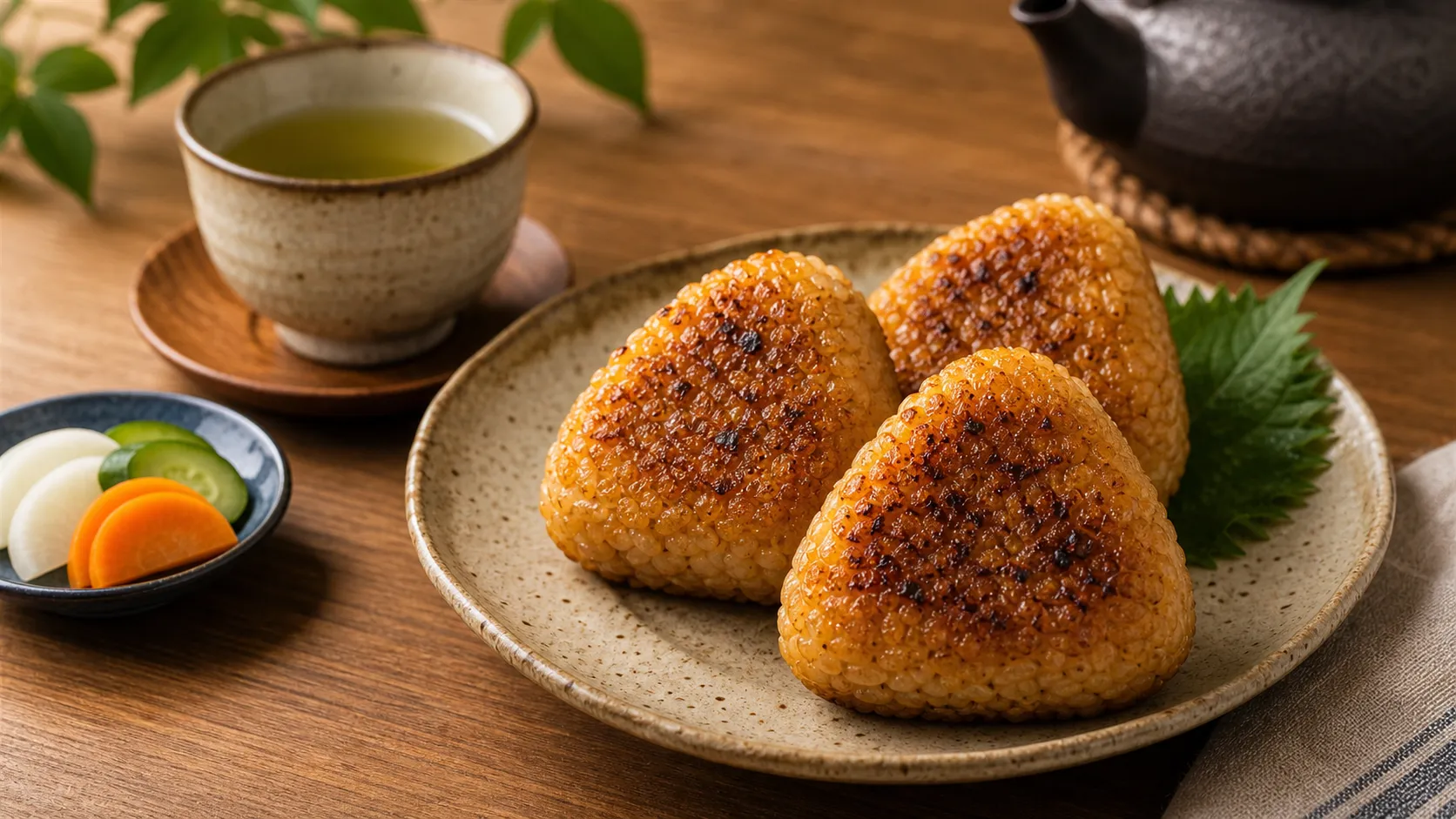
Japanese FoodNationwide
Yaki-onigiri (焼きおにぎり)
A rice ball brushed with soy sauce and grilled until the outside turns crackly-crisp and the whole thing smells like the best kind of caramelized, toasty comfort — the humble onigiri, upgraded by fire.
July 11, 2026