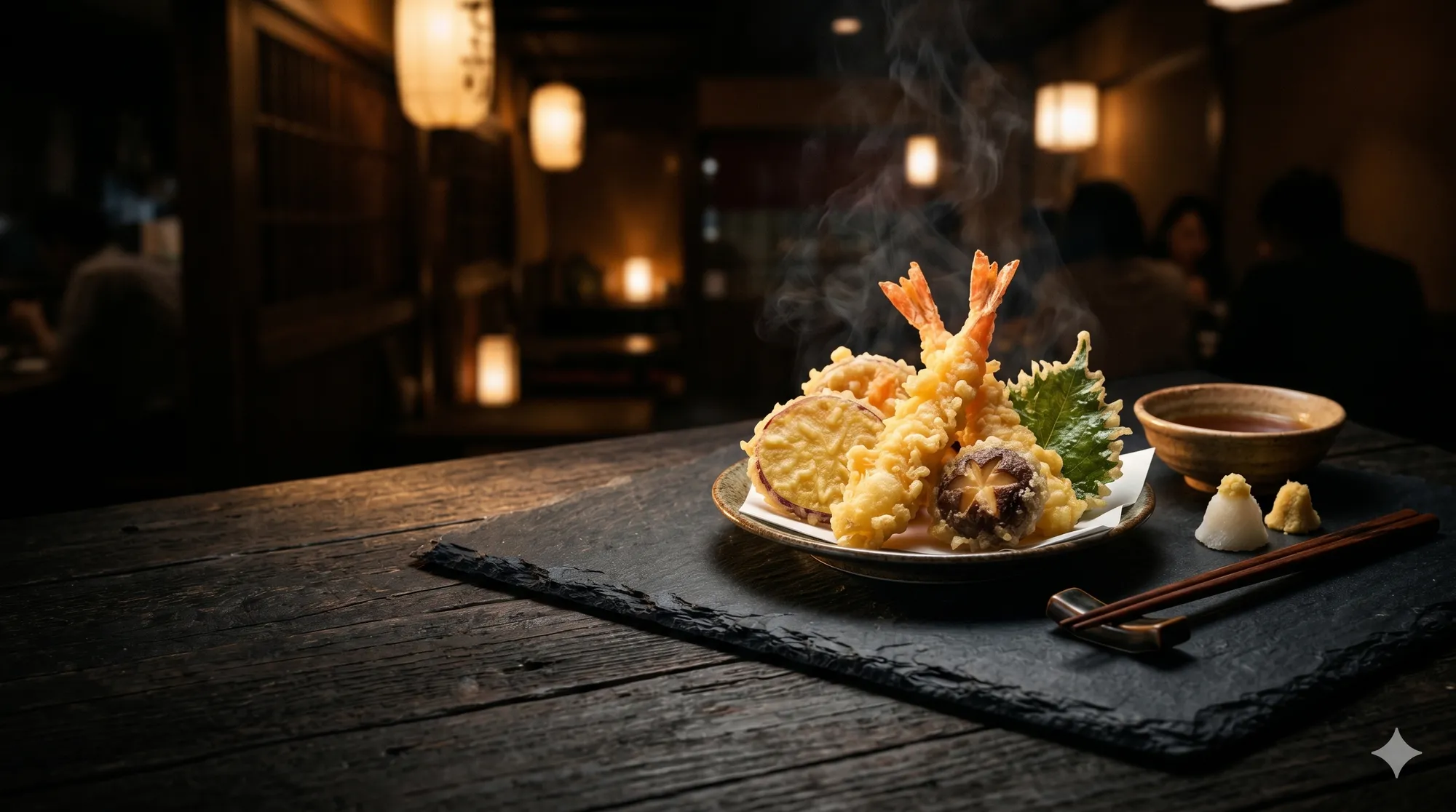
Here's the trick that took me years to appreciate: great tempura is barely fried at all.
Share this dish


Batter so light it's almost not there, around an ingredient cooked to its peak. It looks like the simplest thing in the world. It's one of the hardest to do perfectly.
🍜 Planning a food trip to Japan?Add this dish to my Food Trip →
 Add this dish to my Food Trip →
Sit at a good tempura counter and watch the chef work, and you'll see something close to a magic act — a shrimp dipped, lowered, lifted, and set in front of you in seconds, the batter so thin and pale it's almost translucent, shattering like a soap bubble while the shrimp inside has only just turned sweet and tender. That's the whole art: the batter is a whisper, the oil is under absolute control, and the ingredient is the star. Anyone can deep-fry. Almost nobody can make it disappear like this.
A Portuguese gift Japan perfected
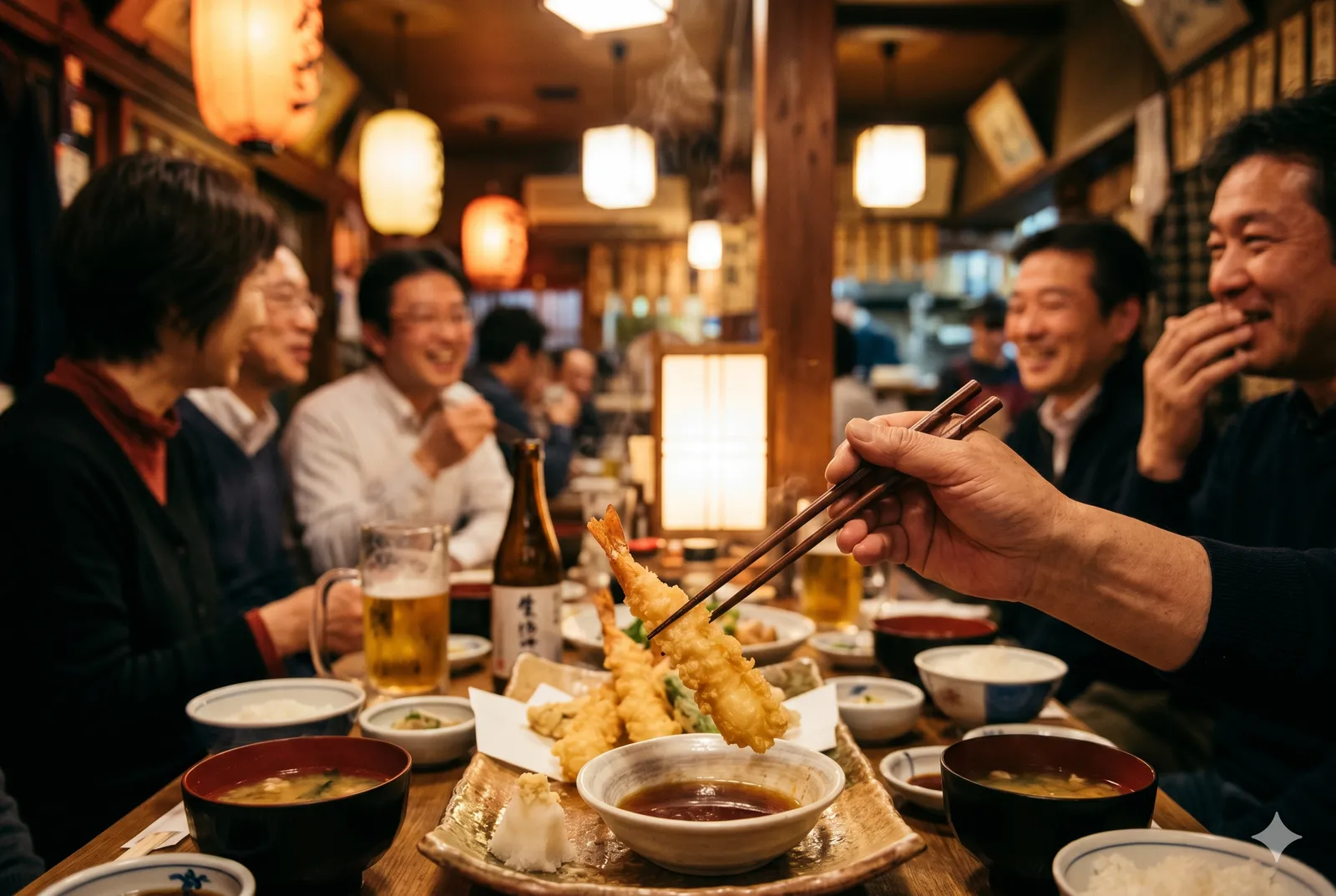
Tempura isn't even originally Japanese — and I love that. In the 16th century, Portuguese Jesuit missionaries brought over peixinhos da horta, battered fried green beans eaten during Catholic fasting days (Quatuor Anni Tempora — possibly where the very name comes from). Japanese cooks took the idea, refined it for centuries, and turned it into street food fried fresh from riverside stalls in old Edo. From convenience-store snack to three-Michelin-star counter, it now spans the entire spectrum of Japanese eating.
What "good" actually means
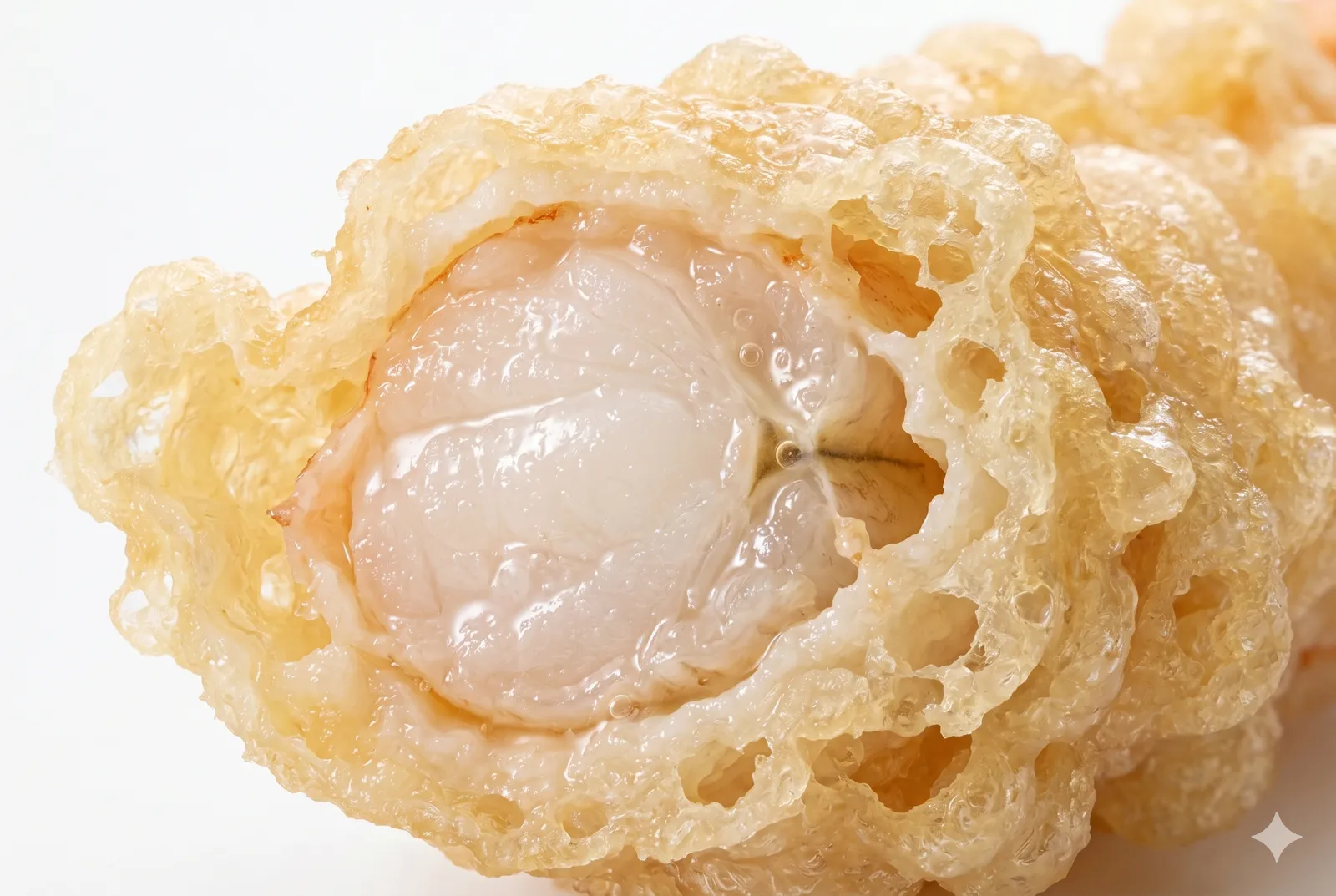
It all comes down to the batter — thin, light, lacy, almost see-through. It should shatter, never chew. The secret is ice-cold water, the lightest possible mixing (lumps are fine; overworking is a sin), and oil held at exactly the right temperature so the inside steams in its own moisture while the outside crisps.
Classic stars: shrimp (the icon), whiting, conger eel, sweet potato, shishito pepper, kabocha, eggplant, lotus root. The dip is tentsuyu — light dashi with mirin and soy, plus grated daikon and ginger.
How it's made
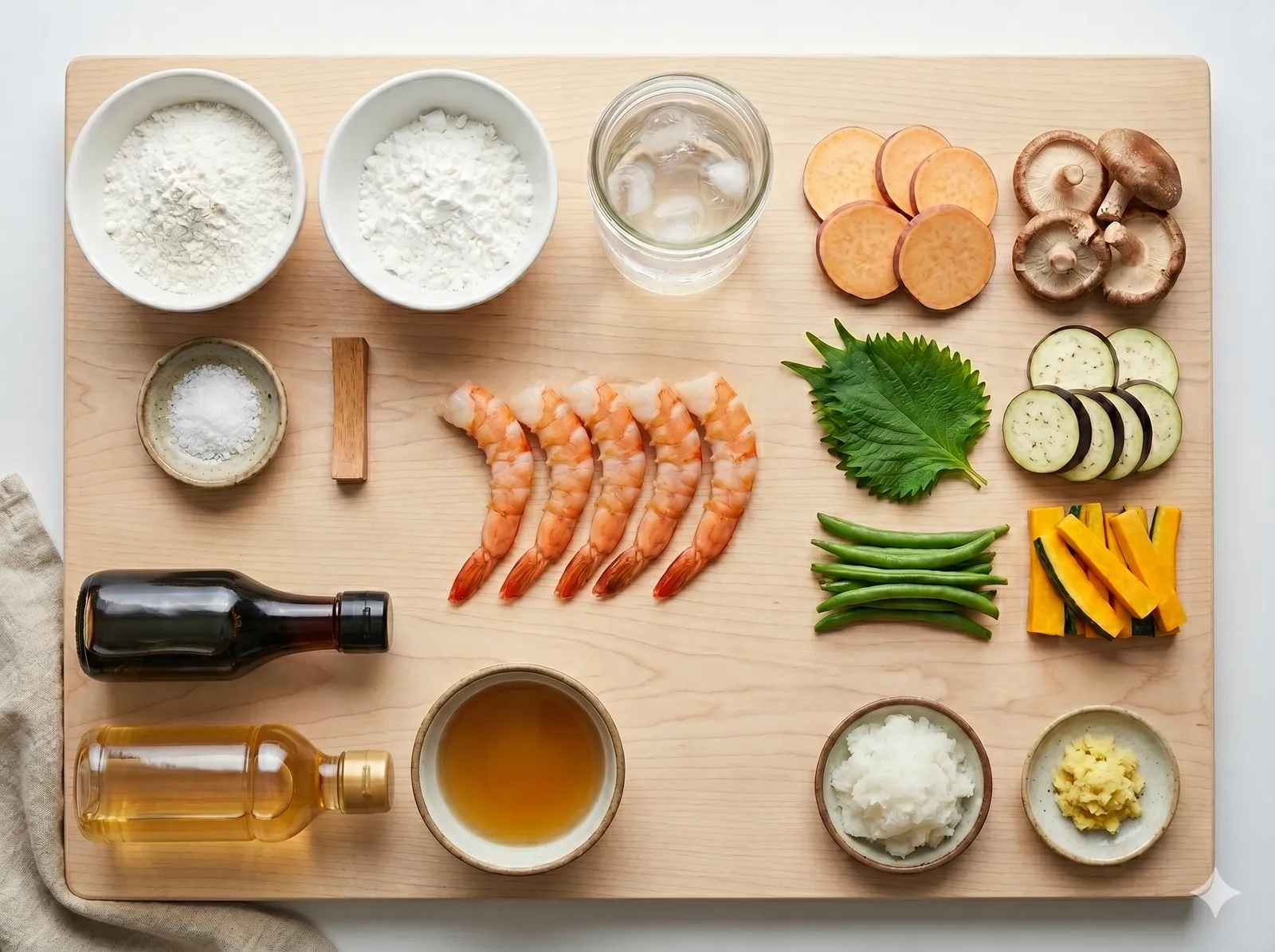
- Pat everything bone-dry — moisture is the enemy of crisp
- Whisk egg into ice-cold water, then fold in flour briefly. Do not overmix
- Heat oil to 170–180°C (lower for delicate items, higher for roots)
- Lightly dust the ingredient, dip in batter, lower it in slowly
- Fry just until the batter sets and turns pale gold — then drain at once
In Kansai they often use nutty sesame oil; in Kanto, lighter vegetable oil for a cleaner taste. Neither is wrong, and yes, people have opinions.
Before you go — order it like you know
Your questions, answered honestly
"Salt or dipping sauce?" — Both are on the table for a reason. Delicate things (shrimp, white fish, shishito) shine with just a pinch of salt; heartier ones love the tentsuyu dip with grated daikon. At a good counter, the chef may even tell you which to use for each piece — follow their lead.
"Eat it now, or wait for everything?" — Now. The instant it hits your plate. Tempura's perfect window is about thirty seconds wide. Do not let it sit being polite.
"What's the cheap, filling way to have it?" — Tendon — tempura over a bowl of rice with sweet-savory sauce — is glorious and affordable. Tempura soba/udon is the noodle route. You don't need a fancy counter to eat well.
"Why is the high-end stuff so expensive?" — You're paying for impossibly fresh ingredients and a chef who controls oil temperature like a pianist controls a keyboard, frying each piece to order just for you. It's worth it once.
What the staff will ask you
| You'll hear | Romaji | Meaning | Just say |
|---|---|---|---|
| 塩と天つゆ、どちらで? | Shio to tentsuyu, dochira de? | "Salt or dipping sauce?" | Shio de (salt) / Tentsuyu de (the dip) |
| 天丼にしますか? | Tendon ni shimasu ka? | "Make it a tempura rice bowl?" | Hai, onegaishimasu (yes please) |
| 揚げたてをどうぞ | Agetate o dōzo | "Please, while it's fresh" | (eat immediately) |
To order, just say "Tempura no moriawase kudasai" (天ぷらの盛り合わせください) — "An assortment of tempura, please."
Where to eat it
- Ginza, Tokyo — home to legendary tempura counters (Kondo, Tenmo and others) where it's an art form
- Tendon shops & soba restaurants nationwide — for the everyday, affordable, deeply satisfying version
- Even convenience stores and supermarkets do a surprisingly good job in a pinch
High-end counters need reservations and hours change, so check before you go — and whatever you do, eat each piece the second it lands.
Soul Score
Local Roots5/5
First-Timer Friendly5/5
Adventure Level3/5
Comfort Level4/5
Travel Worthy3/5
These scores are one obsessed eater's gut feeling — not a verdict. A low number isn't a bad mark, just a different kind of adventure.
Know someone planning Japan?
← All Articles
Japanese Food · Nationwide
Still hungry?
You might also like
Japanese FoodNationwide
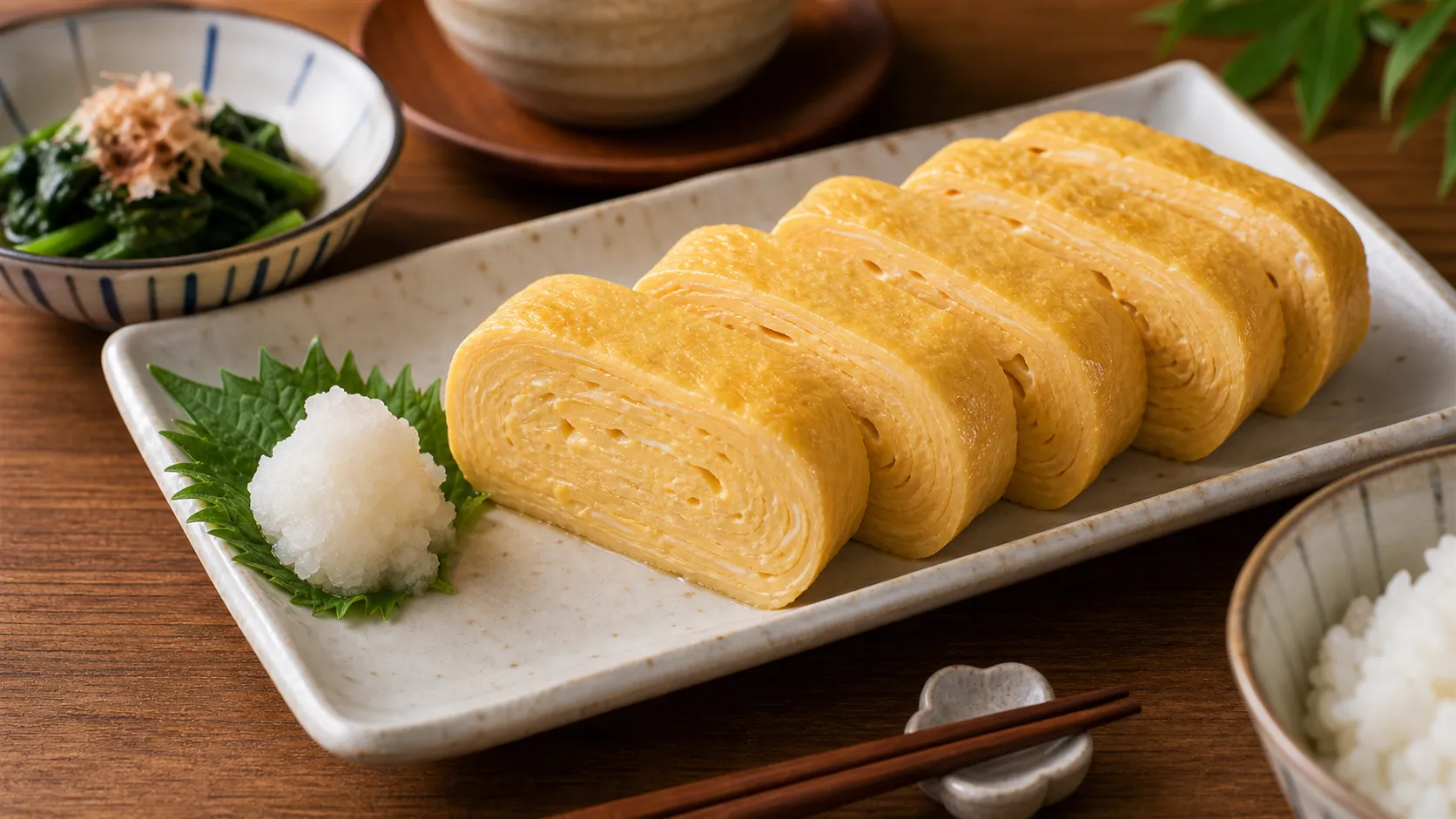
Dashimaki-tamago (だし巻き卵)
A rolled omelette so soft it almost trembles, layered fold over fold and soaked with dashi so that biting in releases a little warm rush of savory broth — the deceptively simple egg dish that Japanese chefs spend years perfecting.
July 11, 2026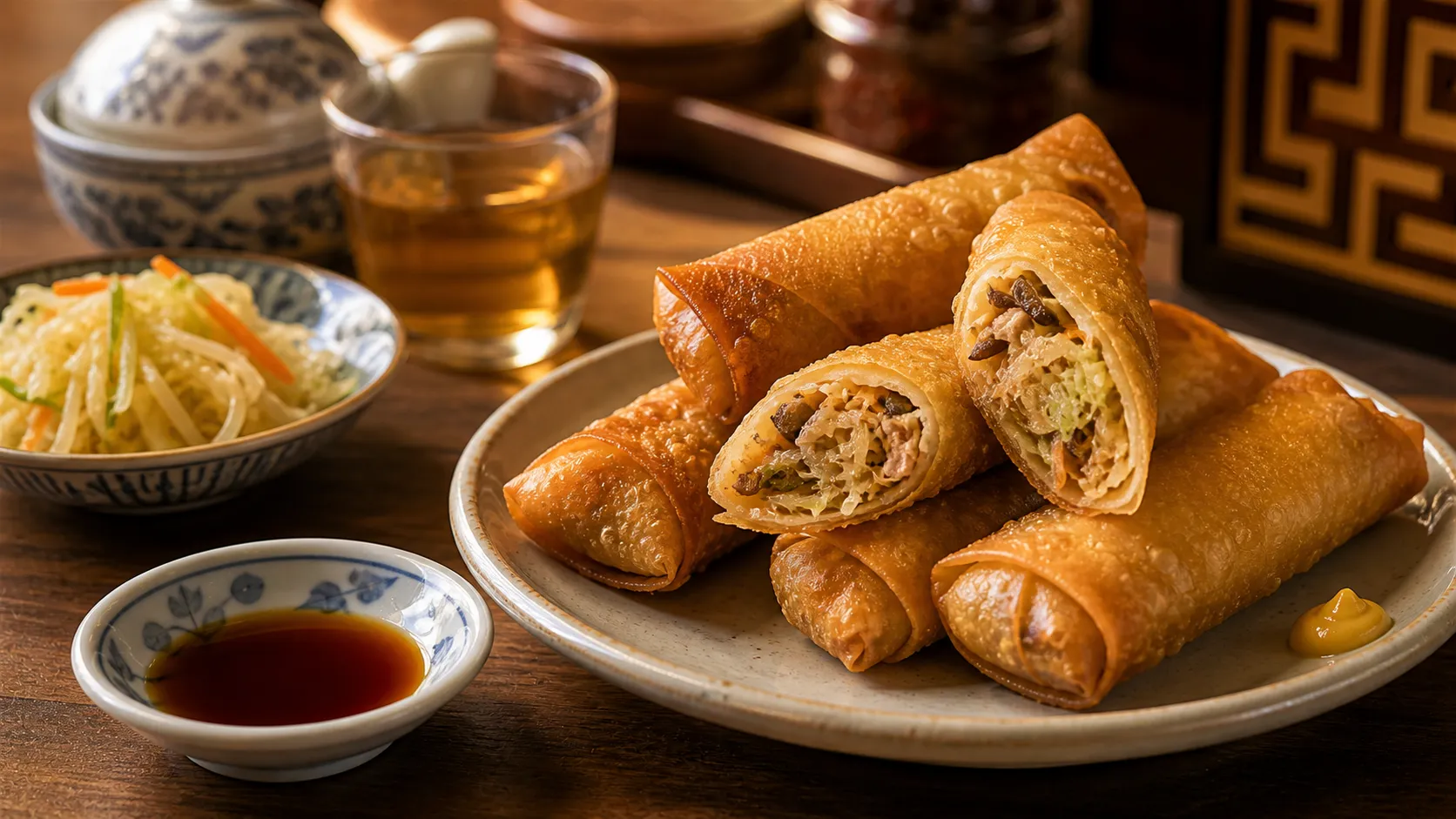
Japanese FoodNationwide
Harumaki (春巻き)
The Japanese spring roll — a shatteringly crisp golden tube that gives way to a hot, savory tangle of pork, cabbage and bamboo shoot, best eaten the second it's cool enough not to burn your mouth (you will not wait that long).
July 11, 2026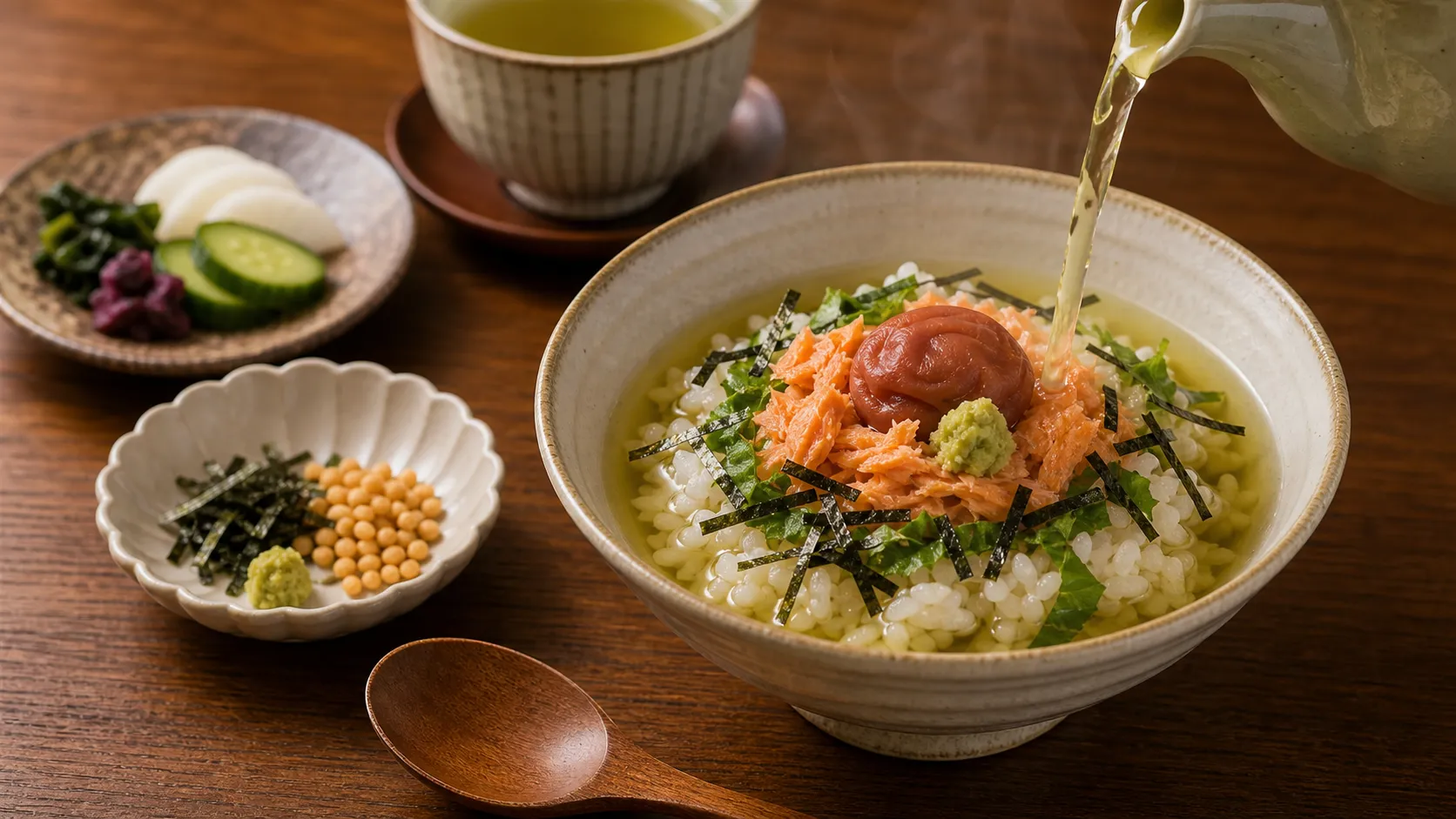
Japanese FoodNationwide
Ochazuke (お茶漬け)
Pour hot green tea or dashi over a bowl of rice, scatter something savory on top, and eat — the gentlest, most quietly restorative dish in Japan, the one you reach for late at night when you just need a warm bowl to make everything okay.
July 11, 2026