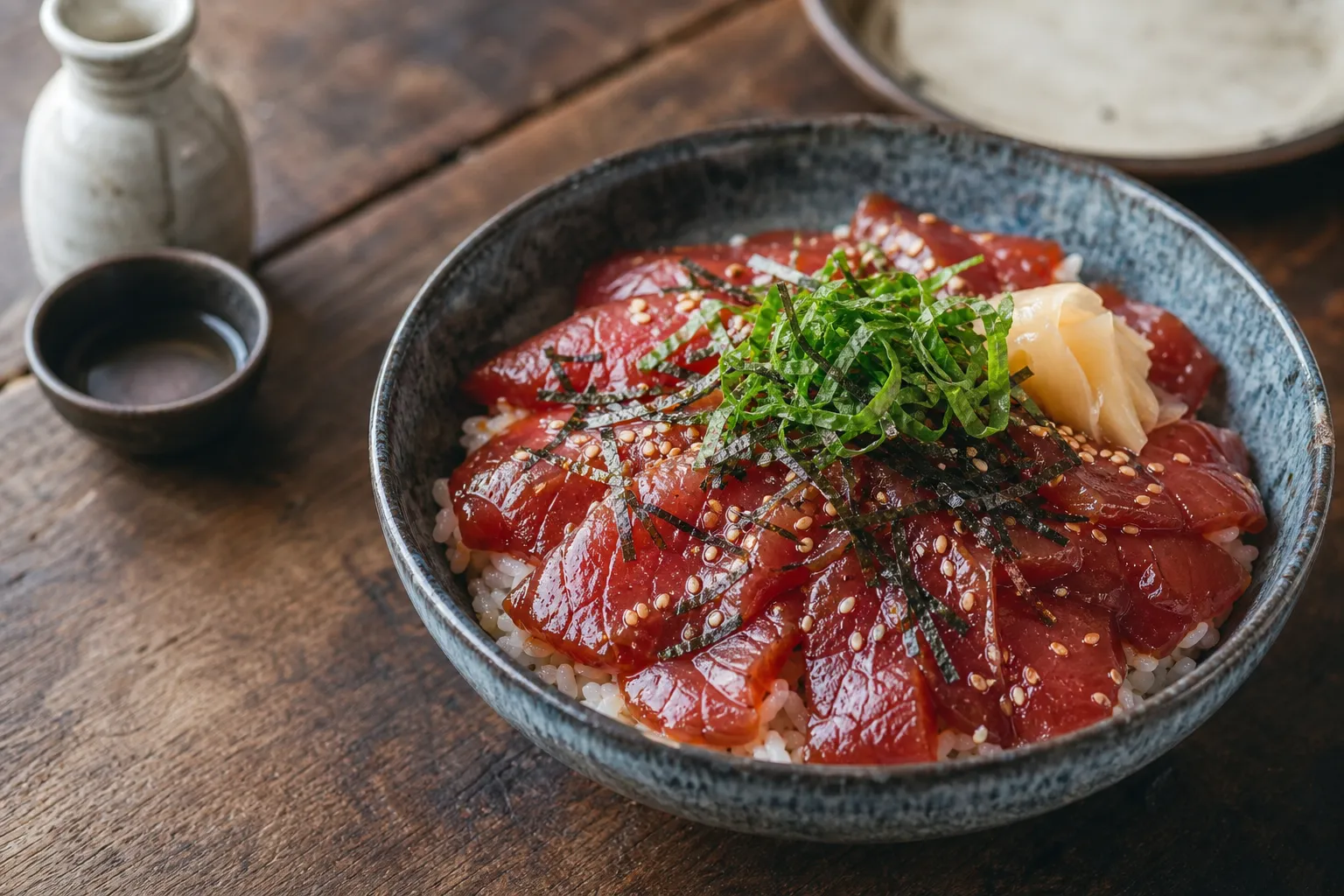
I took one bite on the ferry dock and forgot to keep walking. Dark, glossy slabs of bonito — soaked in soy until they went almost mahogany — tumbled through warm vinegared rice that somebody had clearly mixed with their bare hands, because the fish and rice weren't arranged, they were married. Salt, sea, a hit of vinegar, the cool oily richness of red fish. I stood there chewing like an idiot while the boat I was supposed to be watching pulled away.
Share this dish


Dark, glossy slices of soy-soaked bonito, still cool from the sea, mixed straight into warm vinegared rice with someone's bare hands. I took one bite on the ferry dock and forgot to keep walking.
🍜 Planning a food trip to Mie?Add this dish to my Food Trip →
 Add this dish to my Food Trip →
This is tekone-zushi (てこね寿司), the soul food of the Ise-Shima fishermen: slices of soy-marinated red fish — bonito (katsuo) or tuna — laid and tossed over vinegared sushi rice, then scattered with shredded shiso, pickled ginger, sesame, and strips of nori. Tekone means "hand-mixed." It is not nigiri, not a neat roll, not a delicate white-fish platter. It is bold, dark, oceanic, and deeply satisfying — a bowl that tastes like it was invented by hungry people who caught the fish themselves.
Mixed by hand on the boat
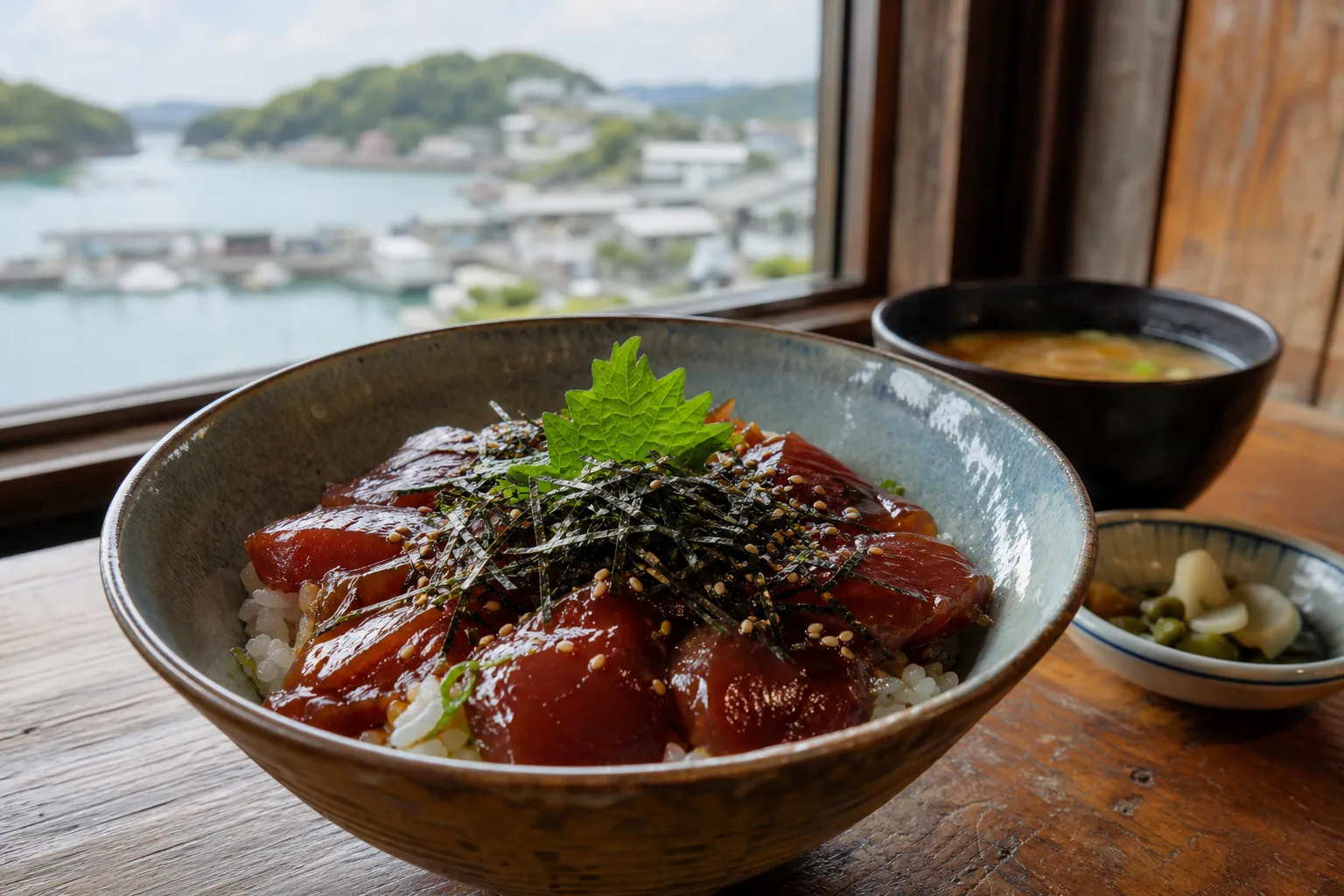
The story is right there in the name. The fishermen of Ise-Shima — the katsuo boats working the waters off Mie — didn't have time on deck for fussy knife work. They'd slice the fresh-caught bonito, drop it into soy sauce to marinate, and then, with the boat rocking and their hands already busy, mix the fish straight into the sushi rice by hand. Te (hand), kone (to knead, to mix). No plating, no ceremony. Just fuel that happened to be spectacular.
I find this genuinely moving. Half the "refined" sushi in the world is about restraint and precision, and here's this bowl that comes from the exact opposite instinct — cold, wet, working hands shoving good fish into good rice because you're starving and the sea doesn't wait. It's honest food. Ise-Shima keeps making it the old way, and eating it near the water where it was born hits different.
Why the soy-marinated fish makes it
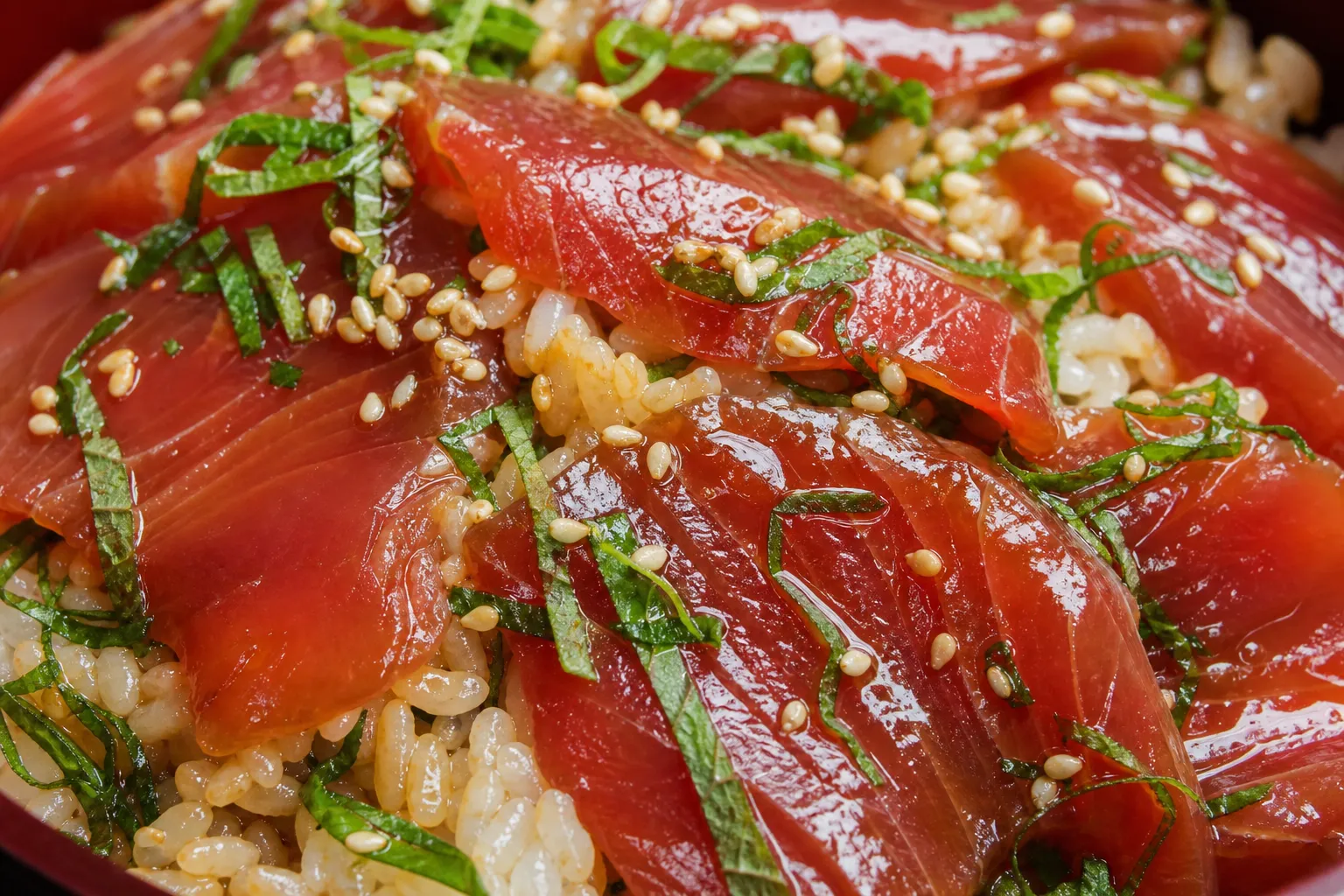
Here's the trick that separates tekone-zushi from a plain sashimi rice bowl: the fish is marinated in soy sauce first. That soak (they call the marinade zuke) does two things. It firms the red fish and deepens the color to that glossy near-black, and it seasons the flesh all the way through, so every slice arrives already salty, savory, and rounded — no dipping required.
Then it meets the vinegared rice, and that's the whole magic. The tang of the sushi rice cuts the oily richness of the bonito, the soy carries the umami, and the shiso and pickled ginger keep flicking little bright, sharp notes across the top. Bonito can be an assertive, almost meaty fish — but marinated and mixed like this, it stops being intense and becomes comforting. I went back for a second bowl. I did not pretend otherwise.
How it's made
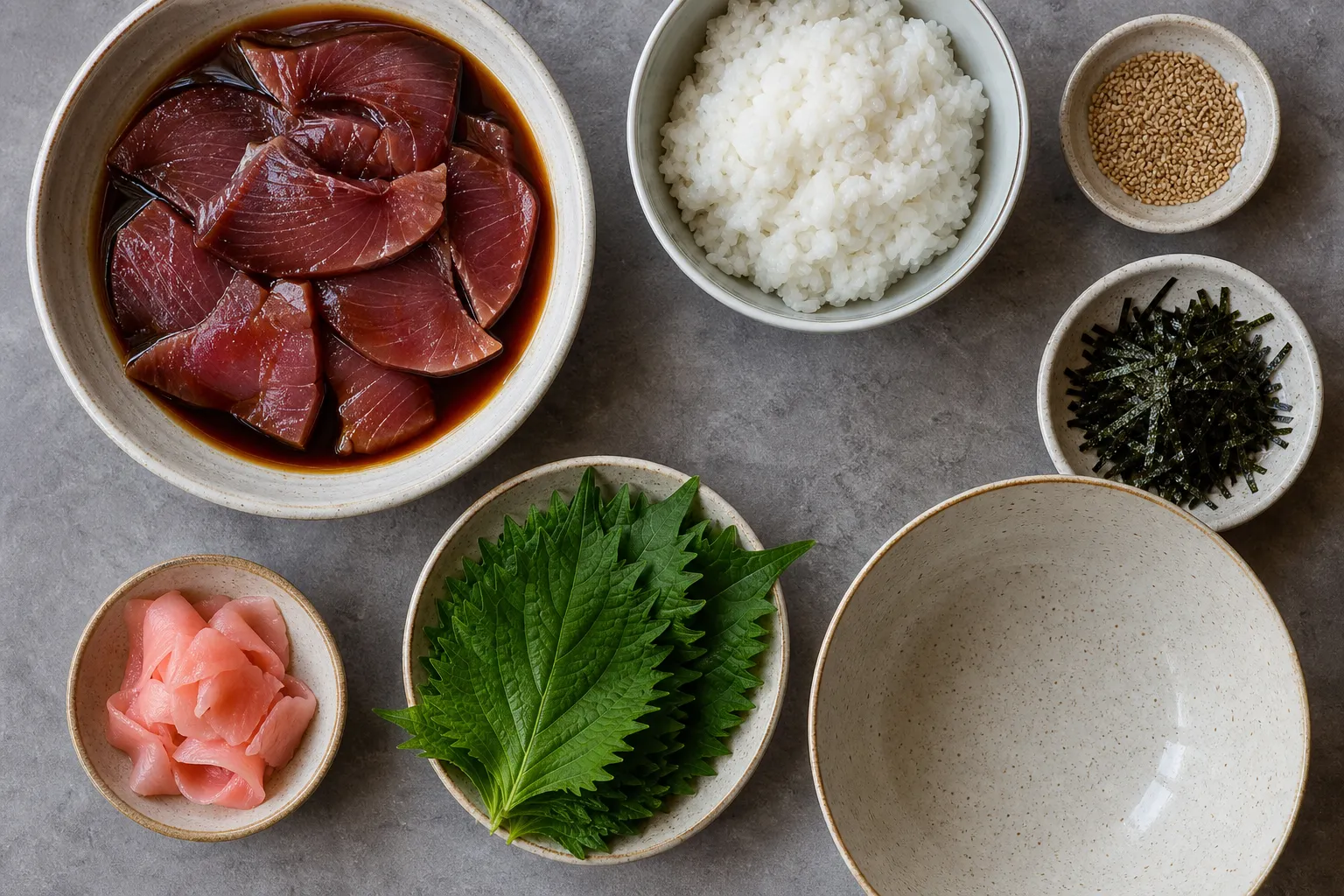
- Slice fresh bonito (or tuna) into thin, bite-sized pieces
- Marinate the fish in soy sauce (often with a little mirin or sake) until it turns deep and glossy
- Cook rice and fold in sushi vinegar to make seasoned, slightly tangy sushi rice
- Tumble the marinated fish through the warm rice, mixing by hand so the two really combine
- Pile into bowls
- Top with shredded shiso leaf, pickled ginger, toasted sesame, and strips of nori
Before you go — for the sushi-curious
Your questions, answered honestly
"Is this raw fish?" — Yes. It's soy-marinated raw bonito or tuna over vinegared rice. The marinade firms and seasons it, so it's less slippery than plain sashimi, but you're eating raw red fish. If that's your thing, you'll love it.
"How is it different from a regular kaisen-don or chirashi?" — The fish is marinated in soy first (not raw-and-plain with soy on the side), and it's mixed into the rice by hand rather than fanned out on top. Rustic, bold, pre-seasoned. No dipping bowl needed.
"Do I need to add soy sauce?" — No. The fish already soaked in it. Taste first — most bowls are seasoned exactly right and extra soy just drowns it.
"Is it spicy?" — Not at all. The heat here is the sharp shiso and pickled ginger, not chili. It's savory and clean.
What the staff will ask you
| You'll hear | Romaji | Meaning | Just say |
|---|---|---|---|
| ネタは何にしますか? | Neta wa nani ni shimasu ka? | "Which fish?" (bonito or tuna) | Katsuo de (bonito) / Omakase de (chef's choice) |
| ご飯の量は? | Gohan no ryō wa? | "How much rice?" | Futsū de (regular) / Ōmori de (large) |
| わさびは付けますか? | Wasabi wa tsukemasu ka? | "Add wasabi?" | Hai, onegaishimasu (yes please) |
| 味噌汁は付けますか? | Misoshiru wa tsukemasu ka? | "Add miso soup?" | Hai, onegaishimasu (yes please) |
To order, just say "Tekone-zushi kudasai" (てこね寿司ください) — "Tekone-zushi, please."
Where to eat it
- Ise-Shima, Mie — this is the homeland. Look for it around Ise Jingu (the Grand Shrine) and along the Toba fishing coast, where local restaurants and shops serve it as the signature regional dish.
- Okage Yokocho, near Ise Jingu — the lively old-town street by the shrine's inner precinct is thick with local Ise specialties, and tekone-zushi is a classic thing to hunt for here.
- Check before you go — individual shops keep their own hours and days off, and the popular ones near the shrine can be busy around festival and holiday seasons; confirm timing before you make the trip.
Soul Score
Local Roots5/5
First-Timer Friendly3/5
Adventure Level3/5
Comfort Level4/5
Travel Worthy4/5
These scores are one obsessed eater's gut feeling — not a verdict. A low number isn't a bad mark, just a different kind of adventure.
Know someone planning Japan?
← All Articles
Local Food · Ise-Shima, Mie
Still hungry?
Eat more from Mie
Local FoodMie
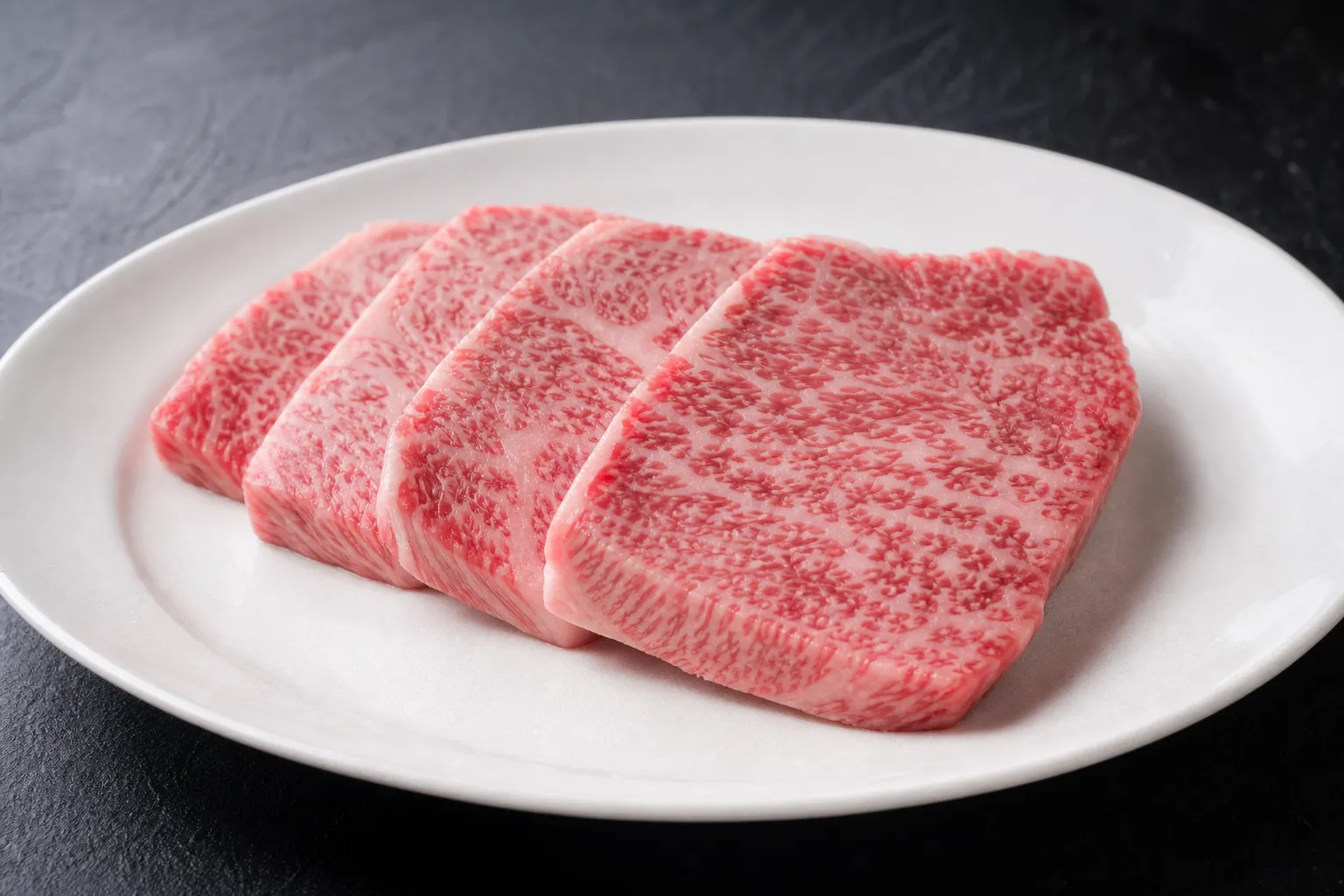
Matsusaka Beef (松阪牛)
Four slices of raw beef on a plain white plate looked less like dinner and more like marble sculpture — and it turns out the fat is so fine it starts melting from the warmth of your fingers alone.
July 22, 2026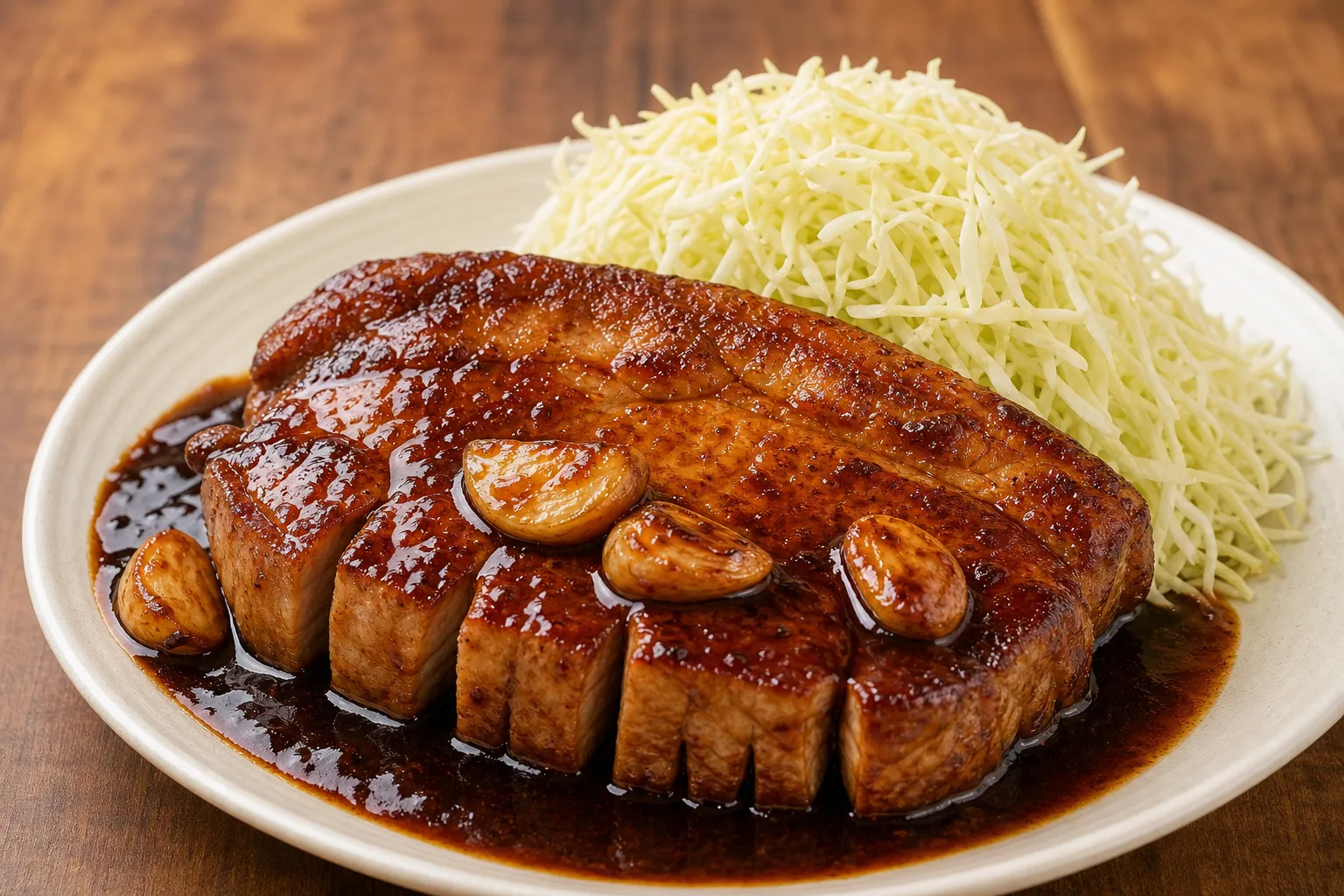
Local FoodYokkaichi, Mie
Tonteki (トンテキ)
A slab of pork the thickness of your fist, seared black-brown and drowning in garlic sauce — this is not the polite cutlet you were expecting.
July 4, 2026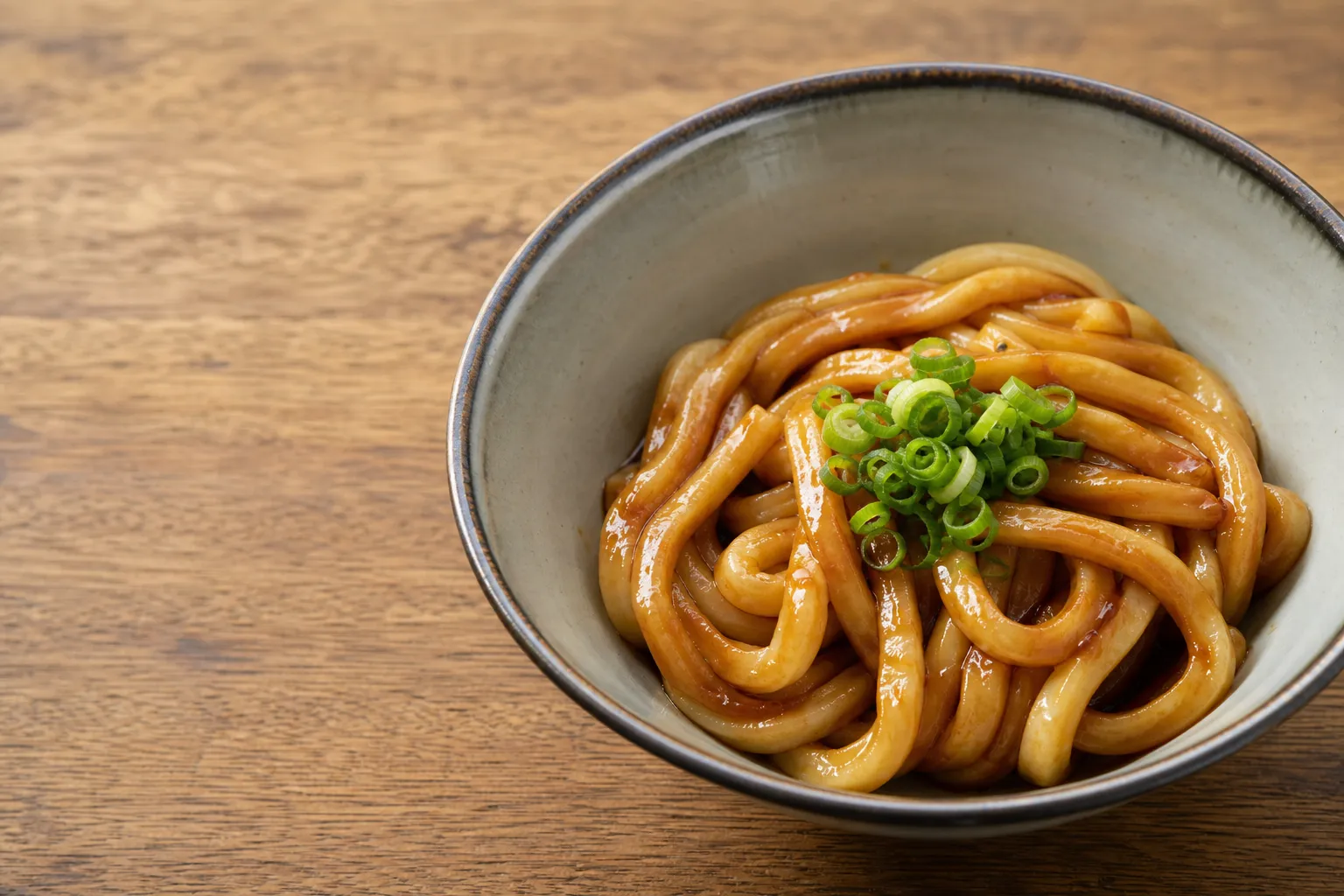
Local FoodIse, Mie
Ise Udon (伊勢うどん)
Fat, pillowy udon so soft it barely fights back, glossed in a dark, sweet-savory tare instead of soup. Ise's pilgrim food breaks every udon rule on purpose — and after a day on your feet, it's exactly right.
July 3, 2026