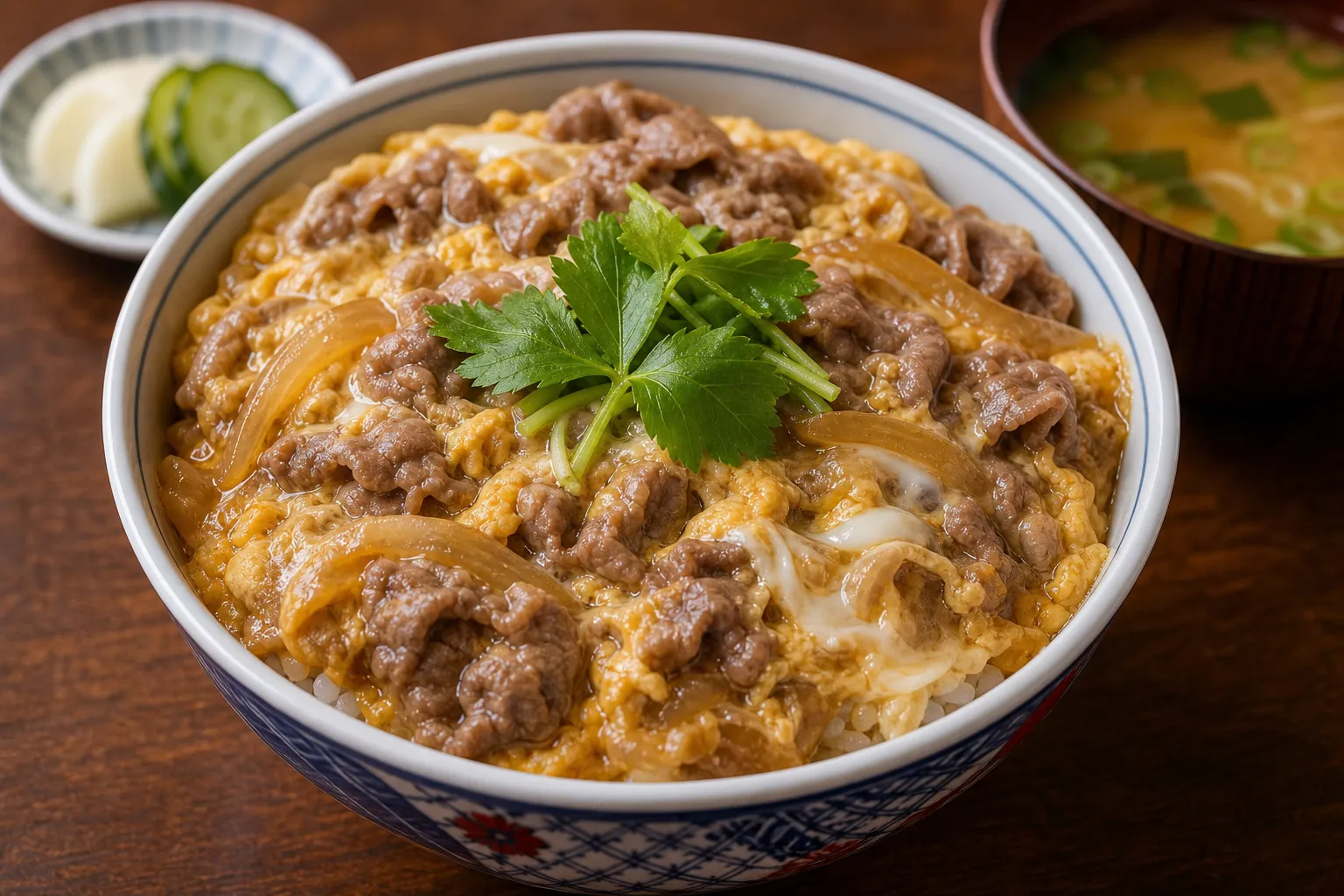
Okay, you have to hear the name, because it's the best joke in Japanese food. There's a beloved bowl called oyakodon — "parent and child" — chicken and egg together, because, well, one comes from the other. Then some gloriously cheeky Osaka cook swapped the chicken for beef and thought: these two aren't related at all. So they named it tanindon — 他人丼 — "the stranger's bowl." The beef and the egg are total strangers. I laughed out loud the first time someone explained it, and then I ate the whole thing and stopped laughing because it was too good to interrupt.
Share this dish


Beef and egg who've never met, thrown together in sweet dashi over rice — the cheeky Kansai bowl with the best name in Japan. Oyakodon's troublemaker cousin, and quietly just as good.
🍜 Planning a food trip to Osaka?Add this dish to my Food Trip →
 Add this dish to my Food Trip →
Tanindon is beef (or sometimes pork) and sweet onion simmered in a sweet-savory dashi, then bound with a soft, barely-set egg and slid over a bowl of hot rice. Same silky, comforting shape as oyakodon — that glossy just-set egg soaking into the grains — but with the deeper, richer pull of red meat instead of chicken.
It's a Kansai everyday hero, the kind of quiet, cheap, foolproof lunch that Osaka diners have been ladling out forever. Great name, better bowl.
The stranger from Osaka
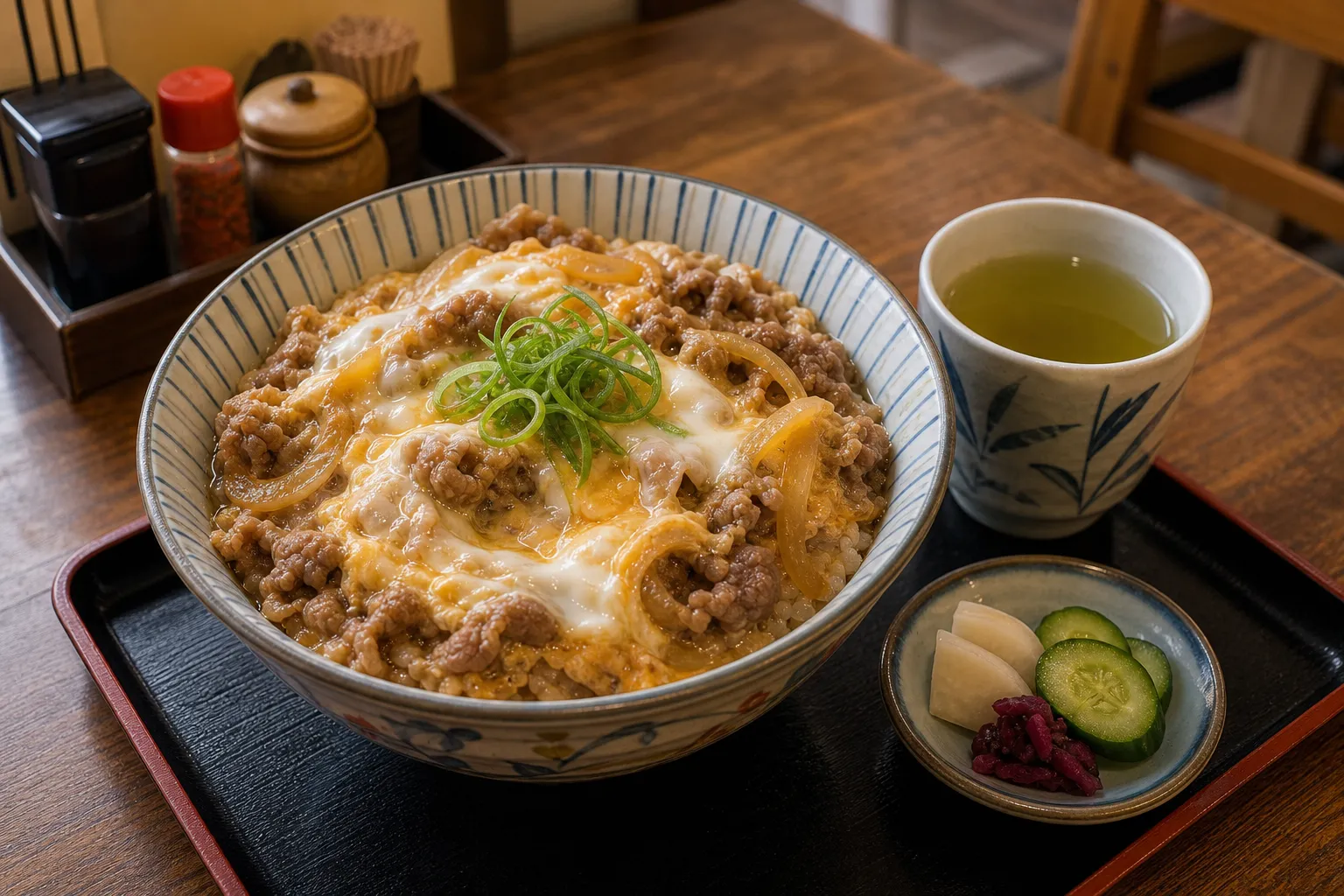
Tanindon is Kansai to the bone. Osaka is beef country — this is the region that gave Japan gyudon-loving appetites and a real fondness for simmered beef — so when the "parent and child" logic broke down (a cow and a chicken egg being, obviously, strangers), the local sense of humor did the rest and gave the mismatch a name. It's a small, perfect example of Osaka's whole personality: warm, unfussy, and never able to resist a good pun.
Wander east to Tokyo and you'll find people who've never heard of it, which always surprises me — it's such an obvious, delicious idea. But that's part of why I love ordering it in Kansai: it feels like a little local handshake, a dish that quietly says you're eating where the locals eat. In some shops you'll even see kaikadon, a gentler regional name for the same idea, but tanindon is the one worth saying out loud for the joke alone.
Why the mismatch just works
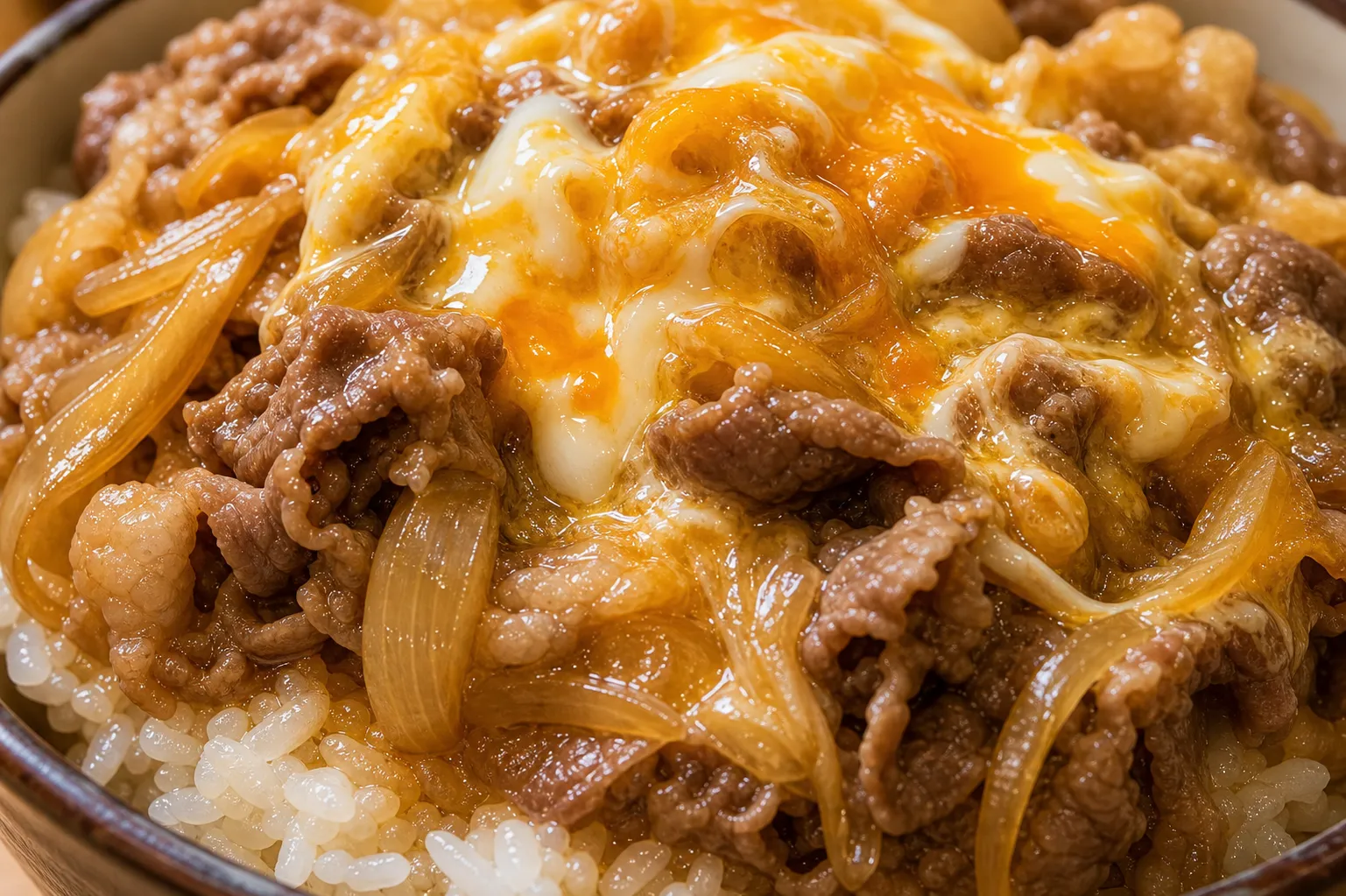
The whole thing lives or dies on the egg, exactly like its oyakodon cousin — cooked just to the trembling edge of set, glossy and soft, never dry or rubbery, draping the meat in a tender custardy blanket. Many cooks add the beaten egg in two waves so part of it stays loose and silky, and that half-set softness is the entire point.
What the beef brings is depth. Where chicken keeps oyakodon light and gentle, beef makes tanindon richer and more savory, its fat melting into the sweet dashi and sweet onion until the broth soaks down into the rice below. That bottom layer of sauce-soaked grains might be my favorite part of any donburi — humble, sweet-savory, and impossible to leave behind. Strangers on paper; a perfect couple in the bowl.
How it's made
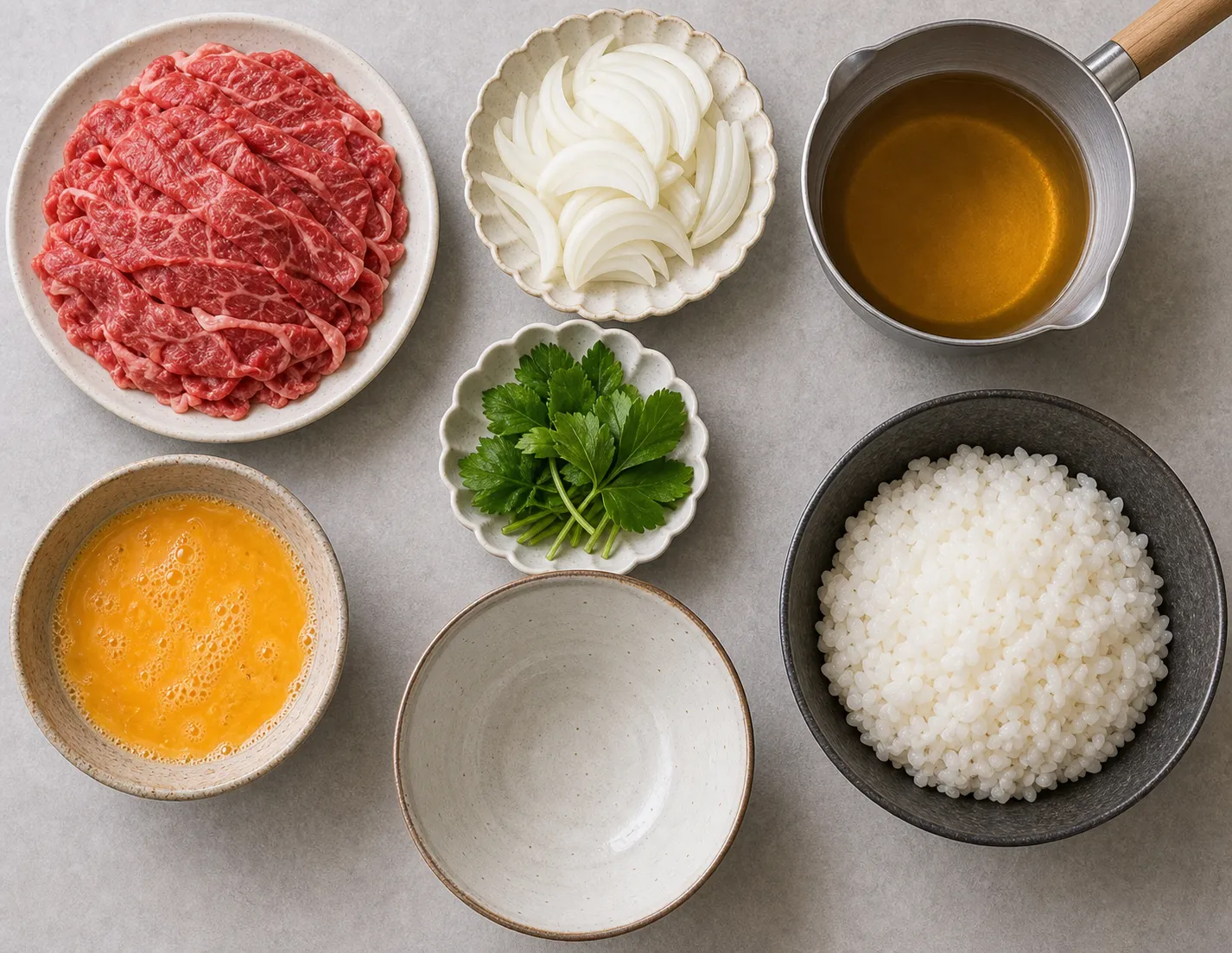
- Simmer thin-sliced beef (or pork) and sliced onion in a broth of dashi, soy sauce, mirin and sugar
- Cook until the meat is tender and the onion turns soft and sweet
- Pour most of the beaten egg over the top and let it begin to set
- Add the rest of the egg, cover, and cook briefly so it stays glossy and just-set
- Slide the whole thing onto a bowl of hot rice; top with mitsuba or scallion
Before you go — order the joke
Your questions, answered honestly
"So what actually makes it a 'stranger' bowl?" — The pun. Oyakodon (chicken + egg) is "parent and child" because the egg comes from the chicken. Swap in beef and the meat and egg have no relation — total strangers — so it becomes the "other person / stranger" bowl. Pure Osaka wordplay.
"Is the egg safe barely-set?" — Yes. Japanese eggs are produced to be eaten soft or raw, so a silky, just-set (or slightly runny) tanindon egg is completely normal and safe here. That softness is the whole idea.
"Beef or pork — which is 'right'?" — Both are legit; beef is the classic Kansai default and richer, pork is a touch lighter. Some shops even use aigamo duck. Ask what they use, or just take what comes — it's hard to go wrong.
"Can I find it in Tokyo?" — Sometimes, but it's genuinely a Kansai specialty. If you want the real thing, order it around Osaka, where it's an everyday menu regular instead of a curiosity.
What the staff will ask you
| You'll hear | Romaji | Meaning | Just say |
|---|---|---|---|
| ご飯の量はどうしますか? | Gohan no ryō wa dō shimasu ka? | "How much rice?" | Futsū de (normal) |
| 卵の固さは? | Tamago no katasa wa? | "How set should the egg be?" | Hanjuku de (soft) / Katame (firmer) |
| お肉は牛と豚どちらにしますか? | Oniku wa gyū to buta dochira ni shimasu ka? | "Beef or pork?" | Gyū de (beef) / Buta de (pork) |
To order, just say "Tanindon hitotsu kudasai" (他人丼一つください) — "one tanindon, please."
Where to eat it
- Osaka diners & shokudo — the natural home; a common everyday lunch across the city.
- Kansai soba & udon shops — many list tanindon right alongside oyakodon on the donburi menu.
- Donburi chains around Kansai — cheap, fast, and a reliable place to try it first.
It's a regional dish with its own local names and quirks, and small shops keep short lunch hours, so check before you go.
Soul Score
Local Roots4/5
First-Timer Friendly5/5
Adventure Level3/5
Comfort Level5/5
Travel Worthy3/5
These scores are one obsessed eater's gut feeling — not a verdict. A low number isn't a bad mark, just a different kind of adventure.
Know someone planning Japan?
← All Articles
Japanese Food · Osaka, Kansai
Still hungry?
Eat more from Osaka
Local FoodOsaka
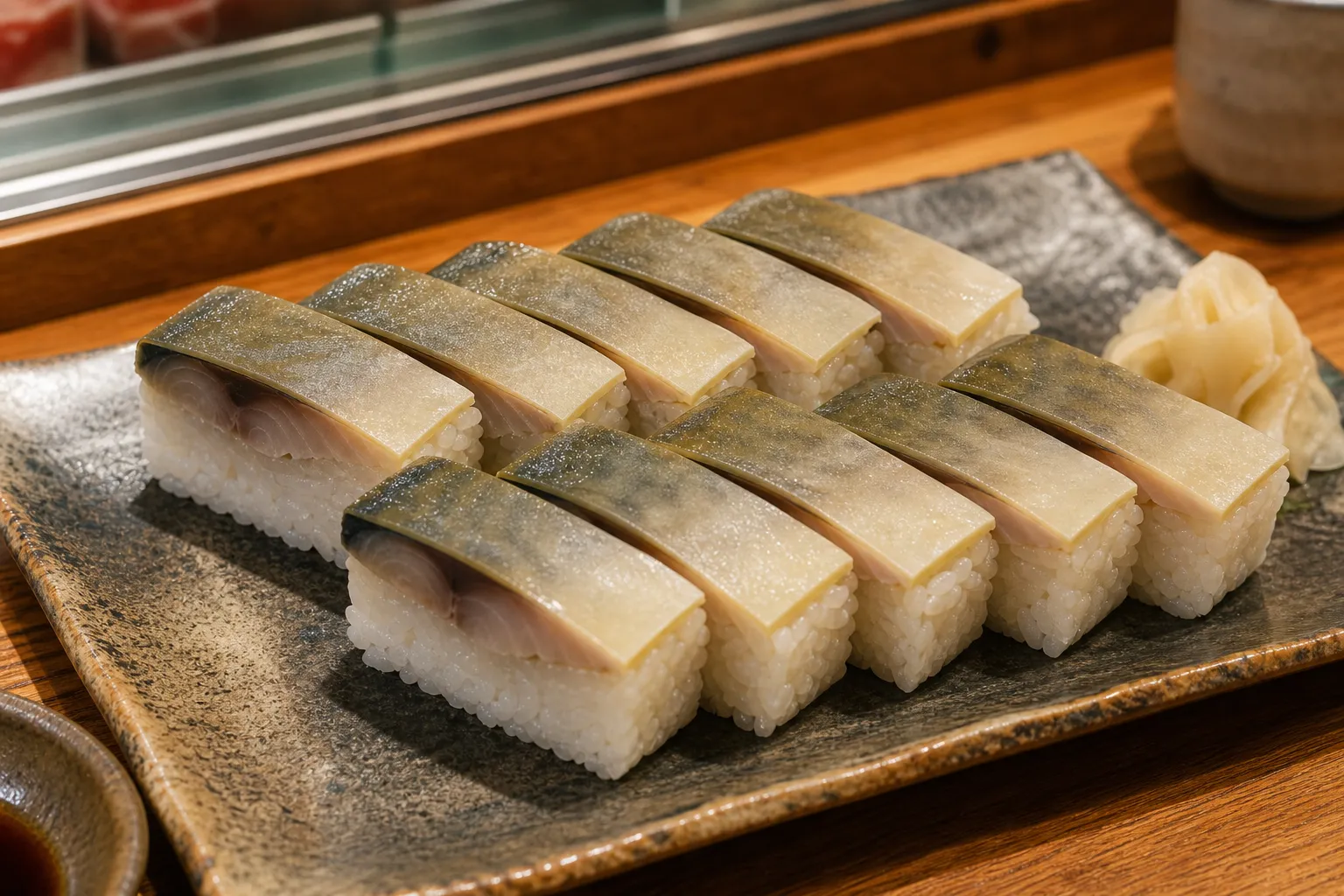
Battera (バッテラ)
Osaka's beautiful pressed sushi — vinegar-cured mackerel and rice squared off in a wooden box and crowned with a translucent sheet of kelp, sliced into glossy little bricks that taste like the city's quieter, older idea of sushi.
July 10, 2026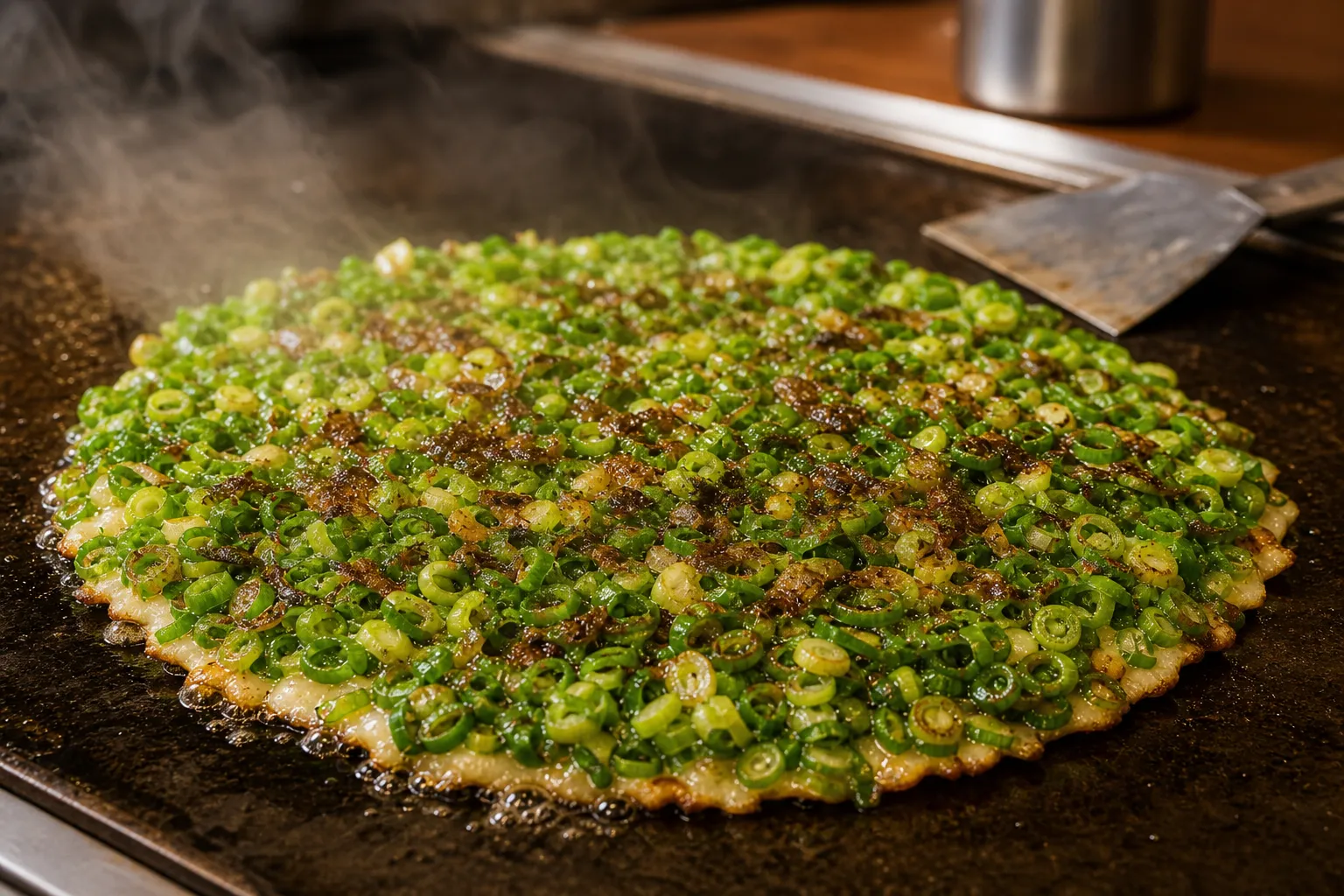
Local FoodOsaka
Negiyaki (ねぎ焼き)
Okonomiyaki's leaner, greener Osaka cousin — a thin griddle cake packed with a mountain of chopped green onion instead of cabbage, savory with beef tendon, and finished with soy instead of sweet sauce.
July 10, 2026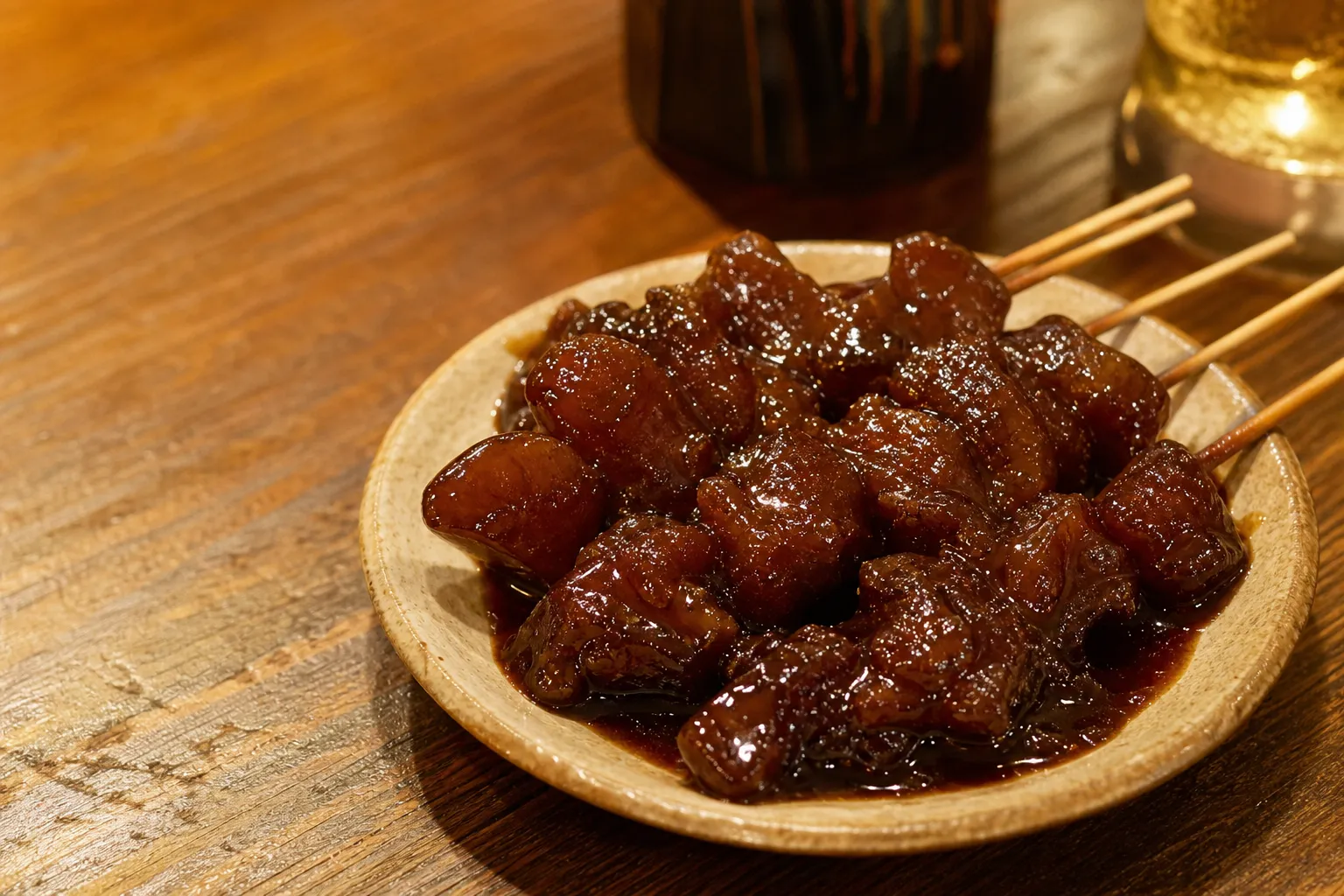
Local FoodOsaka
Doteyaki (どて焼き)
Beef tendon simmered for hours in dark miso until it goes soft, sticky, and almost sinful — this is the skewer that made me understand Osaka's love affair with cheap beer.
July 5, 2026