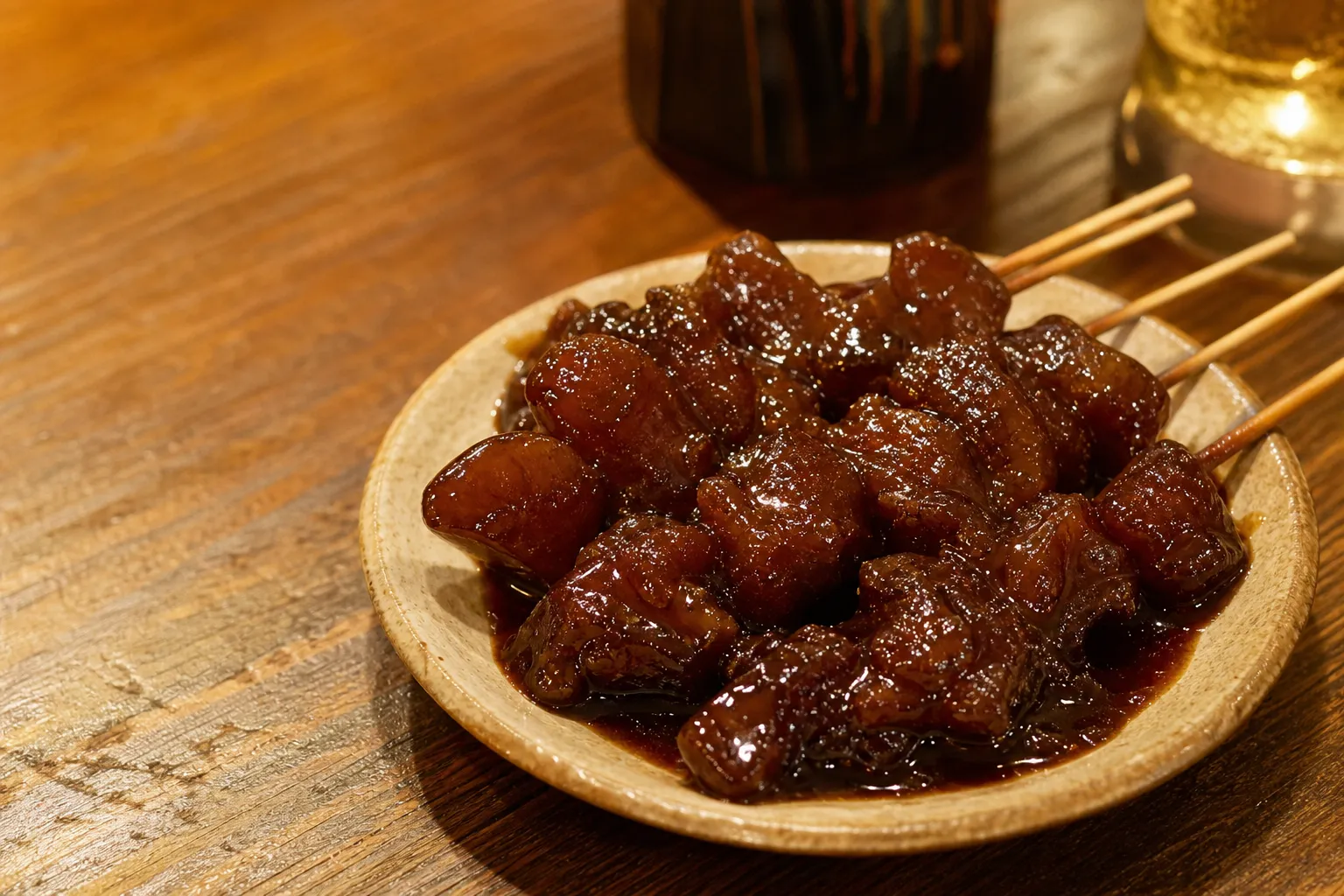
The first skewer arrived dark, glossy, almost black, sitting in a shallow pool of miso, and I'll be honest — I hesitated. Then I ate it and immediately felt stupid for hesitating. Soft, sticky, melting, deeply savory, with a hum of sweetness underneath. I ordered a beer. Then two more skewers. Then another beer. This is a trap and I walked into it happily.
Share this dish


Beef tendon simmered for hours in dark miso until it goes soft, sticky, and almost sinful — this is the skewer that made me understand Osaka's love affair with cheap beer.
🍜 Planning a food trip to Osaka?Add this dish to my Food Trip →
 Add this dish to my Food Trip →
This is doteyaki (どて焼き), one of Osaka's great working-class glories: beef tendon (gyusuji) simmered low and slow for hours in a dark, sweet miso-and-mirin sauce until the tough connective tissue surrenders and turns soft, gelatinous, and rich. It's served on skewers, dripping in that dark glaze, and it exists for exactly one reason — to be eaten at a loud counter with a cold glass of beer in your other hand. It is not refined. It is not trying to impress anyone. It is perfect.
Born in the standing bars of old Osaka
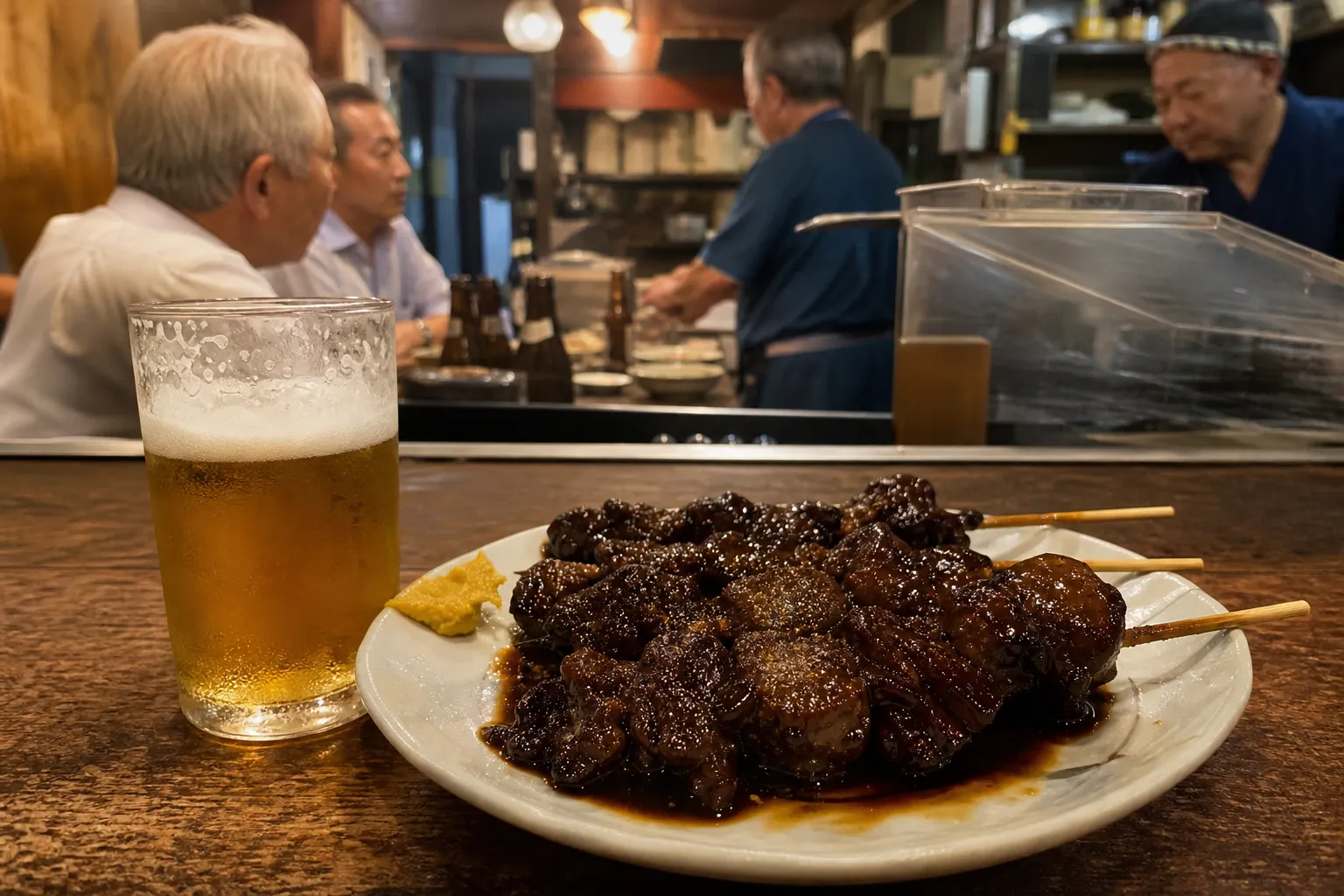
Doteyaki comes straight out of Osaka's shomin — the ordinary, working-class food culture that also gave the world takoyaki and kushikatsu. Beef tendon was cheap, tough, and "throwaway," so someone did the smartest thing you can do with a tough cheap cut: cook it forever. Hours in a simmering pot of miso and mirin, and the collagen breaks down into something soft and luxurious for pennies. Thrift turned into pleasure. I love that story. It's the whole soul of Osaka food in one skewer.
The name is debated but often tied to the dote ("embankment") of miso paste built up around the edge of the simmering pan. You'll find it strongest in the old, gloriously retro district of Shinsekai, around Tsutenkaku Tower — a neighborhood of standing bars, kushikatsu counters, and neon that hasn't changed its personality in decades. Sitting there with a plate of doteyaki, I felt like I'd been let into a version of Osaka that predates all of us.
Why hours in dark miso is worth it
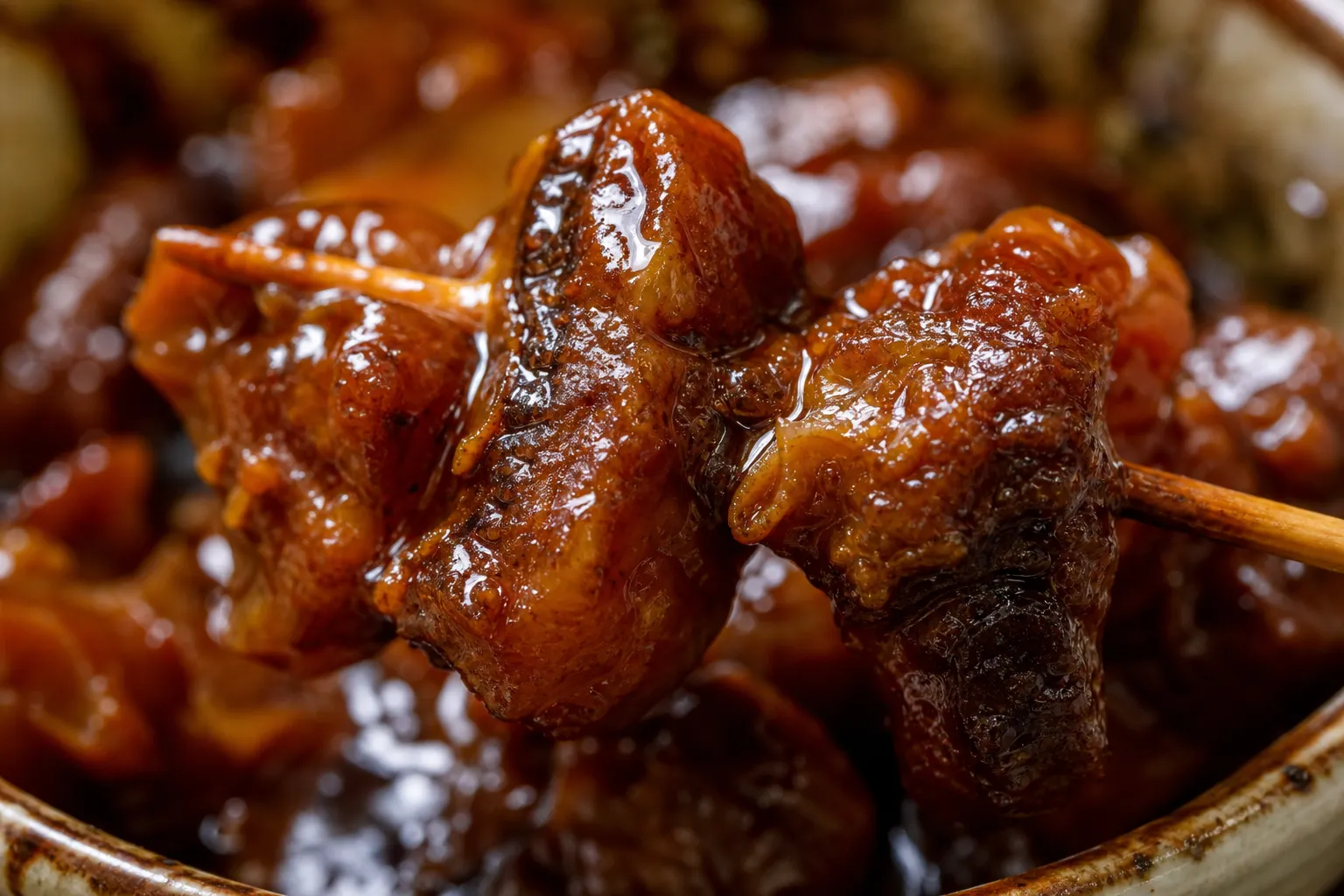
Beef tendon is almost inedible if you rush it — chewy, rubbery, stubborn. But given time, the collagen melts into gelatin, and the texture flips completely: soft, yielding, faintly sticky, coating your mouth. That transformation is the entire dish. If you go in expecting the clean bite of steak, you'll be confused; if you go in ready for something soft and rich and a little primal, you'll be delighted.
Then there's the sauce. This is where doteyaki separates itself from every other braised-innards dish: it's built on dark miso and mirin, not soy or dashi broth. That means deep, fermented, savory-sweet, almost caramelized flavor clinging to every skewer — thick enough to leave a smear on your lip. A shake of shichimi (seven-spice pepper) on top cuts the richness. And beer. Always beer. I'm not being romantic; the fat and the miso genuinely demand something cold and bitter to reset your palate between bites.
How it's made
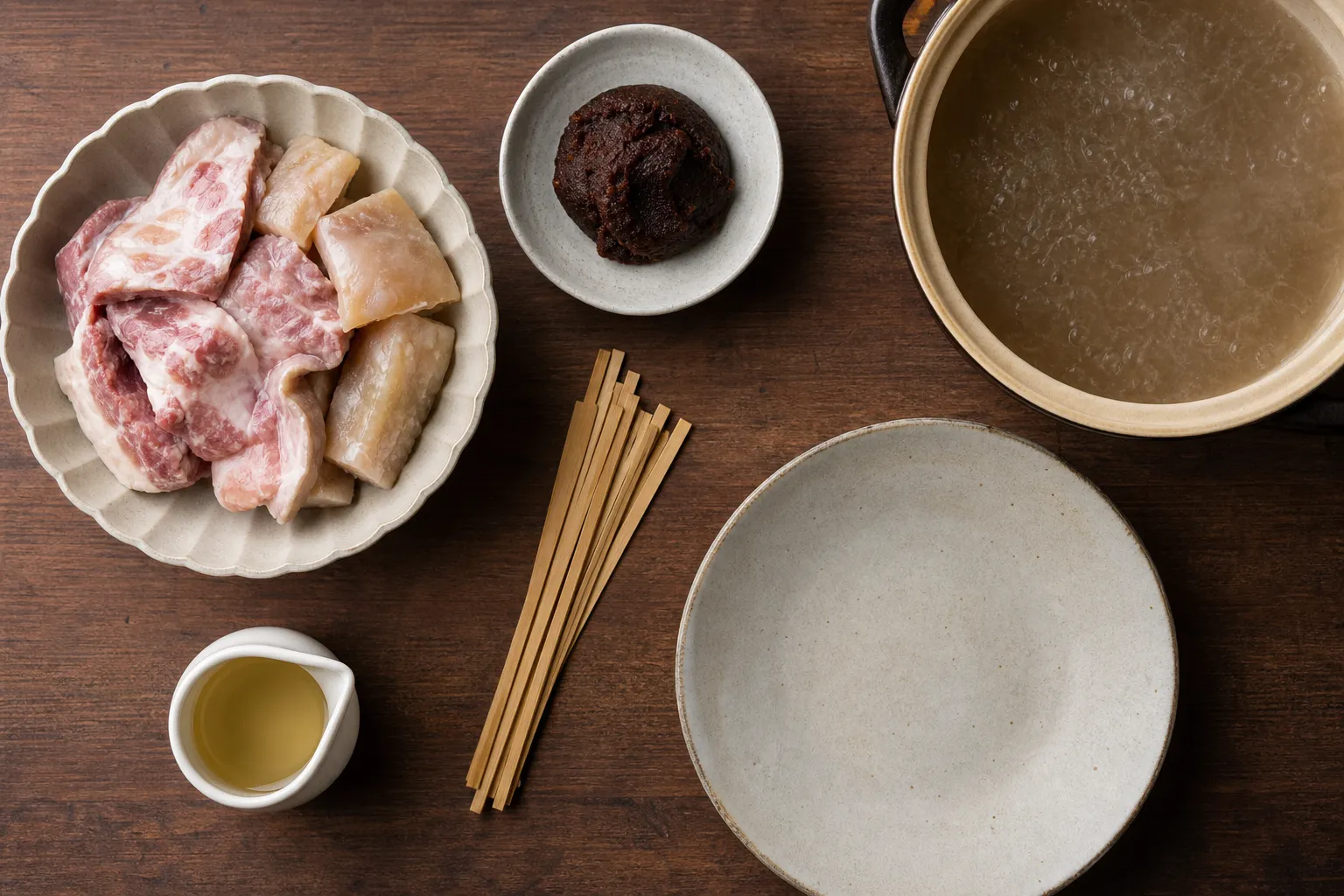
- Beef tendon (gyusuji) is cleaned and cut into bite-size pieces
- It's simmered low and slow for hours in a pot of dark miso, mirin, and sometimes sake and sugar
- The long simmer breaks down the tough collagen into soft, gelatinous tenderness
- Pieces are threaded onto bamboo skewers, coated in the thick dark glaze
- Served warm, often with a sprinkle of shichimi pepper and a chopped scallion — beer strongly encouraged
Before you go — eat it like a local
Your questions, answered honestly
"What exactly am I eating?" — Beef tendon: the connective tissue, slow-cooked until soft. It's a texture thing. Soft, sticky, gelatinous, rich. If that description excites you, you'll love it. If it scares you a little, order one skewer and a beer and give it an honest shot — most people flip fast.
"Is it the same as motsu-ni or oden?" — No. Motsu-ni is offal simmered in soy-based broth; oden is various items in a light dashi. Doteyaki is specifically beef tendon in a dark miso-and-mirin glaze — thicker, darker, sweeter, stickier. The miso is the tell.
"Is it spicy?" — No. But it's traditional to shake shichimi (seven-spice) on top, which adds a little warmth and cuts the richness. Do it. It belongs.
"What do I drink with it?" — Beer. This is not a suggestion so much as the reason the dish exists. The cold and bitterness reset your mouth between rich, sticky bites. Sake or a highball also work.
What the staff will ask you
| You'll hear | Romaji | Meaning | Just say |
|---|---|---|---|
| 何本にしますか? | Nanbon ni shimasu ka? | "How many skewers?" | Nihon onegaishimasu (two, please) |
| 七味かけますか? | Shichimi kakemasu ka? | "Shall I add shichimi pepper?" | Onegaishimasu (yes, please) |
| お飲み物は? | Onomimono wa? | "Anything to drink?" | Nama biiru o kudasai (a draft beer, please) |
To order, just say "Doteyaki o kudasai" (どて焼きをください) — "Doteyaki, please."
Where to eat it
- Shinsekai, Osaka — the retro district around Tsutenkaku Tower, packed with standing bars and kushikatsu joints where doteyaki is a house staple. The atmospheric first stop.
- Old-school izakaya and kushikatsu counters across Osaka — doteyaki is a classic menu regular, often simmering in a pot right at the counter.
- Standing bars (tachinomi) around Tennoji and the south side — cheap, lively, beer-soaked, and exactly the right mood for it.
Shops, hours, and prices change, so check current details before you go — and look for the dark miso simmering pot at the counter to know you're in the right place.
Soul Score
Local Roots5/5
First-Timer Friendly3/5
Adventure Level4/5
Comfort Level5/5
Travel Worthy3/5
These scores are one obsessed eater's gut feeling — not a verdict. A low number isn't a bad mark, just a different kind of adventure.
Know someone planning Japan?
← All Articles
Local Food · Osaka
Still hungry?
Eat more from Osaka
Local FoodOsaka
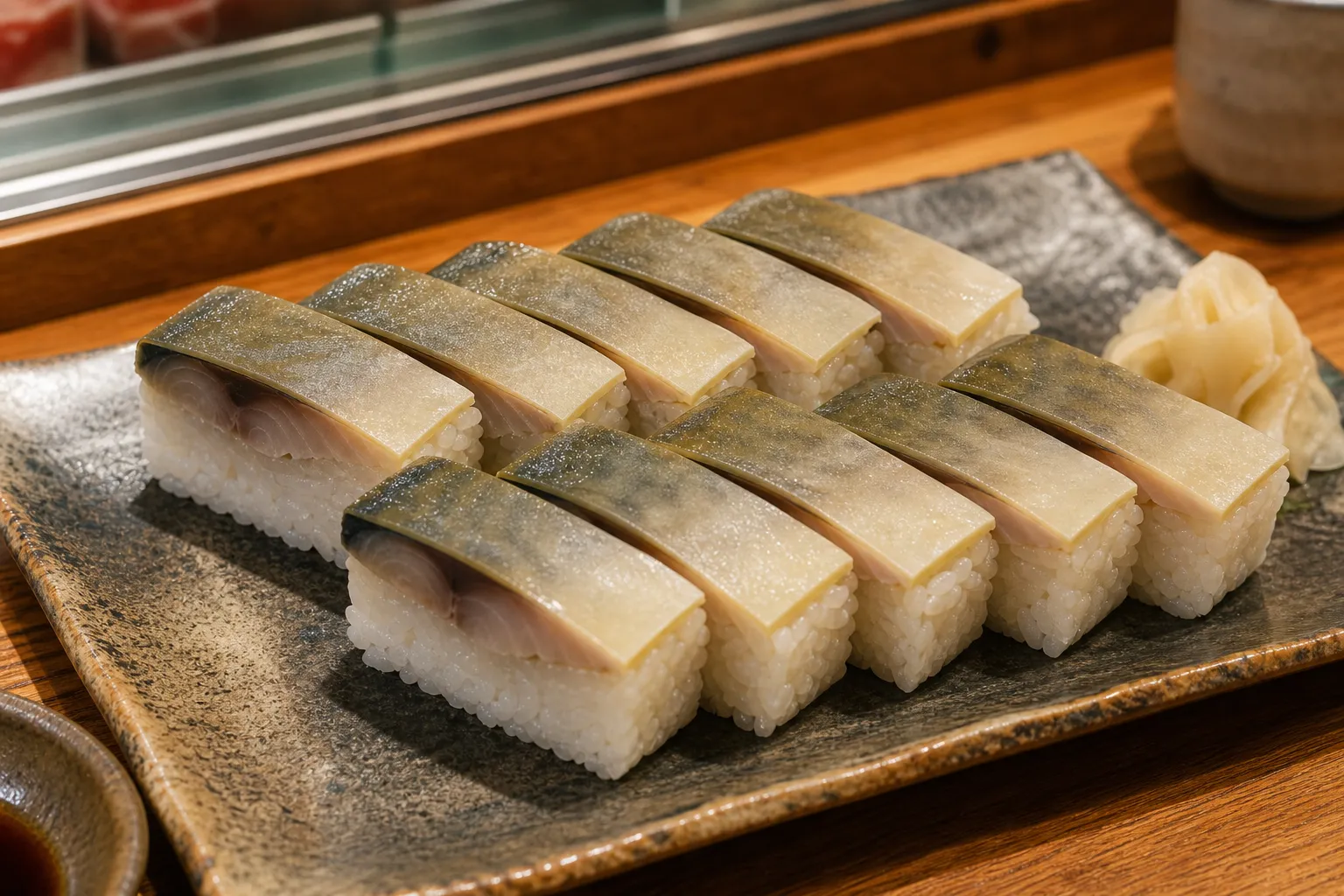
Battera (バッテラ)
Osaka's beautiful pressed sushi — vinegar-cured mackerel and rice squared off in a wooden box and crowned with a translucent sheet of kelp, sliced into glossy little bricks that taste like the city's quieter, older idea of sushi.
July 10, 2026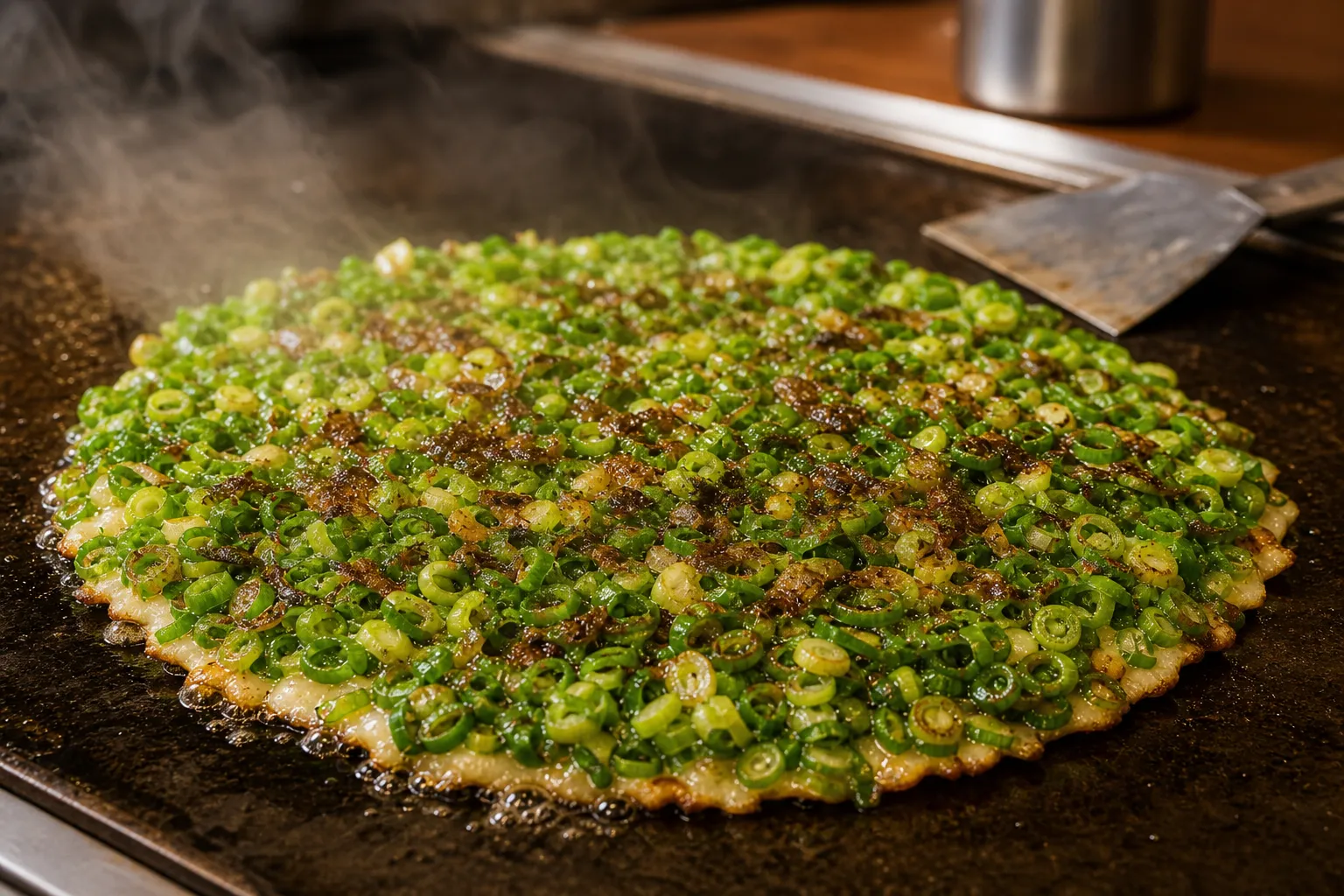
Local FoodOsaka
Negiyaki (ねぎ焼き)
Okonomiyaki's leaner, greener Osaka cousin — a thin griddle cake packed with a mountain of chopped green onion instead of cabbage, savory with beef tendon, and finished with soy instead of sweet sauce.
July 10, 2026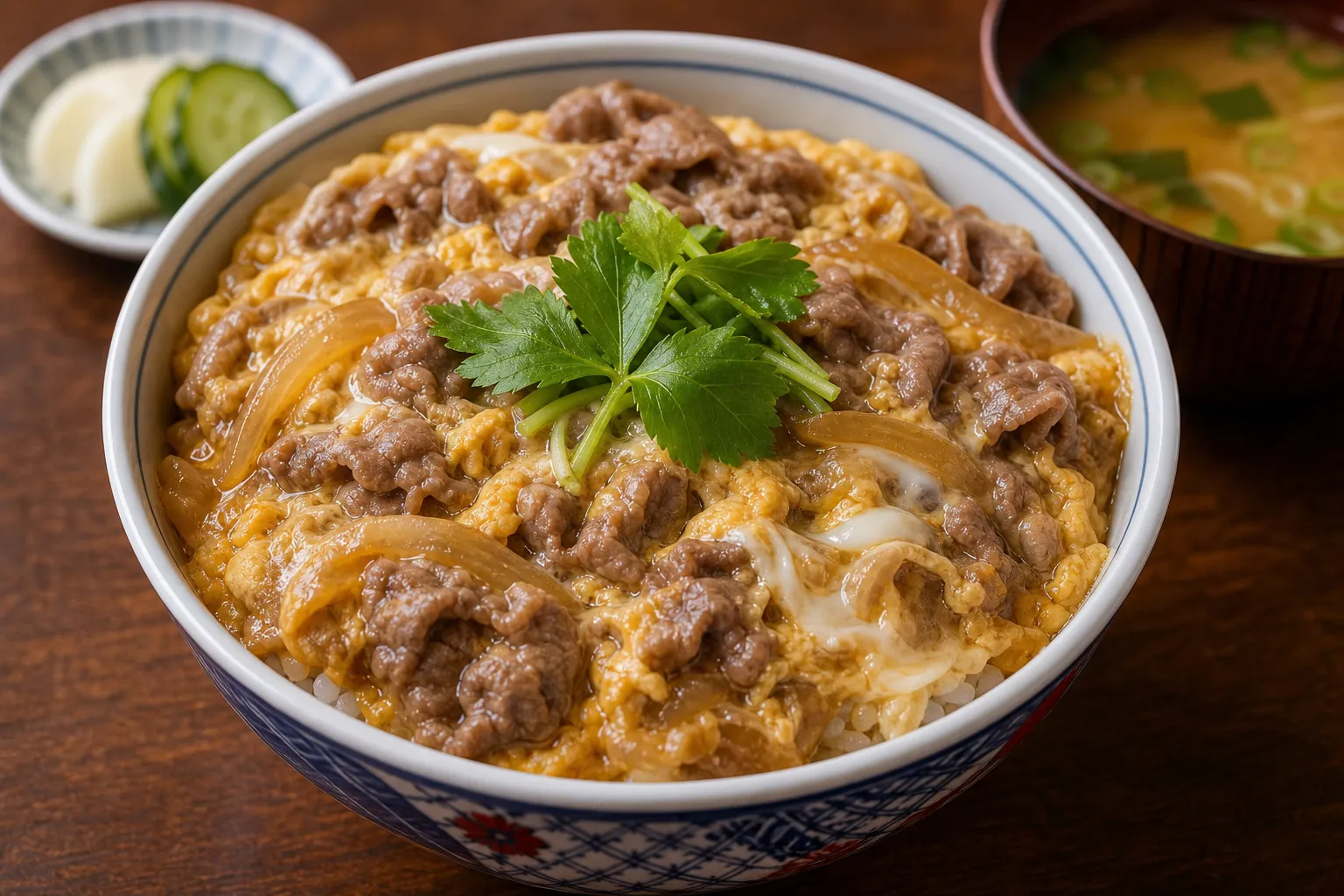
Japanese FoodOsaka, Kansai
Tanindon (他人丼)
Beef and egg who've never met, thrown together in sweet dashi over rice — the cheeky Kansai bowl with the best name in Japan. Oyakodon's troublemaker cousin, and quietly just as good.
July 9, 2026