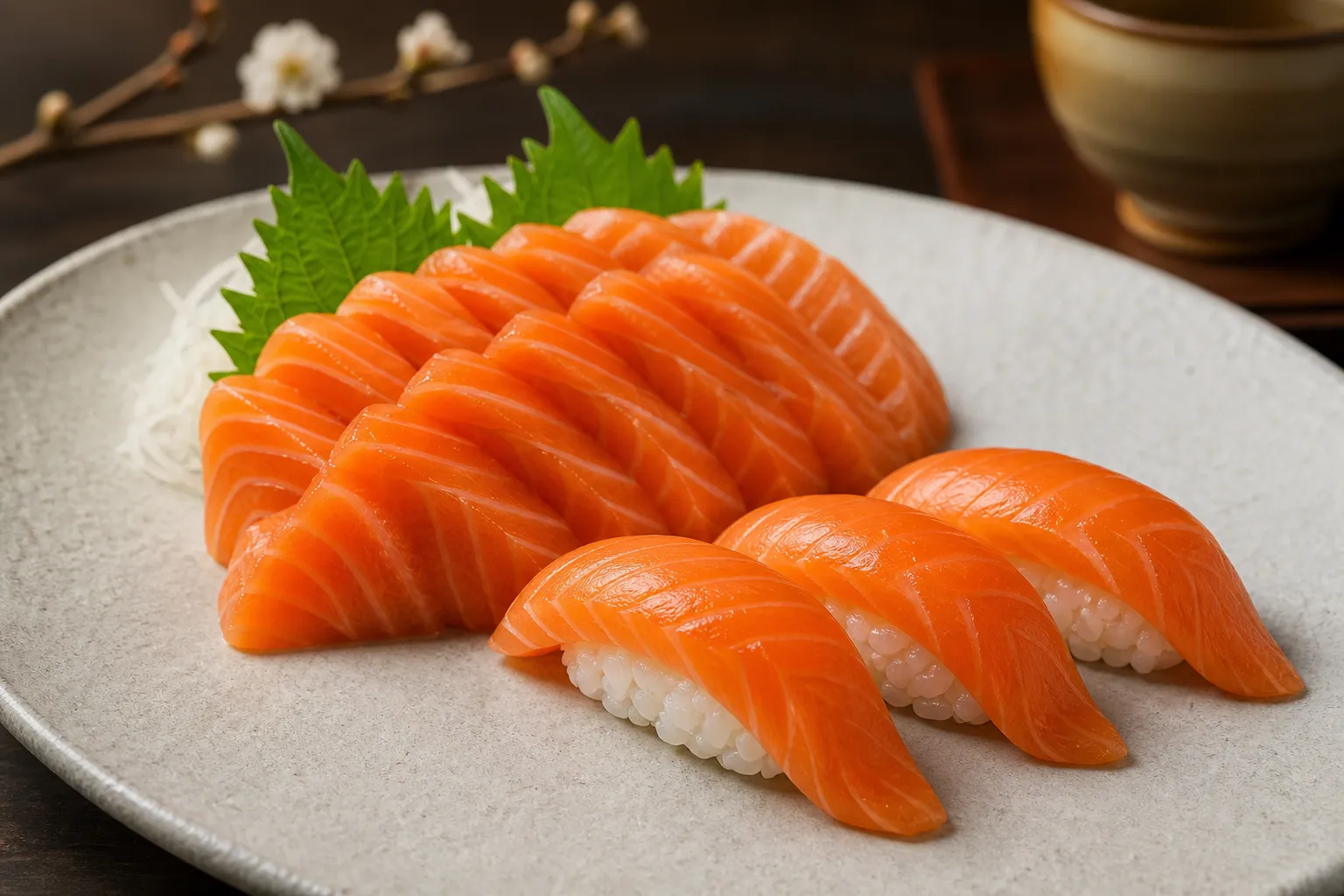
I was deep in the mountains of Nagano — no coast for hours in any direction — and the sushi chef slid over a plate of salmon so vividly orange it almost looked backlit. My brain did a little double-take. Salmon? Here? One slice in, and any doubt evaporated: clean, faintly sweet, buttery, with none of that fishy heaviness. I looked up. He was already smiling, because he knew.
Share this dish


Landlocked Nagano, ringed by mountains, hours from any sea — and it's serving some of the cleanest, sweetest salmon sashimi I've put in my mouth.
🍜 Planning a food trip to Nagano?Add this dish to my Food Trip →
 Add this dish to my Food Trip →
This is Shinshu Salmon (信州サーモン), and it's a small triumph of stubborn mountain ingenuity. Landlocked Nagano has always been famous for its cold, clean rivers and its freshwater fish — so its fisheries research station spent over a decade breeding a fish tailor-made for the place: a hybrid of rainbow trout and brown trout, grown big and firm in that pristine mountain water. The result is a "salmon" that isn't a sea salmon at all, but eats like a cleaner, sweeter version of one. It only went to market in the 2000s, which makes it one of the youngest regional specialties you'll meet — and one of the most quietly clever.
How a landlocked prefecture invented its own salmon
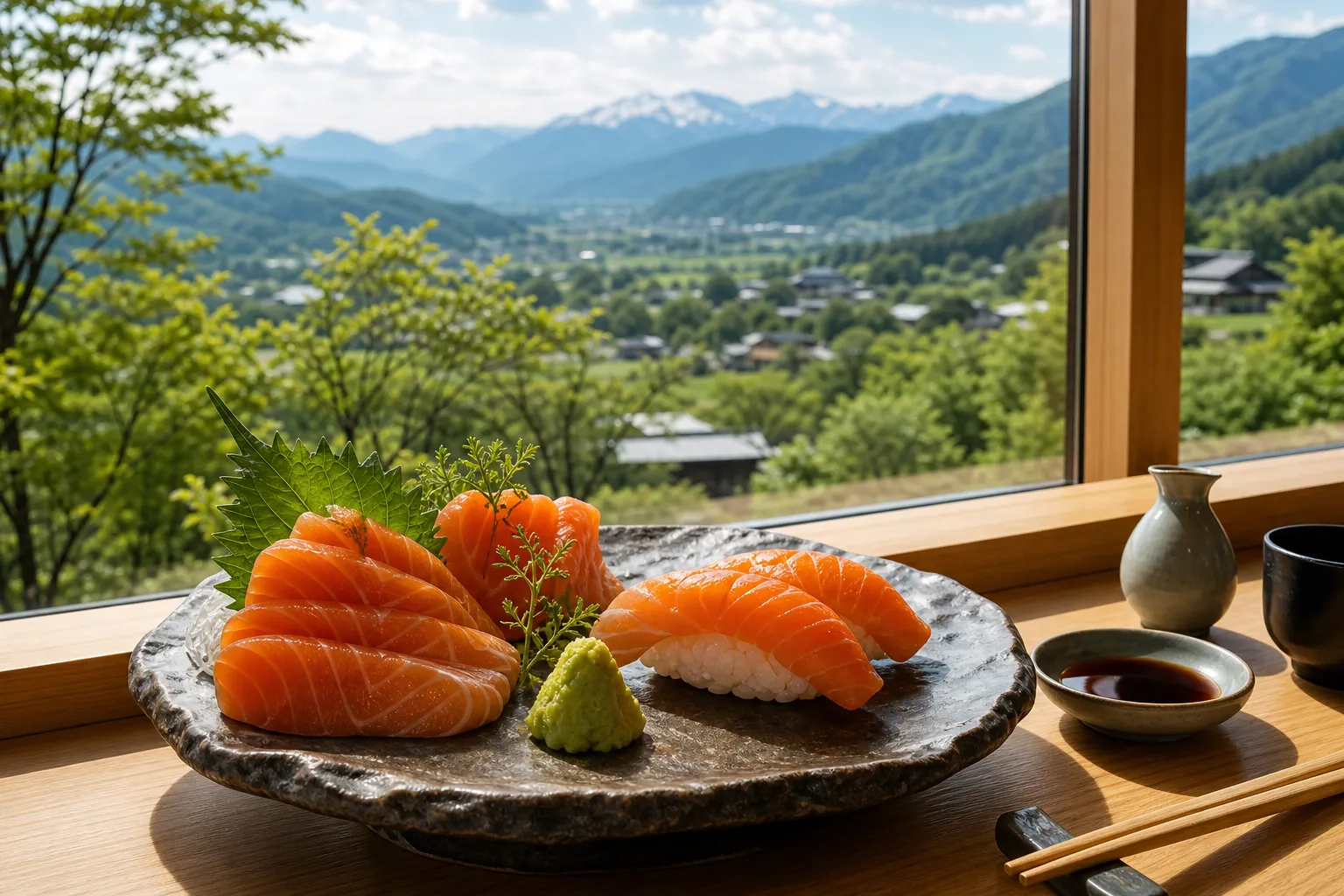
Nagano is Japan's rooftop — all peaks and valleys, about as far from the ocean as you can get in this country. For centuries that meant freshwater fish: trout, char, ayu. But the prefecture's Fisheries Experiment Station wanted something with real presence, something you could serve as sashimi and be proud of. So they got scientific about it: crossing a female rainbow trout with a male brown trout to produce a sterile hybrid that grows larger, stays firmer, and carries beautiful marbled orange flesh.
It took more than ten years of work before Shinshu Salmon launched in 2004. I find that genuinely admirable — a whole region refusing to accept that "no coast" meant "no great fish," and simply engineering their way to it. It's not ancient tradition; it's modern Nagano saying watch this. And because it's raised in controlled, cold, clean water, it's bred specifically to be eaten raw, without the parasite worries of some wild freshwater fish.
Why it tastes better than you expect
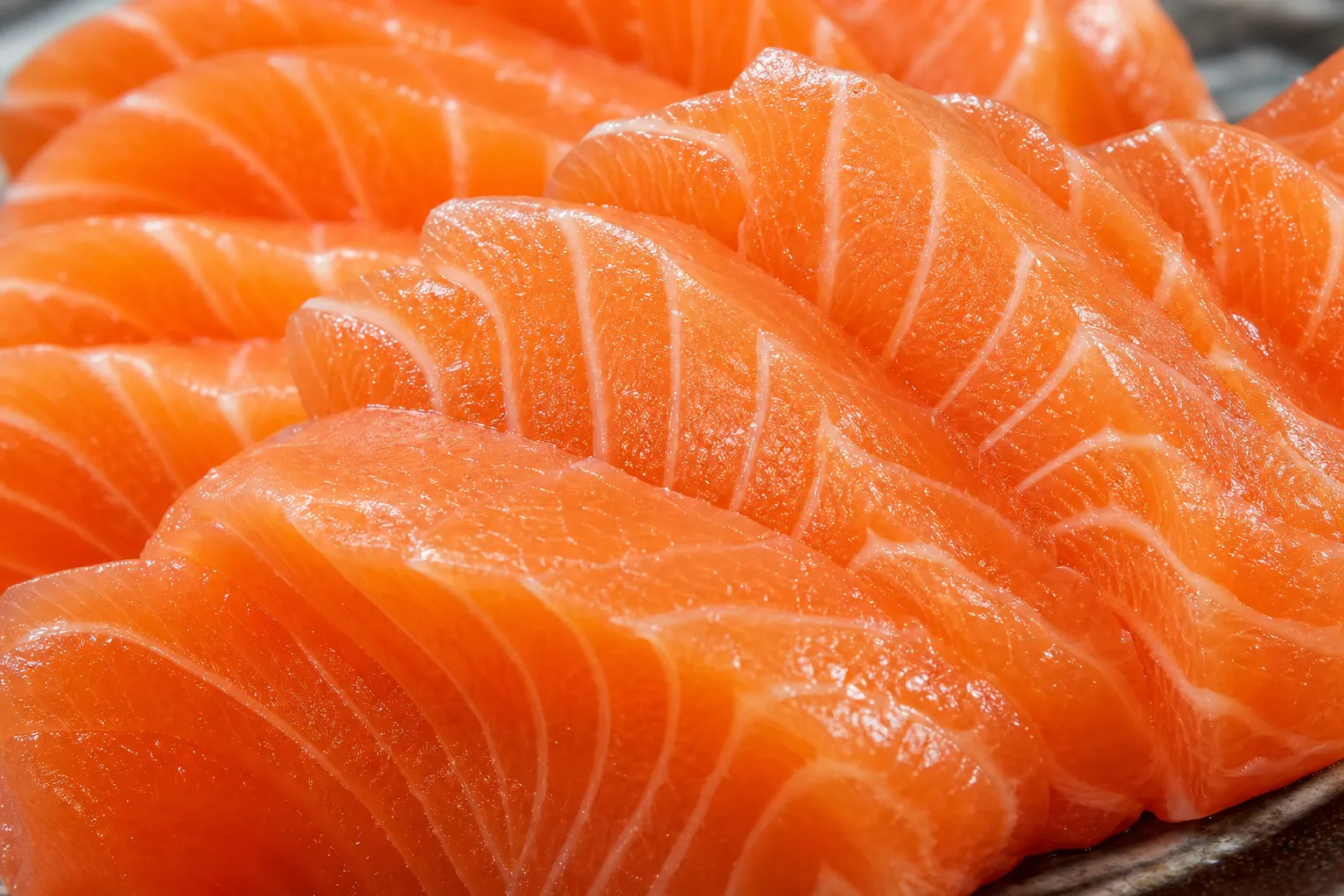
The color hits first — a bright, clean orange with fine pale marbling, glossy under the light. Then the texture: firmer than ocean salmon, with a satisfying snap rather than a soft mush. And the flavor is where it wins converts. It's mild, faintly sweet, clean, with a gentle richness and — crucially — none of the strong fishy or oily note that turns some people off farmed sea salmon. That cold mountain water raises a fish that tastes almost cool.
You'll usually meet it as sashimi or nigiri, sometimes lightly seared (aburi) so the fat blooms, occasionally in a rice bowl piled with slices. I ate it three ways in two days — raw, seared, and over rice — and honestly the plain sashimi won. When a fish is this clean, you don't want to get in its way.
How it gets from mountain water to your plate
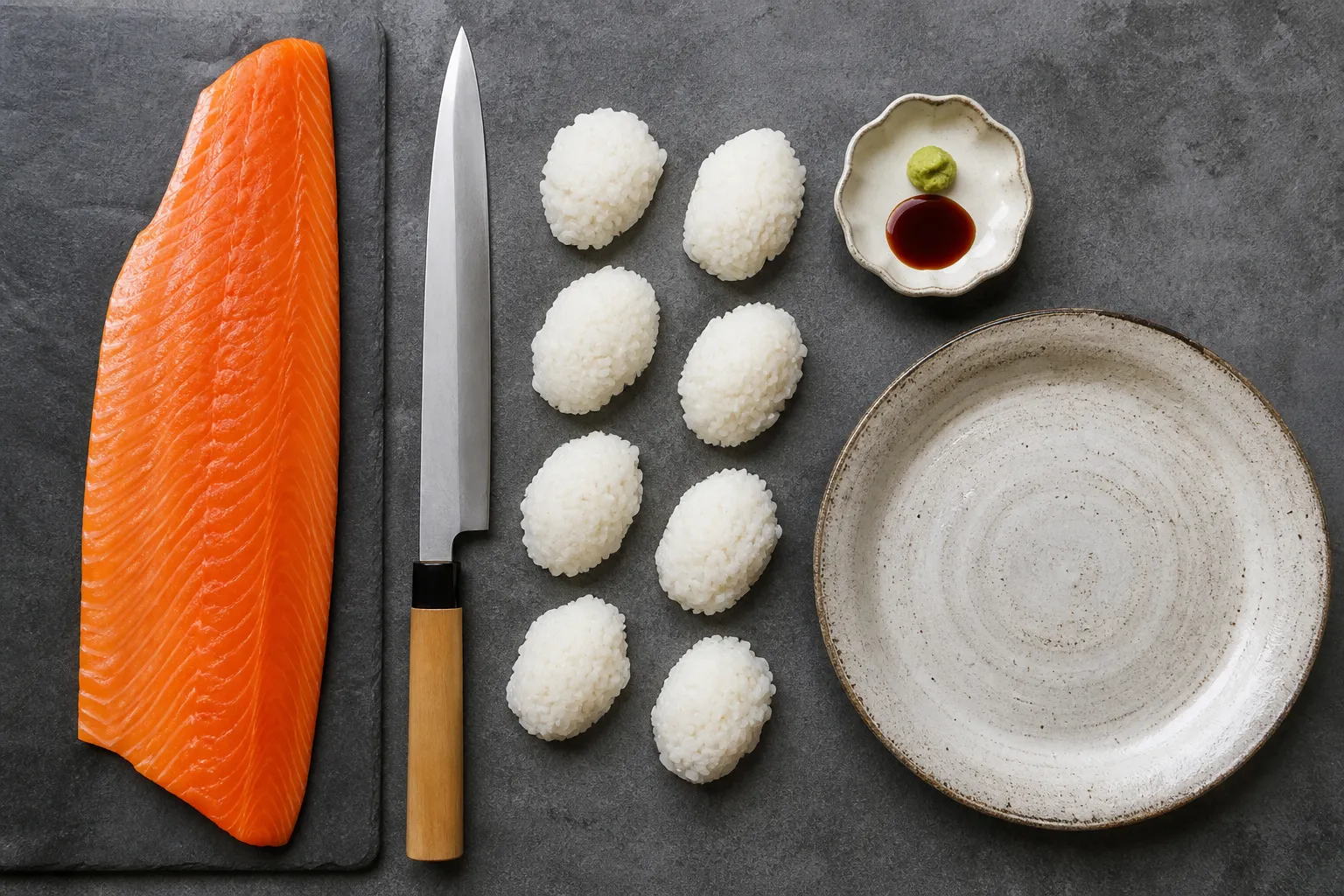
- A sterile rainbow-trout × brown-trout hybrid is raised in Nagano's cold, clean mountain water until it grows large and firm
- Because it's farmed in controlled water specifically for raw eating, it's safe and clean as sashimi
- At the restaurant, the fillet is cut into thick, glossy orange sashimi slices with a sharp knife
- It's served raw as sashimi or pressed onto vinegared rice as nigiri — sometimes lightly seared for an aburi version
- It arrives simply, with soy, wasabi, maybe a little citrus — the clean flavor is meant to shine unadorned
Before you go — eat the mountain salmon right
Your questions, answered honestly
"Wait, salmon in the mountains? Is it safe to eat raw?" — Yes. Shinshu Salmon is specifically bred and farmed in controlled cold water to be eaten raw as sashimi — that was the entire goal of creating it. This isn't random river fish; it's an engineered, food-safety-minded premium product.
"Is it 'real' salmon?" — It's a trout-salmon hybrid, so technically it's a trout by ancestry — but it eats like a cleaner, sweeter salmon, and that's exactly why Nagano built it. Don't let the biology throw you; taste it and you'll understand the name.
"How's it different from the ocean salmon on a normal sushi belt?" — Firmer texture, cleaner and slightly sweeter flavor, and none of the strong oily-fishy edge. If you've ever found regular farmed salmon too rich or fishy, this is the one that changes your mind.
"Best first order?" — Plain sashimi, so you taste it honestly. If you like it, chase it with a seared aburi nigiri to see how the richness opens up.
What the staff will ask you
| You'll hear | Romaji | Meaning | Just say |
|---|---|---|---|
| 刺身と握り、どちらにしますか? | Sashimi to nigiri, dochira ni shimasu ka? | "Sashimi or nigiri?" | Sashimi de onegaishimasu (sashimi, please) |
| わさびは大丈夫ですか? | Wasabi wa daijōbu desu ka? | "Is wasabi okay?" | Hai, onegaishimasu (yes, please) |
| 炙りにしますか? | Aburi ni shimasu ka? | "Would you like it seared?" | Sono mama de onegaishimasu (as-is, please) |
To order, just say "Shinshu salmon no sashimi o kudasai" (信州サーモンの刺身をください) — "Shinshu salmon sashimi, please."
Where to eat it
- Nagano (across the prefecture) — sushi restaurants and kaiseki spots throughout Nagano feature Shinshu Salmon as a proud local specialty, especially away from the big tourist noodle streets.
- Ryokan and hot-spring inns — many Nagano inns include Shinshu Salmon sashimi in their set dinners; it's a reliable way to try it in context.
- Farm-linked and roadside-station (michi-no-eki) restaurants — some spots near the fisheries and farms serve it exceptionally fresh; worth a detour if you're driving the region.
Availability, menus, and hours vary by restaurant and season, so check current details before you go — and confirm it's genuine Shinshu Salmon rather than generic farmed salmon.
Soul Score
Local Roots3/5
First-Timer Friendly5/5
Adventure Level3/5
Comfort Level5/5
Travel Worthy4/5
These scores are one obsessed eater's gut feeling — not a verdict. A low number isn't a bad mark, just a different kind of adventure.
Know someone planning Japan?
← All Articles
Local Food · Nagano
Still hungry?
Eat more from Nagano
Local FoodNagano
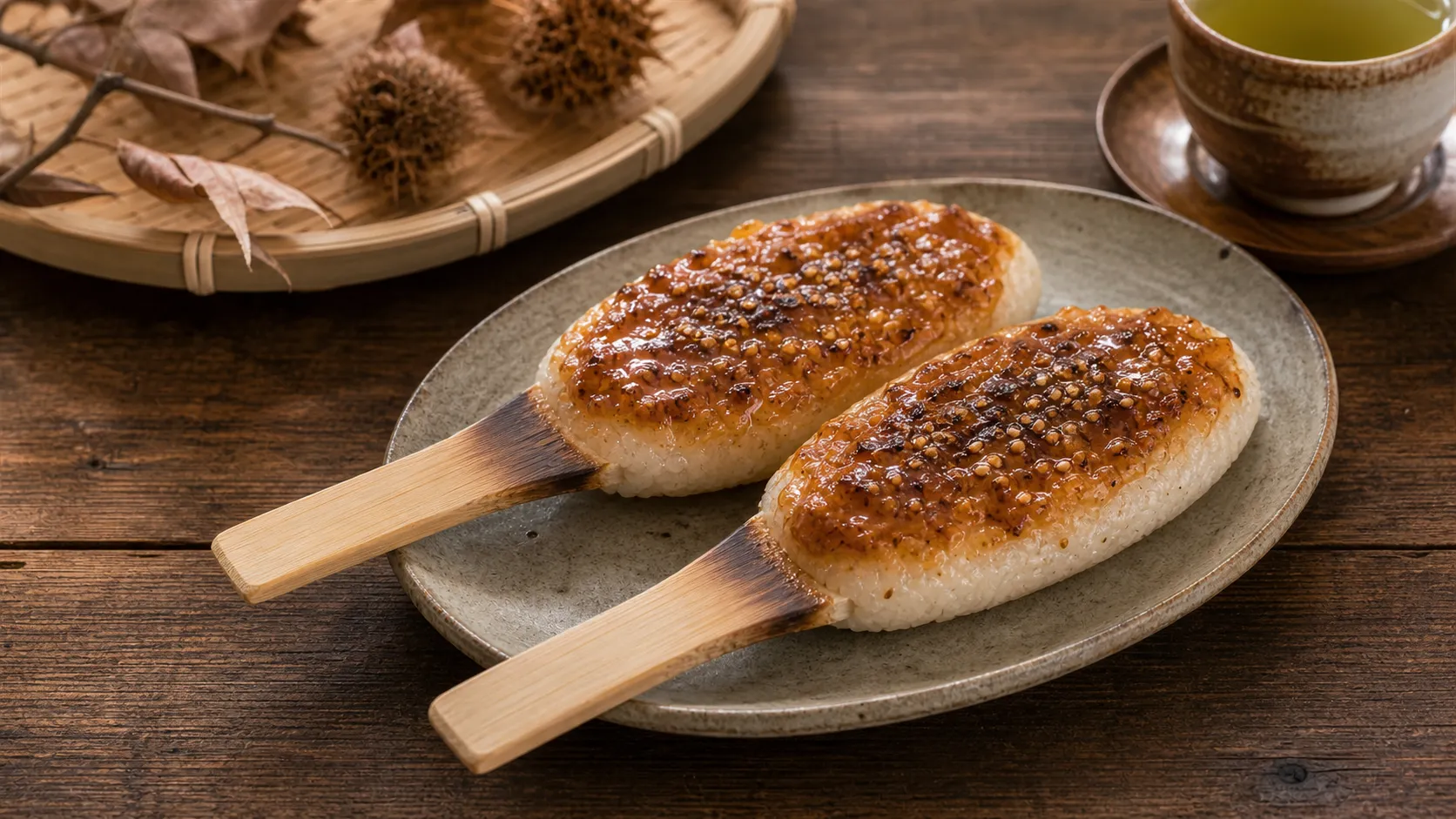
Gohei-mochi (五平餅)
Pounded rice flattened onto a wooden paddle, slathered in a sweet-savory walnut-and-sesame miso glaze, and grilled over coals until the edges char — the smoky, sticky, gloriously messy soul food of Japan's central mountains.
July 10, 2026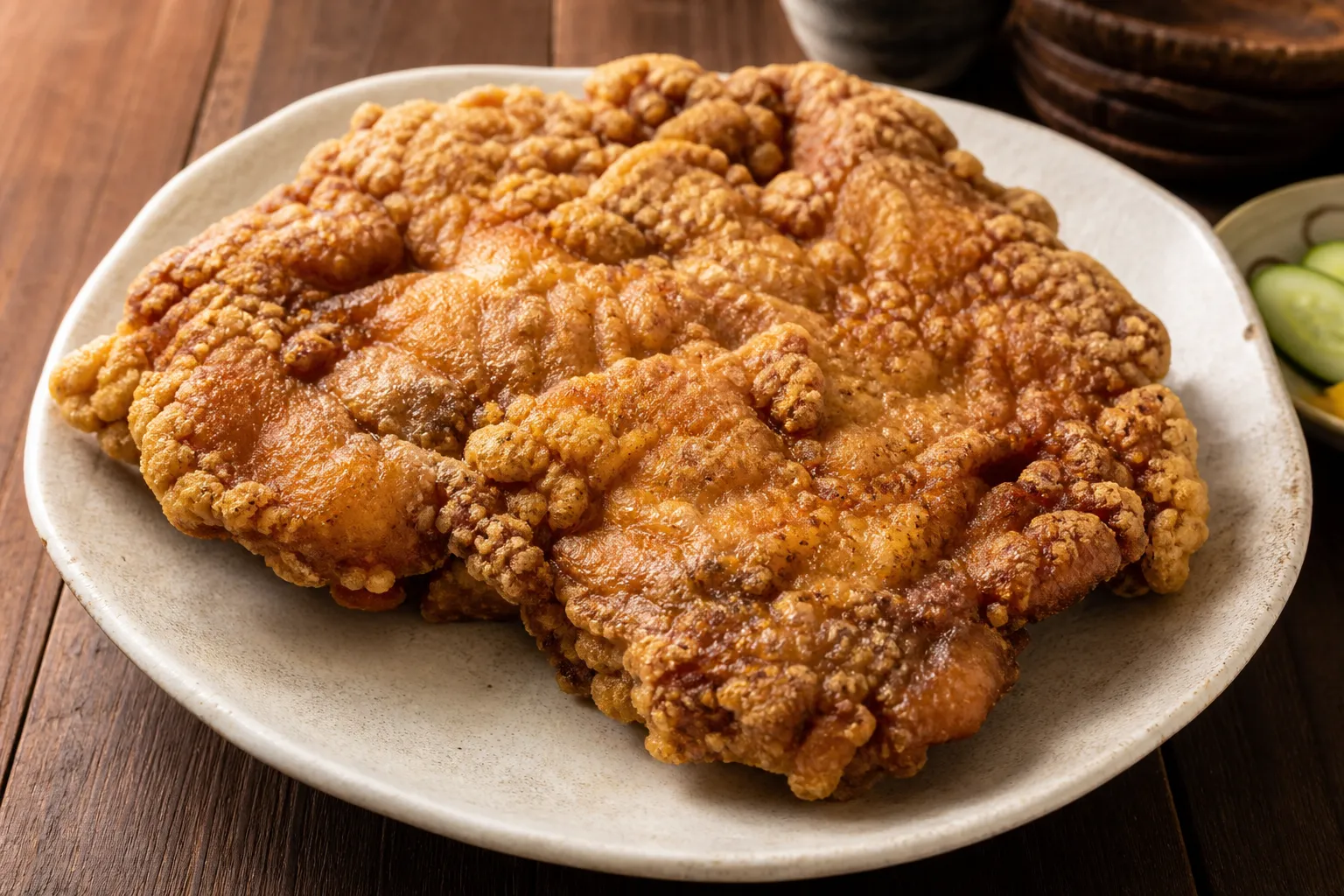
Local FoodMatsumoto / Shiojiri, Nagano
Sanzoku-yaki (山賊焼き)
It's not a piece of fried chicken — it's a whole flattened thigh the size of your face, cragged with garlic-soy crust, and it arrives daring you to finish it.
July 5, 2026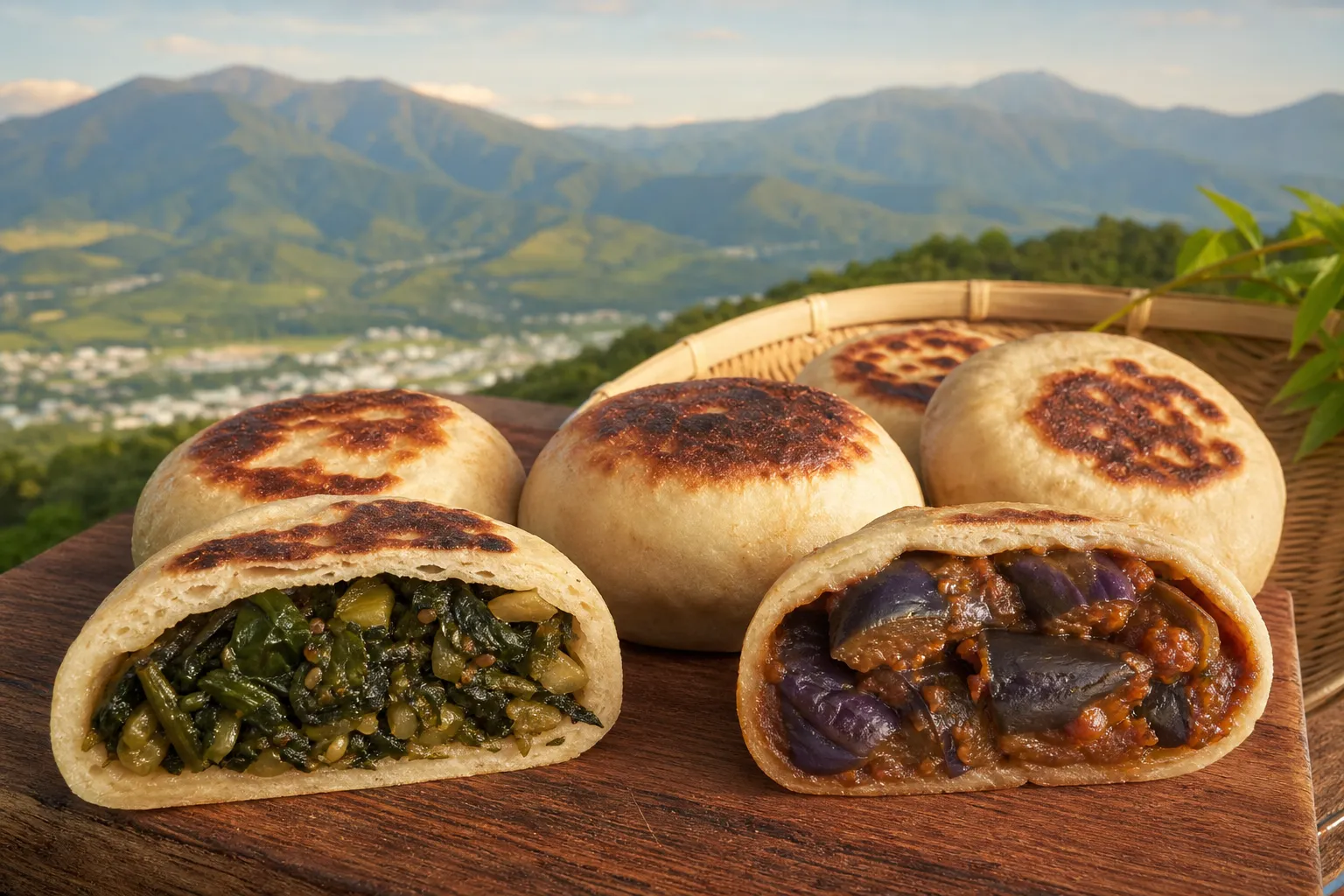
Local FoodNagano, Nagano
Oyaki (おやき)
A chewy, lightly charred bun from the Nagano mountains, stuffed with pickled greens or eggplant miso instead of anything sweet. Farmhouse food that tastes like a cold morning by an irori hearth.
June 28, 2026