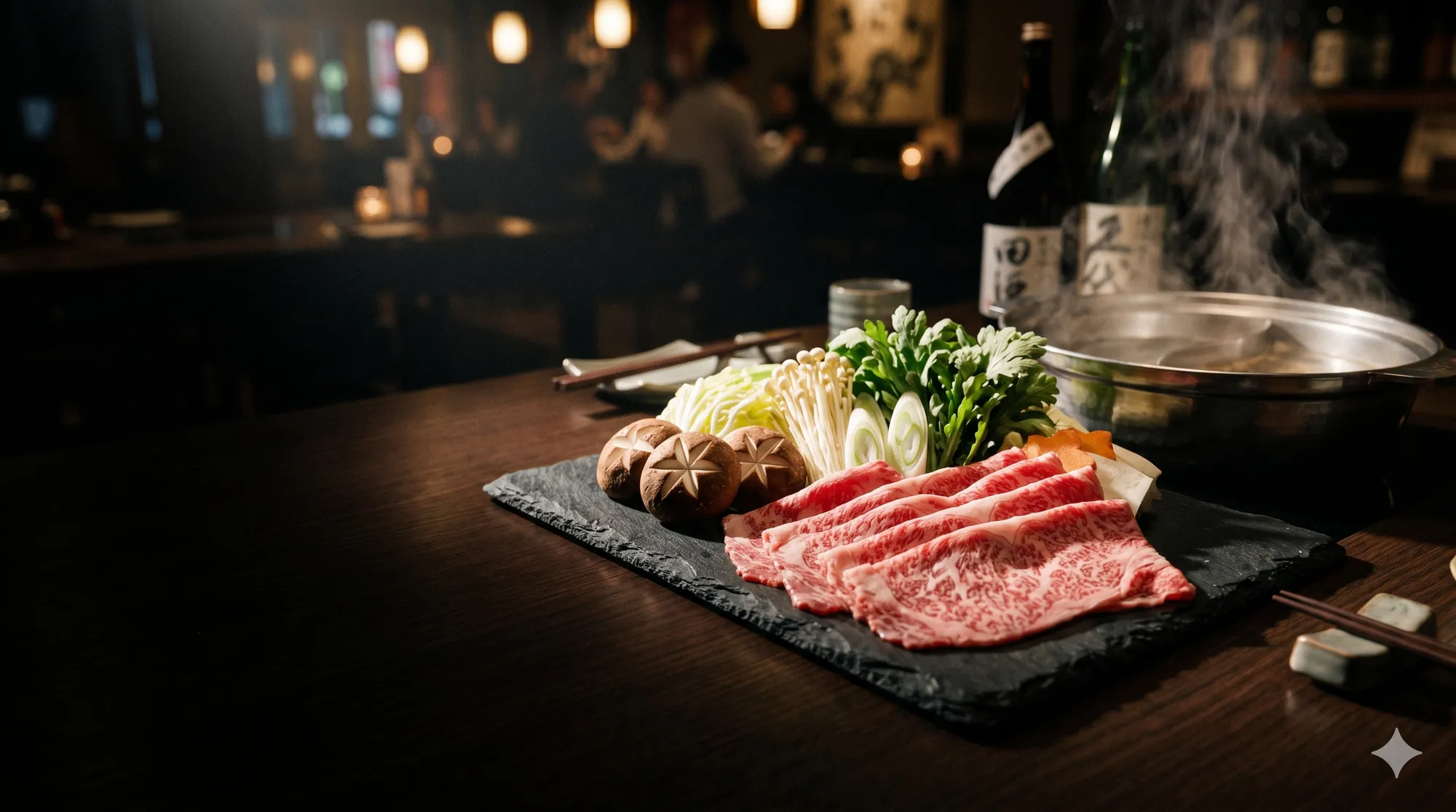
Shabu… shabu.
Share this dish


Swish a paper-thin slice of beef through hot broth for three seconds and your whole night changes. Japan's most elegant hot pot, where doing less is the entire point.
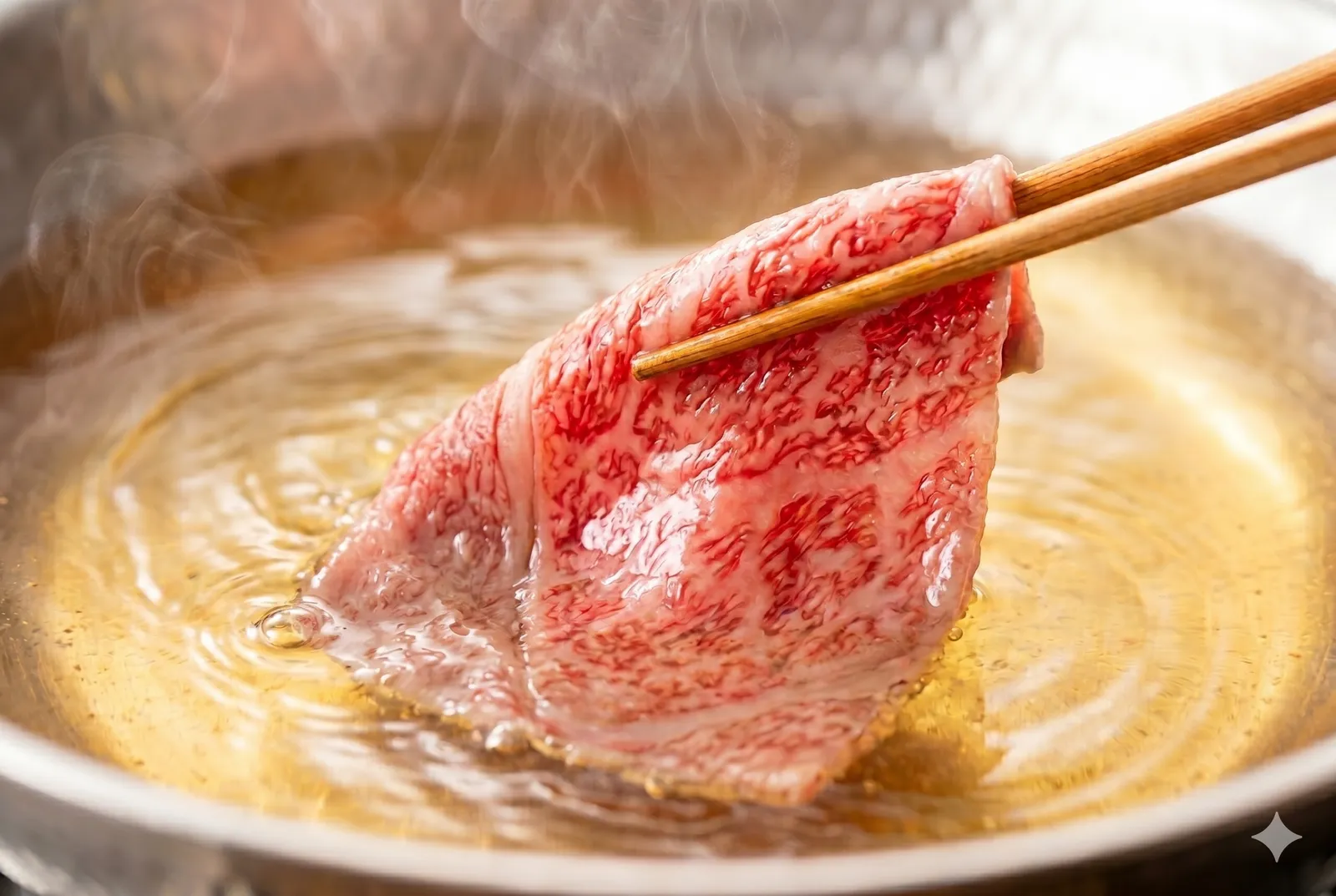
That's the sound. The gentle swish of a paper-thin slice of beef waving through simmering broth, back and forth, for maybe three seconds — and that sound is literally what this dish is named after. A food named after the noise of cooking it. How do you not fall in love with that?
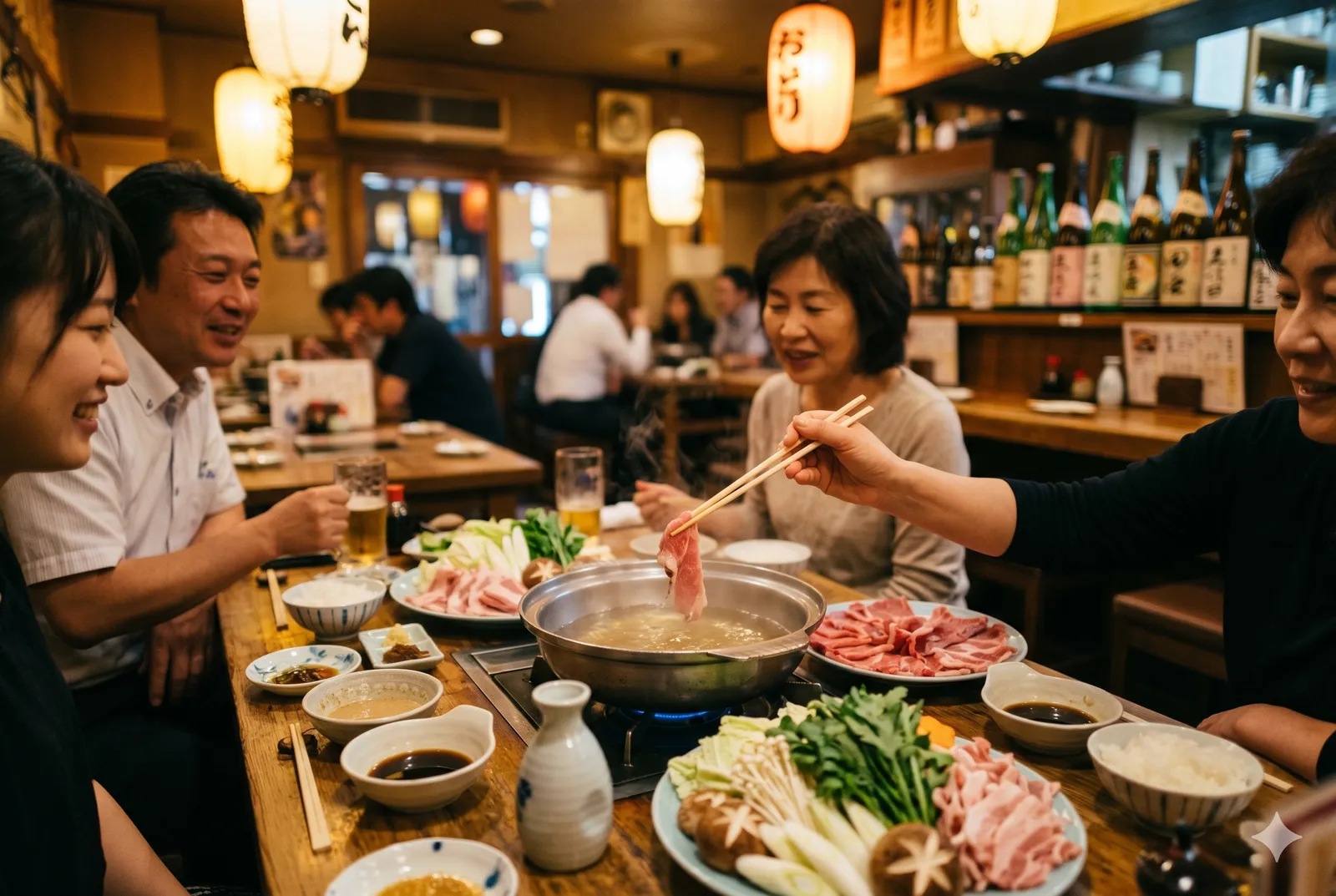
I've sat around bubbling shabu-shabu pots on freezing winter nights, sleeves pushed up, everyone reaching in at once, the windows fogged with steam, and I'm telling you — this is one of the warmest things a group of people can do together. It looks simple because it is simple. That's the genius.
The dish that trusts the ingredients
Shabu-shabu was born in 1950s Osaka, when a restaurant called Suehiro took inspiration from a Chinese hot pot and made it Japanese: a clear kombu broth, the thinnest possible slices of beef, and almost nothing else to hide behind.
And that's the whole philosophy — no heavy sauces, no long simmering, nowhere to fake it. You swish the beef just until it turns from red to blushing pink, and the broth's only job is to wake the meat up, not cover it. When the ingredients are this good, doing less is the cooking.
How it works at the table
- Get the kombu broth to a gentle simmer in the pot at your table
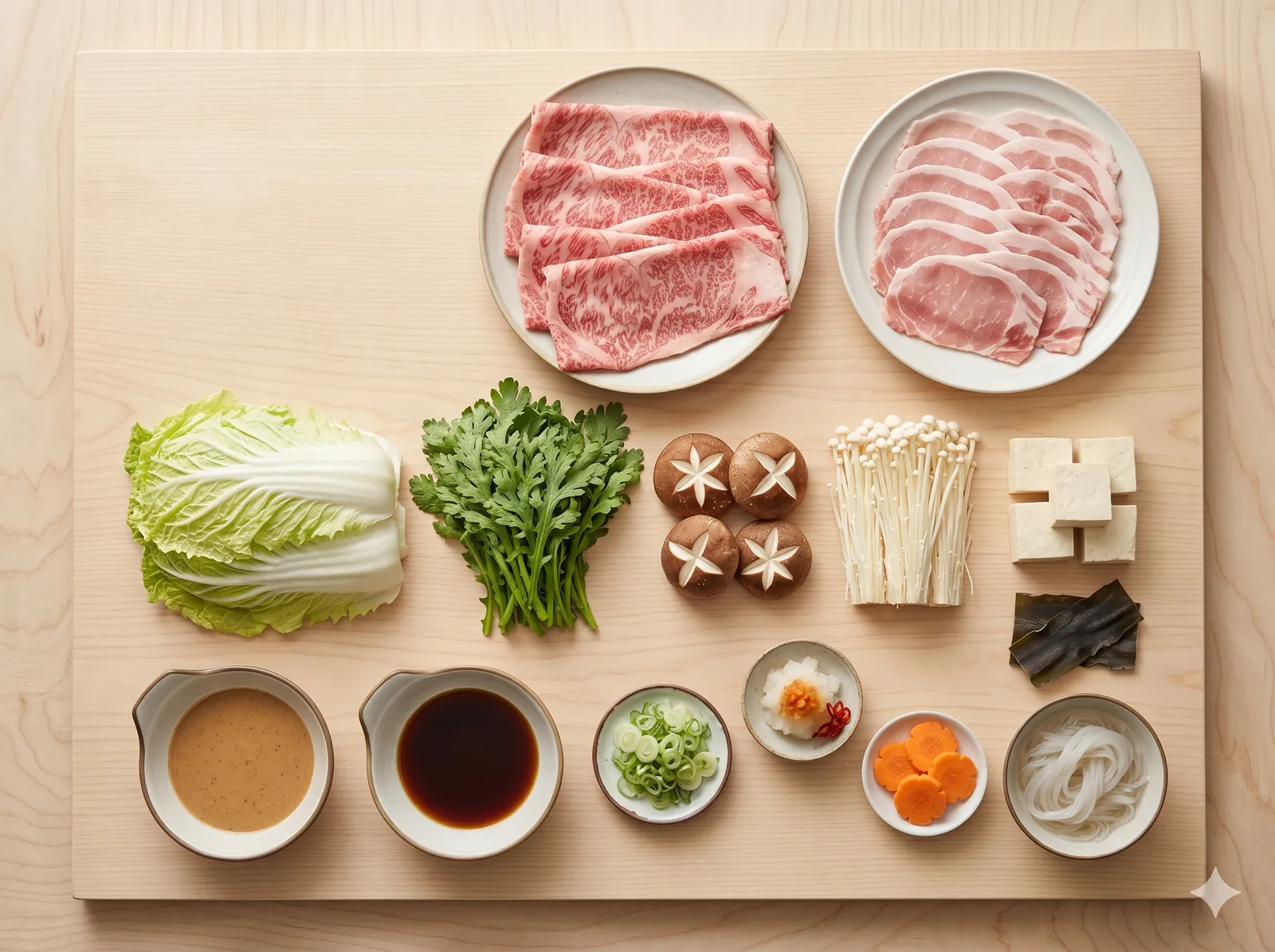
- Lay out the thin beef (or pork) and a platter of vegetables — napa cabbage, shungiku, shiitake, enoki, tofu
- Hold one slice of beef with your chopsticks and swish it through the broth — shabu shabu — for just a few seconds
- Dip it in ponzu (citrus-soy) or goma (sesame) sauce and eat it while it's hot
- Toss the vegetables in to cook longer between rounds of meat
- The grand finale: cook rice or noodles in the now-incredible broth — the shime — and try not to weep
That last step is non-negotiable. The broth has been quietly collecting flavor from everything you cooked. Wasting it is a crime.
Before you go — don't fumble the pot
Your questions, answered honestly
"How long do I swish the beef?" — A few seconds. Three or four swishes. The moment the pink takes over, it's done. Overcook it and you've turned wagyu into a sad gray ribbon — don't do that to anyone.
"Ponzu or sesame sauce?" — Both are on the table for a reason. Ponzu is bright and clean (great for the beef); sesame is rich and nutty (great for pork and veg). Alternate. Build your own rhythm.
"What's the cooking order?" — Beef first while the broth is clean, vegetables and tofu as you go (they take longer), and noodles or rice dead last in that flavor-packed broth.
"Beef or pork?" — Beef is the luxurious classic; pork is lighter on the wallet and genuinely delicious with sesame sauce. No wrong answer.
What the staff will ask you
| You'll hear | Romaji | Meaning | Just say |
|---|---|---|---|
| 牛と豚、どちらに? | Gyū to buta, dochira ni? | "Beef or pork?" | Gyū de (beef) / Buta de (pork) |
| タレはポン酢とごま、両方? | Tare wa ponzu to goma, ryōhō? | "Ponzu and sesame, both?" | Ryōhō onegaishimasu (both, please) |
| 食べ放題にしますか? | Tabehōdai ni shimasu ka? | "All-you-can-eat?" | Hai (yes) / Tanpin de (à la carte) |
| お鍋、お持ちします | Onabe, omochi shimasu | "Here comes your pot" | (lean back, it's hot) |
To order, just say "Shabu-shabu o onegaishimasu" (しゃぶしゃぶをお願いします) — "Shabu-shabu, please."
Where to eat it
- Suehiro (スエヒロ本店) — Osaka. The restaurant credited with inventing it in the 1950s. Eat history.
- Shabu-shabu Onyasai (温野菜) — nationwide chain. Reliable all-you-can-eat with a big vegetable spread; great for groups and first-timers.
- Mo-Mo-Paradise — nationwide. Budget-friendly all-you-can-eat shabu-shabu and sukiyaki under one roof.
Hours and locations change, so check before you go — and bring people you actually like. Shabu-shabu is a team sport.
Soul Score
Local Roots4/5
First-Timer Friendly4/5
Adventure Level3/5
Comfort Level5/5
Travel Worthy3/5
These scores are one obsessed eater's gut feeling — not a verdict. A low number isn't a bad mark, just a different kind of adventure.
Know someone planning Japan?
← All Articles
Japanese Food · Nationwide
Still hungry?
You might also like
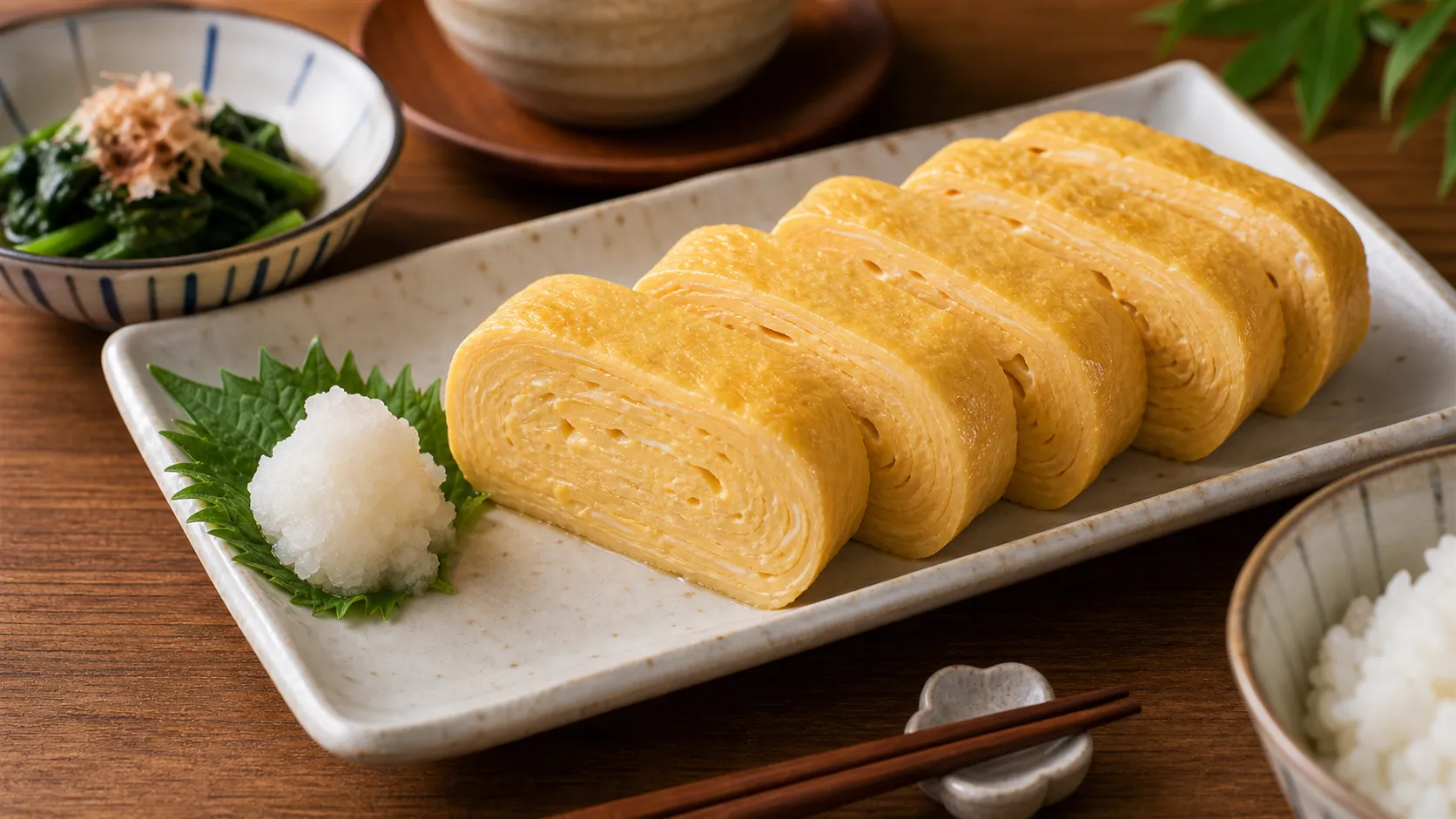
Japanese FoodNationwide
Dashimaki-tamago (だし巻き卵)
A rolled omelette so soft it almost trembles, layered fold over fold and soaked with dashi so that biting in releases a little warm rush of savory broth — the deceptively simple egg dish that Japanese chefs spend years perfecting.
July 11, 2026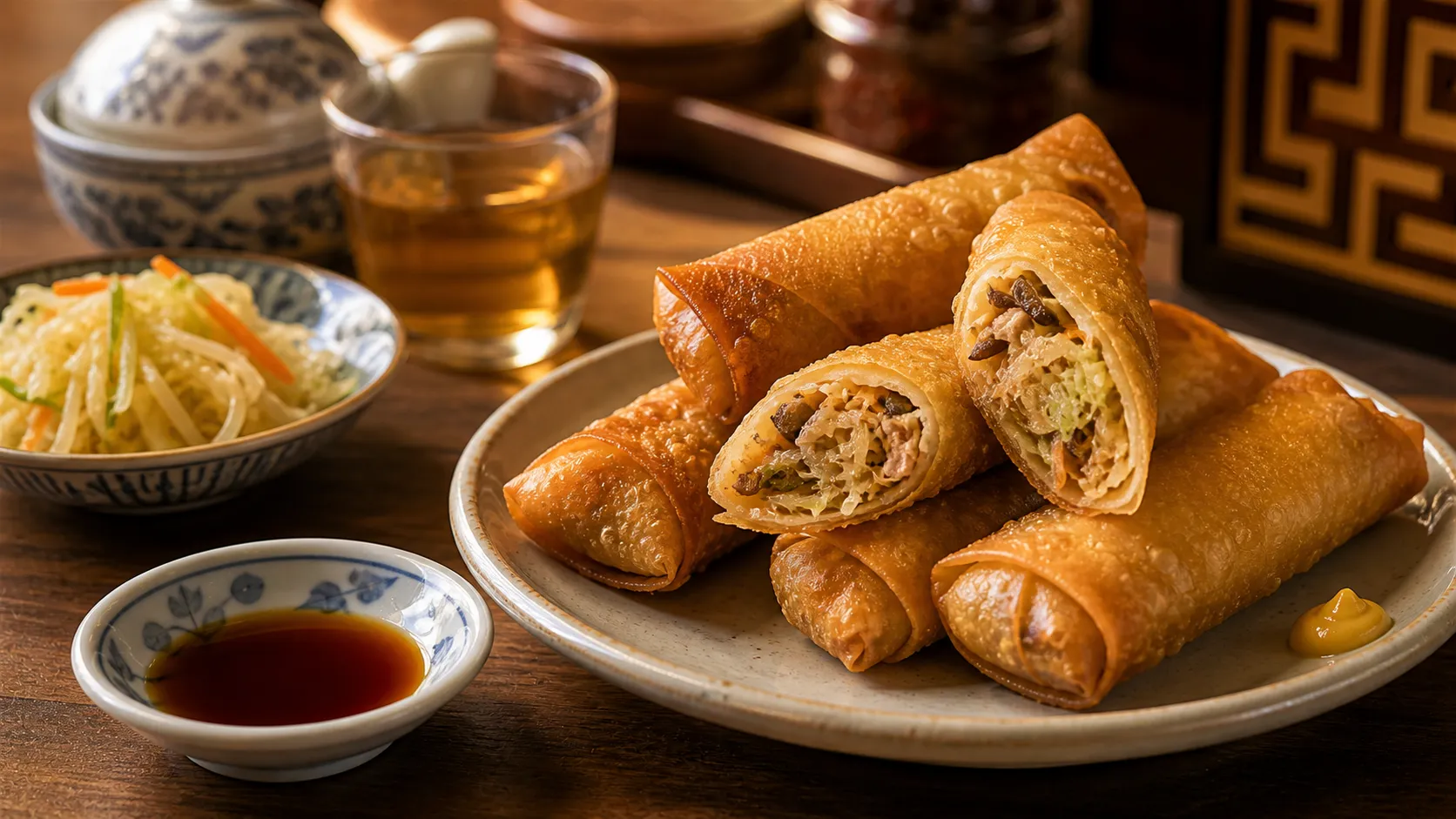
Japanese FoodNationwide
Harumaki (春巻き)
The Japanese spring roll — a shatteringly crisp golden tube that gives way to a hot, savory tangle of pork, cabbage and bamboo shoot, best eaten the second it's cool enough not to burn your mouth (you will not wait that long).
July 11, 2026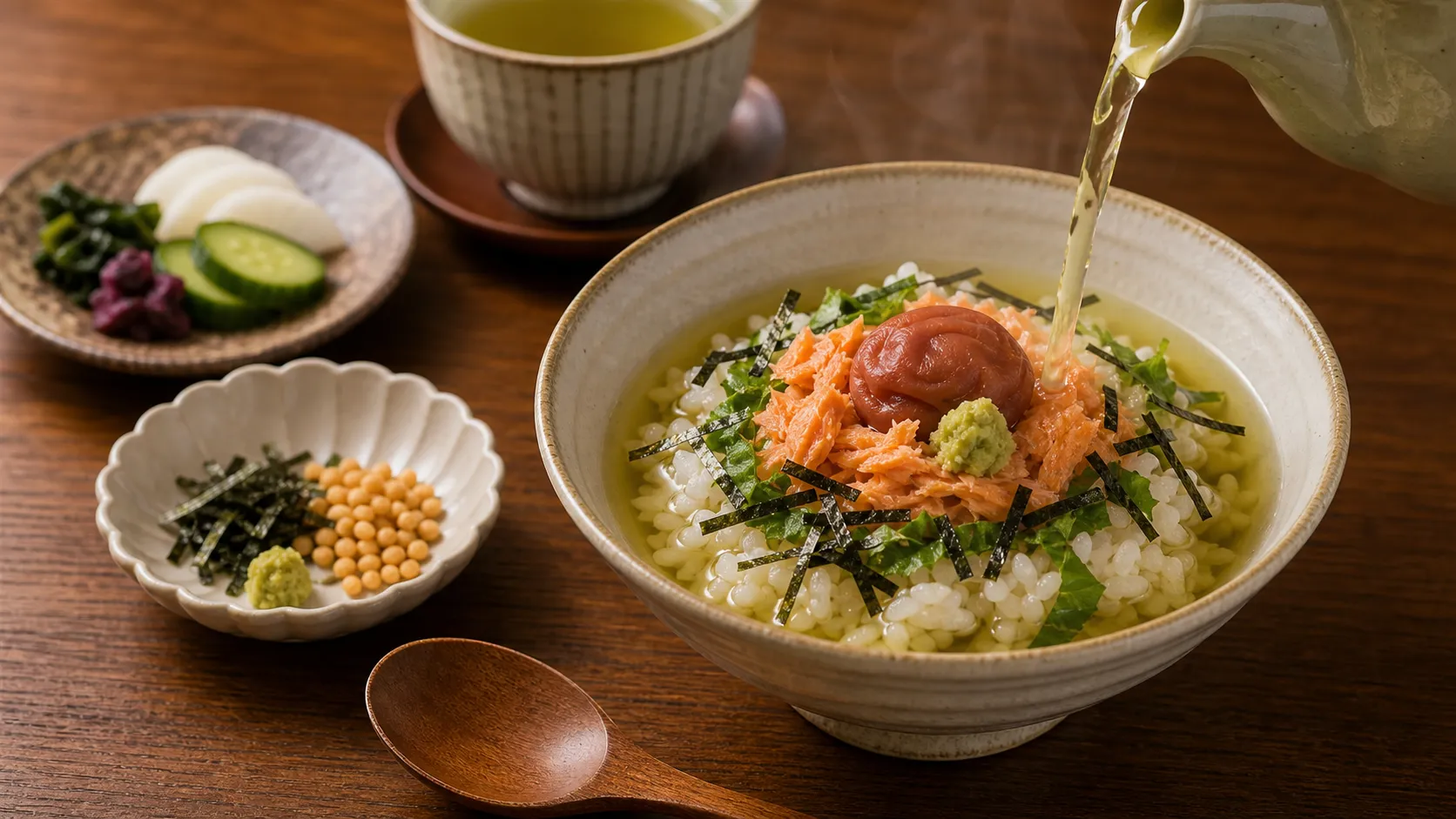
Japanese FoodNationwide
Ochazuke (お茶漬け)
Pour hot green tea or dashi over a bowl of rice, scatter something savory on top, and eat — the gentlest, most quietly restorative dish in Japan, the one you reach for late at night when you just need a warm bowl to make everything okay.
July 11, 2026