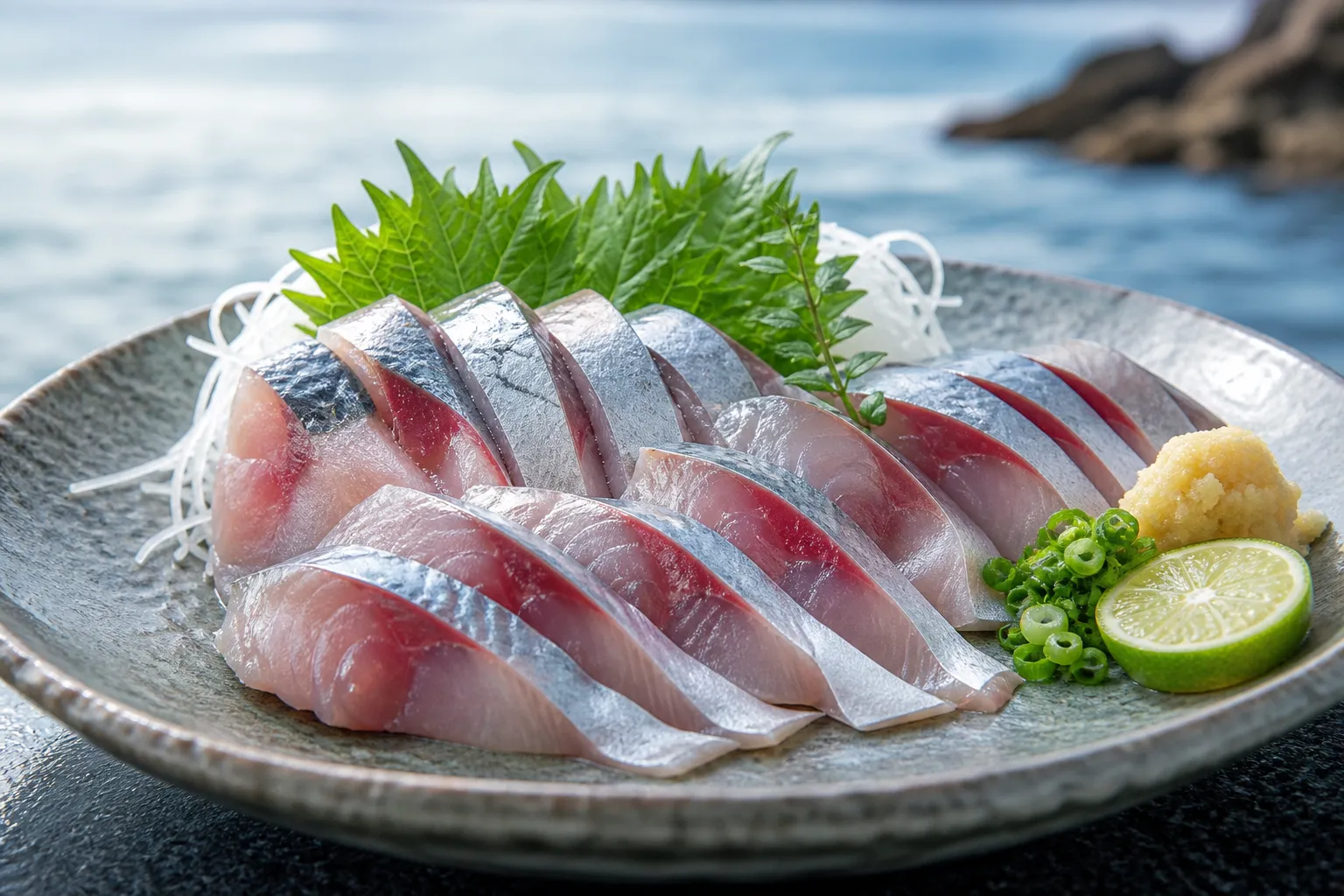
Raw mackerel. Sit with that for a second, because I couldn't. Everything I'd been taught said mackerel spoils too fast to eat raw — you salt it, you grill it, you vinegar-cure it. Then a slice of seki-saba landed in front of me in Oita, glossy and firm, and I ate it, and I sat there kind of stunned. Clean. Springy. Faintly sweet. Zero of the strong "mackerel" funk I braced for. It tasted like the sea decided to show off.
Share this dish


Mackerel — as sashimi. Glossy, firm, clean, and so ferociously fresh it breaks the one rule everyone thinks they know about mackerel: this brand-name fish from Oita's fast Bungo Channel is eaten raw, and it's a revelation.
🍜 Planning a food trip to Oita?Add this dish to my Food Trip →
 Add this dish to my Food Trip →
Here's what it is: seki-saba (関さば) is premium brand-name mackerel line-caught in the fierce tidal currents of the Bungo Channel off Saganoseki in Oita, so fresh and firm that — almost uniquely for mackerel — it's eaten as glossy raw sashimi. It is not the grilled salted mackerel (shioyaki) you know from breakfast, and it is emphatically not canned mackerel. It's the top of the mackerel world, and one of Japan's great regional brand fish.
Fast water, one fish at a time
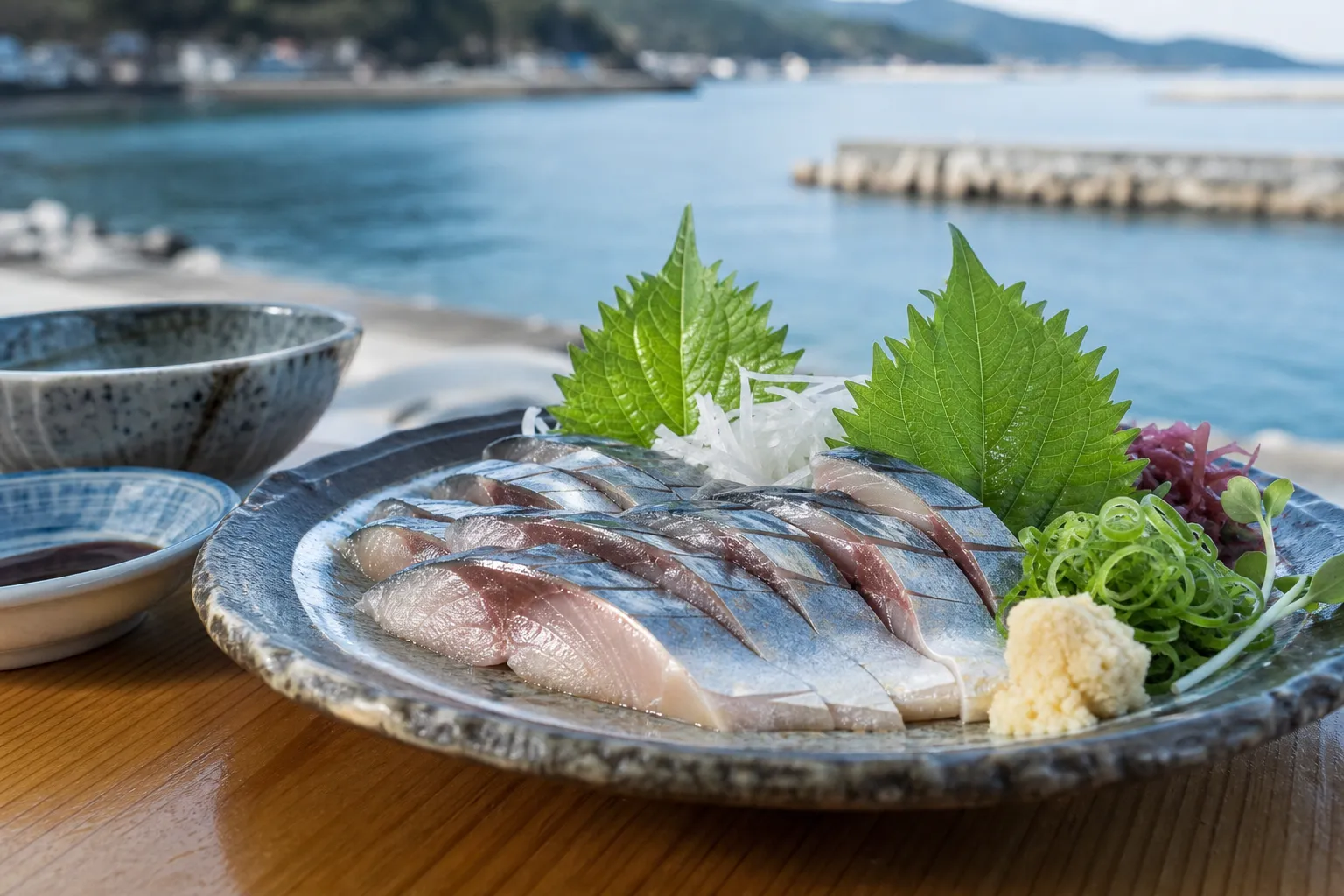
The Bungo Channel, where the Seto Inland Sea meets the open ocean off Saganoseki, is a churn of fast, cold, nutrient-rich tidal current — and mackerel that grow up fighting that current come out firm, muscular and lean. That's the raw material. But the brand is really about handling: seki-saba is line-caught (ipponzuri, one hook at a time), never crushed in a net, and treated with almost obsessive care so it stays pristine. Fishermen even judge the catch without touching it directly, to avoid stressing the fish. I find that level of craft genuinely moving — a whole fishing community organized around keeping one fish perfect.
That care is what makes the impossible possible: mackerel this fresh, killed and handled this well, is safe and sublime as sashimi in a way ordinary mackerel simply isn't. Its twin across the strait, seki-aji (brand horse mackerel), gets the same royal treatment. The result is a fish with a real name and a real reputation, commanding premium prices at market — and worth a trip to Oita to eat at the source, where it's freshest and (relatively) most affordable.
What makes the eating experience different
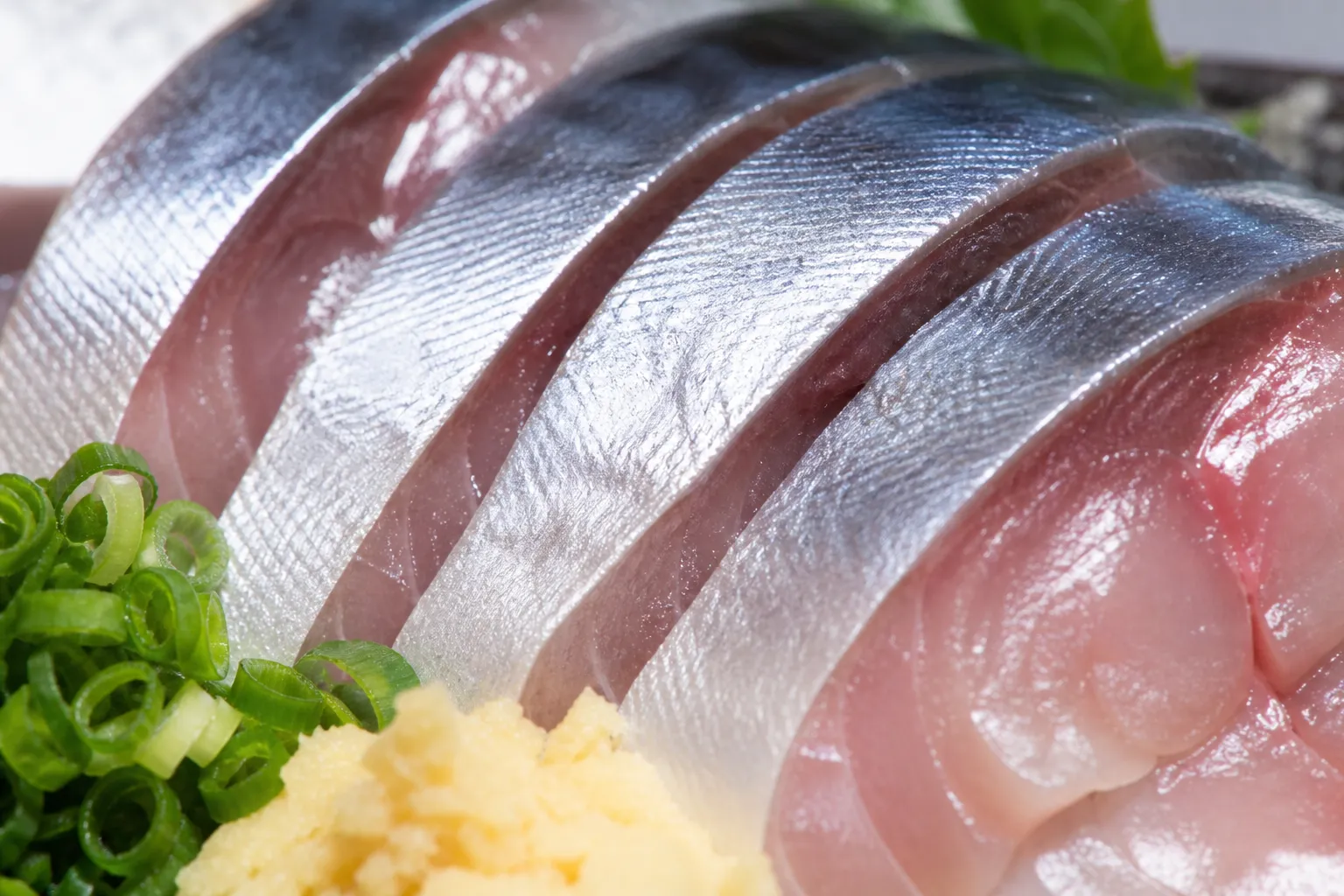
- It's raw mackerel done right — the one thing you're told you can't have, delivered glossy and pristine
- The texture is firm and springy, not soft or mushy — those fast Bungo currents build real muscle
- The flavor is clean and faintly sweet, with almost none of the aggressive funk of everyday mackerel
- It's line-caught and handled with obsessive care, which is why it's safe and delicious raw — the brand is a guarantee of handling
- Eaten at the source in Oita, it's fresher and better-value than anywhere else — a genuine reason to make the trip
How it's made
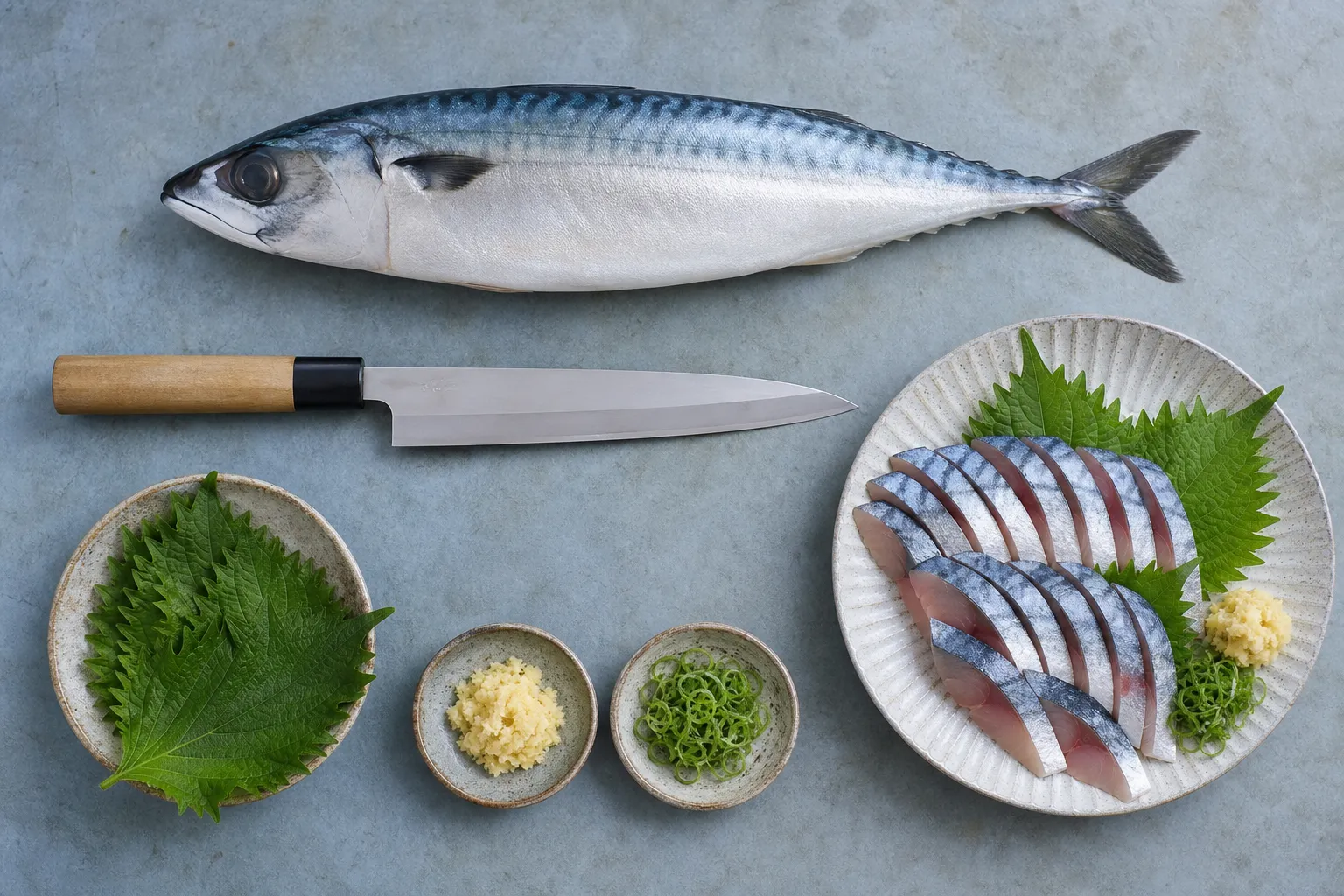
- Line-catch it. Fishermen catch the mackerel one at a time by hand-line (ipponzuri) in the Bungo Channel, avoiding nets that would bruise the fish.
- Handle with care. The catch is kept alive and unstressed in seawater, handled minimally to protect its condition and freshness.
- Judge and certify. Genuine seki-saba is graded and identified as the Saganoseki brand — its provenance is the whole value.
- Prepare fresh. At the restaurant it's filleted and sliced for sashimi, often served simply so the quality speaks — sometimes lightly as sugata-zukuri or with the classic mackerel accompaniments.
- Serve immediately. It's eaten as fresh as possible, usually raw, with soy, ginger or citrus rather than anything that would mask it.
The "making" here is really about restraint — the less done to a fish this good, the better it eats.
Before you go — eat it raw, at the source, and mind the price
Your questions, answered honestly
"Isn't raw mackerel dangerous?" — Ordinary mackerel spoils fast, which is why it's usually cooked or cured. Seki-saba is the exception precisely because of how fresh it is and how carefully it's line-caught and handled. That's the entire point of the brand. Eat it where it's genuine and fresh.
"Is this the grilled salted mackerel from breakfast?" — No. That's saba shioyaki — a completely different, cooked dish. Seki-saba is a premium raw sashimi fish. Same species, different universe.
"Why is it so expensive?" — Because it's line-caught one at a time, handled obsessively, seasonal, and famous. You're paying for the provenance and the freshness that make raw mackerel possible. It's a splurge — treat it like one.
"How do I know it's the real thing?" — Genuine seki-saba is a certified Saganoseki-area brand and it's priced accordingly; if it's cheap, be skeptical. Eating it in Oita, near Saganoseki, is your best bet for the real, fresh article.
What the staff will ask you
| You'll hear | Romaji | Meaning | Just say |
|---|---|---|---|
| お造りでよろしいですか? | Otsukuri de yoroshii desu ka? | "As sashimi, is that okay?" | Hai, onegaishimasu (yes, please) |
| 本物の関さばですよ | Honmono no seki-saba desu yo | "This is the genuine seki-saba" | Tanoshimi desu (I can't wait) |
| 薬味は何にしますか? | Yakumi wa nani ni shimasu ka? | "Which condiments?" | Osusume de (your recommendation) |
To order, just say "Seki-saba o kudasai" (関さばをください) — "Seki-saba, please."
Where to eat it
- Saganoseki, Oita — the home port of the brand. Restaurants in and around Saganoseki serve the freshest seki-saba, often straight off the local boats.
- Oita city — sushi and seafood restaurants in the prefectural capital regularly feature genuine seki-saba (and its cousin seki-aji); a convenient base for tasting it.
- Reputable brand-certified restaurants — because provenance is everything, look for places that specify genuine Saganoseki seki-saba; ask if you're unsure.
Seki-saba is a premium, seasonal, provenance-driven fish — availability, grade and price vary a lot, so check before you go and confirm you're getting the genuine Saganoseki brand.
Soul Score
Local Roots5/5
First-Timer Friendly4/5
Adventure Level4/5
Comfort Level4/5
Travel Worthy5/5
These scores are one obsessed eater's gut feeling — not a verdict. A low number isn't a bad mark, just a different kind of adventure.
Know someone planning Japan?
← All Articles
Local Food · Oita
Still hungry?
Eat more from Oita
Local FoodOita
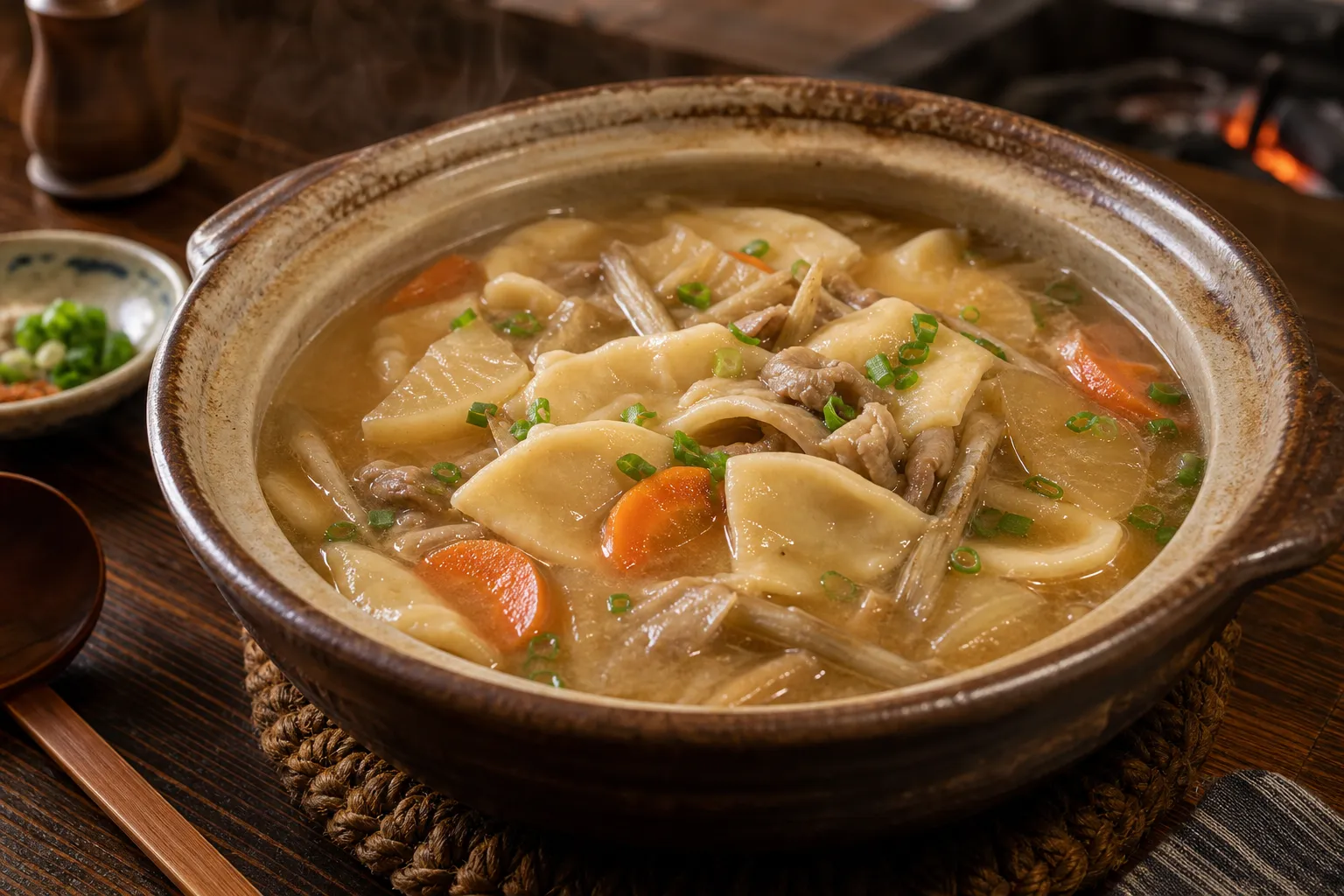
Dagojiru (だご汁)
The dumplings weren't neat little balls — they were flat, torn-looking, chewy straps of dough sliding through miso broth, and one bowl on a cold day undid every knot in my shoulders.
July 5, 2026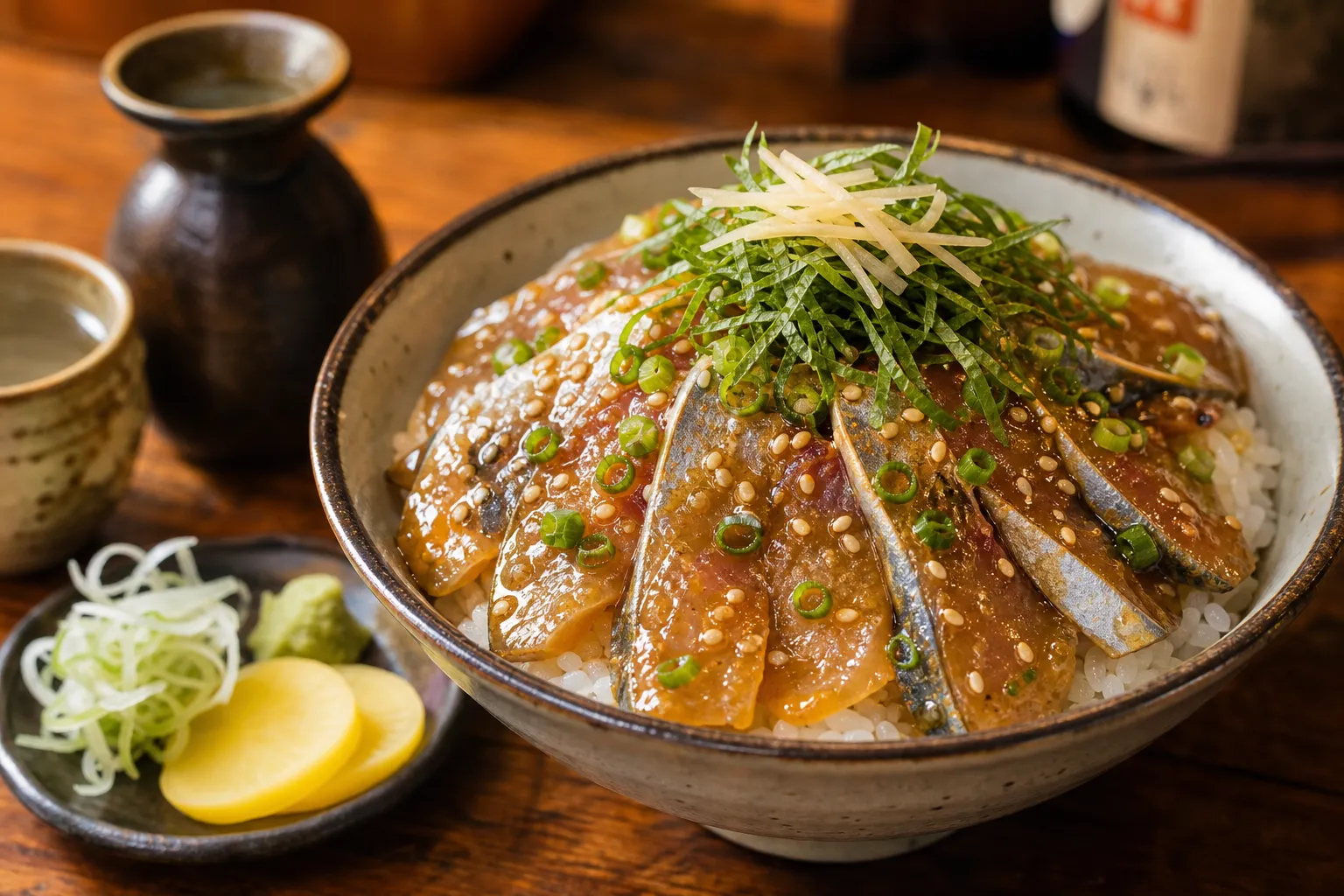
Local FoodOita
Ryukyu (りゅうきゅう)
I ordered it braced for plain sashimi and got fish that had been sitting in a soy-sesame marinade until it turned silky and deep — then someone poured hot tea over the leftovers and somehow it got even better.
July 5, 2026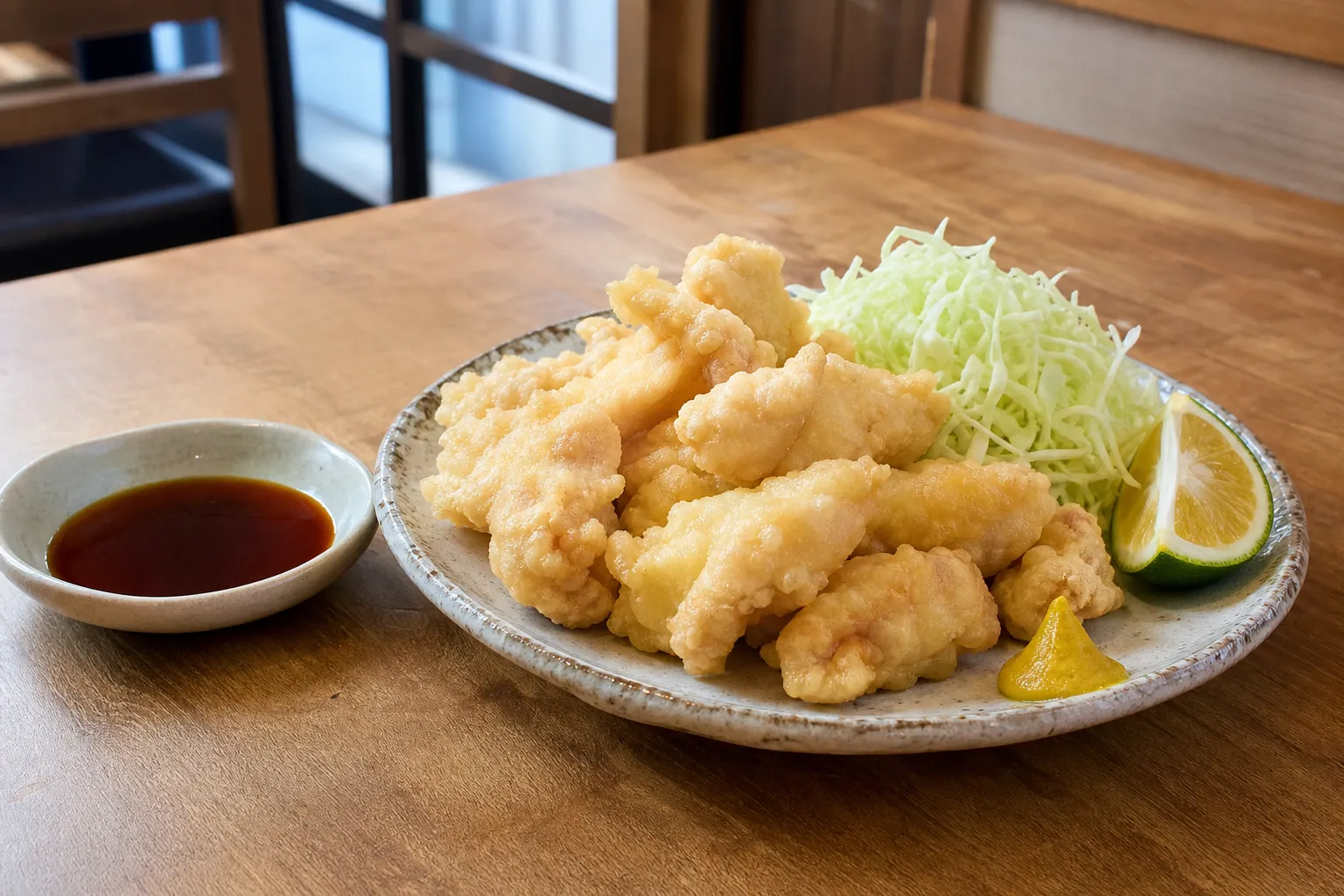
Local FoodOita, Oita
Toriten (とり天)
I bit in expecting karaage and got something else entirely — a cloud-light tempura coating, juicy chicken, and a splash of citrus-soy ponzu. This is Oita's chicken tempura, and it deserves to be as famous as its fried cousin.
June 28, 2026