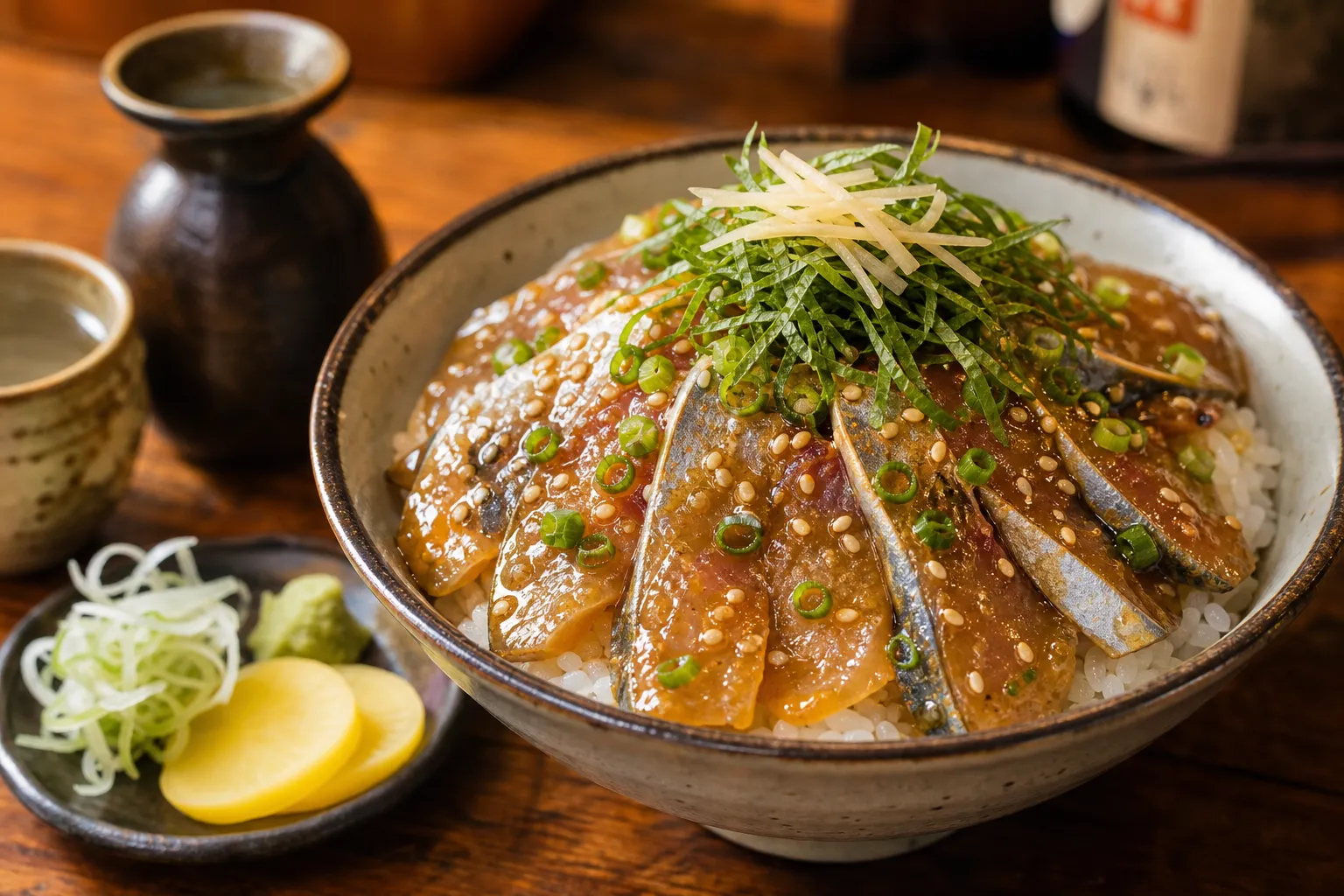
The name threw me completely. I saw "Ryukyu" on an Oita izakaya menu and thought — wait, isn't that Okinawa? It is not. I ordered it anyway, half-expecting some tropical southern thing, and what came out was a little bowl of glossy, deep-brown mackerel slices over hot rice, flecked with sesame and green onion. I took one bite and forgot every question I had. The fish wasn't just raw — it had been marinated until it went silky and savory and slightly sweet, the soy soaked all the way through. I looked up. The owner grinned and said, "Now pour the tea on." So I did.
Share this dish


I ordered it braced for plain sashimi and got fish that had been sitting in a soy-sesame marinade until it turned silky and deep — then someone poured hot tea over the leftovers and somehow it got even better.
🍜 Planning a food trip to Oita?Add this dish to my Food Trip →
 Add this dish to my Food Trip →
This is ryukyu (りゅうきゅう), and let's clear it up right now: this is a dish from Oita Prefecture, on the island of Kyushu — it has nothing to do with Okinawan cuisine. The name almost certainly nods to old trade routes to the Ryukyu Kingdom, but the food itself is pure coastal Oita fisherman cooking. It's zuke — fish cured briefly in a sauce of soy, toasted sesame, grated ginger, and green onion — traditionally made with mackerel (saba) or horse mackerel (aji), the everyday catch of the Bungo Channel. Simple, thrifty, and quietly brilliant.
An Oita fisherman's trick, not an Okinawan dish
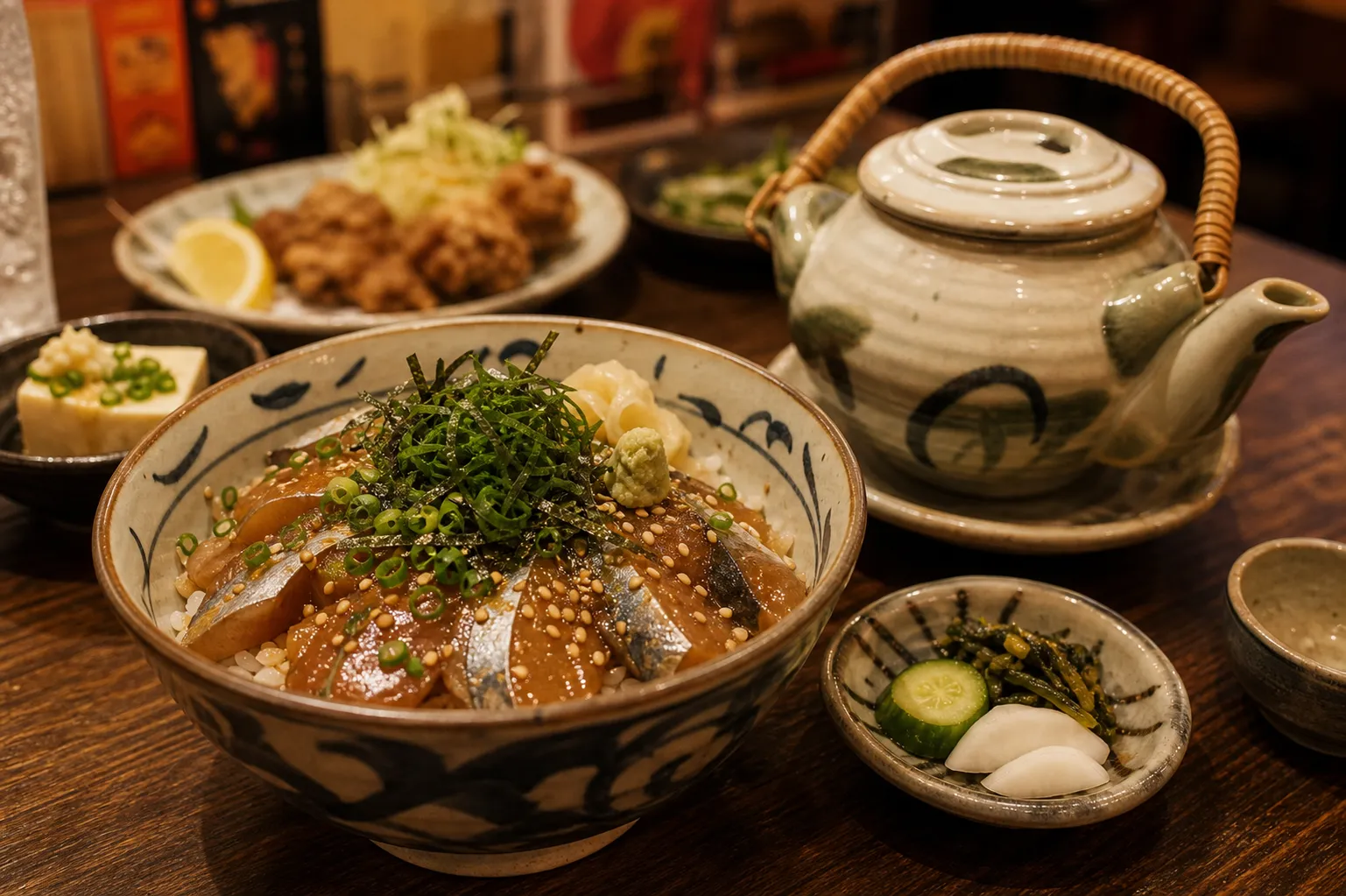
The story you'll hear in Oita is the honest one: fishermen with more fresh catch than they could eat right away needed a way to make it last a little longer and taste a little better. Soy sauce and sesame do both. The marinade lightly cures the fish, deepening its color and flavor, stretching a morning's catch into the evening meal. No refrigeration required, no waste, maximum flavor. It's peasant ingenuity, and it tastes like it — in the best way.
I love that a dish this good came from not wanting to throw fish away. There's no fine-dining pretense here. The waters off Oita — the Bungo Channel especially — are famous for exceptional mackerel and horse mackerel (Oita's premium seki-saba and seki-aji are nationally prized), so the base material is genuinely superb. Ryukyu is what happens when great fish meets a great pantry trick. And no, once more for the people at the back: not Okinawa. Kyushu. Oita.
Why the marinade changes everything
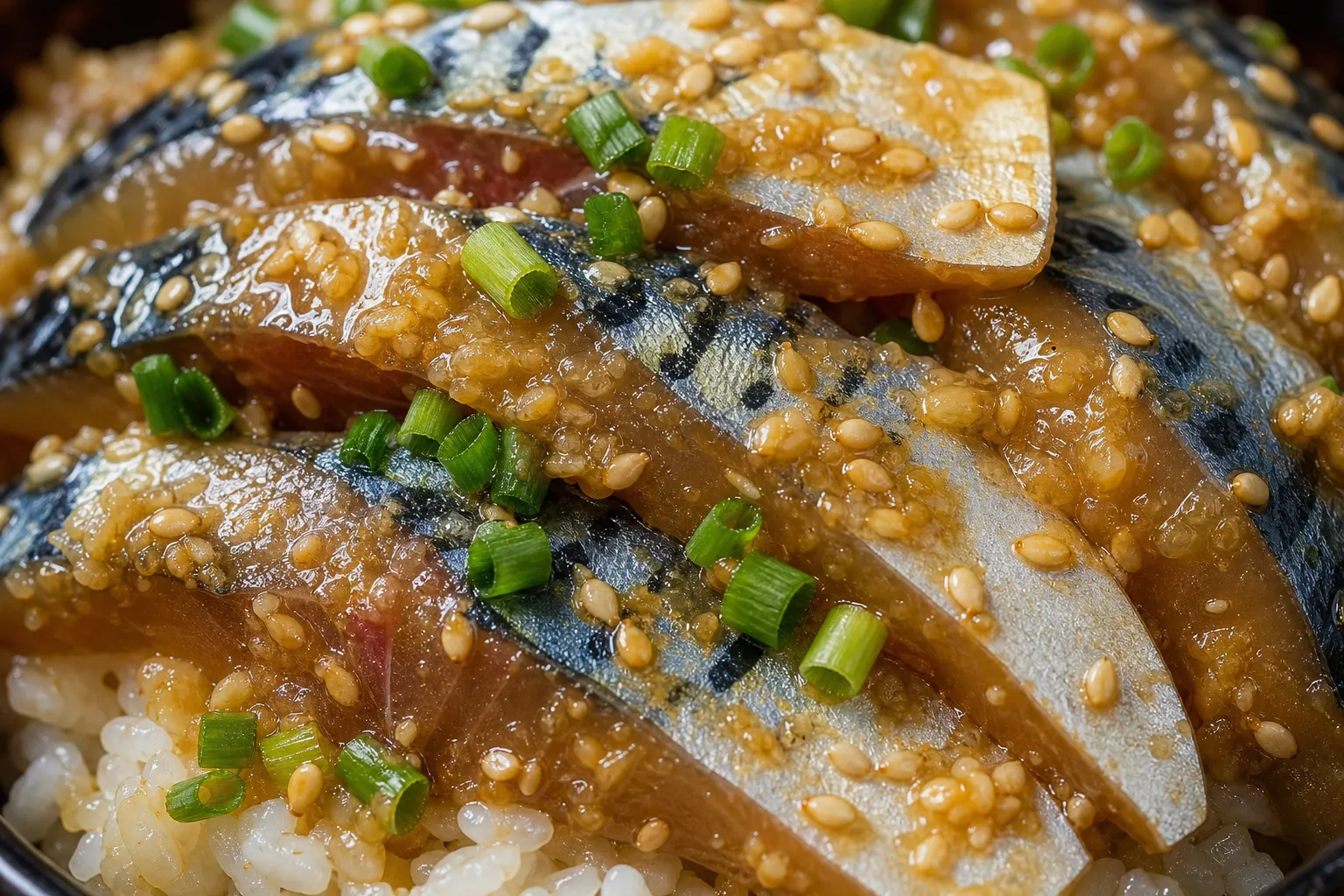
Plain sashimi is about pure, clean freshness. Ryukyu goes the other direction — it seasons the fish, deep. The soy-sesame-ginger sauce works into the flesh so the slices turn glossy and deep amber, the texture goes from firm to almost silky-tender, and every piece carries sweetness, saltiness, nuttiness, and a ginger kick all at once. It tastes richer and rounder than sashimi, more like a finished dish than an ingredient. The sesame is doing quiet heavy lifting — toasty, fragrant, warm.
And then there's the second act. You eat half the bowl as marinated fish over rice, then pour hot green tea or dashi over the rest to make ryukyu-chazuke, and the whole thing transforms — the sauce loosens into the broth, the fish half-cooks in the heat, and it becomes this comforting, slurpable end to the meal. One dish, two completely different experiences. I have eaten it both ways in a single sitting and I recommend the same to you, shamelessly.
How ryukyu gets made
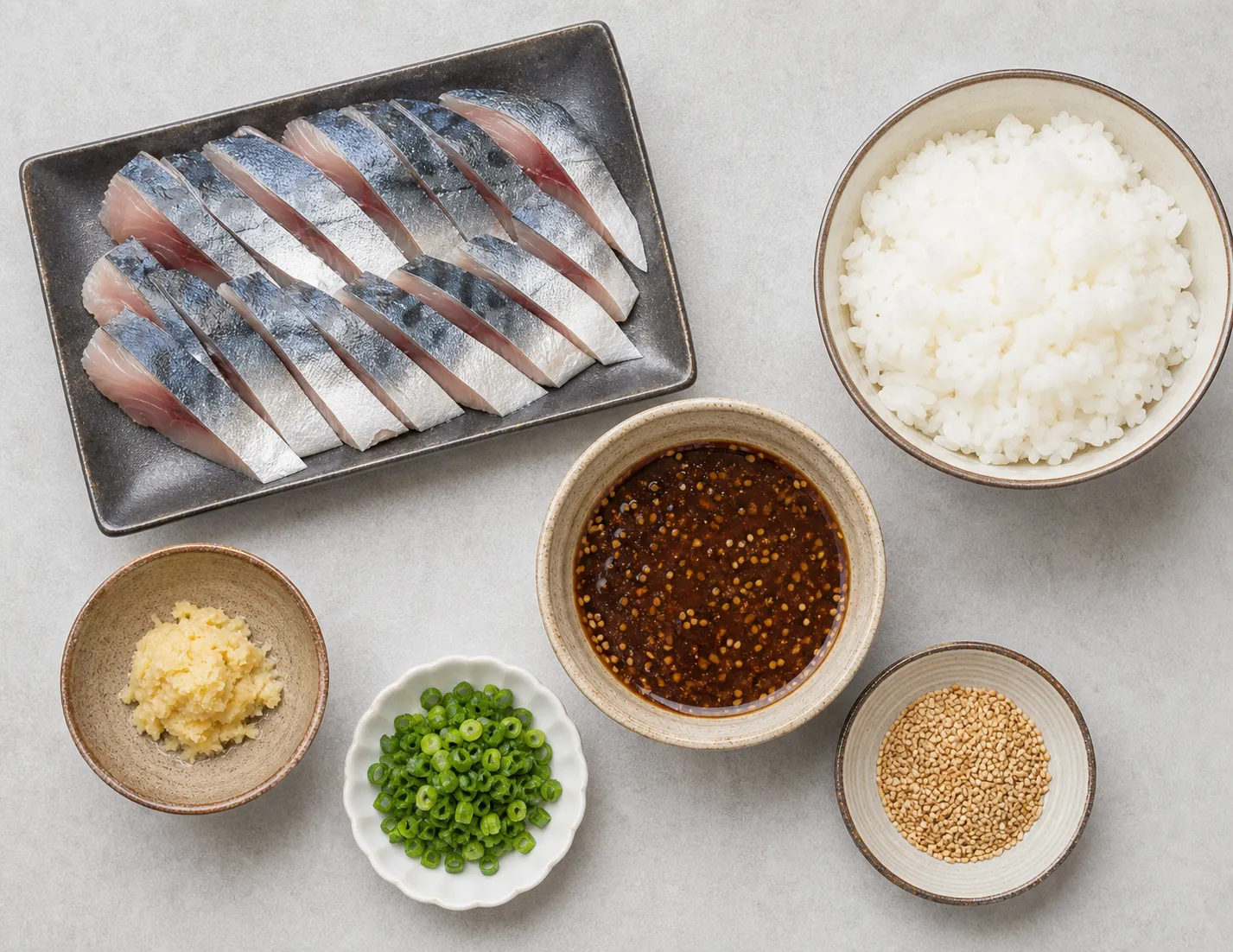
- Very fresh mackerel or horse mackerel is filleted and sliced into sashimi-thick pieces
- A marinade is mixed from soy sauce, toasted ground sesame, grated ginger, and chopped green onion — sometimes with a splash of sake or mirin for sweetness
- The fish slices are folded into the marinade and left to zuke (cure) — anywhere from a few minutes to a couple of hours, depending on how deep a flavor the shop wants
- It's served three ways: piled over a bowl of hot rice (ryukyu-don), plated on its own as a marinated-sashimi appetizer, or set up for chazuke
- For chazuke, you pour hot green tea or dashi over the fish-and-rice, letting the sauce melt into the broth and gently warm the fish
Before you go — how to order it right
Your questions, answered honestly
"Is this Okinawan food?" — No. This is the single most common mix-up. Ryukyu is an Oita Prefecture specialty on the island of Kyushu. The name references old Ryukyu trade routes, but the dish is coastal Oita cooking through and through.
"Is it safe raw?" — It's raw marinated fish, so treat it like any sashimi: eat it where turnover is high — a busy Oita izakaya or a proper set-meal restaurant near the coast. In those places it's an everyday staple and totally normal.
"How should I eat it — bowl or chazuke?" — Do both. Eat the first half straight over rice to taste the marinade at full strength, then pour hot tea over the rest for chazuke. If the menu lists it as a set, this two-stage move is often the intended way.
"What fish will it be?" — Usually mackerel (saba) or horse mackerel (aji), sometimes other local white fish. Oita's channel mackerel is a point of local pride, so you're in good hands.
What the staff will ask you
| You'll hear | Romaji | Meaning | Just say |
|---|---|---|---|
| ご飯にのせますか、単品にしますか? | Gohan ni nosemasu ka, tanpin ni shimasu ka? | "Over rice, or on its own?" | Gohan ni onegaishimasu (over rice, please) |
| お茶漬けにもできますよ | Ochazuke ni mo dekimasu yo | "You can also make it into chazuke" | Ja, chazuke mo onegaishimasu (then chazuke too, please) |
| 薬味は多めにしますか? | Yakumi wa ōme ni shimasu ka? | "Extra green onion and ginger?" | Onegaishimasu (yes, please) |
To order, just say "Ryukyu o kudasai" (りゅうきゅうをください) — "Ryukyu, please."
Where to eat it
- Oita city and Beppu — local izakaya and set-meal restaurants across central Oita and the Beppu hot-spring area regularly serve ryukyu as a house staple.
- Coastal Oita (Bungo Channel area) — towns along the channel, known for their mackerel and horse mackerel, are where the freshest versions turn up.
- Oita set-meal and seafood restaurants — many offer a ryukyu-don or a set that lets you finish as chazuke; ask if it's not obvious on the menu.
Availability depends on the day's catch and the shop, so check current details before you go — and lean toward busy places where the fish moves fast.
Soul Score
Local Roots5/5
First-Timer Friendly3/5
Adventure Level4/5
Comfort Level5/5
Travel Worthy4/5
These scores are one obsessed eater's gut feeling — not a verdict. A low number isn't a bad mark, just a different kind of adventure.
Know someone planning Japan?
← All Articles
Local Food · Oita
Still hungry?
Eat more from Oita
Local FoodOita
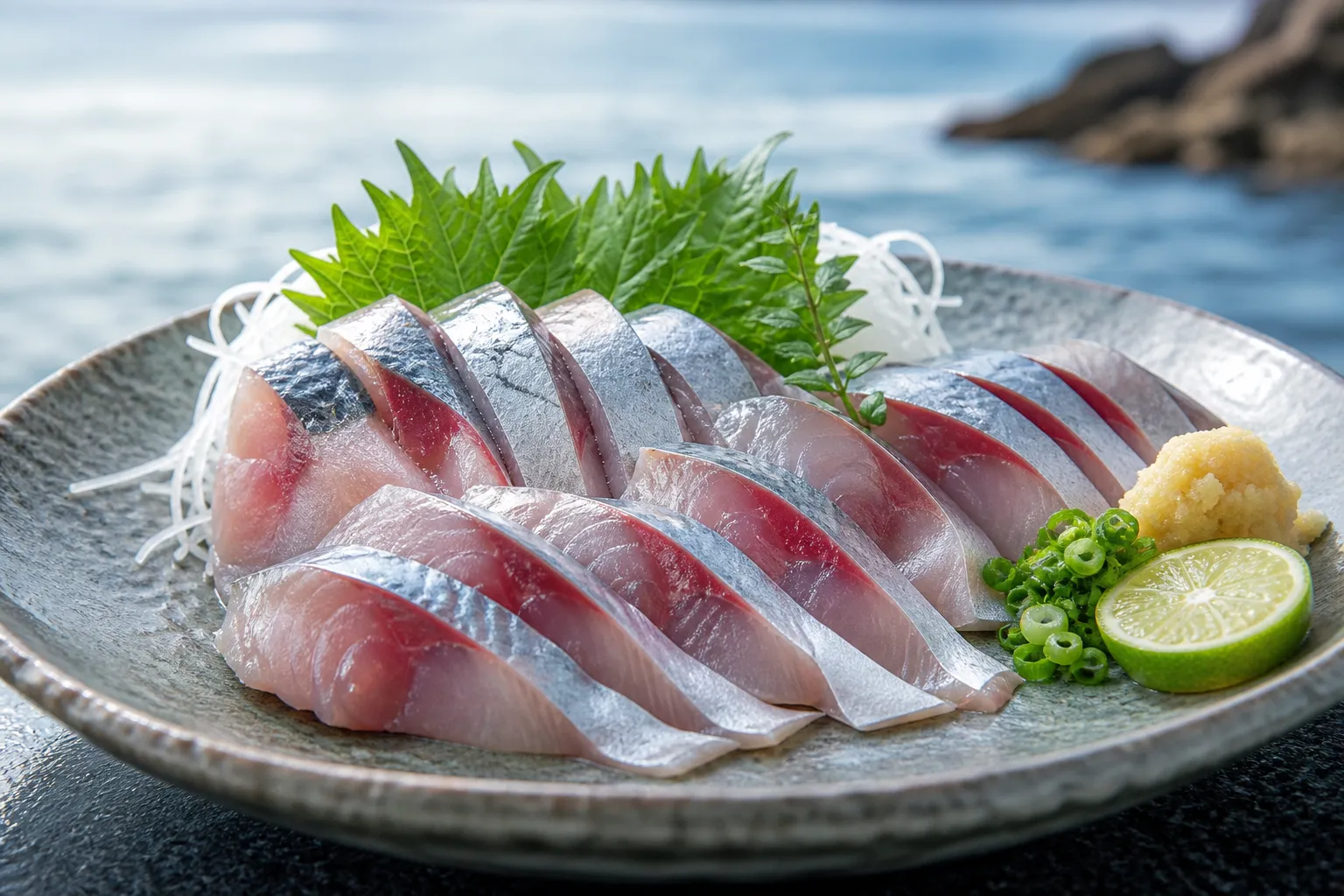
Seki-saba (関さば)
Mackerel — as sashimi. Glossy, firm, clean, and so ferociously fresh it breaks the one rule everyone thinks they know about mackerel: this brand-name fish from Oita's fast Bungo Channel is eaten raw, and it's a revelation.
July 12, 2026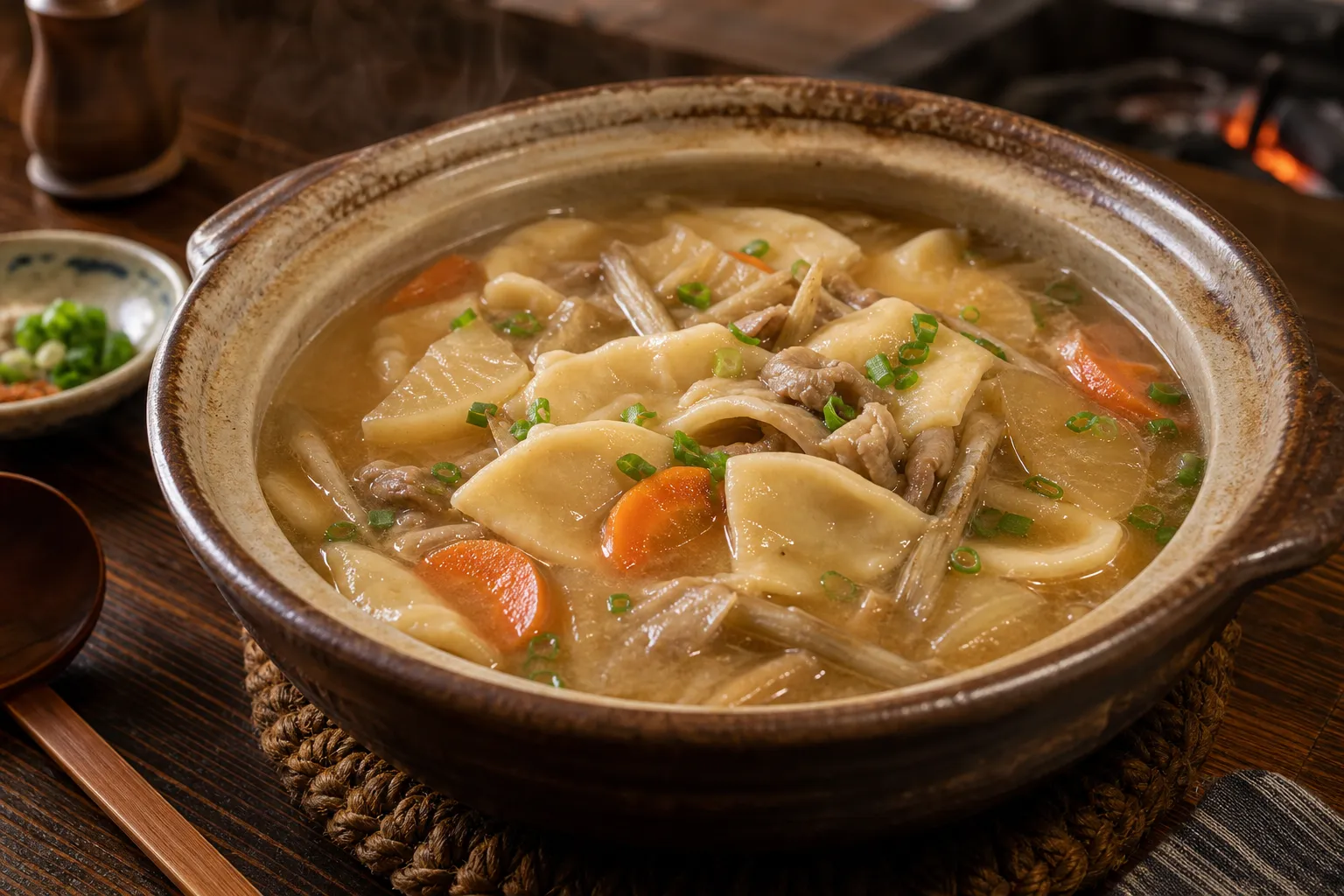
Local FoodOita
Dagojiru (だご汁)
The dumplings weren't neat little balls — they were flat, torn-looking, chewy straps of dough sliding through miso broth, and one bowl on a cold day undid every knot in my shoulders.
July 5, 2026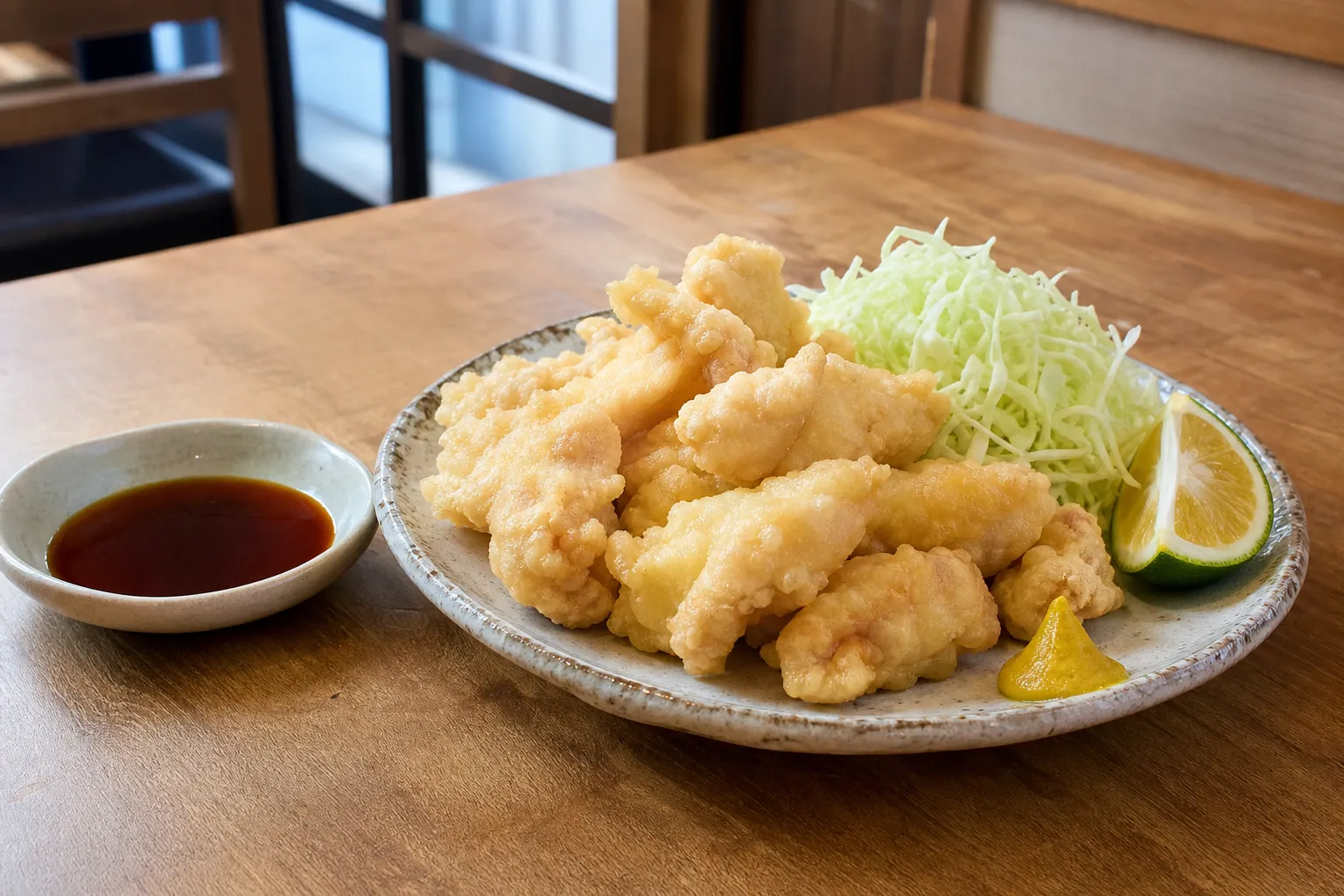
Local FoodOita, Oita
Toriten (とり天)
I bit in expecting karaage and got something else entirely — a cloud-light tempura coating, juicy chicken, and a splash of citrus-soy ponzu. This is Oita's chicken tempura, and it deserves to be as famous as its fried cousin.
June 28, 2026