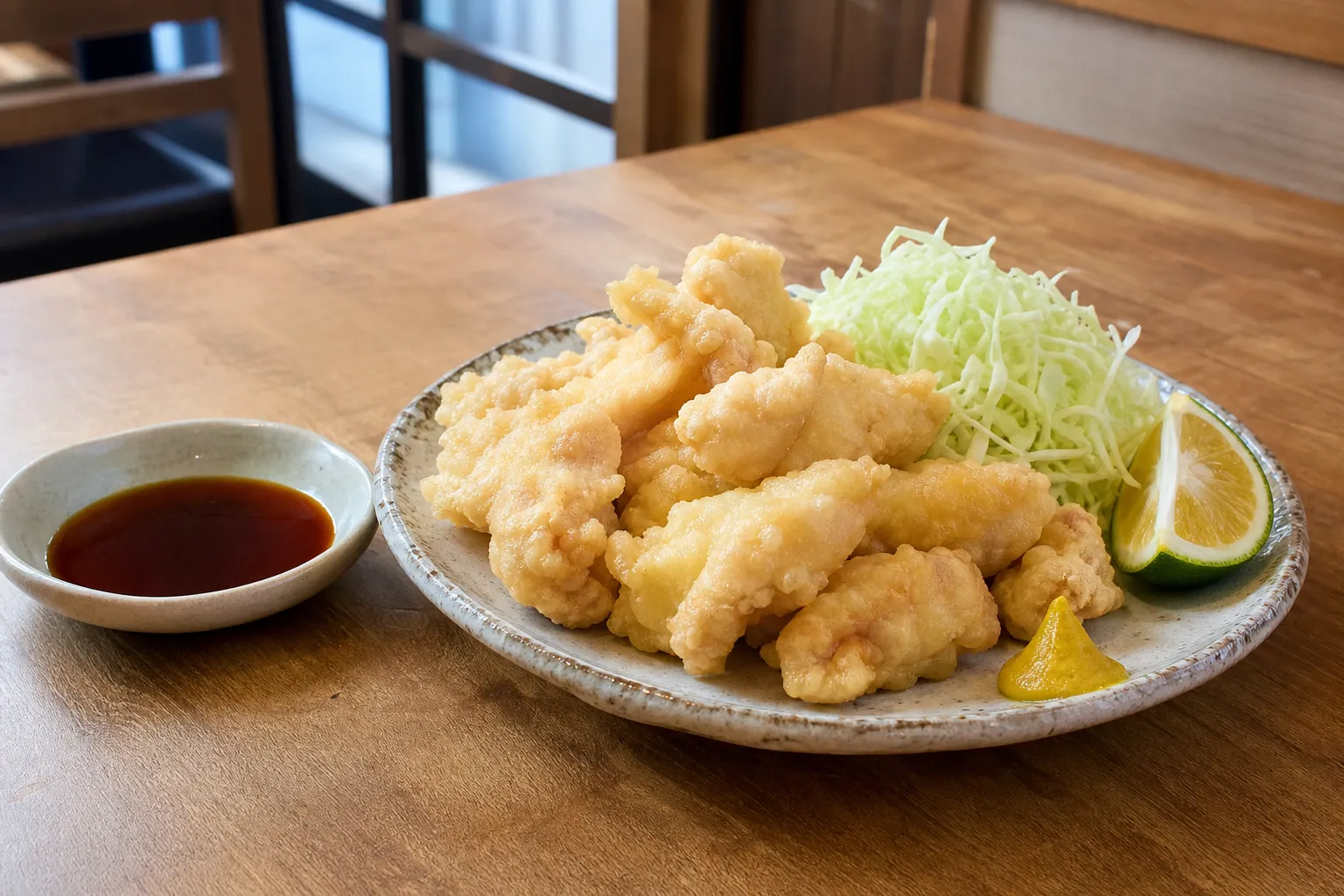
I bit into it expecting karaage. I did not get karaage. The coating gave way soft and airy — almost like a cloud that had been lightly fried — a little splash of citrus-soy ran down toward my wrist, and I stopped mid-chew and actually said it out loud: wait, this is tempura? It is. And once your brain catches up, you will want the whole plate.
Share this dish


I bit in expecting karaage and got something else entirely — a cloud-light tempura coating, juicy chicken, and a splash of citrus-soy ponzu. This is Oita's chicken tempura, and it deserves to be as famous as its fried cousin.
🍜 Planning a food trip to Oita?Add this dish to my Food Trip →
 Add this dish to my Food Trip →
This is toriten (とり天), the pride of Oita Prefecture: bite-size pieces of chicken dipped in a light tempura batter and deep-fried, then eaten with ponzu (citrus soy) and a dab of yellow karashi mustard. It looks like fried chicken and it is absolutely not — there's no soy marinade, no thick crunchy crust. It's a tempura through and through, and Oita has been quietly perfecting it while the rest of the country argued about karaage.
An Oita original — and please don't call it karaage
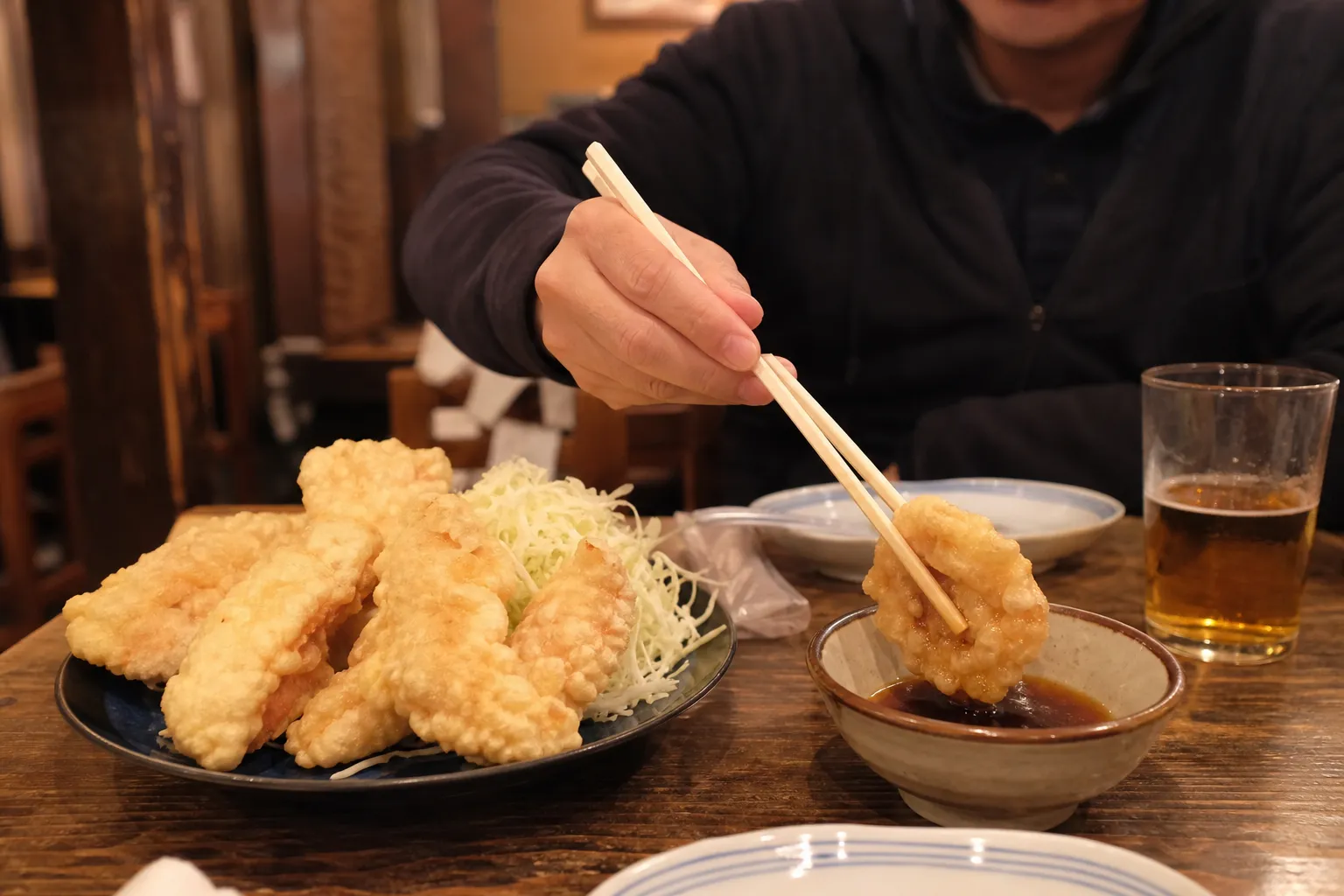
Here's the thing visitors get wrong, and I get it, because I got it wrong too. Oita is famous for two fried-chicken things, and they are different. Nakatsu and Usa in northern Oita are karaage country — soy-marinated, twice-fried, deeply savory. But toriten is the prefecture's tempura cousin, said to have been born in Beppu in the early 20th century, with the long-running restaurant Toyoken widely credited as an originator. It spread until it became an everyday Oita staple: you'll find it in teishoku sets, in izakaya, in supermarket bento, on school lunch menus.
I find that quietly wonderful — that a region can be obsessed enough with chicken to invent two distinct beloved dishes and keep them straight. Locals certainly do. Order "karaage" in Nakatsu and "toriten" in Beppu and nobody blinks. Mix them up and you've just outed yourself as a tourist — which is fine, that's what I'm here to fix.
Light, juicy, and built around the ponzu
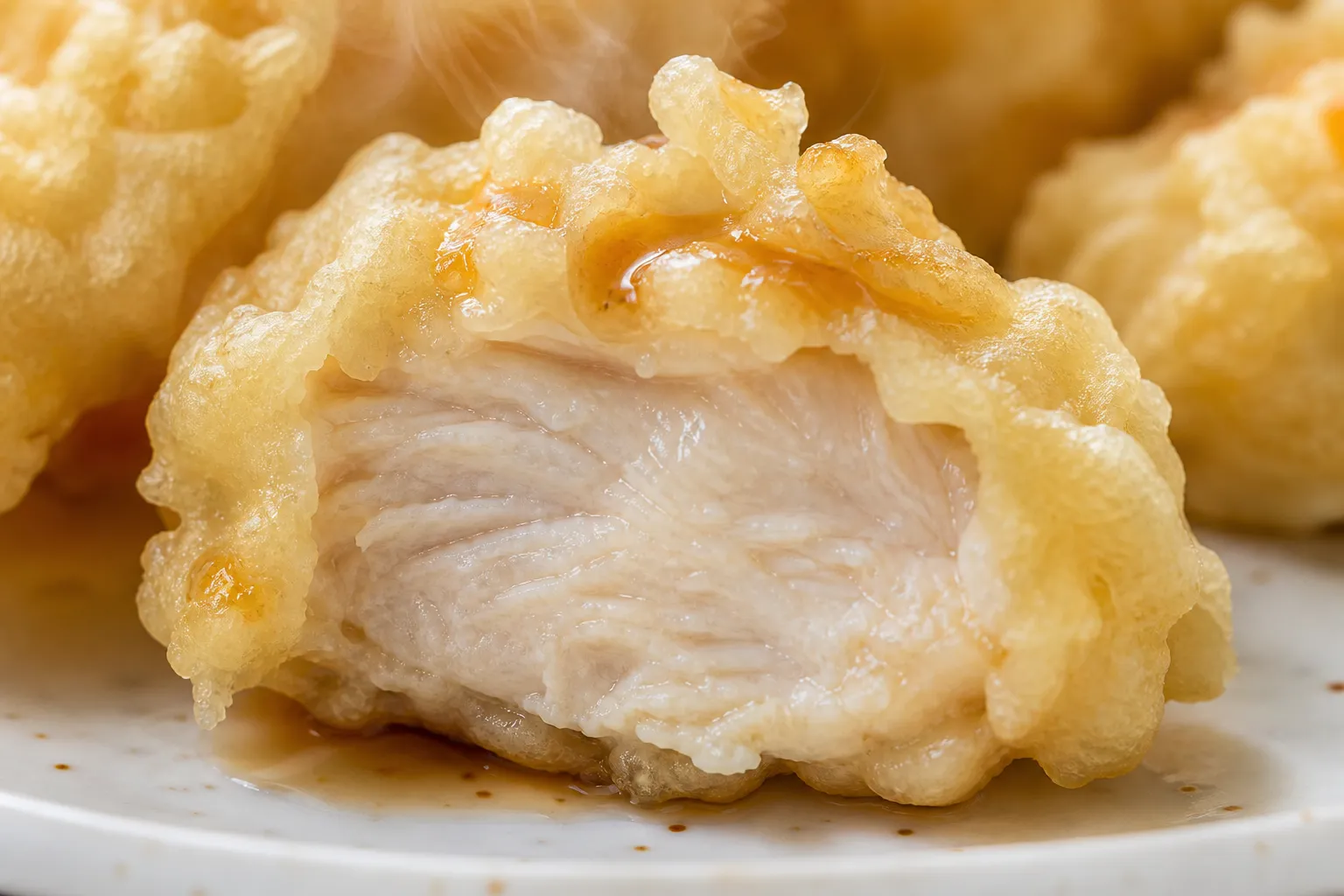
The whole appeal is lightness. The batter is thin and pale-gold and faintly puffy, so it shatters softly instead of crunching hard, and inside, the chicken stays genuinely juicy — usually a marinade of soy, garlic, ginger and sometimes a little sake, so the meat itself has flavor before the batter even happens. It's seasoned enough to eat plain, honestly.
But don't eat it plain. The ponzu is the point. That bright citrus-soy cuts the oil and makes the whole plate feel light in a way fried chicken rarely does — you finish a pile of it and somehow don't feel defeated. Add a smear of karashi mustard for a sharp, sinus-clearing kick, and alternate bites. I went back for piece after piece telling myself each one was the last. It was never the last.
How it's made
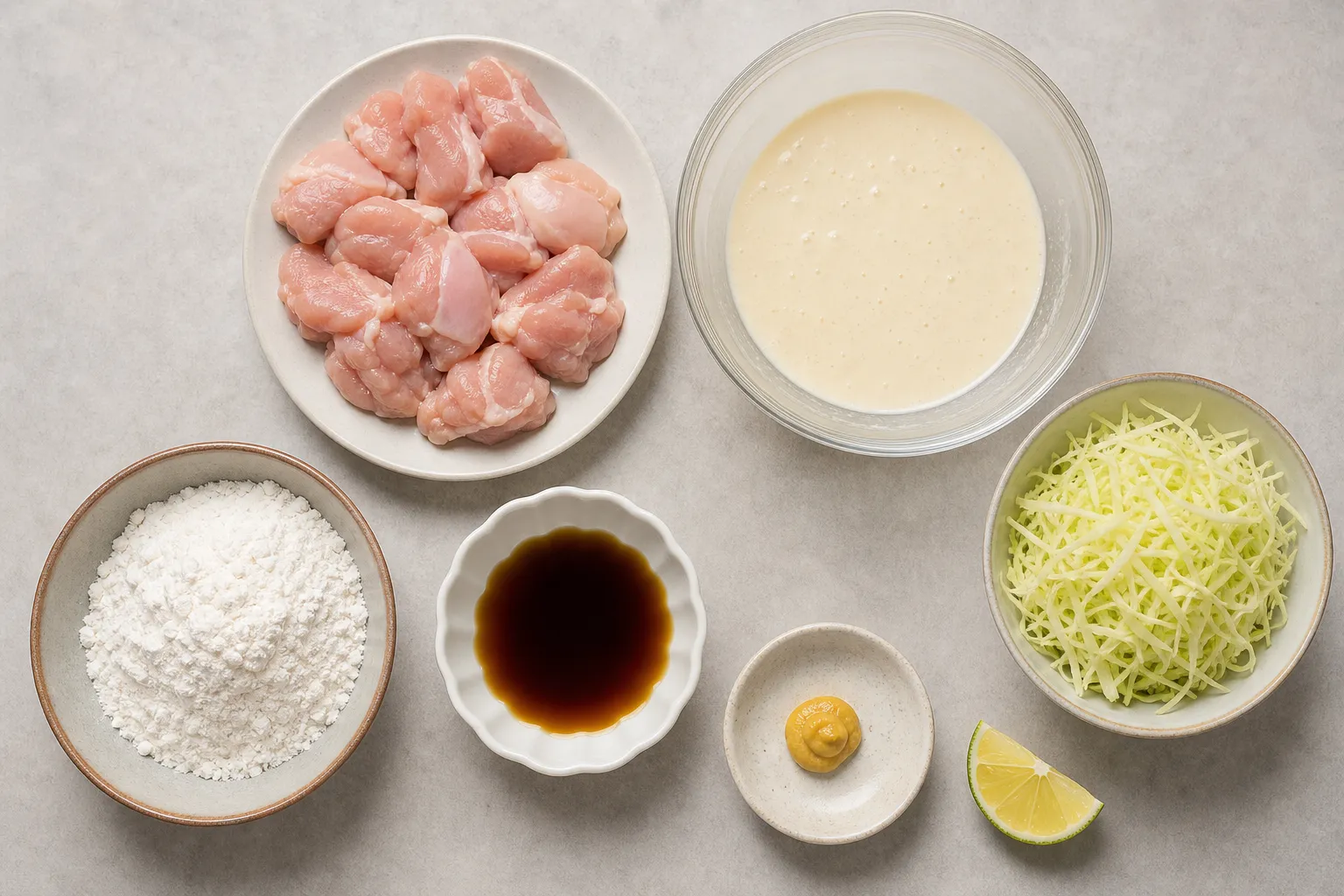
- Cut chicken (thigh or breast) into bite-size pieces
- Marinate briefly in soy sauce, garlic, ginger and a little sake
- Make a light tempura batter (flour, egg, cold water — kept lumpy and cold)
- Coat the chicken and deep-fry until pale golden and airy, not dark
- Serve hot with ponzu (citrus soy) for dipping and a dab of karashi mustard
- Often plated with shredded cabbage and a wedge of citrus (kabosu, if you're lucky)
Before you go — for the toriten-curious
Your questions, answered honestly
"How is this different from karaage?" — Karaage is soy-marinated and coated in potato/wheat starch for a crunchy crust, eaten as-is. Toriten is dipped in a light tempura batter and eaten with ponzu. Softer coating, tangier finish. Oita does both, proudly, and keeps them separate.
"Do I need the ponzu and mustard?" — Yes. The chicken is tasty alone, but ponzu is what makes toriten toriten — it lightens everything. The karashi is optional heat; add a little, it's sharper than it looks.
"Is it spicy?" — No. Only the mustard brings any heat, and only if you add it.
"Kabosu?" — If you see a small green citrus on the plate, that's kabosu, Oita's local specialty citrus. Squeeze it over. Oita puts kabosu on everything and they're right to.
What the staff will ask you
| You'll hear | Romaji | Meaning | Just say |
|---|---|---|---|
| 定食にしますか? | Teishoku ni shimasu ka? | "As a set meal (with rice & miso soup)?" | Hai, teishoku de (yes, the set) |
| 単品にしますか? | Tanpin ni shimasu ka? | "Just the dish on its own?" | Tanpin de onegaishimasu (just the dish) |
| からし、お付けしますか? | Karashi, otsuke shimasu ka? | "Want the mustard with it?" | Hai, onegaishimasu (yes please) |
To order, just say "Toriten kudasai" (とり天ください) — "Toriten, please."
Where to eat it
- Beppu, Oita — the home of toriten, where Toyoken (the restaurant long credited with originating it) still serves it. The most storied place to try it, in a hot-spring town worth visiting anyway.
- Across Oita Prefecture — toriten is an everyday local staple, served in teishoku restaurants, izakaya and family diners throughout Oita City and beyond. Easy to find once you're in the prefecture.
- Check before you go — hours and menus vary by restaurant, and the famous spots can have queues at lunch, so confirm ahead.
Soul Score
Local Roots4/5
First-Timer Friendly5/5
Adventure Level3/5
Comfort Level5/5
Travel Worthy4/5
These scores are one obsessed eater's gut feeling — not a verdict. A low number isn't a bad mark, just a different kind of adventure.
Know someone planning Japan?
← All Articles
Local Food · Oita, Oita
Still hungry?
Eat more from Oita
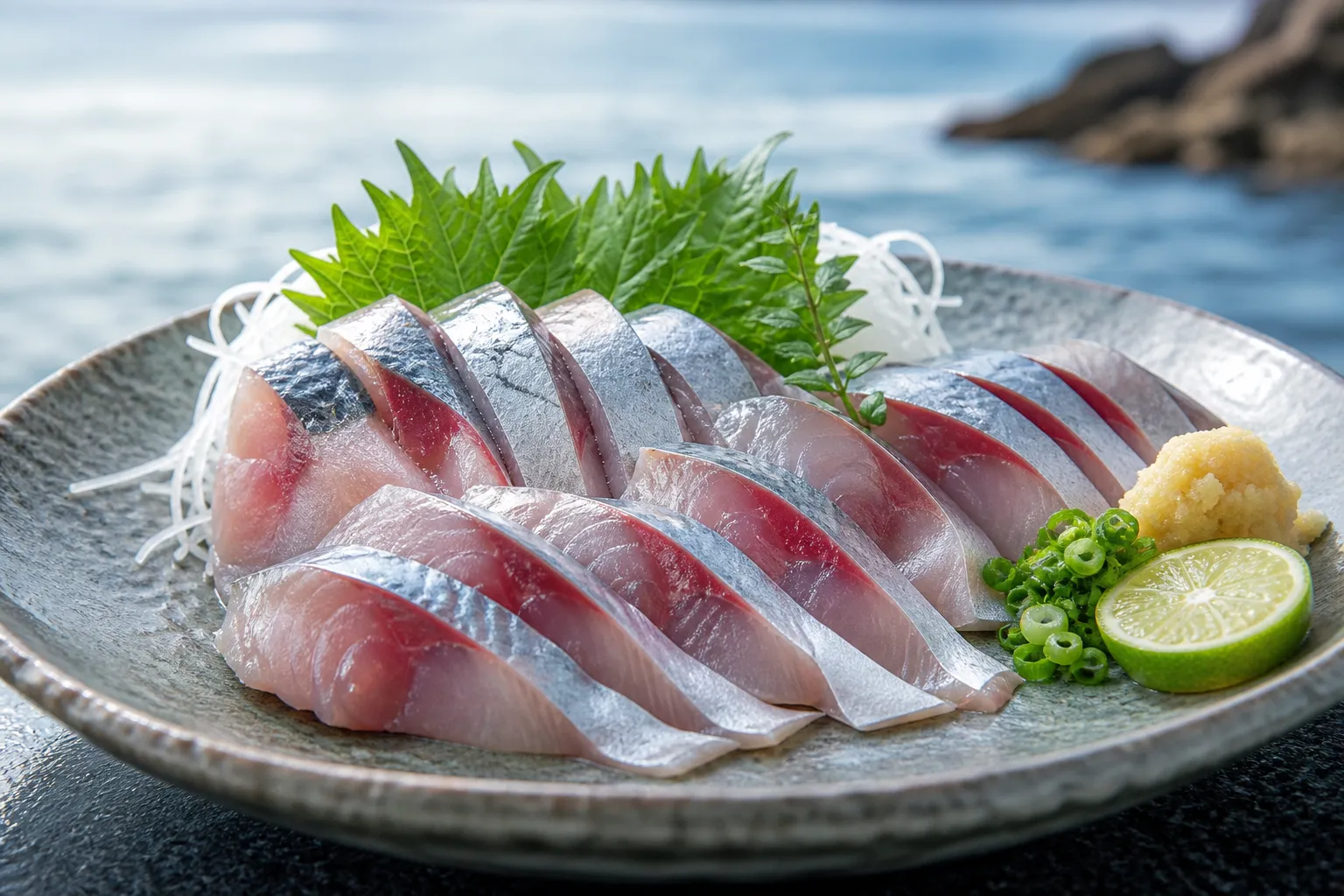
Local FoodOita
Seki-saba (関さば)
Mackerel — as sashimi. Glossy, firm, clean, and so ferociously fresh it breaks the one rule everyone thinks they know about mackerel: this brand-name fish from Oita's fast Bungo Channel is eaten raw, and it's a revelation.
July 12, 2026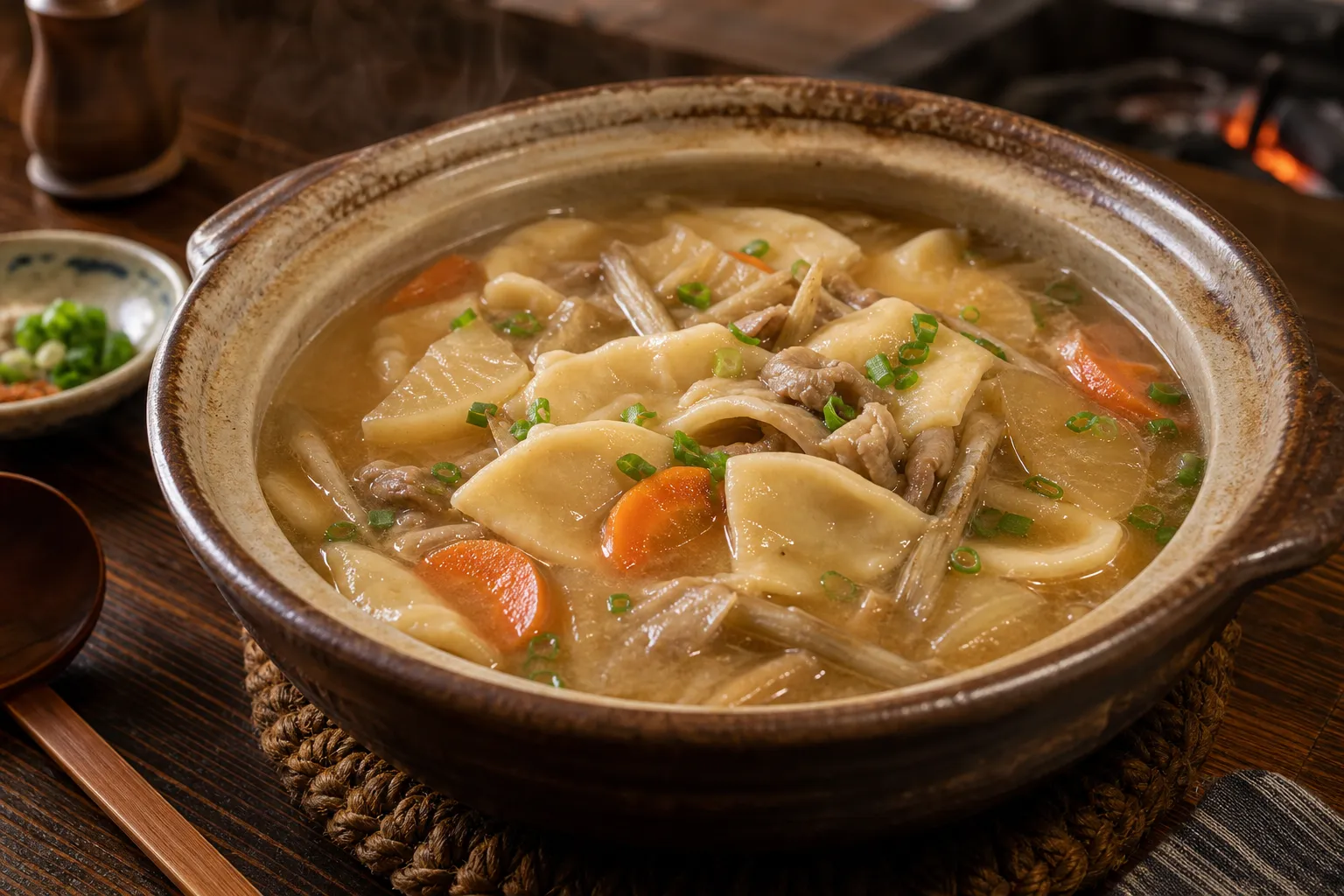
Local FoodOita
Dagojiru (だご汁)
The dumplings weren't neat little balls — they were flat, torn-looking, chewy straps of dough sliding through miso broth, and one bowl on a cold day undid every knot in my shoulders.
July 5, 2026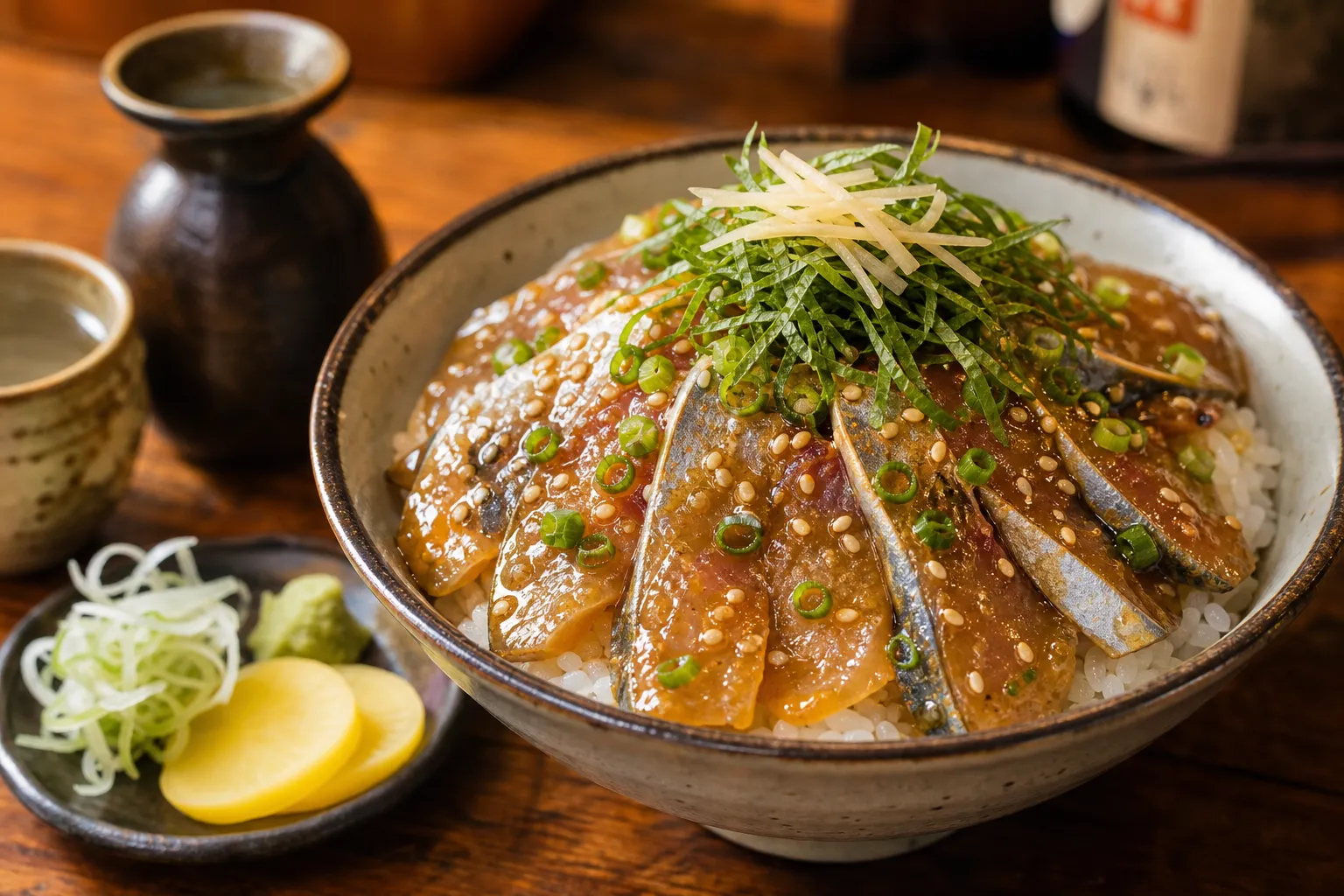
Local FoodOita
Ryukyu (りゅうきゅう)
I ordered it braced for plain sashimi and got fish that had been sitting in a soy-sesame marinade until it turned silky and deep — then someone poured hot tea over the leftovers and somehow it got even better.
July 5, 2026