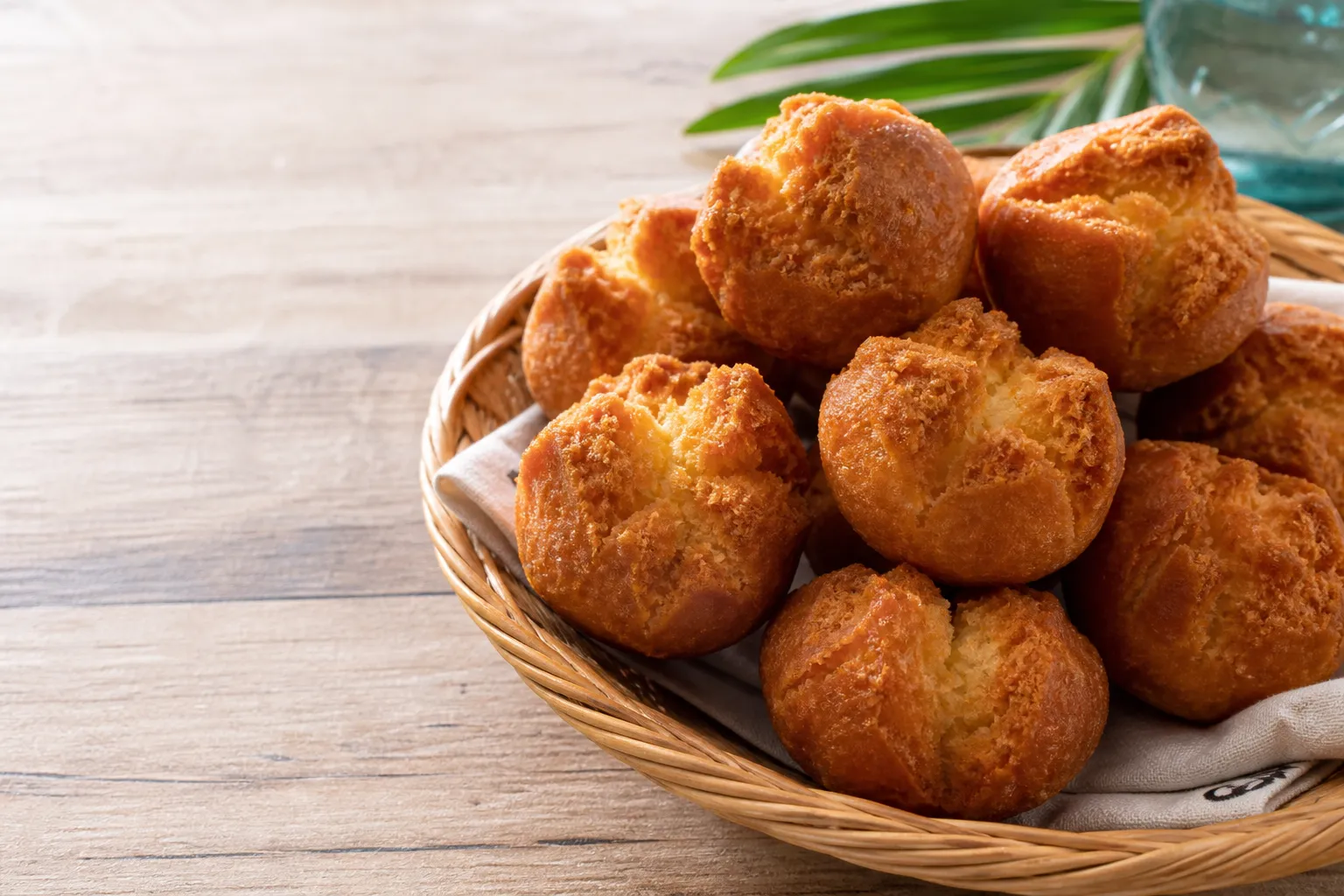
Still warm, the crust cracked open at the top like the thing had bloomed — a golden-brown ball split into a little three-petal grin. I bit in expecting a doughnut and got something better: a shattering crisp shell giving way to a dense, warm, cakey middle. I bought one. Then I immediately bought two more. This is a documented pattern with me and fried things.
Share this dish


🍜 Planning a food trip to Okinawa?Add this dish to my Food Trip →
 Add this dish to my Food Trip →
This is sata andagi (サーターアンダギー), Okinawa's beloved fried sweet: deep-fried balls of a rich, eggy, sugary dough that puff up and crack open at the top as they fry, leaving them crisp outside and dense-cakey inside. The name comes from the Okinawan words for sugar (sātā) and deep-fried (andagi). It is not a doughnut — no hole, no glaze, no fluff — and it's all the better for it.
Okinawa's lucky little sweet
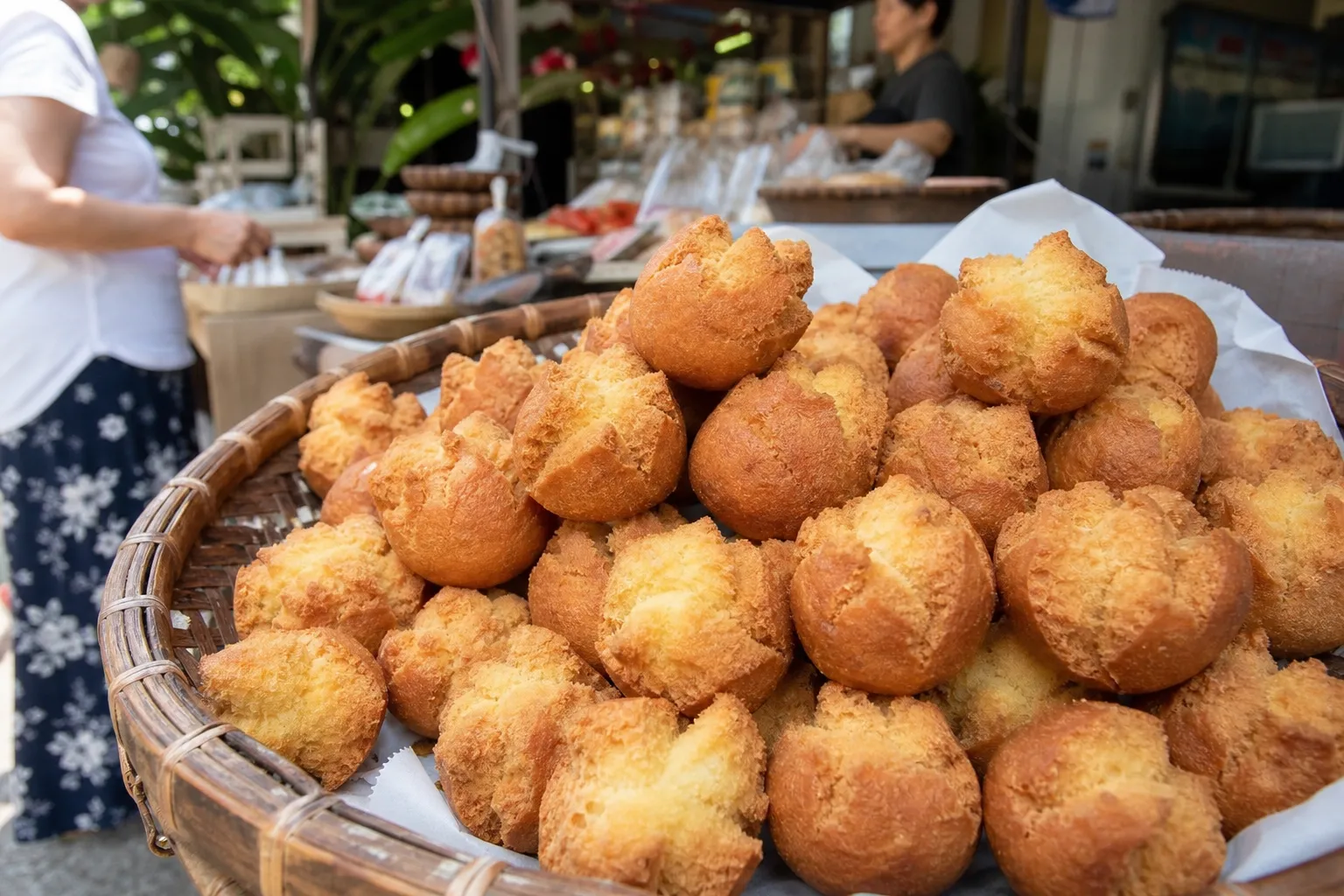
Sata andagi is everywhere in Okinawa — markets, souvenir shops, festival stalls, grandmothers' kitchens — and it carries a bit of luck with it. That cracked-open top is said to look like a smiling face or a blooming flower, and the sweets are a traditional treat for celebrations and offerings. Cheap, cheerful, and quietly meaningful: a lot of Okinawan food is exactly this.
I find the crack genuinely charming. You can't fully control it — the dough splits how it splits — so every one has its own little grin. I stood outside a market stall eating a warm one, watching the vendor scoop more batter into the oil, and felt completely, uncomplicatedly happy. Some foods just do that.
Why the crack (and the density) work
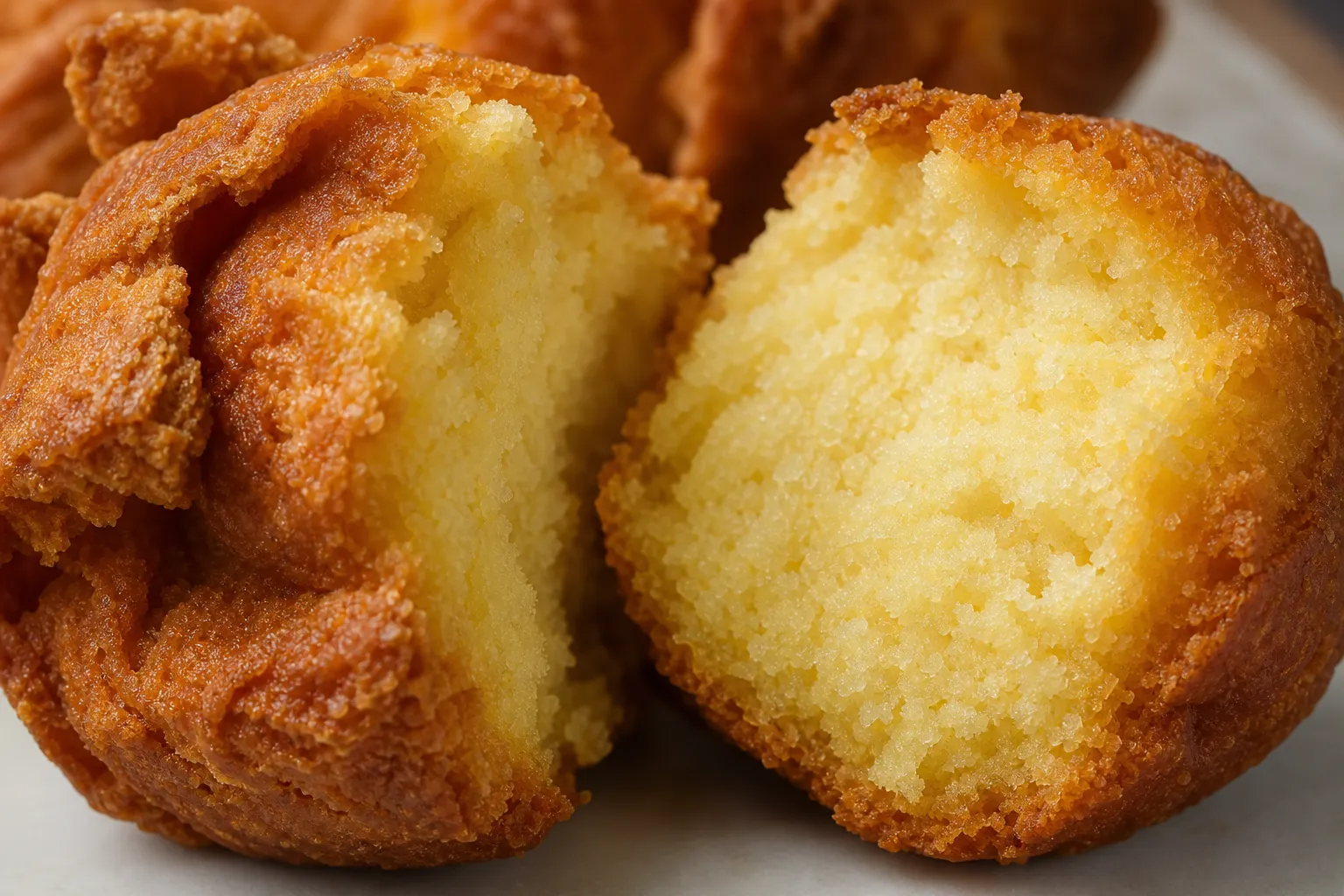
The texture is the whole point, and it's the opposite of a fluffy Western doughnut. A stiff, egg-rich dough fried at the right temperature sets a crisp, craggy shell while the inside stays dense, moist, and cake-like — closer to a fried pound cake than a raised doughnut. That contrast, crunchy edge into tender middle, is what makes you reach for another.
Warm is best. Fresh out of the oil, the shell is at its shatteriest and the inside is soft and fragrant with egg and sugar. They keep well for a day or two (which is why they're a classic souvenir), but if you can eat one while it's still warm from the fryer, do. I have never regretted eating a warm one. I have regretted not buying more.
How it's made
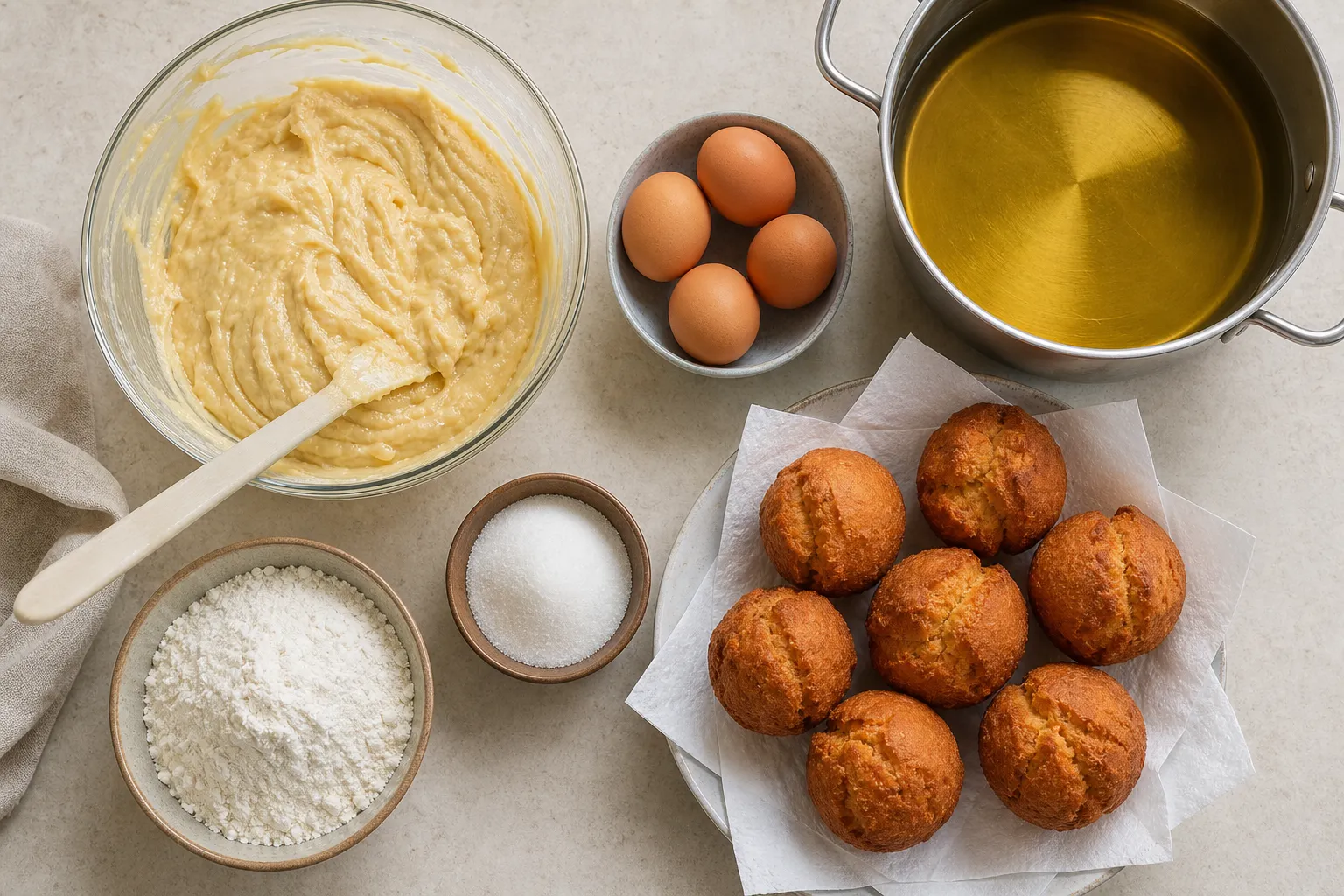
- Mix a stiff dough of flour, plenty of sugar, and egg (sometimes a little baking powder)
- Roll the dough into balls by hand
- Deep-fry gently at a moderate temperature so the outside sets slowly
- As they cook, the tops naturally crack open into the signature "blossom"
- Fry until deep golden all over and cooked through to the dense center
- Drain and eat warm, or cool for a keepable snack
Before you go — for the sweet-curious
Your questions, answered honestly
"Is it just a doughnut?" — No. There's no hole and no glaze, and the inside is dense and cakey rather than airy. Think fried cake ball with a crisp cracked shell — related to doughnuts, but its own thing.
"Why is the top split open?" — That happens naturally as the dough fries and expands. It's the signature look, said to resemble a smile or a blooming flower — considered a bit lucky.
"Is it spicy?" — No, it's a sweet. Sometimes you'll find flavors like brown sugar (kokuto), beni-imo (purple sweet potato), or plain.
"Can I take some home?" — Yes — they keep for a day or two, which is why they're a classic Okinawan souvenir. Still, they're best warm and fresh.
What the staff will ask you
| You'll hear | Romaji | Meaning | Just say |
|---|---|---|---|
| 何個にしますか? | Nan-ko ni shimasu ka? | "How many?" | Mittsu kudasai (three, please) |
| 味はどうしますか? | Aji wa dō shimasu ka? | "Which flavor?" | Purēn de (plain) / Kokutō de (brown sugar) |
| お持ち帰りですか? | Omochikaeri desu ka? | "Takeaway?" | Hai (yes) |
To order, just say "Sata andagi kudasai" (サーターアンダギーください) — "Sata andagi, please."
Where to eat it
- Okinawa — sold at markets, souvenir streets, and snack stalls across the islands. The Makishi Public Market area in Naha and Kokusai Street are easy places to grab a warm one.
- Festivals and roadside stalls — often fried fresh in front of you, which is the best way to eat them.
- Check before you go — stalls keep their own hours; for warm-and-fresh, buy from a busy spot that's frying to order.
Soul Score
Local Roots5/5
First-Timer Friendly5/5
Adventure Level3/5
Comfort Level5/5
Travel Worthy4/5
These scores are one obsessed eater's gut feeling — not a verdict. A low number isn't a bad mark, just a different kind of adventure.
Planning what to eat in Okinawa?🌺 Okinawa Food Guide: Soba, Taco Rice, Chanpuru, Sweets, and Island Comfort Food →
Know someone planning Japan?
← All Articles
Sweets & Snacks · Okinawa
Still hungry?
Eat more from Okinawa
Local FoodOkinawa
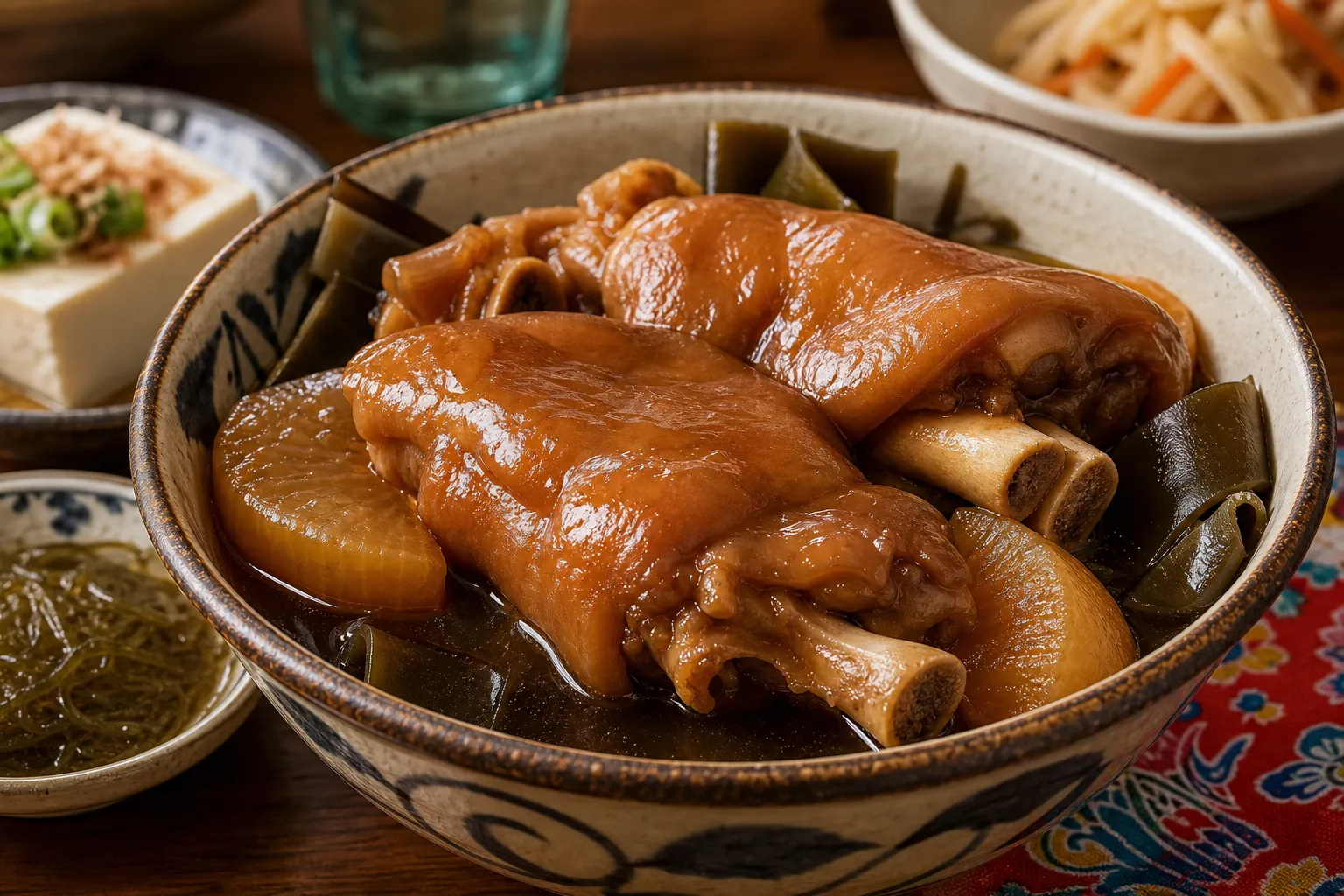
Tebichi (てびち)
It wobbled when the bowl hit the table — actually jiggled — and I hesitated for one honest second before the first bite dissolved into warm, savory collagen and I understood why Okinawans swear by it.
July 5, 2026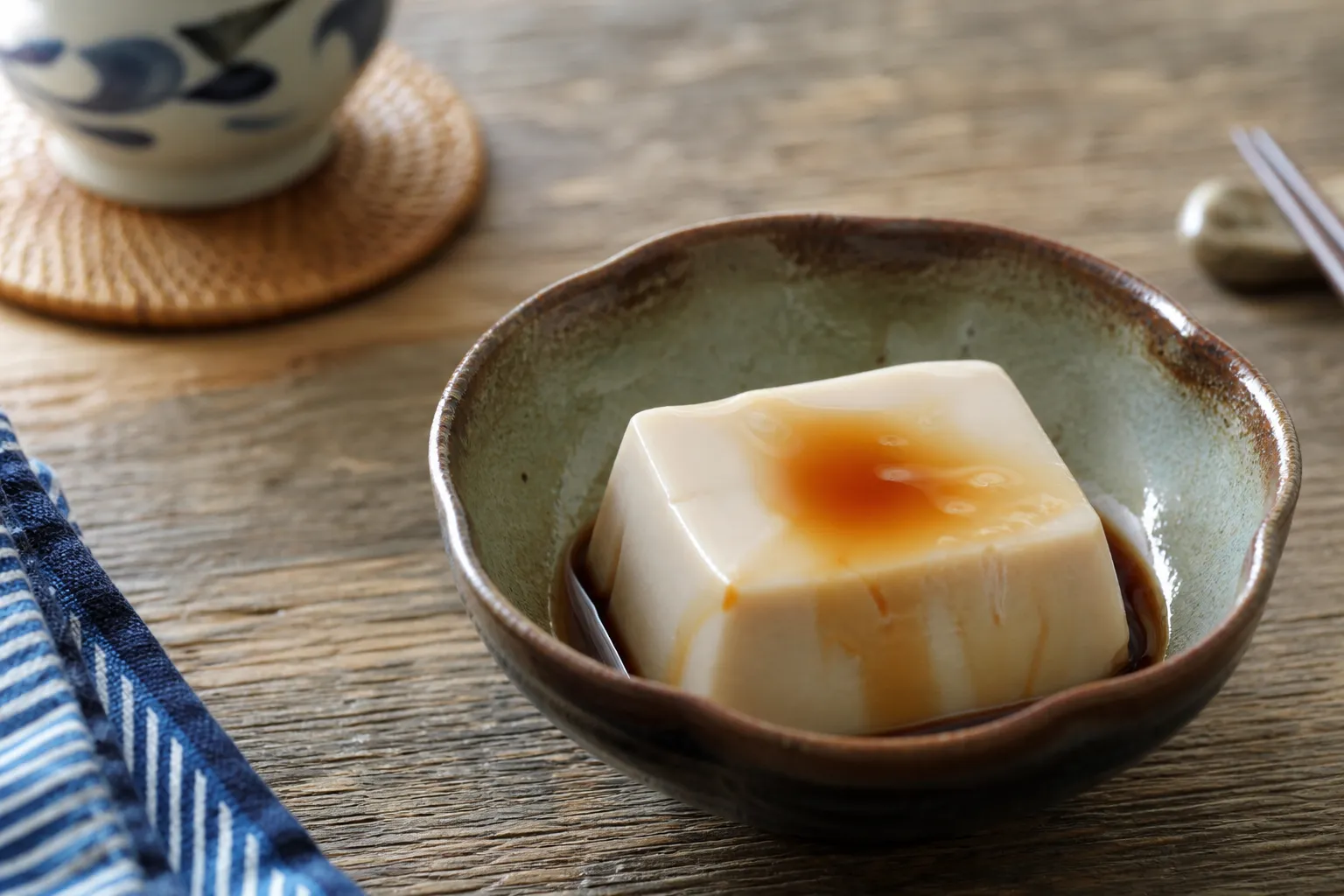
Local FoodOkinawa
Jimami Tofu (じーまーみ豆腐)
It jiggles like tofu, it tastes like peanuts, and it took me three spoonfuls to accept that both of those things were happening in my mouth at the same time.
July 4, 2026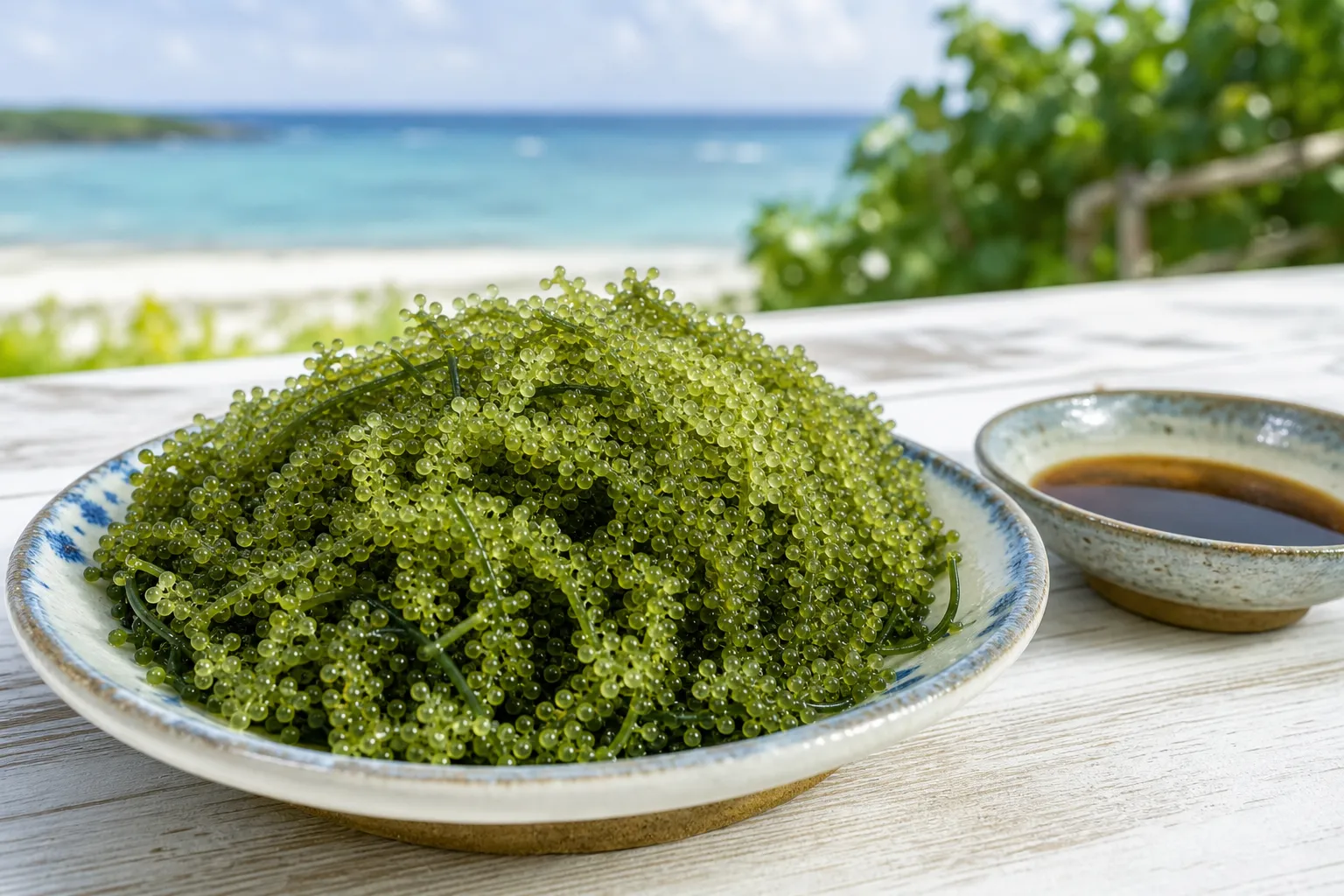
Local FoodOkinawa
Umibudo (海ぶどう)
Tiny green beads burst between my teeth, one after another, like the ocean somehow figured out how to make caviar out of a salad.
July 4, 2026