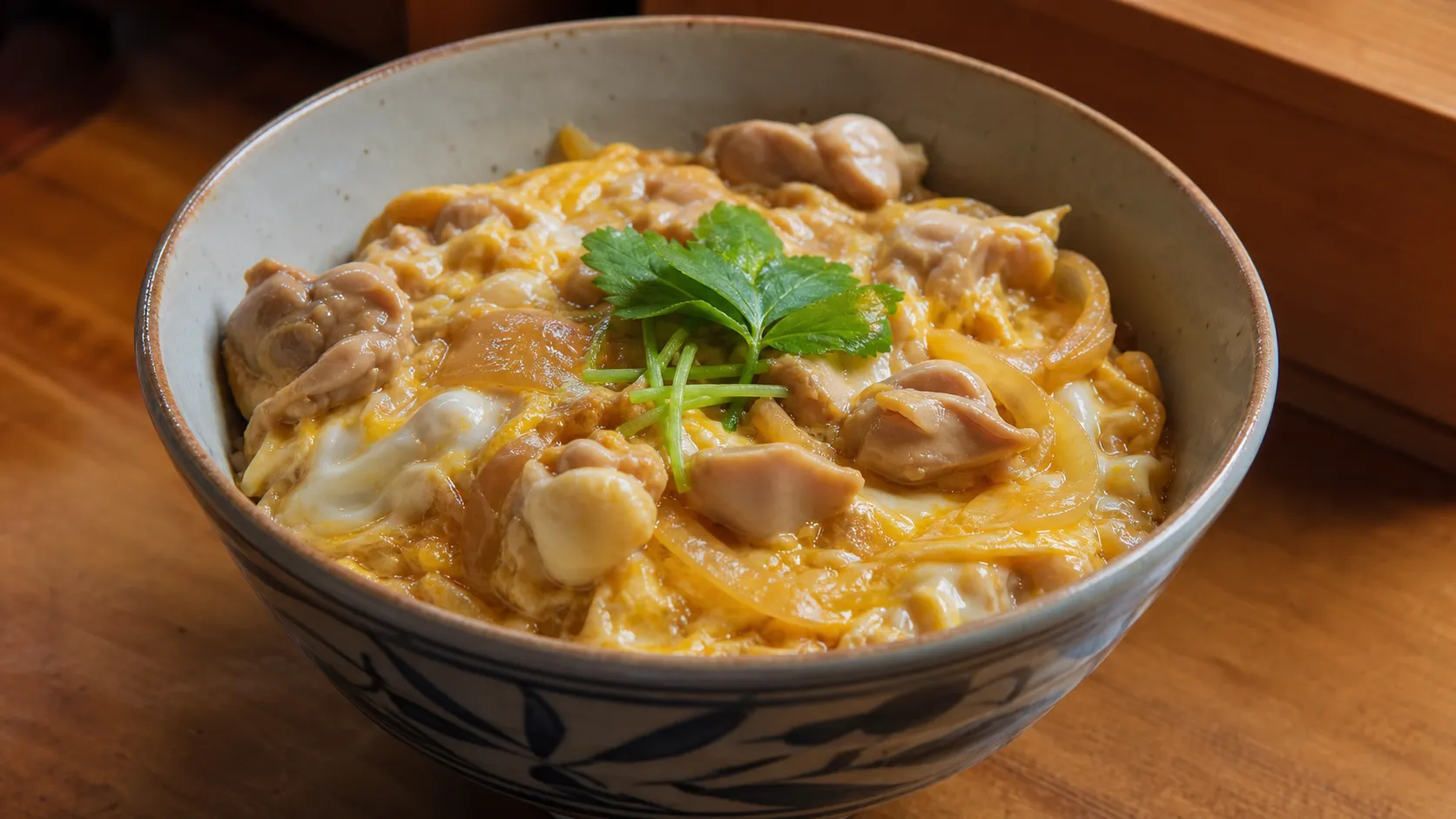
Let me get the dark part out of the way first, because it's too good to skip. The name means parent and child. The parent is the chicken. The child is the egg. They are in the bowl together. I'm sorry. I didn't make the rules — I just ate this three times in one week and felt completely soothed every single time.
Share this dish


Chicken and egg simmered together in sweet-savory dashi and poured, silky and barely-set, over rice. Its name literally means 'parent-and-child bowl' — cozy, cheap, and quietly perfect.
Morbid name aside, oyakodon (親子丼) might be the gentlest, most comforting bowl in all of Japanese cooking: tender chicken and sweet onion simmered in a sweet-savory dashi, bound in a glossy, just-set egg, all soaking into a bowl of hot rice. Soft, savory, a little sweet, and deeply soothing.
It's everyday food at its finest — quick to make, easy on the wallet, and on the menu at soba shops and diners across the country. No frying, no fuss, just warm and silky.
A clever bowl from the chicken-hotpot table
Oyakodon was reportedly invented in the late 1800s at a Tokyo restaurant, where someone turned the leftovers of torisuki (a chicken sukiyaki-style hotpot) — chicken simmered in sweet-savory broth — into a rice bowl by binding it with egg. The combination was so obviously perfect that it spread everywhere and became a permanent fixture of Japanese home and shop cooking.
It quietly became one of the "big four" classic donburi alongside gyudon, katsudon, and tendon — the dependable, comforting one of the bunch.
Why the half-set egg is the soul
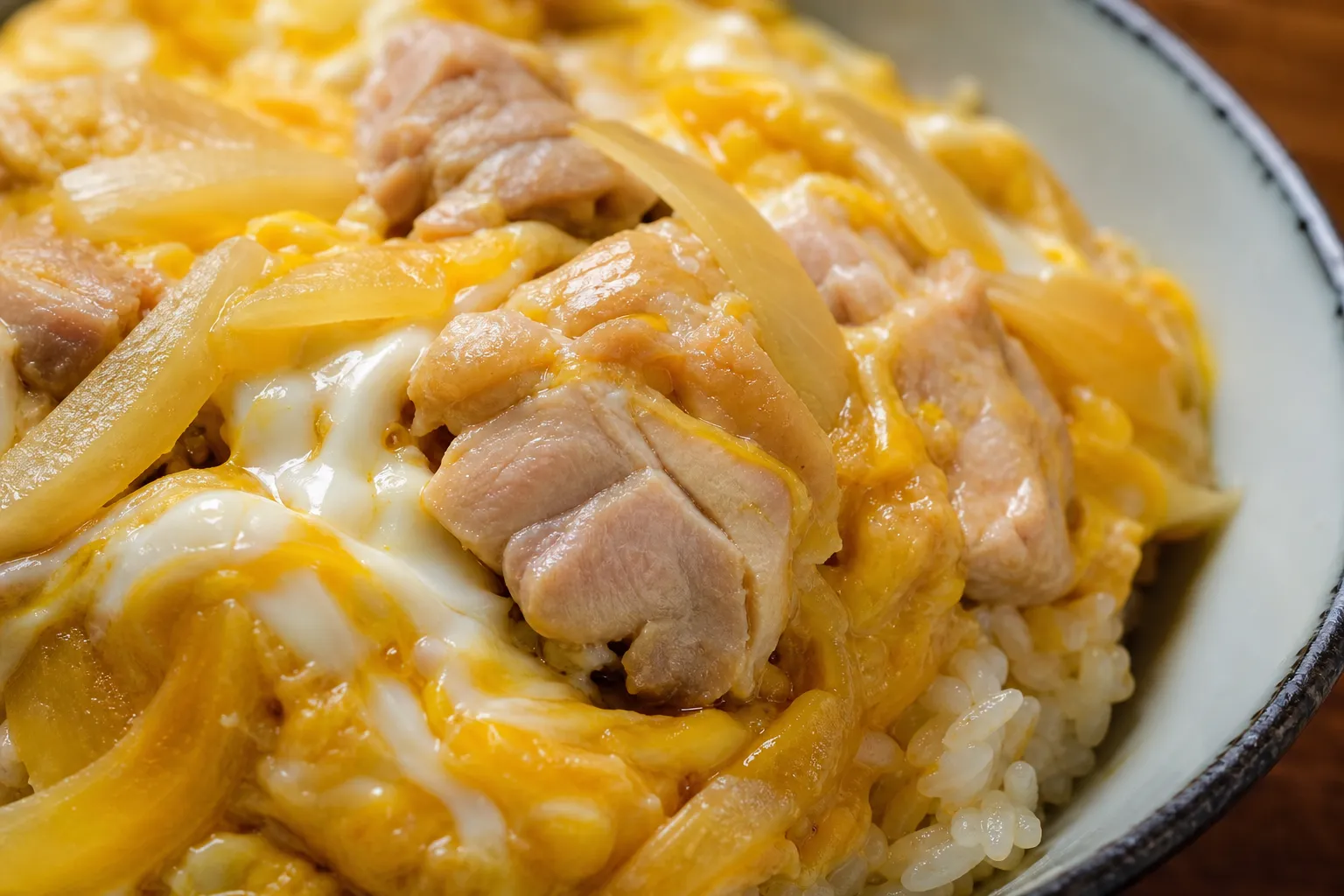
Like katsudon, the genius is in the egg cooked just to the edge of set — glossy, soft, almost custardy, never dry or rubbery. The beaten egg is often added in two stages so part of it stays loose and silky, draping the chicken and onion in a tender blanket.
The broth — dashi, soy, mirin, a little sugar — and the sweet softened onion do the rest. It's a masterclass in restraint: a handful of humble ingredients, balanced perfectly.
How it's made
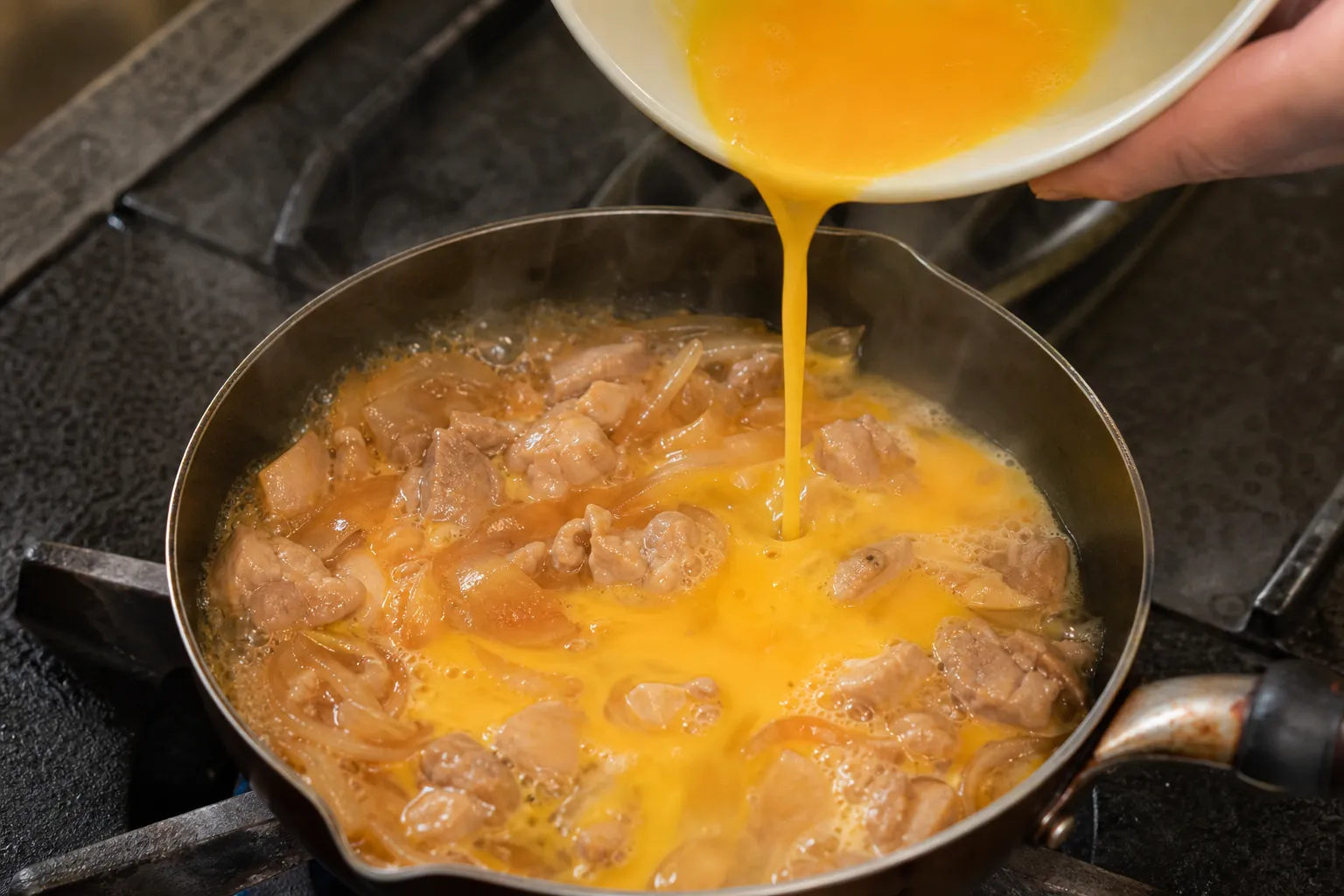
- Simmer bite-sized chicken thigh and sliced onion in a broth of dashi, soy sauce, mirin, and sugar
- Cook until the chicken is done and the onion is soft and sweet
- Pour in most of the beaten egg and let it begin to set
- Add the rest of the egg, cover, and cook briefly so it stays glossy and just-set
- Slide onto a bowl of hot rice; top with mitsuba or scallion
Before you go — the cozy order
Your questions, answered honestly
"Is the egg safe?" — In Japan, eggs are produced to be eaten soft or even raw, so a barely-set or slightly runny oyakodon egg is normal and safe here. It's meant to be silky, not fully firm.
"Oyakodon vs katsudon?" — Both are chicken/egg-or-cutlet over rice, but oyakodon is chicken and lighter and softer (no frying); katsudon is a fried pork cutlet and richer. Oyakodon is the gentle one.
"What's a tanindon?" — Tanindon ("stranger bowl") is the same dish made with beef or pork instead of chicken — so the "parent and child" become "strangers." A fun menu pun to look for.
"Best place to eat it?" — Soba/udon shops, donburi chains, and chicken (yakitori) specialists, where the quality of the chicken really shows.
What the staff will ask you
| You'll hear | Romaji | Meaning | Just say |
|---|---|---|---|
| ご飯の量は? | Gohan no ryō wa? | "How much rice?" | Futsū de (normal) |
| 卵の固さは? | Tamago no katasa wa? | "How set should the egg be?" | Hanjuku de (soft/runny) / Katame (firmer) |
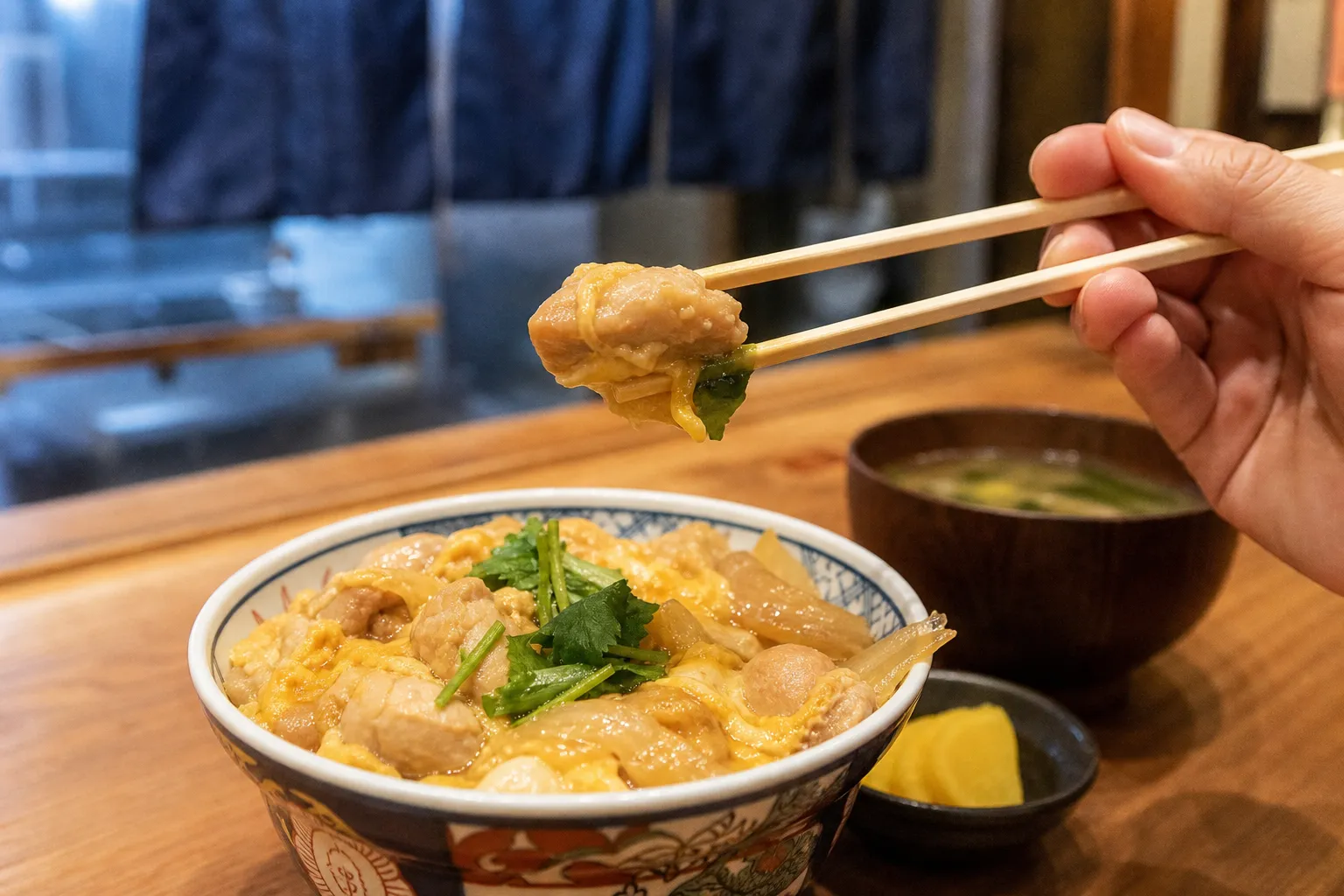
| お味噌汁は付けますか? | Omisoshiru wa tsukemasu ka? | "Add miso soup?" | Hai, onegaishimasu (yes please) |
To order, just say "Oyakodon hitotsu kudasai" (親子丼一つください) — "one oyakodon, please."
Where to eat it
- Soba & udon shops nationwide — a classic everyday order.
- Yakitori / chicken specialists — where premium chicken makes a noticeably better bowl.
- Donburi chains (Nakau, etc.) — cheap, fast, and reliable.
A gentle, foolproof first donburi — and a great window into Japanese comfort cooking.
Soul Score
Local Roots4/5
First-Timer Friendly5/5
Adventure Level3/5
Comfort Level5/5
Travel Worthy3/5
These scores are one obsessed eater's gut feeling — not a verdict. A low number isn't a bad mark, just a different kind of adventure.
Know someone planning Japan?
← All Articles
Japanese Food · Nationwide
Still hungry?
You might also like
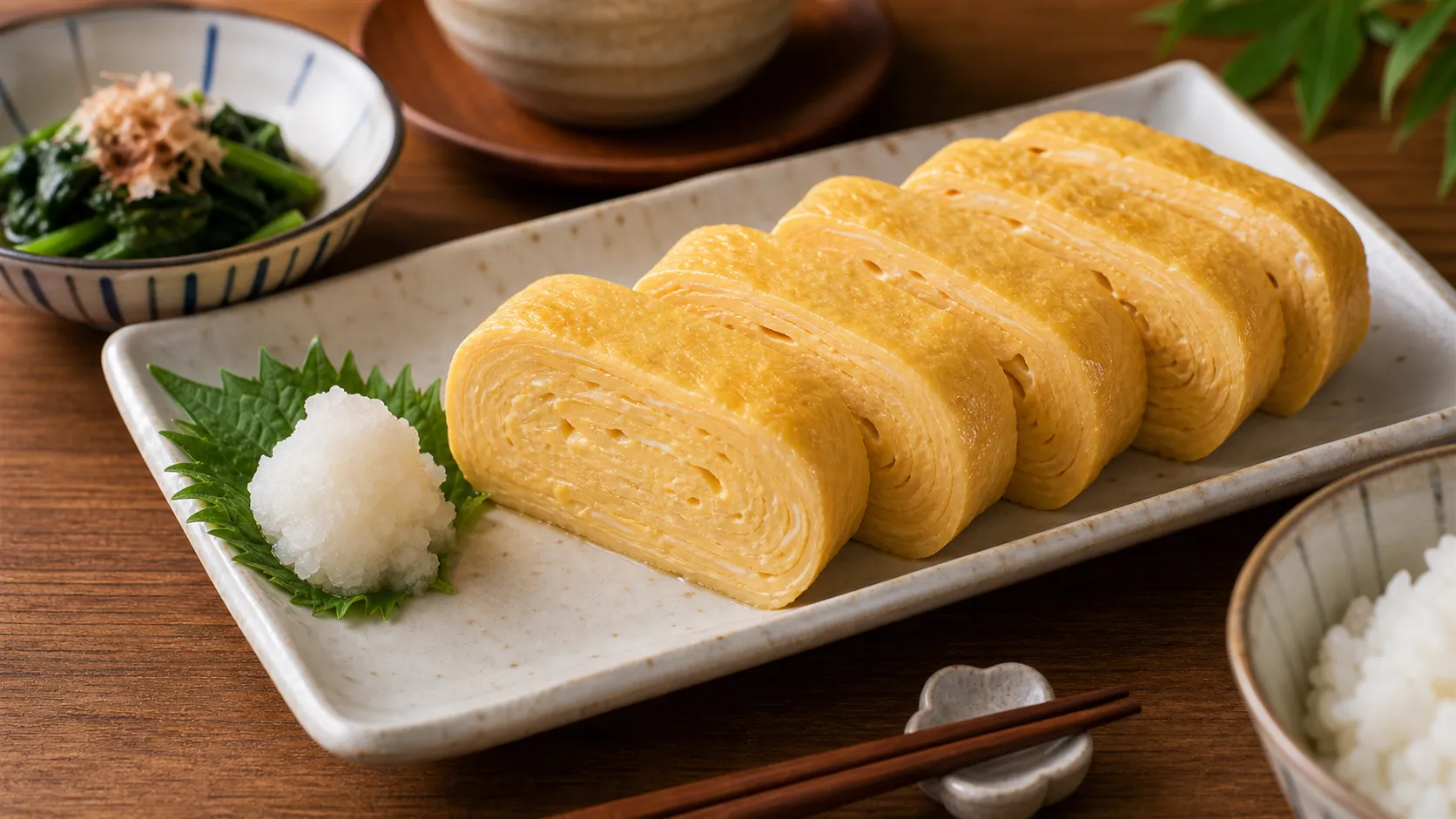
Japanese FoodNationwide
Dashimaki-tamago (だし巻き卵)
A rolled omelette so soft it almost trembles, layered fold over fold and soaked with dashi so that biting in releases a little warm rush of savory broth — the deceptively simple egg dish that Japanese chefs spend years perfecting.
July 11, 2026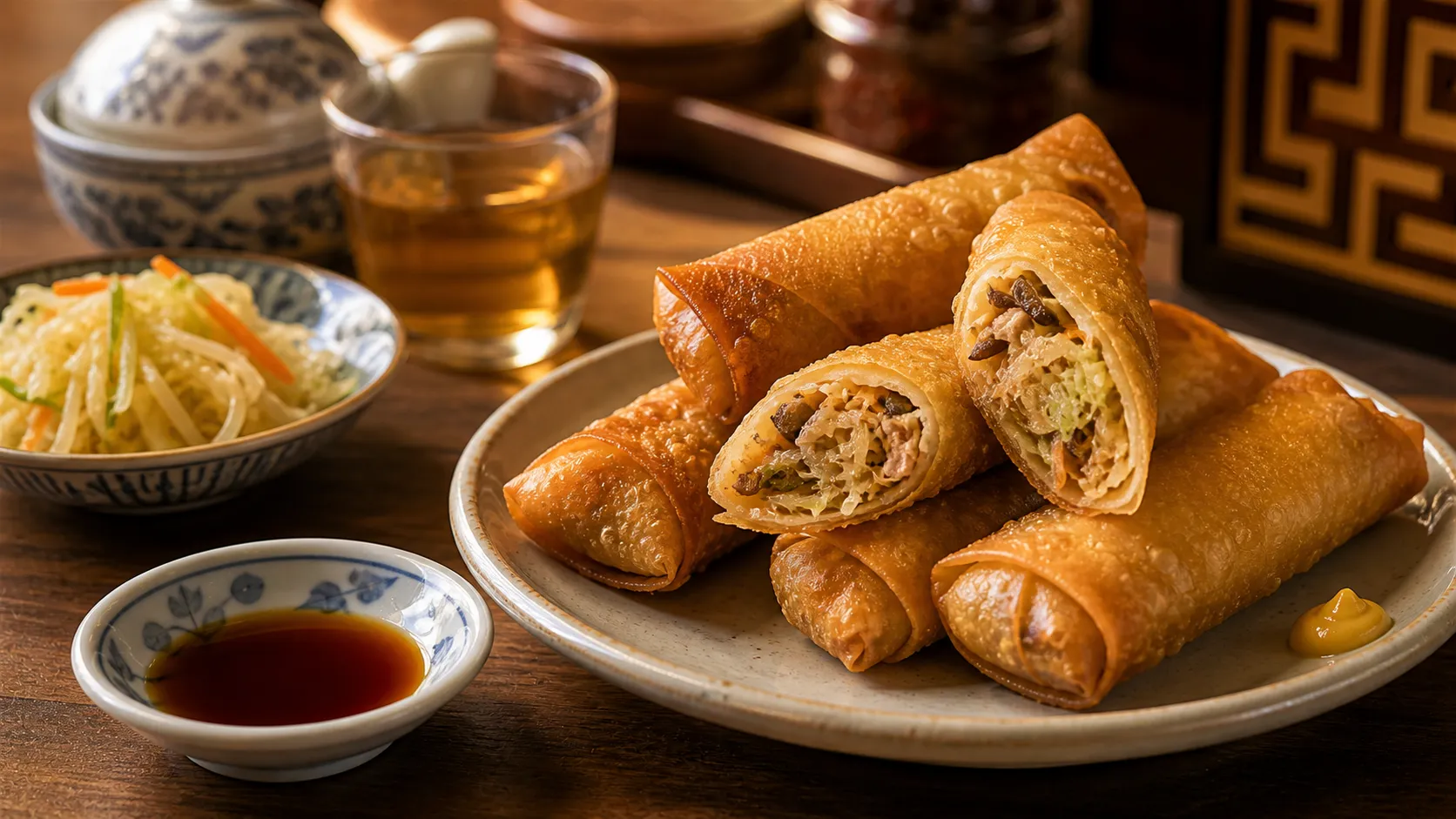
Japanese FoodNationwide
Harumaki (春巻き)
The Japanese spring roll — a shatteringly crisp golden tube that gives way to a hot, savory tangle of pork, cabbage and bamboo shoot, best eaten the second it's cool enough not to burn your mouth (you will not wait that long).
July 11, 2026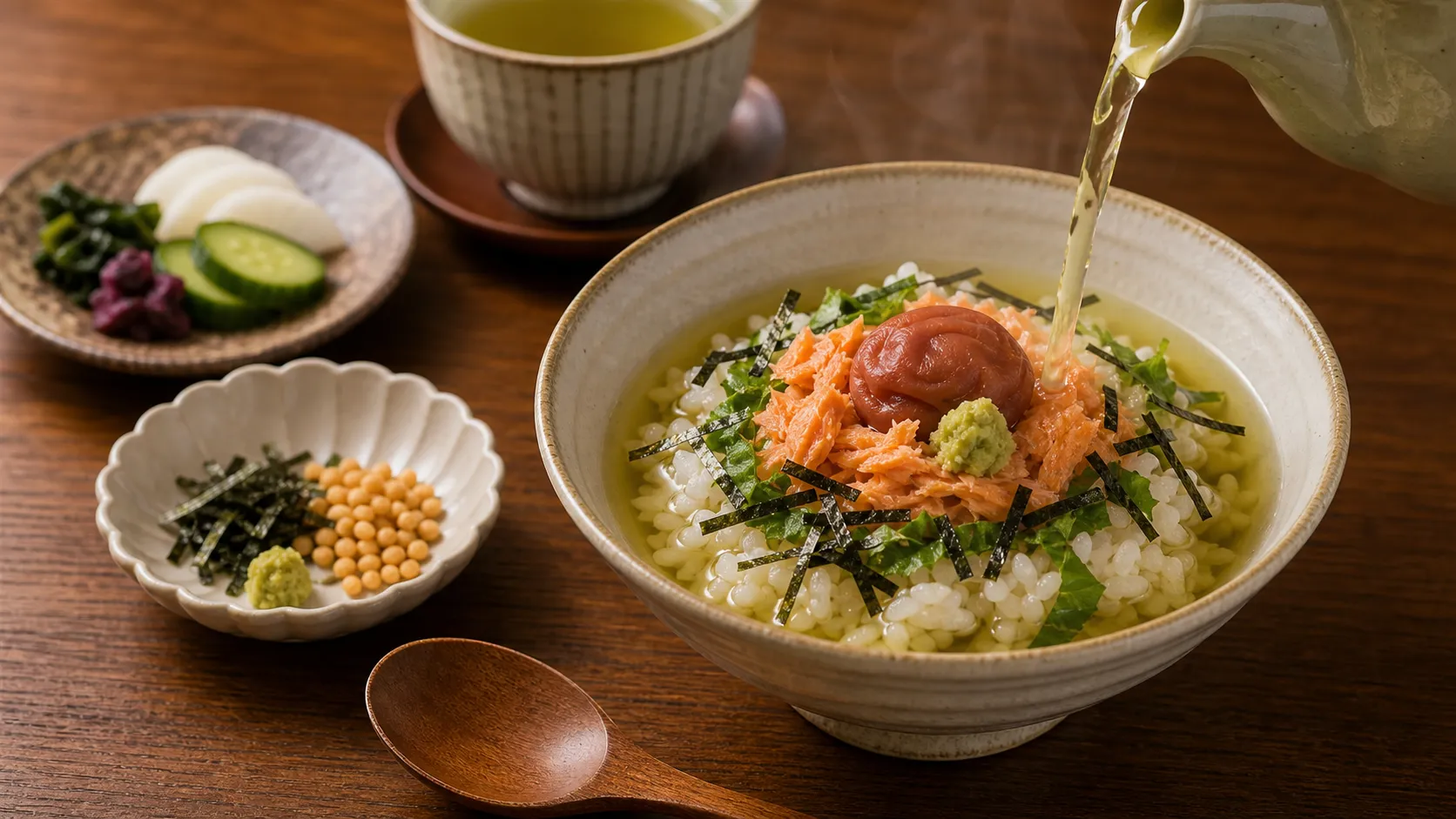
Japanese FoodNationwide
Ochazuke (お茶漬け)
Pour hot green tea or dashi over a bowl of rice, scatter something savory on top, and eat — the gentlest, most quietly restorative dish in Japan, the one you reach for late at night when you just need a warm bowl to make everything okay.
July 11, 2026