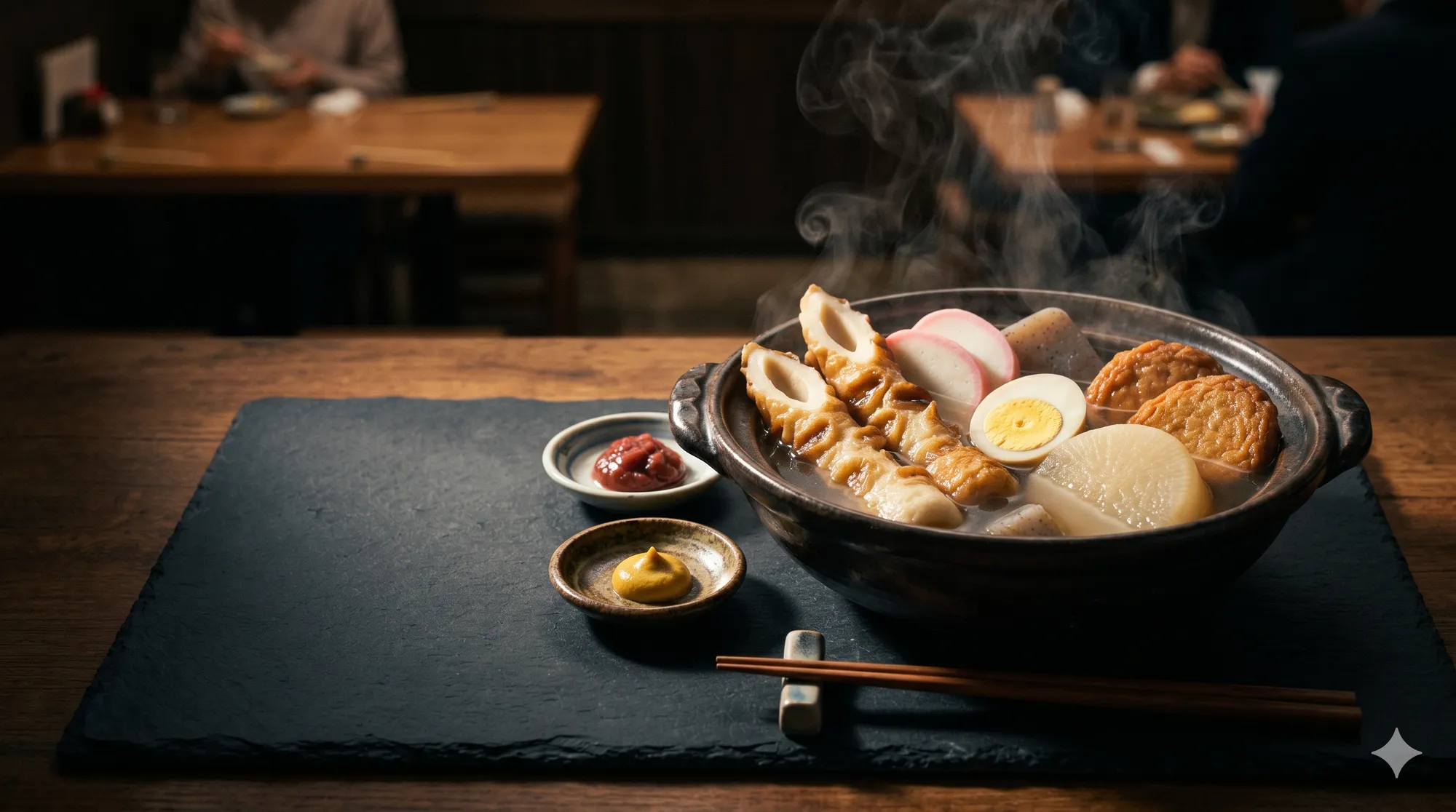
Oden, normally, is comfort food you don't think too hard about — a lazy pot of stuff simmering in dashi at the convenience store counter on a cold night. Odawara oden is what happens when a whole city decides to take it seriously.
Share this dish


Most oden is about the broth. This one is about the fish cakes — thirteen master kamaboko makers in one pot — and it ditches the mustard for tangy plum miso. Get off the Shinkansen for it.
🍜 Planning a food trip to Kanagawa?Add this dish to my Food Trip →
 Add this dish to my Food Trip →
This seaside town in Kanagawa has been making kamaboko (fish cakes) for centuries — some of the finest in all of Japan — and its local oden is a showcase for that craft, gathering items from thirteen different kamaboko makers into one glorious pot. Then it does something else clever: instead of the usual sharp yellow mustard, it serves the oden with plum miso, a tangy condiment made from local Odawara plums. The result is an oden with genuine pedigree — and if you're riding the Shinkansen past Odawara, it is absolutely worth getting off for an hour.
A traditional industry, reinvented
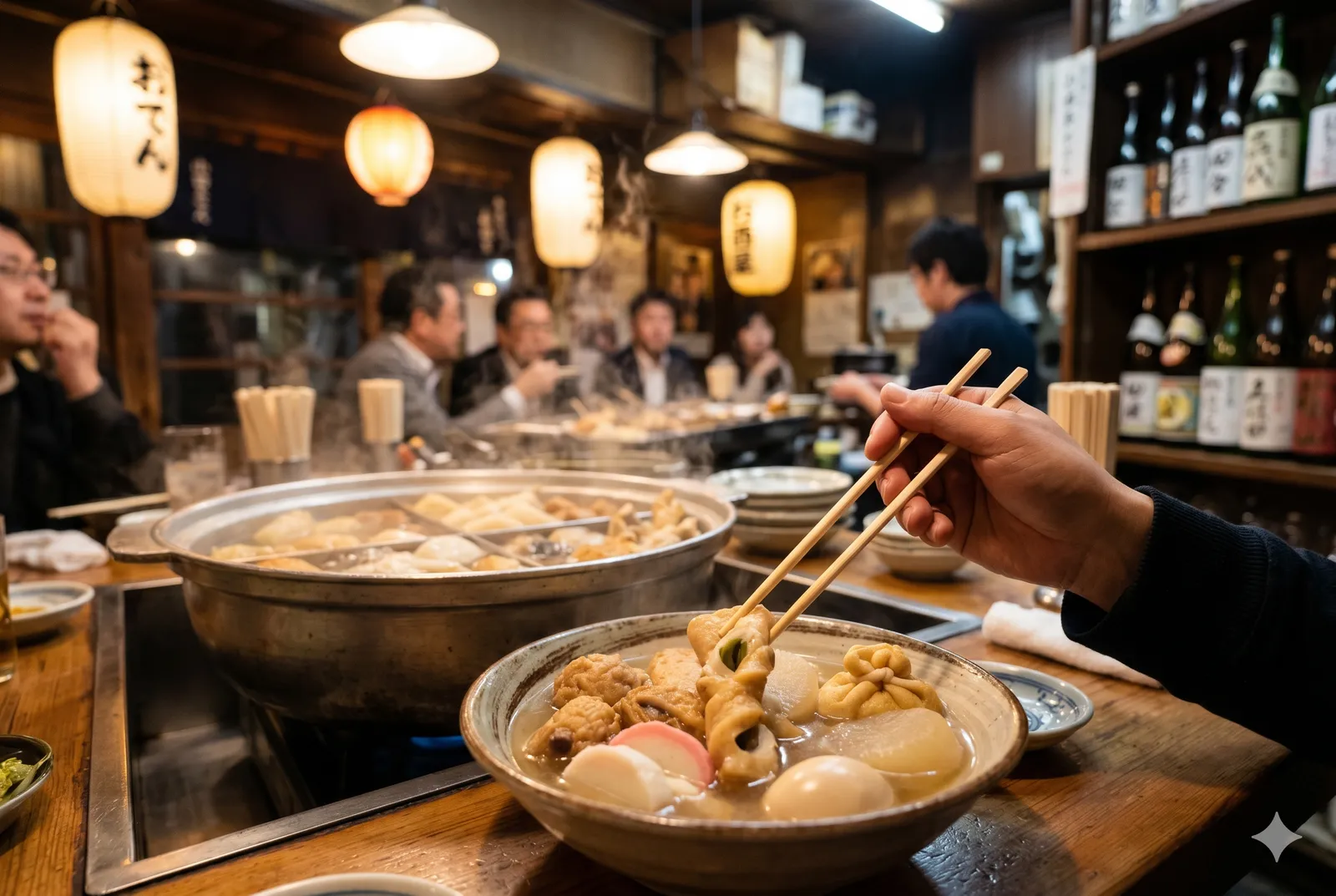
Here's a story I love: Odawara oden was deliberately created, in 2003, as a local revitalization project. The city had always been famous for kamaboko, but as eating habits changed, demand was slipping. So local producers banded together to build a new showcase dish around their craft — and Odawara oden was born. It grew into an annual festival and a real reason to visit. It's a model for how a town can take a fading tradition and make it a destination.
What makes it special
Two things set it apart:
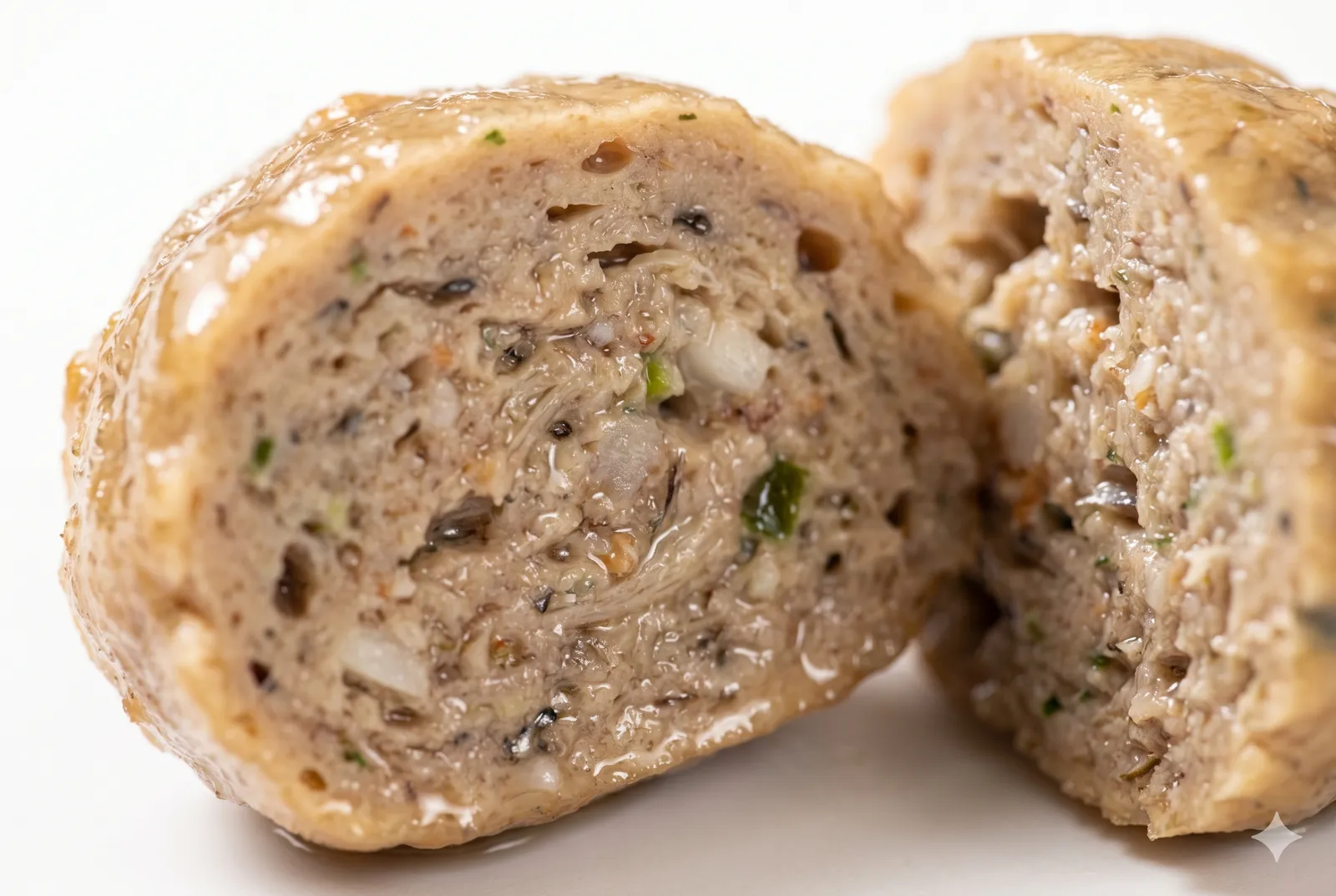
The fish cakes. Thirteen local shops each contribute a specialty — iwashi (sardine) dumplings, gobō-ten (burdock-root fish cake), vegetable tempura, octopus tempura, even Odawara beef-tendon. Each piece is a different maker's craft and character. It's a tasting tour in a single bowl.
The plum miso. Instead of mustard, you get ume-miso, made from locally grown Odawara plums blended into miso. Its bright tartness cuts the rich dashi beautifully — a small swap that completely changes the experience.
How it's made
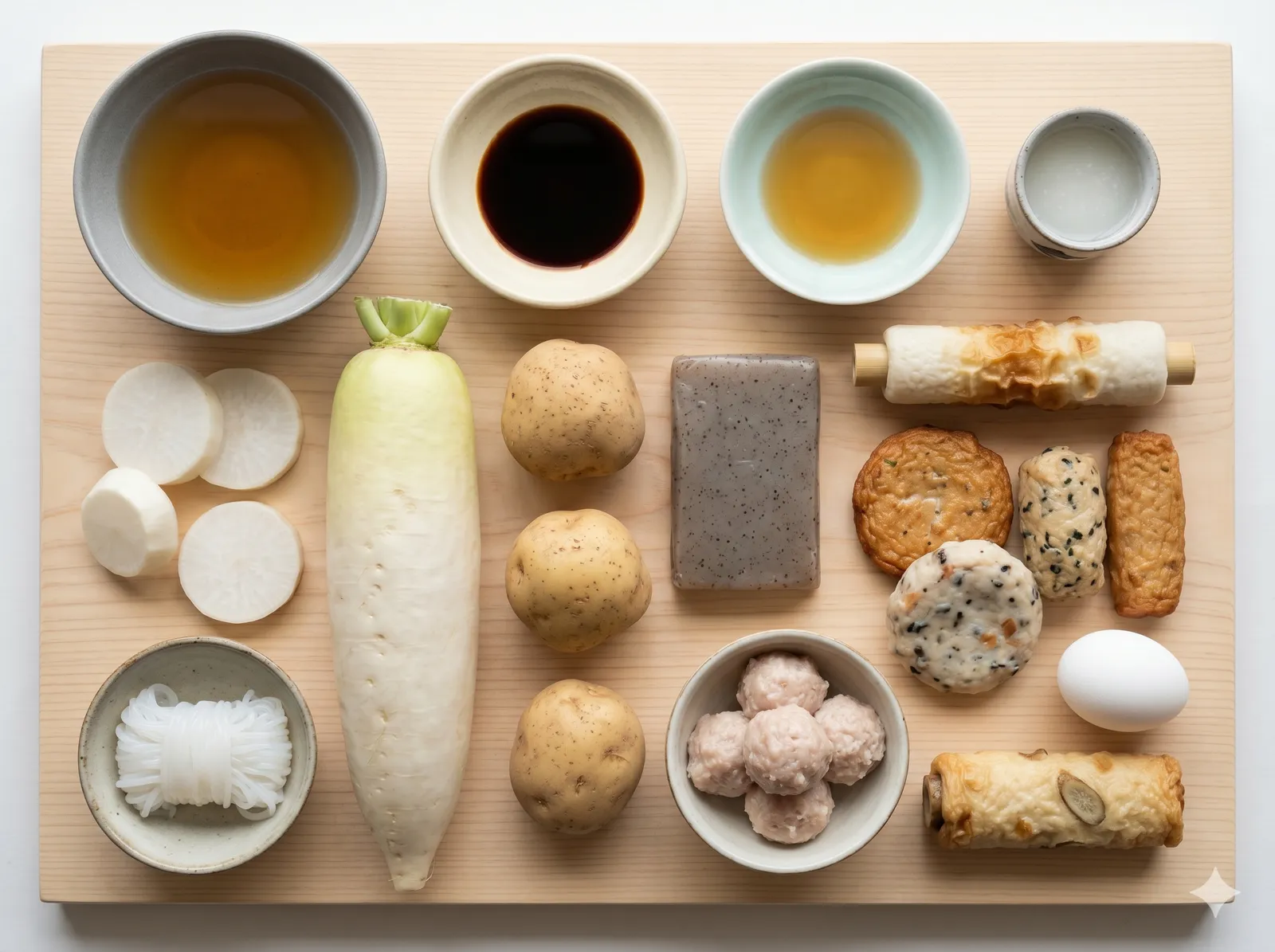
- Build a dashi broth from bonito flakes and kelp
- Add the fish cakes and simmer slowly until they soak up the broth
- Add daikon, konnyaku, and other vegetables
- Serve in deep bowls with plum miso on the side
Before you go — work the pot
Your questions, answered honestly
"What do I order from all those choices?" — Don't overthink it — pick a few different fish cakes to taste the range (that's the whole point), plus a wedge of slow-simmered daikon, which soaks up the dashi like a sponge and is everyone's secret favorite.
"Mustard or the plum miso?" — Try the plum miso — it's the local signature, and its tartness against the rich broth is the thing that makes Odawara oden Odawara oden. You can always have mustard too.
"Is it a full meal or a snack?" — Both. Graze on a few pieces with a drink, or load up a bowl into a proper meal. Oden flexes to your appetite.
"When's it best?" — Cold months, like all oden — though Odawara celebrates it year-round, including at its summit-style food events.
What the staff will ask you
| You'll hear | Romaji | Meaning | Just say |
|---|---|---|---|
| 何にしますか? | Nani ni shimasu ka? | "Which pieces?" | Daikon to, osusume o ikutsuka (daikon and a few recommendations) |
| 梅味噌をつけますか? | Umemiso o tsukemasu ka? | "Want the plum miso?" | Hai, onegaishimasu (yes please) |
| 温まりますよ | Atatamarimasu yo | "It'll warm you right up" | (yes, that's the idea) |
To order, just point and say "Kore to, kore o kudasai" (これと、これをください) — "This one and this one, please." Pointing is completely normal at an oden counter.
Where to eat it
- Odawara, Kanagawa — a stop on the Tōkaidō Shinkansen, an easy hop from Tokyo. Look for oden spots near the station and the castle, and for the annual Odawara Oden Summit if your timing's lucky.
Hours, shops, and events change, so check before you go — and hop off the train. It's right there.
Soul Score
Local Roots4/5
First-Timer Friendly4/5
Adventure Level3/5
Comfort Level4/5
Travel Worthy4/5
These scores are one obsessed eater's gut feeling — not a verdict. A low number isn't a bad mark, just a different kind of adventure.
Know someone planning Japan?
← All Articles
Local Food · Odawara, Kanagawa
Still hungry?
Eat more from Kanagawa
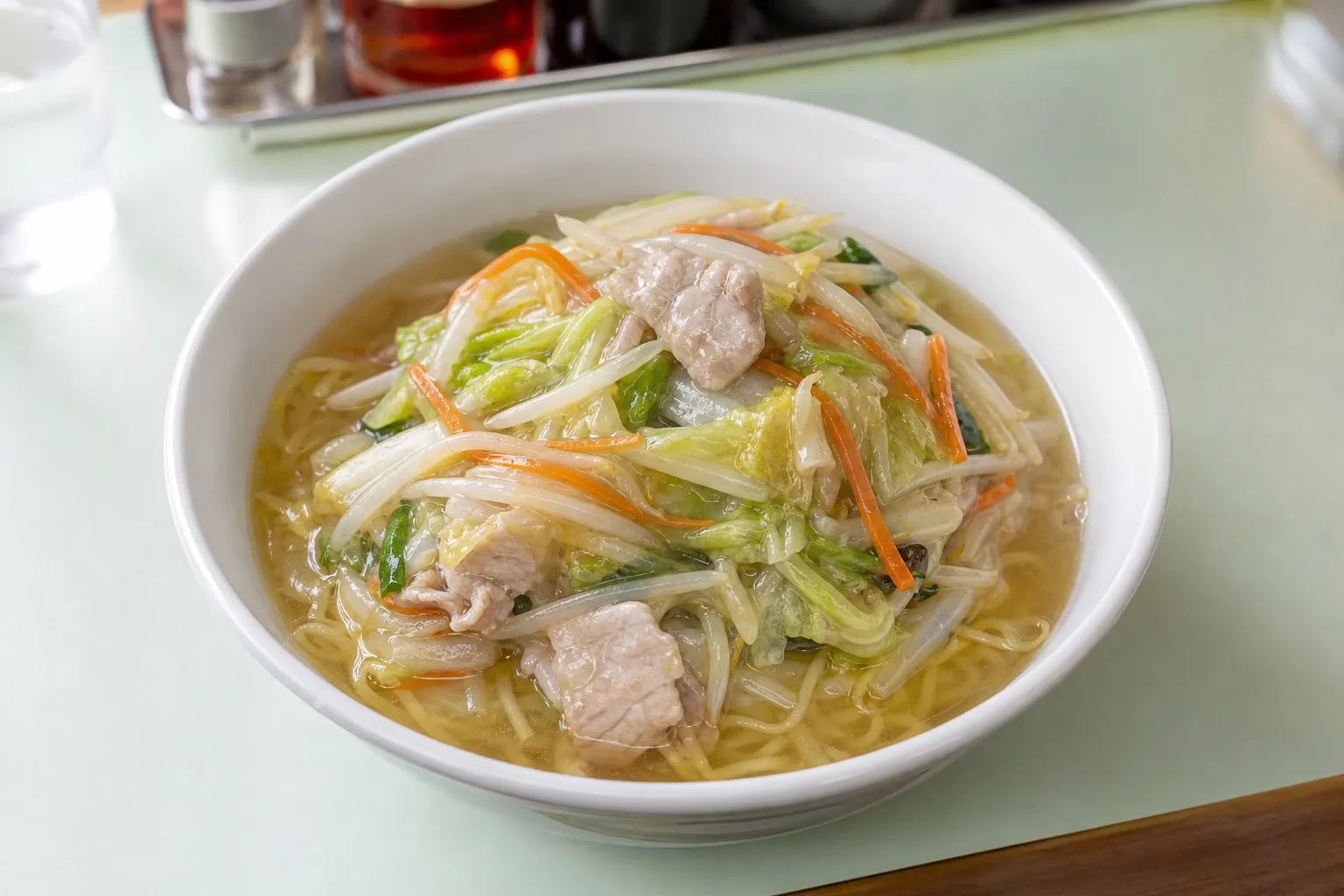
Local FoodYokohama, Kanagawa
Yokohama Sanma-men (サンマー麺)
No, it's not the fish. Yes, everyone asks. And once you get past that, this is the noodle bowl I quietly crave more than the famous ones.
August 2, 2026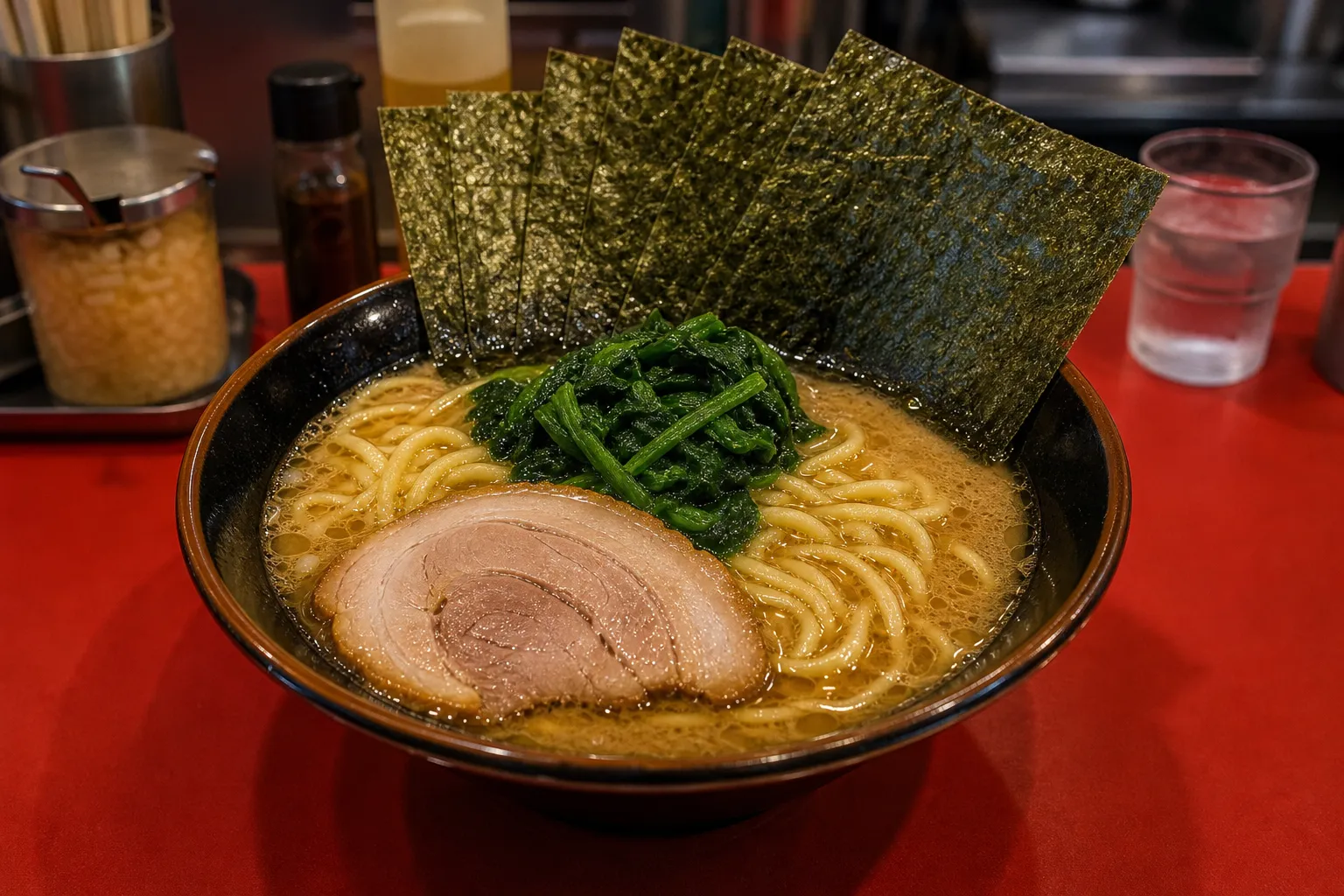
Local FoodYokohama, Kanagawa
Iekei Ramen (家系ラーメン)
Thick noodles in a pork-and-soy powerhouse, crowned with spinach and giant sheets of nori — and a bowl of white rice standing by as its secret weapon. Yokohama's build-it-your-way monster.
July 9, 2026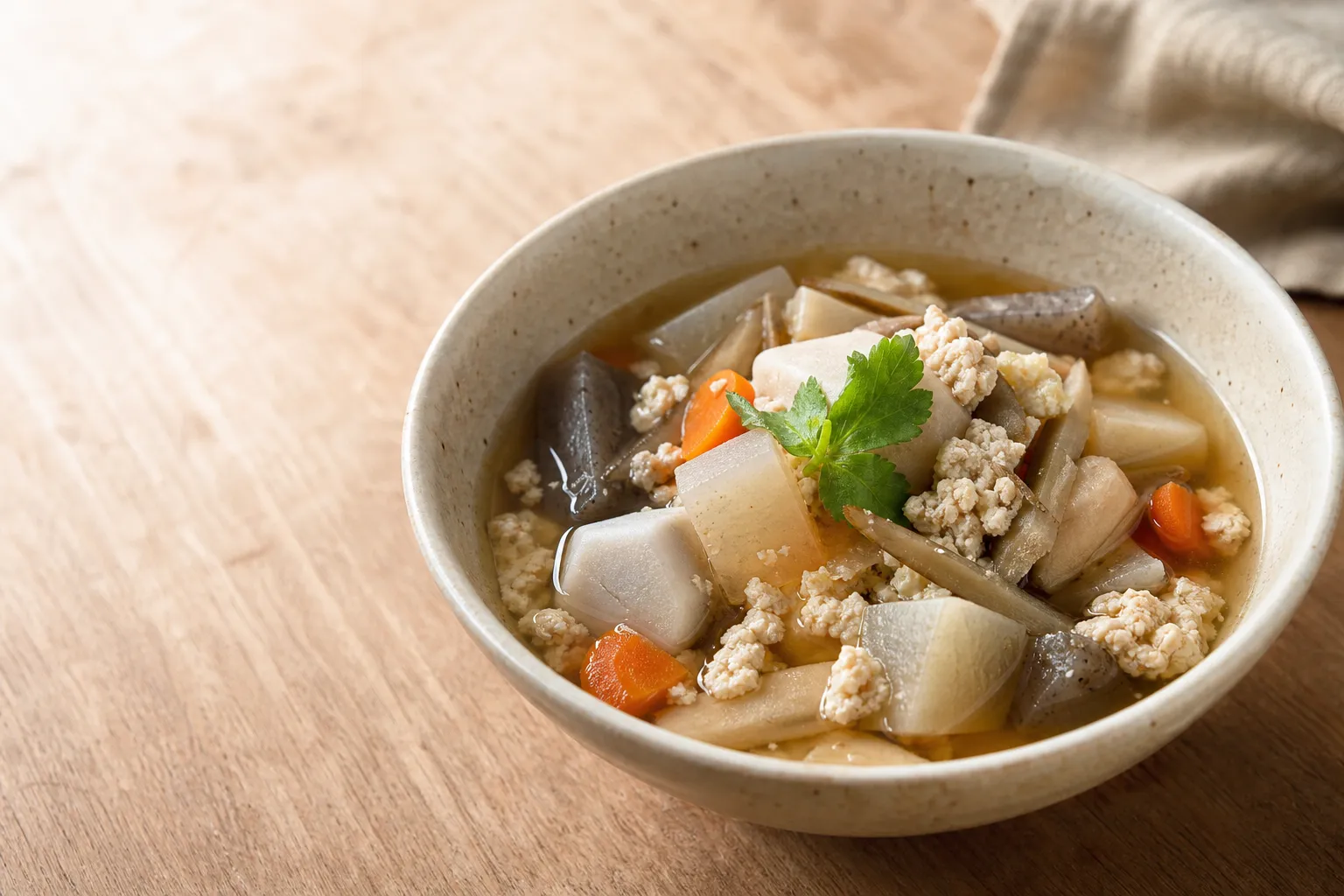
Local FoodKamakura, Kanagawa
Kenchin-jiru (けんちん汁)
A monk broke a block of tofu apart with his bare hands instead of throwing it away, sautéed it with root vegetables, and accidentally invented one of Japan's most comforting soups.
July 5, 2026