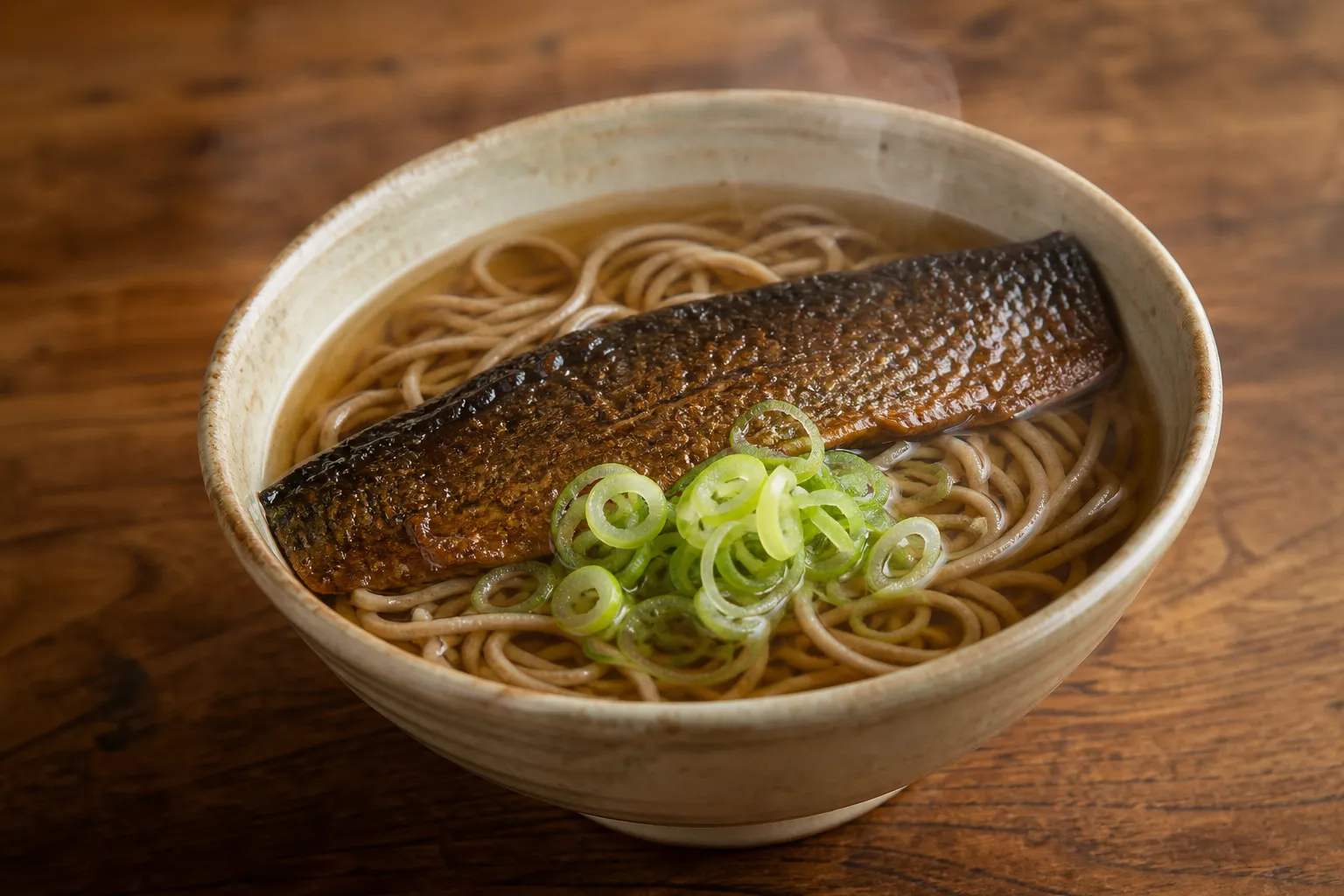
The first thing that happens is the smell of the broth — restrained, clean, unmistakably Kyoto — and then I lift the herring with my chopsticks and it's glossy, this dark lacquered slab of fish that's been simmered so long it's gone tender and sweet and deep. I take a bite of it with a mouthful of hot soba and the broth, and something clicks: sweet-savory fish, clean dashi, buckwheat noodles, all in one warm slurp. I get why people in Kyoto have loved this bowl for over a century.
Share this dish


A whole simmered herring, dark and glossy and sweet, sitting on top of hot soba in a clear Kyoto broth — a landlocked city's love letter to preserved fish, and one of the great comfort bowls of Japan.
🍜 Planning a food trip to Kyoto?Add this dish to my Food Trip →
 Add this dish to my Food Trip →
Here's what it is: nishin soba (にしんそば) is hot soba noodles in a clear, refined dashi broth, topped with a whole simmered dried herring (migaki-nishin) that's been cooked low and slow in soy, sugar and mirin until it's dark, glossy and sweet-savory. This is not cold soba you dip in sauce, and it's not tempura soba — the star is that lacquered herring, and the whole thing is a landlocked capital's clever, delicious answer to being far from the sea.
How preserved fish conquered the inland capital
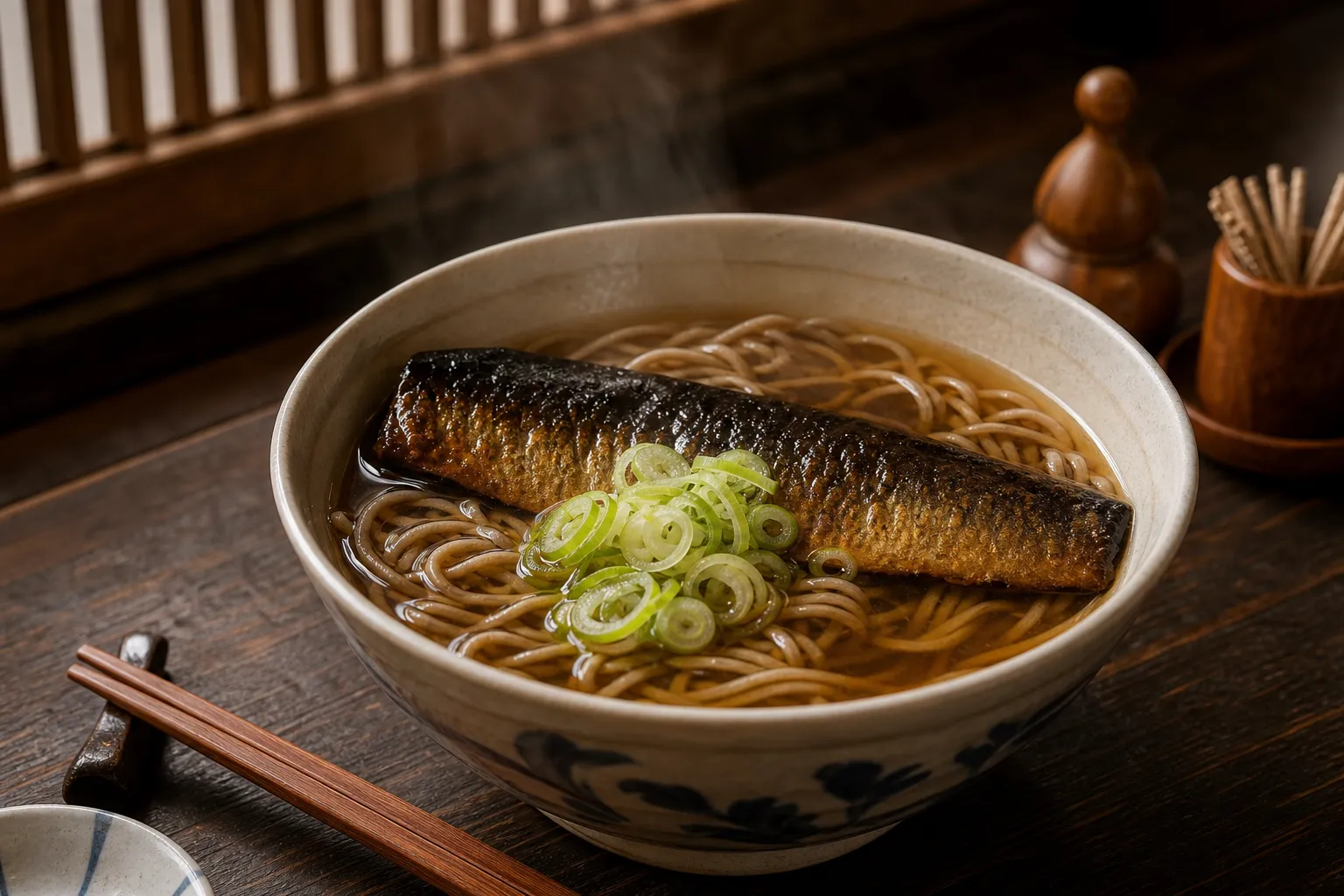
Here's the thing about old Kyoto: it's inland. No ocean, no fresh fish, for centuries. So how does a mountain-locked capital end up with a beloved fish noodle bowl? Dried herring. Herring caught way up in Hokkaido was gutted, dried into hard boards called migaki-nishin, and shipped down along the old trade routes to Kyoto, where it kept for ages and could be rehydrated and simmered into something wonderful. Necessity became cuisine. I love that — a city with no sea taught itself to make one of Japan's great fish dishes out of a dried, shelf-stable board of herring.
Nishin soba as we know it is credited to a Kyoto soba shop in the Meiji era (the famous Matsuba, near Minamiza theatre, claims to have created it in 1882), and it stuck — it became the Kyoto soba, the thing you eat after the theatre, at New Year, or just when it's cold and you want comfort. There's something deeply Kyoto about it: thrifty, refined, patient, turning a preserved ingredient into something quietly luxurious. I find that whole story moving, honestly, and it makes the bowl taste even better.
What makes the eating experience different
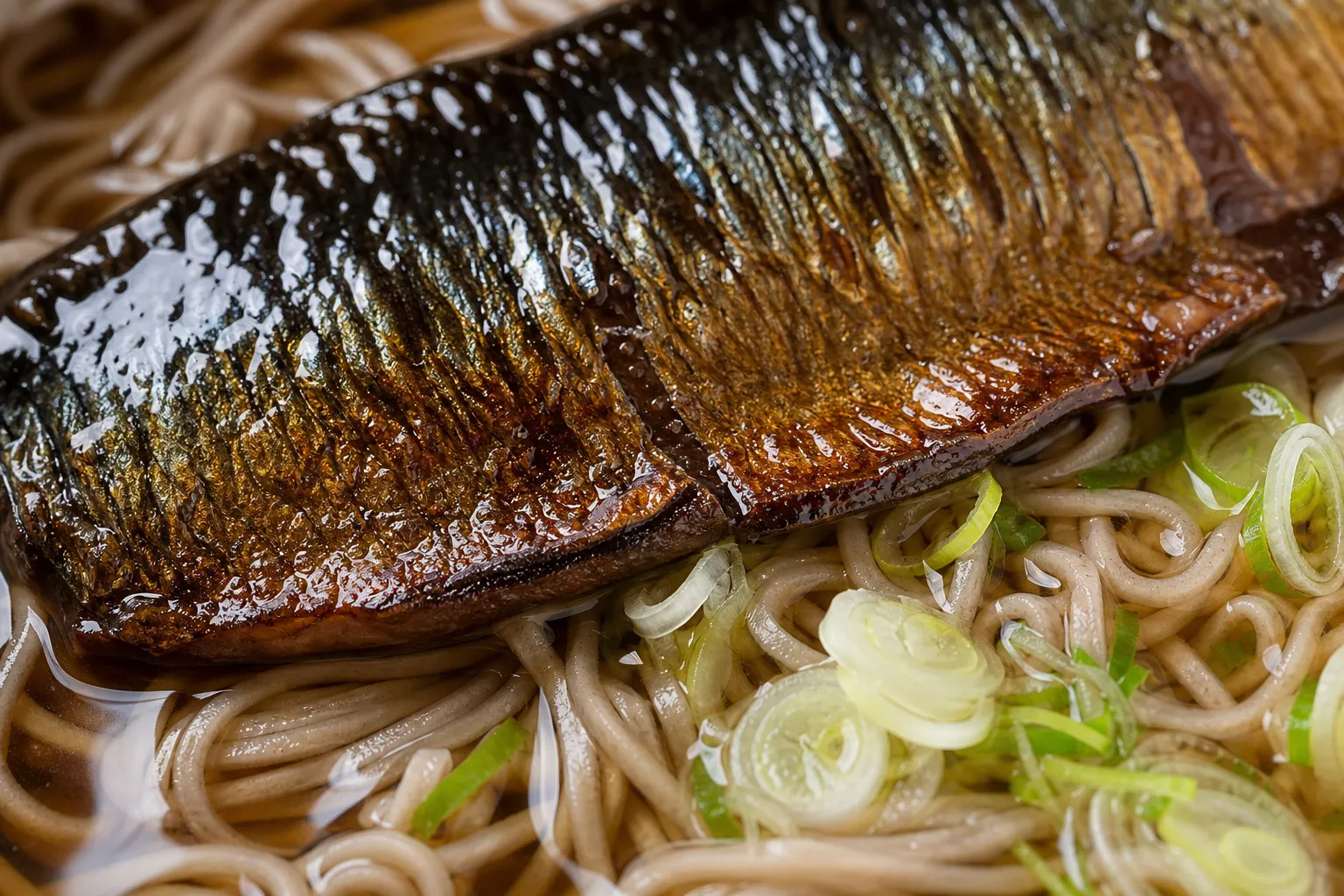
- The herring is the whole show — simmered so long it's tender, dark and glossy, with a concentrated sweet-savory flavor that soaks into everything around it.
- As you eat, the sweet herring flavor melts into the broth, so the clear Kyoto dashi slowly turns richer and sweeter with every bite. The bowl changes as you go.
- The broth is refined and gentle — light-colored, dashi-forward, classic Kyoto restraint — the perfect clean counterpoint to the rich fish.
- It's a hot, comforting bowl, not a cold dipping soba — soul food for cold weather, theatre nights, and New Year.
- The contrast is the magic: dark sweet fish against clear pale broth, rich against clean, indulgent against restrained. Very Kyoto.
How it's made
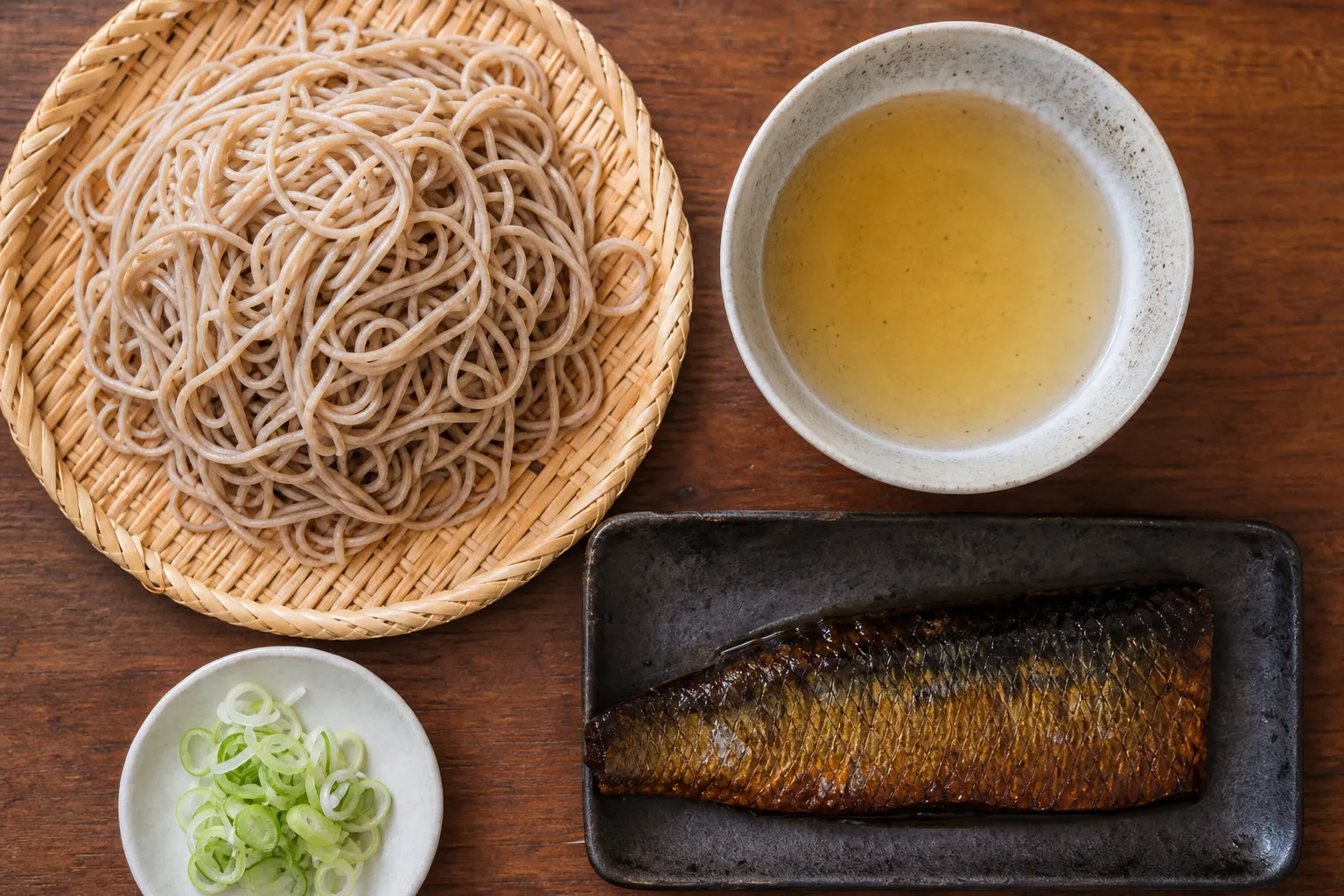
- Soften the dried herring. Hard migaki-nishin is soaked (traditionally in rice-rinsing water) for a day or more until it's pliable enough to cook.
- Simmer it low and slow. The herring is gently simmered in soy sauce, sugar, mirin and sake for a long time — often hours — until it's tender, dark and glossy, and any small bones have softened.
- Prepare the dashi broth. A clear, refined Kyoto-style broth is made from kombu and bonito (and sometimes other dried fish), seasoned lightly to stay pale and clean.
- Boil the soba. Buckwheat noodles are cooked, rinsed, and warmed.
- Assemble. Hot soba goes into the bowl, the broth is poured over, and the simmered herring is laid on top — often with a little scallion or kizami negi.
The slow simmering of the herring is the craft — it's what turns a hard, salty dried board into that tender, sweet-savory jewel on top. Rush it and it's tough and fishy; do it patiently and it melts into the whole bowl.
Before you go — a warm bowl with a lot of history
Your questions, answered honestly
"Is this the cold, dipping kind of soba?" — No. Nishin soba is a hot bowl — noodles in warm broth, herring on top. If you want the cold dipping style (zaru soba), that's a different order. This one is all about warmth and comfort.
"How is it different from tempura soba or other topped soba?" — Tempura soba has a crisp fried prawn or vegetable on top; nishin soba has a slow-simmered sweet-savory herring. The flavor is totally different — richer, sweeter, deeper, and it melts into the broth as you eat rather than staying crisp. It's the most distinctly Kyoto of the topped soba bowls.
"What about bones?" — The herring is simmered so long that small bones usually soften, but as with any whole fish, eat gently and watch for the odd firmer bone. It's meant to be eaten right along with the noodles.
"Sweet fish in a savory noodle soup — does that work?" — Honestly, yes, beautifully. The herring's sweetness plays against the clean, savory dashi, and as it dissolves into the broth the whole bowl deepens. It's the same sweet-savory logic as a lot of great Japanese simmered dishes — trust it.
What the staff will ask you
| You'll hear | Romaji | Meaning | Just say |
|---|---|---|---|
| 温かいのと冷たいの、どちらにしますか? | Atatakai no to tsumetai no, dochira ni shimasu ka? | "Hot or cold?" | Atatakai no de (the hot one, please) |
| 薬味はおつけしますか? | Yakumi wa o-tsuke shimasu ka? | "Would you like the condiments (scallion, etc.)?" | Onegai shimasu (yes, please) |
| 一味をかけますか? | Ichimi o kakemasu ka? | "Shall I add chili pepper?" | Sukoshi dake (just a little) |
To order, just say "Nishin soba o kudasai" (にしんそばをください) — "Nishin soba, please."
Where to eat it
- Matsuba (near Minamiza theatre, Gion, Kyoto) — the long-established soba house that's credited with inventing nishin soba in 1882; the classic place to try the original by the Kamo River and Shijō.
- Classic soba houses across central Kyoto — nishin soba is a staple on the menu at traditional soba restaurants throughout the city, especially around Gion, Kawaramachi and the old center.
- Around New Year in Kyoto — the dish is especially associated with year-end and New Year in Kyoto, when a warm bowl of nishin soba is a seasonal comfort.
Shop hours, holidays and menus change, so check before you go — especially for older, long-established restaurants that may keep limited or traditional hours.
Soul Score
Local Roots5/5
First-Timer Friendly4/5
Adventure Level3/5
Comfort Level5/5
Travel Worthy4/5
These scores are one obsessed eater's gut feeling — not a verdict. A low number isn't a bad mark, just a different kind of adventure.
Know someone planning Japan?
← All Articles
Local Food · Kyoto, Kyoto
Still hungry?
Eat more from Kyoto
Local FoodKyoto
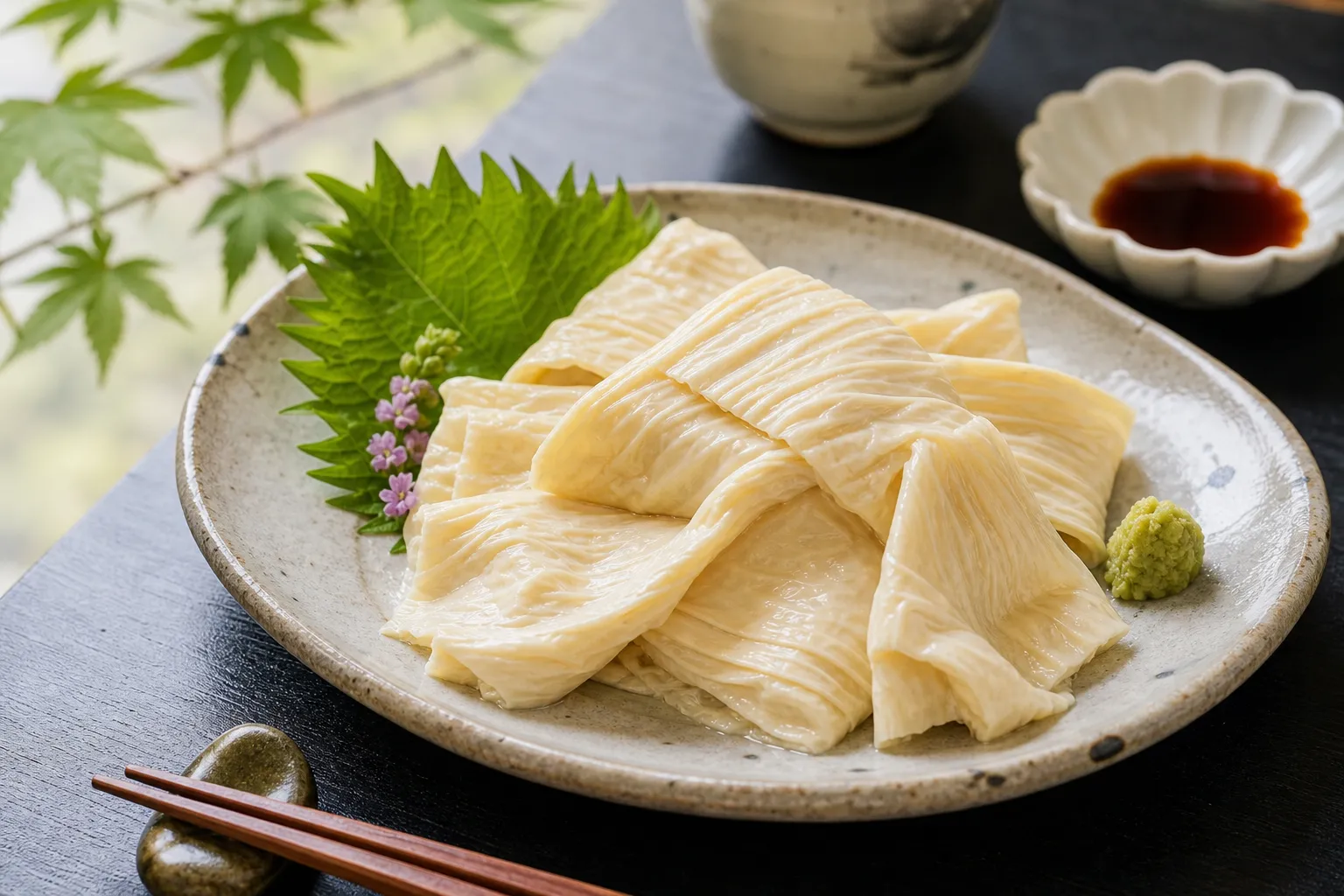
Yuba (湯葉)
The delicate skin that forms on warm soy milk, lifted off in silky sheets and eaten with barely anything on it — Kyoto's quietest luxury, a food that tastes like patience itself.
July 10, 2026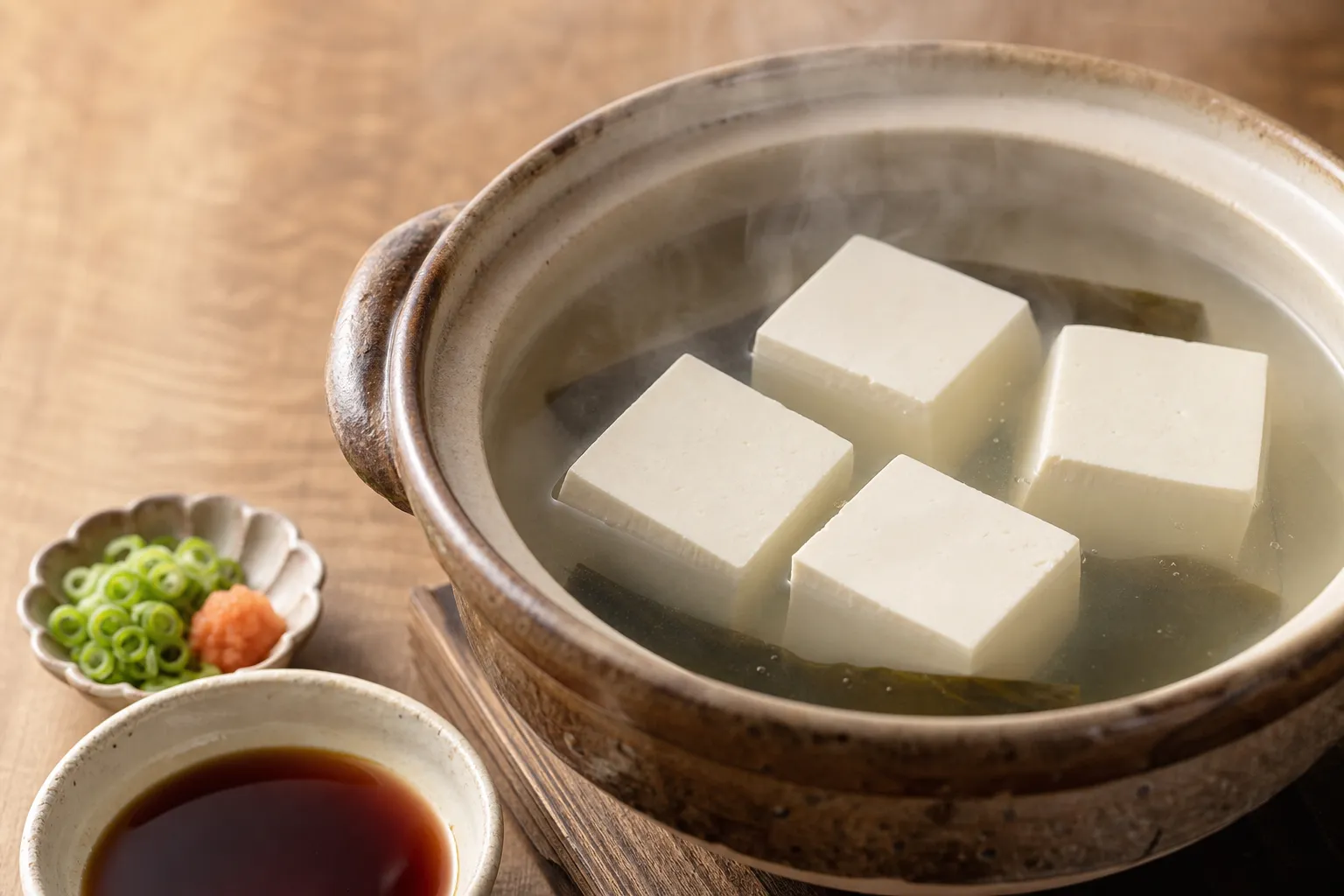
Local FoodKyoto
Yudofu (湯豆腐)
A pot of hot water, some blocks of tofu, and somehow that's the whole meal — and somehow that's exactly the point.
July 5, 2026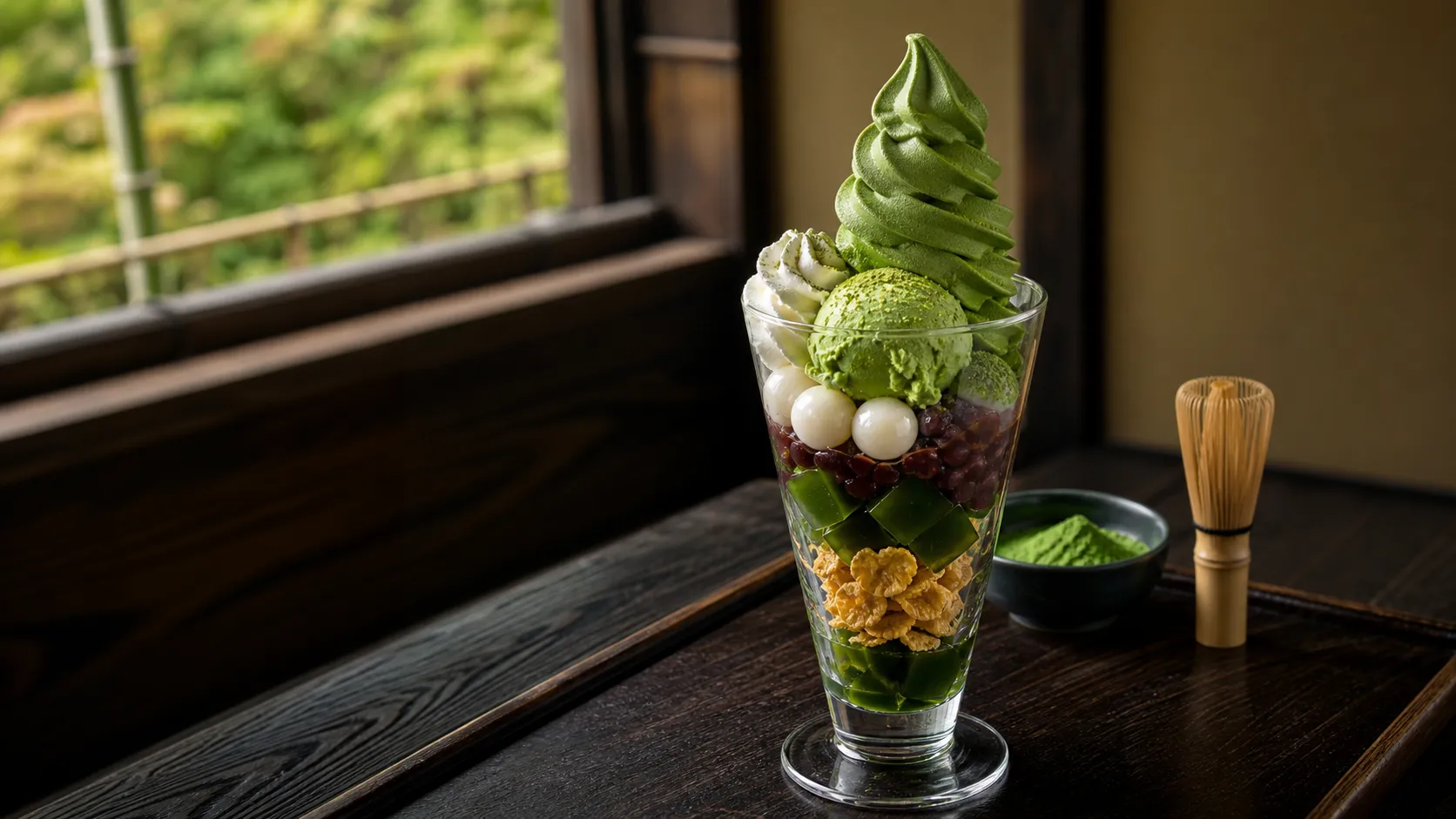
Sweets & SnacksKyoto / Nationwide
Matcha Parfait (抹茶パフェ)
A towering glass of matcha ice cream, soft serve, anko, shiratama mochi and crunchy cornflakes — Japan's most theatrical dessert, and a one-way ticket to matcha obsession.
June 20, 2026