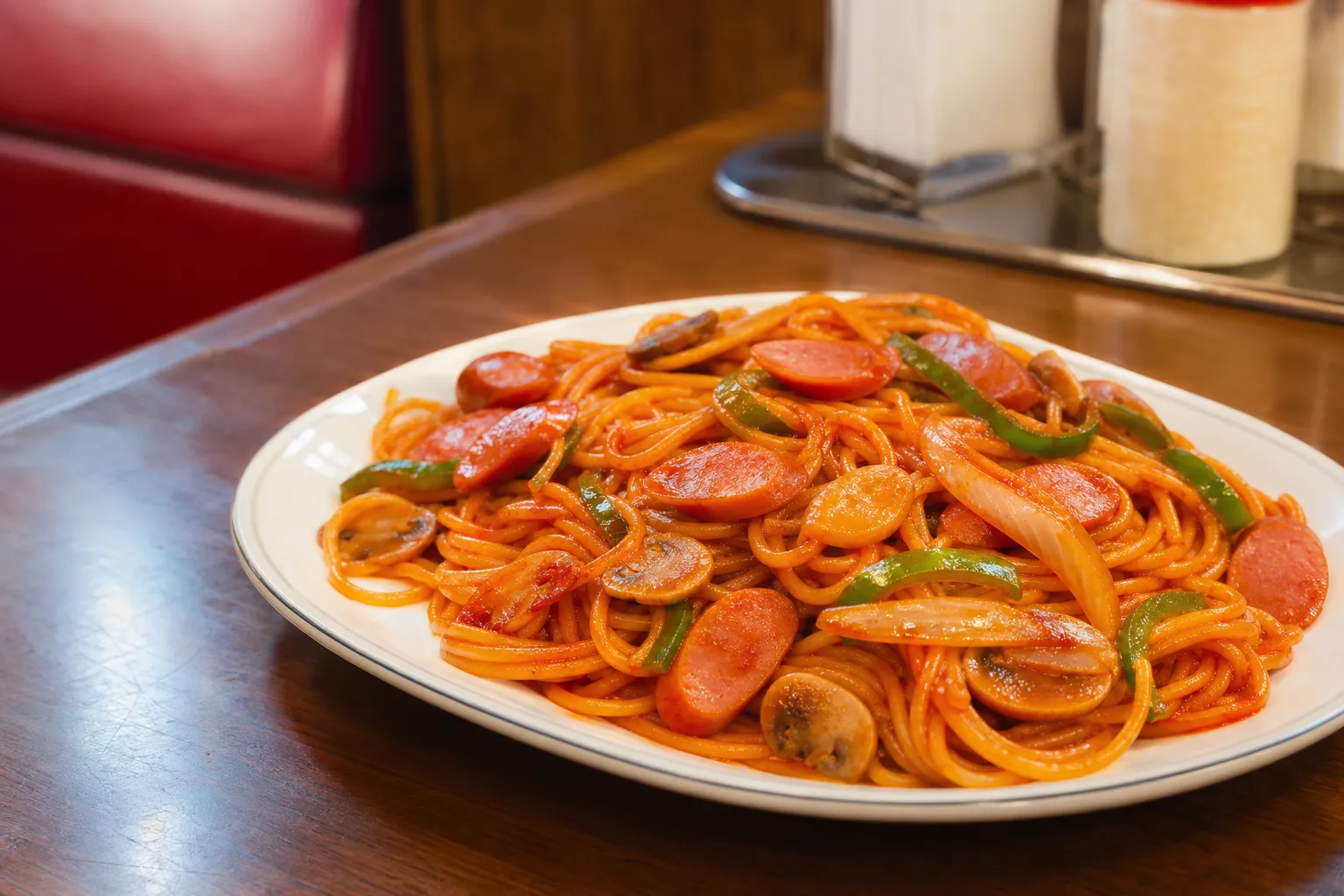
Let's get the confession out of the way: it's ketchup. On spaghetti. Cooked soft — deliberately soft — until the noodles go glossy and orange and slightly sticky, tangled up with sliced sausage and green pepper. If you grew up anywhere near Italian food, part of your brain is filing a formal complaint right now. Ignore it. Napolitan is one of the most purely comforting plates in Japan, and the first forkful — sweet, tangy, faintly nostalgic in a way you can't quite place — usually shuts that complaint right up.
Share this dish


Ketchup spaghetti. Say it with a straight face, because Japan's retro-diner tangle of ketchup-glossed noodles, sausage and green pepper is comfort food so unapologetic it comes back around to genuinely great.
Here's the deal: napolitan (ナポリタン) is a Japanese yoshoku (Western-style) dish of spaghetti stir-fried with tomato ketchup, sliced sausage or ham, green bell pepper, onion and mushroom, tossed until everything's coated in that glossy reddish-orange sauce. Ketchup — not fresh tomato, not cream, not meat ragu — is what makes it napolitan, and the noodles are cooked past al dente on purpose, into soft, chewy diner-comfort territory. It was invented in Yokohama after the war and became the signature dish of the kissaten, the old-school Japanese coffee shop.
Born in a Yokohama hotel, raised in coffee shops
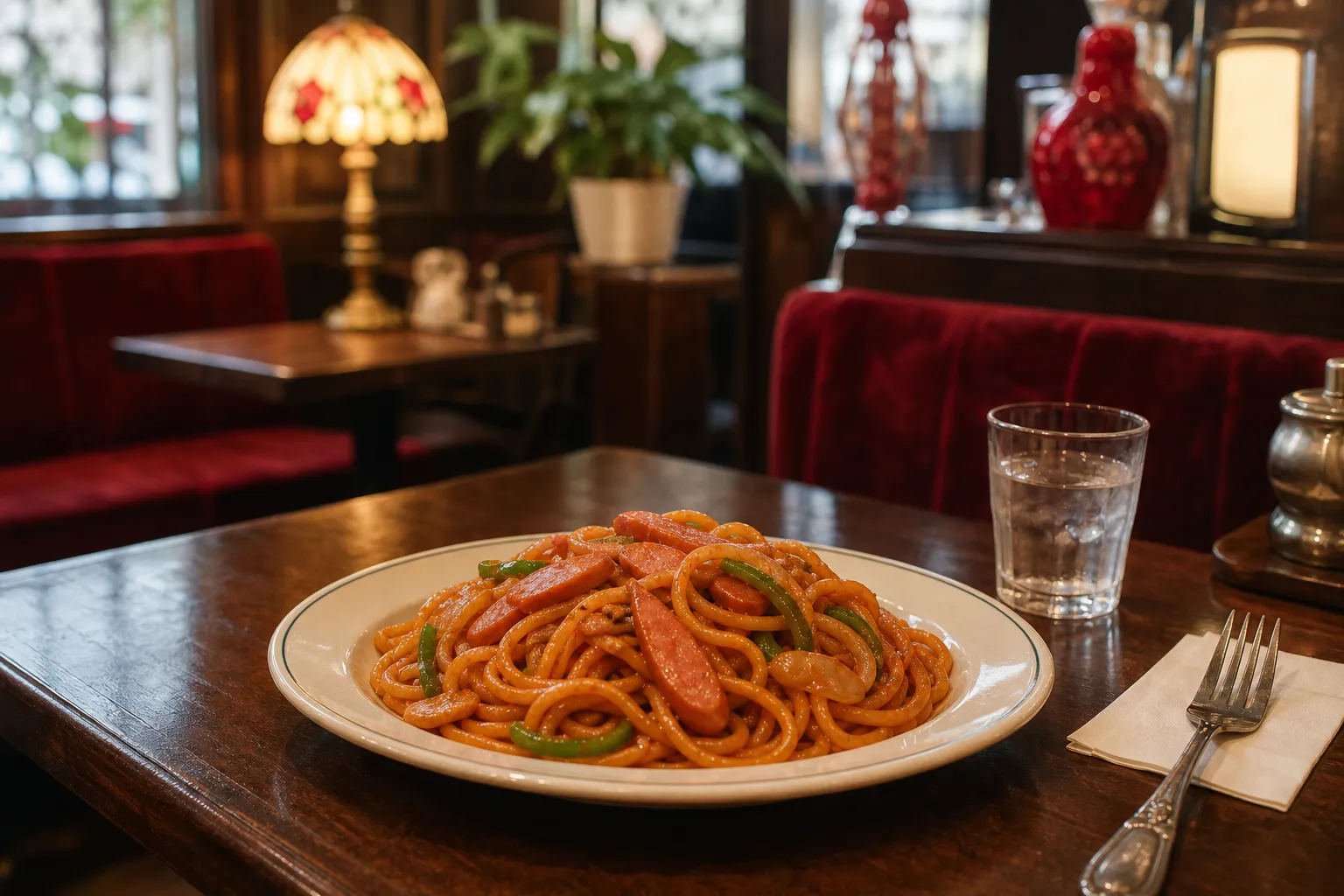
The origin story is genuinely great: after the war, the chef at the Hotel New Grand in Yokohama — cooking for occupying officers who wanted something Western — riffed on the tomato pasta idea using what was available, and the ketchup-forward version that spread from there became napolitan (named for Naples, despite Naples having absolutely nothing to do with it). From that fancy-hotel start, it trickled down into the humble kissaten, where it became the definitive "food you eat with a coffee and a cigarette in a booth from 1974."
That's where I love it most — in a proper old kissaten, plated on an oval dish, arriving on the same tray as a cream soda. Napolitan isn't chasing authenticity or trends; it's chasing a specific warm, retro feeling, and it nails it every single time. It is a plate of nostalgia that somehow works even if the nostalgia isn't yours.
What makes it so weirdly good
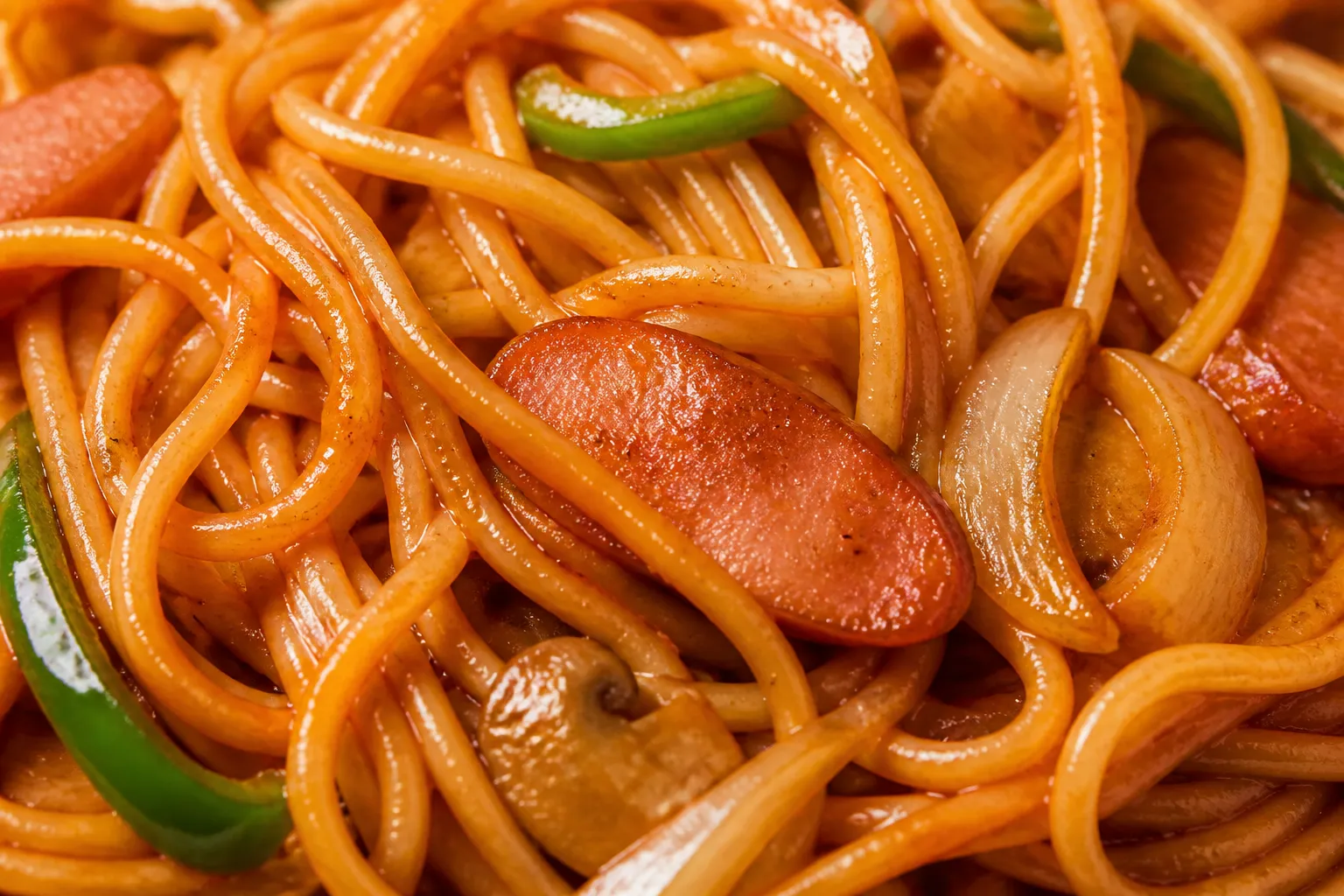
- The noodles are soft and a little chewy — cooked past Italian firmness so they soak up sauce and go properly diner-comforting
- The ketchup gets stir-fried, not just stirred in, which cooks off the raw sweetness and deepens it into something savory and glossy
- Sausage/ham, green pepper and onion give it snap and smoke against all that sweetness
- It's often finished with a shower of powdered parmesan and a hit of Tabasco — the sweet-tangy-salty-spicy combination is the whole experience
- It reheats, it travels, it's forgiving — this is food built for comfort, not for a critic
How it's made
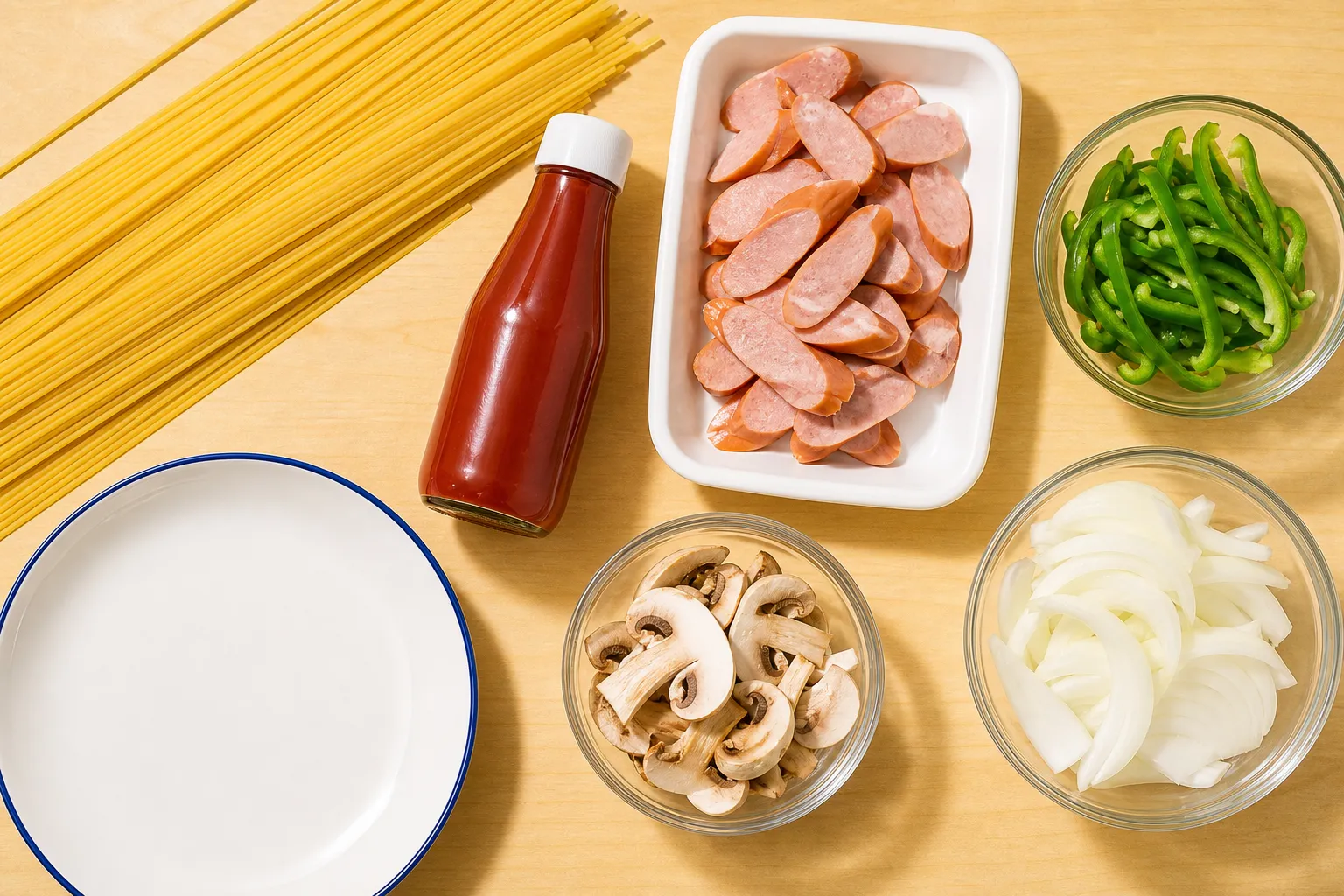
- Boil the spaghetti soft. On purpose — past al dente. Some cooks even boil it in advance and let it rest, the true kissaten way, so it's tender and sauce-hungry.
- Sauté the cast. Sliced sausage or ham, green bell pepper, onion and mushroom go into a hot pan with butter or oil.
- Fry the ketchup. Add plenty of ketchup to the pan and let it cook down with the vegetables — this step is what separates good napolitan from sad napolitan.
- Toss in the noodles. Add the soft spaghetti and toss until every strand is glossy and orange.
- Finish. Plate it, dust with powdered parmesan, and serve with Tabasco on the side. A fried egg or a sprinkle of parsley on top is fair game.
Frying the ketchup is the one rule I'd die on. Stir it in cold and you get sweet, raw, sad noodles; fry it down and you get that deep, glossy, savory diner sauce.
Before you go — embrace the ketchup
Your questions, answered honestly
"Is this supposed to taste Italian?" — No, and trying to judge it as Italian pasta will only ruin it for you. Napolitan is yoshoku — Japanese comfort food inspired by the West, fully its own thing. Soft noodles, ketchup sauce, retro vibe: those aren't flaws, they're the entire point. Order it wanting a warm Japanese diner plate, not a plate of Naples.
"Where do I find the real deal?" — A kissaten — an old-school Japanese coffee shop. Napolitan is their signature savory dish, and it hits best in a wood-paneled booth with a cream soda. Yoshoku diners and family restaurants serve it too, but the kissaten version is the soul of it.
"What do I put on it?" — Powdered parmesan (the shaker kind — lean in) and Tabasco. The sweet-tangy sauce plus salty cheese plus a little heat is the classic full experience. Don't skip the Tabasco.
"Is it a meal or a snack?" — A meal, usually a light-lunch-sized one, and often part of a kissaten set with a drink. It's hearty enough to fill you up without being heavy.
What the staff will ask you
| You'll hear | Romaji | Meaning | Just say |
|---|---|---|---|
| ご一緒にお飲み物はいかがですか? | Go-issho ni o-nomimono wa ikaga desu ka? | "A drink with that?" | Kōhī o kudasai (a coffee, please) |
| 温かいのと冷たいの、どちらにしますか? | Atatakai no to tsumetai no, dochira ni shimasu ka? | "Hot or iced (drink)?" | Aisu de / Hotto de (iced / hot, please) |
| 粉チーズはおかけしますか? | Kona-chīzu wa o-kake shimasu ka? | "Shall I add parmesan?" | Onegaishimasu (yes, please) |
To order, just say "Napolitan o kudasai" (ナポリタンをください) — "Napolitan spaghetti, please."
Where to eat it
- Old-school kissaten (coffee shops) nationwide — the natural home of napolitan; look for a retro café with an oval-plate lunch menu.
- Yokohama — the dish's birthplace, where the Hotel New Grand still serves its refined ancestor of the dish, and where the napolitan pride runs deep.
- Yoshoku diners and family restaurants — Western-style Japanese eateries across the country keep napolitan on the menu as a comfort-food staple.
Napolitan recipes and toppings vary by shop, and kissaten hours can be old-fashioned and irregular — check opening times before you go.
Soul Score
Local Roots4/5
First-Timer Friendly5/5
Adventure Level3/5
Comfort Level5/5
Travel Worthy3/5
These scores are one obsessed eater's gut feeling — not a verdict. A low number isn't a bad mark, just a different kind of adventure.
Know someone planning Japan?
← All Articles
Japanese Food · Nationwide
Still hungry?
You might also like
Japanese FoodNationwide
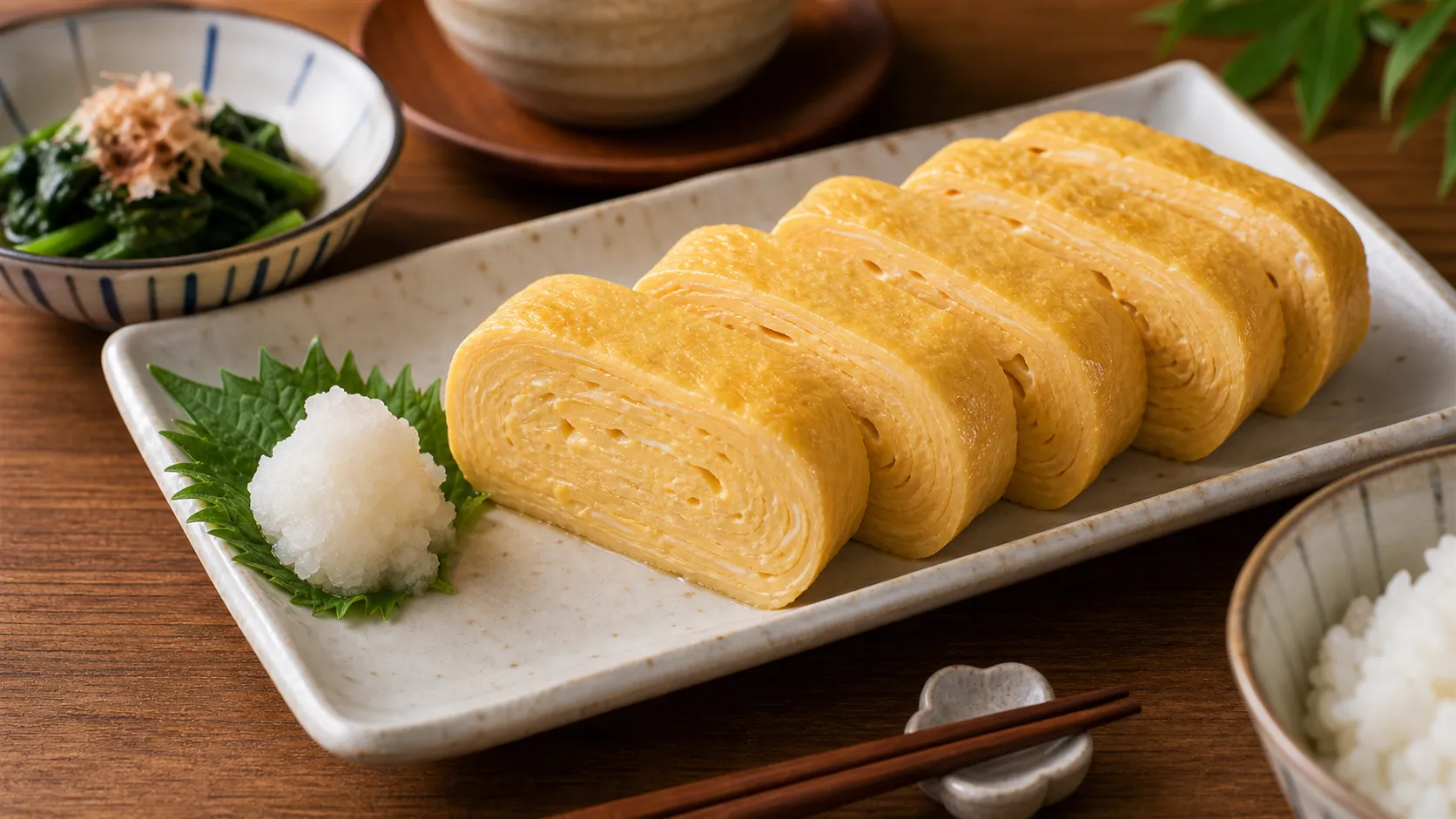
Dashimaki-tamago (だし巻き卵)
A rolled omelette so soft it almost trembles, layered fold over fold and soaked with dashi so that biting in releases a little warm rush of savory broth — the deceptively simple egg dish that Japanese chefs spend years perfecting.
July 11, 2026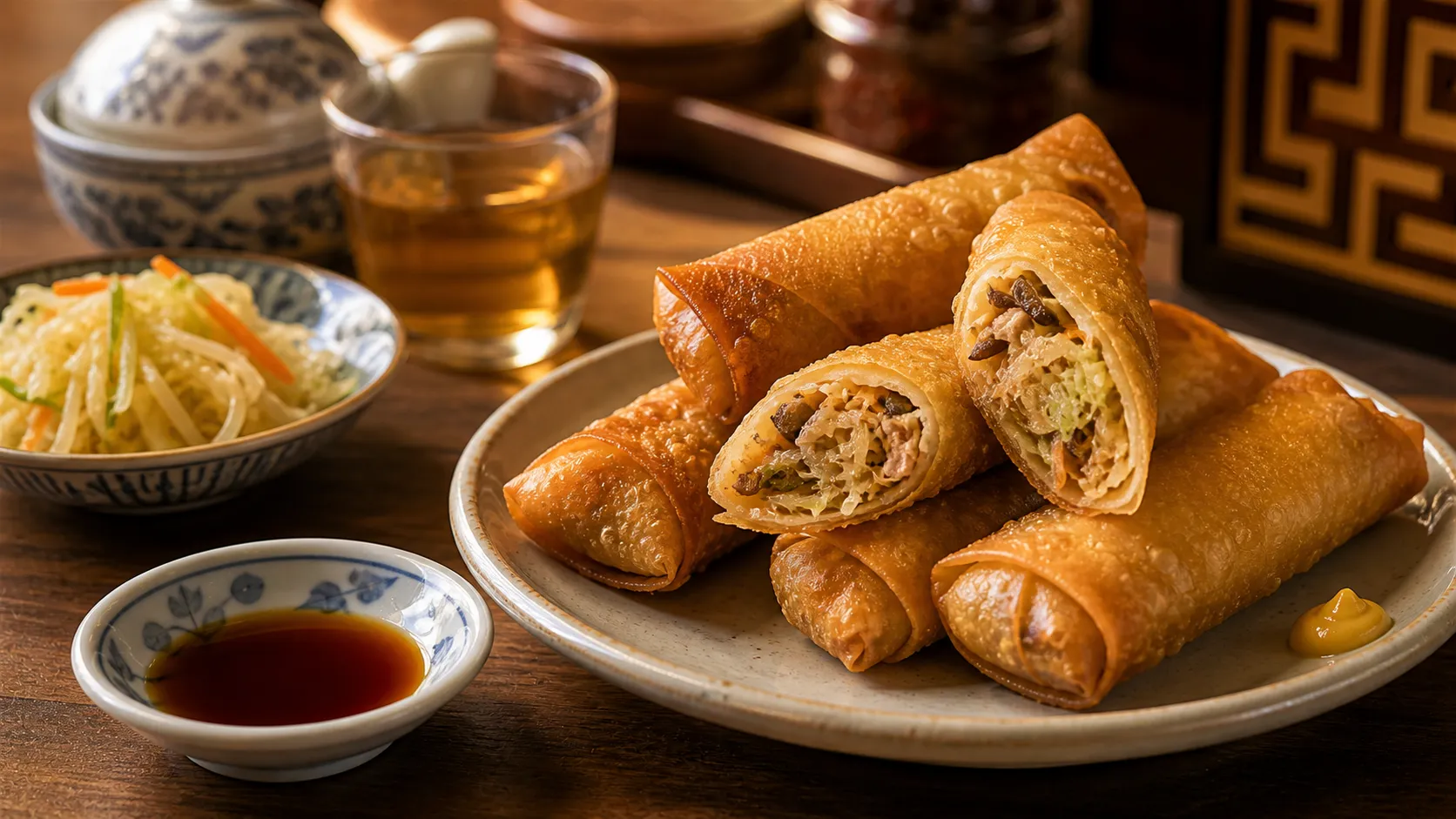
Japanese FoodNationwide
Harumaki (春巻き)
The Japanese spring roll — a shatteringly crisp golden tube that gives way to a hot, savory tangle of pork, cabbage and bamboo shoot, best eaten the second it's cool enough not to burn your mouth (you will not wait that long).
July 11, 2026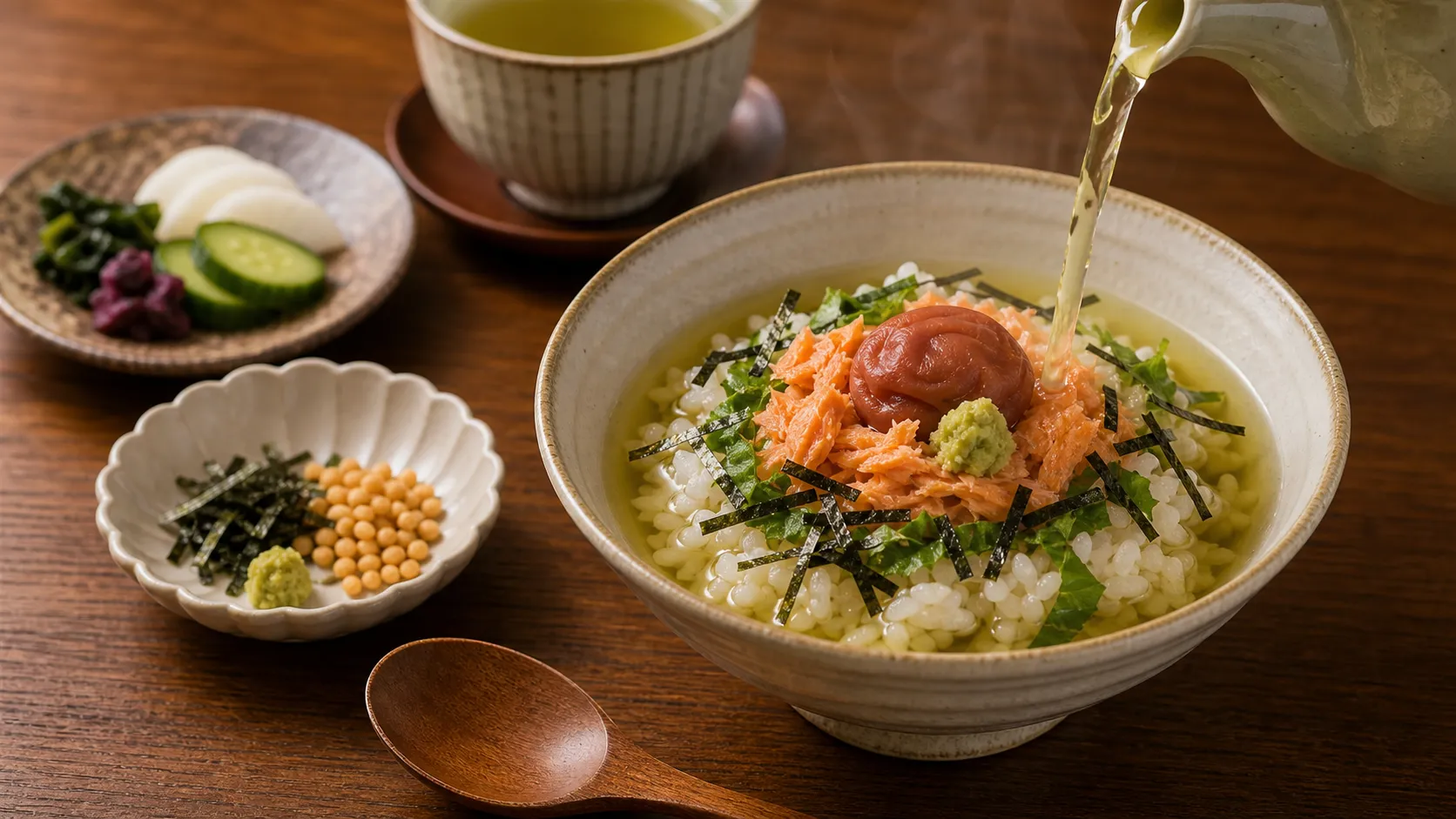
Japanese FoodNationwide
Ochazuke (お茶漬け)
Pour hot green tea or dashi over a bowl of rice, scatter something savory on top, and eat — the gentlest, most quietly restorative dish in Japan, the one you reach for late at night when you just need a warm bowl to make everything okay.
July 11, 2026