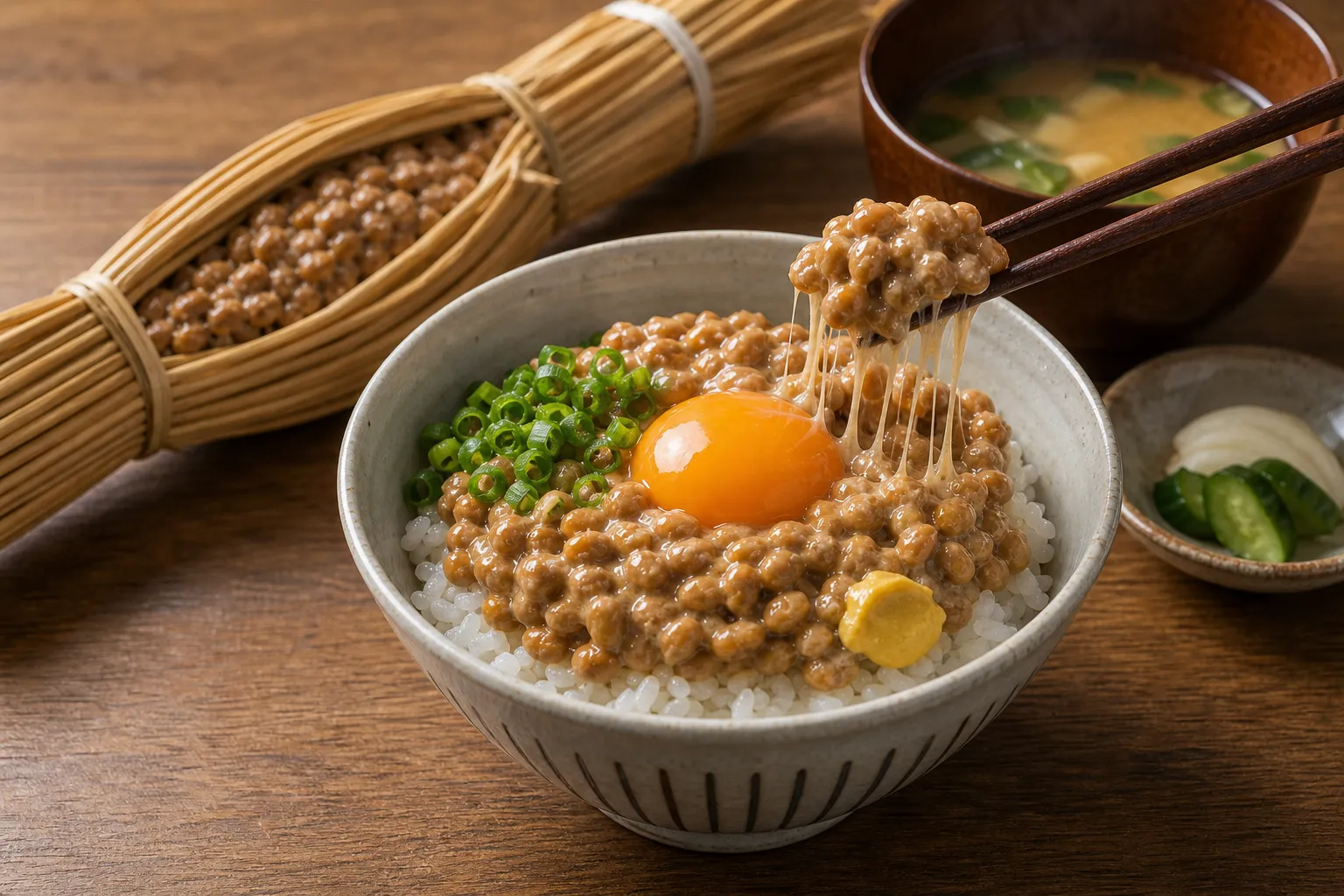
Okay. Deep breath. Here's the truth: the first time I opened a pack of natto, my whole body said no. The smell hit — funky, ammoniac, deeply alive — and then I stirred it and the beans grew a thousand glistening strings that stretched up with my chopsticks like some sticky science experiment. And then I put it on hot rice and ate it and something in me quietly reorganized itself. Now I can't start a morning without it. Natto doesn't ask you to like it. It dares you. And in Mito, the whole city took that dare a long time ago and never looked back.
Share this dish


The smell arrives before the beans do. Stir, and the strings pull a foot into the air. This is the food Japan dares you to love — and in Mito, the whole city is on natto's side.
🍜 Planning a food trip to Ibaraki?Add this dish to my Food Trip →
 Add this dish to my Food Trip →
Here's what it is: nattō (納豆) is soybeans fermented with Bacillus subtilis, which turns them soft, savory, and famously sticky and stringy — pull them apart and they web out into long silky threads. You eat it over hot rice, usually stirred hard with a little soy or tare sauce, hot mustard, chopped scallion, and often a raw egg. Mito, the capital of Ibaraki, is Japan's most celebrated natto town, known for its small-bean natto and for selling it wrapped in a bundle of rice straw. Two things it is not: plain boiled soybeans, and edamame. Fermentation is the whole point — that's where the funk, the strings, and the strange magnetic pull come from.
Why Mito wears natto like a crown
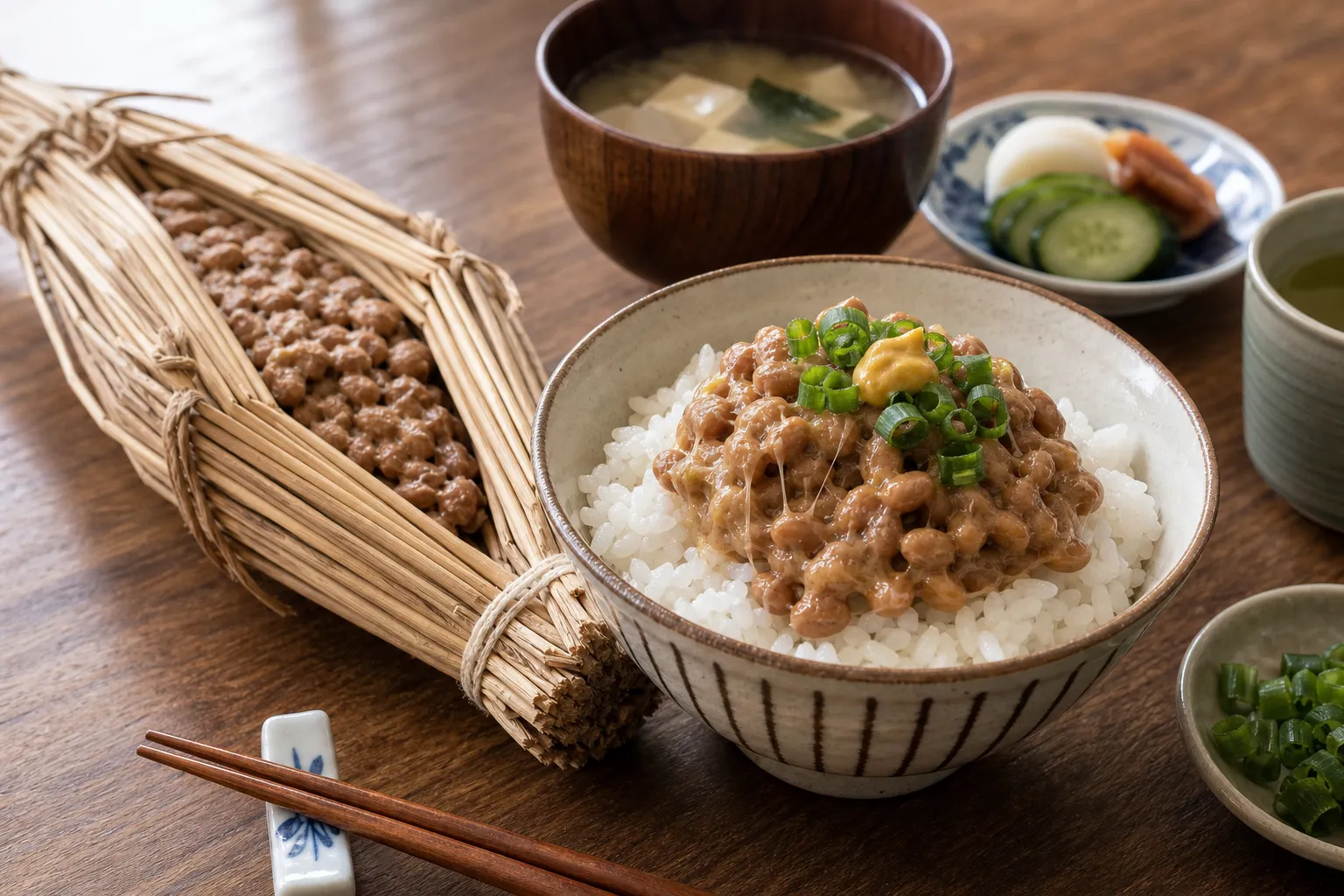
Natto is eaten all over eastern Japan, but Mito is the name people say when they say natto — it's been synonymous with the stuff for well over a century. The old story runs through straw: natto was traditionally made by packing steamed soybeans into bundles of rice straw, whose natural bacteria did the fermenting, and Mito's surrounding farmland gave it both the soybeans and the straw. Small soybeans were prized here because more surface area means more of that sticky, flavorful ferment per bean, and small-bean natto became the local signature. Ride into Mito Station and you'll see natto everywhere — mascots, souvenirs, giant straw bundles. The city is proud.
I love that a city built its identity on the one food most likely to make a first-timer flinch. There's something defiant and warm about it. This isn't a delicacy Mito is trying to dress up; it's honest, humble, farmer's-breakfast food that a whole city decided to champion out loud. Standing on the platform looking at a natto mascot grinning back at me, I felt genuine affection. Any place that rallies behind the underdog food this hard is my kind of place.
What makes the eating experience different
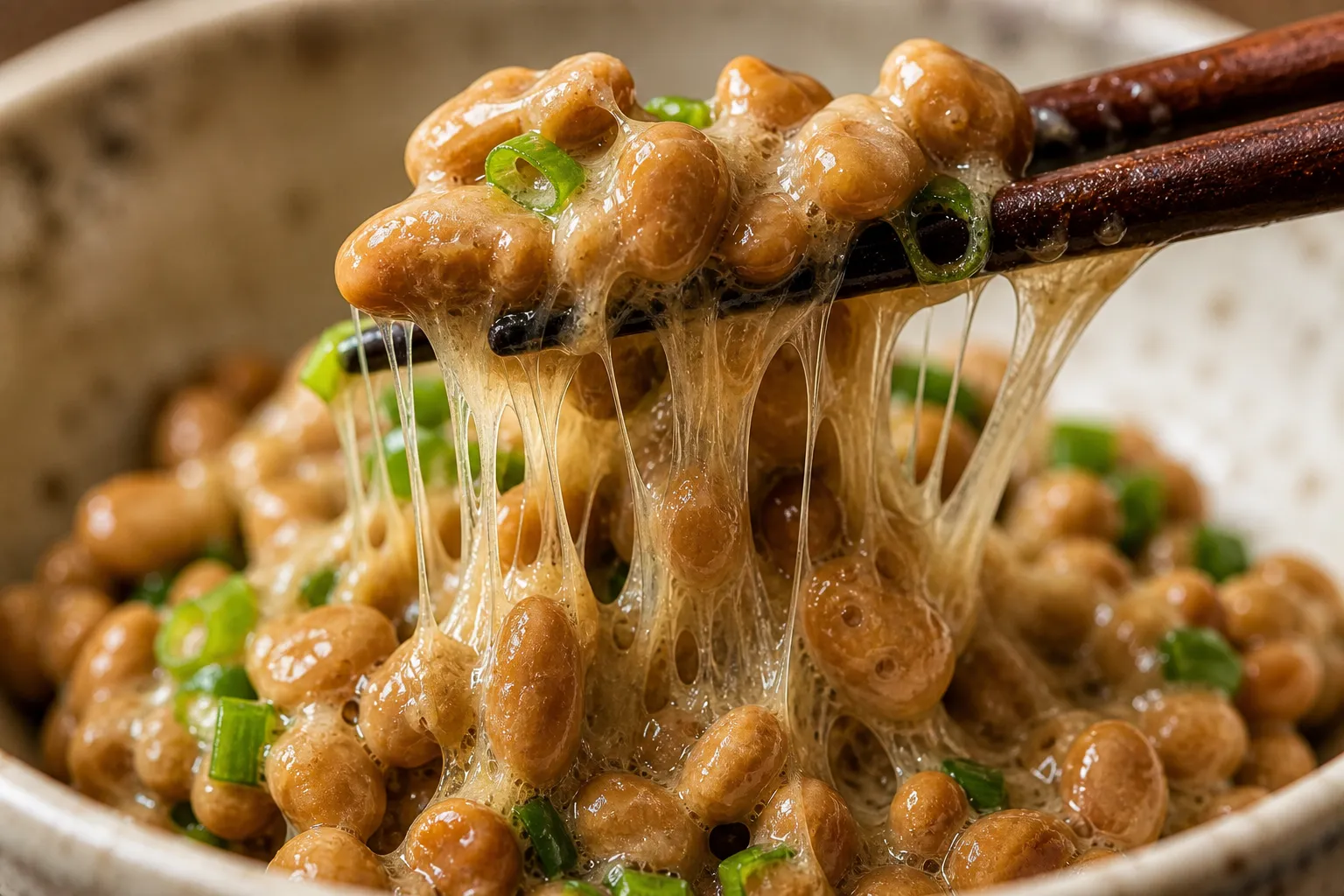
- The strings are the whole spectacle — stir it vigorously and it grows silky threads that stretch, cling, and refuse to let go
- The smell is powerful and fermented up front, but on rice it mellows into deep, savory umami
- Small beans (Mito's specialty) mean more sticky ferment per bite and a softer, more even texture than big-bean natto
- It's a build-your-own bowl — mustard for sharpness, scallion for freshness, raw egg for silkiness, soy for salt; you tune it
- It's cheap, humble breakfast food that somehow becomes a lifelong habit — the more you eat, the more you crave it
How it's made
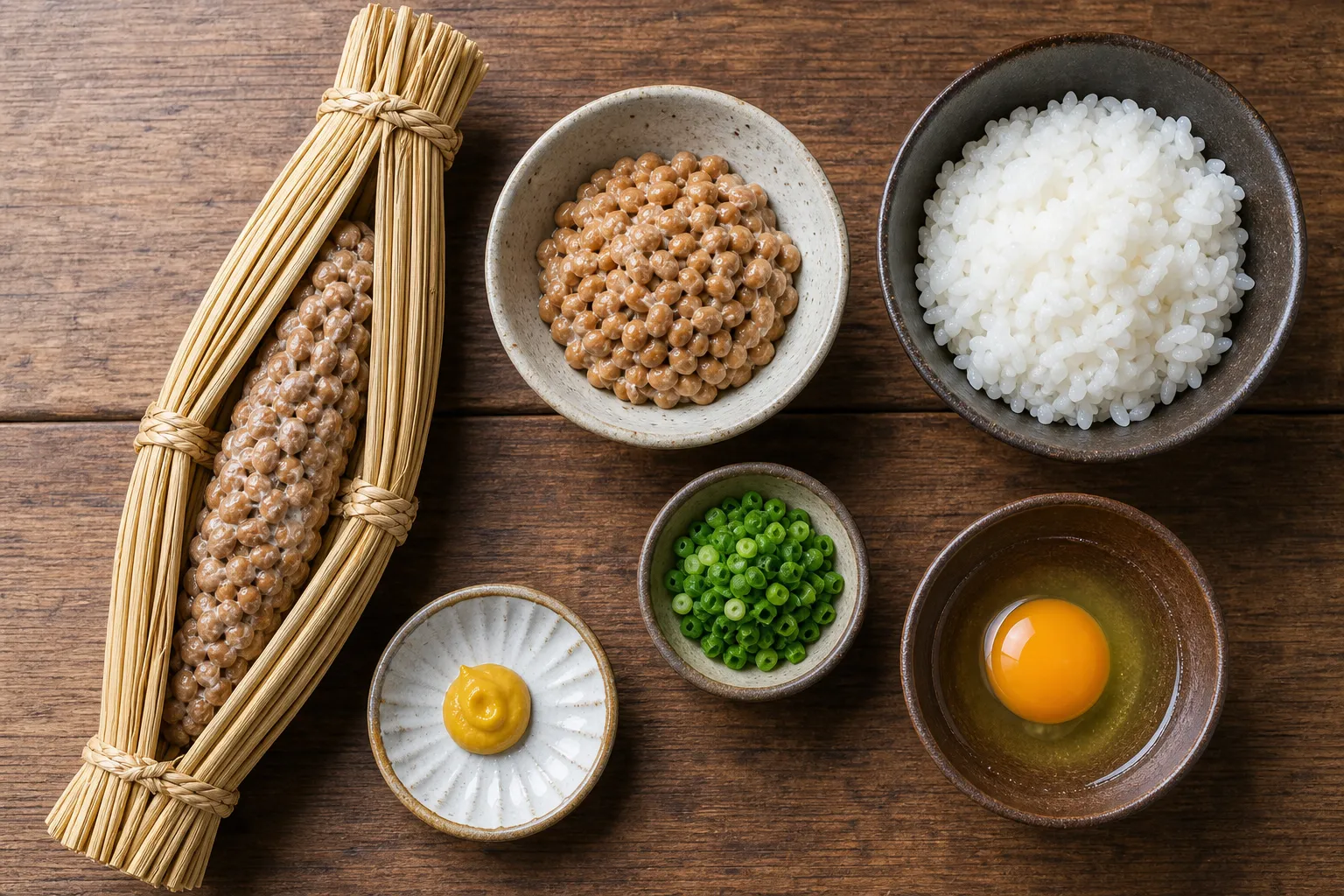
- Soak and steam the soybeans. Small soybeans are soaked, then steamed until tender.
- Introduce the culture. The hot beans are inoculated with Bacillus subtilis (natto bacteria) — traditionally supplied by the rice straw the beans were packed into.
- Ferment warm. The beans are kept warm (around body temperature) for roughly a day, during which the bacteria multiply and develop the stickiness, aroma and umami.
- Age briefly. A rest in the fridge lets the flavor and the sticky strings develop fully.
- Serve and dress. At the table it's stirred hard to build the strings, then seasoned with soy/tare, mustard, scallion and often a raw egg, and spooned over hot rice.
The stirring is a real ritual: the harder and longer you stir, the more strings you build and the creamier the whole thing gets. Season after you stir, not before.
Before you go — meet natto on its home turf
Your questions, answered honestly
"Is it going to smell as bad as people say?" — It's strong, yes — funky and fermented. But the smell is way ahead of the taste; on hot rice with soy and scallion, the flavor is nuttier and more savory than the aroma promises. Breathe, stir, top it, and just try a bite. Most people who push through end up hooked.
"How do I actually eat it?" — Stir it hard in the pack first (this builds the strings and softens the funk), add the little sauce and mustard packets, mix in chopped scallion and — if you're going full local — a raw egg, then pour the whole sticky mass over a bowl of hot rice. Eat it with the rice, not alone.
"Is this just edamame or boiled beans?" — No. Edamame are young green soybeans, boiled and eaten fresh. Natto is mature soybeans fermented until sticky and funky. Same plant, completely different food. The fermentation is the entire personality.
"Raw egg — is that safe?" — Japanese eggs are produced and graded specifically for raw eating and it's extremely common here. That said, raw egg always carries some risk, especially for young children, pregnant travelers, or anyone immunocompromised — skip it if that's you, and the natto's still great without it.
What the staff will ask you
| You'll hear | Romaji | Meaning | Just say |
|---|---|---|---|
| 大粒と小粒、どちらにしますか? | Ōtsubu to kotsubu, dochira ni shimasu ka? | "Large or small beans?" | Kotsubu de (small beans — the Mito style) |
| タレとからし、お付けしますか? | Tare to karashi, o-tsuke shimasu ka? | "Sauce and mustard included?" | Onegaishimasu (yes, please) |
| 生卵をのせますか? | Nama-tamago o nosemasu ka? | "Add a raw egg on top?" | Onegaishimasu / Kekkō desu (yes / no thanks) |
To order, just say "Nattō o kudasai" (納豆をください) — "Natto, please."
Where to eat it
- Mito Station and the city center, Ibaraki — souvenir shops around the station sell the famous straw-wrapped (wara-zuto) natto and local brands; a classic edible souvenir.
- Ibaraki set-meal and breakfast spots — natto is a standard part of a Japanese breakfast set (asa-gohan) across the prefecture; hotels and teishoku restaurants serve it with rice, egg and miso soup.
- Supermarkets anywhere in Japan — for everyday natto, the chiller aisle everywhere stocks multi-packs; look for Ibaraki and Mito-made brands to eat it closest to its source.
Straw-wrapped Mito natto is a traditional gift item and availability at specific shops changes — check before you go if you're after a particular producer, and keep it chilled if you're carrying it home.
Soul Score
Local Roots5/5
First-Timer Friendly2/5
Adventure Level4/5
Comfort Level4/5
Travel Worthy3/5
These scores are one obsessed eater's gut feeling — not a verdict. A low number isn't a bad mark, just a different kind of adventure.
Know someone planning Japan?
← All Articles
Local Food · Mito, Ibaraki
Still hungry?
Eat more from Ibaraki

Local FoodIbaraki
Hoshi-imo (干し芋)
Amber, chewy slabs of nothing but sun-dried sweet potato — no sugar, no additives, just winter, patience and Ibaraki sunshine folded into candy that happens to be a vegetable.
July 12, 2026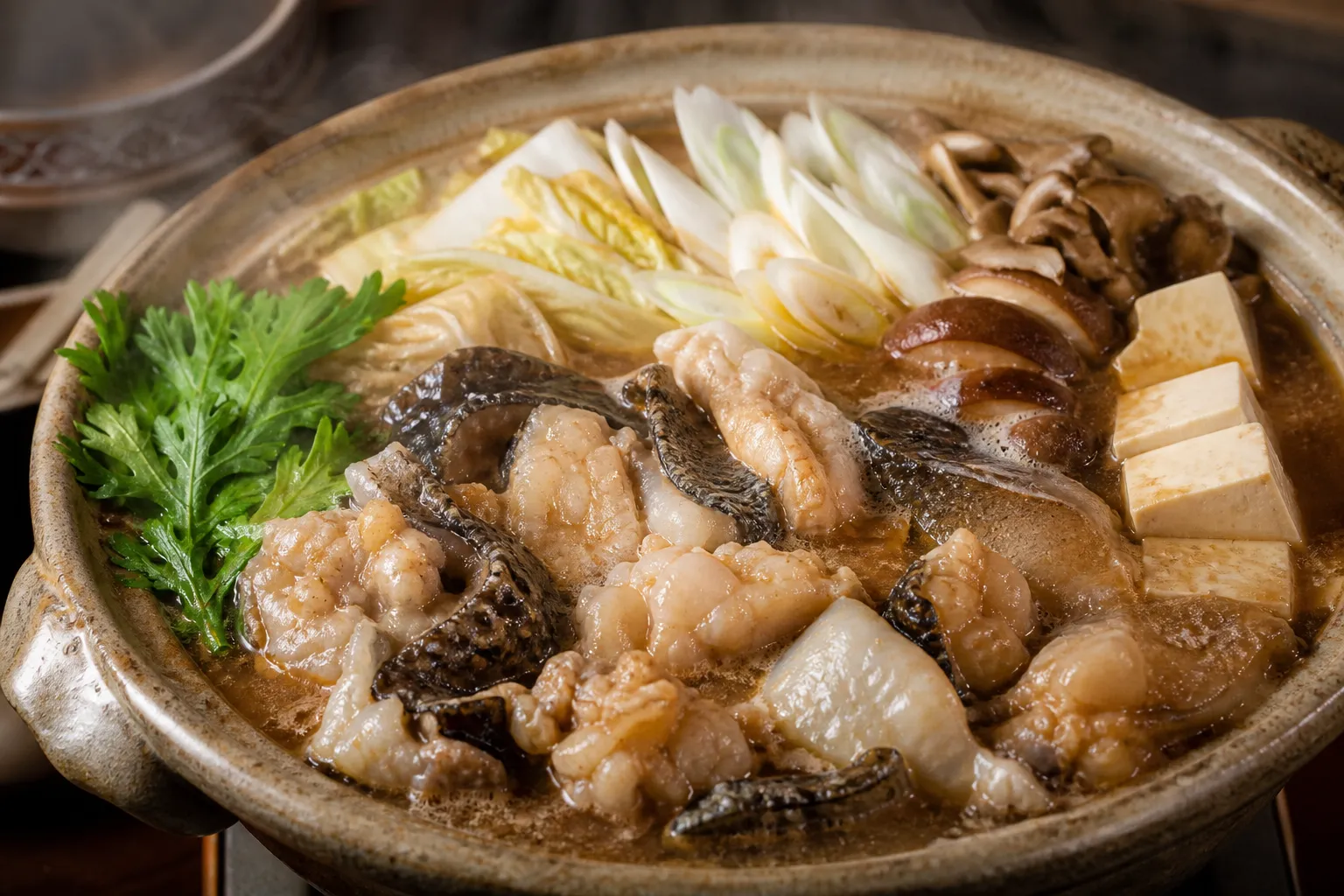
Local FoodOarai, Ibaraki
Anko-nabe (あんこう鍋)
One of the ugliest fish in the entire ocean somehow makes one of the best winter pots in Japan — and the secret weapon is its liver, melted straight into the broth until the whole thing turns rich enough to make you gasp.
July 5, 2026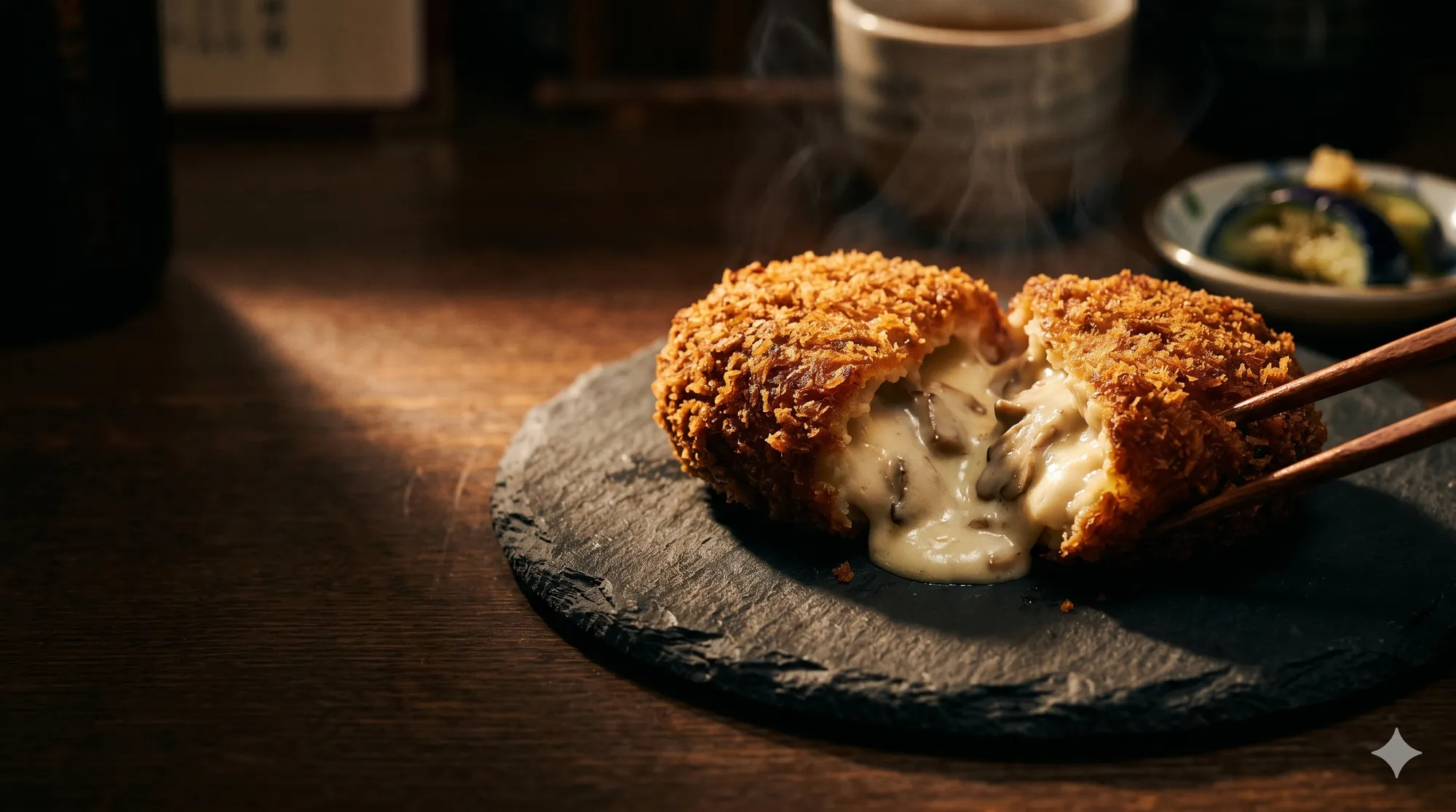
Local FoodIbaraki
Ryugasaki Croquettes (竜ケ崎コロッケ)
A small-town croquette so good it won a national contest. The star? A rice-flour cream croquette oozing maitake and béchamel. Underdog energy, championship flavor.
July 11, 2024